Gas Pool Heater Repair: Fix It or Replace It?
Your pool heater is the key to extending your swim season, but it can also be a source of stress when it’s not working correctly. From a heater that won’t ignite to one that makes strange rumbling sounds, the issues can feel overwhelming. This guide is here to demystify your equipment and empower you as a pool owner. We will cover everything from simple troubleshooting you can safely perform yourself to understanding the critical signs that demand a professional gas pool heater repair. We’ll also walk you through the decision-making process of repairing versus replacing, giving you the knowledge to keep your pool warm and ready for enjoyment.
Key Takeaways
- Identify heater problems early and perform simple checks first: Pay attention to warning signs like unusual noises or rust, and before calling a pro, confirm the power is on, the filter is clean, and the gas valve is open.
- Weigh the cost of repair against replacement by considering your heater's age: A repair is usually best for newer units (under five years), but frequent breakdowns on an older heater (8+ years) means a new model is a smarter investment.
- Prioritize safety by hiring a certified professional for all complex heater work: Gas and electrical components require expert handling, so choose a trusted local technician who can diagnose issues correctly and understands Denver's unique equipment needs.
Is Your Gas Pool Heater Trying to Tell You Something?
When your pool heater starts acting up, it can feel like it’s speaking a different language. Is that strange noise a minor hiccup or a major problem? Is the water taking longer to heat up, or are you just being impatient? Learning to spot the early warning signs can save you from a cold pool and an expensive emergency call. Before you can decide whether to repair or replace it, you first need to figure out what your heater is telling you.
Telltale Signs Your Heater Needs Attention
Your pool heater will usually give you a few hints before it quits. If your heater is getting old, say around 8 to 12 years, it’s time to pay closer attention. A key sign of trouble is when you’re scheduling repairs more frequently. One fix a year might be normal, but if your technician is on speed dial, your heater is likely on its last legs. Other clues include water that just won’t get warm enough, strange noises like rumbling or popping, or visible rust and corrosion on the unit itself. Sometimes, issues like cloudy water or poor circulation can also point to a struggling heater that isn't filtering water effectively.
Simple Checks You Can Do Yourself
Before you pick up the phone, running through a few simple checks can sometimes solve the problem and save you a service fee. Think of it as basic troubleshooting. First, make sure the heater’s power switch is in the "On" position and that the thermostat is set to a temperature higher than the current water temperature. Next, check that your pool pump is running and the filter is clean; a heater needs steady water flow to operate. Finally, confirm that the gas valve is open. If you use propane, check the tank to ensure it has fuel. These quick steps cover the most common reasons a heater fails to start.
When It's Time to Call a Professional
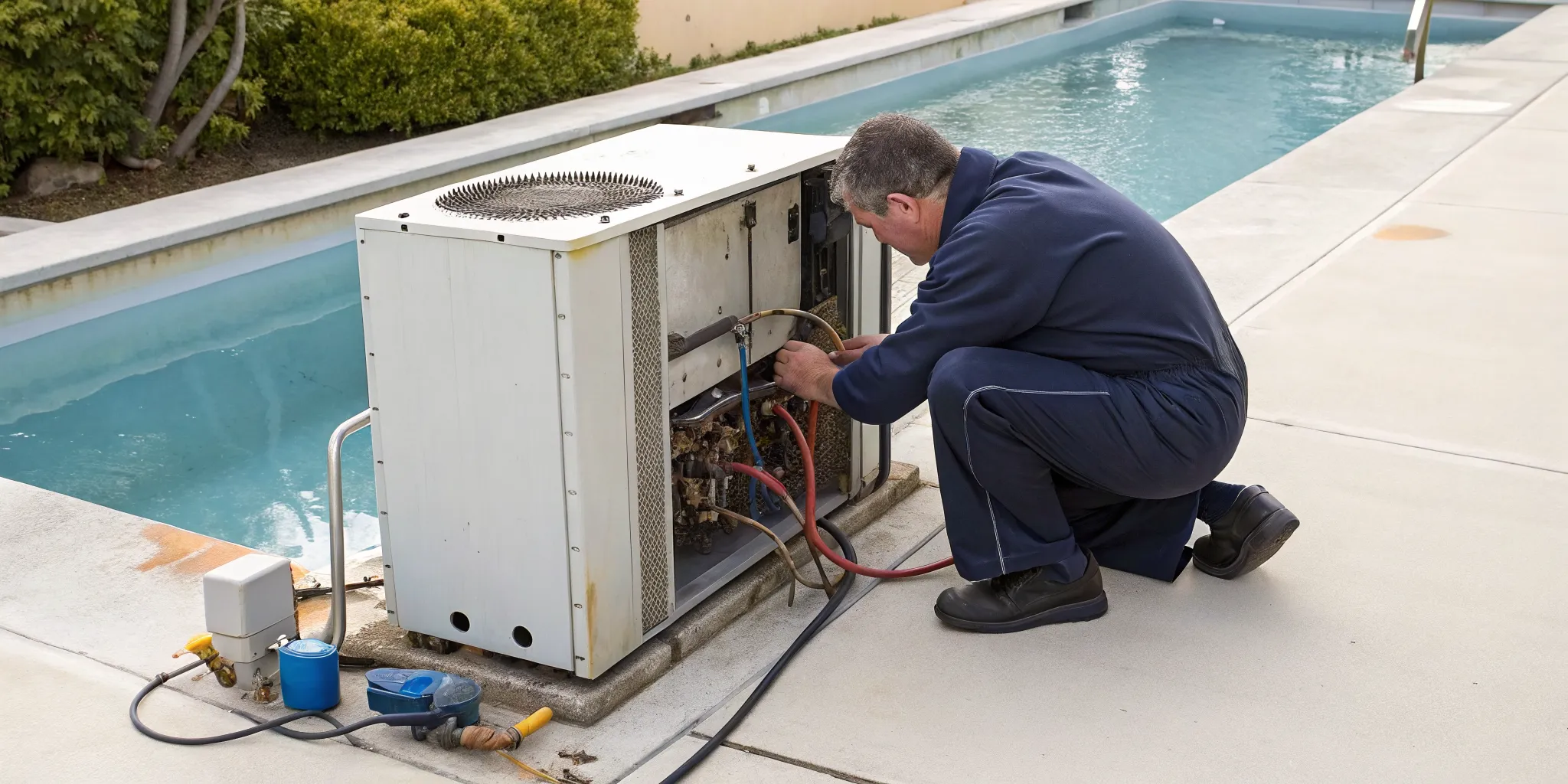
While a quick check is fine, gas pool heaters are complex machines. For your safety, any work involving gas lines or internal components should always be handled by a certified professional. It’s time to call for equipment repairs and servicing if your initial checks don’t work or if you notice soot, strange smells, or leaks around the unit. A good rule of thumb involves the heater's age and performance. If it’s under five years old, a repair usually makes sense. But if it’s approaching the 8-to-12-year mark and breaking down often, replacement is likely the smarter long-term investment. A pro can give you an accurate diagnosis and help you weigh your options.
Repair or Replace: Making the Smart Choice for Your Pool Heater
When your pool heater starts acting up, you’re faced with a big question: is it better to fix it or just start fresh with a new one? It’s a decision that balances your immediate budget with long-term savings and reliability. A quick fix might seem tempting, but it isn’t always the most sensible financial move. Thinking through a few key factors can help you make a confident choice that keeps your pool warm and your wallet happy for years to come. Let’s walk through how to determine the best path forward for your specific situation.
Weighing the Long-Term Value
A simple rule of thumb is to look at your heater’s age. If it’s under five years old, a repair is usually the most logical option. However, if your heater is approaching the 8 to 12-year mark, replacement often becomes the more cost-effective choice. While a single repair bill is less than a new unit, the costs of frequent fixes on an aging heater can quickly add up. A modern, energy-efficient model can also lead to significant savings on your monthly utility bills, offsetting the initial investment over time. Our team can help you assess the condition of your unit and provide straightforward advice on your equipment repairs.
Consider Your Heater's Age and Performance
Beyond its age, your heater’s recent performance tells a story. Are you on a first-name basis with your repair technician because of constant breakdowns? Are the repair costs getting steeper each time? These are strong signs that your heater is nearing the end of its functional life. Another major clue is a sudden spike in your energy bills. An older heater has to work much harder to maintain the same temperature, losing efficiency and costing you more money. In Denver's variable climate, having a reliable and efficient heater is key to extending your swim season without breaking the bank.
How to Decide What's Best for Your Pool
To make the decision clearer, ask yourself three simple questions:
- How old is the heater? If it’s young (under five years), lean toward repair. If it’s older (nearing 8-12 years), replacement is likely the better investment.
- How often does it break down? If you’re scheduling repairs more than once a season, it’s probably time for a new, more reliable unit.
- How much energy is it using? If your utility bills are climbing, a new, high-efficiency model will provide more consistent heating for a lower operating cost.
Answering these questions will give you a solid foundation for your decision. If you’re still unsure, a professional evaluation can provide the final piece of the puzzle.
Keep Your Pool Heater Happy: A Simple Maintenance Guide
A little proactive care for your pool heater can save you from a lot of headaches and chilly swims. Think of it like changing the oil in your car; it’s a simple step that prevents bigger problems from popping up unexpectedly. Regular maintenance is a smart investment that helps keep your pool consistently warm and avoids the stress of emergency repairs. By staying on top of a few key tasks, you can extend your heater’s life and ensure it’s ready to go whenever you are.
Your Seasonal Maintenance Checklist
Keeping your heater in good shape doesn’t have to be complicated. A simple seasonal routine can make all the difference. At the start of the pool season, take a few minutes to clear away any leaves, branches, or debris that have collected around the unit over the winter. Give it a quick visual inspection to make sure vents are clear and there are no obvious signs of nesting critters. Throughout the summer, just keep the area free of overgrown plants and clutter. When it’s time to close your pool for the season, having a professional inspect the heater is a key part of proper winterization, especially here in Denver. This is where a professional cleaning and maintenance plan really pays off.
The Importance of Water Balance and Airflow
Two of the most critical factors for a healthy pool heater are balanced water chemistry and clear airflow. Improperly balanced water can be corrosive, slowly eating away at the delicate components inside your heater, especially the heat exchanger. This part is the heart of the unit and one of the most expensive to replace. Consistently testing your water and using the right supplies and chemicals is your best defense. Just as important is airflow. Gas heaters need to breathe, so ensure the vents are never blocked. Good ventilation allows the unit to operate efficiently and safely, preventing soot buildup and other potential hazards.
What to Watch for Between Service Visits
Your heater will often give you clues when something isn’t right. If you notice any of these signs, it’s best to address them right away. The most obvious sign is that your water is cold even when the heater is running. You should also pay attention if the heater makes unusual noises like rumbling or whistling, if you see soot forming on the unit, or if it struggles to ignite. Other pool-wide symptoms, like cloudy water or poor circulation, can also be linked to heater performance. If you spot any of these issues, it’s a good idea to call a professional for equipment repairs before a small problem becomes a major one.
Finding a Trustworthy Pool Heater Pro in Denver
When your pool heater acts up, finding the right person for the job is just as important as the repair itself. You need a pro who understands both the complex machinery and the specific challenges of Denver's climate. The key is to look for a combination of experience, clear communication, and a solid local reputation. This ensures you’re not just getting a quick fix, but a reliable, long-term solution that gives you peace of mind, ensuring your pool is ready when you are.
What to Look for in a Repair Technician
When you’re searching for a technician, prioritize professionals with certified training and hands-on experience. Pool heaters are a tricky mix of electricity, gas, and water, and a mistake can be more than just inconvenient; it can be dangerous. A trained professional has the right tools and knowledge to diagnose the problem correctly and perform equipment repairs and servicing safely. Look for a company that stands behind its team’s qualifications. This ensures the technician who shows up at your home is prepared to handle the complexities of your system, protecting both your investment and your family’s safety.
Key Questions to Ask Before You Hire
Before you commit to a service, it’s smart to ask a few questions to gauge a technician's expertise. Start by asking about their inspection process. A good pro should be able to clearly explain how they’ll diagnose the issue before they start working. You can ask, "Can you walk me through how you inspect the heater to find the problem?" It’s also critical to confirm they are qualified to handle gas lines. Improper work on a gas heater can lead to serious risks, including dangerous carbon monoxide leaks. A confident and transparent answer to these questions is a great sign you’re dealing with a true professional.
Your Local Solution for Pool Heater Care
For pool and spa owners in Denver, having a local expert makes all the difference. We understand how our unique weather patterns affect your equipment. At Neptune Pools, our certified technicians are your neighbors, dedicated to helping you maintain and protect your swimming pool and spa. We don’t just fix what’s broken; we offer comprehensive care, from routine cleaning and maintenance to complex repairs and even complete remodels. Our goal is to ensure your heater operates efficiently and safely, so you can spend less time worrying about your equipment and more time enjoying your water.
Frequently Asked Questions
How often should I have my pool heater professionally serviced? A good rule of thumb is to have a certified technician inspect your heater at least once a year. The perfect time for this is during your seasonal pool opening or closing. An annual check-up allows a professional to clean the unit, test its performance, and catch any small issues before they turn into costly, inconvenient breakdowns.
My heater is making a strange noise. What's the first thing I should do? First, don't ignore it. Before calling for service, you can run through a few quick checks: make sure the pump is running, the filter is clean, and the area around the heater is clear of debris. However, if the noise continues, or if you notice any leaks or strange smells, you should turn the unit off and call a professional right away. For safety reasons, it's always best to let an expert handle any internal diagnostics.
Is it really worth replacing my old heater if it still technically works? Just because a heater turns on doesn't mean it's working well. If your heater is over eight years old, needs frequent repairs, or your utility bills are climbing, it's likely losing efficiency. A new, modern heater can provide more reliable performance and the energy savings can often offset the initial investment over time, making it a smarter financial choice in the long run.
How much does poor water chemistry actually affect my heater? It affects it a great deal. Water that is improperly balanced can become corrosive and slowly damage the delicate metal components inside your heater, particularly the heat exchanger. This is one of the most vital and expensive parts to fix. Consistently maintaining proper water chemistry is one of the most effective ways you can protect your heater and extend its lifespan.
Besides its age, what's the clearest sign that my heater is failing? The frequency of repairs is one of the most telling signs. If you find yourself scheduling service calls more than once a season, your heater is sending a clear signal that it's on its last legs. Another major clue is a noticeable decline in performance, such as the water taking much longer to heat up than it used to. These issues indicate that the internal components are wearing out and a complete failure may not be far off.
Related Blogs