How to Winterize Your Above Ground Pool & Sand Filter
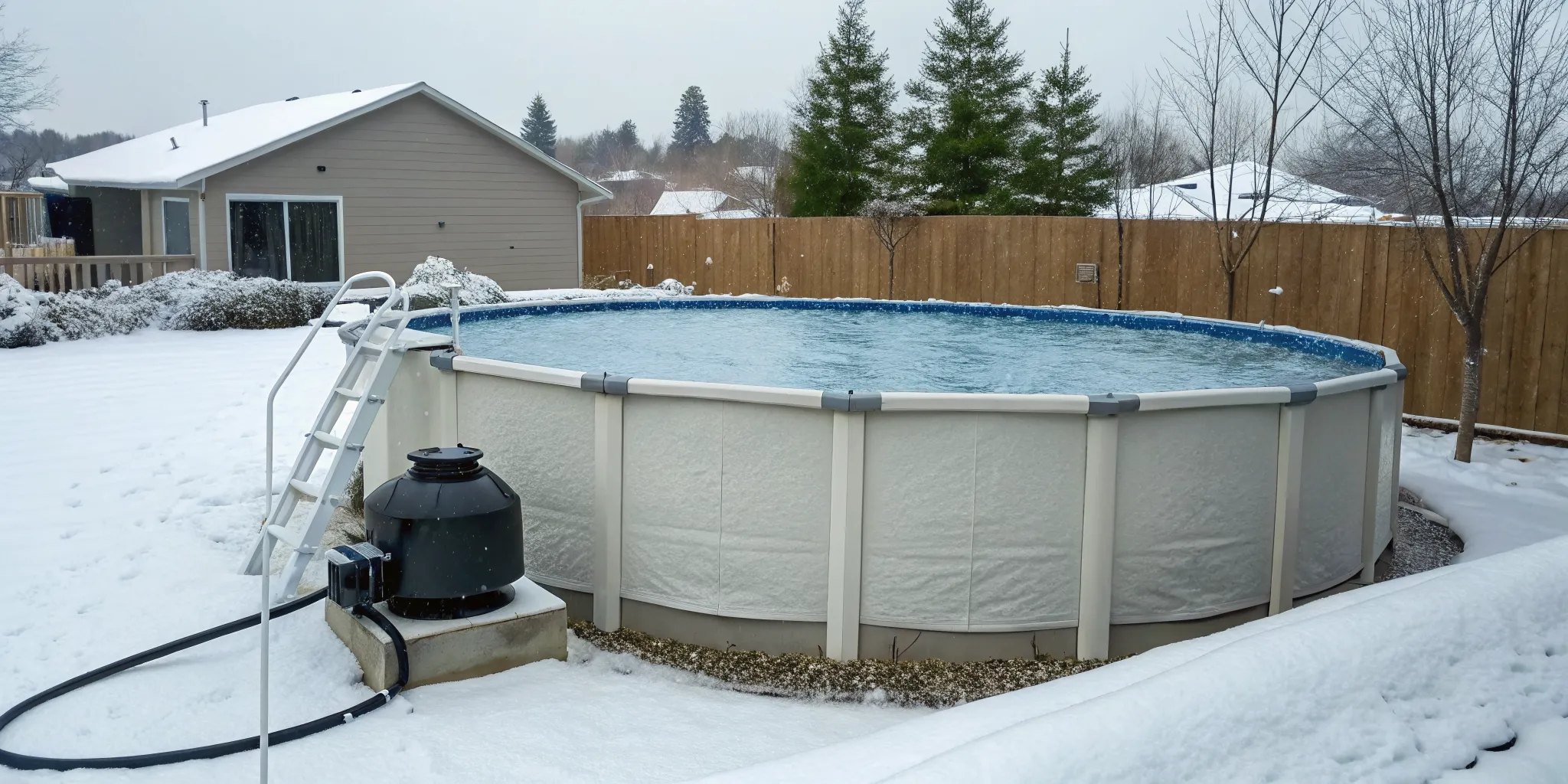
Think of closing your pool not as a chore, but as the first step toward a great summer next year. A successful spring opening starts with a thorough fall closing, and getting it right is crucial here in Denver. The process protects your investment from freeze damage that can destroy plumbing and equipment. This is especially true for your filter system. Learning how to winterize an above ground pool with a sand filter correctly is your best defense against cracked tanks and broken valves. We’ll walk you through everything, from balancing your water chemistry to draining your equipment, so you can rest easy knowing your pool is safe all winter. If you’d rather leave it to the experts, our cleaning and maintenance team is always here to help.
Key Takeaways
- Protect your equipment from freezing temperatures: The most important step is draining all water from your pump, filter, and plumbing lines. Lowering the water level and using winter plugs prevents expanding ice from cracking your equipment, saving you from expensive spring repairs.
- Clean and balance your water for a clear spring opening: Start by thoroughly cleaning the pool to remove all debris, then balance the water chemistry. This simple prep work prevents algae growth and protects your pool's surfaces, making your spring opening much faster and easier.
- Install your winter cover correctly for total protection: Your winter cover is the final defense against debris and harsh weather. Use an air pillow to absorb ice pressure and anchor the cover securely to ensure your pool stays clean and protected until swimming season returns.
Why You Need to Winterize Your Pool
Closing your pool for the season is more than just throwing a cover over it and hoping for the best, especially here in Denver. Winterizing is a critical process that protects your investment from the harsh, freezing temperatures. Think of it as putting your pool into a safe hibernation so it’s ready to go the moment the weather warms up. Skipping this step can lead to serious damage to your pool’s structure and equipment, turning what should be an exciting spring opening into a stressful and expensive project.
Properly preparing your pool for winter ensures that everything from the plumbing lines to the filter system is shielded from the elements. It also keeps your water in better condition, preventing algae blooms and contamination that can be a nightmare to deal with in the spring. A little effort now saves you a ton of work and money later.
Protect Your Pool from Freeze Damage
The biggest threat to your pool during a Denver winter is freeze damage. When water freezes, it expands with incredible force. If water is left in your pool pump, filter, or plumbing lines, this expansion can cause them to crack or even burst. It’s essential to get all the water out of your pool equipment before the first hard freeze hits. This damage isn't just a small leak; it can ruin expensive components and require significant equipment repairs to get your system running again. Protecting your equipment is the number one reason to follow a thorough winterization checklist.
Avoid Expensive Spring Repairs
Taking the time to winterize your pool correctly will help it last longer and save you from major headaches when you open it next spring. The damage from frozen lines and cracked filters can lead to a long list of repairs that could have been easily avoided. Beyond equipment issues, improper closing can lead to algae growth and chemical imbalances that make the water unsafe and difficult to treat. By following the right steps, you ensure your pool equipment works correctly and your water stays clear. This makes for a much simpler, faster, and more affordable pool opening, letting you enjoy the swimming season without delay.
Gather Your Winterization Supplies
Before you start draining and disconnecting anything, let's get all your supplies in one place. Think of it like prepping your ingredients before you start cooking a meal; having everything ready makes the entire process go much smoother and faster. A quick supply run now will save you from making a last-minute trip to the store with a half-winterized pool in your backyard. This preparation is the first step to protecting your investment from the harsh Denver winter ahead.
Your Winter Chemical Checklist
Getting your water chemistry right before you close up shop is the secret to a clear, algae-free pool next spring. You can often find these items in a pre-packaged winterizing kit, or you can buy them individually. If you need help finding the right products, we offer a full range of supplies and chemicals to get you started.
Here’s what you’ll need:
- pH increaser
- Alkalinity increaser
- Calcium hardness increaser
- Pool shock
- A quality algaecide
Essential Tools and Equipment
With your chemicals ready, let's round up the tools and equipment you'll need to finish the job. Having these items on hand will help you protect your pool and its plumbing from freeze damage. If you find any of your equipment is broken or worn out during this process, it's much better to handle those repairs now than to be surprised by a bigger problem in the spring.
Your tool checklist should include:
- A durable winter cover
- An air compressor or shop vac to blow out water lines
- Winterizing expansion plugs for the return lines and skimmer
- Standard pool cleaning tools, like your vacuum and wall brush
- An air pillow to place under the cover
- Cover accessories, including a winch, cable, and clips
Clean and Prep Your Pool
Before you add any winter chemicals or put the cover on, your pool needs a thorough cleaning. Think of it as setting the stage for a successful closing. Starting with a spotless pool is the single best thing you can do to prevent a green, swampy mess when you open it next spring. A little extra effort now saves you a ton of work and potential headaches later. This process involves getting rid of all physical debris and making sure the water chemistry is perfectly balanced for the long off-season.
Remove Debris and Vacuum the Pool
First things first, let's get everything out of the water that doesn't belong there. Grab your skimmer net and clear the surface of all leaves, twigs, and floating debris. Once the surface is clear, it’s time to vacuum. Give the pool floor a meticulous vacuuming, making sure you get every section. This step is about more than just appearances; removing all that organic matter starves potential algae and mold of the food they would need to grow over the winter. A clean pool is the first line of defense against a difficult spring opening. If you're short on time, our team offers professional cleaning and maintenance to get your pool ready for winter.
Test and Balance Your Water Chemistry
With the debris gone, it's time to focus on the water itself. Properly balanced water will protect your pool’s surfaces and equipment from corrosion and scale buildup during the cold Denver winter. Use a good quality test kit to check the levels. You’ll want to adjust them in this order:
- Total Alkalinity: Aim for a range between 80-120 ppm. Adjust this first, as it helps stabilize your pH.
- pH: Your target is between 7.4-7.6. A stable pH prevents irritation and equipment damage.
- Calcium Hardness: This should be between 200-400 ppm to protect your liner and prevent corrosion.
You can find all the necessary supplies and chemicals to get these levels just right at our shop.
Brush the Pool Walls and Floor
For the final cleaning step, give the entire pool a good brushing. This dislodges any stubborn dirt or microscopic algae spores that the vacuum might have missed, especially along the waterline and in corners. Brushing ensures your winterizing chemicals can work on the water, not on fighting grime stuck to the surfaces. It’s also a great opportunity to inspect your pool liner and walls for any signs of wear or tear. If you spot any issues, it’s much easier to schedule repairs now than to discover a bigger problem in the spring. A final brush-down leaves the surfaces perfectly prepped for the winter ahead.
How to Clean Your Sand Filter for Winter
Your pool’s sand filter worked hard all summer to keep your water sparkling. Before you put it to bed for the winter, it needs a thorough cleaning. Think of it as a final deep clean before a long rest. Any dirt, oils, and debris left inside can solidify over the winter, making the sand less effective next season or even requiring a complete sand change. More importantly, trapped water is the biggest enemy of your pool equipment during a Denver winter. When that water freezes, it expands, which can easily crack the filter tank or the multiport valve. This kind of damage often goes unnoticed until you try to open your pool in the spring, leading to frustrating delays and unexpected costs. Taking the time to properly clean your filter now is one of the best ways to protect your investment. A clean, dry filter is a happy filter, and it sets you up for a much easier pool opening next season. If you run into issues or notice damage during this process, remember that professional equipment repairs and servicing can prevent small problems from becoming big ones. Follow these simple steps to get your sand filter ready for its long winter nap.
Backwash the Sand Filter
The first step is to give your filter a good backwashing. This process reverses the flow of water through the filter, flushing out all the dirt, debris, and contaminants that have built up in the sand over the swimming season. Start by setting your multiport valve to "Backwash" and running the pump. Keep an eye on the sight glass; you’ll want to continue the backwash until the water running through it is completely clear. Once it’s clear, turn off the pump. Then, move the valve to the "Rinse" setting and run the pump for another 30 seconds to resettle the sand.
Complete a Final Rinse
After you’ve finished backwashing, the final rinse is a quick but crucial step. Running the rinse cycle helps to properly resettle the sand bed inside the filter tank. This prevents sand from being blown back into your pool the next time you start the system. It also clears out any remaining dirty water from the valve and plumbing lines after the backwash. Just like with the backwash, you’ll turn the pump off completely before moving the valve. This simple action ensures your filter is clean and the sand is perfectly positioned for its winter hibernation.
Set the Valve to "Winter"
Once the rinse is complete, turn the pump off one last time. Now, look for the "Winter" or "Winterize" setting on your multiport valve. If your valve has this option, move the handle to that position. This setting opens all the ports, allowing any remaining water in the valve to drain out completely. This prevents water from getting trapped, freezing, and cracking the valve body. If your valve doesn’t have a winter setting, you can simply leave the handle in a neutral position between any two settings. This achieves the same goal of allowing for proper drainage. If you're unsure about any step, our cleaning and maintenance team is always here to help.
Lower the Water Level
Once your pool is clean and the water is balanced, the next crucial step is to lower the water level. This is one of the most important parts of protecting your pool from the harsh Denver winter. When water freezes, it expands with incredible force. If water is left in your skimmer or plumbing lines, this expansion can cause pipes to crack and equipment to break, leading to some serious and costly problems come springtime.
Properly lowering the water and protecting your plumbing ensures that your pool structure and equipment are safe from ice damage. It’s a preventative measure that saves you from headaches and unexpected equipment repairs when you’re ready to open your pool again. Think of it as putting your pool into a safe hibernation for the winter. This process might seem like a hassle, but taking the time to do it correctly now will make for a much smoother and more affordable pool opening next year.
Drain Water Below the Skimmer
Your goal is to lower the water level until it’s about four to six inches below the skimmer opening and any return lines. This ensures no water can get into the plumbing system and freeze. You can use a submersible pump or siphon to drain the water to the correct level. One very important note: never drain an above-ground pool completely. The structure is designed to be supported by the weight of the water, and emptying it can cause the walls to collapse or damage the liner. Just lower it enough to get below the plumbing lines, and you’ll be in good shape.
Install Winter Plugs and Guards
With the water level lowered, it’s time to seal off your plumbing. Use threaded winterizing plugs to seal the return lines, which prevents any water from getting back into the pipes. For the skimmer, you can use a special plug called a Gizzmo. This handy device screws into the skimmer and is designed to absorb the pressure from any ice that forms, protecting the skimmer walls from cracking. You can find all the necessary winterizing supplies and chemicals to get this done right. Taking this step is your best defense against freeze damage.
Add an Air Pillow to Absorb Ice
An air pillow is your pool cover’s best friend during a Denver winter. This inflatable vinyl pillow sits in the center of your pool, underneath the winter cover. Its job is to absorb the pressure from expanding ice. As water on the surface freezes, it will press inward on the pillow instead of outward on your pool walls, protecting the structure from damage. When you inflate the air pillow, only fill it about 50% to 60% of the way. This gives it room to compress under the weight of ice and snow without popping.
Add Winterizing Chemicals
Once your pool is clean and the water is balanced, the final chemical treatment is what protects it through the long Denver winter. Adding a winter chemical kit helps prevent algae growth and keeps the water from turning into a swampy mess under the cover. This step is crucial for protecting your pool’s liner and ensuring a much easier opening process in the spring. If you're unsure which products to use, we can help you find the right supplies and chemicals for your specific setup.
Apply Shock and Algaecide
A few days before you plan to cover the pool, you’ll want to give it a final shock treatment. This potent dose of chlorine eliminates any lingering bacteria or organic contaminants. Shocking the water now ensures you’re starting with a completely sanitized environment. After shocking, add a dose of winterizing algaecide. This is different from your summer algaecide; it’s a long-lasting formula designed to prevent algae spores from blooming in the dark, stagnant water under the cover. This one-two punch is your best defense against waking up to a green pool next year.
Protect Plumbing with Antifreeze
In Denver, freezing temperatures are a serious threat to your pool’s plumbing. Even after you’ve drained your equipment, small amounts of water can get trapped inside. When that water freezes, it expands and can easily crack your pump or filter, leading to expensive problems. To prevent this, use a non-toxic swimming pool antifreeze. After disconnecting your hoses, pour the antifreeze into the lines to displace any remaining water. This simple step provides an essential safeguard for your system. If you’re not comfortable handling your equipment, our team offers professional repairs and servicing to ensure everything is protected correctly.
Circulate the Chemicals
After adding the shock and algaecide, you need to make sure they are distributed evenly throughout the pool. Run your pump for several hours to circulate the water completely. This step is vital for the chemicals to work effectively, ensuring every part of your pool gets the protection it needs to stay clear and algae-free all winter. This will be the last time you run your filter system before shutting it down, so give it enough time to do its job thoroughly. Once the chemicals are fully mixed, you can turn off the system.
How to Disconnect and Store Your Filter System
With your pool water treated and the levels lowered, the final major step is to protect your equipment. Your pump and filter system are the heart of your pool, and leaving them connected and exposed to the elements is a recipe for disaster. Water left inside can freeze, expand, and crack the housing, leading to costly damage. Taking the time to properly drain, disconnect, and store your system is one of the smartest things you can do to protect your investment and ensure a smooth pool opening next spring. If you run into any issues or notice existing damage during this process, it's a great time to schedule an equipment repair before the busy season starts.
Drain the Filter and Pump
First things first, you need to get every last drop of water out of your filter and pump. Any water left behind is a risk, as it can freeze and cause serious cracks in your equipment. Start by opening the drain cap at the bottom of your sand filter tank and let it empty completely. Next, locate the drain plugs on your pump and remove them to let the water out. It’s a good idea to put the small plugs and caps in your pump’s strainer basket so you don’t lose them over the winter. This simple step is your best defense against freeze damage.
Disconnect All H hoses
Once the pump and filter are fully drained, it’s time to disconnect all the hoses. Carefully detach the hoses that connect to the skimmer, the return jet, and any other fittings on your pump and filter system. This prevents water from getting trapped in the lines and causing them to split when temperatures drop. Before you put them away, make sure the hoses are completely dry inside and out to stop any mold or mildew from growing during storage. A little bit of prep work now saves you from slimy surprises in the spring.
Store Equipment for the Denver Winter
Your pool equipment needs a safe, dry home for the winter. The harsh Denver weather can be tough on plastic and metal components, so leaving them outside is not an option. A garage, shed, or basement is the perfect place to store your pump, filter, hoses, and any other small parts. Keeping them in a sheltered spot protects them from freezing temperatures, snow, and ice, extending their lifespan and ensuring they’re ready to go as soon as the weather warms up. If you're short on space or time, our pool maintenance team can handle the entire winterization process for you.
Install and Secure the Winter Cover
You’re on the home stretch! Installing the winter cover is the final, crucial step to tucking your pool in for its long winter nap. This barrier is your pool's primary defense against snow, ice, debris, and harsh Denver sunlight. Taking the time to install it correctly prevents a mess of leaves and dirt in the spring and, more importantly, protects your pool’s structure from potential damage. A secure cover gives you peace of mind, knowing your investment is safe until the swimming season returns. If you'd rather leave it to the pros, our team offers complete cleaning and maintenance services to handle the closing process for you.
Choose the Right Winter Cover
Not all covers are created equal. You need a dedicated winter cover, which is made from a solid, durable material designed to withstand heavy snow and block sunlight. This prevents algae growth and keeps debris out. When you get your cover, make sure you also have the right tools for the job: a cable and winch are standard for securing it around the pool's edge. Some people also use cover clips for extra security against strong winds. Having all your supplies and chemicals ready before you start makes the whole process go much smoother.
Install and Anchor It Correctly
With a helper, spread the cover across the pool, making sure it rests on the water's surface and the air pillow you placed earlier. The goal is to have it centered with an even amount of overhang all the way around. Next, thread the cable through the cover’s grommets and use the winch to pull it tight until it’s snug against the pool frame. You want it secure enough to handle wind but not so tight that it puts stress on the cover or pool walls. Throughout the winter, use a small pump to remove any water that collects on top to prevent sagging and tearing.
Maintain Your Cover All Winter
Your job isn’t quite done once the cover is on. Throughout the Denver winter, make a habit of checking on your pool cover, especially after heavy snowfall or windy days. Ensure the cable is still tight and that there are no rips or tears. If you notice any issues, it’s best to address them right away to prevent minor problems from becoming major ones. A sagging or damaged cover can’t do its job, potentially leading to costly equipment repairs in the spring. A quick check every few weeks is all it takes to ensure your pool stays protected.
Common Winterizing Mistakes to Avoid
Closing your pool for the season can feel like a big project, and it’s easy to miss a step or two. Unfortunately, even small oversights can lead to big headaches when it’s time to open your pool again in the spring. Taking the time to do it right protects your investment and saves you from unexpected costs. By steering clear of a few common missteps, you can ensure your pool weathers the Denver winter safely and is ready for fun as soon as the warm weather returns.
Not Draining Equipment Fully
One of the most critical steps in winterizing is removing all water from your pool equipment. When water freezes, it expands, and that expansion can easily crack your pump, filter, and plumbing. Make sure every drop of water is drained from your pump and filter. Leaving water in your sand filtration system is a common mistake that might lead to cracks, affecting its performance next season. Double-check that all drain plugs are removed and that the lines are completely clear. This simple step can prevent the need for expensive equipment repairs when you’re trying to open your pool in the spring.
Adding Chemicals at the Wrong Time
The order in which you add your winterizing chemicals matters. Adding them incorrectly can make them less effective, leaving your pool vulnerable to algae and staining over the winter. Always follow the instructions on your chemical packaging. A good rule of thumb is to shock the pool first to eliminate contaminants. After shocking, add algaecide to prevent algae growth, and then add a stain and scale remover to protect your pool’s surfaces. It's important to spread these winterizing chemicals evenly and allow the pump to circulate the water for several hours to ensure they are fully distributed before you shut the system down.
Installing the Cover Incorrectly
Your pool cover is the final line of defense against winter weather, so a proper installation is key. A loose or improperly secured cover can allow debris, rainwater, and snowmelt to get into your pool, undoing all your hard work. Spread the winter cover completely over the pool and secure it tightly with the cable and winch or cover clips. For extra security, consider using a pool cover pump to remove any water that collects on top during the winter. A sagging cover is not only ineffective but can also be a safety hazard and is more likely to be damaged by heavy snow or wind.
Set Yourself Up for a Simple Spring Opening
Closing your pool for the season can feel like the end of the fun, but it’s best to think of it as the first step toward next summer. Taking the time to winterize your pool correctly is the single best thing you can do to ensure a fast and easy opening in the spring. A proper closing protects your investment from the harsh Denver winter, preventing freeze damage to your liner and equipment. This proactive approach helps you avoid a green, murky mess and the need for costly equipment repairs when the warm weather returns.
The secret to a simple spring startup lies in a few key details now. A few days before you close, shocking the pool and balancing the water chemistry will keep algae from taking over during the off-season. It’s also crucial to properly drain and store your pump and filter system. Storing them in a protected area shields them from freezing temperatures that can cause cracks and serious damage. And here’s a helpful tip: you don’t need to empty the sand from your filter, which saves you a messy job in both the fall and spring.
By following these winterization steps, you’re not just closing your pool; you’re preparing it for a successful reopening. When that first warm day arrives, you’ll be glad you put in the effort. Instead of dealing with a major cleanup project, you’ll be just a few simple steps away from enjoying your pool. If you want to guarantee a perfect closing, our team offers professional cleaning and maintenance services to handle the entire process for you.
Frequently Asked Questions
When is the right time to close my pool in Denver? The best time to winterize your pool is when you're done swimming for the season and before the first hard freeze hits. You should wait until the daytime temperatures are consistently below 65 degrees Fahrenheit. Closing your pool when the water is still warm can create a perfect environment for algae to grow under the cover, so timing is key to a clean spring opening.
Can I just use my solar cover instead of a dedicated winter cover? I wouldn't recommend it. Your solar cover is designed to retain heat and isn't strong enough to support the weight of snow and ice. A proper winter cover is made from a much more durable, solid material that blocks sunlight to prevent algae growth and is built to withstand the harsh Denver winter, keeping debris out and protecting your pool.
What happens if I don't lower the water level enough? Failing to lower the water is one of the most costly mistakes you can make. If the water level stays above the skimmer and return lines, water will get trapped in the plumbing. When that water freezes, it expands with enough force to crack your skimmer and burst your pipes, leading to some serious and expensive repairs come springtime.
Do I really need to bring my pump and filter inside for the winter? Yes, this is the best way to protect your most expensive equipment. Even after you drain the system, small amounts of water can get trapped inside. Bringing your pump, filter, and hoses into a dry, sheltered spot like a garage or shed ensures they are completely safe from freezing temperatures that can cause the plastic housings to crack.
I'm feeling overwhelmed by all these steps. Can I hire someone to do this? Of course. Winterizing a pool correctly involves a lot of important details, and it's completely understandable to want a professional to handle it. Our team offers comprehensive cleaning and maintenance services to manage the entire closing process for you, ensuring everything is protected so you can have peace of mind all winter.
Related Blogs