Best Pool Alarms for Denver Homes: A Practical Guide
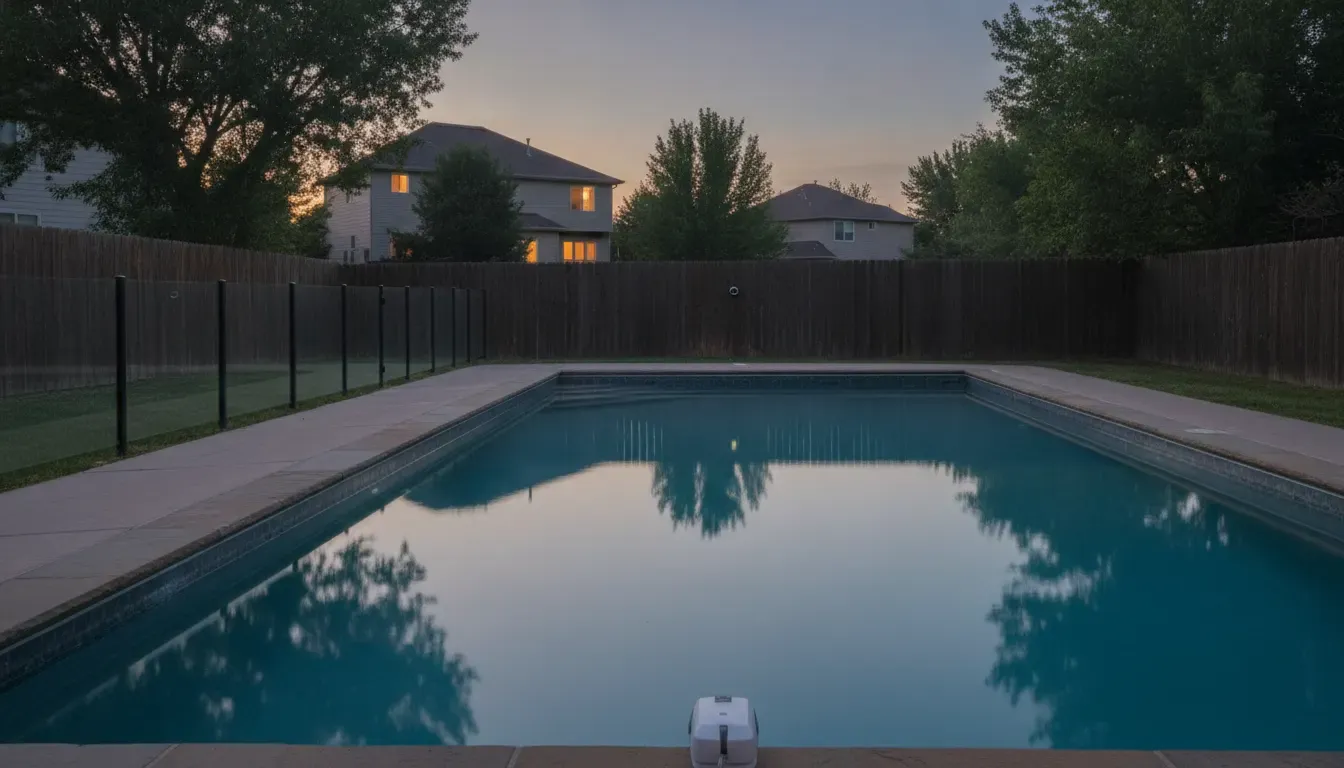
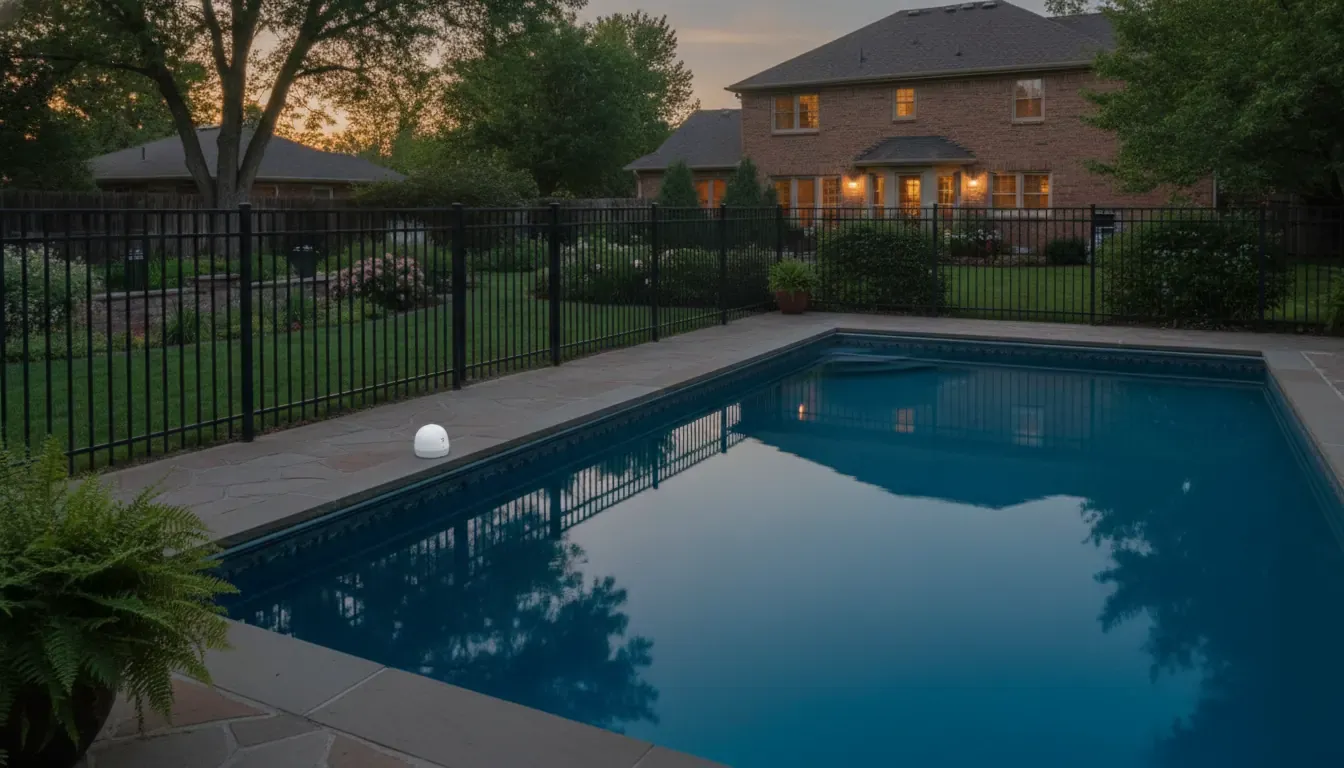
When homeowners search for the best pool alarms, they are usually trying to solve a specific problem: how to receive an earlier warning if someone enters the water or crosses an access point. The right choice depends less on a universal ranking and more on the pool layout, likely access routes, household routines, and how consistently the device can be tested and heard.
Ask Neptune Pools about pool equipment checks and repair support.
The best pool alarm is the one whose detection method matches the risk you are trying to monitor. Surface and subsurface alarms watch the water, perimeter alarms watch a boundary, and personal immersion alarms are worn by a person. Each can produce nuisance alerts or miss a situation outside its coverage. Use an alarm as one layer alongside supervision, barriers, controlled access, and an appropriate cover, not as a stand-alone drowning-prevention system.
What should a pool alarm detect?
Start by naming the event you want the alarm to identify. Is the main concern a child or pet entering the water, a gate opening, a door leading toward the pool being opened, or a swimmer moving beyond a defined area? These are different detection jobs. A device designed to sense a disturbance in the pool cannot monitor every path from the house, and a gate contact cannot tell you what is happening in the water.
The U.S. Consumer Product Safety Commission describes four pool-alarm categories associated with ASTM F2208 voluntary standards activities: surface alarms, subsurface alarms, perimeter alarms, and personal immersion alarms. The categories are useful for comparing detection approaches, but a category label alone does not prove that a particular model fits your pool. Read the current product instructions, coverage details, testing method, and limitations before buying. CPSC pool-alarm information provides helpful background on these categories.
Pool alarm types compared
Each alarm type has a different job. The comparison below is a starting point for narrowing the field, not a substitute for reviewing the instructions for the exact device.
| Alarm type | What it monitors | Best fit | Main limitation |
|---|---|---|---|
| Surface alarm | Movement or disturbance at the water surface | A pool owner who wants an in-water alert for a defined pool area | Wind, rain, water features, covers, and normal activity can affect alerts |
| Subsurface alarm | Changes below the surface caused by entry or movement | A pool where the owner wants a water-monitoring approach that is not based only on surface ripples | Performance depends on installation, calibration, pool conditions, and the manufacturer's coverage rules |
| Perimeter alarm | Movement across a monitored boundary | A yard with a clear route or zone that should remain controlled | It may not detect entry from an unmonitored direction and can alert on ordinary traffic |
| Personal immersion alarm | Contact with water by a worn device | A supplemental layer for a specific child or swimmer when the device is worn correctly | It depends on consistent use, fit, battery condition, and the person's activity |
A door or gate contact is another useful access-control alert, although it answers a different question from a pool alarm. It can warn that an entry point opened, but it does not confirm whether someone reached the water. Some properties may benefit from more than one alert layer. Avoid combining devices casually, however. Multiple alarms can create overlapping notifications and more opportunities for nuisance alerts if their placement and settings are not coordinated.
How do surface and subsurface alarms differ?
Surface alarms respond to activity at or near the water surface. They are often straightforward to understand because the monitored event is a disturbance in the water. Their tradeoff is that rain, wind, falling debris, water features, cleaning activity, and some cover conditions can create signals that resemble an entry. A surface alarm may also be less useful if the pool is used frequently and the owner routinely has to place it in a temporary or reduced-monitoring mode.
Subsurface alarms look for changes in the water below the surface. That approach can be attractive when the owner wants a different detection method, but it does not eliminate the need to understand false-alarm conditions. Pumps, return flow, automatic cleaners, water-level changes, and the pool's shape can affect performance depending on the model. The important question is not whether subsurface detection sounds more advanced. It is whether the manufacturer's stated operating conditions match your pool and whether you can test the system reliably.
For either type, ask where the sensor must sit, what part of the pool it covers, whether a spa or connected water feature changes the setup, and how the device behaves when a cover is in place. A sensor that works in a simple rectangular pool may require different handling in a pool with attached steps, tanning ledges, spillovers, or frequent water movement.
When is a perimeter alarm a better fit?
A perimeter alarm focuses on movement through a defined boundary rather than movement in the pool. This can make sense when the main risk is an unplanned route from the home, patio, or side yard to the water. It can also supplement an existing water alarm when the yard has several access paths that are difficult to supervise continuously.
Walk the property before choosing one. Mark doors, gates, stairs, narrow passages, and sections of fence that could be bypassed. Then ask whether the planned detection zone covers the routes that matter. A perimeter alarm placed across one walkway cannot warn you about an opening on the opposite side of the yard. Trees, landscaping, pets, wind, and normal family traffic can also affect how often the alert activates.
Perimeter devices may be useful for access awareness, but they should not be described as a complete pool barrier. A physical barrier, secure gate, clear sightlines, and responsible supervision still matter. The alarm should help reveal a change in the access pattern, not replace the measures that make unintended entry harder.
Features to compare before buying
Once you know which detection job matters, compare the features that influence daily use. A long feature list is not automatically a safer system. Favor features that make the alarm easier to place correctly, test, hear, and maintain.
- Coverage and placement rules: Confirm the pool size, shape, depth, attached features, and access zone that the model is designed to monitor. Look for specific restrictions rather than relying on a broad marketing phrase such as whole-pool coverage.
- Audible and remote notification: Check how loud the local alarm is, how far the receiver can be from the sensor, and whether a remote alert requires a separate hub, app, Wi-Fi connection, or subscription. A notification is only useful if someone receives and recognizes it.
- Arming and temporary bypass: Understand how the alarm is armed, silenced, or placed in a mode that permits intentional swimming. A system that is difficult to restore after use may be left inactive.
- Test procedure: Look for a clear manufacturer-approved test method. The test should let you confirm the sensor, receiver, battery, and alert path without guessing or creating an unsafe situation.
- Battery and power status: A low-battery indication is important, especially before winter storage or after a long period without pool use. Ask how the device behaves when power is low and whether the sensor and receiver use separate power sources.
- Weather and operating conditions: Review the temperature, moisture, wind, rain, and water-condition limits. Denver's outdoor season can include strong sun, fast weather changes, freezing conditions, and periods when a pool is covered or winterized.
- Reset and maintenance: Choose a system with instructions you can realistically follow. If normal cleaning, battery replacement, or seasonal storage requires a step that will be forgotten, the practical protection may be lower than the specification suggests.
Review Neptune Pools service options for ongoing equipment and pool-care support.
How Denver conditions affect pool-alarm selection
Denver-area owners should treat local weather and seasonal use as part of the buying decision. An outdoor alarm can spend months exposed to sunlight, temperature swings, moisture, dust, and wind. A device may be removed, disabled, or stored during closing and then forgotten when the pool opens again. Build the seasonal routine into the selection process before you buy.
Ask the manufacturer how the alarm should be handled during winterization, when a cover is installed, and when the pool is reopened. Do not assume that an alarm can remain active through every closing procedure. If a cover changes the sensor's operation, follow the exact instructions for that model. If the alarm is removed, label the storage location and add its battery check and reinstallation to the opening checklist.
Water movement is another local practical concern. Wind, rain, debris, automatic cleaners, circulation equipment, and water features may create more nuisance alerts than a homeowner expects. If the alarm sounds repeatedly without a clear entry event, do not simply lower sensitivity until the noise stops. First identify whether placement, equipment operation, weather, or a normal activity is creating the signal. A setting that suppresses nuisance alerts may also reduce the device's ability to detect the event it was purchased to identify.
What are the limits of pool alarms?
Pool alarms are warning devices, not independent rescue systems. They may fail to alert, alert late, produce a nuisance alert, lose power, lose communication with a receiver, or be inactive when someone enters the water. They may not cover every part of a connected pool and spa, and they cannot ensure that an adult is present and able to respond.
That is why a pool alarm should sit inside a layered plan that includes active supervision, controlled access, appropriate barriers, a suitable cover when applicable, and a visible rescue tool. The broad pool safety checklist on this site covers those wider equipment and responsibility layers. This guide is narrower: it helps you choose an alarm whose detection method and operating requirements match your property.
Be equally careful with code language. Requirements can vary by jurisdiction, project type, HOA, insurer, and the circumstances of a pool or spa. Denver's pool and spa permitting guidance is a useful starting point for city-specific questions, but it should not be treated as a universal statement for every Denver Metro property. Confirm current requirements with the relevant authority or qualified professional before relying on an alarm for compliance.
A practical selection checklist
Use these questions to compare models without turning the decision into a contest of feature counts:
- What exact event should the alarm detect?
- Does the device monitor the water, a perimeter, a door, a gate, or a person?
- Does its coverage match the pool shape, attached water features, and access routes?
- Which conditions can cause a false alarm or reduce detection?
- Can an adult hear or receive the alert from the places where people spend time?
- How are intentional swimming, cleaning, covers, and winter storage handled?
- How will you test the sensor, receiver, battery, and notification path?
- Who will check the alarm after a battery change, equipment service, storm, or seasonal opening?
If the answers are vague, pause before purchasing. A less complicated system that is correctly placed, regularly tested, and consistently active may be a better practical fit than a more feature-heavy system that does not match the property or household routine.
When should a professional review the setup?
Consider an equipment review if the pool has multiple connected bodies of water, unusual circulation, a complex yard, several access routes, recurring nuisance alerts, or a renovation that changes the pool edge or equipment pad. Professional help can also be useful when you are unsure whether a sensor is compatible with a cover, water feature, automation system, or seasonal closing process.
A review should not be framed as a guarantee that an alarm will prevent an incident. The useful outcome is a better match between the device, the pool, the access pattern, and the maintenance routine. Keep the model instructions, test results, battery dates, and any changes to the pool area together so the next person responsible for the property can understand how the system is supposed to work.
Have Neptune Pools review your pool equipment and related setup questions.
Frequently asked questions
What is the best pool alarm for a Denver home?
There is no single best model for every Denver home. Choose the detection approach that matches the main risk, then verify coverage, placement, weather limits, notification range, testing, and seasonal handling for the specific pool and property.
Are pool alarms required in Denver?
Do not assume that one rule applies to every property. Requirements can depend on location, project type, pool or spa configuration, HOA or insurer conditions, and current code. Check current guidance with the relevant authority or qualified professional.
Can a pool alarm replace a fence or adult supervision?
No. An alarm is a supplemental warning layer. It does not replace active supervision, controlled access, physical barriers, a suitable cover, emergency planning, or a properly maintained rescue tool.
Why does my pool alarm keep going off?
Possible causes include wind, rain, water features, circulation, cleaning equipment, a cover, poor placement, low power, or a real entry event. Follow the product's troubleshooting and testing instructions. Do not reduce sensitivity or disable the alarm without identifying the cause.
Should I remove a pool alarm before winter?
It depends on the device and the manufacturer's instructions. Before winterization, confirm whether the alarm can remain installed, how a cover affects it, and how it should be stored and tested before the next season.
Contact Neptune Pools to discuss your pool equipment questions.
Related Blogs