Hot Tub Leak Repair: A Step-by-Step Guide
Owning a hot tub in the Denver area means dealing with a climate that can be tough on your equipment. Our dramatic temperature swings cause spa components to expand and contract, which can loosen fittings and create slow drips. The biggest threat, however, is a hard freeze. If water freezes inside the plumbing, it can easily crack pipes and damage expensive parts, leading to major leaks. This guide is designed specifically for Colorado spa owners. We’ll explain how to diagnose a leak, from a simple bucket test to using food coloring to find the source. Understanding how to approach hot tub repair leaks in our unique climate is key to a lasting solution, and we’ll help you determine when a quick fix is enough and when you need an expert’s touch.
Ready for a cleaner pool?
Denver's trusted pool care professionals since 1982. Get started today.
Schedule ServiceKey Takeaways
- Start with detective work: Pinpoint the leak's location before attempting a fix. Most leaks originate from plumbing parts like seals and fittings, so use simple methods like the bucket test or food coloring to find the source without guesswork.
- Handle minor leaks yourself: You can often resolve common issues without a professional. Tightening a loose fitting, replacing a worn gasket, or patching a small crack with epoxy are cost-effective fixes that can save you a service call.
- Know when to call for backup: If a leak is near the main equipment, you suspect freeze damage, or your DIY attempts fail, it's time to call a professional. This protects your safety, your spa's warranty, and prevents a small issue from becoming a major expense.
Why Is My Hot Tub Leaking?
Finding a puddle under your hot tub is a heart-sinking moment, but don't panic just yet. Leaks are a common issue for spa owners, and more often than not, the cause is a small, fixable component rather than a catastrophic failure. The first step is figuring out where the water is coming from. Most leaks originate from the hot tub's plumbing and equipment, not the main shell itself. This is good news because it usually means a targeted repair is all you need to get back to relaxing.
The most frequent offenders are worn-out seals, loose connections, or cracks in the plumbing. Think of all the parts working together to keep your spa running: pumps, heaters, jets, and pipes. Each connection point is a potential source for a drip. Environmental factors, especially here in Colorado, can also play a big role, causing parts to expand, contract, and loosen over time. By methodically checking these key areas, you can usually trace the leak back to its source. If you'd rather leave the detective work to an expert, our team offers comprehensive spa services to diagnose and resolve any issue.
Common Culprits: Aging Seals and Gaskets
The vast majority of hot tub leaks come from the plumbing components, not the tub's shell. Your spa has a network of seals, gaskets, and O-rings designed to create watertight connections between parts. Over time, exposure to water chemistry and temperature changes causes these rubber and plastic parts to degrade, becoming brittle and losing their seal. The most common places to find these small but mighty leaks are around the plumbing unions, which are the threaded fittings that connect pipes to your pump, heater, and other equipment. You should also carefully inspect the areas around the pumps, jets, and any installed accessories like chlorinators or ozonators. A slow drip from one of these spots is often the first sign that a gasket needs replacing.
Cracks in Pipes, Fittings, or the Shell
While less common, a crack in the spa's plumbing or shell can cause a more significant leak. The acrylic shell of your hot tub is incredibly durable, but it isn't indestructible. A sharp impact from a fallen tree branch or moving the spa improperly can cause it to crack. Small surface-level cracks can often be repaired with a special epoxy, but a large crack may require a more intensive fix. The PVC pipes and fittings that make up your spa's plumbing can also develop cracks, especially from freeze damage. If you suspect a crack is the problem, our equipment repairs and servicing team can help assess the damage and find the right solution.
How Colorado's Climate Affects Your Spa
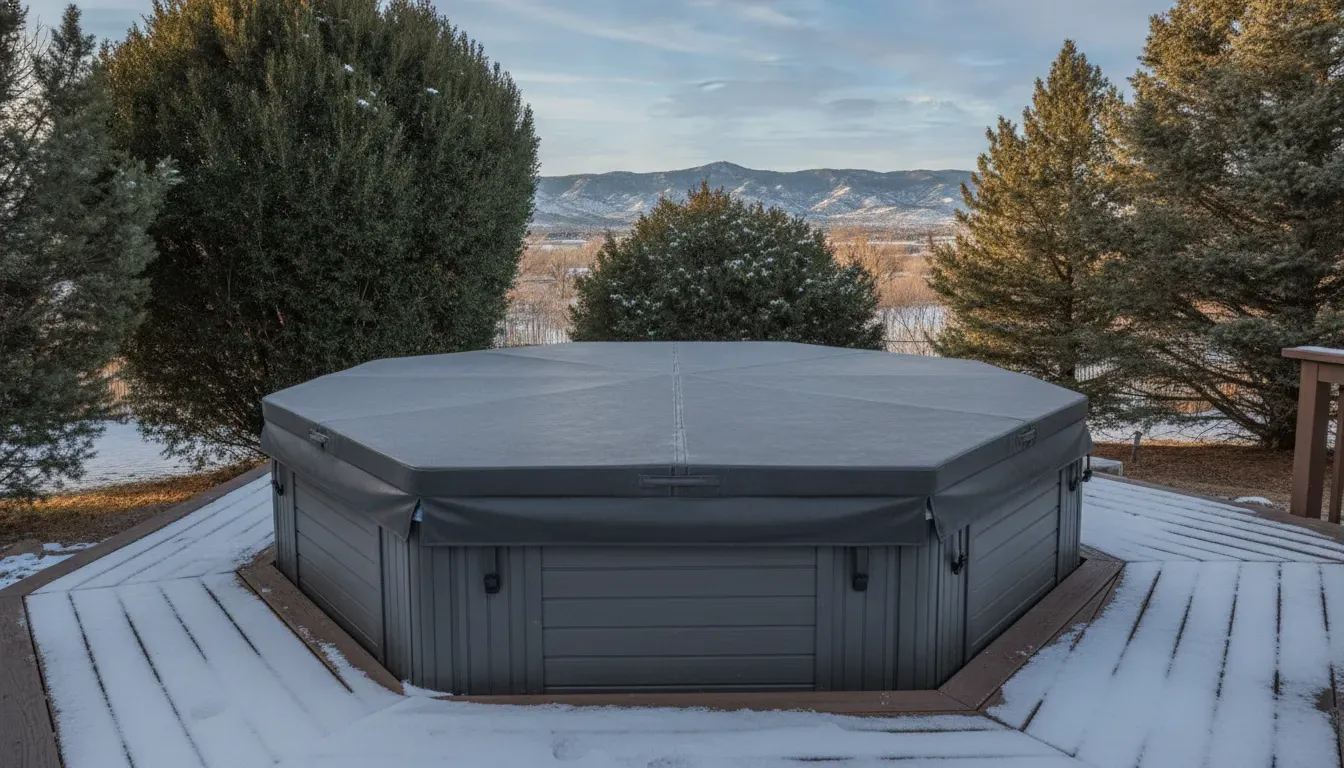
Living in the Denver area means dealing with a unique climate that can be tough on hot tubs. The dramatic temperature swings we experience, especially during the spring and fall, cause materials to expand and contract. This constant movement can cause plumbing unions and other fittings to gradually loosen over time, creating slow leaks. The biggest climate-related threat, however, is freezing. If your spa isn't properly winterized and water freezes inside the pipes or equipment, the expanding ice can easily crack PVC pipes and damage expensive components like the pump or heater. This type of freeze damage often results in major leaks when you try to start the spa back up. Proper maintenance and winterization are key to preventing these climate-related headaches.
How to Find a Hot Tub Leak
Finding a hot tub leak can feel like a bit of a mystery, but with a systematic approach, you can play detective and track down the source. Before you start taking panels off, a few simple tests can help you confirm you have a leak (and not just evaporation) and narrow down its general location. This process will help you figure out if you're dealing with a simple DIY fix or a more complex issue that needs a professional touch. Let's walk through the steps to pinpoint exactly where your spa is losing water.
Try the Simple Bucket Test
First things first, let's confirm you actually have a leak. Evaporation, especially in Colorado's dry climate, can trick you into thinking your water level is dropping too fast. The bucket test is a foolproof way to know for sure. Start by filling your hot tub to its normal level. Then, place a bucket on one of the spa steps and fill it with water to match the tub's water line. Mark the water level on both the inside of the bucket and the shell of the hot tub. Turn the spa's power completely off at the breaker and wait 24 hours. If the water level in the tub has dropped more than the water in the bucket, you definitely have a leak.
Use Food Coloring to Pinpoint the Source
Once you've confirmed a leak, it's time to find its exact location. The food coloring trick is a classic for a reason. With the spa pump still off and the water perfectly still, add a few drops of dark food coloring near a suspected area, like a jet, light fixture, or skimmer. If there's a leak, you'll see the dye get pulled out of the tub through the crack or faulty seal. You may need to remove the side panels to get a better view. If you see wet insulation foam inside the cabinet, that's a major clue that the leak is nearby. For tricky leaks, our professional spa services can help you find the source without the guesswork.
Check the Jets, Fittings, and Pump Area
Most hot tub leaks happen at the points where plumbing connects. Before you do anything else, make sure you shut off the power to your hot tub at the breaker. Safety first. Now, open the main access panel to the equipment bay. Use a flashlight to look for any obvious signs of water, like drips, puddles, or white, crusty residue from evaporated minerals. Pay close attention to the pump, heater, and any plumbing unions (the large threaded connectors). Sometimes, a leak is caused by a union that has simply vibrated loose. Try hand-tightening any loose connections. Also, check the rubber gaskets or O-rings inside these unions, as they can wear out and fail over time.
Inspect the Shell and Cabinet
While less common, it's possible for the leak to be in the acrylic shell of the hot tub itself. Carefully inspect the entire interior surface for any cracks, blisters, or imperfections. Even a hairline crack can cause a slow but steady leak. Small shell cracks can often be repaired with a special two-part epoxy designed for acrylics. Don't forget to check the exterior cabinet and the base your hot tub sits on. Water stains or rot on the cabinet can give you clues about where the water is escaping. If you find a major crack or damage that seems beyond a simple patch, it’s best to get professional equipment repairs and servicing to ensure a permanent fix.
How to Fix a Hot Tub Leak Yourself
Once you’ve found the source of the leak, you can decide if it’s a job you want to tackle yourself. Many small leaks are surprisingly simple to fix with the right tools and a little patience. Before you start any repair, the most important first step is to completely shut off the power to your hot tub at the breaker. This ensures your safety while you work.
For many homeowners, a DIY repair is a great way to get to know their spa better and save a little money. The following steps cover the most common fixes for minor leaks. If you open up the cabinet and find a major crack, signs of freeze damage, or a leak coming directly from a major component like the pump or heater, it’s best to stop and call a professional.
Gather Your Supplies
Before you start taking things apart, it’s smart to have all your tools ready. This will save you from running back and forth to the garage. You’ll want a good flashlight or headlamp, since the inside of a spa cabinet can be dark and cramped. Keep a set of screwdrivers and adjustable wrenches handy for removing the side panels and tightening fittings.
It’s also a good idea to have some old towels nearby to soak up any water that spills out. Depending on the type of leak you’ve found, you may also need specific repair materials like replacement gaskets, a two-part epoxy, or a liquid leak sealer. Having everything within arm’s reach makes the process much smoother.
Tighten Loose Fittings and Unions
One of the most common and easiest-to-fix leaks comes from a loose fitting. The plumbing in your hot tub is connected with large threaded nuts called unions, especially around the pump and heater. Over time, the vibrations from the jets can cause these unions to loosen slightly, allowing water to drip out.
Start by checking all the connections you can see. If you find a drip, try tightening the union by hand first. Often, this is all it takes. If it still feels a little loose, you can use a large wrench to give it a gentle quarter-turn. Be careful not to overtighten, as this can crack the plastic and create a much bigger problem. If tightening doesn’t stop the leak, the internal seal might be worn, which means it’s time to replace the gasket.
Replace Worn Gaskets and O-Rings
If a leak is coming from a connection point and tightening it didn’t help, the next step is to check the gasket or O-ring inside. These are small rubber seals that create a watertight fit between two pieces of plumbing. Over the years, spa chemicals and temperature fluctuations can cause them to become brittle, cracked, or compressed, breaking the seal.
To replace one, you’ll need to drain your spa water to a level below the leak. Then, fully unscrew the union or fitting, remove the old gasket, and pop in a new one. You can find replacement supplies & chemicals for most major spa brands. This simple fix applies to jets, valves, and pump unions, and it’s a very common part of routine hot tub maintenance.
Patch Shell Cracks with Epoxy
Finding a crack in the acrylic shell of your hot tub can be alarming, but small surface-level cracks are often repairable. This type of damage is usually cosmetic and can be sealed to prevent it from getting worse. For this job, you’ll need a two-part marine-grade epoxy designed for plastics and acrylics.
First, drain the tub completely and make sure the area around the crack is perfectly clean and dry. Mix the epoxy according to the product instructions and apply it smoothly over the crack, pressing it in to fill the gap. While this is an effective fix for minor issues, larger cracks or damage from falling objects may require professional remodels and rehabs to ensure a permanent, color-matched repair.
Apply a Liquid Leak Sealer
Sometimes a leak is so small or hidden deep within the plumbing that you just can’t find it. For these frustrating "weeping" leaks, a liquid leak sealer can be a great solution. These products are designed to circulate through your spa’s plumbing and seal small holes from the inside out.
To use one, you typically remove your filters, pour the recommended amount of the liquid into the water, and run the jets for a few hours. The formula is designed to congeal when it comes into contact with air at the site of the leak, forming a durable patch. This method works best for holes up to 1/8 inch in diameter. It’s a last-resort DIY option before calling for professional spa services to track down a more elusive problem.
The Best Products for Fixing Hot Tub Leaks
Once you’ve found the source of the leak, the next step is choosing the right product to patch it up. The market has several great options designed for DIY repairs, but the best one for you depends on the type and size of the leak. While these products can be effective for minor issues, remember that complex or persistent leaks are best left to the professionals. For those tricky situations, our spa services team is always ready to help. Here’s a look at some of the most reliable products for fixing hot tub leaks yourself.
Fix A Leak
Fix A Leak is a popular liquid sealer that works from inside your spa to patch up small leaks. It’s a concentrated formula that you pour directly into the spa water, and as it circulates, it finds and seals small holes up to 1/8 inch in diameter. The process is straightforward: add the recommended amount for your spa’s water volume, run the jets for a few hours, and let it cure. The resulting seal is permanent and can last for a year or two. A word of caution for us here in Colorado: if you’re using it in cold weather, it’s best not to drain your spa and to use the product sparingly to avoid complications.
Plast-Aid
If you’re dealing with a more significant crack in the spa shell or a leaky fitting, Plast-Aid is an excellent choice. This isn’t a liquid additive but a two-part acrylic epoxy that creates a strong, durable bond. You mix the liquid and powder to form a putty that you can apply directly to the damaged area. It cures quickly and forms a hard, waterproof plastic that you can sand and paint to match your spa’s finish. Because it creates a physical, structural repair, Plast-Aid is one of the most reliable spa leak repair solutions for larger cracks that liquid sealers can’t handle.
Blue Wave Spa Leak Seal
Similar to Fix A Leak, Blue Wave Spa Leak Seal is another liquid formula designed to stop minor drips and leaks. You add it directly to your hot tub’s water, and it circulates through the plumbing system to find and seal small openings. It’s formulated to work on both the shell and the plumbing components, making it a versatile first line of defense against slow leaks. It’s a simple and cost-effective way to address a leak without having to drain your spa or take anything apart. Just follow the instructions on the bottle, let your pump run, and give it time to work its magic.
How to Choose the Right Leak Sealer
With a few options available, picking the right one comes down to your specific situation. For tiny, hard-to-find leaks, a liquid sealer like Fix A Leak or Blue Wave is a great starting point. They are easy to use and don’t require you to drain the tub. For visible cracks in the acrylic shell or a leak at a specific joint, a more robust epoxy like Plast-Aid will give you a stronger, more permanent patch. Always check that the product is compatible with your spa’s material. Reading the instructions carefully will give you the best chance at a successful hot tub fix.
What to Know: Common Praises and Pitfalls
Many hot tub owners love these products because they offer an easy and affordable alternative to a professional service call. The biggest praise is the potential to save hundreds of dollars on repair costs. However, it’s good to have realistic expectations. The effectiveness of liquid sealers can vary, and sometimes a leak is too large or complex for a DIY fix. You might find that a product requires a second application to fully seal the leak. If you’ve tried a DIY solution and the leak persists, it’s a clear sign that it’s time to call in a certified technician to prevent further damage.
What Does Hot Tub Leak Repair Cost?
Figuring out the cost of a hot tub leak repair can feel a bit like asking, "How long is a piece of string?" The final price depends entirely on the source of the leak, its severity, and whether you decide to tackle it yourself or call in a professional. A minor issue, like a loose fitting you can tighten by hand, might cost you nothing but a few minutes of your time. On the other hand, a significant crack or a problem buried deep within the spa’s insulation will require a more substantial investment.
The biggest variables are the cost of replacement parts and labor. If you’re comfortable with a bit of DIY, you might only need to pay for a small part and some sealant. However, if the problem requires a trained technician to diagnose and fix, you’ll also be paying for their time and expertise. Understanding the potential costs for both scenarios can help you decide which path is right for you and your budget. Before you can get an accurate estimate, you first need to determine the cause of the leak and where it’s coming from. This diagnostic step is crucial because it dictates everything that follows, from the tools you'll need to the final bill.
The Cost of a DIY Fix
If you’ve pinpointed the leak and it’s in an easy-to-reach spot, a DIY fix can be incredibly cost-effective. Many common leaks, such as a worn-out O-ring or a loose union, can be repaired for less than $100. The main expenses are the replacement parts and a quality sealant, which you can often find at a local pool supply store. For handy homeowners, this is a great way to resolve minor issues without a hefty bill. Just be sure you’ve correctly identified the problem before you start buying supplies & chemicals, as a misdiagnosis can lead to wasted time and money.
The Cost of a Professional Repair
When a leak is hidden or related to complex components, calling a professional is your best bet. The cost for professional spa services can vary. A service call to diagnose the leak typically runs between $100 and $200. From there, a straightforward repair might cost under $500. However, if the leak is substantial or located deep within the hot tub’s spray foam insulation, the repair could climb to $1,000 or more. For homes in the Denver area, freeze damage is a serious concern, and repairs for cracked pipes caused by ice can easily exceed $2,000.
Factors That Affect the Final Price
Several key factors will influence the final price of your hot tub repair. The location of the leak is a major one; a simple fix on an external jet is much cheaper than excavating foam to reach a cracked pipe. The type of part that needs replacing also plays a huge role. A new gasket might only cost a few dollars, while a new pump or heater can cost several hundred. The extent of the damage matters, too. A small drip is a different challenge than a major crack that has been leaking for weeks. Accurately diagnosing the problem is the first and most important step in determining the true cost.
When to Call a Pro for Hot Tub Repair
While tackling a small leak yourself can be satisfying, knowing when to step back and call for backup is just as important. Some issues are more complex than they appear and are best left to a certified technician to avoid bigger headaches down the road. If you notice any of the following signs, it’s a good idea to pause your DIY efforts and contact a professional.
Signs the Leak Is Beyond a DIY Fix
That small puddle you keep noticing might seem like it's just from splashing, but if it consistently appears in the same spot, it’s one of the signs you might be dealing with a persistent leak. If you’ve already tightened all the accessible fittings and the water level continues to drop, it’s a clear signal the problem is beyond a simple surface-level fix. Continuing to patch a deeper issue without addressing the root cause can lead to more significant damage over time. When your best efforts don't stop the drip, it's time to bring in a professional who can accurately diagnose and resolve the underlying problem for good.
Leaks Near the Heater, Pump, or Filter
If you spot water pooling around the main equipment like the heater, pump, or filter housing, it’s time to put down the tools and pick up the phone. These components are the heart of your spa, and a leak here can indicate a serious problem, like a cracked housing or a failed seal within the pump. Trying to fix these yourself without the right experience can lead to costly mistakes. If you notice inconsistent water levels and suspect the leak is coming from this area, calling for professional equipment repairs is your safest and most effective option.
Freeze Damage or Electrical Concerns
Living in Colorado, we know how harsh freeze-thaw cycles can be on outdoor equipment. If you suspect your hot tub has freeze damage, it’s crucial to call a professional immediately. Internal cracks in the plumbing may not be visible, but they can cause extensive damage. Even more critical are any signs of electrical issues, like tripping breakers or malfunctioning controls. Water and electricity are a dangerous combination, and you should never attempt to diagnose or fix electrical problems on your own. For your safety and the integrity of your spa, these situations require the expertise of a certified technician.
Protecting Your Warranty and Water Quality
Before you attempt a major repair, check your hot tub’s warranty. Many manufacturers will void their coverage if unauthorized repairs are made. A DIY fix that goes wrong could leave you responsible for the full cost of a much larger problem. Furthermore, an improperly fixed leak can throw off your water chemistry and make it difficult to keep the water clean and safe for soaking. To fix a leaking hot tub without risking your warranty or water quality, it’s always best to rely on professional spa services. Think of it as protecting your investment for years of enjoyment.
Trust Your Hot Tub Repair to Denver's Experts
You’ve tried the food coloring trick and tightened every fitting you can reach, but that pesky puddle keeps reappearing. While a DIY fix can work for minor issues, some leaks are symptoms of a more complex problem. What looks like a small drip could be the start of a serious issue with your pump, heater, or the spa shell itself. If you’re seeing other signs like weak jets, heating problems, or cloudy water, it’s a good idea to get a professional opinion.
A trained technician can save you time and frustration by quickly diagnosing the true source of the leak. At Neptune Pools, our comprehensive spa services go beyond a simple patch. We inspect the entire system to ensure there isn’t hidden damage or an underlying electrical issue that could put your equipment, or your family, at risk. We understand that your hot tub is a major investment, and a proper repair is key to protecting it.
Living in the Denver area means your spa has to withstand our unique climate, from intense sun to freezing temperatures. This weather can cause spa components to wear out faster than in other regions. Our certified technicians have specific experience with the challenges Colorado weather presents. We know exactly where to look for freeze damage and stress cracks that might not be obvious.
If you’re dealing with a leak that’s beyond a simple fix, or if you’re concerned about a problem near the main equipment, it’s time to call for help. Trusting your hot tub to an expert ensures the job is done right the first time. Let our team handle your equipment repairs and servicing so you can get back to relaxing in your spa, worry-free.
Ready for a cleaner pool?
Denver's trusted pool care professionals since 1982. Get started today.
Schedule ServiceFrequently Asked Questions
Is a small hot tub leak really a big deal? Yes, even a slow drip deserves your attention. While it might not seem urgent, that escaping water can saturate the insulation, cause the wooden frame to rot, and damage expensive electrical components like the pump and control panel. A persistent leak also makes it nearly impossible to keep your water chemistry balanced, which can lead to skin irritation and other issues. It’s always better to address a small leak before it becomes a major, costly repair.
How can I prevent hot tub leaks, especially with Colorado's weather? Preventive maintenance is your best defense. A few times a year, open the equipment panel and visually inspect the plumbing unions and fittings. You can hand-tighten any that feel loose from normal vibrations. Maintaining proper water chemistry is also key, as harsh chemical levels can degrade seals and gaskets prematurely. Most importantly for our climate, ensure your spa is properly winterized if you plan to shut it down for the season. This prevents water from freezing and cracking the pipes.
Will using a liquid leak sealer harm my spa's equipment? When used according to the manufacturer's instructions, liquid sealers are generally safe for your spa’s plumbing and components. The most important step is to remove your filters before adding the product, as the formula can clog them. These products are designed to seal very small leaks from the inside and are not a permanent solution for larger cracks or faulty parts. Think of them as a good first step for a hard-to-find drip, not a cure-all for a significant leak.
Is it safe to use my hot tub if it has a slow leak? It’s best to avoid using your hot tub until the leak is fixed. The primary concern is safety, as any leak has the potential to come into contact with electrical components, creating a serious hazard. Even if the leak is far from the equipment, it will constantly dilute your sanitizer and throw off the water balance, making the water less hygienic for soaking. For safety and water quality, it's always best to shut the spa down and address the problem.
I think my hot tub has freeze damage. What should I do right now? If you suspect freeze damage, the first and most important step is to turn off all power to the hot tub at the circuit breaker. Do not try to turn on the jets or heater, as this can force water through cracked pipes and cause even more damage to the equipment. This is a situation that requires a professional assessment. A technician can safely inspect the plumbing and components to determine the extent of the damage and perform the necessary repairs.
Related Blogs