Pool Heater Maintenance Colorado: Pre-Season Checklist
Colorado pool season arrives quickly, and a heater that sat through winter may not be ready for its first long run. In the Denver Metro area, freeze exposure, high-altitude conditions, and early-spring temperature swings can turn a small equipment issue into a delayed opening or an expensive repair.
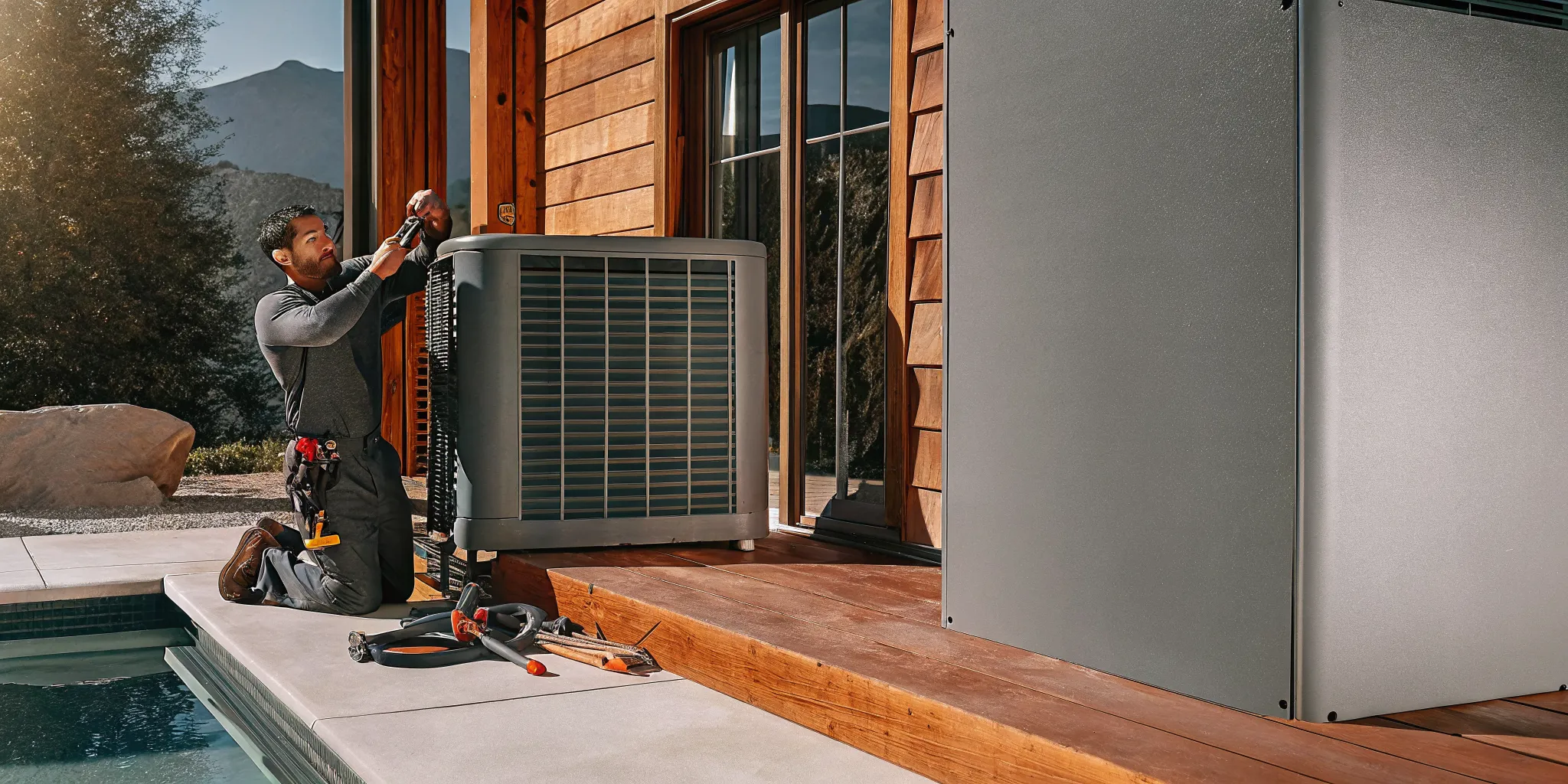
Professional pool heater maintenance colorado helps identify worn components, small leaks, and performance issues before they become mid-season breakdowns. A trained technician can also make the high-altitude adjustments needed for efficient, safe operation and confirm that winter-related damage has not affected the system.
Neptune Pools has served Colorado pool owners since 1982, with certified technicians and transparent, upfront pricing for maintenance and repairs. Before you start relying on your heater, it helps to understand why a pre-season inspection matters and which local conditions make it especially important.
Pool Heater Maintenance Colorado: Why Pool Heater Maintenance Matters Before Colorado Swim Season
Colorado's swimming season is relatively short, typically running from April through October. That makes a reliable pool heater especially important: a problem discovered during the first warm weekend can cost you valuable swim time and may require an emergency repair instead of a planned service visit.
After sitting through months of winter, a heater should not be treated as ready simply because it powers on. Scale or mineral buildup can accumulate on the heat exchanger and reduce efficiency. Freeze damage is another concern, particularly if the unit was not fully winterized. Cold-weather exposure can crack the heat exchanger, while insects or small animals may find their way into openings during the off-season. A careful inspection can identify these issues before they affect water temperature or equipment safety.
Pre-season maintenance also gives a technician the opportunity to find small problems before they become expensive breakdowns. Loose or corroded connections, restricted water flow, worn components, or combustion concerns may not be obvious during a quick startup. Addressing them early can help reduce energy waste and lower the chance of an emergency call when demand is highest. Neptune Pools can provide pool heater service as part of getting your equipment ready for the season.
Colorado wind can increase heating demand
Local weather conditions affect how hard an outdoor pool heater must work. The U.S. Department of Energy notes that wind exposure, humidity, and cool nighttime temperatures all influence a pool's heating load. Pools exposed to higher average wind speeds may require greater heater capacity because moving air increases heat loss from the water. A maintenance visit is a useful time to review whether the current system, cover, and surrounding setup still match the pool's conditions. The Department of Energy explains how wind and other conditions affect pool-heater sizing.
Winterization protects the heat exchanger
Proper winterization includes draining the heater so water cannot freeze inside and crack the heat exchanger. Before startup, the unit should be checked for signs that winter protection was incomplete or that freeze-related damage occurred. For a broader opening sequence, review this guide to preparing your pool heater for the season. Scheduling service before the first regular swim days gives you time to correct problems, confirm safe operation, and start Colorado's short season with dependable heat.
Professional Pool Heater Maintenance: What's Included
A professional tune-up is more than switching the heater on before the Denver swim season. Neptune Pools checks the components that affect water quality, heating performance, gas safety, and automatic shutoff. The process typically includes:
- Review water chemistry and corrosion risk. The technician evaluates whether the water balance is appropriate for the heater. Improper chemistry can corrode the heat exchanger, shortening its service life and increasing the risk of premature failure.
- Inspect the heat exchanger for scale. Scale and mineral deposits are checked because buildup can reduce efficiency, restrict heat transfer, and trigger safety shutoffs. Any signs of overheating or mineral accumulation are documented for the recommended next step.
- Inspect electrical connections and components. Loose or corroded connections can cause common heater performance problems. The technician checks the electrical components and connections for visible wear and reliable operation.
- Test thermostat calibration. The thermostat is tested against the actual water temperature. Correct calibration helps the system maintain the temperature you selected instead of cycling inaccurately or running longer than necessary.
- Clean the burner tray on gas heaters. Carbon buildup is removed from the burner assembly as part of annual gas-heater maintenance. A clean burner tray supports dependable combustion and helps the technician identify conditions that need further service.
- Inspect the gas line for leaks. Gas leak detection is performed during heater service as a standard homeowner-safety measure. If a concern is found, the technician explains the issue and the appropriate repair before normal operation continues.
- Verify water pressure through the heater. Correct water pressure is essential for efficient operation. The technician verifies the system's pressure settings and checks that water is moving through the heater as intended.
- Check safety sensors and shutoff functions. Safety sensors are tested to confirm that the heater can shut off correctly when a problem is detected. This final check helps protect the equipment and the people using the pool.
These checks are part of a broader regular pool heater maintenance plan, not a substitute for repairs when a unit is already making unusual noises, shutting off, or failing to heat. In Colorado's high-altitude environment, documenting the condition of each component also gives homeowners a clearer basis for transparent repair recommendations.
How Colorado's Climate Affects Pool Heater Maintenance
Denver's altitude and weather patterns place different demands on pool heating equipment than conditions at lower elevations. A maintenance plan that accounts for those demands can help your system operate safely and consistently through the local swim season.
High altitude changes gas-heater combustion
Denver's thinner air affects the amount of oxygen available for combustion. Gas heaters may therefore need specific air-fuel mixture adjustments and professional tuning for high-altitude operation. These changes help support clean, efficient combustion and should be handled by a qualified technician rather than treated as a DIY adjustment. During service, Neptune Pools technicians can evaluate the heater's operation and make the altitude-specific adjustments appropriate for your equipment.
Wind and temperature swings affect heating demand
Colorado's high wind exposure, low humidity, cool nights, and wide temperature swings can increase the heat load on an outdoor pool. The U.S. Department of Energy notes that pools in areas with higher average wind speeds and cooler nights may require greater heater capacity. That makes heater sizing and placement important, especially for an exposed Denver Metro pool. A technician can assess whether the equipment is appropriately matched to the pool and whether its location allows safe, effective operation. For broader planning, review this guide to maintenance to extend heater lifespan in Colorado.
Shoulder-season conditions matter for heat pumps
Heat pump heaters draw heat from outdoor air, so their performance changes as Colorado spring and fall temperatures fluctuate. The Department of Energy reports that heat pumps are most efficient when outdoor air is above 50 degrees Fahrenheit and begin losing efficiency below that point. During cooler shoulder-season mornings and evenings, allow for slower heating and discuss realistic temperature expectations with your pool professional.
Keep airflow clear year-round
Leaves, grass, snow, and other debris can restrict airflow around a heater. Clear vegetation and debris from the heater perimeter so combustion air can move freely around gas equipment and air can reach a heat pump's coils. Include this check in opening and seasonal maintenance, and inspect the area again after periods of wind. Combined with professional tuning, proper placement, and freeze-conscious care, good airflow helps Colorado pool equipment work under changing conditions.
Gas vs. Heat Pump Pool Heaters: Maintenance Differences
Both heater types deserve a professional preseason inspection before Colorado's swim season. The service emphasis differs because a gas heater burns fuel, while a heat pump moves available heat from outdoor air into the water. Understanding that distinction helps Denver-area owners plan service and choose equipment that matches how they use the pool.
| Maintenance consideration | Gas pool heater | Heat pump pool heater |
|---|---|---|
| Maintenance frequency | Schedule a professional preseason inspection, with additional service if performance, combustion, water flow, or safety symptoms appear. Gas heaters are often selected for periodic pool use because they can heat water quickly. | Schedule a professional preseason inspection and keep the outdoor unit clear throughout the season. Performance depends more heavily on ambient conditions, so airflow and operating performance should be reviewed before use. |
| Key components to service | Inspection should account for the burner assembly, gas line, heat exchanger, electrical connections, thermostat, water pressure, and safety sensors. Colorado's thinner air may also require professional air-fuel adjustments for clean, efficient combustion. | Service should focus on the air intake and evaporator coil, airflow around the unit, electrical connections, thermostat, water circulation, and safety controls. Clearing leaves and vegetation helps the unit transfer heat effectively. |
| Colorado suitability | Gas heaters can maintain a desired water temperature regardless of outdoor weather, making them practical for variable weather and occasional use. Their capacity is expressed in Btu output, and sizing should account for local wind and cool nights. | Heat pumps transfer heat from outdoor air and are most efficient above 50°F. They can work well during warmer parts of the Denver swim season, but cool spring and fall conditions can reduce efficiency. Some premium models can also cool pool water. |
| Cost considerations | Operating cost depends partly on local natural-gas prices. Fast heating can be useful when the pool is used intermittently, but combustion and gas-safety checks are essential. | Because the system uses electricity to move existing heat, it produces no carbon monoxide. It may be a strong fit for owners seeking steady heating during suitable weather, but expected performance should be discussed for cooler conditions. |
Regardless of the equipment type, preseason service should verify water circulation, controls, and safety operation before the heater is placed under load. A professional inspection can identify a developing issue before it becomes a mid-season shutdown.
The U.S. Department of Energy explains gas pool heater operation and sizing, and its guidance covers heat pump pool heater temperature-dependent efficiency.
Signs Your Pool Heater Needs Professional Service
Pool heaters often show warning signs before they stop working completely. Paying attention early can help you schedule a controlled repair instead of facing an expensive emergency during Colorado's short swim season. If you notice any of the following symptoms, have the system inspected by a qualified technician.
Loud rattling, whistling, or other unusual noises
A heater that suddenly rattles, whistles, bangs, or sounds different from normal may have an internal problem. These noises should not be dismissed as ordinary operating sounds. A professional can determine whether the issue involves the burner assembly, water flow, or another internal component before the damage spreads. Neptune Pools identifies loud rattling and whistling as warning signs that require professional inspection.
The heater cycles on and off or will not stay running
If the heater starts and shuts down repeatedly, or turns off immediately after ignition, the system may not be detecting safe operating conditions. A faulty flow switch or pressure sensor can cause this behavior, especially when water flow through the heater is not being recognized correctly. Repeatedly resetting the unit without finding the cause can leave the underlying problem unresolved.
The pool is not heating properly
Reduced heating performance can point to mineral buildup on the heat exchanger. Scale and deposits restrict efficient heat transfer, reduce output, and may trigger safety shut-offs. In other cases, a thermostat, circulation issue, or Colorado-specific combustion adjustment may be involved. A service visit can identify the cause instead of forcing the heater to run longer and consume more energy.
Error codes, electrical problems, or visible corrosion
Do not ignore recurring error codes, flickering controls, failed starts, or breakers that trip when the heater operates. Corroded or loose electrical connections are a frequent source of heater malfunctions. Visible rust, corrosion, or water around the unit also deserves prompt attention. Moisture and improper water chemistry can damage components and contribute to premature heat-exchanger failure.
A gas smell near the heater
A gas odor is a safety concern, not a maintenance reminder. Turn the heater off if it is safe to do so, avoid flames and electrical switches. Move away from the area, and contact the appropriate gas emergency service or qualified professional. Gas-line leak detection is part of professional heater service, but homeowners should not attempt to locate or repair a suspected leak themselves.
For a closer look at common failure symptoms, read our guide to professional pool heater maintenance. Early attention can prevent a small sensor, connection, or buildup issue from becoming a major repair when you need dependable heat.
When to Schedule Pool Heater Maintenance in Colorado
Timing matters in Colorado because the Denver Metro swim season is concentrated between spring opening and fall shutdown. Scheduling service before demand rises gives your technician time to inspect the system, identify developing problems, and make needed adjustments before you are depending on the heater for comfortable water.
Book a pre-season inspection in March or April
The best window for most homeowners is March or April, before the pool opens for regular use. Pre-season maintenance helps confirm that the heater is ready for the upcoming season and can prevent small issues from becoming costly repairs. Starting in March is especially practical because appointment availability is typically better before the spring rush. It also leaves time to order parts or complete repairs without losing valuable swim days.
Coordinate the heater inspection with your pool opening. Neptune Pools' guide to preparing your pool heater for the season can help you organize the broader opening process. Heater service should be handled by a qualified technician when gas, electrical, combustion, or safety components are involved.
Consider a mid-season check for heavily used pools
A second inspection in July or August makes sense for pools that run daily, serve large families, or support an HOA or commercial operation. Heavy use increases operating hours and places more demand on circulation and heating equipment. A mid-season check can confirm that the system is still operating safely and efficiently, rather than waiting for a failure during the busiest part of summer. It is also a sensible time to address unusual noises, inconsistent heating, or repeated shutdowns before they become an emergency call.
Winterize before freezing temperatures arrive
Plan winterization in October, before the first freeze rather than after temperatures drop. Proper winterization includes draining the heater as appropriate to prevent trapped water from freezing and cracking the heat exchanger. Your technician can also verify that connected plumbing and equipment are protected for the dormant months. Waiting until a hard freeze is forecast can narrow appointment options and leave water inside components that need to be cleared.
For help choosing the right timing or arranging a pool heater service appointment, contact Neptune Pools early in the season. A planned visit is easier to schedule than an urgent repair after the heater stops working.
Frequently Asked Questions
How often should I service my pool heater in Colorado?
Schedule a professional inspection before the swim season, then have the heater checked if performance changes during the season. Annual service can identify mineral buildup, loose electrical connections, water-pressure problems, and safety concerns before they become a mid-season breakdown.
What is included in Colorado pool heater maintenance?
A maintenance visit may include checking water chemistry, inspecting the heat exchanger for scale. Testing the thermostat and water pressure, cleaning a gas heater's burner tray, checking gas lines for leaks, and verifying safety sensors. The technician should also confirm that the pump and filter are circulating water correctly.
Does Colorado climate require special pool heater maintenance?
Yes. Denver's elevation can require air-fuel adjustments and professional tuning on gas heaters because thinner air affects combustion. Technicians should also check airflow around the unit, account for cool nights and wind exposure, and confirm that winter freeze protection was completed correctly.
Can I perform pool heater maintenance myself?
You can keep the area around the heater clear of debris and watch for unusual noises, leaks, or repeated shutdowns. Gas-line inspections, combustion adjustments, electrical testing, safety-sensor checks, and internal cleaning should be left to a qualified technician. Do not operate a heater that smells like gas or repeatedly shuts off.
When is the best time to schedule pool heater maintenance in Colorado?
Book service before you open the pool, ideally before spring demand increases. Denver's active swim season runs approximately April through October, so an early inspection leaves time to repair or replace a problem before the first consistently warm weekend. Winterization should be completed before freezing temperatures return.
Professional service can help confirm that your pool heater is ready for Colorado's swim season and identify issues before they interrupt regular use. Schedule professional pool heater maintenance with Neptune Pools today. Their team can help you take the next practical step toward dependable pool equipment and a smoother start to the season.Related Blogs