Pool Automation Upgrade Remodel Guide for Denver Pools
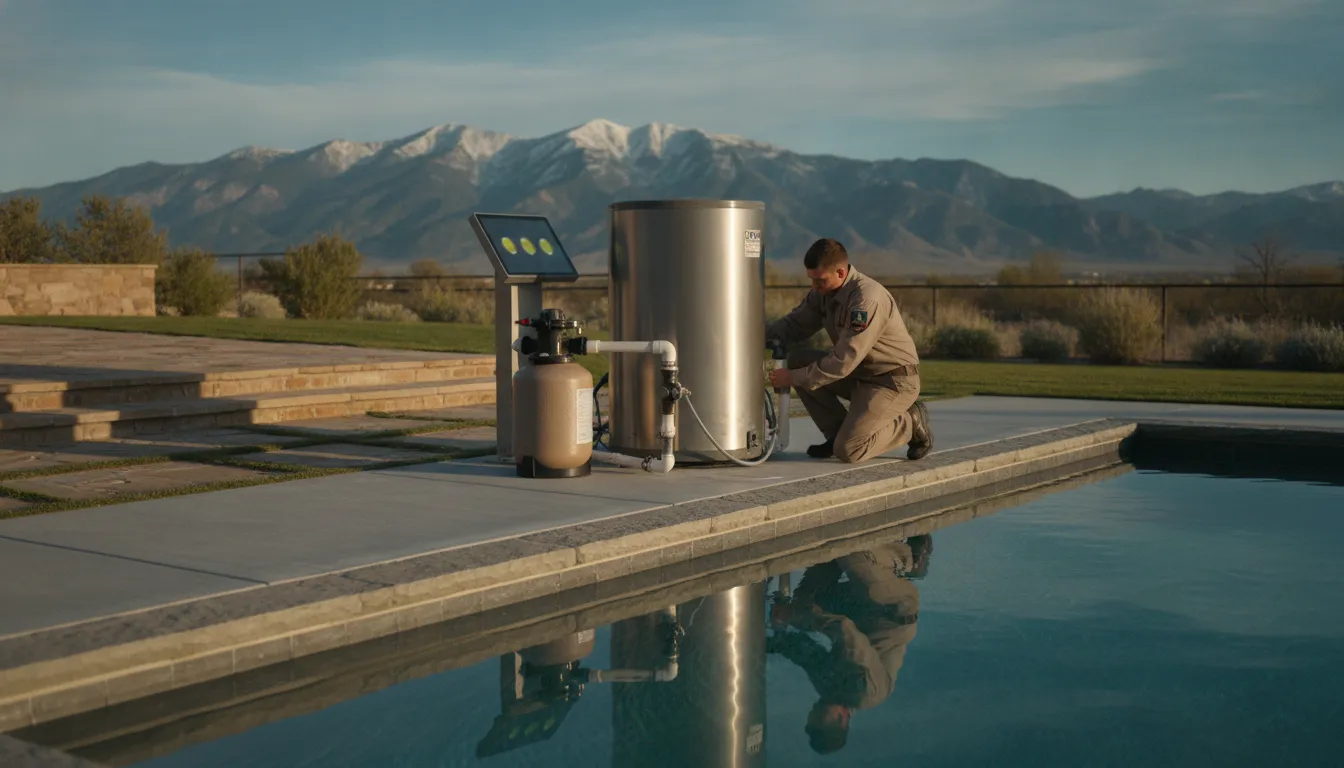
A pool remodel is more than a chance to refresh tile, plaster, or decking. It is the moment to improve how the entire system operates, before new finishes and equipment make access more difficult. For Denver Metro owners, that planning should account for freeze protection, high-altitude water chemistry, and the seasonal demands placed on pumps and heaters.
Remodel your pool with a coordinated automation plan
A pool automation upgrade remodel typically costs about $1,500 to $5,000 or more. Depending on whether you add remote controls, variable-speed pumping, smart lighting, sensors, or automated chemical dosing. The system can coordinate pumps, heaters, and lights, trigger freeze protection when temperatures fall, and help maintain more consistent chemistry with less manual adjustment.
The best results come from deciding which controls and sensors belong in the project before demolition begins. That allows your remodel team to coordinate wiring, plumbing, equipment placement, and programming as one plan rather than treating automation as an afterthought.
Combining a Pool Automation Upgrade with Your Remodel
A pool remodel is more than a chance to update the surface, tile, or coping. It is also the best time to improve how the entire system operates. When plumbing, electrical work, and equipment changes are already planned. Adding automation can make the project more coordinated and avoid the cost and disruption of retrofitting new controls later.
Plan the controls before construction begins
Automation depends on more than a controller mounted near the equipment pad. Sensors, communication cables, conduit, dosing equipment, and compatible plumbing all need to work together. During a remodel, a contractor can plan those connections while the pool deck, equipment area, or plumbing runs are accessible. A remodel also creates an opportunity to trench for new wiring and plumbing. Making automation-ready sensors more practical and less expensive to install than they would be after construction is complete.
This coordination matters in Denver homes because equipment must perform through dry summers, rapid weather changes, and freezing winter conditions. A properly planned system can connect pumps, heaters, lighting, and water-care equipment in one operating strategy instead of leaving each component on a separate timer. It also gives the technician a chance to confirm that the existing equipment can communicate with the new controller, or recommend replacements where compatibility is limited.
Pair automation with the equipment that benefits most
A remodel is a logical time to pair automation with a variable-speed pump. The controller can adjust flow rates to match filtration, heating, or cleaning needs rather than running the pump at one constant speed. That can improve operating efficiency while giving the owner more precise control over daily schedules.
Automated chemical management is another practical addition. Chemical controllers can monitor pH and oxidation-reduction potential, then dispense sanitizer or balancing chemicals as needed. This reduces the risk of inconsistent manual dosing, which is especially useful when a property is vacant, managed by an HOA, or serviced between visits. In Denver's high-altitude environment, evaporation and changing conditions can affect water chemistry stability. So automation should be configured around local operating needs rather than treated as a generic plug-in feature.
Build in Colorado freeze protection
Freeze protection should be part of the remodel conversation from the beginning. Automation can be configured to monitor temperature and trigger pumps when conditions fall below a selected threshold. That does not replace proper winterization or professional inspection, but it adds an important layer of equipment protection when temperatures drop unexpectedly.
The right design depends on the pool's plumbing layout, heater, pump, sanitizer, and electrical setup. Reviewing those details before demolition helps prevent change orders and makes commissioning more straightforward. If you are planning a renovation, learn more about how to remodel your pool with equipment and automation needs included in the plan from the start.
What Pool Automation Can Handle After a Remodel
A modern automation system acts as the control center for the equipment added or updated during a remodel. Instead of managing each component separately, you can coordinate circulation, heating, lighting, water treatment, and monitoring from one controller. For Denver Metro homeowners, that control is especially useful when equipment needs to respond to changing temperatures, seasonal use, and high-altitude water conditions.
One system for pumps, heating, and lighting
Automation can schedule the pool pump for the filtration cycles your pool actually needs, then adjust operation around heating or cleaning demands. If your remodel includes a variable-speed pump. The controller can run it at lower speeds for routine circulation and increase the flow when the heater or other equipment requires it. That avoids treating every task as if it needs maximum power.
The same interface can manage the heater and pool lighting. You can set a heating schedule before guests arrive, turn lights on from your phone, or shut equipment down without walking out to the equipment pad. Modern automation systems commonly integrate pumps, heaters, and lighting through smartphone apps, simplifying routine maintenance and daily operation. Neptune Pools uses this type of coordinated approach when planning equipment and automation upgrades.
More consistent sanitizer dosing
Automation can also reduce the guesswork involved in water treatment. Chemical controllers monitor conditions such as pH and oxidation-reduction potential, then dispense sanitizer or balancing chemicals when readings call for them. The goal is not to eliminate testing or professional oversight. It is to maintain a steadier baseline between service visits and reduce the risk of large manual additions after the water has already drifted out of balance.
This is valuable after a remodel because new circulation equipment, heaters, water features, or a different pool finish can change how the water behaves. The automation plan should be matched to the pool's volume, plumbing layout, equipment, and expected use. Denver's climate and high-altitude conditions also make local setup important. A controller that is correctly configured for the pool is more useful than a feature-heavy system left with generic settings.
Sensors and energy monitoring
Sensors give the system information it needs to make decisions. Depending on the design, they can track water temperature, equipment status, flow, and chemistry conditions. Those readings help the controller respond to operating conditions rather than relying only on a fixed timer.
Energy monitoring adds another practical layer. Advanced controllers can show how much power pool equipment is using in real time. That gives owners a clearer way to spot a pump that is running longer than expected. A heater that is working harder than normal, or a schedule that can be tightened. It does not guarantee lower utility bills, but it makes waste easier to identify and correct.
Remote access is most useful when it supports a thoughtful equipment plan. During the remodel, have the contractor confirm which devices will communicate with the controller, where sensors will be installed, and what alerts matter to you. The result is a system that provides useful information and control, rather than an app that simply adds another way to turn equipment on and off.
What Adding Automation Costs During a Remodel
A remodel gives you a practical opportunity to budget automation alongside equipment, plumbing, electrical work, and finish selections. The right package depends less on buying every available feature and more on matching controls to how your pool operates. A Denver homeowner may prioritize variable-speed pump scheduling and freeze protection, while a property manager may value remote alerts and easier oversight across a larger system.
Industry cost ranges put most pool automation additions between $1,500 and $5,000 or more, before unusual electrical corrections or major equipment replacement. The tiers below provide a planning baseline. Your final price can change with the number of pumps, heaters, lights, water features, spa controls, and the condition of the existing equipment pad.
| Tier | Typical cost | What it may include | Best fit |
|---|---|---|---|
| Basic | $1,500-$2,500 | App control, automated pump scheduling, basic equipment timers, and optional heater control. | Owners who want simpler daily operation and remote scheduling. |
| Mid-range | $2,500-$4,000 | Pump and heater control, lighting control, and basic salt-system integration. | Remodels adding convenience features while keeping the system practical. |
| High-end | $4,000-$5,000+ | Full chemistry automation, spa or water-feature control, deck lighting, voice commands, and home integration. | Complex pools, connected homes, and owners seeking broad hands-off control. |
Individual upgrades can also be priced separately. Smart LED lighting with app control commonly runs about $300-$800. A variable-speed pump schedule or smart timer may cost approximately $100-$300, while the resulting energy savings can reach $50-$100 per month when the equipment and schedule are appropriate. Automatic chemistry dosing is a larger investment, generally about $1,500-$4,000, and is most useful when consistent chemical management is a priority.
These options do not have to be purchased as one oversized package. A modular approach can spread the investment across the remodel: start with pump and heater control. Then add lighting or chemistry monitoring when the rest of the system is ready. During design, ask the contractor to price both the automation hardware and the labor to install, configure, test, and connect it to the remodeled equipment. That makes the comparison more useful than looking at the controller price alone.
For Colorado pools, also reserve room in the budget for sensors, proper equipment-pad wiring, and programming that supports seasonal operation. Those details help the system respond reliably instead of leaving a costly new controller underused.
How Automation Protects a Denver Pool in Freezing Weather
Denver pool owners face a different winter risk than owners in milder climates. A sudden overnight freeze can leave water trapped in exposed plumbing, equipment housings, and filter lines. When that water expands, it can crack fittings or damage expensive circulation equipment. A properly configured automation system adds a dependable response when temperatures fall, even when nobody is home to switch equipment on manually.
Neptune Pools recommends automation for Denver-area pools because freeze-protection mode can trigger the pumps when temperatures drop below a set threshold. The exact programming should match the pool's equipment, plumbing layout, exposure, and winter operating plan. During a remodel, the contractor can coordinate the controller, temperature sensors, valves. And pump circuits so freeze protection works as one system rather than as a collection of disconnected upgrades.
1. The sensor detects a temperature drop
A temperature sensor monitors conditions near the pool equipment and communicates with the automation controller. When the temperature reaches the configured freeze threshold, the controller enters its protection sequence. That automatic trigger matters during Denver's rapid weather changes, especially when a warm afternoon is followed by a clear, freezing night. The threshold and operating schedule should be set by a qualified technician rather than copied from a generic setting. Since equipment location and system design affect how quickly water can freeze.
2. The pump circulates water and exposed lines are prepared
The controller starts the circulation pump to keep water moving through vulnerable sections of the system. During the remodel planning process, the technician should also identify which lines, valves, filters, heaters, and other components require winter protection or seasonal draining. Where the system design calls for it. Exposed or isolated lines can be drained as part of the winterization plan so standing water does not remain in a vulnerable section. Automation supports this plan, but it does not replace proper plumbing design, equipment inspection, or a complete shutdown procedure when the pool is closed for the season.
3. Remote alerts help you respond before damage occurs
Connected automation can send remote alerts about low temperatures, pump operation, or a fault condition. That gives a homeowner, property manager, or HOA an opportunity to investigate a tripped breaker, loss of power, or equipment problem before a freeze-protection cycle is interrupted. Remote visibility is especially useful when a property is vacant or when a commercial operator needs to monitor several systems. Alerts are an early warning, not a guarantee. A response plan should identify who will check the equipment and who can provide service if the system cannot maintain circulation.
Adding these controls during a pool remodel makes it easier to place sensors, route wiring, coordinate valves, and verify the pump's response before winter arrives. A Denver-specific automation design can protect the equipment while giving you clearer information about what is happening at the pool when temperatures turn sharply colder.
Managing High-Altitude Water Chemistry with Automation
Denver's elevation changes how a pool loses water and how quickly its chemistry can drift. Dry air and strong seasonal weather can increase evaporation, while temperature swings affect equipment operation and swimmer demand. A manual testing routine can still work, but it leaves more room for swings between service visits. Automation gives the system a way to respond to current conditions instead of relying only on a fixed dosing schedule.
An automated chemical controller can monitor indicators such as pH and oxidation-reduction potential, then deliver measured amounts of sanitizer when readings move outside the desired range. That does not eliminate the need for professional testing or maintenance. It does reduce the risk of adding chemicals by guesswork, especially when a pool is used heavily or evaporation has concentrated the water. Neptune Pools' high-altitude chemistry plans are designed around those Denver-specific conditions, including dosing schedules that account for local climate demands.
Why measured dosing matters at elevation
Over-dosing creates unnecessary expense and can make the water uncomfortable or corrosive. Under-dosing can allow water balance and sanitation to deteriorate before the next manual check. Automated dosing helps narrow both problems by making smaller adjustments as conditions change. The result is a steadier operating range and less chemical waste, provided the sensors are calibrated and the equipment is maintained correctly.
This approach is especially useful when automation is added during a remodel. New plumbing, controllers, and sensors can be coordinated while the equipment pad is already being updated. A technician can also pair the chemistry system with filtration controls and a variable-speed pump. Adjusting circulation to the pool's actual needs rather than running at one constant rate. That combination supports more consistent mixing and gives the owner better visibility into the system.
Using less water without compromising care
Water savings come from controlling the causes of waste, not from skipping necessary maintenance. The U.S. Environmental Protection Agency identifies evaporation, filter cleaning, and mineral buildup control as the largest water-use opportunities for commercial pools and spas. Its guidance explains that improving these processes can create meaningful water savings: EPA pool water-conservation guidance.
Automation can help by optimizing filtration schedules, limiting unnecessary operation, and dosing from real-time conditions. For homeowners, that may mean fewer chemistry corrections and less avoidable water replacement. For HOAs, apartment communities, and other commercial facilities, small improvements in backwashing and chemical control can matter across a much larger water volume.
The best setup is not the one with the most features. It is the one configured for the pool's size, equipment, usage, and Denver operating conditions. During a remodel, Neptune Pools can evaluate those factors together so high-altitude chemistry control supports the rest of the renovation instead of becoming another disconnected system.
Coordinating Electrical Work and Contractor Scheduling
Adding automation during a remodel is less about installing one more device and more about coordinating several trades before the work is covered. The remodel contractor may be opening walls, decking, equipment pads, or trenches for new plumbing. That creates an ideal window for the electrician and pool professionals to plan conduit. Power, controls, and equipment connections together instead of returning later to cut into finished work.
Start with a shared equipment plan. Identify the automation panel, pump, heater, salt system or chemical dosing equipment, lights, valves, sensors, and any spa or water-feature controls that will be connected. The remodel contractor can then schedule plumbing runs and equipment-pad changes around the final layout, while the electrician can confirm circuit capacity, conduit routes, disconnects, and weather-protected locations. This coordination is especially important when an older pool receives a new variable-speed pump or a larger control system.
Sequence the work before surfaces are finished
In a typical project, the rough work comes first. Plumbing and electrical paths are laid out while trenches and access areas are open. The electrician installs approved pathways and service connections, and the pool contractor confirms that equipment will be positioned so wiring and plumbing remain accessible for future service. After inspections and rough-in approval, the remodel team can close trenches, finish decking, and complete equipment-pad surfaces. Controls, sensors, and automation programming follow once the connected equipment is in its final position.
This sequence reduces the risk of an automation panel being mounted where a gate, enclosure, or future service access will interfere with it. It also prevents a common remodel problem: installing a pump, heater. Or light first and discovering later that the control system needs a different connection, circuit, or communication path.
Plan for bonding, grounding, and inspection
Pool electrical safety requires more than supplying power to the automation panel. Pool bonding requirements are governed by NEC Article 680 of NFPA 70, including the 2023 edition. The electrician should evaluate the existing bonding and grounding conditions, verify the planned equipment connections, and handle code-required electrical work and inspections. Pool automation should not be treated as a do-it-yourself wiring add-on simply because the controls are managed through an app.
Give each trade the final equipment schedule and clarify who is responsible for each connection. A written plan should identify the electrician, remodel contractor, pool technician, and any homeowner-provided smart-home integration. That small step keeps scheduling aligned and makes it easier to test pumps, heaters, valves, lights, sensors, and remote controls before the project is closed out. For more context on diagnosing and upgrading existing controls, see this automation upgrade guide and the recommendations for energy efficient pool equipment.
When the electrical and remodeling scopes are coordinated from the beginning, the result is cleaner, safer, and easier to maintain through Denver's seasonal demands.
Remodel your pool with automation planned into the project
Choosing the Right Automation System for Your Renovation
The best system is the one that matches your pool equipment, renovation scope, and day-to-day priorities. A full automation panel can provide one connected control point for pumps, heaters, lights, and water features. A modular plan may deliver the improvements you notice most without replacing equipment that still works well.
When a full automation panel makes sense
A panel-based system is worth considering when your remodel includes several equipment changes or when you want one interface for the entire pool. Pentair IntelliCenter, Hayward OmniLogic, and Jandy iAquaLink are examples of established systems that can coordinate compatible equipment and provide app-based control. The brand name matters less than compatibility. The panel, pump, heater, lights, sensors, and communications hardware must work together, and the installation should leave room for future additions.
Full automation is often the cleaner choice for a pool with multiple water features. A spa, complex lighting, or a new heater and pump being installed at the same time. It can also simplify troubleshooting because schedules and equipment status are managed in one place. During a renovation, the contractor can plan conduit, electrical connections, equipment-pad layout, and network access before finishes are completed.
When modular upgrades are the better fit
You may not need a complete panel if the existing equipment is in good condition. A practical three- or four-part upgrade could include a variable-speed pump, smart lighting, a connected chemistry monitor, and a compatible smart timer or controller. This approach targets efficiency and convenience while allowing you to keep an otherwise serviceable heater, filter, or plumbing layout.
Industry estimates place smart LED lighting around $300 to $800, a variable-speed pump scheduling device around $100 to $300, and connected chemistry monitors around $200 to $500. Automatic chemical dosing is a larger commitment, commonly estimated at $1,500 to $4,000, and is not necessary for every pool. These figures are planning ranges, not a Neptune Pools quote, because labor, wiring, equipment compatibility, and site conditions can change the final cost.
A modular plan can be especially useful for a smaller Denver pool, a phased renovation, or an owner who wants to measure one improvement before adding another. A variable-speed pump can support more precise flow scheduling, while a monitor can provide useful alerts about water conditions. Your service team can then determine whether additional controls or dosing equipment would solve a real problem rather than adding features for their own sake.
How to decide during the remodel
Start with the equipment you are keeping, replacing, or relocating. Ask which components can communicate with the proposed controller, where the controls will be installed, and how freeze protection will operate during Denver's cold weather. Also consider who will use the system. A homeowner may value remote scheduling, while an HOA or commercial operator may prioritize shared access, alerts, and clear equipment status.
There is no universal answer to the question. "Which pool automation system is best?" The best choice is a coordinated design that fits the pool's equipment and the owner's priorities. Reviewing those choices before demolition helps Neptune Pools align the automation upgrade with the remodel instead of forcing a disconnected add-on after the project is complete.
Plan your pool automation upgrade remodel with Neptune Pools
Frequently Asked Questions
Can you add pool automation to an existing pool during a remodel?
Yes. A remodel is often the most efficient time to add automation because contractors can coordinate wiring, plumbing, sensors, and equipment access before surfaces and mechanical areas are finished. That planning can reduce the disruption and extra labor associated with retrofitting a completed renovation.
How much does it cost to add pool automation?
Typical industry ranges are about $1,500 to $2,500 for basic app control and scheduling, $2,500 to $4,000 for broader pump. Heater, lighting, or salt-system control, and $4,000 to $5,000 or more for full chemistry and home-integration features. Your remodel scope, electrical work, equipment compatibility, and desired controls determine the actual budget. Source: PoolLogic.
Which pool automation system is best for a renovation?
The best system is the one that matches your existing or replacement equipment, desired control level, and long-term service needs. A contractor should verify compatibility among the controller, variable-speed pump, heater, lighting, sanitizer, and any spa or water features before recommending a brand or modular setup.
Does pool automation lower energy and chemical costs?
It can. Automation schedules equipment more precisely, adjusts pump operation to demand, and can monitor or dispense chemicals based on measured conditions. In Denver, the system should also be configured for high-altitude chemistry and freeze protection. So efficiency improvements do not come at the expense of water balance or winter equipment safety.
Ready to Plan Your Pool Automation Upgrade?
A remodel creates a practical opportunity to coordinate automation with updated equipment, wiring, and controls from the start. Neptune Pools can help you evaluate which improvements fit your pool, priorities, and Denver Metro property. Schedule a free pool remodel and automation consultation to discuss the next step with the team.
Related Blogs