Pool Safety Equipment Checklist for Denver Pools
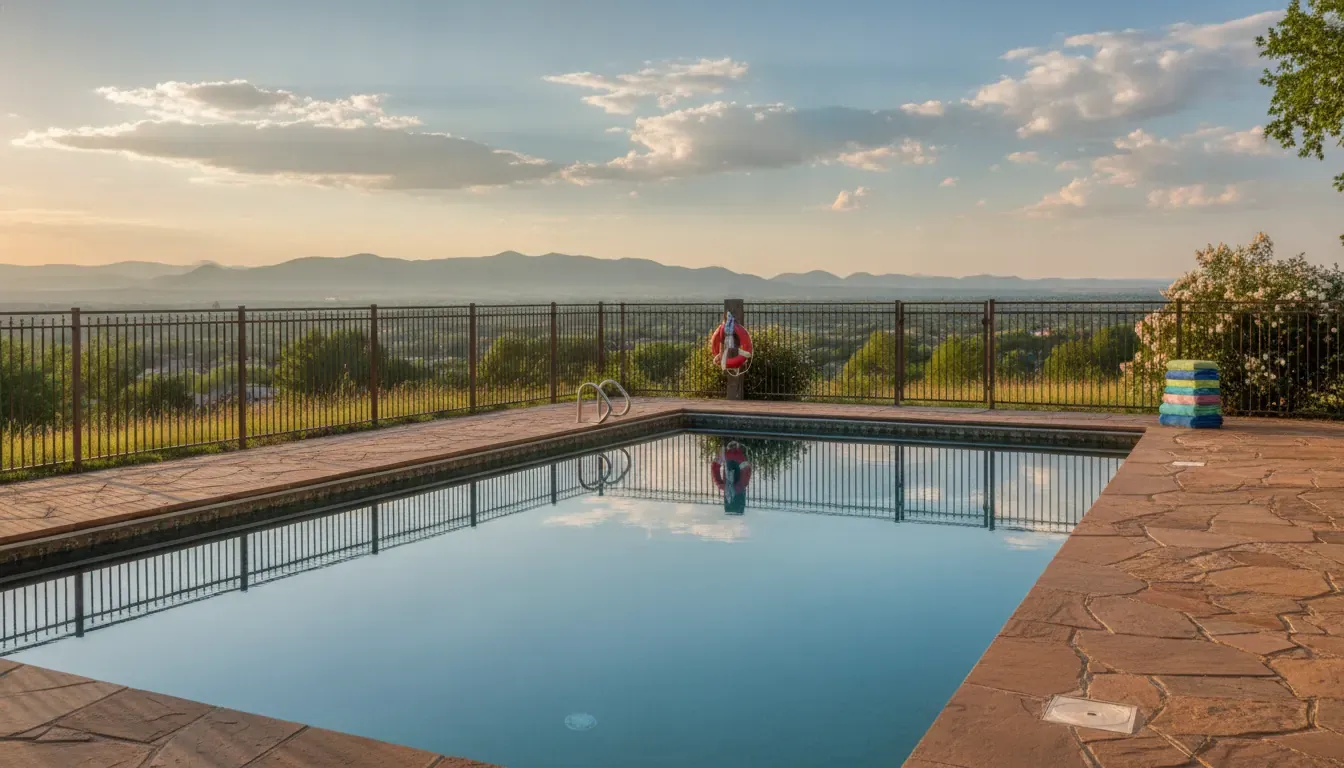
A safer pool is not created by one product sitting beside the water. It comes from several habits working together: controlling access, keeping the water and equipment in dependable condition, checking protective devices, and making sure adults understand their responsibilities. Denver-area owners also have to account for freeze risk, rapid temperature changes, intense UV exposure, and hard-water conditions that can wear on equipment.
Pool safety equipment commonly includes barriers, safety covers, alarms, rescue tools, drain and skimmer protections, and visibility aids. The right combination depends on the pool, property, household, and any requirements that apply to an HOA, commercial facility, insurer, or local authority. No device replaces active supervision or emergency services.
Use the checklist below as a practical starting point, then confirm rules specific to your property. First, it helps to define which equipment belongs in the safety system and what risk each layer is meant to address.
Ask Neptune Pools about pool equipment checks and repairs.
What counts as pool safety equipment?
Pool safety equipment is more than a single cover, alarm, or rescue device. It is a layered system that helps control access, reveal problems early, support a response, and keep the pool environment in dependable condition. The right combination depends on the pool layout, household, users, and whether the pool serves a private home, HOA, or commercial property. Local requirements may also differ, so verify applicable rules with the relevant authority, health department, HOA, or insurer.
A useful way to evaluate pool safety equipment is to group it by the risk it addresses. Review these layers before choosing products.
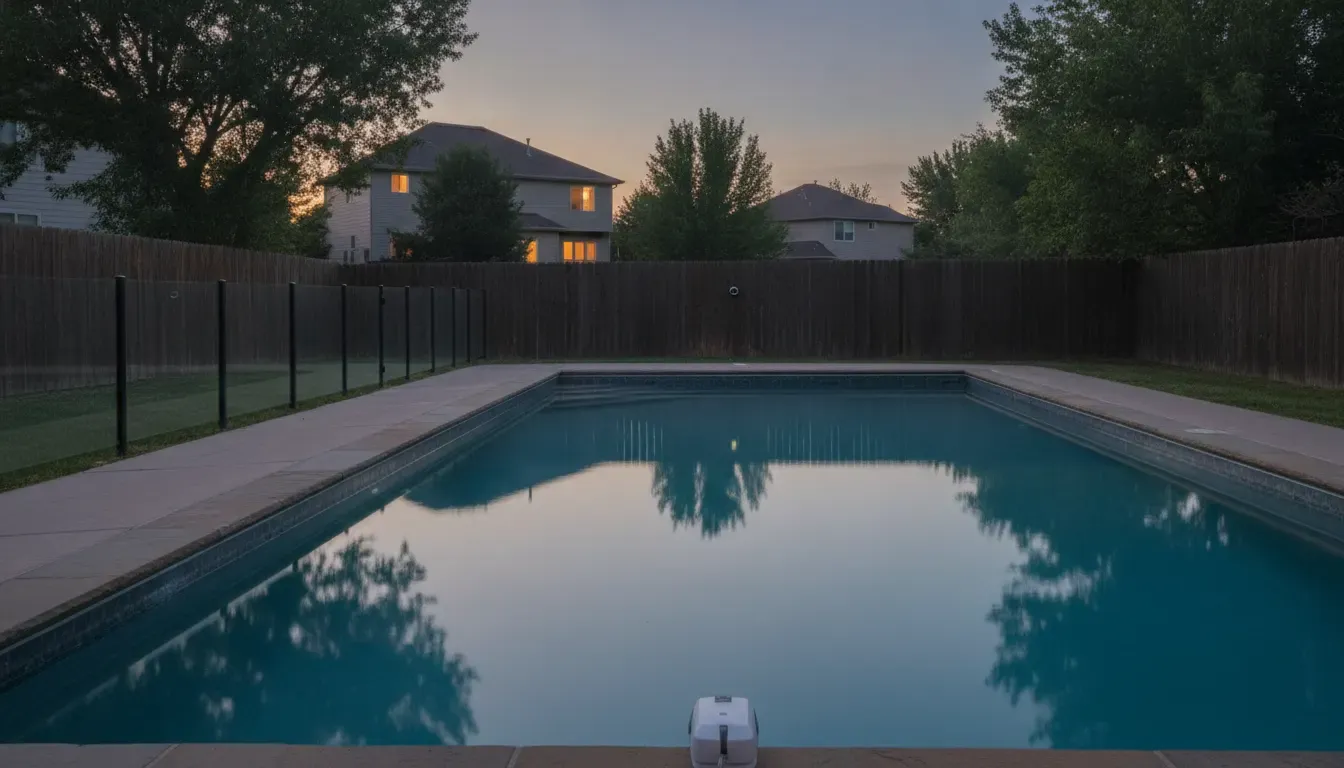
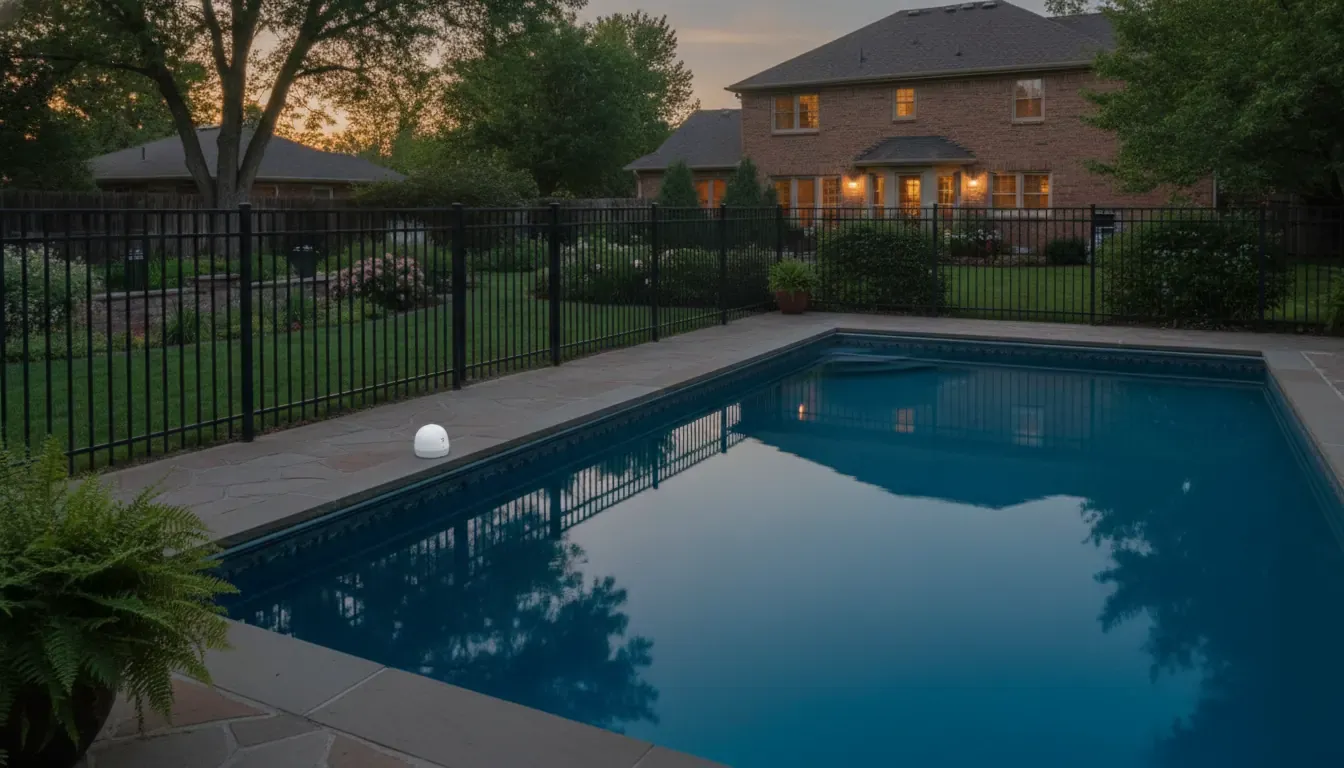
- Barriers and access control: Fences, self-closing or self-latching gates, secure doors, safety covers, and other access controls help limit unintended entry. A barrier should be considered as part of the surrounding yard and home, not as an isolated product. Look for gaps, loose hardware, damaged fabric, or anything that makes the pool easier to reach than intended.
- Alarms and alerts: Gate, door, motion, and water-entry alarms can provide another warning layer. They do not replace supervision, and they should be selected for the pool, access points, and household conditions. Test them according to the manufacturer's instructions and confirm that alerts can actually be heard or received.
- Rescue tools: A reaching pole, life-saving ring, or other appropriate rescue aid should be visible, accessible, and in usable condition. Store it near the pool without placing it where someone would need to enter the water to retrieve it. These tools support a response, but they do not replace emergency services or water-watching.
- Visibility and protective fittings: Adequate lighting, clear sightlines, secure drain and skimmer covers, and intact deck or pool-edge surfaces make hazards easier to notice. Visibility is especially important after dark, during severe weather, or when several people use the area.
- Maintenance and monitoring: Safety also depends on equipment that works properly. Water testing, chemical balance, filter and basket checks, equipment inspections, and documented service help identify conditions that can affect visibility, circulation, or reliable operation. Neptune Pools includes these checks in its standard maintenance visits, along with an electronic service report.
This framework keeps a shopping list from becoming a false sense of security. A barrier may limit access, while an alarm adds notice and a rescue tool supports action. Routine inspection connects all three by confirming that components remain secure, visible, and ready to use.
See Neptune Pools cleaning and maintenance support.
| Safety layer | Risk addressed | Inspection focus |
|---|---|---|
| Barrier and access control | Unplanned entry | Gates and damaged sections. |
| Alarm or alert | Unexpected entry | Batteries and audible alerts. |
| Rescue equipment | Deck response | Reachability and condition. |
| Maintenance and monitoring | Unsafe water or operation | Clarity, chemistry, and records. |
Which pool safety equipment belongs on a home checklist?
A useful checklist starts with the pool, the yard, and the people who use them. A small backyard pool with young children may need different layers than a pool managed by an HOA or shared by several households. Product fit also depends on the pool design, deck layout, access points, cover type, and existing equipment. Use this list as a practical starting point, then verify any requirements that apply to your property with the appropriate local authority, HOA, health department, or insurer.
- Access barriers and gates: Check that every gate closes and latches reliably, does not remain propped open, and provides a clear separation between the pool and surrounding activity. Walk the full perimeter for climbable objects, damaged sections, gaps, or doors that provide unplanned access.
- Safety cover: Inspect the cover for tears, stretched areas, damaged anchors, standing water, and hardware that no longer holds securely. Keep the cover properly installed when the pool is not in use, according to the manufacturer's instructions. Never treat a cover as a substitute for supervision.
- Alarms and alerts: Test door, gate, surface, or underwater alarms as directed by the manufacturer. Confirm that batteries, app connections, settings, and notification recipients are current. An alarm should add another warning layer, not become the only way you monitor access.
- Reaching and throwing tools: Keep a suitable reaching pole and a U.S. Coast Guard-approved throwable flotation device, where appropriate for the pool and household, in a clearly marked, accessible location. Do not store rescue equipment behind a locked door or under clutter. Learn how to use it before an emergency occurs.
- Visibility: Make sure the pool, steps, drains, and surrounding deck are visible during permitted use. Check that lighting works, lenses are intact, and landscaping or furniture does not create blind spots. Remove toys and other items that could obstruct the water view or encourage unsupervised access.
- Water-quality support: Keep a reliable testing method, clean skimmer baskets, and required treatment supplies available. Clear water helps swimmers and supervisors see conditions, but it does not by itself confirm that the water is safe. Neptune's pool cleaning and maintenance service includes water testing, balancing, equipment checks, and documented service reporting.
- Safe storage: Store chemicals in their original, labeled containers, separated as directed and away from children, pets, heat, and incompatible materials. Keep poles, floats, cords, and maintenance tools organized so they cannot become trip hazards or climbing aids. Have electrical components and suspected equipment hazards evaluated by a qualified professional.
Record what you checked and note anything that needs repair or replacement. If a barrier, cover, alarm, or rescue tool is damaged or unreliable, restrict access as appropriate until the issue is addressed. For equipment concerns, pool equipment repairs and servicing can help identify whether a component fits the system and how it should be maintained.
How often should you inspect pool safety equipment?
There is no single inspection interval that fits every private pool, HOA, or commercial facility. Instead, build checks into the moments when conditions change: before the season opens, before people use the pool, after severe weather or repairs, and during closing. For managed or public pools, confirm applicable requirements with the local authority, health department, HOA, or insurer.
- Check before opening for the season. Walk the entire pool area before allowing routine use. Look for damaged or loose fencing, gates that do not latch securely, worn cover straps. Tears, standing water on a cover, and objects that could make access easier for a child. Test alarms according to the manufacturer's instructions. Confirm that rescue equipment such as a reaching pole or life ring is present, accessible, and usable. Check drain covers, skimmer fittings, and other protective components. Test the water and address cloudy or unbalanced conditions before opening. A seasonal review is also a practical time to confirm that equipment labels, instructions, and emergency contact information are current.
- Make a short check before use. Before swimmers enter, confirm that gates and doors are closed and latched, the cover is fully removed and stored safely, and the deck is clear of trip hazards. Make sure the pool is visible from the areas where responsible adults will supervise. Keep rescue gear within easy reach, not locked in a shed or buried under supplies. Check the water for unusual cloudiness, surface debris, or a strong chemical odor, and do not treat those signs as a substitute for testing. Supervision remains essential; alarms, covers, and barriers are supporting layers, not replacements for attentive adults.
- Recheck after storms, unusual weather, or repairs. Wind, hail, heavy rain, rapid temperature changes, and falling debris can affect barriers, covers, alarms, and rescue equipment. After a storm, inspect the fence line, gate hardware, cover, deck, lighting, and visible equipment before use. If a pump, heater, filter, automation system, electrical component, or structural feature has been repaired, confirm that the area is safe and the equipment operates as intended. For electrical, structural, or suspected entrapment hazards, keep the pool out of use and contact a qualified professional.
- Document the closing and winterization check. At season's end, record the condition of safety equipment and note anything that needs repair or replacement before spring. Winterization may include water-level adjustment, winter chemical treatment, equipment shutdown, line blow-out, cover installation, and a winter risk inspection. In Denver Metro, freeze risk, intense UV exposure, hard water, and rapid temperature changes make this record especially useful. Ongoing pool cleaning and maintenance can pair water testing and equipment inspection with an electronic service report. Give homeowners and property managers a clear record of what was checked.
What changes for HOAs and property managers?
Shared pools require a system that is clear to more than one household. An HOA board or property manager should assign responsibility for opening and closing the pool, routine inspections, equipment testing, incident reporting, and vendor coordination. Put those duties in writing, name a backup, and make sure staff know who can close the pool when a hazard is found. A checklist is useful, but it does not replace active supervision or emergency services.
Build an equipment and responsibility inventory
Keep one current inventory for each pool. Record the location and condition of barriers, gates, covers, alarms, rescue equipment, drain and suction fittings, lighting, pumps, filters, heaters, automation, and chemical-storage areas. Note the inspection date, observed defect, action taken, and person responsible for follow-up. Equipment that appears functional but has an unclear owner is easy to overlook.
Routine service records can make this process more practical. Neptune Pools maintenance visits include equipment inspection and an electronic service report with chemical readings, precise dosages, and before-and-after photos. When a component needs specialist attention, coordinate pool equipment repairs and servicing and retain the repair documentation with the property record.
Document inspections and communicate rules
Use a consistent log for opening checks, pre-use checks, weather-related checks, and repairs. Record what was checked rather than writing only "OK." Include gate and access conditions. Alarm tests, cover or barrier defects, water clarity, visible hazards, and any decision to restrict use. Share concise rules with residents, guests, tenants, and on-site staff. Explain who may use the pool, how access is controlled, where safety equipment is located, and how to report a damaged gate, alarm, cover, or fitting.
Before the season, verify that the service provider carries current insurance and that technicians hold the certifications the property, insurer, or contract requires. Keep copies of those documents and confirm the scope of work instead of assuming a maintenance visit is a legally mandated inspection.
Confirm which requirements apply
A private residential pool, an HOA pool, and a public or commercial venue may have different obligations. The CDC Model Aquatic Health Code is guidance for aquatic venues open to the public. Including some apartment communities and HOAs; it is not a blanket rule for every private pool. Read the current guidance at the CDC Model Aquatic Health Code, then confirm applicable requirements with the city, county, health department, insurer, and governing HOA documents. Treat compliance as a verification task, not an assumption based on a product label or general checklist.
How should Denver owners adapt safety checks?
Denver Metro pools face conditions that can change quickly. A warm afternoon may be followed by a cold night. Intense ultraviolet exposure, hard water, altitude, and winter freezes also place additional stress on covers, barriers, pumps, plumbing, and other pool safety equipment. Your inspection routine should account for those conditions instead of treating every visit as the same.
Adjust checks around the season
Seasonal opening is a useful point for a complete review. Before regular swimming begins, inspect the cover, gates, latches, alarms, rescue equipment, drain covers, lighting, and visible equipment. Look for cracking, corrosion, loose fasteners, damaged wiring, and anything that could affect access control or safe use. Check that stored rescue tools remain easy to reach and that chemicals are secured away from children and unauthorized users.
During the active season, repeat a brief check before use and after major weather changes. Wind can move debris into the pool or shift a cover. Rapid temperature changes can expose weak fittings and contribute to freeze-related damage. Hard-water buildup may affect tile, fittings, sensors, and equipment surfaces, while strong UV exposure can degrade plastic, vinyl, and other outdoor materials. Water-quality testing is also part of a responsible safety routine, not a substitute for supervision or physical equipment checks.
Prepare safety systems for winter
Closing the pool is more than placing a cover over the water. Winterization should address the water level, winter chemical treatment, equipment shutdown, line blow-out, cover installation, and a winter risk inspection. Confirm that the cover is secure and that access points cannot be opened accidentally. Inspect the area again after heavy snow, strong wind, or an extended freeze, when practical and safe.
Altitude and local water conditions can make equipment behavior less predictable than a generic checklist suggests. Keep records of unusual pressure, repeated alarms, leaks, staining, or chemistry changes so a technician can see the pattern. Neptune Pools includes equipment inspection in standard maintenance visits and can document findings through electronic service reports. If a pump, heater, automation system, timer, barrier, or other safety-related component appears damaged, arrange pool equipment repairs and servicing rather than improvising an electrical or structural repair.
For HOAs and managed properties, assign responsibility for opening, operating-season checks, weather follow-ups, and winterization. Keep inspection records and verify any applicable requirements with the relevant Denver-area authority, health department, HOA documents, or insurer. A climate-aware checklist strengthens your safety process, but it does not replace active supervision, qualified inspection, or emergency assistance when someone is in immediate danger.
When is a pool equipment issue urgent?
Treat a pool equipment problem as urgent when using the pool could expose someone to immediate harm. Turn off access to the pool, keep children and pets away, and do not ask guests or staff to test a suspected hazard. A checklist can support safer decisions, but it does not replace active supervision, emergency services, or a qualified inspection.
Stop use for electrical or structural hazards
Visible electrical damage, a burning smell, sparking, smoke, water near electrical components, or a breaker that repeatedly trips deserves immediate caution. Do not touch wet equipment or attempt to reset, open, or repair electrical components unless you are qualified to do so. Keep people clear and contact the appropriate emergency service if there is an immediate threat to life or property. Otherwise, arrange an inspection by a qualified pool or electrical professional before restoring operation.
Also close the pool when a barrier, gate, latch, cover, deck surface, or other access-control feature is damaged or cannot be secured. A damaged cover can create a fall or entrapment hazard, while a broken gate can provide unintended access. Follow verified guidance from the relevant local authority, health department, HOA, insurer, or equipment manufacturer rather than assuming a temporary workaround is safe.
Take water and circulation problems seriously
Keep swimmers out when the water is visibly unsafe, when circulation has failed, or when a pump, filter, heater, drain area, or suction fitting appears severely damaged. Do not guess at chemical corrections or enter the water to investigate an entrapment concern. If someone is caught, injured, unresponsive, or in immediate danger, call emergency services and follow verified emergency guidance. Pool safety equipment and alarms can support a broader safety plan, but they do not eliminate the need for supervision or a rapid emergency response. The CDC also emphasizes that swimming and recreational water involve drowning and illness risks, making layered prevention important: CDC swimming safety guidance.
For non-life-threatening problems, keep the pool closed and document what you observed, including unusual sounds, leaks, error messages, or visible damage. Neptune Pools can help evaluate pumps, heaters, filters, automation, and related systems through pool equipment repairs and servicing. The FAQs below address common inspection and equipment questions in more detail.
Frequently Asked Questions
What pool safety equipment should I have?
Start with layered protection: a secure barrier and controlled access, a properly fitted cover when appropriate. Alarms or alerts that match the pool and household, and rescue equipment such as a reaching pole and life ring. Keep the area visible, remove toys when the pool is not in use, and confirm that every device is installed for your specific pool. Equipment supports safer habits, but it does not replace active supervision.
How do I maintain pool safety equipment?
Check barriers, gates, covers, alarms, fittings, drain covers, and rescue tools during a consistent routine. Look for loose hardware, corrosion, cracks, missing parts, weak batteries, and anything that has shifted after weather or maintenance. Test alarms according to the manufacturer's instructions, keep rescue equipment accessible, and take damaged equipment out of service until it is repaired or replaced.
Can pool safety equipment be added to an existing pool?
Often, yes. Alarms, covers, access controls, rescue tools, and some protective fittings can be added to an existing pool, but compatibility and installation details matter. An equipment professional can check the pool layout, deck, gates, electrical setup, and existing systems before recommending an upgrade. Verify any applicable requirements with your local authority, HOA, health department, or insurer.
What should Denver pool owners check before winter?
Before freezing weather, inspect the cover, access points, exposed equipment, and any alarm or monitoring system that will remain active. Seasonal winterization may include adjusting the water level, treating the water, shutting down equipment, blowing out lines, installing the cover, and completing a winter risk inspection. Colorado's freeze risk, rapid temperature changes, hard water, and intense UV exposure make seasonal checks especially important.
Do safety devices replace supervision?
No. Barriers, alarms, covers, and rescue equipment are backup layers, not substitutes for close supervision or an emergency plan. The CDC notes that drowning can happen in seconds and is often silent: CDC drowning prevention guidance. Keep responsible adults focused on swimmers, use appropriate flotation devices for those who need them, and call qualified professionals when equipment presents an immediate hazard.
Ready to review your pool equipment?
A practical checklist is easier to use when each component works as expected and inspection responsibilities are clear. Contact Neptune Pools about pool equipment checks, maintenance support, and service guidance for your Denver-area pool.
Related Blogs