Colorado Pool and Spa Maintenance Guide
Colorado Pool and Spa Maintenance: A Year-Round Guide
Colorado pool and spa maintenance requires more than a standard cleaning schedule. Strong sun, low humidity, windblown debris, fast temperature changes, and winter freezes all affect water chemistry and equipment. A consistent routine helps Denver Metro owners keep water inviting, spot small equipment problems early, and protect plumbing when cold weather arrives. This guide explains what to check each week, how to adapt care by season, and when professional support is the safer choice.
Request dependable pool cleaning and maintenance from Neptune Pools.
Why Colorado pool and spa maintenance is different
Pool care always depends on the environment around the water. In Colorado, that environment can change quickly. A sunny afternoon may be followed by a cold night, while dry air can increase evaporation and leave dissolved minerals behind. Wind carries dust, leaves, and other debris into the water, and a surprise freeze can threaten exposed equipment.
Key takeaway: Colorado conditions make consistency more important than occasional deep cleaning. Weekly observation and seasonal preparation are the best defenses against cloudy water, damaged equipment, and avoidable repairs.
Strong sun and low humidity
At Colorado elevations, intense sunlight can affect exposed pool water and sanitizer demand. Low humidity and wind can also increase evaporation. As water leaves the pool, minerals remain, so repeatedly topping off the water without testing may gradually change its balance.
Check the water level before running equipment and after stretches of hot or windy weather. If the level drops faster than conditions can explain, investigate for a leak instead of assuming evaporation is the only cause.
Rapid temperature shifts
Day-to-night temperature swings affect both water and equipment. Heaters may work harder, spa water can cool quickly when uncovered, and plumbing becomes vulnerable when temperatures approach freezing. Owners should pay particular attention to exposed pipes, equipment-pad conditions, and reliable water circulation during cold periods.
Wind, snow, and seasonal debris
Spring pollen, summer storms, fall leaves, and winter snow all add work. Debris that stays in the water can clog baskets, restrict circulation, stain surfaces, and increase sanitizer demand. A fitted cover helps, but it does not replace checking the water and equipment beneath it.
What should a weekly maintenance routine include?
A useful weekly routine follows the same order each time. Start with observation, remove debris, check circulation, test the water, and then make only the adjustments the water actually needs. Recording the results makes developing problems easier to identify.
1. Inspect the pool or spa before cleaning
Walk around the water and equipment area before switching anything on or adding chemicals. Look for changes from the previous visit. A small drip, unusual sound, or recurring patch of debris can point to a larger issue.
- Confirm the water level is appropriate for normal circulation.
- Look for wet ground, cracked fittings, loose lids, and visible leaks.
- Check surfaces for stains, scale, algae, or damaged material.
- Listen for grinding, rattling, or surging from the pump.
- Confirm returns have steady flow and the heater shows no warning.
2. Remove debris and clean high-load areas
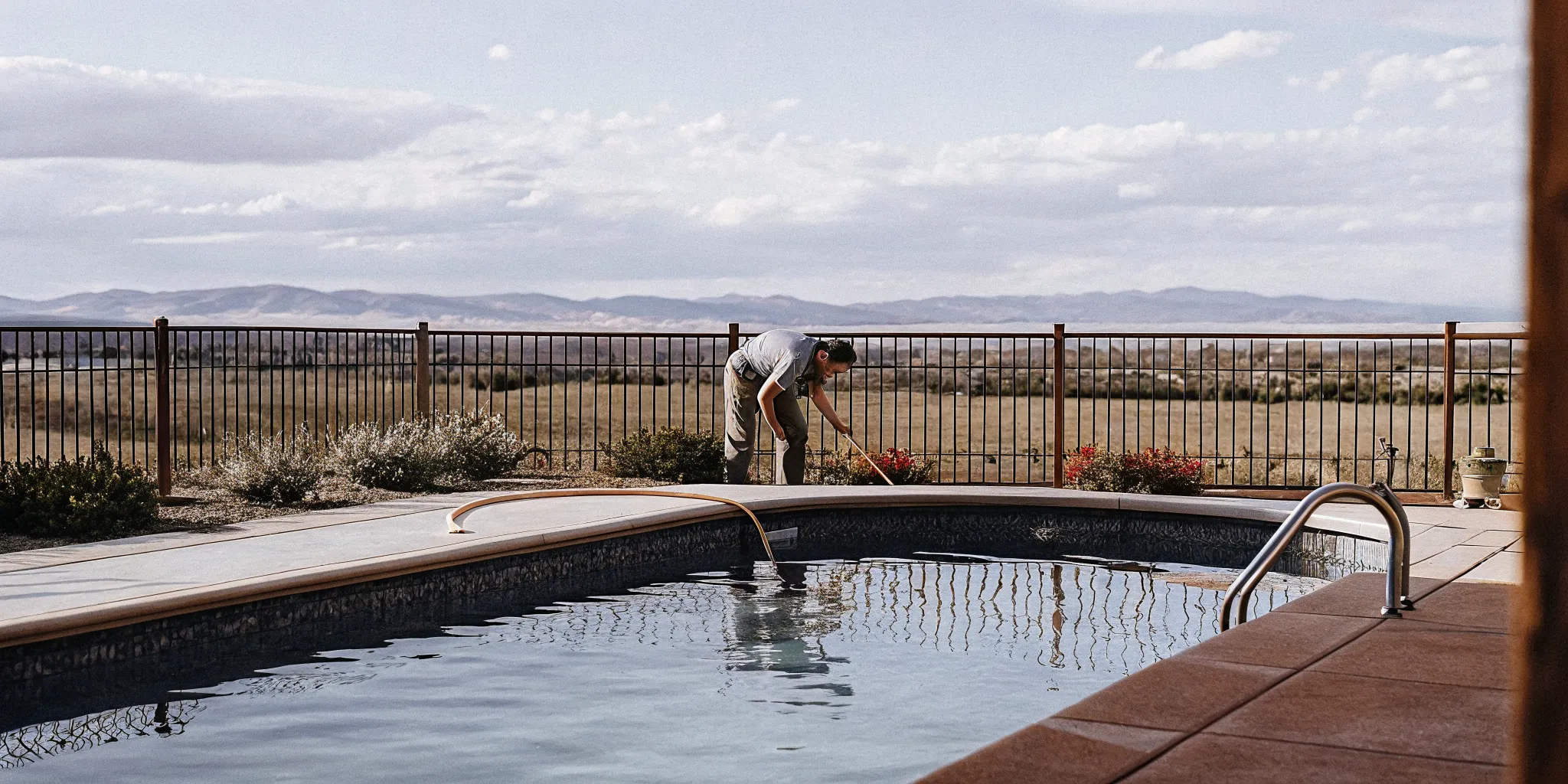
Skim floating material before it sinks. Empty skimmer and pump baskets so water can move freely, then brush walls, steps, benches, corners, and the waterline. Vacuum as needed. Spas also need attention around seats and jets, where residue can collect.
Cleaning is not only cosmetic. Removing debris reduces the load on the filter and sanitizer. It also gives you a clear view of surfaces, making stains, cracks, or algae easier to notice.
3. Check circulation and filtration
Clear water depends on steady circulation and an effective filter. Check the equipment manufacturer's guidance for normal operating pressure and cleaning intervals. A pressure reading that changes sharply, weak return flow, or air entering the system deserves investigation.
- Empty baskets before they become packed.
- Inspect the filter and clean it according to its specifications.
- Keep the equipment area free of leaves, snow, and standing water.
- Check visible seals, unions, valves, and hoses for deterioration.
- Never open pressurized equipment before safely shutting it down.
4. Test and adjust water chemistry
Test before adding chemicals. At minimum, track sanitizer, pH, and total alkalinity using reliable testing supplies. Depending on the pool or spa system, calcium hardness and other measures may also require regular monitoring. Follow the equipment and chemical manufacturers' instructions, because target ranges and handling requirements vary by system.
Add products separately and only as directed. Never mix pool chemicals, and store them in their original containers in a dry, secure, ventilated location away from children, pets, and incompatible materials.
Key takeaway: Clear water is not proof that water is balanced. Testing and recording results are essential parts of Colorado pool and spa maintenance.
5. Keep a simple maintenance log
A log can be a notebook or spreadsheet. Record test results, chemical additions, filter pressure, water level, cleaning completed, and any unusual equipment behavior. Patterns in the log can reveal a slow leak, increasing sanitizer demand, or declining circulation before the issue becomes obvious.
A seasonal Colorado maintenance calendar
The weekly routine stays important all year, but the priorities change with the season. Plan opening, closing, and major equipment work before local service schedules become busy.
| Season | Primary maintenance focus | Why it matters |
|---|---|---|
| Spring | Inspect and restart carefully | Find winter damage before regular operation |
| Summer | Monitor water, debris, and circulation | Respond to heat, wind, and heavier use |
| Fall | Prepare for closing or cold operation | Protect plumbing before hard freezes |
| Winter | Check covers and equipment after storms | Catch cold-weather problems early |
Spring: inspect before restarting
Spring is the time to remove winter debris, examine surfaces, and verify that equipment is ready to run. Do not rush to start a system that may have suffered freeze damage or shifted fittings. Inspect first, then restore normal operation carefully.
- Remove and clean the cover without pushing debris into the water.
- Inspect the shell, tile, coping, fittings, and visible plumbing.
- Check pump, filter, heater, valves, and seals before startup.
- Bring the water level back to its operating position.
- Test and balance the water after circulation is established.
If the cover is damaged, the water level is unexpectedly low, or equipment leaks during startup, stop and arrange an inspection.
Summer: respond to heat and heavy use
Summer creates the highest combination of sunlight, evaporation, swimmers, and debris. Increase observation after parties, storms, and extended hot or windy weather. Keep baskets clear and test often enough to respond before water quality declines.
A cover can limit debris and evaporation when the pool is not in use, but it must be handled safely. Never allow swimmers to enter beneath a cover, and use a cover appropriate for the installation.
Fall: prepare before the first hard freeze
Fall preparation should begin while the weather is still workable. Continue removing leaves, inspect the cover, decide whether the pool will remain operational, and schedule winterization early if the system will close.
Closing is more than putting on a cover. The correct process depends on the pool design and equipment. It may include balancing water, cleaning, lowering water to an appropriate level, protecting plumbing, and securing equipment. An incomplete closing can leave water where freezing expansion causes damage.
Winter: monitor even when the pool is closed
A closed pool still needs periodic attention. Check that the cover remains secure, keep excessive debris from accumulating, and inspect the equipment area after storms or severe cold. Never walk on a pool cover unless it is specifically designed and rated for that use.
Spas that remain open need more frequent observation because their small water volume, warm temperature, and regular use can change chemistry quickly. Keep the cover fitted, inspect it for damage, and maintain reliable circulation and heat.
How to keep water chemistry stable
Stable water protects swimmers, surfaces, and equipment. The goal is not to chase individual numbers with frequent large chemical additions. Instead, test consistently, understand how the measures interact, and make measured adjustments according to the products and system in use.
Manage evaporation and refill water
Low humidity, wind, splash-out, and heat can lower water levels. Refill water has its own chemistry, so repeated additions may affect balance over time. Test after significant refilling instead of assuming the previous readings still apply.
A rapid or unexplained water-level drop requires attention. Mark the level, account for recent use and weather, and contact a professional if the loss continues. Running a pump without enough water can damage it.
Distinguish pool needs from spa needs
Pools and spas should not be treated as identical systems. Spa water is warmer and the volume is smaller, so use can change water conditions quickly. Spa filters, jets, covers, and heating systems also create different maintenance needs.
- Test spa water on a schedule suited to its use and system.
- Keep the cover clean, fitted, and in good condition.
- Inspect jets for uneven flow or buildup.
- Follow the spa manufacturer's drain-and-refill guidance.
- Address persistent foam, odor, cloudiness, or residue promptly.
Know when water problems need expert diagnosis
Repeatedly adding chemicals without resolving cloudy water, scale, stains, or algae can waste time and create new problems. Persistent issues may be related to circulation, filtration, refill water, equipment, or an incorrect treatment approach. A professional can evaluate the whole system rather than treating only the visible symptom.
Get help maintaining or servicing your Colorado spa.
Protecting equipment from Colorado weather
The equipment pad is the working center of a pool or spa. Keeping it clean and watching for changes can extend equipment life and prevent interruptions. Colorado weather makes freeze awareness especially important, but heat, moisture, and debris also matter.
Pumps, filters, and plumbing
A pump should run with a stable sound and steady circulation. Air bubbles, loss of prime, leaking connections, or unusual noise should not be ignored. Filters need cleaning based on their type, pressure behavior, and manufacturer guidance, not simply because a certain number of days has passed.
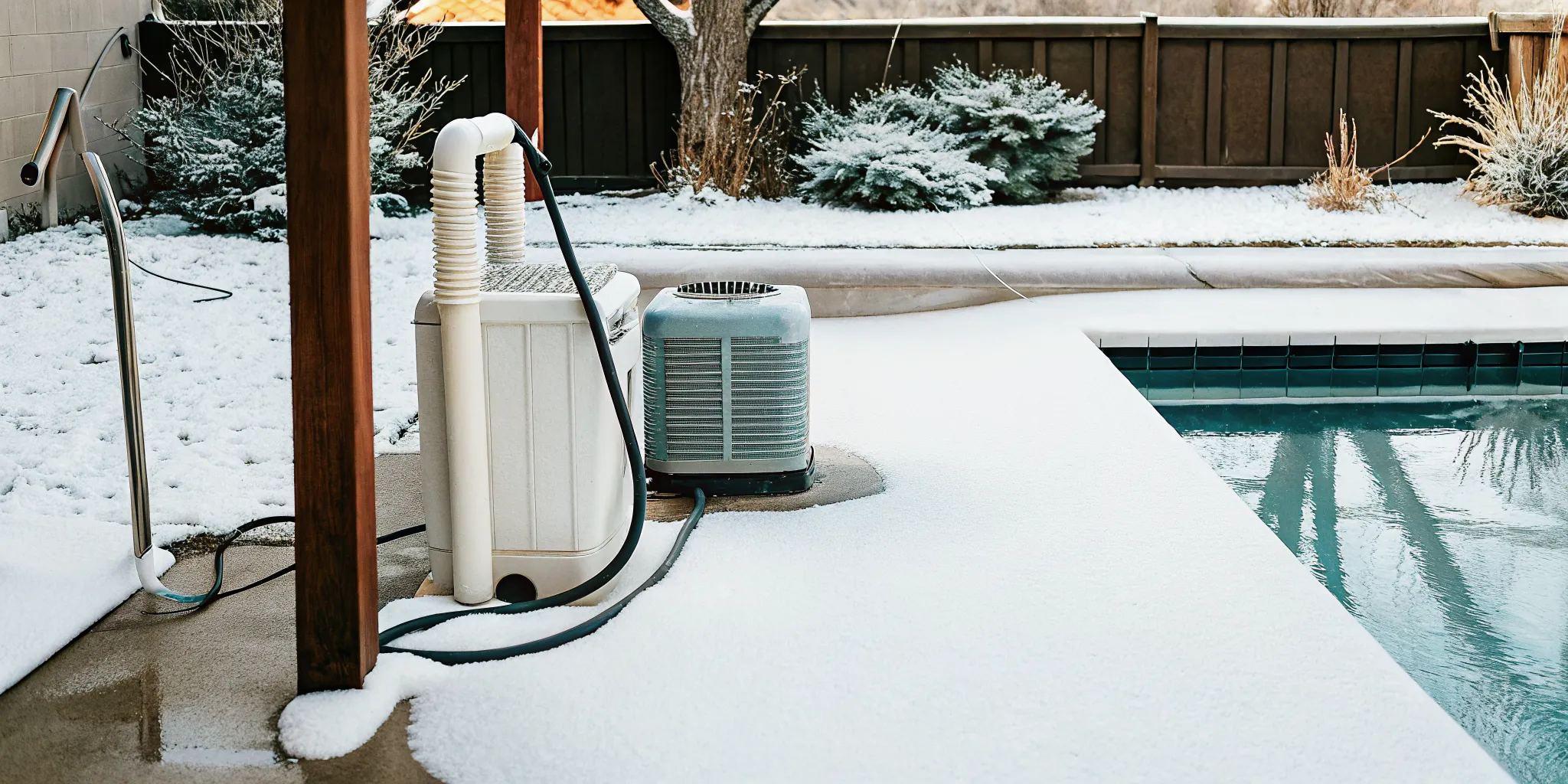
During cold weather, exposed plumbing and equipment can be at risk. Freeze protection features are helpful only when the system has power, water can circulate, and controls work correctly. They are not a substitute for proper winterization when a pool is shut down.
Heaters and electrical components
Heaters require safe airflow, clearances, and dependable water flow. Keep the area around the unit free of debris and snow. If a heater repeatedly shuts down, smells unusual, shows soot, or displays an error, turn it off and arrange qualified service. Gas and electrical repairs should not be attempted as routine owner maintenance.
Inspect visible controls and cords for damage without opening protected electrical components. Water near electrical equipment, tripping breakers, or unreliable controls require prompt professional attention.
Early warning signs
Call for service before an issue causes a full shutdown. Common warning signs include:
- Unexplained water loss or wet soil near plumbing.
- Weak flow, recurring air bubbles, or a pump that loses prime.
- Grinding, screeching, rattling, or cycling equipment.
- Cloudy water that returns after correct cleaning and treatment.
- Heater errors, inconsistent heating, soot, or unusual odors.
- Cracked fittings, leaking seals, or damaged surfaces.
When should you hire a pool and spa professional?
Owners can handle many routine observations and cleaning tasks. Professional help is appropriate when safety is involved, the root cause is unclear, specialized equipment is required, or a problem continues after basic maintenance.
Consider scheduling service for seasonal opening or closing, persistent water-quality problems, leak investigation, heater failure, electrical concerns, equipment repair, or recurring circulation issues. A technician can also establish a routine for owners who do not have time to maintain consistent weekly care.
Before the appointment, record what changed, when it began, any error messages, recent chemical additions, and whether the issue is constant or intermittent. That information can speed diagnosis.
Common maintenance mistakes to avoid
A rushed response can turn an ordinary maintenance issue into an expensive one. Avoid making large changes before confirming the cause. If water looks cloudy, for example, test it and check circulation rather than adding several products at once. Multiple unplanned additions make the result harder to evaluate and may create unsafe conditions.
- Ignoring the equipment pad: Clean water can hide a developing leak, noisy bearing, or weak flow.
- Waiting for a freeze warning: Decide on a cold-weather plan before temperatures fall.
- Letting baskets overfill: Restricted flow makes the pump work harder and reduces filtration.
- Assuming every water-level drop is evaporation: Persistent loss may signal a leak.
- Using the same routine all year: Colorado weather and pool use change with the seasons.
- Skipping the maintenance log: Without records, slow changes in chemistry or equipment performance are easy to miss.
Another common mistake is delaying help when safety is involved. Gas odor, soot, electrical trouble, major water loss, and severe equipment noise are not routine maintenance problems. Shut down affected equipment when it is safe to do so, keep swimmers away, and contact a qualified professional.
Practical rule: If the cause is unclear or the same problem keeps returning, stop treating the symptom and have the complete system evaluated.
A concise owner checklist
Use this list as a practical reminder, then adapt it to the specific pool, spa, equipment, and manufacturer instructions.
- Weekly: inspect, skim, brush, empty baskets, verify flow, test water, and record results.
- After storms or heavy use: remove debris, check water level, inspect the cover, and retest water.
- During hot or windy periods: watch evaporation, circulation, and sanitizer demand.
- Before freezing weather: confirm the system's winter plan and protect vulnerable equipment.
- Each season: inspect surfaces, covers, fittings, and equipment for developing wear.
- Any time conditions change unexpectedly: investigate promptly instead of waiting for the next routine visit.
Bottom line: The most effective Colorado pool and spa maintenance plan is consistent, documented, and adapted to local weather. Small checks performed on schedule are far less disruptive than emergency repairs.
Frequently Asked Questions
Do I need special pool maintenance for Colorado high-altitude conditions?
Yes. Strong sunlight, low humidity, wind, and changing temperatures can affect evaporation, debris load, water balance, and equipment operation. Test consistently, monitor water level, keep circulation reliable, and adjust the routine when weather or use changes.
How do I prepare my pool and spa for Colorado winters?
Prepare before hard freezes arrive. Clean and balance the water, inspect equipment, decide whether the system will operate or close, and protect plumbing according to the installation's requirements. Because incomplete winterization can cause costly freeze damage, hire a professional if you are unsure how to protect the specific system.
What is included in regular pool and spa maintenance?
Regular maintenance generally includes inspecting the water and equipment, removing debris, brushing and vacuuming as needed, emptying baskets, checking circulation and filtration, testing water chemistry, and watching for leaks or equipment wear. Spa care also includes close attention to the cover, jets, warm-water chemistry, and manufacturer-recommended draining.
When should I call for emergency pool or hot tub repair?
Call promptly for sudden water loss, major leaks, electrical concerns, gas odors, soot, complete circulation failure, severe equipment noise, or loss of heat during freezing conditions. Shut down unsafe equipment and keep people away until a qualified professional evaluates it.
Ready to request pool or spa maintenance?
Neptune Pools helps Denver Metro owners maintain pools and spas through changing Colorado conditions. Professional support can simplify weekly care, identify equipment concerns, and prepare the system for the next season.
Explore Neptune Pools services and request expert help.
For direct assistance, call 303-431-8501.
Related Blogs