Denver Pool Renovation and Resurfacing Guide
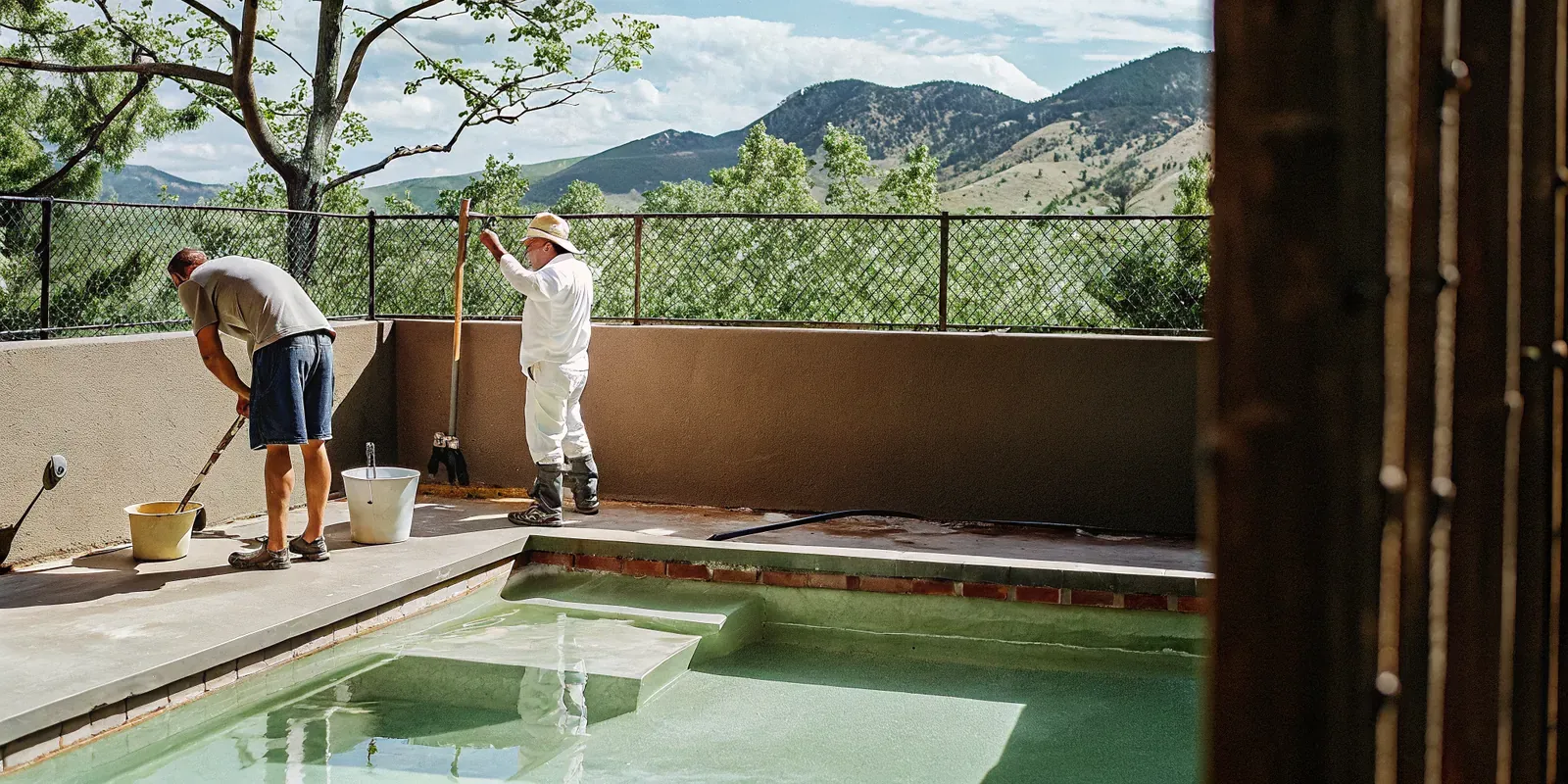
Denver pool renovation and resurfacing can combine a new interior finish with tile or structural repairs. Equipment upgrades, and freeze-protection improvements, giving homeowners a practical path to extend pool life and improve efficiency.
Get a free pool renovation and resurfacing consultation with Neptune Pools
The right scope depends on the condition of the shell, finish, circulation system, and surrounding features. Understanding what can be addressed together helps you compare options, plan around Colorado's short build season, and avoid paying for work that does not solve the underlying problem.What Denver pool renovation and resurfacing covers
A complete renovation addresses more than the visible finish. It evaluates the pool shell, circulation equipment, controls, tile, and systems that affect safety, efficiency, and long-term maintenance. For a homeowner, HOA, or commercial property operator, the right scope depends on the pool's condition. How it is used, and which problems should be solved while the vessel is already drained.
Resurfacing finishes for the pool interior
Resurfacing removes the worn interior layer and prepares the surface for a new finish. Traditional plaster provides a clean, practical surface, while exposed or polished aggregate can add texture, color variation, and increased durability. Tile may be used across the full interior for a distinctive finish, or selectively at the waterline, steps, benches, and other high-visibility areas.
The finish should match the pool's structure, expected use, maintenance plan, and budget. Surface preparation is just as important as the material selected. Cracking, delamination, hollow areas, or other substrate problems need to be addressed before the new finish is applied. Otherwise, a new surface can conceal a problem rather than resolve it.
Repairs and upgrades completed during renovation
Renovation is often the practical time to correct related issues. Structural repairs may include addressing cracks, damaged coping, leaks, or deteriorated areas around the shell. Waterline tile can be replaced when it is loose, stained, outdated, or no longer seals properly at the edge of the pool.
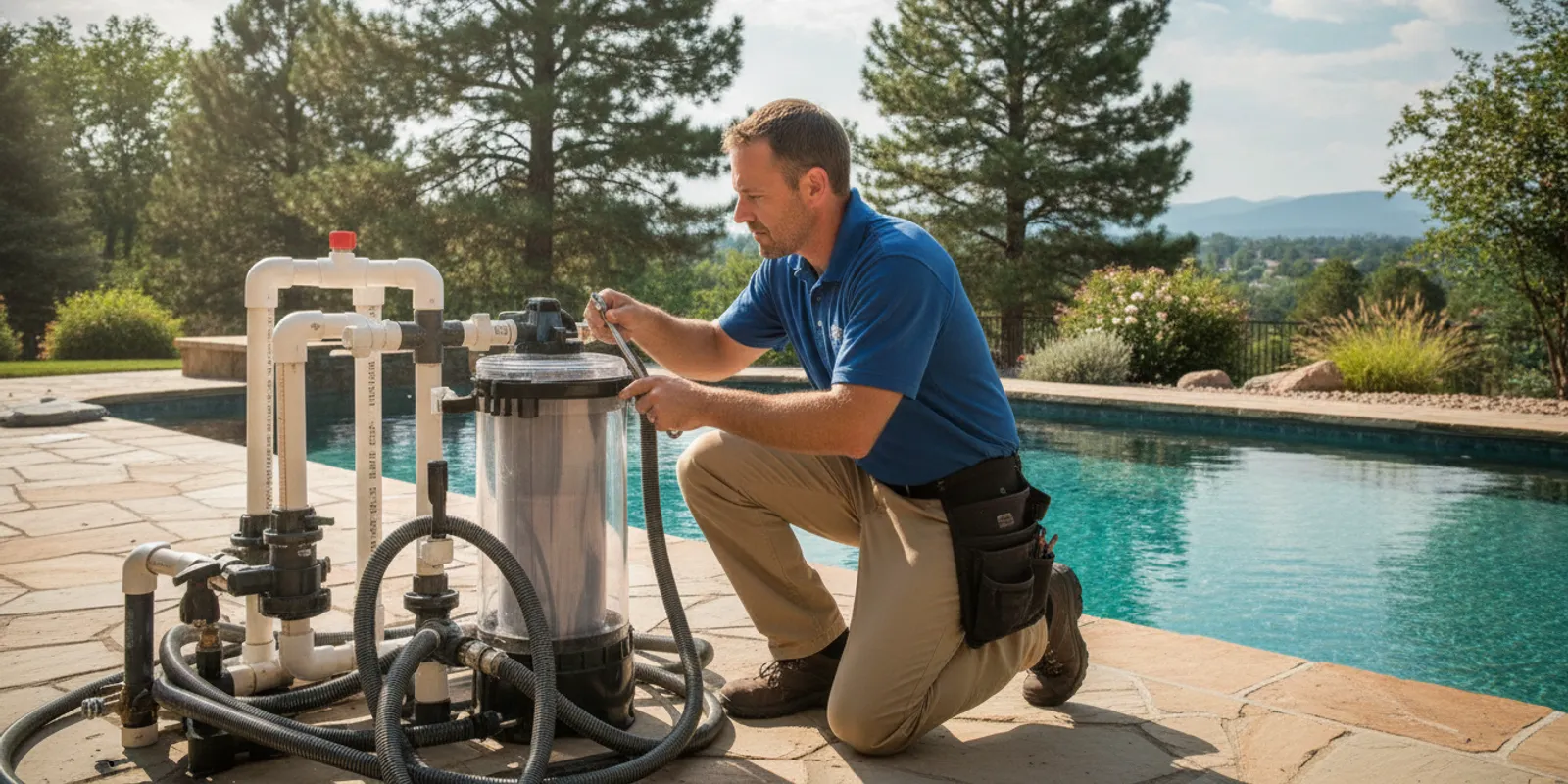
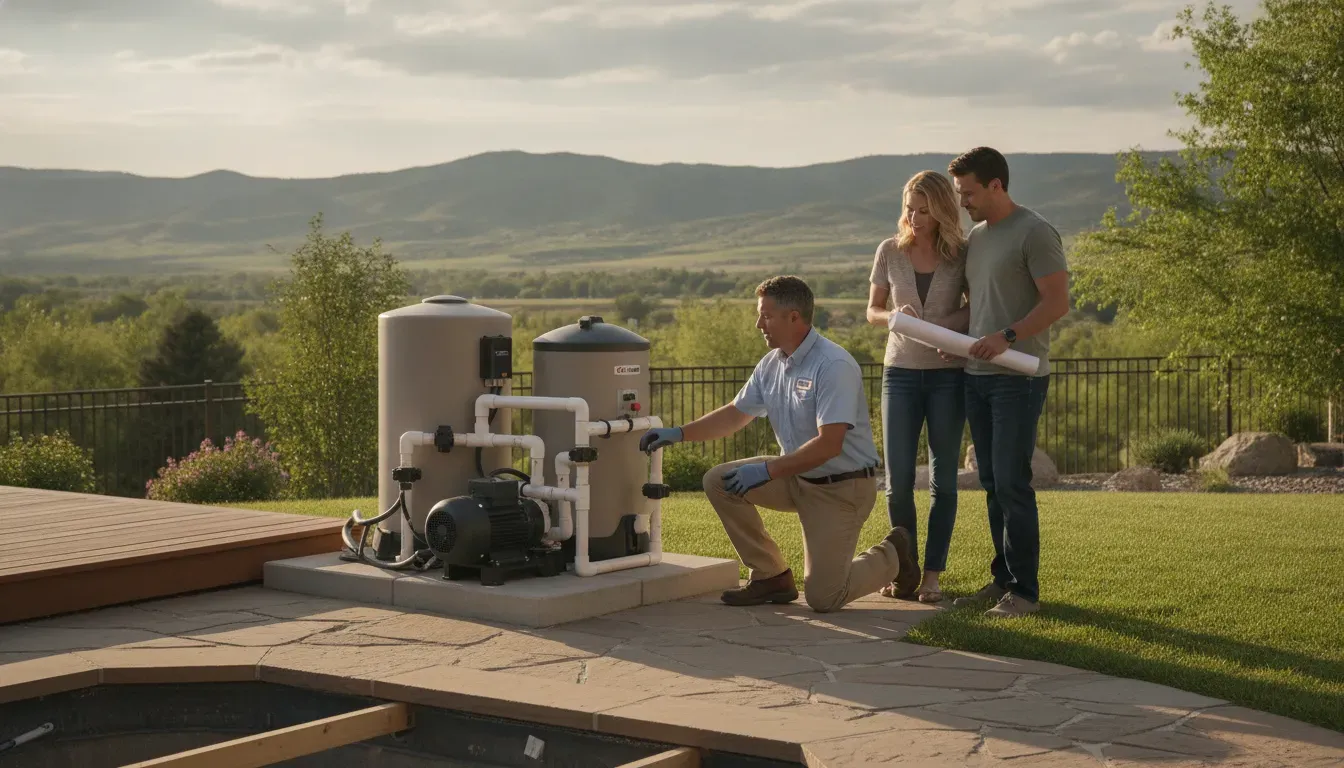
Equipment upgrades can also be part of the plan. An aging pump, filter, heater, or plumbing component may limit the benefit of a new finish. Smart controllers and updated automation can make scheduling and system monitoring easier, while properly sized equipment can support more consistent circulation and chemical distribution. Neptune Pools also brings knowledge of high-altitude water chemistry and freeze-protection systems, both of which matter when selecting and commissioning equipment in the Denver area.
The result is a coordinated project instead of a series of disconnected repairs. Review Denver pool renovation and resurfacing services to see how Neptune Pools approaches renovation planning for residential pools, HOA facilities, and commercial properties throughout the Denver Metro area.
Signs Your Pool Needs More Than Routine Maintenance
Routine cleaning and chemical balancing can keep a sound pool operating well, but they cannot reverse surface failure or structural wear. If several of the following signs are present, a renovation assessment may be more appropriate than another season of patchwork maintenance.
Surface and finish problems you can see or feel
- Rough or uncomfortable plaster. A finish that feels abrasive underfoot or catches on swimsuits may be worn beyond what brushing and balancing can correct. Rough areas can also make the pool harder to keep clean.
- Persistent stains. Staining that returns after appropriate cleaning may be embedded in the finish rather than sitting on top of it. The cause still needs to be identified before selecting a resurfacing material.
- Surface cracks. Hairline cracks should not automatically be treated as a cosmetic issue. Multiple cracks, widening cracks. Or cracking accompanied by water loss deserve a closer inspection to determine whether the problem is limited to the finish or involves the pool shell.
- Chalky or pitted areas. A powdery finish or visible pits indicates deterioration that can affect both appearance and the surface's ability to withstand continued chemical and seasonal stress.
- Worn or loose waterline tile. Cracked, missing, or repeatedly loose tile can signal age, movement, or moisture-related issues around the waterline. Replacing tile during a broader renovation may be more practical than repeating isolated repairs.
Operating problems that point to an aging pool system
Some renovation signals show up in your operating costs rather than on the pool surface. If chemical use keeps increasing despite consistent testing and service, the finish may be contributing to unstable water conditions. Frequent algae is another warning sign, especially when circulation, filtration, and chemical levels have been checked and the problem continues.
Rising energy costs can also justify looking beyond routine maintenance. An aging pump, inefficient filtration, or outdated controls may be working harder than necessary. A renovation plan can coordinate surface work with pool equipment repairs and upgrades, instead of treating each expense as a separate emergency.
Denver's high-altitude chemistry and freeze-thaw cycles make diagnosis especially important. Before choosing a finish, have the surface, tile, shell, circulation equipment, and freeze-protection setup reviewed together. Neptune Pools can help determine whether targeted maintenance is sufficient or whether a coordinated project through its pool renovation and resurfacing service is the more durable option.
Pool Resurfacing Materials Compared for Denver Homes
The finish you choose affects upfront cost, surface feel, appearance, maintenance, and how long the renovation can serve your pool. Denver's freeze cycles and high-altitude water chemistry make installation quality and ongoing water balance especially important, so the least expensive material is not automatically the best value. The figures below provide useful planning benchmarks, not a project quote.
| Material | Approximate cost per sq. ft. | Typical service life | Best fit |
|---|---|---|---|
| White plaster | About $4 per sq. ft. | About 10 years | Traditional finish with a clean, light appearance and lower initial cost. |
| Pebble aggregate | About $10 per sq. ft. | 20+ years | Long-term durability and a natural, textured look. |
| Quartz | Varies by product and installation. | Varies by product and water care. | A balance of color, texture, and durability between basic plaster and larger aggregate. |
| Tile | About $26 to $37 per sq. ft. or more. | Varies with tile, installation, and maintenance. | Premium design detail, waterline accents, steps, or selected feature areas. |
| Pool paint | About $1 per sq. ft. | Shorter-term option. | Budget-conscious refreshes where a lower initial cost matters more than maximum longevity. |
Cost and lifespan benchmarks for plaster, pebble aggregate, tile, and paint are reported by Angi's Denver pool resurfacing cost guide. Actual pricing depends on pool size, preparation, access, structural repairs, tile work, waterline conditions, and the selected product. Paint can look attractive on paper, but its shorter service life may make repeated preparation and recoating less economical over time.
How to choose the right finish for a Denver pool
Start with the pool's condition and your renovation horizon. Plaster may suit a straightforward refresh, while pebble or quartz can make more sense when you want a longer service interval and a more distinctive finish. Tile is often most practical as a premium detail rather than the default surface for an entire pool. A professional evaluation should also account for freeze-protection equipment, drainage, existing cracks, and water chemistry before the material is selected. That approach helps match the finish to both the design goal and the conditions it must withstand.
What Denver Pool Resurfacing Really Costs
A resurfacing budget is a planning range, not a single number. In Denver, pool resurfacing projects average about $11,638, with many homeowners spending between $6,348 and $15,870. Your actual investment depends on the pool's surface area, selected finish, and whether the renovation uncovers structural or equipment work.
For a practical starting point, think in terms of three budget levels. A basic surface renewal may involve a straightforward plaster finish with limited preparation. A mid-range project may use a longer-lasting aggregate finish and include tile or coping updates. A more extensive renovation can combine premium finishes, structural repairs, updated circulation equipment, lighting, or controls. This framing helps you compare priorities before selecting materials.
What moves the budget up or down?
- Pool size and surface area: A larger pool requires more preparation and finishing material, so the project scales with the amount of surface being treated.
- Finish type: Plaster is often the lower-cost baseline. Aggregate finishes generally cost more but can offer a longer service life, while tile is a premium option with substantially higher material costs.
- Surface preparation: Cracks, delamination, water damage, or other substrate problems may need correction before the new finish is applied.
- Related improvements: Aging pumps, filters, heaters, plumbing, lighting, and controls can add scope when a pool is already drained and accessible.
Denver's climate also makes the lowest initial price an incomplete measure of value. High-altitude water chemistry, freeze protection, and seasonal temperature swings all influence how well a new finish performs over time. A finish that fits the pool's use and maintenance plan may be a better decision than simply choosing the cheapest material.
For a deeper breakdown of resurfacing prices and material comparisons, see our guide to how much it costs to resurface a pool. If the project includes more than the interior finish, review our Denver pool renovation and resurfacing services to consider the full scope before setting a budget.
Denver-Specific Factors That Shape Your Renovation
A pool renovation in the Denver Metro area has to account for more than the visible condition of the plaster, tile, or coping. Colorado's elevation, intense sun, mineral-rich water, and rapid seasonal changes can affect how a finish wears and how efficiently equipment operates. Planning around these conditions helps protect the investment after the work is complete.
High-altitude chemistry affects finish life
Water chemistry deserves particular attention during and after resurfacing. Denver's high-altitude conditions, sunlight, and mineral content can influence balance and contribute to scale, discoloration, or premature wear when the water is not managed carefully. The right finish is only part of the decision. Startup procedures, testing, circulation, and an ongoing maintenance plan all matter to how that finish performs over time.
A renovation assessment should also look at the equipment supporting the pool. Older pumps, heaters, filters, and controls may continue to operate, but they can limit efficiency or make consistent water management more difficult. Combining surface work with appropriately scoped equipment upgrades or smart-controller improvements can create a more dependable system instead of leaving an aging component to undermine the renovation.
Freeze protection and timing shape the project
Colorado's shorter pool-building season and spring-to-freezing temperature swings make scheduling an important part of the renovation plan. Spring and early summer are often the most practical times to prepare and complete the work. Allowing the new surface and related systems to be ready before colder weather returns. Starting too late can compress the project window and leave critical startup or equipment work competing with the first freeze.
Freeze protection should be reviewed as part of the renovation, not treated as an afterthought. Plumbing, circulation, equipment settings, and winterization practices all need to support the pool's local operating conditions. Neptune Pools has served Denver Metro customers since 1982, with 40+ years of experience addressing high-altitude chemistry and freeze-protection needs. That local perspective helps homeowners, HOAs, and commercial operators make renovation decisions based on how their pool will actually be used in Colorado.
Working With a Local Team That Understands Denver Pools
A renovation should have a clear path from the first inspection to the final fill and startup. A local team can help you make decisions in the right order, account for Colorado conditions, and avoid treating the surface as an isolated project.
The process typically begins with a consultation and site review. The technician evaluates the existing finish, tile, coping, plumbing, circulation equipment, and visible structural concerns. From there, the team can outline priorities, recommend compatible finishes and upgrades, and provide a transparent estimate that separates essential work from optional improvements. This makes it easier to plan the project around your budget instead of discovering major additions after demolition begins.
Once the scope is approved, the work is scheduled in phases. Preparation and removal come first, followed by surface repairs, resurfacing or other finish work, tile and coping installation, and equipment commissioning. When appropriate, a renovation can also include pool equipment repairs and upgrades, including controls that improve daily operation. A phased plan keeps responsibilities clear and gives you useful checkpoints before the pool is returned to service.
Local certification and training matter because Denver pools face conditions that generic renovation advice can overlook. High-altitude water chemistry affects balance and finish care, while spring temperature swings and freezing weather make freeze-protection systems part of long-term planning. Technicians who understand those factors can recommend installation and startup practices that support the finish and equipment beyond the project completion date.
After the renovation, maintenance protects the investment. Water balance should be checked carefully during the startup period, and equipment should be monitored for proper flow, heating, and automation. Ongoing pool cleaning and maintenance helps catch small issues before they damage a new surface. Neptune can also support routine needs through pool chemical delivery, so the right supplies are available as seasonal conditions change.
For homeowners, HOAs, and commercial operators across Denver, Lakewood, Littleton, and Cherry Creek, the goal is not simply a newer-looking pool. It is a renovation plan that fits the property, local climate, operating needs, and maintenance routine from the beginning. Explore Neptune Pools' Denver pool renovation and resurfacing services to review the available project scope.
Request your Denver pool renovation and resurfacing estimate today
Frequently Asked Questions
How do I know if my Denver pool needs renovation?
Look for persistent roughness, visible cracks, stains that resist cleaning, loose tile, recurring leaks, or equipment that struggles to keep water balanced. Several issues together usually justify evaluating the surface, plumbing, and equipment as one renovation plan rather than treating each symptom separately.
What time of year is best to resurface a pool in Colorado?
Spring and early summer are generally practical windows because Colorado's pool season and construction conditions are more favorable. Plan early, since the usable build season is short and spring temperature swings can affect scheduling, curing, and freeze-protection decisions.
Is resurfacing worth the investment for Denver homeowners?
It can be worthwhile when the existing finish is unsafe, difficult to clean, or contributing to leaks and maintenance problems. A renovation can also be an opportunity to address equipment efficiency, water chemistry, and freeze protection together, rather than paying for disconnected repairs over time.
What types of improvements can be included in a pool renovation?
A project may combine resurfacing with plaster or aggregate finish work, tile replacement, equipment repairs, smart-controller installation, plumbing evaluation, or related deck and safety improvements. The right scope depends on the pool's condition, age, use, and the owner's priorities.
How should I care for a newly resurfaced pool in Denver?
Follow the finish-specific startup instructions, maintain consistent water chemistry, and schedule professional maintenance while the surface cures. Denver owners should also plan for seasonal freeze protection and account for high-altitude chemistry when setting an ongoing care routine.
Ready to Plan Your Pool Renovation?
A renovation consultation can help you connect surface improvements, equipment needs, and Colorado-specific considerations into a practical project plan. To schedule a Denver pool renovation and resurfacing consultation, contact Neptune Pools through the remodeling and rehabilitation service page.
Related Blogs