Spa Services in Denver: How to Compare Care Options

Choosing spa services denver homeowners can rely on starts with understanding what a hot tub needs now: water care, routine upkeep, diagnosis of a malfunction, or attention before cold weather. The best fit depends on how often the spa is used, its condition, and which tasks you want to handle yourself.
Talk with a spa care specialist.
Which spa service fits the problem?
“Spa service” can mean several different things. Cleaning addresses water and surfaces. Maintenance is recurring care intended to keep the spa operating and water manageable. Repair focuses on a specific fault, such as a pump that will not run or a leak. Seasonal care prepares a spa for a change in use or weather. Start by describing the symptom or goal, then ask which service scope covers it.
| Service option | Best fit | Questions to ask |
|---|---|---|
| Cleaning | Water or surfaces need attention | Does the visit include water testing, cleaning, and any needed treatment? |
| Routine maintenance | You want recurring care and monitoring | What tasks are included, and how often will visits occur? |
| Repair | A component is noisy, leaking, or not working | Will diagnosis and parts be quoted separately? |
| Seasonal care | Usage or exposure is changing | What should remain powered, filled, or protected for my setup? |
These categories can overlap, but they are not interchangeable. A cloudy-water concern may call for testing and cleaning before anyone can tell whether equipment is involved. A leak, by contrast, may require locating its source before a cleaning plan is useful. If you request service with a clear goal, the provider can clarify whether the first appointment is a maintenance visit, diagnosis, or both.
What should routine spa care include?
Routine care is more than making water look clear. A visit may involve checking water condition, cleaning the spa and accessible surfaces, and noting changes in equipment operation. Confirm the exact scope rather than assuming every provider includes the same tasks. Ask whether the service includes water testing, sanitizer adjustment, filter attention, debris removal, and a record of observations.
Think about how the spa is used when deciding what recurring help to request. A household that uses it several times a week may notice water or equipment changes sooner than an owner who uses it occasionally. Keep a simple log of dates, water treatments, top-offs, and symptoms such as unusual noise or weaker jet flow. When something changes, that history helps distinguish a new issue from a long-standing condition.
Ask how the provider handles results that fall outside the expected range. Will the technician explain the readings and recommended next steps? Is additional treatment included, or approved separately? Clear answers help you understand the boundary between routine care and extra work before a visit takes place.
Denver's elevation and dry climate are part of the local setting, but they do not create one universal maintenance schedule. Follow the spa maker's instructions and base water-care decisions on actual readings and product labels. For supplies or water-testing materials, see pool and spa supplies and chemicals. For professional care, review Denver spa services.
Build a useful home-care record
A brief record can prevent guesswork during a service call. Write down the dates you test water, products added, filter cleaning, draining or refilling, and any periods when the spa was unused. If you have test-strip or meter results, record the numbers and the date instead of relying on memory. Do not combine chemicals or increase doses simply because the water looks different; follow the product instructions and seek guidance when readings are unclear.
Also note environmental and use changes. A long weekend with several guests, a cover left open, or an extended period without use may be relevant context for water condition. These details do not diagnose a problem on their own, but they give a technician a more complete picture and help make recommendations specific to the spa.
When is it time to request a repair?
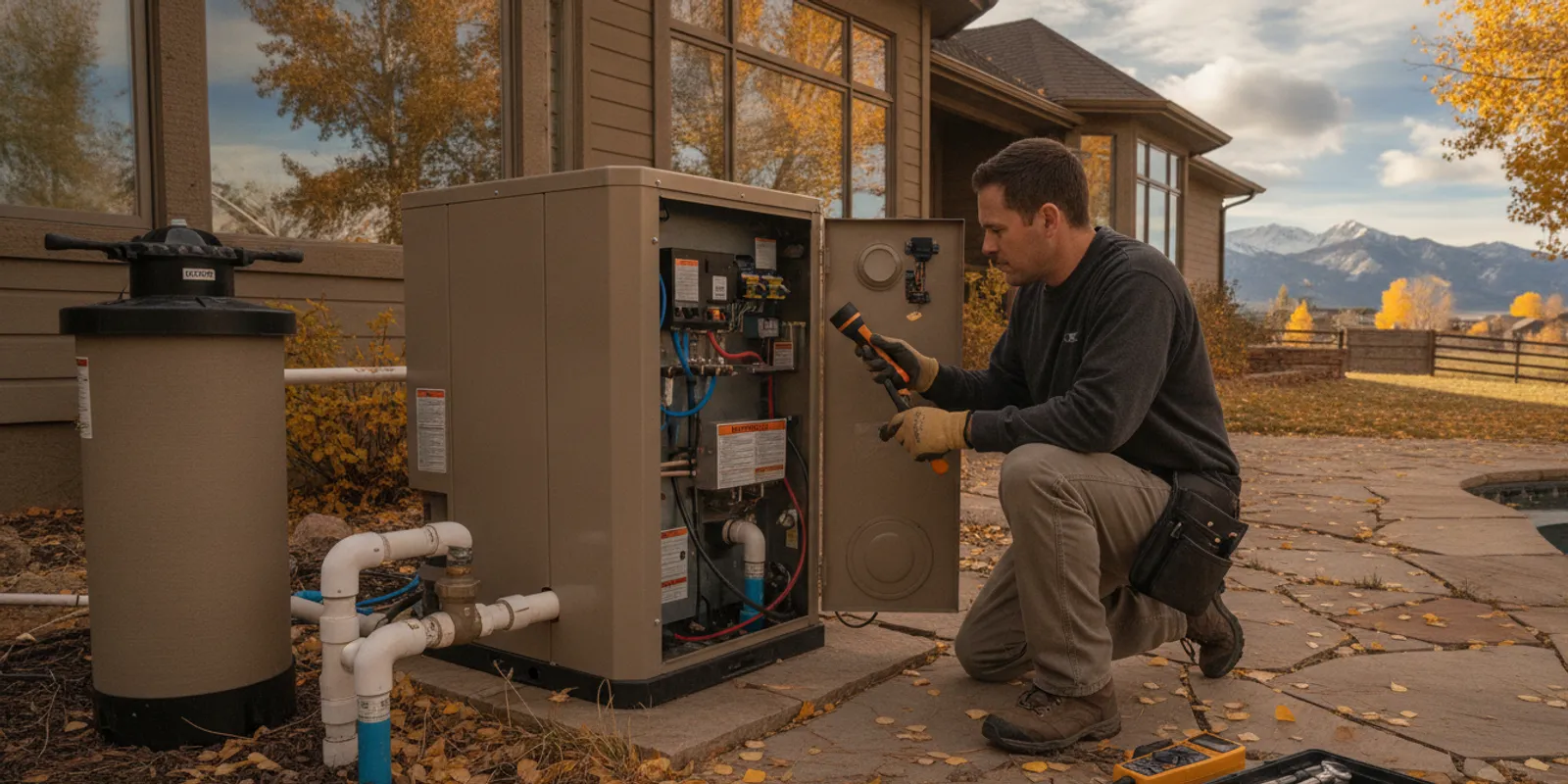
Arrange an assessment when the spa will not start, repeatedly trips a breaker, loses water, displays a persistent error, or has a pump or heater that behaves differently than usual. Stop using equipment that appears unsafe, and do not open electrical components yourself. A qualified technician can investigate whether the concern involves controls, circulation, heating, plumbing, or another component.
Before calling, record the model if available, the display message, when the symptom began, whether it is constant or intermittent, and any recent changes. Note whether the water level has dropped and where you see moisture. Avoid repeatedly resetting a breaker or running a pump without adequate water flow. Clear details can make diagnosis more efficient, but they do not replace an on-site inspection.
Separate what you observed from what you suspect. “The jets are weaker than last week” is more useful than concluding that a particular part has failed. If the spa makes a new sound, describe whether it happens at startup, during circulation, or when a control setting changes. If it leaks, note whether the water level changes while the spa is off, but do not delay professional help if electrical equipment is exposed to water.
A repair inquiry should clarify diagnostic charges, whether an estimate is provided before work, parts availability, and whether the spa can safely remain in use while you wait. Neptune Pools offers equipment repair and servicing; learn more about equipment repair and servicing or use the service overview to identify a starting point.
How does Denver weather affect spa planning?
Cold weather makes planning important, but the right action depends on the spa model, its condition, whether it will remain in use, and the manufacturer's instructions. Do not assume every spa should be shut down or drained when temperatures fall. Water left in plumbing can be vulnerable if the system is not protected, while an operating spa requires reliable circulation and appropriate settings. Ask a qualified technician how your specific equipment should be managed.
Before a cold stretch, check that the cover fits and latches as designed, inspect for visible damage, and keep the area around equipment accessible. If the spa is used in winter, pay attention to alerts and unusual changes rather than ignoring them. If you plan to stop using it, get model-specific instructions before changing power or water levels. A general seasonal checklist cannot account for every plumbing layout or control system.
Make a plan before a forecasted freeze rather than waiting for a problem. Confirm who will check the spa if you travel, whether the cover is secured, and how you will respond to a power interruption or equipment alert. Ask the technician what signs require immediate attention and what routine observations can wait for a scheduled visit. Keep those instructions with the spa's model information so another household member can find them.
Neptune Pools serves Denver Metro customers and offers year-round spa services. Check the company's Denver-area service locations and read about its local service background. For concerns involving a pool as well as a spa, the pool cleaning and maintenance page outlines related care.
How can you compare providers?
Compare the work promised, not just a service label. Ask each provider to explain what happens during a visit, what is excluded, how extra repairs are approved, and how scheduling works. A cleaning appointment does not automatically include troubleshooting, and a repair visit does not necessarily include recurring maintenance.
- Scope: Request a written list of included tasks and likely add-ons.
- Diagnosis: Ask how the provider handles symptoms that need further investigation.
- Communication: Find out how you receive findings and approve additional work.
- Scheduling: Confirm visit windows and what happens if weather or access affects an appointment.
- Equipment fit: Ask whether the technician works with your spa type and the issue you are seeing.
- Preparation: Confirm whether you need to clear access, provide model details, or keep the spa powered.
It is reasonable to ask for pricing clarity before authorizing work. For recurring care, compare visit frequency and responsibilities alongside the quoted monthly or seasonal amount. A lower quote may cover fewer tasks, while a higher one may include more frequent attention or a broader scope. Request the differences in writing and compare equivalent services rather than totals without context.
Ask how a provider records findings after a visit. A useful service note should distinguish completed tasks from recommendations, identify any issue that needs follow-up, and explain whether additional work requires approval. If the spa is shared by family members or tenants, consistent documentation makes it easier to keep everyone informed about water care and equipment concerns.
Example: cloudy water with normal operation
Suppose the spa runs normally, but the water looks cloudy after a busy weekend. Before booking a repair, gather recent readings, note how many people used the spa, and list products added. Ask whether the provider can test the water and what cleaning or treatment is within the visit scope. If readings point to a circulation or filter concern, ask how that would be evaluated and whether a separate repair approval is needed. This sequence avoids treating a symptom as proof of a specific fault.
Example: water loss and a warning message
If the level is dropping and the control panel also shows an alert, describe both facts when scheduling. Include when the level was last checked and whether the message appears continuously. Avoid topping off repeatedly without tracking the change, and do not open panels to search for a leak. Ask whether the spa should remain powered and in use while awaiting assessment; follow the provider's safety direction for your equipment.
What should you do before a service visit?
- Write down the spa make and model, if known, and any displayed alerts.
- Describe the symptom or service goal, when it began, and what you have already tried.
- Note recent water treatments, top-offs, filter care, and changes in use.
- Make a clear path to the spa and equipment access panels.
- Ask whether the spa should stay powered and filled before the appointment.
- Keep children and pets away from tools and equipment during service.
Do not add several chemicals in response to a problem without testing and following product labels. If water condition is the concern, share recent test results and ask which readings are useful. If a mechanical fault is suspected, describe it rather than attempting an unfamiliar repair.
For a rental property, HOA, or household with multiple users, identify who can provide access and answer questions. Share the service history and any instructions already given by the manufacturer. If someone else manages the spa, ask them to send photos of the display or visible condition before the appointment, while avoiding any attempt to remove covers or access electrical parts.
Frequently asked questions
How often should a Denver hot tub be serviced?
There is no single interval that fits every spa. Use the manufacturer's maintenance schedule and consider how often the spa is used, its water condition, and whether you can perform routine checks. Ask a provider to recommend a visit schedule based on those details.
Can I keep using a spa that is making a new noise?
A new noise can indicate a change in operation. If the spa also leaks, shows an alert, loses circulation, or trips electrical protection, stop using it and seek qualified help. Describe the sound and when it occurs instead of opening electrical or mechanical components.
Should I drain my spa before winter?
Do not drain it based on season alone. Winter procedures depend on the model, whether it will remain in use, and how plumbing and equipment are protected. Follow manufacturer instructions and get specific guidance before changing power or water levels.
What information helps with a spa service request?
Provide the spa model if known, the symptom or goal, when it began, any display messages, and relevant water-care history. Also mention whether the spa is filled, powered, and in regular use.
For a general reference on hot tub water safety, consult the CDC's hot tub guidance at CDC guidance on hot tubs.
Book a spa service conversation.
Clear expectations make it easier to choose the right care, whether you need cleaning, an equipment assessment, or a plan for winter use. Share the spa's symptoms and your goals when you request help so the next step fits your situation.
Related Blogs