Emergency Pool Equipment Repair Denver: Manager Guide
When circulation stops, a heater faults, or a filter system leaks, a property manager has to protect people, prevent equipment damage, and keep residents informed at the same time. Emergency pool equipment repair in Denver is not just about getting a component running again. It is a disciplined response that starts with safe shutdown, clear incident notes, and a qualified diagnosis of the full system. For apartment communities, HOAs, hotels, and commercial facilities, those first decisions can reduce downtime and make the next repair decision much clearer.
Request a repair visit from Neptune Pools if your Denver pool or spa equipment needs professional attention.
What counts as a pool equipment emergency?
An equipment emergency is a condition that creates an immediate safety concern, threatens significant property damage, or prevents essential circulation and filtration from operating. Treat visible electrical damage, active water leaks around equipment, overheating motors, gas odors, and a sudden loss of circulation as conditions that need prompt professional assessment.
Not every service call needs the same response. A cosmetic issue or a minor automation setting can often be scheduled. The situations below deserve a more conservative approach because continued operation can create a larger failure or expose guests and staff to risk.
- Electrical warning signs: repeated breaker trips, a burning smell, damaged wiring, or water near electrical equipment.
- Active leaks: water spraying from plumbing, a cracked pump housing, or water collecting around motors, heaters, or controls.
- Circulation loss: a pump that will not start, will not prime, or has stopped moving water through the system.
- Filter pressure concerns: pressure that rises unusually fast, a damaged tank, or a release of water or air from the filter area.
- Heater and combustion concerns: gas odors, ignition faults, soot, or error conditions that do not clear through normal operating procedures.
- Freeze exposure: a system that cannot maintain protective circulation during a Denver cold snap.
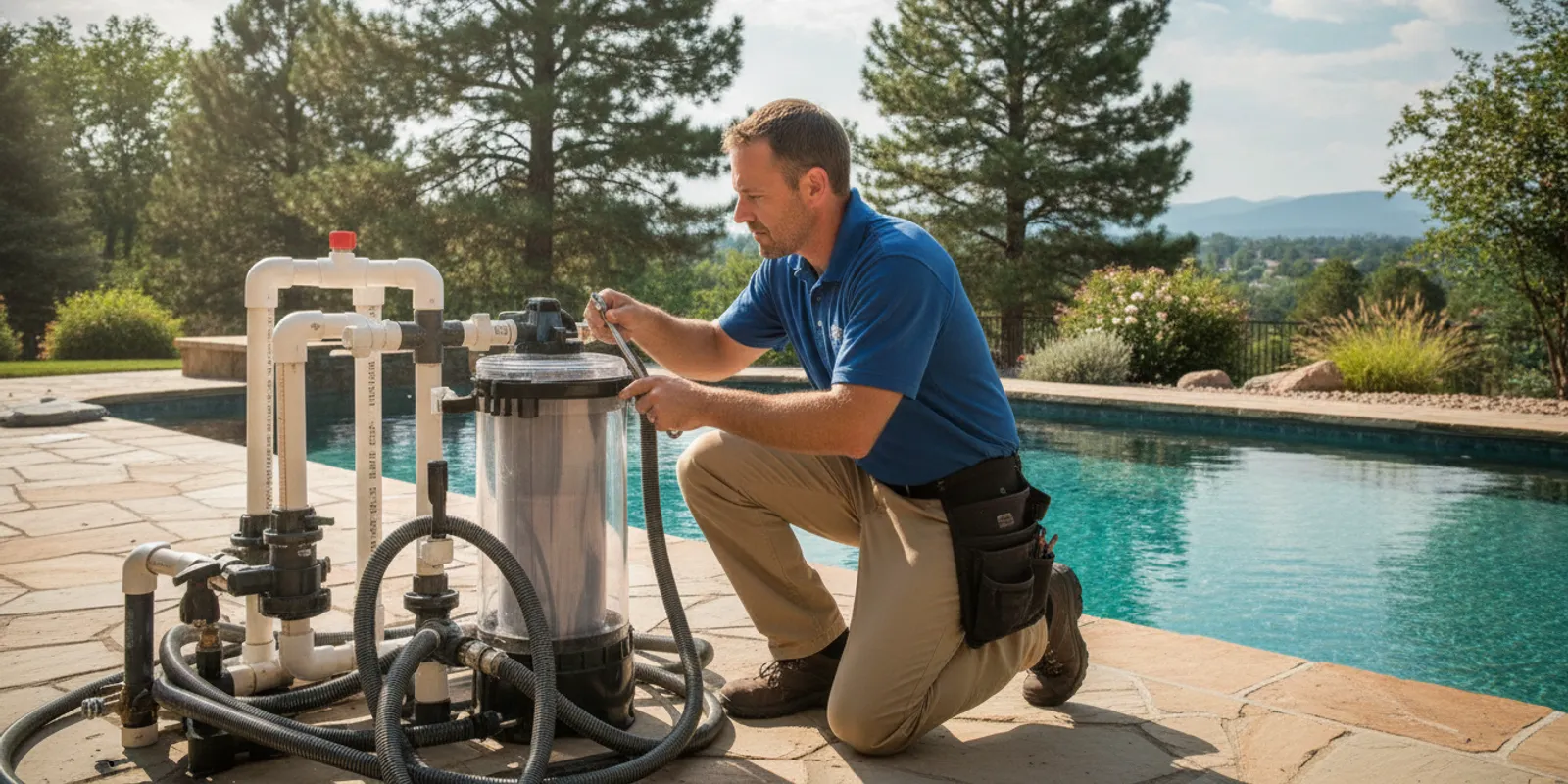
Neptune Pools services pumps, heaters, filters, automation, and related equipment. The goal of the first visit is to identify the source of the problem, explain repair options, and restore safe operation when the repair scope supports it. Review the full range of pool equipment repair and servicing options before planning non-urgent upgrades or replacements.
What should a property manager do first?
The first response should be safety and stabilization, not a fast DIY repair. Keep residents, guests, and staff away from the equipment area, follow the facility's established shutdown and access-control procedures, and document what happened before anyone changes settings or disassembles equipment.
- Control access. Close the pool or spa area when the issue could affect water quality, circulation, electrical safety, or guest safety. Post the facility's approved notice and alert onsite staff.
- Do not bypass safety devices. Do not repeatedly reset a breaker, defeat an interlock, tape a leak, or operate equipment with covers removed. These steps can hide the fault and increase risk.
- Capture useful evidence. Note the time, equipment involved, error code, visible leak location, current filter pressure, and the last normal operating time. Take photos from a safe distance if your site policy allows.
- Protect the surrounding area. If water is moving toward electrical equipment or an occupied space, follow your building emergency procedure and involve the appropriate building or safety team.
- Request qualified diagnosis. Share the incident notes, equipment brand and model information, and any recent maintenance or weather event with the repair provider.
That sequence gives a technician better information than a vague report that the pool is "down." It also gives the property manager a defensible incident record for internal communication, vendors, and ownership.
Why Denver conditions change the repair decision
Denver Metro equipment works through high-altitude water chemistry, large temperature swings, strong sun exposure, and winter freeze risk. A repair decision should account for the immediate failed part and the local conditions that may have contributed to the failure, especially when circulation or plumbing has been exposed to cold weather.
For example, a pump that loses prime may be tied to an air leak, a suction-side issue, a blocked basket, or a component that is no longer sealing correctly. A heater fault may involve flow, ignition, sensors, or controls. A qualified inspection helps separate a single failed part from a recurring system condition.
Property managers should also document whether an issue followed a freeze event, storm debris, a power interruption, a service interruption, or a change in water level. This context helps the repair team test the right components first. For a deeper operational reference, see Neptune Pools' guide to pool equipment freeze protection in Colorado.
Need help coordinating a commercial property response? Explore Neptune Pools commercial pool services.
How does an emergency equipment diagnosis work?
A useful diagnosis follows the water, power, and control path rather than replacing parts by guesswork. The technician evaluates what the equipment is doing, identifies the failed or unsafe component, and explains whether repair, replacement, or a staged correction is the appropriate next step.
While every equipment pad is different, the process commonly includes:
| System area | What the technician evaluates | Why it matters to the property |
|---|---|---|
| Circulation pump | Motor condition, seals, leaks, vibration, priming, and flow | Restores circulation needed for filtration and water care |
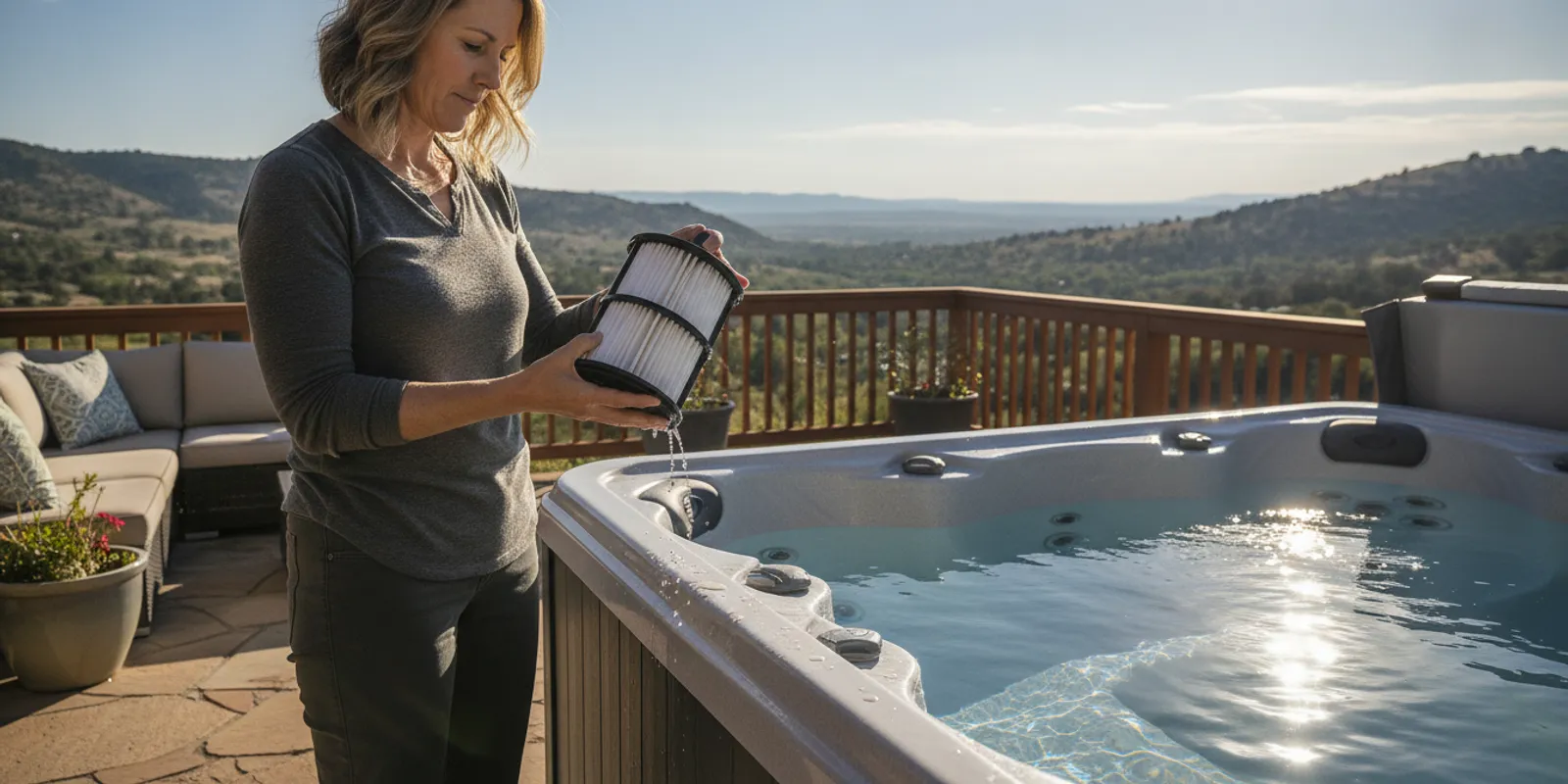
| Filter system | Pressure, media or cartridge condition, fittings, tank integrity, and flow restriction | Helps prevent recurring pressure and water clarity problems |
| Heater | Flow, ignition, sensors, safety controls, and visible operating faults | Supports safe, consistent heating decisions |
| Automation and controls | Timers, relays, settings, connections, and system communication | Clarifies whether the fault is mechanical, electrical, or control-related |
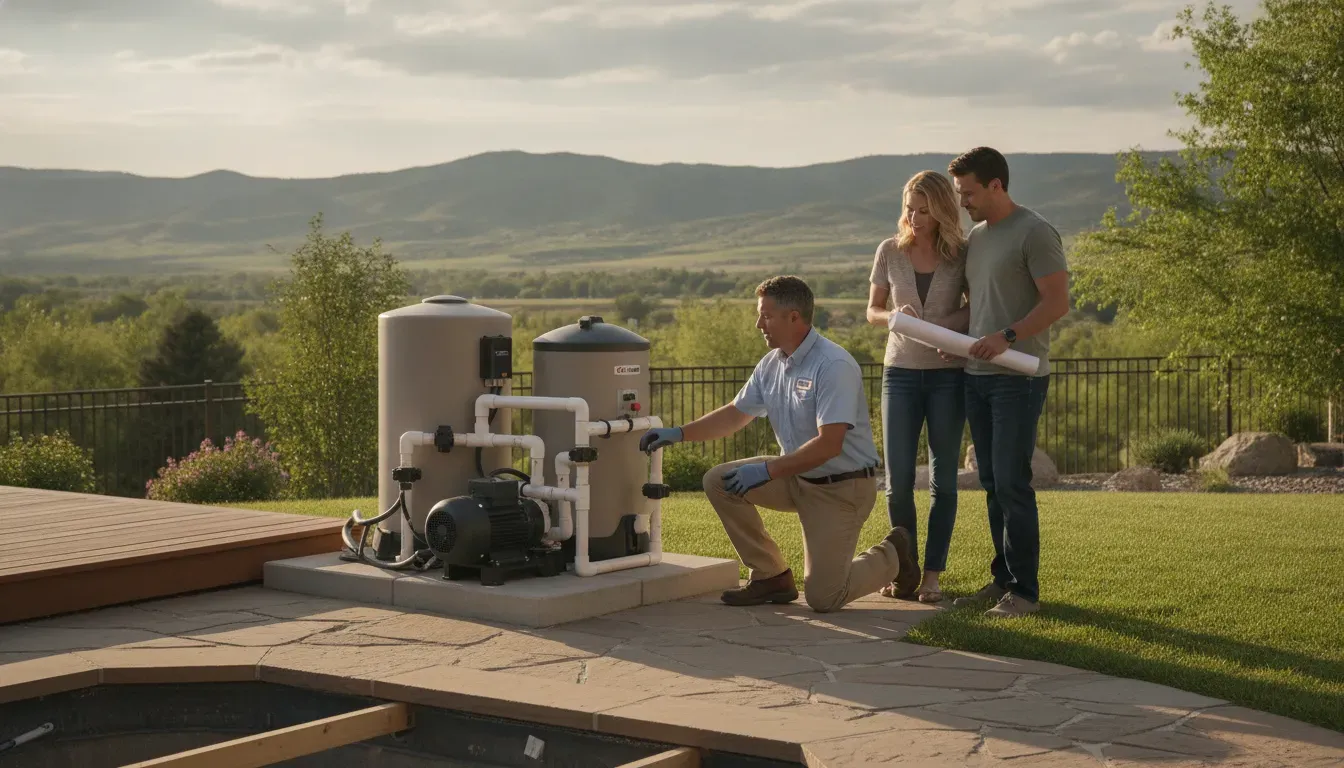
Neptune Pools provides transparent repair options after inspection. For a property manager, that means the conversation can move from "something is wrong" to a documented scope, the immediate safety status, and the next operational decision.
Repair or replacement: how should managers decide?
Repair is usually the practical path when the failed part is available, the remaining equipment is in sound condition, and the repair restores safe, reliable operation. Replacement becomes more compelling when failures repeat, the unit is no longer efficient or supportable, or related components create a greater risk of another outage.
A strong decision asks more than whether the component can be restarted today. Consider:
- the age and service history of the equipment;
- the condition of adjacent plumbing, controls, and electrical connections;
- whether replacement parts are appropriate for the system;
- the impact of downtime on residents, guests, HOA members, or commercial operations;
- the opportunity to improve automation, energy use, or freeze protection during a planned replacement.
A repair estimate should distinguish the immediate correction from optional work that improves reliability. This helps managers present a clear recommendation to boards, owners, or facilities leadership without overstating urgency.
How can property managers reduce future emergency calls?
The most reliable emergency plan starts before equipment fails. Consistent inspection, documented maintenance, and seasonal preparation help property managers spot pressure, flow, leakage, and control issues before they become a closure or safety event.
Build these steps into the property operating calendar:
- Keep equipment pads accessible, dry, and free of stored materials that block service access.
- Record filter pressure and recurring error messages so changes are visible over time.
- Review pump noise, vibration, leaks, and basket condition during routine service.
- Confirm seasonal procedures before freezing conditions and after significant weather events.
- Maintain an equipment inventory with model numbers, installation history, prior repairs, and service contacts.
- Use documented maintenance visits to identify small corrections before peak pool use.
For communities with shared facilities, Neptune Pools also offers HOA pool care services that can support scheduled maintenance and clear service documentation. Routine care does not eliminate every failure, but it gives managers a better baseline for identifying what changed.
A practical incident record for Denver property teams
A short, consistent incident record gives a repair provider the details needed to triage the condition and gives ownership a clear account of the response. Keep the record factual, time-stamped, and focused on observations rather than assumptions about the cause.
- Property name, equipment location, and onsite contact
- Date and time the issue was discovered
- Equipment type, brand, model, and any displayed error code
- What staff observed, including noise, leak location, pressure, heat, or loss of flow
- Whether the pool or spa was closed and what safety steps were taken
- Recent weather, power, maintenance, or water-level changes
- Photos taken safely and previous service records, if available
This record makes the next conversation more efficient and reduces the chance that important site details are lost during a shift change. It is also useful when multiple decision-makers need an update.
Get the right help for an equipment outage
Emergency pool equipment repair in Denver is most effective when a property manager treats the issue as a safety, operations, and communication problem at once. Stabilize the area, preserve the evidence, avoid unsafe workarounds, and ask for a diagnosis that explains the condition and the repair options.
Contact Neptune Pools to request equipment repair service for your Denver Metro property.
Neptune Pools can help evaluate pumps, filters, heaters, automation, and related equipment, then provide a clear path toward safe and reliable operation. For ongoing support after the immediate repair, review the available pool cleaning and maintenance services.
Related Blogs