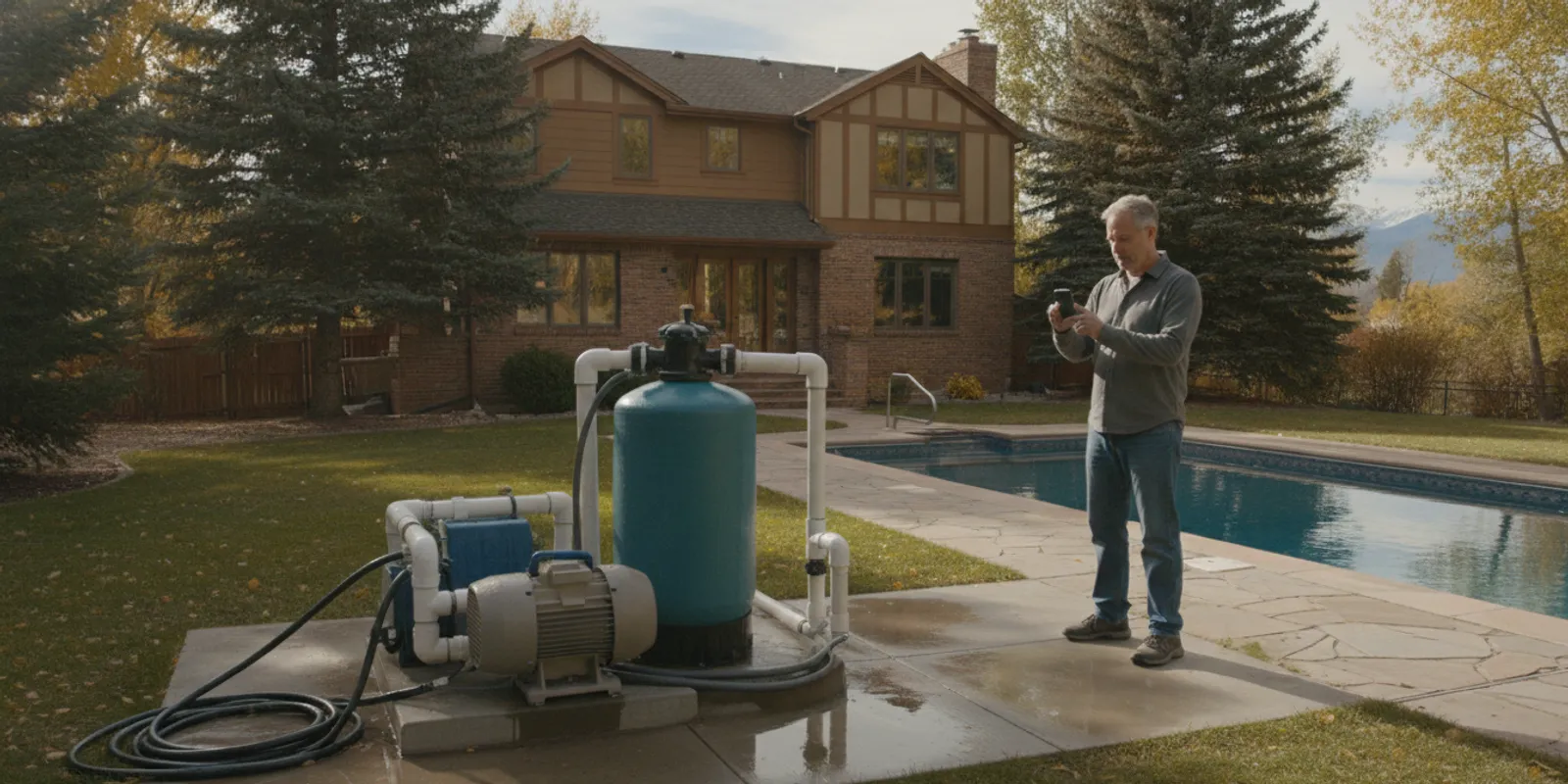
Hot Tub Circulation Pump Schedule for Denver Spas
How often should a hot tub circulation pump run in a Denver spa? There is no single schedule that fits every model. Some spas circulate water continuously, while others use programmed filter cycles. Your owner’s manual, pump configuration, water-care needs, and current conditions should guide the setting. Understanding what the pump does makes it easier to choose a safe schedule and spot a problem before it affects comfort or water quality.
Contact Neptune Pools about spa service.
What does a hot tub circulation pump do?
The circulation pump moves water through the spa’s plumbing and filtration system. As water passes through the filter, suspended debris can be captured. Circulation also helps distribute sanitizer and heat through the tub. The pump is different from the larger jet pump on many spas, which powers the strong flow you feel when the jets are switched on.
On some models, a small circulation pump is designed to run for long periods or continuously. Other tubs use a larger pump for scheduled filter cycles. A spa may also run its pump when heating, filtering, or carrying out a programmed maintenance function. The control panel’s labels and the owner’s manual can help you identify what your particular system is doing.
Because designs vary, do not assume that a quiet pump has failed or that every spa should run around the clock. If you are unsure which pump is operating, review the manual or ask a qualified technician before changing settings. Neptune Pools provides spa cleaning and repair services for Denver-area owners who need help assessing their system.
How long should a circulation pump run each day?
Start with the filtration and circulation schedule recommended in your spa’s manual. That is the best reference for the pump type, control system, and minimum filtration needs of your specific model. Some spas are engineered for continuous low-speed circulation; others let you set one or more filter cycles each day. A time setting that works for one tub may not suit another.
Then consider how the spa is being used. Frequent bathing, several users, outdoor debris, or cloudy water may increase the need to check filtration and water balance. A spa that is used less often still needs appropriate circulation and sanitizer; infrequent use is not a reason to switch the system off indefinitely. Make changes in small increments and observe the water and equipment, rather than making a large adjustment based on a generic online timer recommendation.
| Situation | What to check | Practical next step |
|---|---|---|
| New spa or unfamiliar controls | Manual’s circulation and filter-cycle instructions | Use the model-specific starting schedule before adjusting settings. |
| Frequent use or more debris | Water clarity, filter condition, and sanitizer test results | Clean or inspect the filter as directed and review whether the programmed cycle meets the manual’s guidance. |
| Cold weather or a freeze warning | Power, flow, alarms, and the manufacturer’s cold-weather instructions | Keep the system configured for the spa’s intended freeze protection; seek help if flow stops or an alarm appears. |
| Weak flow, unusual noise, or repeated warnings | Water level, filter restriction, valves, and error messages | Stop guessing at timer settings and arrange equipment diagnosis if the issue persists. |
A schedule is only one part of water care. Test the water with a suitable method and follow product and manufacturer directions for sanitizer and balancing. The Centers for Disease Control and Prevention (CDC) shares public-health information about healthy swimming and recreational water; consult its resources alongside your spa manual: CDC.
What affects a Denver spa’s circulation schedule?
Cold nights and freeze protection
Denver weather can change quickly, and winter nights can bring freezing conditions even when daytime temperatures are mild. A hot tub’s plumbing and equipment need to be protected according to the manufacturer’s instructions. Many modern spas have freeze-protection functions, but the features and operating requirements differ. Do not assume that a particular timer setting, power-off procedure, or winter mode is safe for every model.
Before cold weather, check that the spa has power, that no warning message is present, and that the water level and circulation appear normal. If you plan to leave the spa unused or will be away, consult the manual for the correct procedure. If a pump stops during freezing weather, contact a spa professional promptly rather than repeatedly restarting equipment or improvising a drain-down. For background on equipment diagnosis and repair options, see Neptune Pools’ equipment repair and servicing information.
How often the spa is used
Bathing introduces body oils, lotions, and other material into the water. More use can mean more debris for the filter to capture and greater demand on water care. Keep a simple log of use, test results, filter cleaning, and any control-panel messages. If water clarity changes after a busy weekend, review the filter and water balance rather than immediately setting the pump to run longer without checking the manufacturer’s instructions.
Filter condition and water level
A dirty or improperly seated filter can affect flow. A water level outside the range marked by the manufacturer can also interfere with normal operation. Check these basics before assuming the timer is the cause. Turn off power before removing or inspecting components when the manual calls for it, and never put your hands near moving equipment. Follow the spa’s safety instructions; if access to the filter or pump is unclear, leave the inspection to a technician.
Equipment design and settings
Control systems differ. A circulation pump may have its own dedicated cycle, or the spa may use a jet pump at low speed to filter water. Heating calls, economy modes, schedules, and freeze protection can change when you hear or see a pump running. Record the current settings before making an adjustment so you can restore them if the result is worse. If settings keep changing or the display shows an unfamiliar code, check the manual and seek model-specific advice.
Get help evaluating your spa’s circulation and water-care needs.
How can you tell whether the pump schedule is working?
Look for consistent, normal operation rather than relying only on how many hours you hear the pump. Check that the control panel does not show a persistent flow or temperature warning, water is moving at the intended return, and the water remains clear when tested and maintained. The pump may be quiet, and some systems run only at scheduled times, so silence by itself does not prove a failure.
- Confirm the programmed cycle against the spa manual and note when it starts.
- Check the water level and look for visible flow when the system is supposed to circulate.
- Inspect and clean the filter according to the manufacturer’s directions.
- Test the water and follow the product label and spa instructions for adjustments.
- Pay attention to new alarms, unusually loud sounds, leaks, or repeated shutdowns.
Do not bypass a safety switch or keep resetting a fault in hopes that it will clear. A circulation problem can have more than one cause, including a clogged filter, an air or water-flow issue, a control setting, or a component fault. A technician can inspect the full system instead of treating a timer change as a repair.
What should you do if circulation seems weak or stops?
Begin with safe, external checks. Read the display, compare the water level with the manufacturer’s guidance, and look for obvious obstructions around the filter intake. If the manual permits it, switch off power at the appropriate disconnect before handling the filter. Clean or reseat it as directed, restore power only as instructed, and observe whether normal circulation returns.
If the pump hums without moving water, trips power, leaks, or produces a repeated error, stop troubleshooting and arrange an inspection. Avoid opening electrical compartments or dismantling plumbing unless you are qualified and the manual specifically supports the procedure. If a freeze warning is possible, treat stopped circulation as time-sensitive and follow the manufacturer’s protection steps while contacting a professional.
For additional context on symptoms and repair decisions, Neptune Pools has a guide to hot tub pump repair. If your concern is water cleanliness rather than equipment, its step-by-step article on hot tub cleaning may also help. Keep in mind that a circulation pump issue can require hands-on diagnosis, even when the symptom first appears to be a schedule problem.
How can you plan routine checks through the year?
A short recurring check can help catch a changed sound, warning, or flow pattern early. During regular use, follow the manual’s schedule for water testing and filter care, and take a moment to confirm that programmed cycles have not been altered. Before cold weather, make sure you understand how the spa’s freeze-protection mode works and what the manufacturer requires if power is interrupted.
When spring or fall weather swings sharply, do not assume one seasonal setting is automatically right for every spa. Check your own system after a significant setting change, service visit, or power interruption. If you will be away for several days, use the manual’s vacation or absence instructions rather than turning off circulation without confirming the consequences.
How should you adjust a filter cycle safely?
If the manual allows you to set filter-cycle duration, treat an adjustment as a test, not a substitute for routine water care. First write down the current schedule and any related modes, such as economy or heating settings. Confirm whether the control panel is showing actual circulation times or only a programmed filter window. Some spas may start circulation in response to heating or other automatic functions, so the displayed schedule may not represent every time the pump runs.
- Establish a baseline. Note the current cycle settings, water clarity, test readings, filter condition, and any displayed messages.
- Make one change at a time. If the manufacturer’s instructions permit it, adjust one cycle setting modestly rather than changing several controls at once.
- Observe the result. Over the next few days, check whether the pump operates as expected and whether water condition remains stable under normal use.
- Return to the recommended setting if needed. If the water worsens, an alarm appears, or circulation seems irregular, restore the prior setting and investigate the underlying cause.
This method helps separate a schedule issue from a filter, water-care, or equipment problem. It also gives a technician useful context if you need an inspection: the original schedule, what you changed, when the symptom occurred, and whether the spa was heating or in a special mode. Do not lengthen cycles indefinitely to mask a persistent fault. A pump that cannot move water normally may need maintenance, and added runtime alone will not resolve a mechanical or electrical issue.
For a service question specific to your spa, contact Neptune Pools. Owners in Denver, Lakewood, Littleton, and nearby communities can also check the company’s service-area information to see the areas it serves. These links are useful starting points; have the spa’s make, model, control-panel message, and a description of the symptoms ready when you ask for help.
Ask Neptune Pools about a circulation concern.
Frequently asked questions
Should a hot tub circulation pump run all the time?
Some models are designed for continuous circulation, while others use programmed filtration cycles. Follow the manual for your specific spa. Do not change the setting just because a different model runs continuously or only at intervals.
Can I turn the circulation pump off when I am not using the spa?
Do not switch it off indefinitely without checking the manufacturer’s directions. Circulation may be needed for filtration, heating, water care, and freeze protection. Use the spa’s recommended absence or shutdown procedure instead.
Does a longer schedule fix cloudy water?
Not necessarily. Cloudiness can involve water balance, sanitizer, filter condition, or another issue. Test the water, inspect the filter as instructed, and check the manufacturer’s operating schedule. If the water stays cloudy or equipment shows a warning, seek professional guidance.
What should I do if the pump stops during freezing weather?
Check the display and follow the spa maker’s freeze-protection instructions. Do not bypass safety features or repeatedly reset a fault. If circulation does not return promptly, contact a spa professional because the appropriate response depends on the model and conditions.
Contact Neptune Pools to discuss spa service.
The safest schedule is the one your spa manufacturer specifies, adjusted only with a clear understanding of your model and operating conditions. Regular checks of flow, filter condition, water care, and cold-weather settings help you recognize when a routine adjustment is not enough.
Related Blogs