Hot Tub Cleaning Service for Rental Properties in Denver Tips
Managing a rental hot tub from a distance can be challenging. You may not know when the last guest used it, whether the cover was secured, or if a small leak has affected the water level. Cleaners can report visible concerns, but water chemistry and equipment issues often require trained service. A professional hot tub cleaning service for rental properties in Denver gives owners and property managers a dependable way to maintain the spa between bookings. The right provider can test and balance the water, clean the shell and filter, inspect key components, document the visit, and report repairs promptly. This guide covers scheduling, pricing, service details, and ways to protect the guest experience.
Ready for a cleaner pool?
Denver's trusted pool care professionals since 1982. Get started today.
Schedule ServiceKey Takeaways
- Set service around occupancy: Schedule weekly care for busy rentals, then adjust visits for seasonal demand, heavy use, vacancies, and turnover timing.
- Request a detailed scope: Confirm that each visit covers water testing, chemical adjustments, shell and cover cleaning, filter care, equipment checks, and service records.
- Choose dependable local support: Compare Denver-area experience, certified technicians, transparent pricing, reliable scheduling, and access to repair, supply, and winter care services.
What Does a Hot Tub Cleaning Service for Denver Rentals Include?
A hot tub cleaning service for a Denver rental should cover more than removing leaves from the water. Guests may use the spa several times between service visits, so proper care should address water chemistry, surfaces, filters, the cover, equipment, and the surrounding area. A reliable provider should also document the work and report issues that could affect guest comfort or safety.
The exact scope depends on the spa’s size, condition, occupancy, and turnover schedule. Weekly visits may focus on routine cleaning and water care, while a drain-and-refill appointment requires more time. Neptune Pools provides spa services for property owners and managers throughout the Denver Metro area.
Inspect the Spa and Check Guest Safety
Every visit should begin with a visual inspection. The technician should check the water level, shell, cover, steps, handrails, and surrounding area for conditions that may create a safety concern. They should also look for cloudy water, unusual odors, foam, debris, or visible buildup.
The cover should fit securely and remain in good condition. A damaged or waterlogged cover can make the spa harder to heat and may become a hazard if it will not stay in place. The technician should also confirm that guests can enter and exit safely.
This initial inspection is especially helpful for rental properties because guests may not report small problems. A professional hot tub maintenance service can identify concerns before they lead to complaints or an urgent repair.
Test, Balance, and Sanitize the Water
Water testing is a central part of every hot tub visit. The technician should measure sanitizer, pH, alkalinity, and other relevant levels, then add the right products based on the results. Properly balanced water feels better for guests and helps protect the shell, plumbing, heater, and other components.
Warm water and frequent guest use can cause water conditions to change quickly. Too little sanitizer may allow harmful microorganisms to grow, while excessive chemicals can irritate skin and damage equipment. Products should be measured carefully and used according to the manufacturer’s instructions.
Ask whether the service includes written water-care records. The provider should explain what was tested, what was added, and whether the spa was ready for use. Neptune Pools also offers supplies and chemicals for owners who need products between professional visits.
Clean the Shell, Seats, Jets, and Waterline
A thorough cleaning includes the surfaces guests touch, not only the water. The technician should wipe the shell, seats, headrests, jets, and waterline to remove body oils, lotion residue, dirt, and mineral deposits. These areas can collect buildup even when the water looks clear.
The waterline needs particular attention because oils and debris often gather where the water meets the shell. If left behind, this residue can become harder to remove and contribute to an unpleasant appearance or odor. Jets should also be checked and cleaned so water can move properly through each opening.
Cleaning products should be compatible with the spa’s surface and components. Harsh household cleaners may damage the finish or leave residue in the water. A professional hot tub service uses methods and products intended for spa materials.
Clean or Replace Filters and Drain and Refill the Spa
Filters trap hair, dirt, oils, and other debris before they circulate through the spa. During service, the technician should remove the filter, inspect it, and clean it according to the manufacturer’s instructions. A cracked, stained, or worn filter may need to be replaced rather than cleaned.
Routine filter care does not eliminate the need for periodic draining. Dissolved solids, chemical residue, oils, and other contaminants can accumulate over time. Draining the spa gives the technician an opportunity to clean the shell, flush the plumbing when appropriate, inspect equipment, and refill it with fresh water.
Ask whether the quoted service includes draining, disposal of old water, shell cleaning, refilling, fresh chemical treatment, and filter care. The schedule should reflect guest use and water condition, since a busy rental may need this service more often than a rarely used private spa.
Deep-Clean After Heavy Use or Water Problems
A standard visit may not be enough after a holiday weekend, large gathering, or several consecutive guest stays. Heavy use can introduce body oils, lotions, hair, and debris into the water. If guests report foam, odor, cloudy water, or skin irritation, the spa may need a deeper cleaning rather than another routine chemical adjustment.
Deep cleaning may include draining the spa, flushing the plumbing, scrubbing the shell and waterline, cleaning or replacing the filter, and refilling the tub. The technician may also inspect circulation to determine whether poor filtration or an equipment issue contributed to the problem.
Property managers should address these conditions before allowing another reservation to use the spa. A professional spa cleaning service can assess the water and recommend the appropriate service. The provider should explain when the spa is ready for use after treatment.
Clean the Cover, Steps, and Surrounding Area
The cover, steps, and nearby surfaces are part of the guest experience. A complete visit should remove dirt and debris from the cover, wipe the steps, and clean the area around the spa. This helps keep the space inviting and reduces the amount of material that can fall into the water.
The technician should inspect the cover for cracks, sagging, water absorption, damaged straps, and poor alignment. Depending on its material, an appropriate protectant may help limit sun and weather damage. Products should be used carefully and kept out of the water.
Denver’s dry conditions, wind, dust, and seasonal weather can leave outdoor spas dirty between reservations. Ask whether the scope includes the cover’s underside, cover lifter, steps, handrails, and nearby deck or patio. Clear expectations help ensure the property is ready for the next guest.
Check Pumps, Heaters, Jets, Seals, Leaks, and Circulation
Cleaning and water care should be paired with a basic equipment inspection. The technician should listen for unusual sounds and check the pump, heater, jets, circulation, seals, and visible plumbing connections. They should also look for leaks, low water flow, error codes, or signs that the spa is struggling to maintain its temperature.
Small equipment problems can become disruptive when a rental has back-to-back reservations. A worn seal may cause a leak, while a clogged filter can reduce circulation and place additional strain on the pump. Poor circulation can also make it harder to distribute sanitizer evenly.
If the inspection identifies a repair need, the provider should document the issue and explain its urgency. Neptune Pools offers equipment repair and servicing, helping property managers address problems before they result in extended downtime or guest complaints.
Record Chemicals, Service Details, and Repair Needs
A service record gives owners, cleaners, and property managers a clear view of the spa’s condition. Each entry should include the service date, water test results, chemicals added, filter work, drain-and-refill details, cleaning completed, and equipment concerns. Photos can help document leaks, damage, or cover problems.
Written records are especially useful when several people share responsibility for the rental. A property manager can review the notes before a guest arrives, while a cleaner can report unusual water levels or visible damage between professional visits. Records also make recurring problems easier to spot, such as repeated leaks, rapid sanitizer loss, or a heater that struggles in cold weather.
Ask how service notes are delivered and how quickly repair recommendations are reported. Clear documentation supports consistent care and helps owners plan future equipment work, replacement, or a spa remodel or rehabilitation.
How Often Should Denver Rental Properties Clean Their Hot Tubs?
Rental hot tubs need a more consistent care schedule than spas used by one household. Guest turnover, changing bather loads, outdoor debris, and periods of inactivity can all affect water quality. The right frequency depends on occupancy, guest count, weather exposure, the spa’s condition, and whether someone checks it between reservations.
For many Denver rental properties, weekly service is a dependable starting point. Lower-use properties may need biweekly or monthly visits, while heavily booked homes may require additional checks after busy weekends or large gatherings. A professional spa service plan can organize water care, cleaning, inspections, and repairs around your booking calendar.
A routine visit should not be the only point of contact. Property managers or cleaners should inspect the spa during every turnover, watch for changes in water quality, and report equipment concerns promptly. Adjust the schedule whenever the spa experiences unusually heavy use, contamination, freezing temperatures, or an extended period without care.
Schedule Weekly Service for High-Use Rentals
Weekly service is usually the best choice for vacation rentals with frequent reservations, multiple guests, or year-round bookings. Each visit gives a technician time to test and balance the water, remove debris, clean the shell, inspect the filter, and check circulation and equipment. Consistent care helps prevent small issues from becoming problems for arriving guests.
High-use spas may need additional attention after back-to-back reservations, holiday weekends, or large groups. Weekly service should not replace a quick turnover inspection, especially when a property changes guests several times in one week. A professional spa maintenance service can help match visit frequency to actual occupancy and use.
Choose Biweekly or Monthly Care for Moderate or Seasonal Use
Biweekly service may suit rental properties with moderate occupancy, fewer guests, or longer gaps between bookings. Monthly service can work for low-use properties, but only if someone checks the water, cover, and equipment between professional visits. A spa that sits untouched can still develop cloudy water, low sanitizer levels, debris, or mechanical problems.
Seasonal rentals need separate plans for active and inactive periods. Increase service frequency when reservations rise, then continue periodic checks during slower months. A technician can recommend a schedule based on water condition, spa usage, cover condition, and exposure to dust or weather. If a rental remains vacant, confirm who will monitor water levels, circulation, and freeze protection.
Check the Spa Between Guest Stays
A professional cleaning visit should be supported by a turnover check before each new reservation. Confirm that the cover is secure, the water looks clear, and the spa is heating and circulating properly. Look for debris, unusual odors, low water levels, visible damage, or signs that the jets are not working correctly.
If a guest reports cloudy water, a strong chemical smell, poor water temperature, or a malfunctioning jet, do not wait for the next routine appointment. Keep the spa closed until the concern has been assessed. Guests should also receive simple care instructions, such as replacing the cover after use and avoiding lotions before entering the water.
Know When to Drain, Scrub, Purge, and Refill
Routine chemical adjustments cannot correct every water quality problem. A hot tub may need to be drained and refilled when the water stays cloudy, develops persistent buildup, or becomes difficult to balance. Draining may also be appropriate after contamination, extended neglect, or unusually heavy use.
A complete drain service should include more than removing old water. The shell, seats, waterline, plumbing, jets, and filter area may need cleaning before fresh water is added. After refilling, the technician should balance the water and confirm proper circulation. Neptune Pools provides spa services for rentals that need more than a basic surface cleaning.
Adjust Service After Parties, Heavy Use, or Contamination
A large gathering can introduce more body oils, lotions, debris, and organic material than a typical reservation. After a party or heavily occupied weekend, schedule an additional water test and inspection before the next guest arrives. The spa may need extra filtration, cleaning, chemical treatment, or a complete drain and refill.
Contamination requires prompt action. If a guest reports vomit, fecal matter, blood, or another substance in the water, close the spa and contact a qualified service provider. Do not simply add chemicals and reopen it. The proper response depends on the type of contamination and the spa’s water volume. Record the incident, service performed, and date the spa was returned to use.
Manage Denver Dust, Evaporation, Minerals, and Temperature Changes
Denver’s dry climate, wind, dust, and temperature swings can affect hot tub maintenance. Evaporation lowers the water level and may change the concentration of minerals and chemicals. Dust and pollen can collect under the cover or around the waterline, while temperature changes can place stress on covers, seals, plumbing, and equipment.
Keep the cover secured whenever the spa is not in use, and check the water level during every property visit. Inspect the cover for damage or excess moisture, then remove visible debris before it enters the water. Regular filter care and water testing can reveal mineral buildup or circulation problems early. Neptune Pools also provides equipment repair and servicing when mechanical concerns threaten a reservation.
Protect the Spa From Winter Freezes and Reopen It Safely
Cold weather creates a serious risk for rental spas, particularly when a property sits vacant. If the heater, circulation system, or plumbing stops working during freezing conditions, water trapped in the lines can damage pumps, pipes, and fittings. A secured cover alone does not protect a nonfunctioning spa from freezing temperatures.
For a property that remains active through winter, schedule inspections to confirm that power, heat, circulation, water level, and freeze protection are working. If the spa will be shut down, arrange professional winterization for the vessel and plumbing. Before reopening it, inspect the equipment, refill the spa, balance the water, and verify that the jets and controls work correctly.
Maintain Logs for Owners, Cleaners, and Property Managers
A service log gives everyone responsible for the rental a clear record of completed work and outstanding concerns. Record the date of each visit, water test results, chemicals added, filter cleaning, drain and refill dates, equipment observations, and recommended repairs. Include the property address, spa location, access details, and the name of the person who completed the service.
Digital records make it easier for owners, cleaners, property managers, and technicians to coordinate. They can also reveal patterns, such as repeated low water levels, frequent filter clogging, or a heater that struggles after cold nights. Keep photos of damage and copies of invoices with the log. Clear documentation helps prevent a guest from arriving before an unresolved spa problem has been addressed.
What Does Hot Tub Cleaning Cost for Denver Rentals?
Hot tub cleaning for a Denver rental property typically costs about $65 to $100 per routine visit, based on published local service benchmarks. One Denver-area provider lists weekly service at approximately $65 per cleaning, biweekly service at $75, and monthly service at $100. These figures provide a useful starting point, but they are not fixed rates. Your actual price may depend on the spa’s size, condition, location, guest turnover, water quality, and the work required. You can review the published Denver service rates when creating an initial budget.
Rental properties often need a different plan than private residential spas. A hot tub used by several groups of guests may require service after each turnover, while a lightly used seasonal property may only need weekly, biweekly, or monthly visits. The right schedule should reflect guest use, booking frequency, and how quickly the property must be ready for the next arrival.
When comparing quotes, ask exactly what the service includes and which tasks cost extra. Routine water care may not include a full drain and refill, filter replacement, repairs, emergency visits, or difficult-access fees. A written scope makes it easier to compare providers and plan for regular maintenance. Neptune Pools provides spa services for Denver-area owners and property managers who need dependable care and scheduling.
Use Denver Benchmarks: About $65 Weekly, $75 Biweekly, or $100 Monthly
Published Denver-area pricing gives rental owners a helpful reference point: approximately $65 per weekly cleaning, $75 per biweekly cleaning, or $100 per monthly cleaning. These rates generally apply to routine service, not every task a rental spa may require. Use them to estimate a starting budget before requesting a property-specific quote.
Weekly service may cost less per visit because the spa receives regular attention and problems can be identified sooner. Monthly service may cost more per visit because the water, filter, and surfaces have had more time to collect debris or develop balance issues. For a frequently booked rental, weekly service may be more practical even when the total monthly cost is higher.
Compare Airbnb, Turnover, One-Time, and Seasonal Rates
A hot tub at an Airbnb or short-term rental may need service around guest turnover instead of on a fixed calendar. If guests use the spa heavily, a technician may need to visit between reservations or inspect it before the next arrival. Ask whether the provider charges a flat turnover rate or adjusts the price based on location, guest use, and the required service level.
One-time cleanings can help before a property opens, after a long vacancy, or following a water quality problem. Seasonal service may include opening, closing, winter preparation, or a more thorough cleaning before peak occupancy. Compare these options with recurring service to determine whether a scheduled plan better suits the property.
Compare Standard Drain-and-Refill and Deep-Clean Services
A standard visit often includes water testing and balancing, a surface wipe-down, filter rinsing and inspection, a cover check, a visual equipment inspection, and cleanup around the spa. It may not include draining the tub, scrubbing every surface, purging the plumbing, or replacing a heavily soiled filter.
A deep clean requires more labor, water, chemicals, and time. It may be recommended after heavy guest use, cloudy water, strong odors, contamination, or an extended period without service. Ask whether the quoted price includes draining, refilling, plumbing purging, shell cleaning, filter treatment, and water balancing. This helps prevent a low routine rate from becoming an unexpected larger charge.
Consider Spa Size, Access, Condition, and Water Quality
Larger spas generally require more water, chemicals, cleaning time, and labor than compact models. The price may also change if the tub is on an upper deck, behind a locked gate, far from a parking area, or difficult to access with a hose. Give the provider clear property details before requesting a quote.
The spa’s condition matters as well. A damaged cover, worn filter, mineral buildup, foam, cloudy water, or low water level can add time to the visit. Water quality may be affected by heavy use, improper chemical storage, hard water, dust, and evaporation. A provider familiar with Denver pool and spa maintenance can account for local conditions when recommending a service schedule.
Account for Chemicals, Filters, Supplies, and Repairs
Some cleaning prices include the chemicals used during a routine visit, while others bill for supplies separately. Ask how the provider handles sanitizer, pH adjusters, alkalinity products, shock treatments, test strips, and other water-care materials. A separate supply charge is not necessarily a problem, but it should be listed clearly in the quote.
Filters may need rinsing, deep cleaning, or replacement depending on their condition and the spa’s usage. Repairs are usually separate from cleaning and can include work on pumps, heaters, jets, seals, controls, or leaks. Neptune Pools offers supplies and chemicals, along with equipment support when a service visit identifies a problem.
Plan for After-Hours, Emergency, and Short-Notice Fees
A rental property may need help outside normal service hours when a guest reports that the spa is not heating, displays an error code, trips a breaker, leaks, or stops circulating. Emergency or after-hours service may carry a separate dispatch fee, especially if the provider must rearrange scheduled appointments.
Short-notice turnover requests may also cost more than recurring visits. Ask about same-day availability, weekend appointments, holiday service, and urgent repairs before an issue occurs. A written rate policy helps you decide when to request immediate service and when to schedule a regular visit. For equipment problems that affect guest access, review the provider’s equipment repair and servicing options.
Confirm What Routine Cleaning Includes and Excludes
Before choosing a service plan, request a clear list of included tasks. Routine care may cover water testing and balancing, a surface wipe-down, filter inspection, cover checks, a visual equipment inspection, and general cleanup around the spa. Confirm whether the technician also checks the water level, jets, circulation, steps, and visible plumbing connections.
Then ask what falls outside the routine rate. Common exclusions include drain-and-refill service, plumbing purges, filter replacement, cover repairs, leak diagnosis, parts, treatments for severe water problems, and equipment repairs. Knowing these limits helps you compare quotes accurately and plan for occasional service instead of treating every visit as an all-inclusive package.
Compare Itemized Quotes and Avoid Surprise Fees
Ask each provider for an itemized quote that separates recurring cleaning, chemicals, filters, repairs, emergency visits, and special cleaning. Include the property address, spa size, access details, expected guest use, and desired service frequency. These details give the provider enough information to price the work fairly.
A written quote should also explain scheduling, cancellation policies, payment terms, and how additional work is approved. Avoid choosing a provider based only on the lowest advertised rate. A slightly higher price may include more thorough inspections, better documentation, or more dependable scheduling. Neptune Pools emphasizes transparent pricing and reliable service, which can make ongoing rental maintenance easier to manage.
Budget for Ongoing Spa Care as an Operating Expense
Treat hot tub care as a regular operating expense, not an occasional cost that appears only when something goes wrong. Add routine visits, chemicals, filter care, seasonal cleanings, repairs, and replacement parts to the property’s maintenance budget. This makes expenses easier to forecast and reduces the temptation to postpone important service.
It also helps to set aside a repair reserve for aging equipment, worn covers, leaks, heaters, pumps, and controls. Regular inspections can identify small issues before they interrupt bookings or lead to water damage. If the spa needs extensive work, a remodel or rehabilitation service may be more practical than repeated temporary repairs.
Why Hire a Professional Instead of Cleaning the Hot Tub Yourself?
Cleaning a rental property hot tub involves more than removing leaves and adding sanitizer. Every guest group uses the spa differently, and that changing level of use can affect the water, filters, cover, plumbing, and equipment. A professional service gives owners and property managers a consistent maintenance routine, documented service visits, and an experienced technician who can identify concerns before they affect a reservation.
Professional care also helps account for Denver’s dry climate, airborne dust, temperature changes, and winter freezing conditions. These factors can affect water levels, equipment performance, and the condition of outdoor spa components. Neptune Pools provides spa cleaning and maintenance services for rental owners, property managers, and hosts who need dependable care between guest stays.
A routine service plan can also simplify communication. Instead of asking a cleaner or guest to troubleshoot cloudy water, a weak jet, or a low water level, owners have a trained professional to inspect the spa and recommend the next step. That support can make it easier to keep the property ready for use, manage repair costs, and respond quickly when a problem appears.
Maintain Safer Water Chemistry for Changing Guest Use
Rental hot tubs can receive very different levels of use from one reservation to the next. A short weekend stay, a large group, or frequent soaking can affect sanitizer levels, pH, alkalinity, and water clarity. If these levels are not tested and adjusted correctly, the water may irritate skin and eyes or become more difficult to sanitize.
A professional tests the water instead of relying on guesswork. The technician can add the appropriate chemicals, allow the water to circulate, and confirm that the spa is ready for use. The CDC’s hot tub guidance outlines the importance of maintaining proper disinfectant and pH levels in spas.
Keep Spas Sanitized When Owners and Managers Are Away
Owners and property managers cannot always inspect a hot tub after every guest leaves. Scheduled professional service keeps essential maintenance moving when the property is vacant or managed from another location. During each visit, a technician can inspect the water, surfaces, filter, cover, and visible equipment.
This matters because a spa can develop cloudy water, odors, low water levels, or circulation problems while no one is on site. Regular visits help identify these changes sooner, rather than leaving the issue for the next guest to report. Neptune Pools can provide spa maintenance support based on the property’s occupancy and service needs.
Complete Turnovers Faster and Reduce Guest Complaints
A clean, ready-to-use hot tub should be part of every rental turnover checklist. Professional technicians can test the water, clean the shell and waterline, inspect the filter, and check basic equipment during one scheduled visit. This gives cleaners and property managers a clear handoff before new guests arrive.
Reliable service also reduces the chance that guests find floating debris, cloudy water, a dirty cover, or a spa that is not heating properly. If a concern appears, the technician can report it promptly instead of leaving the owner to discover it through a guest message. Faster communication gives the owner more time to arrange a repair or explain the situation before check-in.
Catch Leaks, Pumps, Heaters, Seals, Filters, and Other Issues Early
A hot tub may continue operating while a small problem develops. A slow leak, weak jet, unusual pump sound, worn seal, blocked filter, or heater issue can become more serious with continued use. During a routine visit, a technician can look for changes in water level, circulation, temperature, pressure, and equipment performance.
Early reporting gives the owner more options. A small repair may be scheduled before the next booking, while a larger concern can be addressed before it causes water damage or an unexpected shutdown. Neptune Pools provides equipment repair and servicing for hot tub components and related pool equipment.
Protect the Shell, Cover, Plumbing, and Equipment
Correct cleaning methods help preserve the spa’s shell, cover, plumbing, and internal components. Using the wrong cleaner, adding too much chemical, allowing scale to build up, or leaving the cover waterlogged can shorten the life of these parts. Professional service reduces the risk of damage caused by inconsistent or unsuitable care.
Technicians can also check whether the cover seals properly, whether the waterline needs attention, and whether visible fittings show signs of wear. If a spa needs more than routine cleaning, Neptune Pools’ remodel and rehabilitation services can help address aging, worn, or damaged features.
Reduce Downtime and Prevent Unnecessary Repairs
Regular maintenance cannot prevent every equipment failure, but it can reduce avoidable problems. Clean filters support proper circulation, balanced water helps limit scale and corrosion, and routine inspections make it easier to identify worn parts before they fail. These steps help keep the spa available for guests more consistently.
Professional service also creates a clear process for handling repairs. Instead of responding to each issue separately, owners can receive service notes, recommendations, and scheduling information from one provider. That consistency makes maintenance easier to plan and reduces last-minute decisions when a reservation is approaching.
Create a Cleaner Guest Experience and Support Better Reviews
Guests often notice the condition of a hot tub quickly. Clear water, clean seats, fresh-smelling surfaces, working jets, and a clean cover all contribute to their first impression. A spa that looks neglected can affect how guests view the entire property, even when the rest of the rental is well maintained.
Professional cleaning helps keep the hot tub prepared between stays and gives owners a way to address concerns before arrival. Accurate service records can also help property managers respond to questions with specific information. Consistent care supports a more dependable guest experience, which may contribute to stronger reviews and repeat bookings.
Pair Professional Service With Owner and Cleaner Checks
Professional visits work best when owners, managers, or cleaning crews complete a few simple checks between appointments. After each turnover, the on-site team can confirm that the cover is closed, the water appears clear, the spa has power, and no obvious leak or error message is present. Any concern should be reported before the next guest arrives.
A technician can handle water testing, chemical adjustments, cleaning, and equipment inspections during scheduled service. Owners may also keep approved pool and spa supplies on site for basic checks between visits. Together, these steps create a practical maintenance system that keeps rental hot tubs ready for guests and helps identify problems early.
How to Choose a Reliable Hot Tub Cleaning Service in Denver
A dependable hot tub cleaning service does more than remove debris and add chemicals. For a Denver rental property, the right provider helps keep the water safe, the spa ready for guests, and the equipment working between reservations. This matters when owners and property managers cannot inspect the hot tub after every stay.
Before you hire a company, compare more than the cost of one visit. Ask about technician training, scheduling, water-care procedures, documentation, repair support, and experience with Colorado conditions. A clear service plan can help prevent missed cleanings, equipment damage, and guest complaints.
Confirm Denver Metro Experience, Insurance, and Credentials
Choose a provider that regularly serves the Denver Metro area and understands how local conditions affect hot tubs. Dust, dry air, mineral buildup, temperature changes, and winter freezes can all affect water quality and equipment performance. Local experience also helps technicians recognize problems that may not be obvious during a quick cleaning.
Ask whether the company carries appropriate insurance and maintains current business credentials. You can also request references from rental owners or property managers with similar spas. Neptune Pools serves homeowners and property managers throughout the Denver Metro area, with knowledge of Colorado weather and spa equipment needs. Its spa services provide more information about ongoing hot tub care.
Choose Certified Technicians With Spa Equipment Expertise
Water care and equipment service require different skills. A technician should know how to test and balance water, clean filters, inspect circulation, and identify signs of trouble with pumps, heaters, jets, seals, and plumbing. Certification and documented training can show that technicians follow consistent safety and service procedures.
Ask who will perform the work and whether technicians receive ongoing training. It is also helpful to ask if the company services your hot tub’s make and model. A provider with equipment expertise can often identify issues before they cause a shutdown. For more complex concerns, choose a company that also offers equipment repairs and servicing, instead of requiring you to find another contractor.
Match Service Plans to Occupancy and Turnover Needs
The right cleaning schedule depends on how often guests use the rental, not simply on the spa’s size. A property with frequent weekend bookings may need weekly service, while a lightly used seasonal rental may need a less frequent plan. Parties, heavy use, and short turnover windows may require additional inspections.
Share your booking patterns with the provider and ask which schedule they recommend. Explain how much time is available between guests, who provides property access, and when the spa must be ready for check-in. Ask about recurring service, one-time cleanings, and extra visits after heavy use or contamination. A provider should be able to adjust service as your occupancy changes.
Ask What Each Visit Includes
Do not assume every cleaning package covers the same tasks. Request a written list that explains whether the service includes water testing, chemical adjustments, surface cleaning, filter care, debris removal, cover cleaning, and an inspection of the surrounding area. Also confirm whether draining and refilling are included or charged separately.
For rental properties, ask whether the technician checks the spa after each visit and reports conditions that could affect guests. Neptune Pools provides spa services for regular care, maintenance, and service needs. A detailed scope lets you compare providers fairly and gives property managers a clear record of what the technician completed.
Request Transparent Pricing, Written Scopes, and Chemical Records
Ask for an itemized estimate before service begins. The quote should identify recurring service fees, chemical costs, filter work, drain-and-refill charges, repair labor, and fees for difficult access or urgent visits. Avoid relying on verbal promises that leave important details unclear.
Chemical records are especially useful for rental properties. They can show when the water was tested, what adjustments were made, and whether the technician found a concern. Written reports give owners and property managers a consistent record, even when several people help oversee the property. Neptune Pools emphasizes transparent pricing as part of its service approach, which can make ongoing costs easier to plan.
Check Scheduling Reliability, Response Times, and Availability
A hot tub that is not cleaned on schedule can create problems before the next guest arrives. Ask how appointments are scheduled, whether the company provides confirmation, and what happens if a technician cannot access the property. Find out how far ahead recurring visits are booked and how the provider handles holidays or busy seasons.
Ask about response times for cloudy water, leaks, equipment failures, or guest complaints. Some companies offer routine cleaning but have limited availability for urgent issues. A provider that combines maintenance with repair support may help reduce downtime. Confirm who your property manager or staff should contact and whether after-hours assistance is available.
Confirm Filter, Supply, Repair, and Emergency Support
A reliable provider should explain how it handles filters, chemicals, replacement parts, and equipment problems. Ask whether technicians rinse filters during routine visits, recommend replacement intervals, and keep commonly needed supplies available. If a filter, pump, heater, or seal needs attention, confirm whether the company can complete the repair or coordinate the next step.
Using one provider for cleaning and related service can simplify property care. Neptune Pools offers supplies and chemicals, along with equipment repair and servicing. Ask whether emergency visits are available, how quickly they can be scheduled, and whether emergency labor or replacement parts carry separate charges.
Ask How the Provider Handles Safety Concerns and Service Issues
Guest safety should be part of every service plan. Ask how technicians respond when water chemistry is outside the safe range, the cover is damaged, a drain is blocked, electrical components appear unsafe, or the spa shows signs of contamination. The provider should have a clear process for documenting the concern and notifying the owner or property manager.
Also ask what happens if a guest reports a problem shortly after service. A professional company should explain how it investigates complaints, corrects missed work, and communicates with the person responsible for the property. Request service notes after each visit so you know whether the spa was ready for use, temporarily restricted, or in need of repair.
Avoid Vague Scopes, Low Quotes, and Poor Follow-Up
An unusually low quote may leave out important tasks, such as filter cleaning, chemical costs, drain-and-refill labor, or equipment inspections. Compare providers using the same checklist, then ask why prices differ. A higher fee may reflect more complete service, better documentation, or faster response when a problem occurs.
Be cautious if a company will not provide a written scope, cannot explain its pricing, or takes too long to answer basic questions. Poor communication before service can lead to missed appointments and confusion later. Choose a provider that sets clear expectations, keeps reliable records, and responds promptly when the property needs attention. For larger repair or restoration needs, review Neptune Pools’ remodel and rehabilitation services to see whether the company can support your spa beyond routine cleaning.
How Neptune Pools Serves Denver Rental Properties
A hot tub can make a Denver vacation rental more appealing, but it also adds maintenance responsibilities between bookings. Guests expect clear water, comfortable temperatures, working jets, and a clean surrounding area when they arrive. A missed service visit or equipment issue can quickly lead to complaints, refunds, and blocked reservations.
Neptune Pools helps property owners, Airbnb hosts, and property managers keep rental spas clean, functional, and ready for guests. Its services include routine cleaning, water care, equipment repairs, remodels, and supplies. Working with one local provider makes it easier to maintain a consistent schedule and respond quickly when a problem comes up.
Keep Guest Spas Ready With Weekly Cleaning and Maintenance
Frequent guest use can change water quality quickly. Sunscreen, body oils, hair, debris, and changes in occupancy all place extra demands on a spa’s filtration and sanitation systems. Weekly service gives a technician a regular opportunity to clean the spa, test the water, and identify concerns before the next guest arrives.
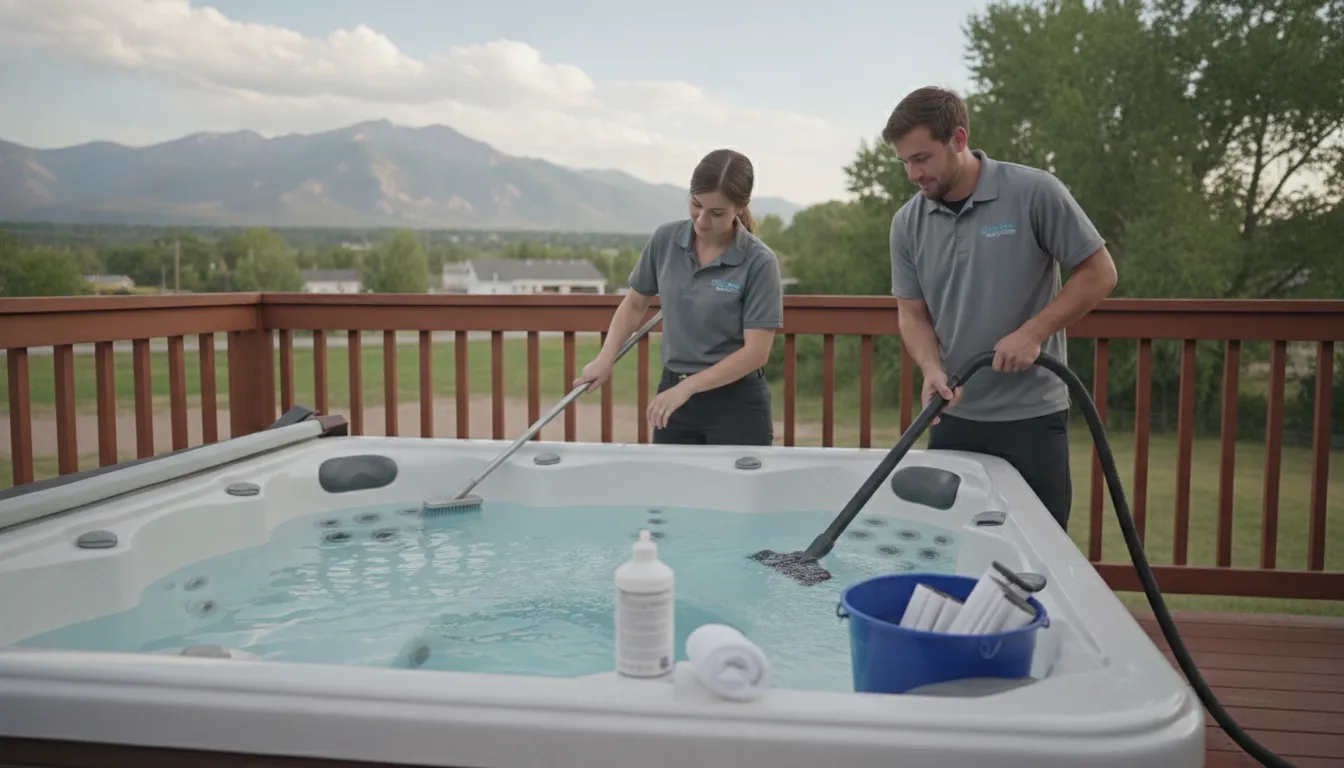
Neptune Pools’ cleaning and maintenance service includes brushing, skimming, vacuuming as needed, emptying baskets, checking water circulation, and testing chemicals. These routine tasks help maintain a cleaner, more inviting spa while reducing the chance that a small issue becomes a guest-facing problem.
Weekly care is often a practical starting point for high-use rentals. The schedule can then be adjusted according to occupancy, season, spa size, and water condition.
Support Water Care With Supplies and Chemical Services
Water chemistry requires close attention in a rental property because guest use can vary from one booking to the next. A busy weekend may require additional sanitizer, while evaporation and splash-out can affect water balance between visits. Keeping the right products available also makes it easier to address minor changes promptly.
Neptune Pools provides supplies and chemicals to support ongoing spa care. A technician can help identify products that fit the spa’s equipment and water requirements, so owners do not have to guess at quantities or choose treatments that may not be compatible.
Professional chemical service creates a dependable routine for owners and property managers. Water can be tested, adjusted, and documented during scheduled visits, while cleaners or on-site staff can report unusual odors, cloudy water, low water levels, or other concerns between appointments.
Care for Filters, Drains, Covers, and Surrounding Areas
A clean hot tub involves more than the water and interior shell. Filters collect oils and debris, drains need to remain clear, and covers can develop dirt, mildew, or water damage without regular care. Steps, handrails, and nearby surfaces also affect how clean and safe the space feels to guests.
During routine service, Neptune Pools can assess these areas as part of a broader spa care plan. Cleaning the cover and surrounding surfaces helps keep debris out of the water, while filter care supports proper circulation and filtration. A technician can also point out staining, wear, or damage that needs additional attention.
This service is especially helpful when guests are unfamiliar with proper cover handling or are unlikely to recognize an early maintenance issue. Consistent care protects the spa and keeps the entire guest area presentable.
Repair and Service Hot Tub Equipment
A spa can look clean while still having an equipment problem. Weak jets, unusual noises, slow heating, poor circulation, leaks, or repeated error messages may indicate an issue with the pump, heater, seals, filter, or plumbing. Addressing these signs early can help limit downtime and prevent related damage.
Neptune Pools provides equipment repairs and servicing for pool and spa systems. Technicians can inspect the equipment, identify the source of the problem, and explain available repair options before work begins. This helps property owners understand what requires attention and why.
Prompt service is particularly valuable between guest stays. If a hot tub will not heat properly or the jets stop working, a timely repair may prevent a negative review and reduce the need to block future reservations.
Remodel and Restore Aging or Damaged Spas
Older spas may need more than routine cleaning and minor repairs. Cracked surfaces, worn finishes, outdated controls, damaged covers, and deteriorating components can affect both appearance and performance. If a rental’s hot tub no longer matches the quality of the property, restoration may be a practical alternative to full replacement.
Neptune Pools offers remodels and rehabs for pool and spa spaces. Depending on the spa’s condition, a project may address visible wear, aging features, or functional problems that have developed over time.
A refreshed spa can make the rental feel better cared for while helping owners continue using existing equipment. A professional assessment can clarify which improvements are worthwhile and whether the underlying system is a good candidate for rehabilitation.
Rely on Certified Technicians, Clear Pricing, and Reliable Scheduling
Rental maintenance works best when service is predictable. Owners and property managers need to know when a technician will arrive, what each visit includes, and whether a repair or extra treatment will create an additional charge. Vague service plans make it harder to manage operating costs and respond to guest concerns.
Neptune Pools’ certified technicians provide professional pool and spa care with transparent pricing and reliable scheduling. Owners can request a service plan that fits the property’s needs, whether they need recurring maintenance, a one-time cleaning, or repair support.
Clear communication also simplifies coordination with cleaners and property managers. When everyone understands the service schedule and reporting process, the spa is less likely to be overlooked during a busy turnover.
Apply Local Knowledge of Colorado Weather and Spa Equipment
Denver’s weather can change quickly, and local conditions affect spa maintenance throughout the year. Dry air can increase evaporation, wind can carry dust and debris into the water, and freezing temperatures can put plumbing and equipment at risk. Seasonal changes may also affect how often a spa requires service.
A local provider understands the conditions Denver-area properties face and can consider them when recommending a maintenance routine. Neptune Pools can help owners prepare spas for colder weather, monitor equipment during temperature changes, and identify adjustments that support reliable operation.
Local experience is also useful when a spa has recurring problems. A technician can consider the property’s exposure, guest usage patterns, equipment age, and seasonal demands instead of treating every service call as an isolated event.
Coordinate Service for Owners, Property Managers, and Airbnb Hosts
The rental owner is not always the person responsible for day-to-day maintenance. Property managers may coordinate vendors, Airbnb hosts may manage turnovers remotely, and cleaners may be the first to notice cloudy water or a damaged cover. A clear communication process helps keep those details from being missed.
Neptune Pools can coordinate with owners, managers, and hosts to arrange recurring service and respond to repair needs. Service instructions may include access details, preferred appointment windows, guest schedules, and the right contact for approving additional work.
This approach gives everyone a defined role. Neptune Pools handles the technical spa care, while property staff can report changes between visits and confirm that the area is ready for the next reservation. For owners who live outside the Denver Metro area, dependable local support makes rental maintenance easier to manage.
Frequently Asked Questions
How often should a Denver rental hot tub be professionally cleaned?
Weekly service is a practical starting point for rentals with frequent bookings or multiple guests. Properties with lighter use may need biweekly or monthly visits, provided someone checks the water, cover, and equipment between professional appointments. Add service after parties, heavy use, contamination, or extended vacancies.
What should a professional rental hot tub cleaning include?
A complete visit should include water testing and treatment, shell and waterline cleaning, filter inspection, cover and surrounding-area care, and a basic equipment check. Ask whether draining, refilling, plumbing treatment, filter replacement, chemicals, and repairs are included or billed separately.
How much does hot tub cleaning cost in Denver?
Published local benchmarks place routine service at roughly $65 to $100 per visit, depending on the schedule. Weekly visits may cost about $65, biweekly service about $75, and monthly service about $100. Spa size, access, condition, chemical use, drain-and-refill work, and urgent appointments can change the final price.
Should a rental hot tub be checked between guest stays?
Yes. A cleaner or property manager should confirm that the cover is secure, the water looks clear, the spa has power, and no leaks, odors, damage, or error messages are present. Report concerns before the next guest arrives, and keep the spa closed if the water or equipment may be unsafe.
What should property owners ask before hiring a hot tub cleaning company?
Request a written scope, itemized pricing, service records, scheduling details, and information about technician training and insurance. Confirm the company’s experience with Denver-area weather, equipment repairs, emergency visits, drain-and-refill service, and communication with owners or property managers. Neptune Pools provides spa cleaning, maintenance, repair, supply, and remodeling services across the Denver Metro area.
Related Blogs