Older Pool Renovation Denver: Rehab, Don't Rebuild
An older Denver pool does not automatically need to be demolished. If the basin and shell remain structurally sound, targeted repairs can address leaks, worn finishes, outdated equipment, and weather-related weaknesses while keeping the pool's existing footprint.
For an older pool renovation denver homeowners can often combine resurfacing, coping or tile updates, and equipment modernization instead of paying for a full rebuild. The right scope depends first on the shell's condition, then on how well the planned improvements support Colorado's high-altitude water chemistry and freeze-protection needs.
That approach can refresh the pool's appearance, improve daily operation, and reduce unnecessary construction waste. A professional evaluation also helps separate cosmetic aging from structural concerns, so you can make a practical decision with clear expectations about the work ahead.
Explore Denver pool renovation services
Start by looking at the warning signs, repair history, and condition of the pool shell before choosing between renovation and demolition.
Is Your Denver Pool a Candidate for Renovation, Not Demolition?
An aging pool does not automatically need to be removed. In Denver, the first question is whether the pool shell remains structurally sound. If the basin can continue supporting the water load without major movement, settlement, or widespread structural failure. Targeted renovation may restore the pool without the disruption and waste of a complete rebuild.
Start with the shell, not the surface
Surface wear, faded finishes, outdated tile, inefficient equipment, and damaged coping can make a pool look beyond repair even when its underlying structure is serviceable. Those conditions may be addressed through resurfacing, tile or coping replacement, equipment upgrades, and related repairs. A professional assessment should distinguish cosmetic deterioration from problems that affect the shell itself. The pool's structural integrity is the deciding factor in determining whether renovation is a viable alternative to total replacement. Neptune Pools' rehabilitation and repair services focus on preserving existing structures while modernizing features where appropriate.
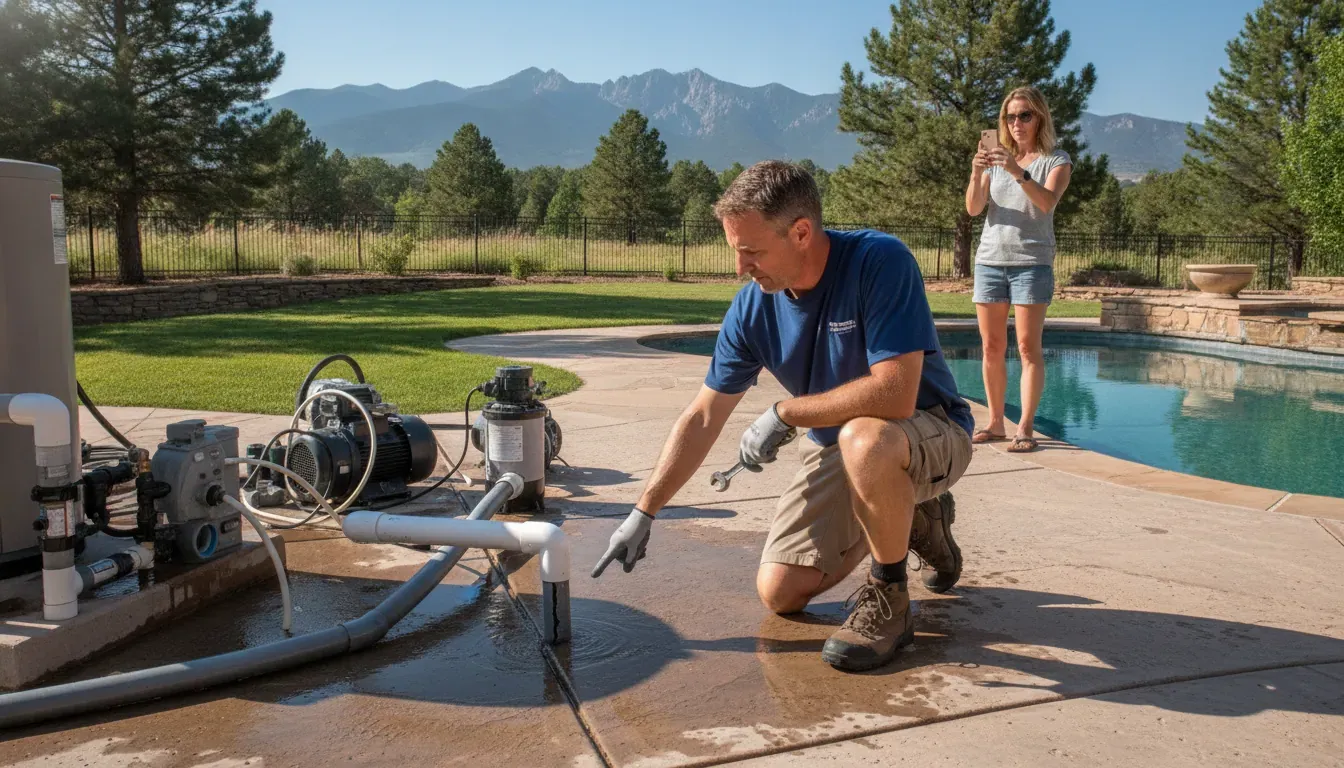
Warning signs deserve careful evaluation rather than an automatic demolition recommendation. Persistent leaks, significant cracks, shifting surfaces, unusual settlement around the pool, or evidence of water pressure affecting the surrounding soil can point to deeper issues. Drainage matters as well. Water collecting around the pool perimeter can saturate the ground and contribute to pressure against the shell. The right response depends on the location, extent, and cause of the damage, so a site inspection is more useful than judging the pool by its age alone.
Compare the full project, not just the repair line item
A renovation decision should weigh specialized repair costs against the long-term value of a safer, more functional pool. Repairing or resurfacing a sound basin may let you address the actual problems while retaining a layout that already works for your yard. Modern mechanical equipment, updated finishes, and improved coping can also bring an older pool closer to current expectations without rebuilding every component.
Demolition and reconstruction may be appropriate when the shell has extensive structural failure. The site has persistent conditions that cannot be corrected, or the existing design no longer serves the property. It is not automatically the better choice simply because the pool is old. A full rebuild generally means removing more materials, extending the project scope, and starting over with features that may not be necessary. When renovation can restore the structure, preserving it is a practical approach that also reduces construction waste compared with demolition and complete reconstruction.
For Denver homeowners, the assessment should account for local operating demands as well as construction condition. High-altitude water chemistry and Colorado freeze protection affect how surfaces, plumbing, and equipment perform over time. A renovation plan that addresses only appearance may leave the causes of deterioration untouched. Ask for a clear explanation of the shell condition, the recommended repair sequence, what can remain, and which upgrades are optional. Transparent pricing tiers can then help you compare a focused renovation with the genuinely necessary scope of a rebuild.
Why Older Pool Renovation in Denver Beats Starting Over
When an older pool still has a sound core basin. Renovation can deliver the improvements you want without the cost and disruption of removing a structure that is already doing its job. Resurfacing, equipment modernization, and carefully selected repairs can address worn finishes, inefficient operation, and dated features while preserving the pool's existing footprint.
That distinction matters in Denver. A renovation plan can be matched to the condition of the pool. Rather than treating every aging surface or outdated pump as evidence that the entire pool must be rebuilt. The right decision depends on an assessment of the basin and surrounding systems, followed by a clear comparison of the work each option requires.
| Consideration | Renovation | Full rebuild |
|---|---|---|
| Typical cost | Often lower when the existing basin is structurally sound, because the project focuses on needed repairs, resurfacing, and upgrades. | Usually higher because demolition, removal, excavation, and construction of a new structure are included. |
| Timeline | Generally more focused, with work limited to the components that need attention. | Typically longer because the old pool must be removed before the new pool is built. |
| Disruption | Preserves the existing pool location and can limit demolition, hauling, excavation, and changes to the surrounding property. | Creates a larger construction zone and may affect more of the yard, access routes, and adjacent features. |
| Environmental impact | Preserving the structure reduces demolition waste and avoids replacing sound materials unnecessarily. | Demolition and complete reconstruction generate more waste and require more new materials. |
| When it makes sense | When the shell is sound and the main needs involve the surface, coping, tile, equipment, controls, or appearance. | When the existing shell or site conditions cannot support a safe, durable renovation. |
Spend on the problems that affect performance
Renovation also gives homeowners more control over where the budget goes. A sound basin may be paired with a new surface, energy-efficient pump, or automated cleaning system instead of replacing every part of the pool at once. Those upgrades can improve operating efficiency and reduce the manual effort required to manage an older system. The result is not simply a newer-looking pool. It is a pool that is easier to operate and better suited to the household's routine.
It can also preserve the property features that already work: the pool's location, established landscaping, usable deck layout, and connection to the home. A thoughtful design can refresh the appearance through updated finishes and features without forcing a complete change to the yard. For visual direction, review these pool renovation ideas before deciding which improvements are priorities.
The practical first question is structural, not cosmetic: is the existing shell capable of supporting the planned work? If it is, an older pool renovation in Denver may provide the better balance of cost, timeline, property preservation, and long-term function. If the shell cannot be restored safely, a rebuild deserves consideration, but it should be the conclusion of an assessment, not the default starting point.
What Really Ages a Denver Pool: Altitude and Freeze-Thaw
A Denver pool ages differently than one in a warmer, lower-altitude climate. Colorado's environment puts repeated demands on the water, surfaces, plumbing, and equipment. Those demands do not always create one dramatic failure. More often, they show up as recurring chemistry problems, faster-looking surface wear, leaks, or equipment that no longer performs consistently.
High altitude changes the water-management routine
Denver's elevation contributes to greater evaporation and more frequent fluctuations in water chemistry. As water leaves the pool, the balance of the remaining water can shift. Adding water or chemicals without checking the current conditions can compound that change, leaving the pool harder to manage and potentially putting additional stress on finishes and equipment.
For an older pool, precision matters even more. Aging plaster, tile, seals, and circulation equipment may already have less tolerance for aggressive or poorly balanced water. High-altitude chemistry therefore needs specialized monitoring and precise dosing rather than a one-size-fits-all maintenance routine. Neptune Pools identifies high-altitude water chemistry as a Colorado-specific requirement, and certified technicians can evaluate how the water-management pattern is affecting the pool as a whole.
This is one reason an older pool renovation in Denver should not be planned from appearance alone. A dated finish may be the visible problem, while chemistry fluctuations and worn circulation components are contributing to deterioration beneath the surface. A professional assessment can separate cosmetic updates from repairs that protect the existing structure.
Freeze-thaw cycles make winter preparation structural protection
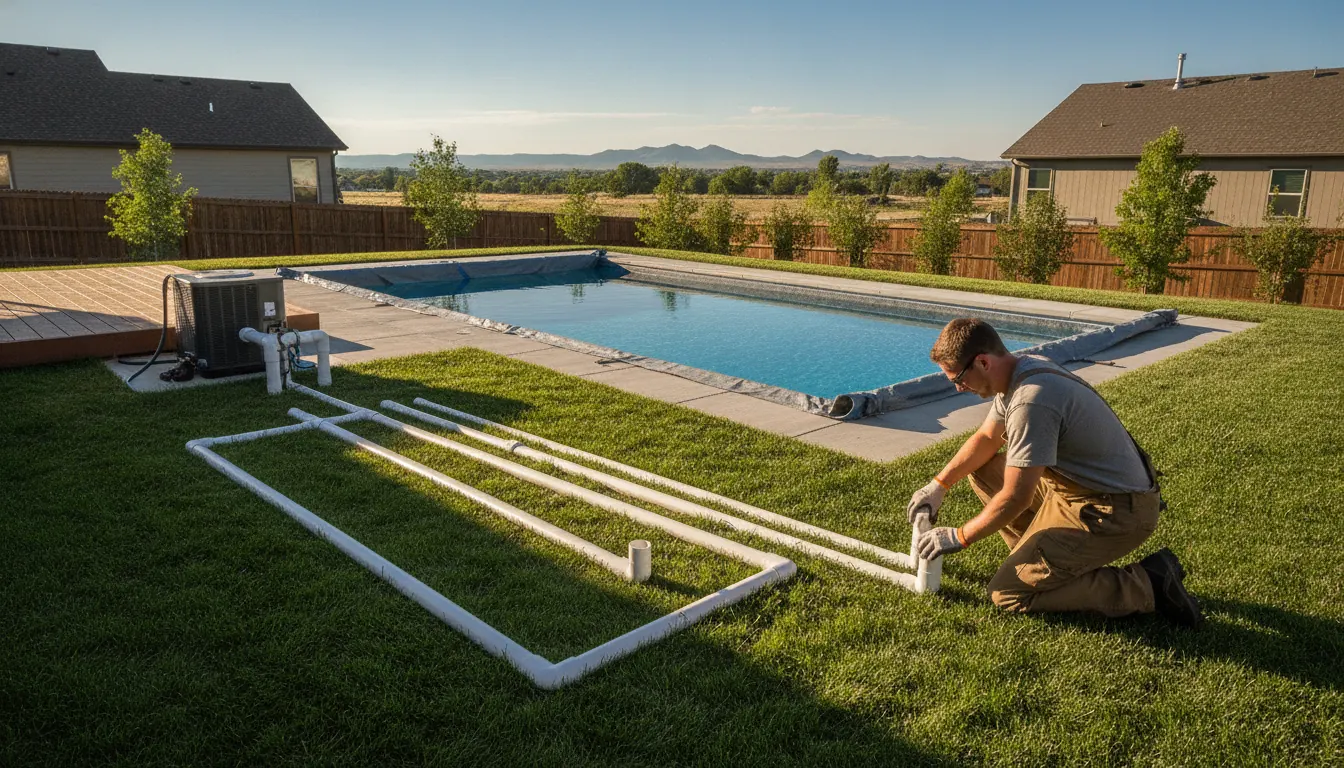
Denver winters add another layer of risk. Water that remains in vulnerable parts of a pool system can freeze, expand, and place stress on plumbing and connected components. Repeated seasonal exposure can turn a small weakness into a leak or more extensive damage. Freeze protection is not simply a seasonal convenience for Colorado pool owners. It is part of preserving the pool's structure and operating systems.
Preventive off-season maintenance is important because freeze-protection measures need to be addressed before severe winter conditions arrive. The right preparation depends on the pool's configuration, equipment, and existing condition. An older system may need closer attention to aging connections, circulation components, and areas where water could remain trapped.
Altitude and freeze-thaw exposure also explain why renovation choices should be evaluated together. Resurfacing, equipment modernization, or other updates can improve an older pool, but the work should be compatible with the structure and the conditions it will face every winter. Denver homeowners get a more durable result when the renovation plan accounts for water chemistry, evaporation. And freeze protection at the same time, rather than treating each issue as an isolated repair.
The Core Elements of an Older Pool Renovation
A well-planned renovation addresses the parts of an older pool that affect its structure, safety, appearance, and day-to-day operation. The right scope depends on the condition of the existing basin and equipment, not simply on the pool's age. When the shell remains sound, resurfacing and targeted upgrades can restore the pool without the disruption and waste of a complete rebuild.
Resurfacing the pool basin
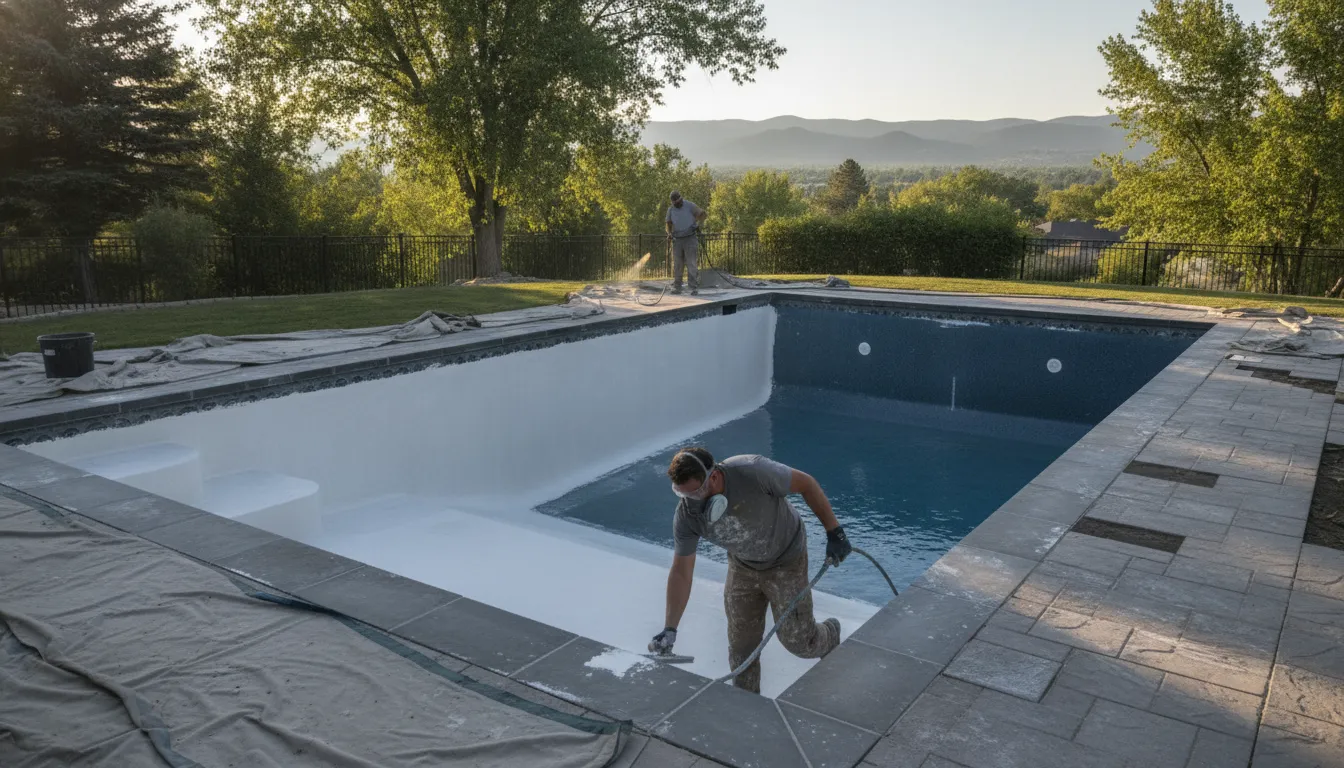
Resurfacing is often the most visible part of an older pool renovation, but it should begin with a professional assessment. The new surface must be compatible with the existing structure and suited to the pool's condition. Proper resurfacing can seal the basin against leaks while improving the swimming environment's appearance and hygiene. Cracking, rough areas, staining, or persistent water loss may indicate that the surface needs attention. Although those symptoms should be evaluated rather than treated as an automatic recommendation for replacement.
Denver homeowners should also consider how local water chemistry affects the finished surface. High-altitude conditions can require more tailored monitoring and precise chemical management. Choosing from the right pool resurfacing options is therefore both an aesthetic and a long-term maintenance decision.
Replacing worn or damaged tile
Tile replacement can correct more than an outdated color or pattern. Loose, cracked, or deteriorated tile may point to degradation around the pool basin and should be examined as part of the renovation assessment. Replacing the affected tile provides an opportunity to improve waterline detailing, refresh the pool's appearance, and address functional concerns before they spread. A focused pool tile replacement project can often complement resurfacing without requiring the entire pool to be demolished.
Repairing coping and decking
Coping and decking frame the pool and influence how water moves away from its edge. Damaged coping, uneven decking, and deteriorated joints can create trip hazards, allow water seepage, and contribute to structural degradation at the pool perimeter. Replacing or repairing these elements improves the walking surface while helping protect the pool edge. Drainage, transitions, and the relationship between the deck and basin should be considered together, especially where Colorado freeze-thaw cycles may worsen existing cracks.
Denver pool renovation services
Modernizing mechanical and energy systems
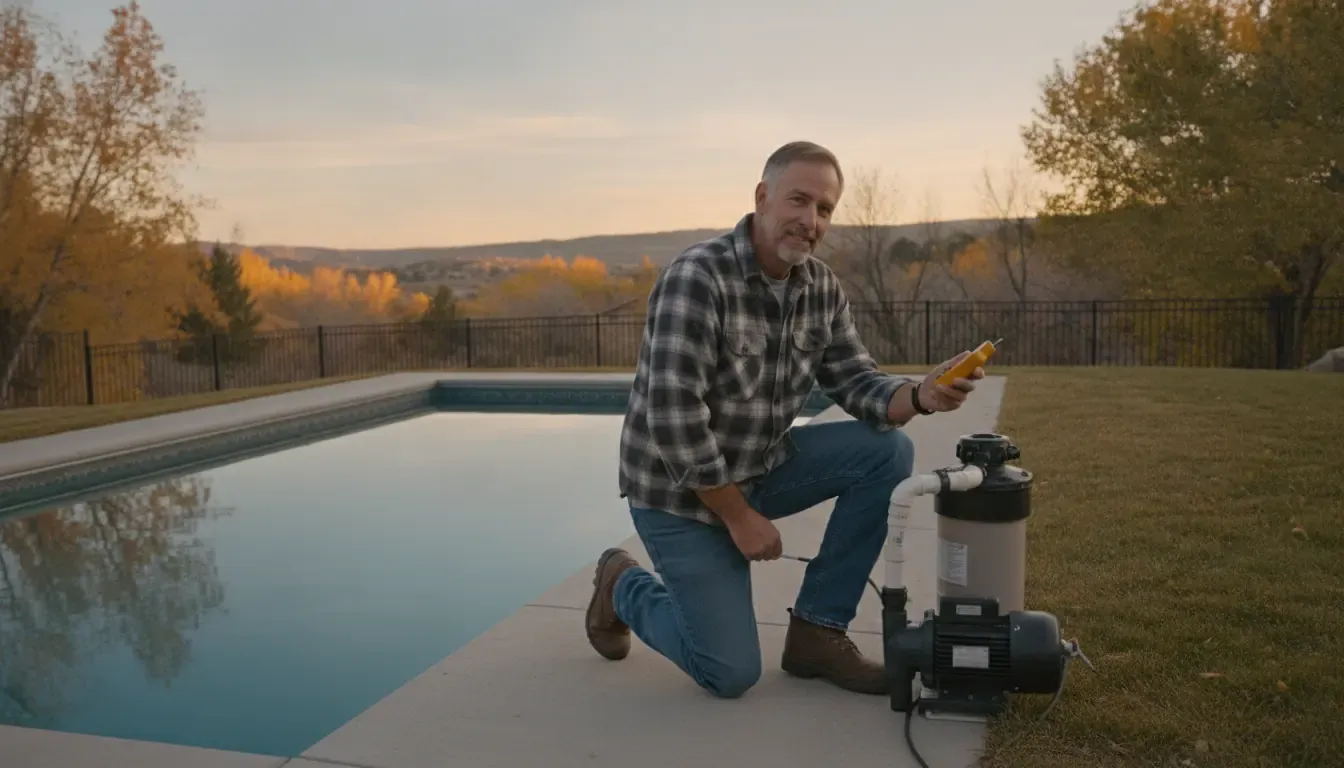
A renovation is also a practical time to review pumps, controls, filtration, and cleaning systems. Modern surfaces and coping may transform the pool's appearance, but outdated mechanical equipment can continue to drive high operating costs and inconsistent performance. Energy-efficient pumps and automated systems can improve operating efficiency, reduce manual effort, and make routine operation more consistent. Equipment upgrades should be selected for the pool's actual circulation needs and installed with Denver's high-altitude water chemistry and freeze-protection requirements in mind.
These components work best as a coordinated plan. A surface, tile, or deck recommendation should account for equipment condition and water management, while mechanical upgrades should support the renovated basin rather than stand alone. That whole-pool approach helps preserve a sound existing structure while bringing an older pool closer to the safety, comfort, and efficiency expected from a modern installation.
How Much Does Older Pool Renovation Cost in Denver?
For a planning baseline, Angi reports that Denver pool remodels typically range from about $6,460 to $29,000, with an average cost of approximately $16,477. This is neutral industry data, not a quote for your property, and the range is broad because older pools rarely need the exact same work. You can review the underlying figures in Angi's Denver pool remodel cost data.
The condition of the existing shell is one of the most important cost questions. If the basin remains structurally sound, renovating and modernizing it may be more practical than demolishing and rebuilding the entire pool. If the shell, surrounding ground, or drainage has serious problems, the scope may need to expand before cosmetic improvements make sense. A professional assessment helps separate necessary structural work from optional upgrades.
What changes the price of an older pool renovation?
Several project variables can move the final price within, or beyond, a general market range:
- Pool size and shape: A larger or unusually shaped pool requires more surface material, labor, and finishing work.
- Interior surface: Resurfacing costs depend on the existing finish, its condition, and the replacement material selected.
- Tile and coping: Damaged tile, worn coping, or edge deterioration may require repairs that protect the basin and surrounding deck, not just an aesthetic refresh.
- Equipment: Pumps, filtration, automation, plumbing, and other mechanical systems may need repair or modernization to improve reliable operation.
- Colorado conditions: Denver's high-altitude water chemistry and freeze-protection requirements can affect the recommendations for both renovation and ongoing care.
Transparent pricing matters because an older pool can present hidden conditions once surfaces are opened or equipment is inspected. A useful proposal should distinguish required repairs, recommended improvements, and optional finish choices. That makes it easier to compare the immediate investment with the long-term value of safer operation, better efficiency, and a pool that fits how your household uses it.
Neptune Pools focuses on clear pricing tiers and project-based rehabilitation, including resurfacing and modernization when preserving the existing structure is the sounder choice. The right budget starts with an honest evaluation of the shell, surface, tile, coping, equipment, and site conditions rather than a one-size-fits-all number.
What Time of Year Is Best to Resurface a Pool in Denver?
For most Denver homeowners, spring and fall are the most practical seasons to resurface an older pool. These shoulder seasons generally make it easier to avoid the extreme heat, cold, and rapid temperature swings that can interfere with surface preparation and curing. The exact schedule still depends on the product selected, the condition of the existing basin, and the contractor's assessment.
Why spring and fall are usually the best windows
Resurfacing is not simply a cosmetic coating. The existing surface must be prepared correctly, and the new finish needs consistent conditions while it cures. A project scheduled before Denver's hottest summer weather or after the first intense cold can provide a more predictable working window. Spring can also position the pool for the upcoming swim season, while a fall project may allow the work to proceed after peak use and before winter preparation.
Do not treat the calendar as a guarantee. Denver weather can change quickly, so your renovation plan should include enough flexibility for temperature changes, precipitation, and site conditions. A professional assessment should guide the resurfacing method and confirm that the new surface is compatible with the pool's existing structural integrity. Neptune Pools' pool resurfacing guide provides additional background on the role of professional evaluation.
Plan around freeze protection, not just swim season
Colorado's winter conditions create an important scheduling constraint. Denver pools require specialized freeze-protection planning, and preventive off-season maintenance helps prepare equipment and plumbing for winter while reducing the risk of cold-weather structural damage. That means a late-fall resurfacing project should not be rushed into the period when the pool needs to be winterized. Leave adequate time for the finish to cure, the system to be inspected, and freeze-protection measures to be completed.
For the same reason, a spring project should be coordinated with startup rather than scheduled after a long period of neglect. Check for leaks, equipment concerns, and surface deterioration before committing to dates. Colorado's high-altitude water chemistry also calls for careful monitoring after the pool is refilled. Proper dosing and balanced water help protect the newly finished surface and equipment.
How to choose your actual project date
Start planning several weeks ahead. An experienced renovation professional can inspect the basin, explain the preparation and curing requirements, and identify whether related repairs should happen before resurfacing. Ask how the proposed timeline fits around Denver's weather forecast, your pool's winterization or opening date, and any equipment work. This approach is more reliable than choosing a date solely because it appears early or late in the season. And it helps protect the investment in your older pool renovation.
Steps to a Smart Older Pool Renovation
A well-planned renovation should answer two questions before work begins: what can the existing pool support, and which improvements will make the biggest difference for your household? A staged process helps you preserve a sound structure, control the scope, and avoid paying for upgrades that do not solve the underlying problem.
Start with a professional inspection and assessment
Begin with a close review of the pool shell, basin, surface, tile, coping, decking, plumbing, circulation equipment, and visible drainage concerns. The shell's structural integrity is the key factor in deciding whether renovation is a practical alternative to replacement. An inspection also gives you a basis for separating cosmetic wear from problems that could become more expensive if ignored. Before approving resurfacing, ask for a professional assessment of the existing structure and confirmation that the proposed surface is compatible with it. That preparation is especially important for an older Denver pool, where freeze protection and high-altitude water chemistry can affect long-term performance. The CDC's inspection guidance also frames inspections as an opportunity to identify maintenance and system improvements that support safe operation.
Choose an experienced renovation contractor
Renovating an existing pool is different from building a new one. The contractor needs to understand how to work with the pool's current shell, hidden plumbing, equipment layout, and previous repairs. Look for experience with rehabilitation, resurfacing, and modernization, not only new construction. Your contractor should also understand applicable local building codes and aquatic safety standards, then explain which permits, inspections, or design requirements apply to your project. Review how to hire pool renovation contractors before comparing proposals. A useful proposal should describe the existing conditions, recommended work, exclusions, schedule, and pricing clearly rather than treating every older pool as a full replacement.
Define the scope by priority
Organize the project in layers. Resurfacing may address a worn or compromised basin surface, while tile replacement can correct degradation and update the pool's appearance. Coping and decking deserve attention when deterioration, poor drainage, or seepage threatens the pool edge. Mechanical upgrades, such as more efficient pumps or automated systems, may improve daily operation without changing the pool's footprint. Set priorities around structure and water management first, then safety, efficiency, and appearance. This approach keeps the renovation focused and leaves room to phase optional improvements if the budget requires it.
Schedule around Denver's season
Coordinate demolition, surface work, curing, equipment changes, and startup with a contractor who understands Colorado weather. Avoid leaving exposed plumbing or an unfinished surface vulnerable to freezing temperatures. Build time into the schedule for weather delays, water balancing, and final system checks before the pool is returned to regular use. A realistic seasonal plan is more valuable than promising a fast completion date that ignores freeze protection.
Protect the renovation with ongoing maintenance
Once the work is complete, maintenance becomes part of the renovation investment. Keep water chemistry monitored and adjusted for Denver's conditions, inspect equipment and coping, and prepare the system properly before winter. A seasonal maintenance plan can help catch small changes before they undermine a new surface, upgraded equipment, or repaired edge. Ask for written startup and maintenance recommendations so the improvements continue performing as intended.
Get a free older pool renovation consultation in Denver
Frequently Asked Questions
Can you modernize an old pool without replacing the entire structure?
Yes. If the basin remains structurally sound, a renovation can combine resurfacing, updated coping or tile, and equipment improvements without a full rebuild. A professional assessment should determine which components can be preserved and which need replacement. Neptune Pools focuses on preserving existing pool structures while modernizing features.
How do you decide whether an older pool should be renovated or demolished?
The condition of the pool shell is the key question. A sound shell with aging finishes, tile, coping, or mechanical equipment is often a good renovation candidate. Major structural failure, persistent movement, or extensive damage may change the recommendation, so the decision should follow an on-site inspection rather than the pool's age alone.
Is remodeling usually less expensive than building a new pool?
It can be, because renovation may preserve the existing basin and focus investment on the parts that need attention. The final cost depends on the scope, structural condition, access, finishes, and equipment selected. Request a written assessment with clear pricing tiers so you can compare repair priorities before committing to a larger project.
What time of year is best to resurface a pool in Denver?
Spring and fall are commonly practical windows because extreme temperatures can complicate outdoor renovation work. Scheduling must also account for Colorado's freeze-protection requirements and the time needed to prepare the pool for winter. A local professional can recommend timing based on the surface system, weather outlook, and project scope. Denver pool renovation services should include climate-specific planning for high-altitude water chemistry and winter protection.
Ready to Explore Your Pool Renovation Options?
A professional review can help determine whether your older Denver pool needs targeted repairs, resurfacing, or equipment updates rather than a full rebuild. Neptune Pools can assess the existing structure and outline practical next steps for your renovation.
Related Blogs