Plaster vs Pebble Pool Finish: The Colorado Guide
Pool owners in Denver lose years of surface life to harsh winter freeze-thaw cycles. While an inground pool can last up to fifty years, the interior surface wears down much faster. Choosing the right interior finish is the best way to prevent early cracks and stains.
The plaster vs pebble pool finish pick is vital for Colorado homeowners because local freeze-thaw cycles and hard water quickly wear down concrete pool surfaces. Classic white plaster provides a smooth look at a lower price, but it stains easily and usually lasts only seven to eight years in Denver.
Pebble stone finishes cost more to install but use tough river stones that resist chemicals, hide stains, and last up to twenty years. According to industry research from Pool Pro magazine, freeze-thaw cycles and water chemistry drive most finish breakdowns, making a durable pebble surface a highly economical choice. Selecting a strong finish will help keep your concrete pool safe and clean through many long winter seasons.
If you are planning a pool remodel, choosing between these two surfaces is a major step. To find the best interior surface, we must examine Why the Plaster vs Pebble Pool Finish Decision Matters in Colorado. The comparison begins here.
Schedule a free pool finish consultation to compare your plaster and pebble options in person.
Why the Plaster vs Pebble Pool Finish Decision Matters in Colorado
An in-ground pool is a big cost for your home. While a well-built pool can last for 25 to 50 years, Colorado weather often speeds up surface wear. When choosing a plaster vs pebble pool finish, you must think about how our climate affects these materials. High-altitude UV rays, freezing winter weather, and hard water all work together to shorten the life of a pool surface. This makes your choice of pool finish a key decision.
Colorado Climate Challenges
Winter weather in Colorado is harsh on concrete pools. Water can get into tiny cracks in a pool plaster surface. When this water freezes, it expands and forces the cracks to grow wider with every freeze-thaw cycle. According to climate data from the Colorado Climate Center, local temperature swings are common throughout the winter months. In a mild climate, a concrete pool surface can last 12 to 15 years. But without proper care, that same finish may last only 7 to 8 years in a Colorado mountain community.
Colorado pools face a unique set of regional climate stresses:
- Intense Freeze-Thaw Cycles: Winter water expands inside surface pores, cracking weaker plaster.
- Strong High-Altitude UV: Intense sunlight breaks down binders in pool materials at the waterline.
- Aggressive Water Chemistry: Denver's hard source water constantly threatens to etch or stain smooth surfaces.
Along with cold winters, our high-altitude location creates other threats. Denver pools face intense sun, which speeds up the wear on weak finish materials. At the same time, hard mountain source water constantly tries to deposit minerals on pool walls. The U.S. Geological Survey says much of Colorado's water is hard to very hard, which often leads to scaling (USGS Water Hardness Guide).
When you choose between resurfacing options for pool finishes, you must select a material that can withstand these local stresses. A tough material will save you from frequent repairs and keeps your pool looking its best for years.
Water Chemistry and Application Quality
To make your pool last, you need to understand what causes a finish to fail. Research shows that about 60% of pool finish breakdowns come from water chemistry issues. The other 40% of failures are due to how the finish was applied. This means that both the material you choose and how you maintain it are vital.
If you want your pool to stay beautiful, you need a team that knows both expert work and high-altitude water care. Investing in professional Denver pool resurfacing services is the best way to protect your pool from early wear. The right choice now will ensure your pool remains a relaxing escape rather than a constant maintenance chore.
What Is a Plaster Pool Finish?
Traditional pool plaster is the oldest and most common type of pool surface. This classic material is a simple mix of white Portland cement, water, and crushed marble sand. Plasterers mix the plaster on-site and apply it by hand over the concrete pool shell. It creates a solid, water-tight seal. This layer is what prevents water from leaking into the ground below your pool.
The traditional white plaster mix
When you resurface an old pool, plaster is a quick way to restore a clean look. It fixes small cracks. This process restores your pool's smooth finish and brings back a bright, clean appearance. If you look at resurfacing options for pool finishes, plaster is the cheapest choice upfront. It remains a popular option for homeowners on a budget who want to refresh their pool without spending too much.
The classic appeal and smooth texture
Homeowners love the classic look of fresh plaster. Its smooth texture feels soft on feet. But while a fresh coat looks bright, it is more prone to surface flaws than textured stone finishes. Wear shows quickly on this plain white background. Small stains, dirt, and brushing marks can stand out. To see how costs compare over the long run, check our cost comparison of pool interior materials.
Denver hard water and surface etching
The main weakness of white plaster is its low resistance to chemical wear. It wears down easily. Because Denver water is very hard, it carries high mineral levels. The U.S. Geological Survey classifies water hardness based on calcium and magnesium levels. These minerals can cause thick scale on the pool surface if they are not balanced. High calcium levels form rough patches that are hard to clean.
Denver metro homeowners benefit from pool finishes that can withstand the high alkalinity found in local water. Standard white plaster lacks this strength. It is highly prone to etching, mottling, and staining in Denver's hard water. If the water becomes too aggressive, it will leach calcium right out of the plaster surface. This chemical reaction leaves behind rough, ugly gray spots. These spots can scratch swimmers' skin and harbor algae growth.
This surface damage can also lead to dusting. Calcium powder rubs off the walls. Dusting is often caused by low alkalinity levels or aggressive acids. This powder clouds your water and clogs your pool filter. These high chemistry demands lead many Denver pool owners to look at stronger options like pebble aggregate. A tougher finish can handle local water without constant scrubbing or frequent repairs.
What Is a Pebble Pool Finish?
When you look at a plaster vs pebble pool finish, the key difference is the material. A pebble finish is a mix of small stone or glass aggregate in a strong cement base. This pebble aggregate is more resistant to the chemical wear and staining that plagues traditional white plaster. By mixing real stones into the plaster base, the surface gets a tough layer that resists wear.
Stone Sizes and Color Options
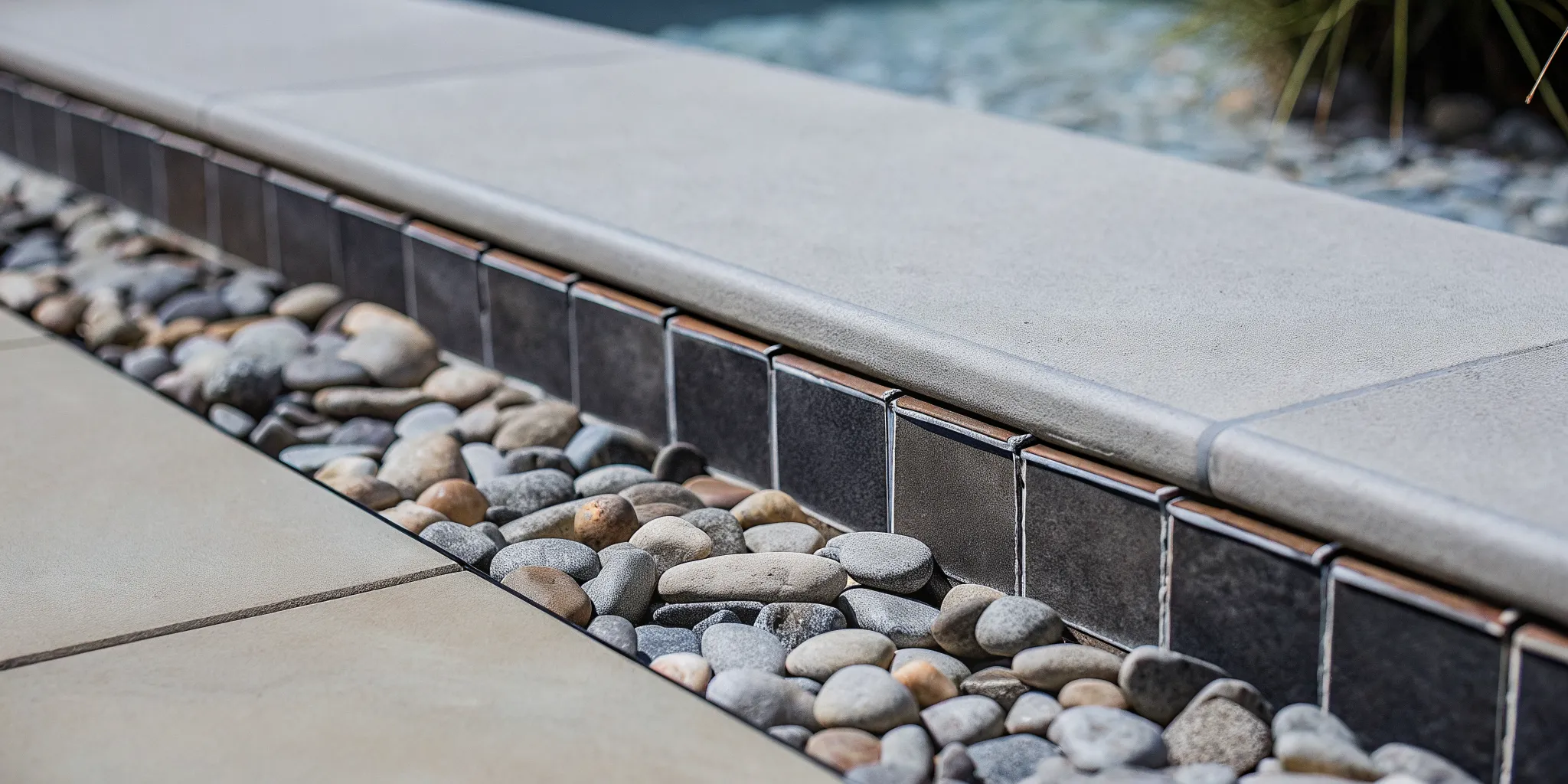
Pebble finishes offer a broader aesthetic range, including varied colors, textures, and sheen, compared to traditional white plaster. You can choose from three main stone sizes, ranging from larger original pebbles to smaller mini and micro stones. These smaller variants are polished to create a much smoother feel under your feet. There are also dozens of color options to match your backyard style.
These finishes do more than look good. Pebble aggregates naturally hide surface inconsistencies and give a superior, slip-resistant texture compared to the smooth finish of traditional plaster. This texture makes the pool floor safer for wet feet. It also hides small cracks or bumps that often show up on flat white surfaces over time.
Durability and Chemical Resistance
In Colorado, pool finishes must handle tough weather and hard water. Standard plaster wears down quickly when water chemistry drifts. But aggregate finishes are significantly more resistant to the chemical wear and staining that plagues traditional white plaster. A pebble surface stands up to high acid levels and heavy use without wearing away.
Denver's water supply presents a major challenge for local pools. According to the U.S. Geological Survey, much of Colorado's water is classified as hard to very hard. This hard water constantly threatens to deposit scale or etch smooth plaster surfaces. Pebble finishes offer superior resistance to etching in hard-water environments, making them ideal for Colorado pools.
A Smart Long-Term Investment
When you evaluate resurfacing options for pool finishes, a pebble aggregate is a top-tier choice. It lasts far longer than standard plaster. Traditional plaster can start to break down in less than eight years. In contrast, a high-quality pebble finish can easily last fifteen to twenty years with proper care.
If you are ready to upgrade your pool, we are here to help. Our team offers professional Denver pool resurfacing services to install these beautiful, lasting finishes. While pebble costs more than plaster at first, it is a much better value over time. You will spend less on chemicals, acid washes, and early replacement costs.
Plaster vs Pebble at a Glance: Side-by-Side Comparison
Choosing a plaster vs pebble pool finish is a big decision for your pool. Standard plaster gives a classic, smooth surface. But pebble finishes offer a rugged, textured feel that hides surface stains. When you look at the options, you must weigh upfront costs against long-term care in Colorado's harsh climate.
Comparing Pool Finishes
The main ways these finishes differ are how they feel, look, and last. White plaster is sensitive to water chemistry shifts. In Denver's hard-water area, plaster is prone to etching, mottling, and staining. Pebble finishes use tiny stones and glass to resist chemical wear while creating a non-slip texture that hides surface markings.
Classic white plaster starts out soft and smooth, but it can grow rough over time. While some swimmers prefer this smooth texture, others choose pebble finishes that feel slightly bumpy. They use round river stones or glass beads to create a slip-resistant grip. This textured surface is good at hiding plaster mottling and cosmetic stains.
| Feature | White Plaster | Pebble Finish |
|---|---|---|
| Initial Cost | Lower initial price. | Higher initial price. |
| Lifespan | Lasts 7 to 10 years. | Lasts 15 to 20 or more years. |
| Texture | Classic and smooth. | Rugged and slip-resistant. |
| Stain & Etch Resistance | Low; stains easily. | High; resists chemical wear. |
| Care | Needs strict water testing. | Easier to maintain. |
| Look | Simple, clean look. | Rich colors and varied depth. |
Long-Term Cost and Durability
When making your choice, look at both the upfront and long-term costs. While the initial price for a pebble finish is higher, the longer life makes it the smarter buy. The extended interval between resurfacings makes a pebble finish more economical over a 15-year period in Denver's hard water. To see how these options fit your budget, you can review our cost comparison of pool interior materials.
In a mild climate, standard white plaster can last up to ten years. But Colorado's harsh winter weather and hard mountain water speed up this wear. Without proper winter care, plaster may begin to show signs of damage in as little as seven years. Pebble finishes are much tougher because their stones create a strong defense that handles freeze-thaw cycles without cracking.
Water quality plays a huge role in the life of your pool finish. The U.S. Environmental Protection Agency provides guidelines on water quality that highlight how hard water minerals affect municipal water supplies. These mineral deposits can damage pool surfaces over time, so if you need help with your pool, contact us today. We offer professional Denver pool resurfacing services to give your pool a reliable, long-lasting finish.
Get a free quote on a durable pebble resurfacing for your Denver pool.
Which Pool Finish Lasts Longer in Colorado?
When choosing a plaster vs pebble pool finish, the long-term wear is the main factor. In Colorado's unique climate, pebble finishes last much longer than classic plaster. Standard plaster often lasts seven to ten years. However, in our state's harsh climate, a neglected plaster surface can fail in just seven to eight years. Pebble finishes often last fifteen to twenty years or more. This makes pebble a stronger long-term choice for local pools.
Plaster vs pebble lifespan
Colorado's climate presents major problems for pool surfaces. Our winter freeze-thaw cycles can quickly damage concrete pools. Water gets into small micro-cracks in the plaster. When the temperature drops, this water freezes and expands. This process widens the cracks with each cold cycle. Without proper care, a plaster finish in Colorado can fail in seven to eight years. Pebble finishes use strong stones that resist this freeze-thaw pressure better than smooth plaster.
Our quick winter weather swings make these cycles a constant threat. The National Weather Service tracking for the Denver-Boulder region shows that frost and freeze events can happen early in fall and late into spring. If you want to learn more about plaster timelines, our pool replastering guide offers a deep look at these steps.
High-altitude UV and weather wear
Our high-altitude climate also ages pool surfaces faster. At Denver's height, UV exposure is much stronger than at sea level. This intense sunlight degrades pool finishes over time. Plaster is weak to both UV rays and chemical swings, which makes it prone to fading, etching, and staining.
Pebble finishes use natural river stones or glass beads bound by tough cement. These stones do not fade or break down under the Colorado sun. They keep their color and smooth structure for many years. Pebble finishes are very tough and stand up to chemical wear and stains that often ruin white plaster.
Winter pool care and protection
To get the most out of your pool finish, proper winter care is vital. Regular winter care and surface checks are vital to prevent freeze-thaw damage in Colorado's climate. Letting water freeze in a poorly prepared pool will damage the finish, so you must watch your water balance and check for cracks. Catching small issues early prevents big leaks later.
Taking care of your water chemistry is a huge part of surface upkeep. Poor chemistry and winter damage are the two biggest reasons finishes fail. If you need help with your pool, we offer professional Denver pool resurfacing services to keep your pool in top shape.
How to Choose Between Plaster and Pebble for Your Pool
Evaluating Your Pool Surface Needs
Choosing the right plaster vs pebble pool finish requires a close look at your goals and your budget. In Colorado, this choice is not just about looks. Homeowners must weigh local climate factors alongside upfront and long-term upkeep costs. Knowing your resurfacing options for pool finishes helps you plan for these expenses. While older pool finishes look great, our harsh weather demands a surface that can withstand sudden temperature shifts and hard city water.
- Assess Your Upfront and Long-Term Budget. Pebble aggregate costs more upfront than plain plaster. But the longer time between resurfacings makes pebble cheaper over a 15-year period in Denver's hard water. Check our cost comparison of pool interior materials to see how these upfront costs pay off over time.
- Plan Your Years of Home Ownership. If you plan to stay in your home for under five years, white plaster is a good choice. But if you are building a custom concrete mountain home, you must expect to resurface your pool every 10 to 15 years. You can read more about when a concrete pool needs resurfacing in our region. Pebble finishes outlast plaster, saving you from a repeat project.
- Evaluate Your Texture and Slip-Resistance Needs. Classic plaster offers a smooth finish that feels gentle on feet but can show cracks over time. In contrast, pebble finishes provide a textured, slip-resistant surface that hides tiny flaws. If you have kids or pets, the added grip of a textured finish can make the pool area much safer.
- Consider Your Water Chemistry Habits. White plaster is highly sensitive to water chemistry shifts. This makes it prone to etching, spots, and stains in hard-water areas like Denver. Pebble aggregate uses stone or glass, which provides a longer life. If you want a finish that can handle small chemical shifts, pebble is the safer route.
- Select Your Desired Visual Style. Standard white plaster gives your pool water a classic light blue look. Pebble finishes offer a much wider range of colors, from deep teals to dark greens, and can use colored glass to catch the sun. If you want a modern, custom look that blends with the mountain landscape, pebble is the best choice.
Matching Your Choice to Local Conditions
No matter which finish you choose, the local climate will test your pool. Denver's harsh weather and hard mountain water demand a tough, strong surface. While plaster is a good low-cost choice, pebble finishes offer greater strength against our cold winters and summer sun. Taking time to weigh these steps now ensures your pool remains a beautiful, useful space for years to come.
Protecting Your New Finish in Denver's Hard Water
Denver pool owners face a big challenge when caring for a new pool surface. High-altitude sun and hard mountain water combine to compress the lifespan of any finish. When choosing between a plaster vs pebble pool finish, both options need strict water care to survive Denver's harsh climate.
According to the U.S. Geological Survey, much of the state's water supply is hard to very hard. This hard water always threatens to form scale on pool surfaces. To protect your pool, you must understand how local water acts on your finish.
Water Chemistry and Finish Lifespan
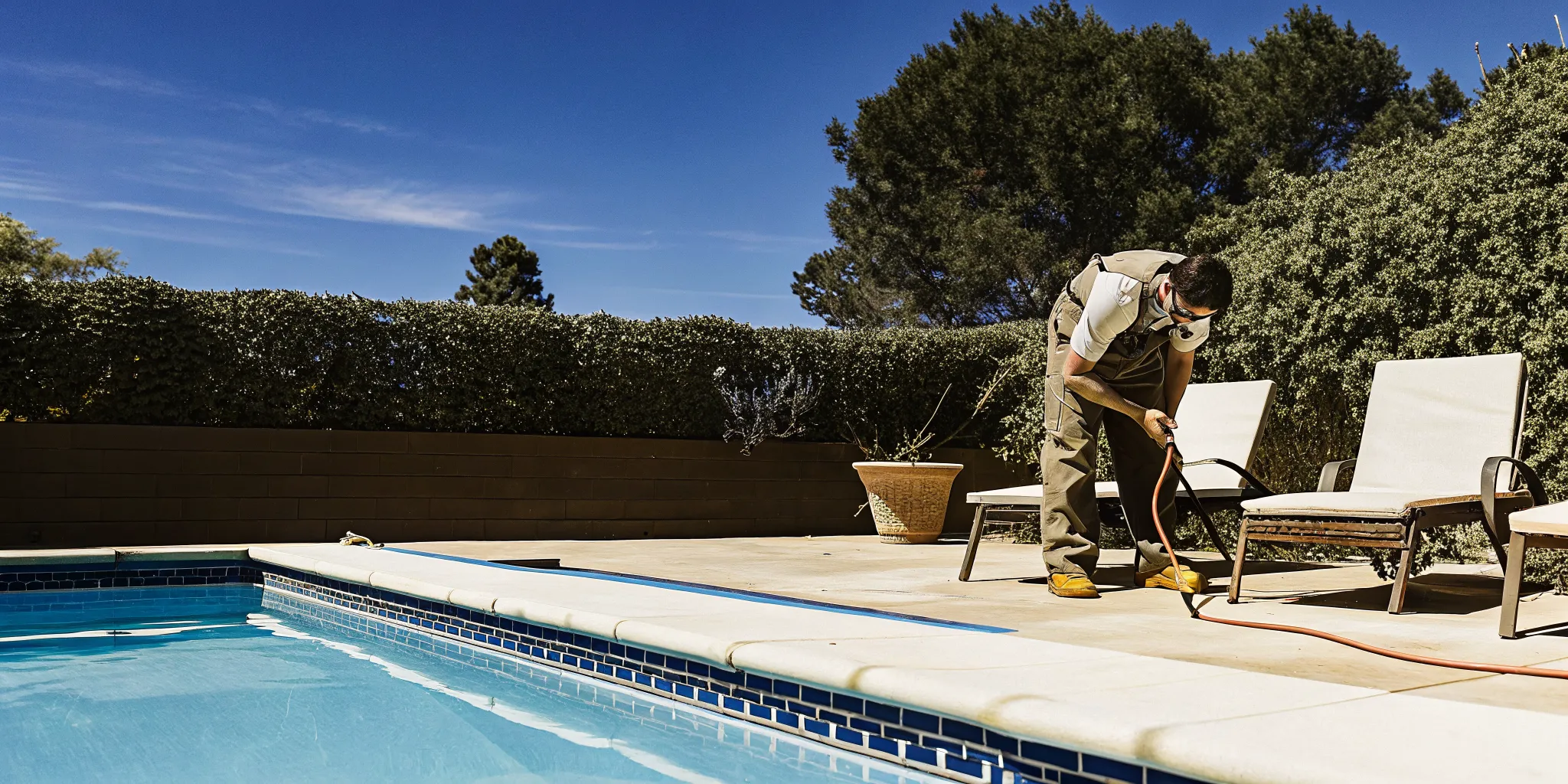
Did you know that water chemistry is the primary cause of pool surface failure? In fact, about 60% of all finish breakdowns trace back to water chemistry issues. Only 40% of these failures are due to the builder's application.
This means that even a strong pebble finish cannot survive aggressive or scaling water over time. If you neglect water balance, your brand-new pool surface will quickly fail.
The Calcium Saturation Index
To keep your pool water balanced, you must watch the Calcium Saturation Index. This index shows if your water will form scale or become hungry. Scale is rough, ugly, and hard to scrub away.
On the other hand, hungry water wants to absorb calcium. When your pool water lacks this mineral, it will leach it right out of your plaster or pebble finish. This process causes deep etching, pitting, and a rough texture.
A perfect Calcium Saturation Index score is zero. If your pool water has a score from negative 0.3 to positive 0.3, your finish is safe.
If the score drops below this range, your water becomes acidic. It will start to eat away at your pool walls. If the score rises above this range, you will get rough scale that acts like sandpaper.
Low Calcium and Alkalinity Risks
Low calcium hardness and low alkalinity are the big killers of pool finishes. If your pool has low alkalinity, the pH can swing fast. This swing leads to surface dusting where plaster turns to powder.
Even a tough pebble finish is not safe from this type of chemical damage. While pebble aggregate resists stains well, the cement binder that holds the stones will still dissolve in bad water.
To prevent these problems, you need a regular care plan. Checking your pool's chemistry each week is the best way to protect your investment. If you do not have the time to test and balance your pool, you should get professional help.
Our team offers weekly pool cleaning and maintenance plans to keep your water in the safe zone. With the right care, you can make sure your pool finish lasts for many years.
Talk to our Denver pool experts about protecting your new finish with a maintenance plan.
Frequently Asked Questions
Is a pebble pool finish worth the extra cost?
Yes. A pebble finish costs more upfront than classic plaster, but it lasts much longer. While white plaster often needs replacing after seven or eight years in Colorado, pebble finishes easily last fifteen to twenty years. This longer life means you do not have to resurface your pool as often. Over a fifteen-year period, the longer lifespan of pebble saves you more money.
Do pebble pool finishes feel rough on your feet?
Standard pebble finishes have a textured, slip-resistant surface that feels like small river stones. Some pool owners find this texture rough, but others enjoy the natural feel. If you want a smoother finish, you can choose smaller stone mixes like micro pebble or polished pebble. These smaller stone options reduce roughness while keeping the strength of a pebble finish.
Why does white plaster degrade faster in Colorado?
Colorado weather speeds up the wear on classic plaster. Freezing and thawing water can force open small cracks in the plaster surface. A closer look at Colorado's hard water shows that aggressive mineral levels speed etching and staining, while strong mountain sun and freeze-thaw cycles make white plaster fail even faster.
What pool finish is best for Colorado pools?
Pebble finishes are the best choice for Colorado pools. The tough stone mix resists freeze-thaw damage and strong high-altitude sun. Pebble also resists staining and etching from hard mountain water much better than plaster. While plaster is cheaper at first, pebble is a better long-term choice for the local mountain climate.
Ready to Schedule Your Free Colorado Pool Finish Consultation?
Leaving a cracked or peeling pool finish exposed to harsh Denver winter weather can lead to deep structural damage and very costly water leaks. Our intense high-altitude solar rays and constant Colorado freeze-thaw cycles will speed up the structural decay of any unprotected concrete pool shell. Securing your remodeling project today guarantees a prime spot on our schedule so your pool is fully ready when warm weather arrives. Our expert team of certified technicians is here to guide you through every choice to find the most durable finish for your home pool.
Ready to schedule? Contact Neptune Pools today to schedule a free pool finish consultation with our local experts.
Related Blogs