Pool Finish Options Colorado Homeowners' Complete Guide
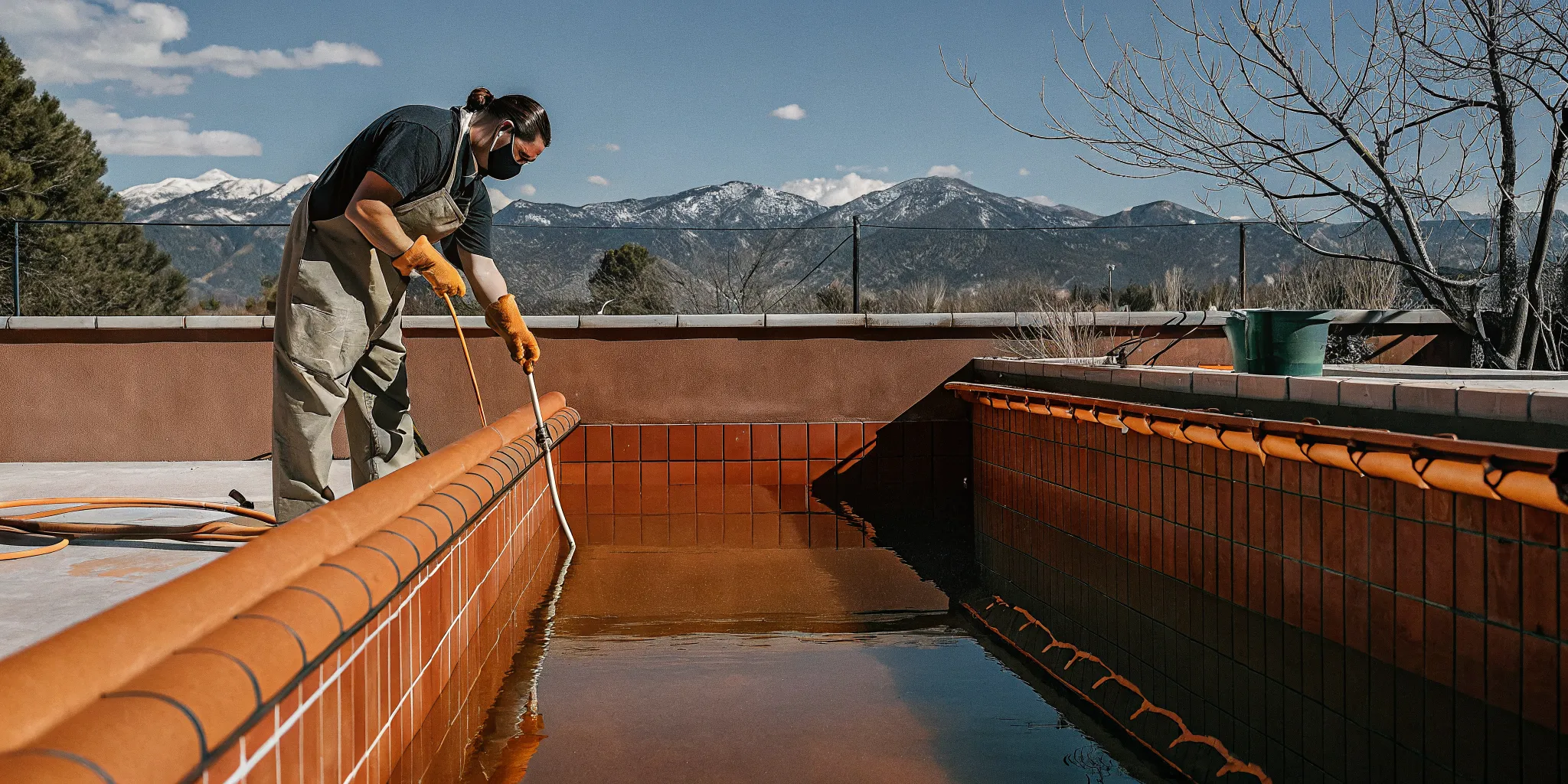
In Denver Metro, a pool finish has to do more than look good on opening day. High-altitude UV exposure can speed chemical evaporation, while dry air, hard water, and repeated freeze-thaw cycles place added stress on the surface and the concrete shell beneath it. That makes finish selection a climate decision as much as a color or texture choice.
Schedule a free consultation to compare pool finish and remodel options for your pool.
The best pool finish options Colorado homeowners consider are plaster, quartz aggregate, and pebble. Quartz and pebble often offer greater resistance to etching, chemical shifts, and long-term wear than standard plaster. The right choice depends on your pool's condition, water chemistry, budget, and how much texture you want underfoot.
A pool finish is also the primary waterproof barrier protecting the shell from chemically aggressive water, so its expected lifespan and maintenance needs matter. Before choosing a surface for a remodel or resurface, it helps to compare how each finish performs in actual Colorado conditions.
Which Pool Finish Options Colorado Homeowners Actually Choose
Colorado pool owners have more choices than basic white plaster, and the difference matters in Denver Metro conditions. A finish is not merely a color or texture. It is the primary waterproof barrier protecting the concrete shell from chemically aggressive, high-altitude water. So the right surface should balance appearance, water chemistry, expected service life, and how the pool feels underfoot.
Plaster and marcite
Traditional plaster, often called marcite, remains the straightforward entry point for a concrete pool renovation. It creates a clean, familiar finish at a generally lower initial cost than aggregate surfaces. However, standard plaster typically lasts about 7 to 10 years and is more vulnerable to staining and etching when chemistry is difficult to control. Colorado's intense UV exposure, dry air, and freeze-thaw weather can make consistent maintenance especially important.
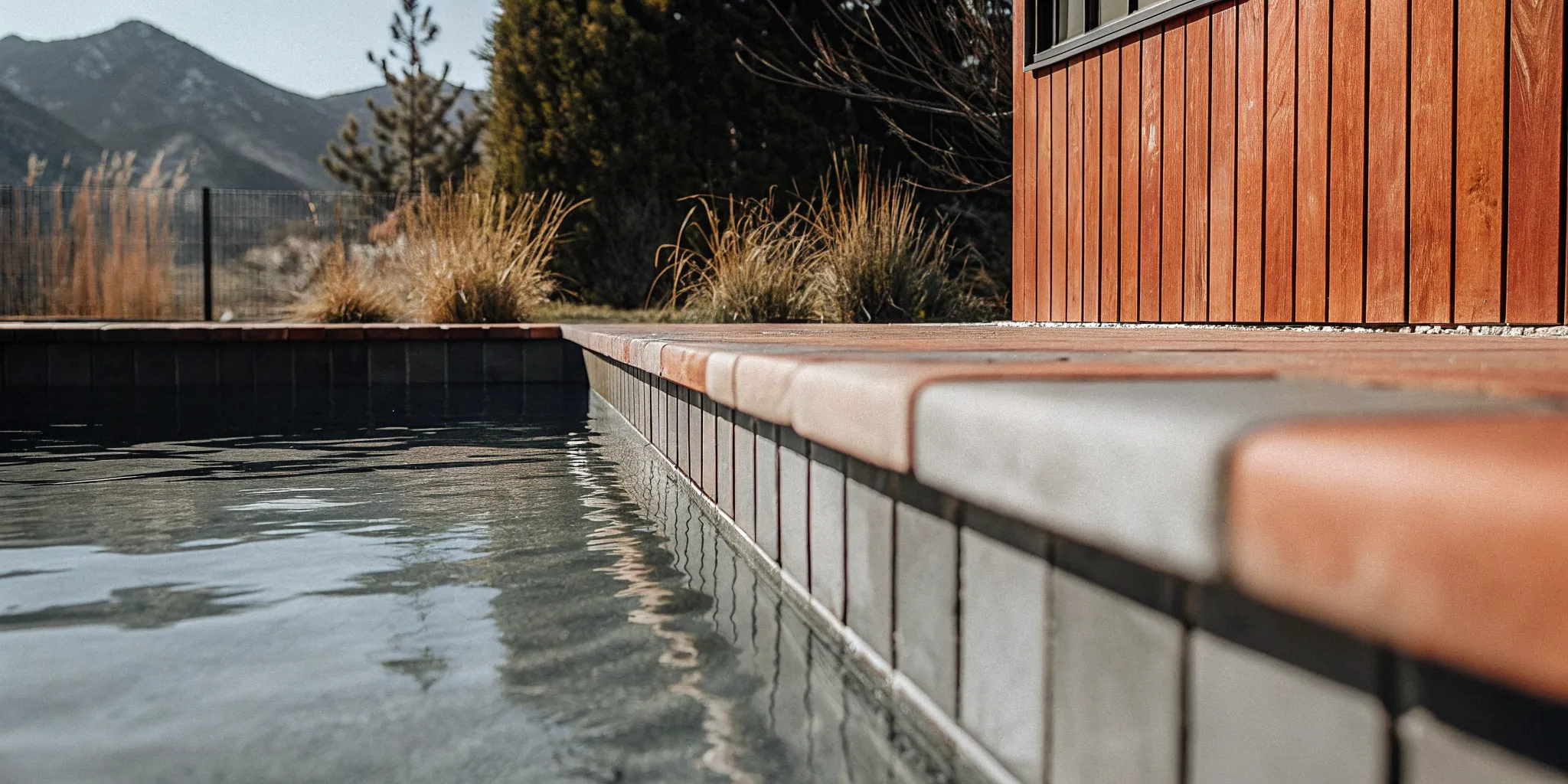
Quartz aggregate
Quartz aggregate blends plaster with harder quartz particles. The result is a more durable surface with greater resistance to etching and chemical damage than basic marcite. Many homeowners choose it as a middle ground: more texture and visual variation than plain plaster, without the pronounced texture of a pebble finish. It commonly lasts about 15 to 20 years when properly installed and maintained.
Pebble and exposed aggregate
Pebble finishes use natural stone aggregate to create a textured, longer-wearing surface. They are typically more expensive, but they can last 20 years or more and provide a distinctive, natural appearance. Aggregate and pebble surfaces are also durable options for Colorado because they better resist the abrasive conditions and chemical shifts associated with rapid evaporation. The texture is not right for every swimmer, so it should be evaluated alongside comfort and cleaning requirements.
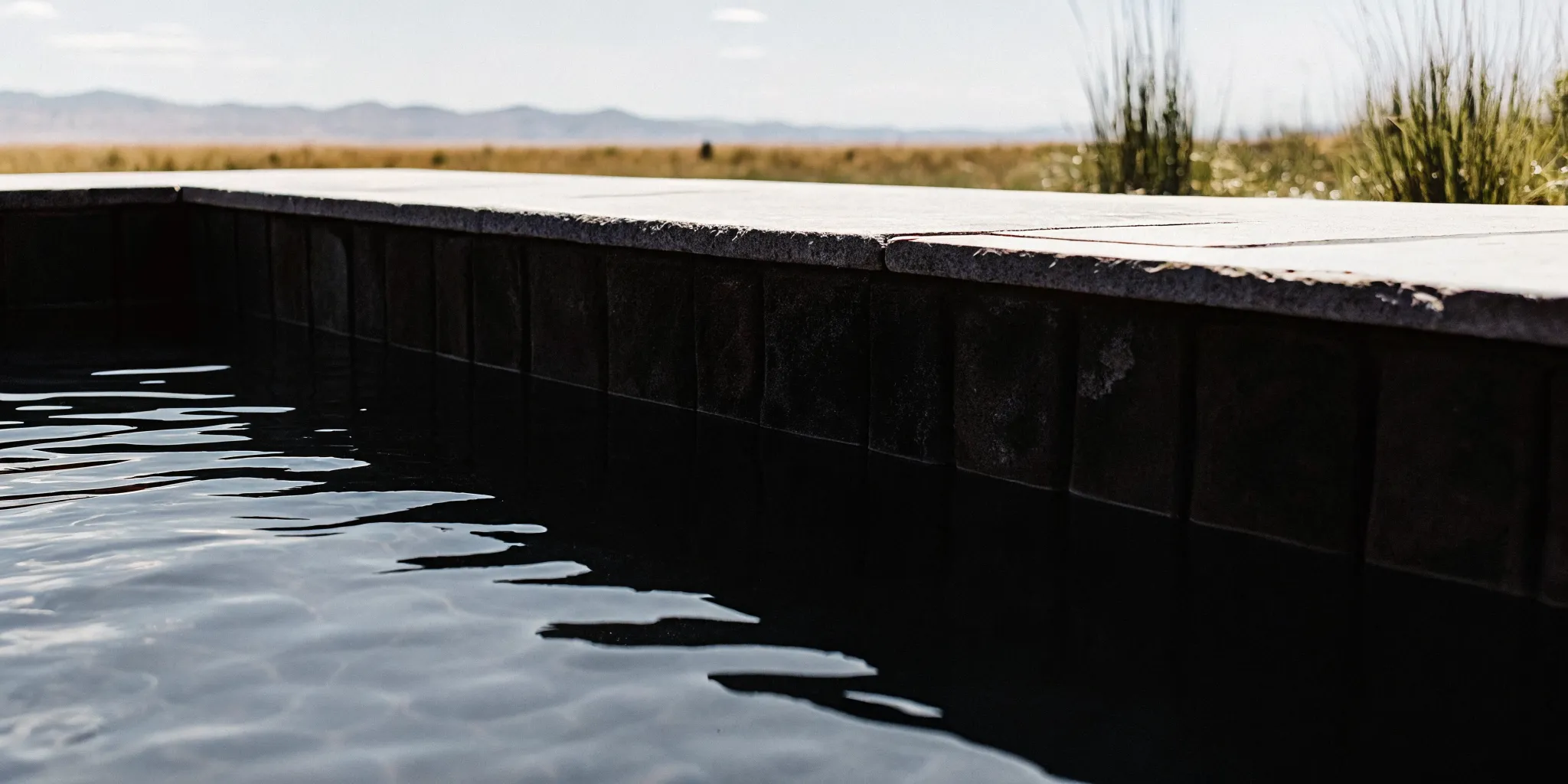
Glass bead finishes
Glass bead finishes add reflective color and a smoother, more decorative look than many stone aggregates. They are often selected when the visual effect is a major part of the remodel design. Their performance depends heavily on the complete finish system, installation quality, and water chemistry. So they should be discussed as part of the pool's specific resurfacing plan rather than judged by appearance alone.
For concrete or gunite pools, resurfacing is generally needed every 10 to 15 years to maintain the finish's appearance and protective role. Reviewing the options with a local specialist can help match the surface to your water, weather exposure, and priorities. Neptune Pools outlines available pool finish and remodel options for Colorado properties.
Why Colorado Weather Demands More From a Pool Finish
In Denver, a pool finish is more than the surface you see underwater. It is the primary barrier between chemically aggressive water and the concrete shell. When that barrier becomes porous, etched, or cracked, the shell is exposed to the same conditions that accelerate surface wear across Colorado.
High altitude makes water chemistry harder to keep stable. Above 5,000 feet, ultraviolet radiation is about 20% stronger than at sea level, and chlorine can burn off 30% to 50% faster than it does at lower elevations. That faster loss does not automatically damage a finish, but it creates more frequent chemistry changes and more opportunities for water to drift out of balance. A finish selected for Colorado should be evaluated alongside the pool's sanitation routine, not treated as a separate cosmetic decision. Learn more about Colorado's high-altitude pool conditions.
Freeze-thaw movement reaches beyond the surface
Denver's winter pattern adds another type of stress. The area can experience more than 300 freeze-thaw cycles in a year, as water freezes during cold periods and expands, then contracts as temperatures rise. That repeated movement can crack plaster, loosen tile, damage coping, and rupture plumbing. A sound finish cannot eliminate movement in the surrounding structure. But it helps maintain the waterproof barrier and gives the shell better protection when small defects or seasonal stresses develop. Winterization and prompt repairs remain essential, especially when cracks or hollow-sounding tile are already visible.
Dry air concentrates minerals
Colorado's typical 15% to 30% humidity also matters. Evaporation can remove roughly 0.5 to 1 inch of water per day, concentrating calcium and other minerals in the water that remains. Those concentrated minerals can contribute to scale, staining, and surface roughness when testing and adjustments fall behind. For Denver homeowners, HOAs, and commercial operators, finish durability is therefore tied to regular water testing and appropriate maintenance, as well as the material chosen during a remodel. The goal is not simply a smoother-looking pool. It is to preserve the shell beneath the finish through Colorado's altitude, dry air, and repeated temperature swings.
Ready to plan a durable pool remodel? Talk to a Denver resurfacing specialist.
How Do Finish Options Compare for Colorado Conditions?
Colorado pool owners should compare more than color and texture. A finish must tolerate strong high-altitude UV exposure, freeze-thaw cycles, and hard water that can challenge water chemistry. The finish is also the pool's primary waterproof barrier, so its service life affects both appearance and the protection of the concrete shell. The ranges below are practical planning figures, not guarantees. Water balance, winterization, installation quality, and ongoing maintenance all matter.
| Finish | Typical service life | Colorado performance | Feel and appearance | Cost and value |
|---|---|---|---|---|
| Plaster (marcite) | About 7 to 10 years | Most vulnerable to staining and etching, especially when freeze-thaw stress and hard-water chemistry are not managed carefully. | Classic, smooth surface with a simple, traditional appearance. | Usually the lowest initial cost, but more frequent resurfacing can reduce long-term value. |
| Quartz aggregate | About 15 to 20 years | Harder than standard plaster and more resistant to etching and chemical damage. A strong middle-ground choice for demanding water conditions. | Smoother than pebble, with added sparkle from the aggregate. | Higher upfront cost than plaster, balanced by a longer expected service interval. |
| Pebble aggregate | More than 20 years | Durable natural-stone surface that can provide strong long-term performance when the shell, finish, and chemistry are properly maintained. | Distinctive natural look and a noticeably textured feel. | Typically the most expensive of these three options, but its longevity can support long-term value. |
| Glass bead aggregate | Varies by system and installation | A luxury finish that still depends on correct water balance and freeze protection. Evaluate the full system rather than the material alone. | Smoother, reflective, and more visually polished than a conventional pebble finish. | Premium pricing, best suited to a remodel where appearance is a major part of the investment. |
The lifespan estimates for plaster, quartz, and pebble align with SGM's pool finish comparison guide. For a Denver Metro remodel, quartz often offers a practical balance of durability, feel, and cost. Pebble may make sense when maximum longevity and a natural aesthetic justify the added expense. Plaster remains reasonable when the initial budget is the priority, provided the owner understands the shorter service interval and the need for disciplined chemistry.
How to Choose the Right Finish for a Denver Remodel or Resurface
A finish decision should begin with the pool's condition, not with a color chip. In Denver, the surface protects the concrete shell from chemically aggressive water while also facing high-altitude UV, hard water, and repeated freeze-thaw stress. A careful evaluation helps you choose a material that fits the structure, the maintenance plan, and the timing of the project.
- Assess the existing shell and finish. Look for widespread staining, etching, hollow or delaminated areas, cracks, exposed aggregate, and water loss. A finish problem may be repairable, but extensive deterioration can point to movement or damage below the surface. The inspection should also review tile, coping, drains, plumbing penetrations, and the areas where water collects.
- Match durability to the shell's remaining life. A concrete or gunite shell can outlast several finishes, and resurfacing is commonly needed every 10 to 15 years. That makes the finish a long-term protection decision rather than a cosmetic upgrade. Ask whether a standard plaster, quartz aggregate, or pebble surface is appropriate for the expected use, maintenance budget, and time you plan to keep the property. Neptune's pool resurfacing guide explains how the process fits into the life of an existing pool.
- Account for Denver's water and weather. High-altitude UV can accelerate chemical evaporation, while hard mountain water can concentrate calcium and contribute to surface deterioration. Freeze-thaw cycles add another seasonal risk when moisture reaches vulnerable cracks or edges. Your contractor should specify compatible materials and recommend water-balance and freeze-protection practices for the actual site, rather than treating a Denver pool like one in a milder climate.
- Schedule around mild weather. Spring and fall can offer more workable conditions than the hottest part of summer or the approach of winter. Build in time for surface preparation, curing, filling, and water chemistry startup. Weather delays are preferable to rushing a finish when temperatures or nighttime conditions are unsuitable.
- Retain a certified local contractor. Choose a team that can document relevant renovation experience and explain its material selection in practical terms. A certified local professional should evaluate the shell, drainage, freeze depth, water chemistry, and high-altitude exposure together. For Denver-specific pool finish and remodel options, request a site assessment before comparing estimates.
How Do You Protect Any Pool Finish Through a Colorado Winter?
Winter preparation is one of the most important ways to protect a pool finish in the Denver Metro area. Freeze-thaw cycles can stress small cracks, weak spots, and areas where the finish has already begun to separate from the shell. Proper winterization reduces that risk by preparing the plumbing and equipment for freezing temperatures. Lowering exposure to standing water in vulnerable components, and confirming that the pool can safely remain closed through the season.
Balance the water before closing
Water chemistry still matters after swimming season ends. Water that is too acidic or chemically aggressive can wear away the finish and weaken the concrete shell's primary waterproof barrier. Hard mountain water can also contribute to calcium-related deposits and plaster deterioration when calcium hardness and pH are not managed carefully. Before closing, test and adjust pH, alkalinity, sanitizer, and calcium hardness for the pool's finish and local water conditions. Continue checking the water when the cover and winter plan call for it rather than treating closure as a set-and-forget step.
Colorado's high altitude also means stronger UV exposure, which can accelerate chemical evaporation and make stabilizer management more important during the swimming season. Consistent pool maintenance helps keep those chemistry swings from shortening the useful life of plaster, quartz, or pebble surfaces.
Use the cover as a finish-protection tool
A properly fitted, well-maintained cover limits leaves, dirt, and other debris that can stain or abrade the surface. It also reduces direct UV exposure and helps keep winter precipitation from adding unnecessary dilution and contamination. Keep water and debris from accumulating on the cover, inspect it for damage, and address gaps that allow debris into the pool. Cover care is not a substitute for winterization, but it adds another layer of protection against the conditions that make refinishing more likely.
If you see cracks, staining, exposed aggregate, or rough areas before closing, document them while the pool is accessible. A guide to cosmetic pool repairs can help distinguish surface concerns from signs that deserve a professional inspection. Addressing deterioration before repeated freeze-thaw cycles gives you more options and supports longer finish life.
Get a free resurfacing estimate before Denver's freeze-thaw season.
Frequently Asked Questions
Which pool finish is best for a Colorado climate?
There is no single best finish for every Denver-area pool. Quartz and pebble aggregate are often strong choices when you want more resistance to chemical shifts, abrasion, and freeze-thaw stress than basic plaster can provide. The right selection also depends on the existing shell, water chemistry, texture preference, budget, and how consistently the pool will be maintained.
How long should a pool finish last in Colorado?
Standard plaster commonly lasts about 7 to 10 years. While quartz finishes are often rated around 15 to 20 years and pebble finishes can last 20 years or more. Actual service life depends on installation quality, balanced water, winterization, and the amount of exposure to Colorado's intense sun and seasonal temperature changes. These are planning ranges, not guarantees.
Can freeze-thaw cycles crack a pool finish?
They can contribute to cracking and surface deterioration, especially when water reaches existing defects or the pool is not properly prepared for winter. Freeze protection should be considered alongside the finish selection, not treated as a separate afterthought. A remodel assessment can determine whether damage is limited to the surface or indicates a deeper shell or plumbing concern.
How often does a concrete pool need resurfacing?
Concrete or gunite pools generally need resurfacing about every 10 to 15 years, according to Colorado Poolscapes. Earlier work may be appropriate when the finish is rough, stained, etched, losing material, or no longer protecting the shell from chemically aggressive water. A professional inspection helps distinguish normal aging from damage that needs prompt attention.
What maintenance helps a new finish last longer?
Test and balance the water regularly, keep calcium and sanitizer levels appropriate for the finish, maintain proper water circulation, and complete winterization before sustained freezing weather. Colorado's dry air and high-altitude UV exposure can accelerate evaporation and chemical changes, so consistent monitoring matters even when the pool is not being used heavily.
Talk to a certified Denver pool specialist before you choose a finish.
Ready to Plan a More Durable Pool Finish?
The right finish can help your pool better match Colorado's weather, water chemistry, and long-term maintenance needs. Schedule a remodel or resurfacing consultation with Neptune Pools to discuss practical options for your pool and property. Contact Neptune Pools about pool finish and remodel options.
Related Blogs