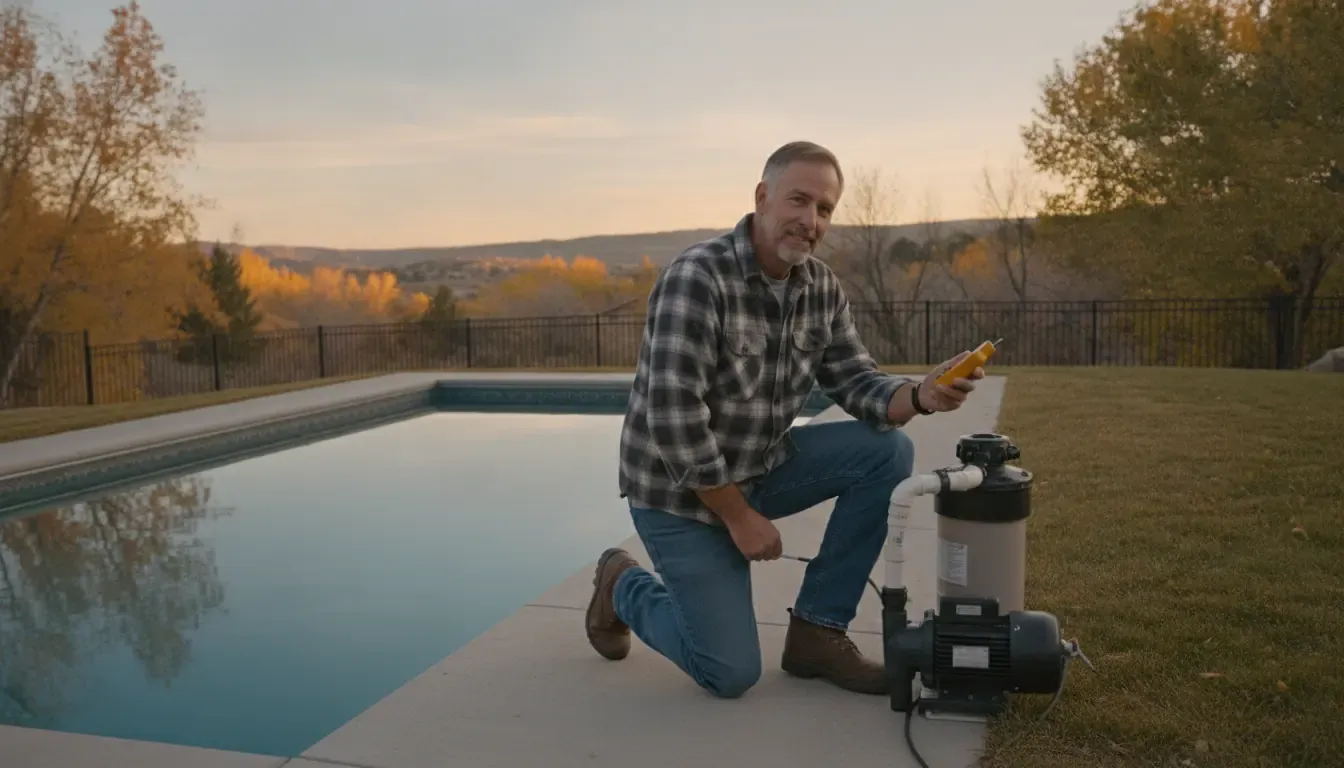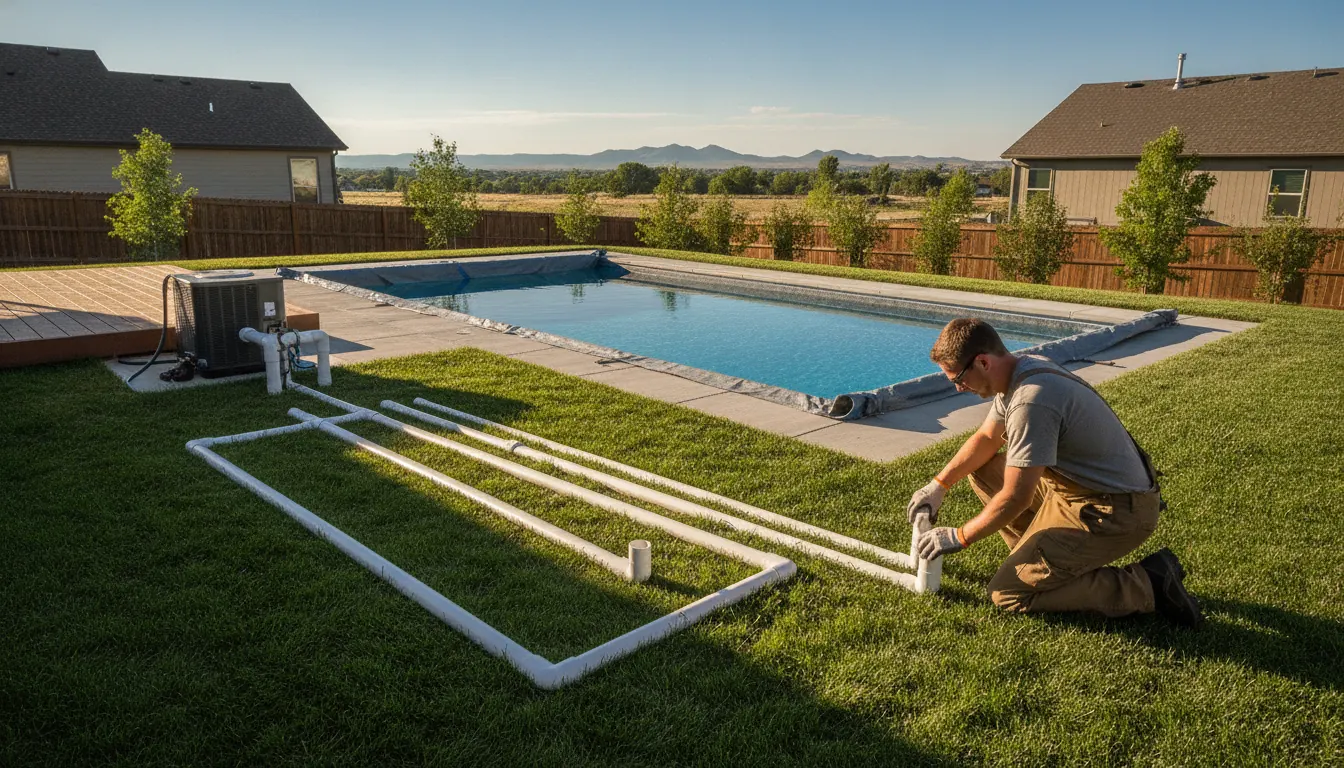
Pool Leak Repair Renovation Denver Guide for Homeowners
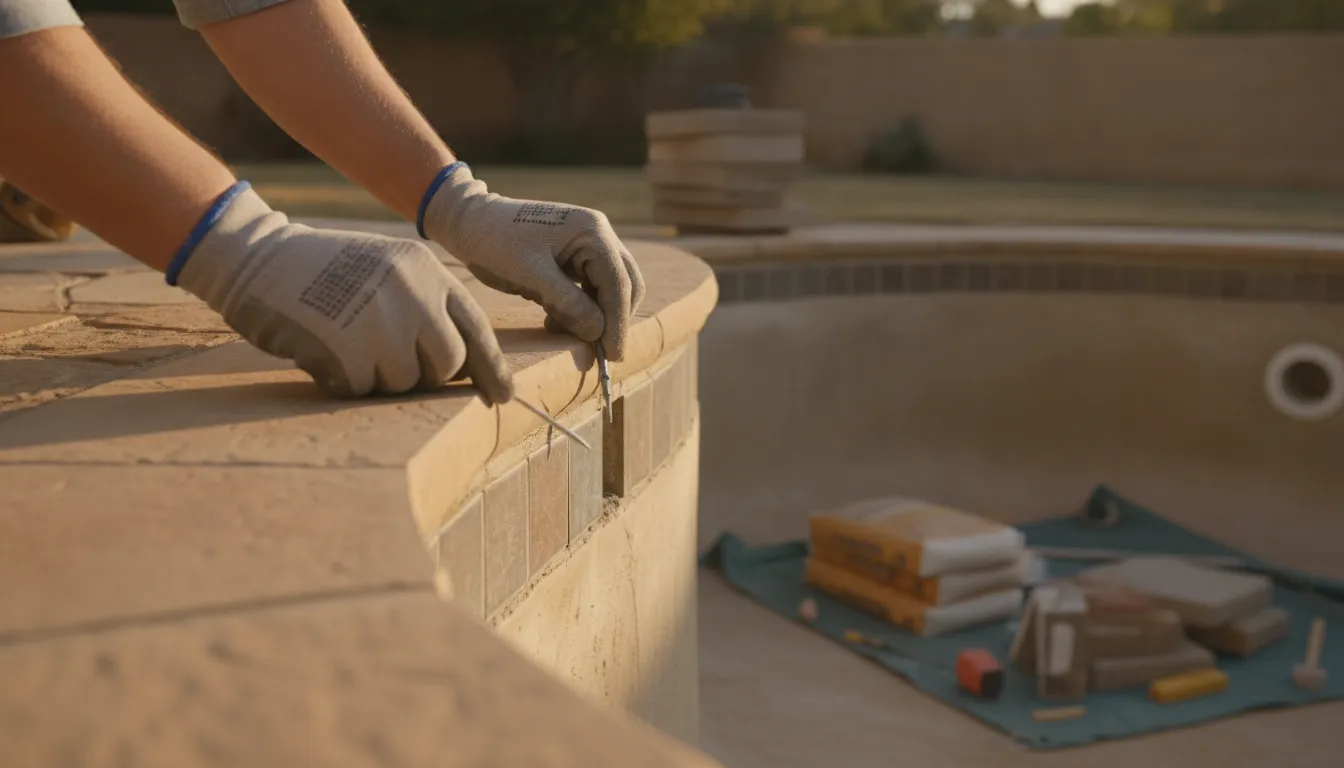
A pool renovation can transform an older Denver-area pool, but new tile, coping, plaster, or equipment cannot correct an unresolved leak. Before work begins, the water loss needs to be identified and the underlying issue addressed, whether it is in the shell, plumbing lines, or connected equipment. Colorado's freeze-thaw cycles and freeze-protection demands make that pre-renovation check especially important.
For a lasting renovation, pool leak repair renovation denver planning should start with leak detection. A defined repair scope, and testing that confirms the system holds water before new finishes are installed.
That approach helps homeowners, HOAs, and property managers avoid covering a known problem with expensive new surfaces. It also creates a clearer project budget, especially when transparent, upfront pricing is part of the renovation plan. The first step is understanding why leak repair belongs at the beginning of the renovation process, not after the finished pool is back in service.
Contact Neptune Pools to plan your pool renovation and leak repair together
Why Pool Leak Repair Matters Before a Denver Pool Renovation
A renovation can make an older pool look new without resolving the problem beneath the surface. Before selecting new finishes, tile, coping, or other upgrades, the pool should be evaluated for water loss and structural issues. Leak detection is a proactive step that helps protect the integrity of the renovation, rather than treating a leak as an unrelated problem after the work is complete.
This matters especially in the Denver Metro area. Colorado pools face seasonal temperature changes, freeze protection concerns, and freeze-thaw conditions that can affect plumbing, shells, and connected equipment. A renovation plan that does not account for those conditions may improve appearance while leaving an active source of damage in place.
Many renovation projects focus primarily on surface and aesthetic upgrades. That scope may not automatically include leak detection or structural repair. Those services should be requested during planning and tested separately so the renovation team can distinguish a finish issue from a plumbing or shell problem. Neptune Pools treats leak repair as part of its equipment repair and servicing capability. Giving owners a practical way to address the underlying condition before new materials are installed.
New finishes cannot compensate for an unresolved leak
Installing a new finish over an active leak can put the entire investment at risk. Continued water loss may point to a plumbing line, pool shell, or connection that needs attention. Water moving where it should not can also complicate surrounding materials and make it harder to determine whether a later problem came from the renovation or from a pre-existing condition.
Repairing the leak first creates a more reliable starting point. The scope can be evaluated, the repair can be tested, and the renovation can proceed with fewer unknowns. It also helps avoid the disruption and added expense of removing new finishes to reach an issue that should have been addressed before construction.
Plan the repair and renovation as connected scopes
Owners should ask for the leak assessment, repair recommendation, testing requirements, and renovation work to be clearly identified in the project plan. This is useful for homeowners, HOAs, property managers, and commercial operators who need a predictable schedule and a defensible budget. Neptune Pools provides transparent, upfront pricing for maintenance and renovation packages, so the expected investment is easier to understand before work begins.
For a coordinated assessment of the pool's condition and planned upgrades, review the pool renovation service information before approving the project scope. Planning leak repair before cosmetic work protects the new finish, reduces avoidable surprises, and gives a Denver pool renovation a stronger foundation.
How Do You Detect Pool Leaks Before a Renovation?
Leak detection should happen before demolition, resurfacing, tile replacement, or other renovation work begins. Otherwise, a hidden plumbing or shell problem can remain beneath new finishes and force you to disturb recently completed work. A renovation-ready inspection separates water loss caused by a structural defect from normal evaporation and identifies the repair scope while the pool is already being planned for service.
For Denver Metro pools, professional testing generally focuses on two areas: the plumbing lines and the pool shell. Pressure testing on plumbing lines and underwater dye testing for shell cracks are essential parts of professional leak detection. Read more about professional pool leak detection if you want the broader diagnostic process before discussing renovation options.
1. Establish that water loss is abnormal
The first step is to document the symptoms and rule out simple explanations. The owner or technician may note how quickly the water level drops. Whether the loss changes when the circulation system runs, and whether the pool needs unusually frequent topping off. Equipment operating conditions, recent freeze events, visible cracks, damp soil, and water around the pad can also help narrow the search.
Evaporation varies with weather, wind, temperature, pool use, and exposure. That matters in Colorado's dry, high-altitude climate, where water loss can be mistaken for a leak. A controlled comparison gives the technician a better baseline before opening a deck or removing a finish.
2. Pressure-test the plumbing lines
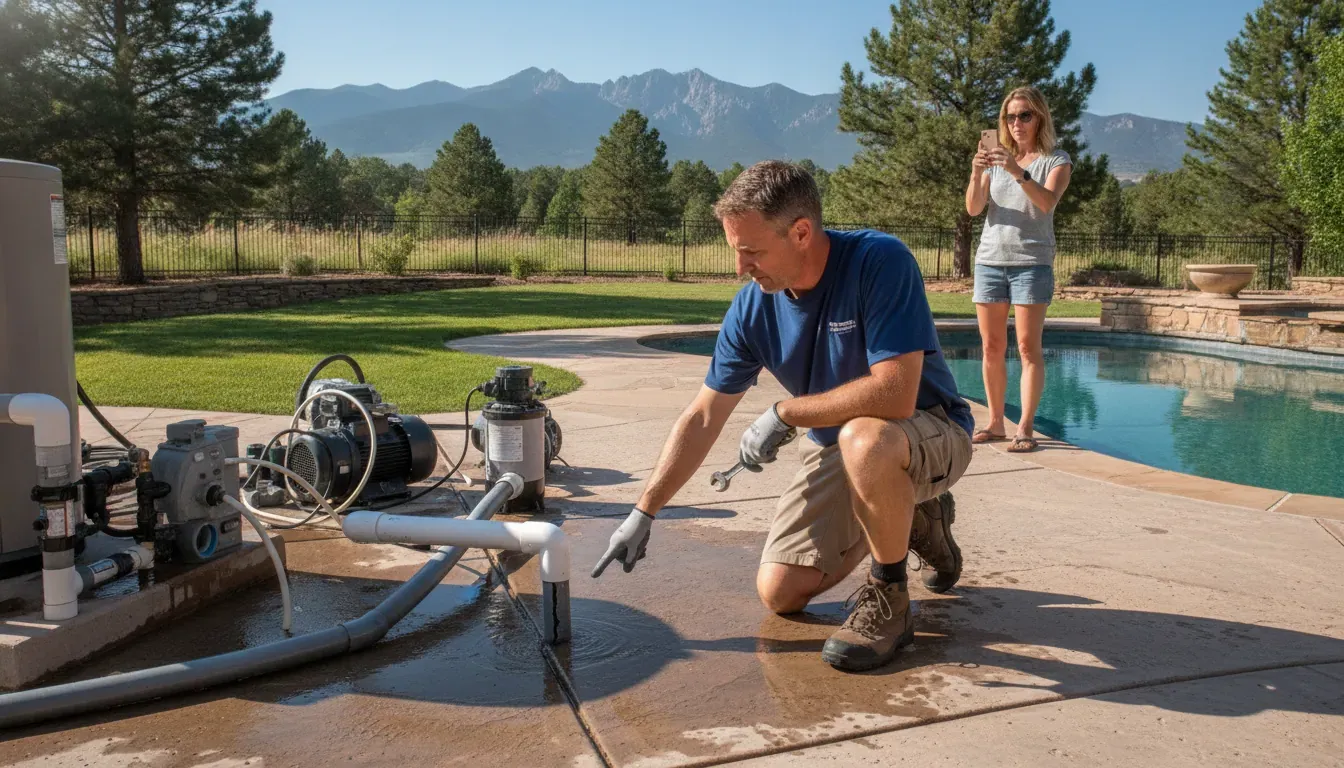
Pressure testing helps determine whether the underground or concealed plumbing can hold pressure. The technician isolates relevant lines, applies controlled pressure, and monitors whether that pressure remains stable. A loss may indicate a problem in a suction line, return line, cleaner line, or another connected section of the circulation system. The results help identify which line needs repair and whether access will be required through the deck, equipment area, or another location.
This step is especially valuable before renovation because it supports a targeted repair plan. Rather than replacing finishes first and investigating water loss later, the renovation team can coordinate plumbing access with the planned demolition and reduce unnecessary disruption.
3. Use underwater dye testing for shell cracks
If the plumbing lines hold pressure, attention can shift to the shell and penetrations. Underwater dye testing places a contrasting dye near a suspected crack, fitting, drain, light niche, or other opening while the water is still. If the dye is drawn toward a defect, it can help confirm the leak location. This is useful for concrete and gunite pools, where small shell cracks may be difficult to see through normal visual inspection.
Once the source is identified, Neptune Pools can explain the repair recommendation and how it fits with the planned renovation. Testing first gives Denver homeowners, HOAs, and property managers a clearer scope, helps protect new finishes, and makes the renovation budget more predictable.
What Causes Pool Leaks in Denver Pools?
Denver pools face conditions that can expose small weaknesses in the shell, plumbing, and surrounding structure. Freeze-thaw cycles are a major concern. Water that remains in plumbing or small cracks can freeze, expand, and place stress on fittings, lines, and concrete or gunite surfaces. As the ground freezes and thaws, shifting soil can add movement around the pool shell and underground plumbing. Over time, that movement may widen a crack or separate a connection.
Pool systems also age from ordinary use and weather exposure. Deteriorated plumbing lines, worn fittings, and failed seals can allow water to escape below the deck or behind the pool wall. Cracks in a gunite or concrete shell may be visible, but some leaks are hidden beneath tile, coping, decking, or backfill. Aging tile and coping can create pathways for water intrusion as joints loosen or materials separate from the structure.
Hydrostatic pressure is another factor to consider during inspection and renovation planning. Groundwater around an in-ground pool can push against the shell, especially when drainage conditions change. Pressure does not explain every leak, but it can contribute to structural stress and complicate repairs when a pool is emptied or its water level changes significantly. A qualified technician should evaluate the shell, plumbing, and surrounding conditions together rather than treating the water loss as a surface-only problem.
Colorado's dry, high-altitude air can make normal evaporation look like a leak. Wind, low humidity, warm weather, and an uncovered pool can all increase water loss. The U.S. Environmental Protection Agency reports that a pool cover can prevent up to 95 percent of pool water evaporation: EPA pool water efficiency guidance. A controlled evaporation test can help separate expected water loss from a plumbing or structural leak, but unexplained or accelerating loss deserves professional testing.
Freeze protection is therefore not an optional seasonal detail for Denver pool owners. Neptune Pools specializes in freeze protection for Colorado pool systems, along with equipment repair and servicing. Addressing the cause before resurfacing, tile work, or other renovation work helps prevent a new finish from covering an unresolved problem.
Standard Leak Repair vs. Leak Repair During a Renovation
The right repair scope depends on what the pool needs now and what you plan to change next. A standalone repair is designed to isolate one leak and restore dependable operation with as little disruption as possible. A renovation repair treats the leak as one part of a larger project. Coordinating structural, plumbing, and finish work so the pool is not opened twice for related problems.
| Consideration | Standalone leak repair | Leak repair during a renovation |
|---|---|---|
| Primary purpose | Resolve an isolated leak and return the pool to service. | Correct the leak while improving or rebuilding other pool components. |
| Typical scope | Focused testing, access, repair, and confirmation of the affected shell, fitting, or plumbing line. | Leak repair coordinated with resurfacing, tile, coping, plumbing, or other renovation work. |
| Disruption | Usually limited to the area and systems needed for the repair. | More extensive because the pool is already being drained, opened, or taken out of service. |
| Long-term result | Efficient when the surrounding structure and finishes remain in sound condition. | Often the better fit when aging finishes or related components need attention at the same time. |
| Planning | Schedule the repair as a separate service and monitor the repaired area. | Coordinate diagnosis, repair, testing, and finish installation in one project schedule. |
Standalone work makes sense when testing identifies a discrete failure and the pool's surrounding finishes do not need replacement. Neptune Pools provides equipment repair and servicing, including leak-related repairs, so the response can stay focused when the problem is limited.
Renovation-scoped work is different because a new surface or tile installation should not conceal an unresolved leak. Confirm the leak location and repair plan before final finishes are installed. That coordination can reduce duplicated access, scheduling conflicts, and the risk of disturbing new work later. It also gives the owner a clearer view of the full project scope and budget instead of treating connected repairs as surprises.
Preventive maintenance supports both approaches. The CDC recommends replacing equipment or parts before failure as part of a preventive maintenance program, helping operators avoid emergency repairs. Read the guidance on preventive maintenance when building a maintenance plan around a renovation or repair schedule.
For commercial facilities, the decision deserves additional care. Larger pools and more complex plumbing networks can make isolation and scheduling more involved, and leak detection requires specialized expertise. Neptune Pools explains the considerations in its guide to commercial pool leak detection. The goal is not simply to stop visible water loss, but to repair the cause and coordinate the work with safe, predictable pool operations.
Get a renovation-ready leak repair evaluation from Neptune Pools
Is Pool Leak Repair Required Before Resurfacing?
In most cases, yes. Resurfacing covers the pool's interior, but it does not correct a leaking shell, plumbing line, fitting, or structural joint beneath that finish. If water is escaping before the renovation, the underlying problem should be identified and repaired before applying plaster, pebble, or another new surface. Otherwise, the new finish may be exposed to continued moisture movement, lose adhesion, or crack as the original issue worsens.
This planning step matters because many renovation projects are scoped around visible, aesthetic improvements. A new finish can make the pool look renewed while leaving a structural leak untouched. Neptune Pools notes that leak detection and structural repair must be specifically requested and tested during renovation planning, rather than assumed to be included in surface upgrades. Review the full remodel and rehab services before finalizing the project scope.
Why the new finish can fail when a leak remains
A resurfacing crew needs a stable substrate. An active leak can keep surrounding materials wet, carry water through cracks, or point to movement in the shell or plumbing system. The finish itself may not be the source of the problem. But it can fail sooner if the structure below it is still shifting or allowing water to escape. Repairing first gives the renovation team a sound surface and makes it easier to separate an installation issue from a pre-existing structural condition.
The right repair depends on where the water is going. Plumbing leaks require attention to the affected line or connection, while shell cracks and other structural leaks require a different evaluation. Professional testing may include pressure testing on plumbing lines and underwater dye testing around suspected shell cracks. Those methods help locate the source before the pool is drained and resurfaced, instead of relying on water-level observations alone. See Neptune Pools' professional pool leak detection guide for more background.
Separate evaporation from a true leak
Colorado pool owners should also avoid treating every drop in water level as proof of a shell or plumbing failure. High-altitude sun, dry air, wind, and pool activity can produce noticeable evaporation. The U.S. Environmental Protection Agency states that a pool cover can prevent up to 95 percent of pool water evaporation. Making a cover an important water-efficiency measure as well as a useful part of evaluating unexplained water loss. Source: EPA WaterSense pool water efficiency guidance.
A cover can reduce normal evaporation, but it cannot repair an active leak. If water loss continues after reasonable evaporation is accounted for, professional testing can distinguish normal conditions from a problem in the shell or plumbing. Confirming that distinction before resurfacing protects the renovation investment and helps the owner budget for the work accurately, with fewer surprises after the new finish is installed.
The Renovation-Ready Pool Leak Repair Process
A renovation is the right time to resolve a leak, but the sequence matters. A new finish cannot compensate for water escaping through a cracked shell or damaged plumbing, and covering the problem can make future repairs more disruptive. In Denver Metro, the process should account for both the pool structure and the equipment and plumbing that face seasonal freeze risk.
A preventive maintenance program follows the same practical principle: replace equipment or parts before failure creates an emergency. The Centers for Disease Control and Prevention recommends preventive maintenance for public-pool equipment, and the approach is useful for renovation planning as well. A renovation-ready leak repair should proceed in five controlled stages:
- Complete professional leak detection. Begin with a structured inspection rather than assuming the source is visible. Pressure testing evaluates the plumbing lines, while underwater dye testing helps identify water movement through shell cracks. These are established parts of professional pool leak detection and help separate normal evaporation from an active structural or plumbing leak.
- Isolate and locate the leak. Once testing identifies a loss, the technician narrows the problem to the affected line, fitting, drain, light niche, or shell area. Isolation prevents unnecessary demolition and gives the renovation team a defined repair scope. It also helps determine whether the issue is related to the pool shell, underground plumbing, or equipment connections.
- Repair the shell or plumbing. The appropriate repair depends on the test results. Shell damage may require crack or structural repair, while a plumbing leak may call for work at a line, connection, or equipment point. In Colorado, the assessment should also consider freeze-related damage and seasonal freeze protection, which is a critical operational concern for pool systems.
- Pressure-test the completed repair. Do not move directly from repair to resurfacing. Test the repaired system again to confirm that the leak has been resolved and that the plumbing can hold pressure. This verification protects the renovation investment and creates a clear handoff from leak repair to finish preparation.
- Proceed with resurfacing or refinishing. After the repair passes testing, the renovation can move forward with surface preparation, resurfacing, refinishing, or related upgrades. Planning the work in this order reduces the risk of installing a new finish over an unresolved leak. For a coordinated scope, review Neptune Pools' pool remodel and rehab services and discuss the repair and finish work together.
This sequence keeps diagnosis, repair, verification, and renovation connected. It is also useful for Denver Metro homeowners, property managers, and HOAs who need a predictable plan instead of an emergency repair after the new surface is installed.
How Much Does Pool Leak Detection and Repair Cost in Denver?
There is no responsible single price for pool leak detection and repair in Denver. The final scope depends on where the leak is located, how accessible the affected plumbing or shell is, and whether electronic leak-location equipment is needed. A simple, visible equipment-area issue can require a very different investigation from a concealed underground plumbing leak discovered during a renovation.
For homeowners, the most useful first step is to separate detection from repair. Detection identifies the source and limits unnecessary demolition. Repair pricing then reflects the actual work required, such as repairing a plumbing line. Sealing a shell crack, correcting an equipment connection, or opening an area before new finishes are installed. Asking for both parts of the scope helps prevent an attractive renovation estimate from leaving an unresolved water-loss problem behind.
Neptune Pools provides transparent, upfront pricing for maintenance and renovation packages, which supports more predictable budgeting as the scope becomes clear. Rather than inventing a flat leak-detection number, a qualified provider should explain what testing is recommended, what areas may need access, and which repairs are included or excluded. You can review the company's pool leak repair and equipment-servicing capabilities before approving work.
Why pool size and plumbing complexity affect the budget
Commercial and multifamily projects can require a broader investigation than a typical residential pool. The U.S. Environmental Protection Agency notes that a typical commercial pool may hold between 34,000 and 860,000 gallons of water. That range illustrates why water loss, plumbing layout, operating requirements, and access conditions can materially change the work involved. Commercial leak detection also calls for specialized expertise because larger systems can have more extensive plumbing and equipment.
For any property, provide the contractor with the pool's age, recent water-loss history. Equipment changes, renovation plans, and any areas where the shell, tile, coping, or deck have shifted. Those details help focus testing and create a clearer repair plan. If the leak is part of a larger maintenance concern, coordinating it with pool cleaning and maintenance can also help protect water quality while the project is evaluated.
Before accepting a renovation schedule, ask for a written scope that identifies the suspected leak source. Testing method, repair allowance, finish restoration, and any conditions that could change the estimate. This approach gives Denver pool owners a realistic basis for comparing options without relying on an unsupported advertised price.
Request a transparent quote for your pool leak repair and renovation
Frequently Asked Questions
Does a pool renovation include leak repair?
Not automatically. Many renovation projects focus on resurfacing, tile, coping, decking, or other visible improvements. Leak detection and structural or plumbing repair should be requested as a separate scope item, then completed before new finishes are installed.
How do you detect pool leaks before a renovation?
A professional evaluation may combine pressure testing on plumbing lines with underwater dye testing around suspected shell cracks. These tests help isolate whether water is escaping through underground plumbing, the pool shell, or a fitting before repair decisions are made.
What causes pool leaks in Denver-area pools?
Common causes include cracked plumbing, aging fittings, shell damage, and movement around the pool structure. Colorado freeze-thaw cycles can shift surrounding ground and place additional stress on concrete shells and plumbing, making freeze protection an important part of long-term planning.
Is leak repair required before pool resurfacing?
Underlying leaks should be resolved before resurfacing whenever testing confirms a problem. A new finish cannot correct a leaking plumbing line or structural crack. And completing surface work first can conceal access points and expose the new finish to avoidable damage.
How much does pool leak detection and repair cost in Denver?
There is no reliable single price because the scope depends on the pool, suspected leak location, testing required, and repair method. A transparent evaluation should identify the work needed and provide upfront pricing so leak repair can be budgeted alongside the renovation instead of becoming an unexpected change order.
Schedule Your Pool Renovation Consultation
Addressing a suspected leak before new finishes go in gives your renovation plan a clearer starting point. Neptune Pools can help coordinate the repair scope with the broader rehab work, using transparent pricing so you know what the next step involves. To discuss your project and schedule a consultation, contact Neptune Pools about your pool renovation.
Related Blogs