Pool Maintenance Cost Denver: 2026 Annual Budget Guide

Planning for pool maintenance cost Denver homeowners face requires more than multiplying a weekly cleaning price by the swimming season. A useful budget accounts for routine service, chemicals, opening and closing, electricity, small repairs, and a reserve for equipment problems. It also reflects Colorado conditions. Strong sun, evaporation, hard water, sudden weather changes, and freezing winter temperatures all affect the work required to protect clear water and reliable equipment.
Request a Denver pool maintenance plan built around your pool.
The most accurate number will always come from an assessment of your pool and preferred service level. Still, you can build a dependable annual plan before requesting a quote. This guide explains the cost categories to include, the local factors that change them, and the questions that help Denver homeowners compare service proposals fairly.
Pool maintenance cost Denver homeowners should plan for
A dependable Denver pool budget separates predictable routine care from seasonal services, utilities, and unexpected repairs. That approach gives homeowners a clearer annual picture than a single monthly average because every pool differs in size, equipment, usage, landscaping, and preferred service level.
Start with categories instead of searching for one universal monthly number. Two pools on the same street can have different budgets because of size, landscaping, equipment condition, usage, and whether the homeowner performs some tasks. A smaller pool with updated automation and little nearby debris may need less labor than a large, older pool surrounded by trees.
Separate predictable operating expenses from occasional work. This keeps a repair from making routine maintenance look unexpectedly expensive and makes it easier to decide how much reserve to keep.
| Budget category | What it commonly covers | How to plan |
|---|---|---|
| Routine care | Testing, balancing, skimming, brushing, baskets, and vacuuming as needed | Plan across the active season |
| Water-care products | Sanitizer, balancing products, and treatments required by current readings | Allow for heavier-use periods |
| Seasonal service | Opening, closing, and freeze-protection work | Set aside funds before spring and fall |
| Utilities | Pump operation, heating, and water replacement | Review monthly usage and equipment settings |
| Repairs and reserve | Service calls, worn parts, and unexpected equipment issues | Keep separate from routine-care funds |
Ask every provider what is included, excluded, and billed separately. One quote may include chemicals and routine filter attention, while another may price them separately. Comparing only the headline price can hide meaningful differences in service scope.
What changes the cost of pool care in Denver?
Denver pool-care costs change most with pool size, usage, equipment condition, nearby debris, and Colorado's strong sun and freeze risk. Neptune Pools evaluates these factors together because treating one symptom, such as cloudy water, without checking circulation or equipment can create recurring expense.
Pool size, features, and usage
More water and surface area generally require more testing, treatment, and cleaning time. Spas, water features, attached basins, and complex automation also add inspection points. Frequent parties or a busy community pool can increase sanitizer demand and debris, while a lightly used residential pool may remain more stable.
Sun, evaporation, and hard water
Denver's elevation and intense sunshine can affect water-care routines. Evaporation requires refilling, and replacement water can add minerals. Over time, hard-water conditions may contribute to scale if chemistry is not managed consistently. A locally experienced technician can watch trends rather than reacting only after deposits or cloudy water appear.
Landscaping and weather
Nearby trees, wind, construction dust, and storm debris change cleaning needs. A cover may reduce debris, but it also needs proper use and care. Spring weather swings and early autumn freezes can create additional work even when the pool is not seeing much swimmer use.
Equipment age and condition
A reliable pump, clean filter, working heater, and calibrated automation system make routine maintenance easier. Worn seals, leaks, poor circulation, or an undersized filter can drive repeat problems. If your system needs attention, Neptune Pools' equipment repair and servicing team can evaluate the cause rather than masking symptoms with extra chemicals.
Build your annual Denver pool budget step by step
The simplest way to build a realistic annual budget is to inventory the pool, choose who handles each task, total active-season and seasonal costs, then add utilities and a repair reserve. Review actual results monthly so the plan improves as Neptune Pools' service records reveal changing needs.
- Document the pool and equipment. Note pool dimensions, approximate volume, surface type, filter type, heater, sanitizer system, cover, and automation. Record the age and known condition of major components.
- Choose a service approach. Decide whether you want full professional care, a hybrid plan, or mostly DIY maintenance with periodic expert visits. Be honest about the time you can reliably give the pool every week.
- Price the active season. Denver's swimming season is concentrated around warmer months, but the exact opening and closing dates depend on weather and how you use the pool. Build a routine-care budget for every week the system is operating.
- Add opening and winterization. Treat seasonal work as essential protection, not an optional add-on. Correct closing procedures help protect plumbing and equipment when temperatures fall below freezing.
- Estimate utilities and supplies. Review past electric, gas, and water bills when available. Account for sanitizer and balancing products based on actual test results rather than a fixed shopping list.
- Create a repair reserve. Keep a separate amount for service calls and worn components. Older heaters, pumps, filters, and automation may justify a larger reserve.
- Review results monthly. Track readings, dosages, repairs, and utility use. Adjust the budget when usage or equipment changes.

Neptune Pools provides electronic maintenance reports with chemical readings, dosages, and before-and-after photos. That documentation helps homeowners see where money is going and spot developing patterns. It also creates a useful history when a repair diagnosis is needed.
What does professional pool maintenance include?
Professional pool maintenance typically combines water testing and balancing, physical cleaning, basket care, and a visual equipment check. Neptune Pools documents readings and service decisions so homeowners can distinguish recurring maintenance from repairs, specialty treatments, and seasonal work that may be billed separately.
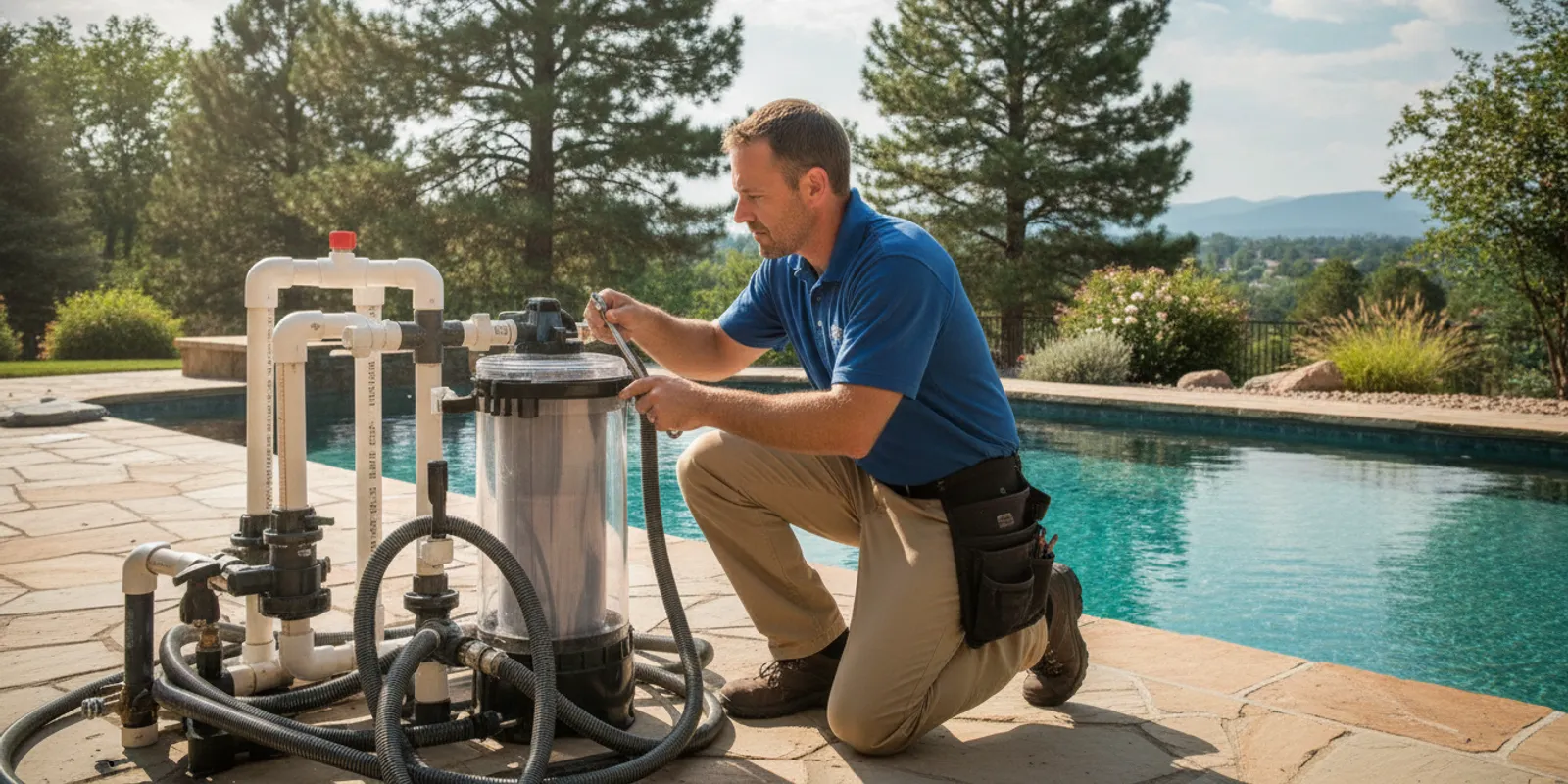
A professional visit usually combines water care, cleaning, and a visual equipment check. The exact scope depends on the plan, so confirm it in writing. Typical tasks include testing and balancing water, skimming the surface, brushing walls or steps, emptying baskets, and vacuuming when needed. Technicians may also check circulation, observe equipment operation, and identify leaks or unusual sounds.
Read Neptune Pools' guide to what is included in professional pool service and compare it with any proposal you receive. Ask whether the following are included or separate:
- Routine chemicals and specialty treatments
- Filter cleaning or media replacement
- Opening and closing services
- Repairs, replacement parts, and emergency visits
- Green-pool recovery after an interruption
- Water added because of evaporation or a leak
Clear reporting matters as much as the checklist. A record of readings and treatment decisions lets you verify that the pool is receiving consistent care. It also helps distinguish routine maintenance from a repair or water-quality correction that requires extra labor.
DIY versus professional service: which fits your budget?
DIY care can reduce direct labor expense, but it requires consistent time, accurate testing, product knowledge, and dependable follow-through. Missing a week during hot, sunny weather can allow a small imbalance to become a larger cleanup. Buying products without test-based dosing can also waste money or create new water problems.
Professional service can offer predictable scheduling, trained observation, and documentation. It is especially valuable for homeowners who travel, manage multiple properties, or do not want to troubleshoot circulation and chemistry. A technician may notice early evidence of a leak, worn seal, weak flow, or scaling before it becomes a major interruption.
A hybrid approach works for some owners. You might handle skimming and simple basket cleaning while using a professional for water management, periodic inspections, opening, and winterization. Whatever approach you choose, assign responsibility clearly. A task that both parties assume the other is handling can quickly become an expensive gap.
For a closer look at available options, review Neptune Pools' Denver pool maintenance services. Compare the value of your time, the consistency you need, and your comfort with equipment before selecting a plan.
How can you control costs without cutting essential care?
Control pool costs by preventing repeat problems, not by skipping essential care. Consistent water balance, correct circulation, early leak repairs, and well-kept service records can reduce waste and help Neptune Pools diagnose changes before they develop into larger interruptions.
Maintain steady water balance
Consistent testing and measured treatment are usually more efficient than repeatedly correcting neglected water. Follow readings rather than adding products on a guess. Store supplies safely and avoid buying specialty treatments before confirming that they are needed.
Keep water moving correctly
Good circulation and filtration support effective cleaning and chemistry. Empty baskets, watch pressure, and address weak flow promptly. Do not simply run equipment longer to compensate for a mechanical issue. A diagnosis may be more economical than higher utility use.
Fix leaks and small faults early
Unexplained water loss can increase water and chemical use. Small equipment issues can also create secondary damage if ignored. Document changes and request service when something no longer looks, sounds, or performs normally.
Use service records to plan ahead
Review maintenance reports and repair history before each season. If a component is approaching replacement, plan for it rather than waiting for a failure during peak use. Preventive planning cannot eliminate every surprise, but it makes the annual budget far more stable.
Ask Neptune Pools to inspect equipment concerns before they become costly failures.
Why winterization belongs in every Denver pool budget
Winterization belongs in every Denver pool budget because freezing water can damage vulnerable plumbing and equipment. A complete closing plan protects each component according to its design, while timely spring opening gives Neptune Pools and the homeowner time to address concerns before peak swimming season.
Closing a pool correctly is one of the most important local budget decisions. Denver can move from mild autumn weather to freezing temperatures quickly. Water left in vulnerable plumbing or equipment can expand when frozen and cause significant damage. Proper winterization should address the pool, lines, pump, filter, heater, accessories, and cover according to the system's design.
The cheapest closing option is not a bargain if essential steps are omitted. Ask for a written scope and clarify who is responsible for monitoring the cover and water level through winter. Also budget for a timely spring opening. Early inspection gives you more time to solve equipment issues before the first event or hot weekend.
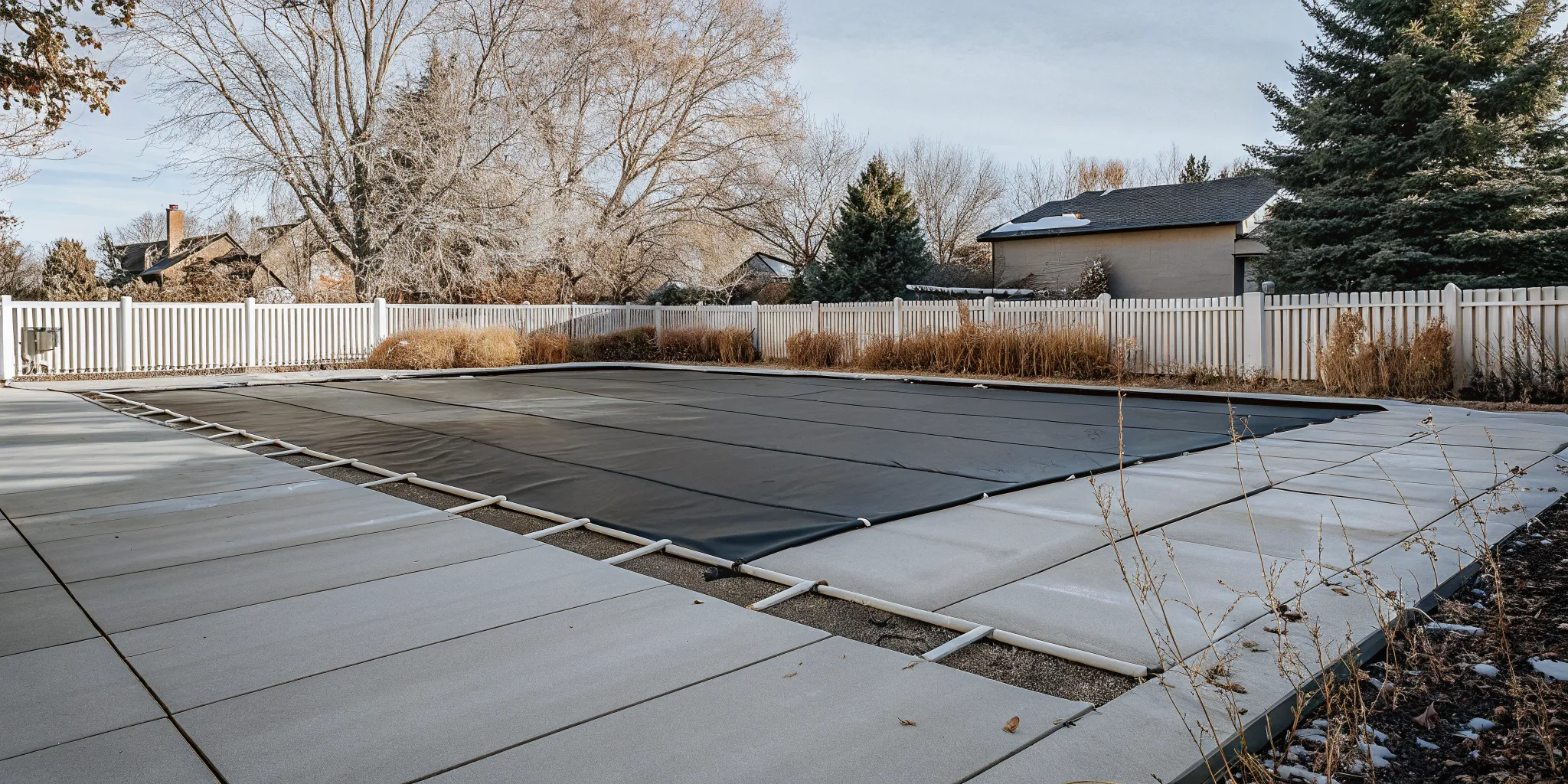
Freeze protection is one reason a Denver-specific annual guide is more useful than a generic national average. The risk is seasonal, but the financial effect can extend far beyond the closing appointment.
Questions to ask before choosing a maintenance plan
A strong maintenance proposal clearly defines visit frequency, included chemicals, seasonal services, reporting, and the repair-approval process. Denver homeowners should compare the complete scope and reliability of each plan, not simply the lowest advertised number, because exclusions can change the true annual cost.
A detailed proposal makes it easier to compare value and avoid surprise charges. Begin by asking how often the pool will be serviced during the active season. Ask what happens when weather prevents a scheduled visit. Confirm whether the technician follows a standard checklist and whether you receive a report after every appointment.
Ask how the company handles routine chemicals, specialty treatments, filter cleaning, and water-quality recovery. These categories may be included, limited, or billed separately. Also clarify who authorizes repairs and whether the technician provides an estimate before replacing a part. A clear approval process protects the budget without delaying necessary work.
Denver homeowners should also discuss opening, closing, and freeze response. Ask which winterization tasks apply to your specific plumbing and equipment. Find out whether the provider offers support if an unexpected cold snap arrives before closing or after opening. Seasonal preparation should match the system rather than follow a one-size-fits-all checklist.
Finally, ask what records you will receive. Chemical readings, treatment details, photos, and equipment observations help you understand the condition of the pool over time. Strong records make it easier to plan upgrades and investigate recurring problems. The best proposal is not simply the lowest number. It is the clearest match between scope, reliability, and your expectations.
Frequently asked questions
How much does monthly pool maintenance cost in Denver?
There is no single reliable monthly price for every Denver pool. Cost depends on pool size, condition, features, service frequency, chemical needs, and what a plan includes. Request an assessment and compare the full scope, not only the advertised monthly figure.
How much should I budget for pool chemicals?
Chemical needs change with pool volume, sanitizer system, swimmer load, sunlight, refill water, and current readings. Build a flexible supply category and dose from accurate tests. Ask whether routine products are included in a professional plan.
Are repairs included in routine maintenance?
Usually, repairs and replacement parts are separate from routine cleaning and water care. Confirm service-call policies, response times, and approval procedures. Keep a repair reserve so a worn component does not disrupt the routine-care budget.
When should a Denver pool be winterized?
Schedule closing before sustained freezing conditions threaten plumbing and equipment. The right date depends on weather, pool design, and desired use. Book early enough to secure service and complete any needed repairs first.
Get a Denver pool maintenance plan built around your pool
A realistic budget begins with your pool, equipment, goals, and preferred level of involvement. Neptune Pools brings local experience, practical reporting, and Colorado-specific care to routine maintenance, repairs, and seasonal transitions.
Contact Neptune Pools about a maintenance plan and request a clear service scope.
Related Blogs