Pool Renovation Signs Colorado: Know When to Act
A pool can remain usable while quietly developing problems that become far more expensive after another Colorado winter. Cracked plaster, recurring leaks, failing equipment, or a deck and ladder that no longer feel secure are not merely cosmetic concerns. They can point to structural, circulation, or safety issues that deserve a closer look.
The most important pool renovation signs colorado homeowners should watch for are shell or plaster cracks, persistent water loss, widespread surface wear, outdated equipment, and safety features that are loose or broken. A professional assessment can determine whether a repair, resurfacing, or broader renovation is right.
Schedule a pool renovation assessment with Neptune Pools
Denver Metro pools face high-altitude water chemistry demands and freeze protection concerns, so the right decision depends on more than the pool's age. Start by understanding why local conditions can accelerate visible wear and turn small defects into seasonal problems.
Why Colorado Pools Show Renovation Signs Faster
A pool in the Denver Metro area faces more than ordinary summer wear. High elevation, intense sun, mineral-heavy water, and repeated winter freezes all place stress on the finish, shell, plumbing, and equipment. That combination can make visible deterioration appear earlier than a homeowner expects, especially when a pool has not received consistent chemistry management or winterization.
Pool finishes commonly last about 10 to 15 years, but that range depends heavily on water chemistry and winterization practices. In high-elevation areas, freeze-thaw cycles and hard water compress plaster life to roughly 7 to 8 years, versus 12 to 15 in milder climates. These are useful planning ranges, not a substitute for an inspection. A pool's age, construction, exposure, and maintenance history all affect the outcome. Colorado Pool + Spa Scapes explains the regional lifespan difference.
High-altitude chemistry also changes how carefully water balance must be managed. When water chemistry drifts, the finish may develop roughness, staining, pitting, or other surface changes that become more difficult to correct over time. Freeze protection matters just as much. Water left in vulnerable lines or equipment can expand during a hard freeze, turning a seasonal maintenance gap into a repair or renovation decision.
Timing adds another Colorado-specific constraint. Major outdoor renovation work is often scheduled during the spring or fall shoulder seasons. Work then finishes before severe freezing, outside the busiest part of summer. For Denver, Lakewood, Littleton, and nearby communities, an early assessment gives homeowners more choices. If the surface or equipment is already showing age, planning ahead can prevent a small seasonal concern from becoming a larger structural or operational problem.
Pool Renovation Signs Colorado Owners Shouldn't Ignore
Watch for pool renovation signs colorado owners notice first: changes in the shell, water level, and finish, not just one cosmetic flaw. A professional assessment can distinguish a contained repair from damage that calls for resurfacing or a broader renovation. That distinction matters in Denver Metro, where freeze protection, seasonal conditions, and water chemistry can affect how pool problems develop.
Cracks in the Shell or Plaster
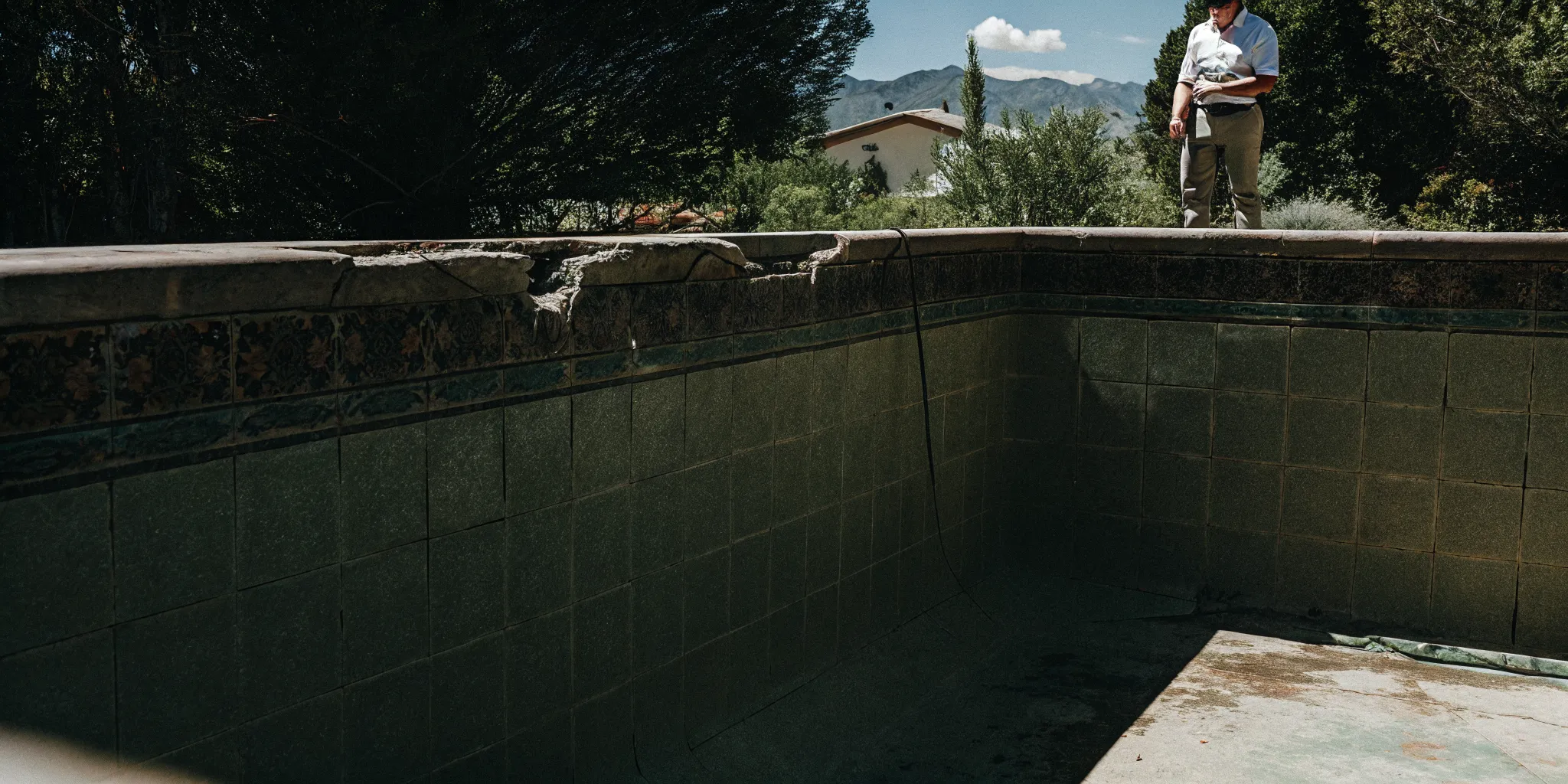
Cracks deserve attention even when they appear narrow or seem limited to the plaster. Cracking in the shell or plaster is a primary renovation indicator. This is especially true when a crack returns after repair or appears with damaged tile or deck movement. Do not assume every crack means the entire structure must be replaced, but do document its location and progression.
- Photograph the crack with a date for comparison.
- Note whether it is on the floor, wall, steps, or around fittings.
- Ask a qualified pool professional to assess whether it is cosmetic or structural.
Early evaluation gives an owner more choices and can prevent a small defect from becoming a larger, more disruptive project.
Persistent Leaks and Rising Water Use
Repeatedly adding water is not a normal maintenance strategy. A persistent unexplained leak can indicate compromised structural integrity, plumbing trouble, or another condition that requires professional assessment. Rising water use is especially important when evaporation, splash-out, and routine cleaning do not explain the change.
Track how often the pool needs water and whether the level drops more quickly when the pump is running. Share those observations during an inspection. A technician can evaluate the pool, equipment, and plumbing together instead of treating each refill as an unrelated event. Continuing to operate a leaking pool without finding the cause may increase water waste and complicate later work.
Pitting, Staining, and Delaminating Plaster
Surface deterioration often begins as a finish problem, then becomes harder to manage as the damaged area spreads. Look for rough pitting underfoot, persistent stains that remain after proper cleaning, or plaster that is separating from the underlying surface, known as delamination. Consistent pitting, staining, or delamination is a sign that resurfacing may be required, not simply another chemical adjustment.
Colorado owners should have the finish evaluated before choosing a coating or replacement surface. Neptune Pools can help determine whether the right scope is a targeted repair, resurfacing, or broader pool remodeling and restoration services. A clear assessment protects the pool, the budget, and the renovation timeline.
Equipment Failures That Signal a Renovation Is Due
A pool can look acceptable at the surface while its mechanical systems are reaching the end of their useful life. Repeated equipment failures are more than an inconvenience. They can indicate that the pool's circulation, plumbing, and control systems no longer work together reliably, especially after years of Colorado freeze exposure and seasonal startup and shutdowns.
- The pump or filter fails repeatedly. A recirculation pump that overheats, loses prime, trips the breaker, or needs frequent repairs cannot provide dependable circulation. An aging filter with persistent pressure problems or poor performance can leave water clarity and sanitation dependent on constant troubleshooting. Properly operating pumps and filters are essential to safe pool operation, according to the CDC Model Aquatic Health Code inspection guidance.
- Automatic chemical equipment becomes unreliable. A feeder or controller that sticks, stops dosing, gives inconsistent readings, or repeatedly needs service can make water chemistry difficult to manage. In Denver, high-altitude conditions and seasonal changes already require careful chemistry management. Unreliable automation adds another source of swings and can increase the risk of surface damage or uncomfortable water.
- Old plumbing and equipment keep creating new problems. Resurfacing may improve the finish, but it will not correct outdated plumbing, inefficient equipment, poor valve layouts, or systems vulnerable to freeze damage. Persistent leaks paired with obsolete mechanical components deserve a broader inspection rather than another isolated repair.
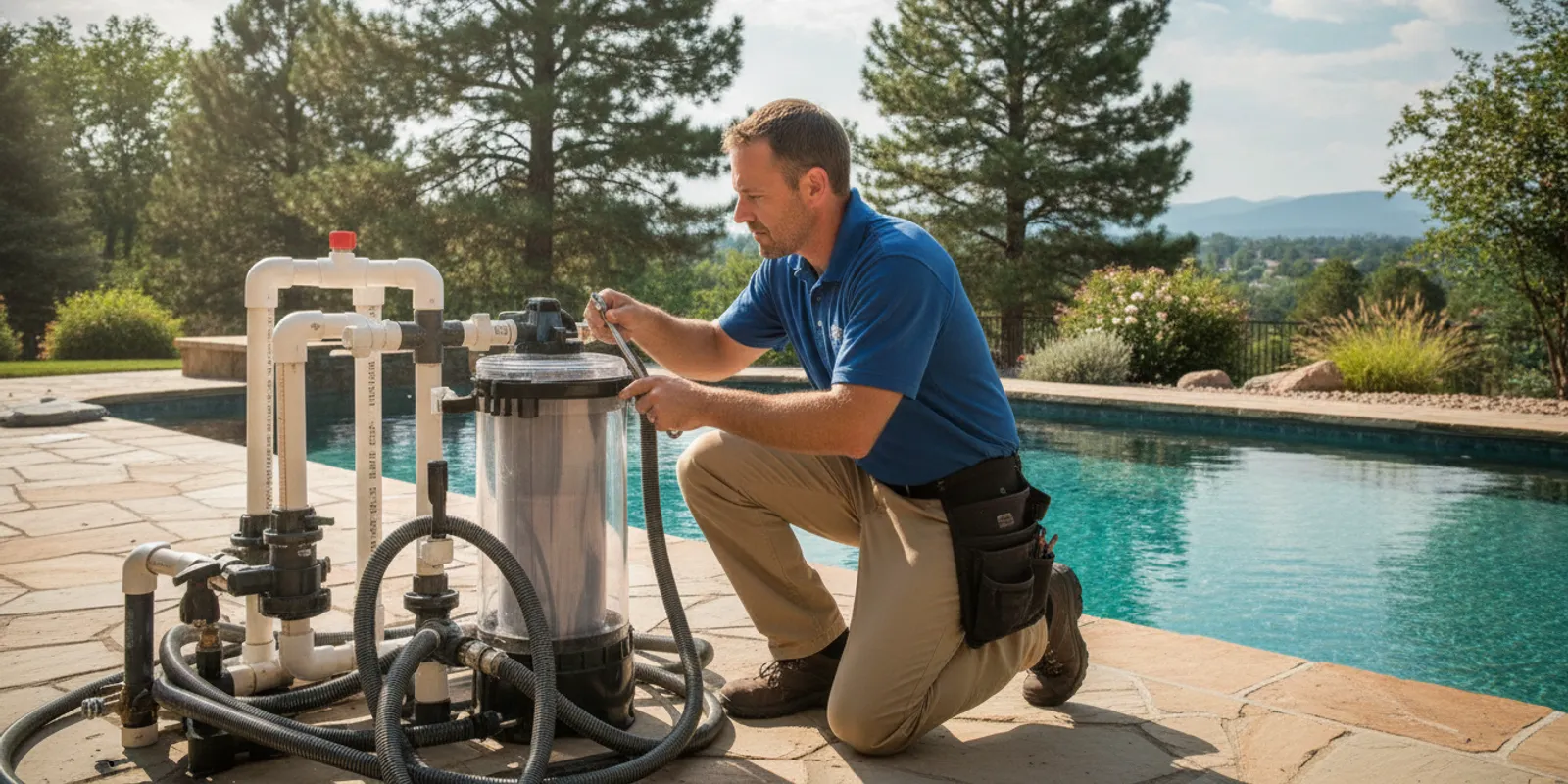
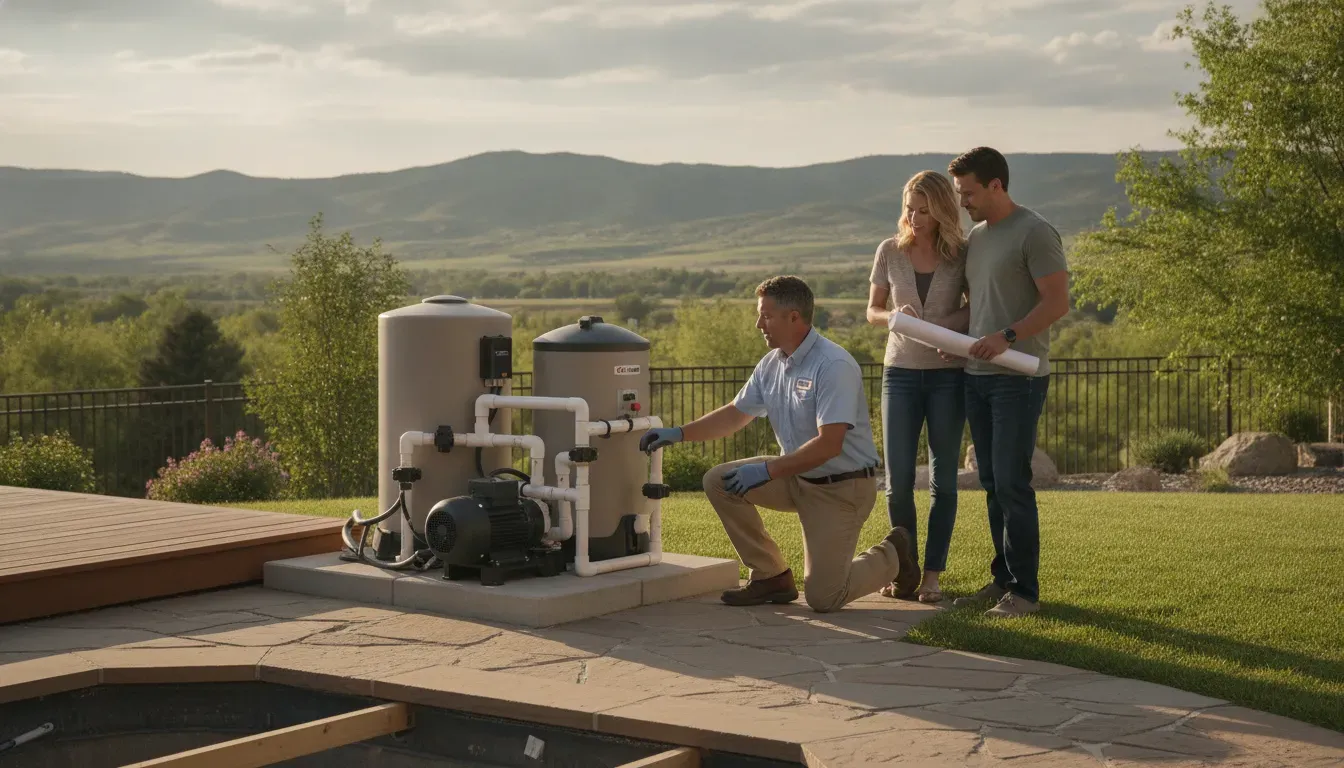
Renovation often bundles equipment upgrades with resurfacing, tile replacement, and deck repairs. That coordinated approach addresses the visible finish and the systems beneath it. It reduces the chance that a new renovation is compromised by an old pump, controller, or plumbing network. Start with an assessment that separates a repairable component from a system-wide need. Review Neptune Pools' expert pool equipment repairs when the failure may still be isolated.
Safety and Code Issues That Can't Wait
Some pool renovation needs are not cosmetic. They affect whether people can enter, use, and exit the pool safely. If a barrier is damaged, a drain cover is loose, or safety markings have faded, take the concern seriously and arrange a professional assessment before reopening the pool.
About 3,900 unintentional drownings occur in the United States each year, according to the CDC. A renovation review should therefore include the safety features around the water, not just the finish below it. The CDC's aquatic facility inspection form provides a useful reference for the items that need to remain visible, secure, and in good repair.
- Damaged barriers or gates: Look for leaning or broken fencing, gaps, missing sections, and gates that no longer close or latch by themselves. Most local building codes in Colorado require a safety barrier for residential pools, so confirm the requirements for your jurisdiction before renovation work begins.
- Unreadable safety markings: Depth markers, no-diving signs, stair stripes, and other required notices should be clear and visible. Faded or missing markings are easy to overlook during a busy season, but they can make water depth and entry risks unclear to guests.
- Loose structural attachments: Cracked or shifting deck areas, a damaged pool shell, and loose ladders or grab rails can create trip, fall, or entrapment hazards. Do not treat movement around an attachment as a simple hardware issue until the surrounding deck and shell have been checked.
- Unsecured drain grates: A main drain grate must be secured and in good repair. If it is loose, cracked, missing, or visibly damaged, keep swimmers out and have the circulation system inspected promptly.
These conditions can sometimes be corrected with a focused repair. Several problems together, however, may signal a broader renovation scope involving the shell, deck, tile, or safety systems. When in doubt, pause use and have the pool evaluated before choosing between repair and renovation.
Repair, Resurface, or Renovate: How to Decide
The right scope depends on whether the problem is isolated, limited to the finish, or tied to the pool's structure and systems. In a Denver-area pool, a professional inspection should look beyond visible plaster or tile. Freeze protection, water chemistry, plumbing, equipment, and deck conditions can change the most practical solution.
| Service | Best When | What It Includes | Typical Lifespan Feels |
|---|---|---|---|
| Repair | The issue is targeted and the surrounding shell, finish, and equipment remain sound. | Localized crack, leak, tile, plumbing, or equipment work without replacing the broader pool surface. | Lower-cost, short-term correction that can extend useful service while you plan ahead. |
| Resurface | The shell is sound, but the plaster or other finish has widespread pitting, staining, roughness, or delamination. | Removal and replacement of the surface layer, with related preparation and finish work as needed. | Typically about 10 to 15 years, depending on water chemistry and winterization practices. |
| Renovate | Surface deterioration is combined with structural, safety, layout, or system problems. | Resurfacing plus structural repairs, tile or coping replacement, plumbing work, deck repairs, and equipment upgrades. | Broader, longer-term renewal that addresses several aging components together. |
Repair is often appropriate when one failing component can be corrected without disturbing otherwise healthy work. Resurfacing makes more sense when the shell is stable but the finish has reached the end of its service life. Consistent pitting, staining, or delamination points toward a resurfacing need, while cracks, recurring leaks, and outdated systems may indicate a wider renovation scope.
For Denver homeowners, choosing based on one symptom can lead to repeat work. Ask for an assessment that separates finish problems from shell movement, plumbing leaks, equipment limitations, and freeze-related risk. Neptune Pools can evaluate whether targeted repairs, when to resurface your pool, or complete pool remodeling and restoration services best fit the condition of the pool.
When to Schedule a Colorado Pool Renovation
Colorado's renovation calendar is shaped by temperature, not just contractor availability. Major outdoor projects are often scheduled during the shoulder seasons because freezing conditions can interrupt excavation, concrete work, curing, plumbing, and finish installation. In the Denver Metro area, late spring and early fall are common renovation windows. Weather is more workable then, and the project is less likely to hit the coldest part of winter.
It also helps to plan around Colorado's shorter active swimming season, which is roughly seven months for many outdoor pools. Waiting until the first warm weekend to investigate cracks, leaks, or a failing finish can push the project into peak demand. By then, the best scheduling opportunities may already be gone, and a pool that could have been prepared before summer may remain out of service.
Why winter timing matters
Denver pools require specialized attention to high-altitude chemistry and freeze protection. Water left in vulnerable plumbing or equipment can expand during a freeze, increasing the risk of damage. Colorado's climate also calls for careful winterization practices, particularly when renovation work involves plumbing, drains, tile, or the pool shell. A renovation does not have to wait for winter, but starting major outdoor work as freezing weather approaches can add avoidable schedule and protection concerns.
Book the assessment before the season fills
A professional assessment in late winter or early spring gives you time to separate a localized repair from a broader renovation and to plan the right scope. The work may include resurfacing, tile replacement, equipment upgrades, or deck repairs, and each item can affect the timeline. An early review also gives the contractor time to identify structural or freeze-related risks, order materials, and reserve a shoulder-season start date.
If you are seeing possible pool renovation signs colorado, review Neptune Pools' pool remodeling and restoration services before your project window disappears.
Get your free Denver pool renovation consultation
Frequently Asked Questions
What are the common signs that a pool in Colorado needs renovation?
Look for cracks in the shell or plaster, persistent water loss, pitting, staining, delamination, repeated equipment failures, or systems that no longer meet your needs. One isolated problem may call for a repair, but several recurring issues suggest that a professional assessment should compare repair, resurfacing, and broader renovation options.
How often should a pool in Colorado be renovated?
There is no fixed schedule because water chemistry, winterization, climate exposure, and construction quality all affect service life. Typical pool finishes last about 10 to 15 years, according to Neptune Pools' customer guidance. Earlier evaluation is sensible when the surface is deteriorating or maintenance can no longer control recurring problems.
Can I renovate my pool during the winter in Colorado?
Some planning, design, equipment selection, and indoor preparation can happen during winter. Major outdoor work is often scheduled during Colorado's shoulder seasons, when freezing conditions are less disruptive. Ask for a timeline that accounts for demolition, curing, weather protection, spring opening, and the need to protect exposed plumbing.
What does a pool remodel entail in Colorado?
The scope depends on the warning signs and the pool's condition. A renovation may combine resurfacing, tile replacement, equipment upgrades, deck repairs, or other targeted improvements. A site assessment helps identify which work is necessary, prevents you from paying for unrelated upgrades, and creates a practical sequence for completing the project.
Ready to Plan Your Pool Renovation Assessment?
If cracks, leaks, or worn surfaces are making you question your pool's condition, a professional assessment can clarify whether targeted repairs, resurfacing, or a broader renovation makes sense. Get a professional pool renovation assessment and free consultation with Neptune Pools. You can also call (303) 431-8501 to discuss your Denver Metro pool and the next practical step.
Related Blogs