The Real Pool Resurfacing Cost Denver Homeowners Face
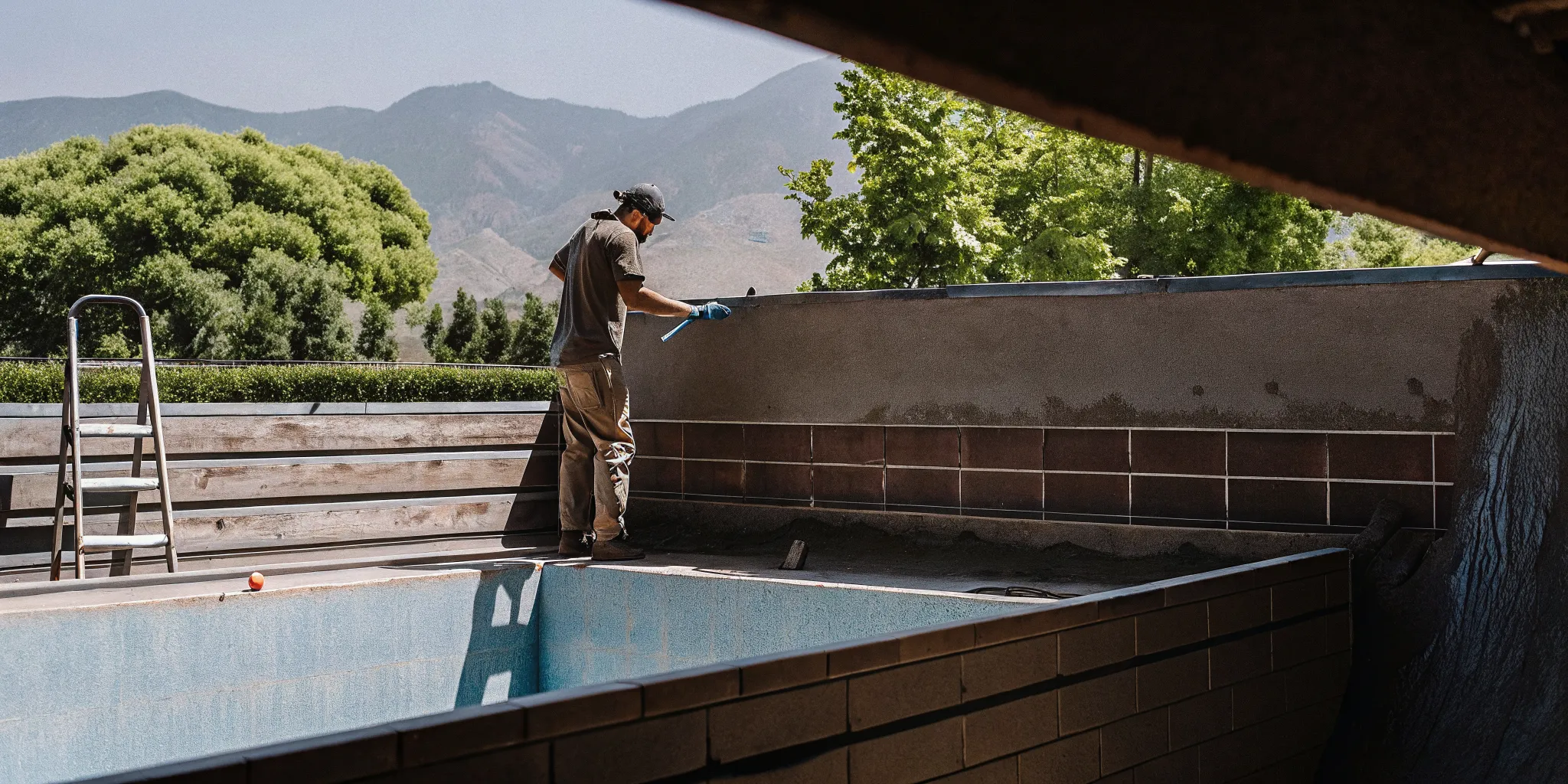
Pool resurfacing is rarely a simple matter of replacing a worn finish. In Denver Metro, the surface, pool size, freeze-thaw exposure, labor, and the condition beneath the old coating can all change the project total. Planning around those factors helps you compare options without choosing a finish based only on its starting price.
Schedule a pool resurfacing consultation with Neptune Pools
For pool resurfacing cost denver projects, recent local estimates commonly place the total between about $6,348 and $15,870, with an average near $11,638. The material you choose matters: plaster typically costs less upfront, while pebble aggregate and tile can cost more but may last longer. Your pool's size, shape, existing damage, access, and required preparation will determine the most useful estimate.
The right budget starts with a realistic local range. Then narrows as you compare finish materials and account for the work your pool needs before the new surface is applied. Here is how Denver pricing typically breaks down.
What Does Pool Resurfacing Cost in Denver?
For most Denver homeowners, a full pool resurfacing project costs between $6,348 and $15,870, with an average near $11,638, according to 2026 Denver cost data from Angi. That makes the typical pool resurfacing cost denver homeowners should plan for substantially higher than a small patch or cosmetic coating. The final price depends on the pool's surface area, existing finish, access, and the material selected.
National estimates often place resurfacing at roughly $6.55 to $7.81 per square foot. That figure can be useful for an early comparison, but it should not be treated as a Denver quote. Local labor rates, material availability, and the demands of Colorado construction all affect the actual project budget.
Why national averages can miss the mark
Denver pools operate through a demanding cycle of strong sun, high-altitude conditions, and freeze-thaw weather. A surface that needs removal, repairs, or careful preparation before the new finish is applied will cost more than a straightforward overlay. Pool shape also matters. Steps, benches, tight corners, raised spas, and water features require more labor than a simple rectangular basin.
Local cost data from homeyou provides a useful look at project components. Its Denver estimate lists approximately eight hours of pool labor at $400 to $465, plus $230 to $249 in materials and supplies per 200 square feet. Those figures are component benchmarks, not a guaranteed total for a complete resurfacing project. Pebble or quartz aggregate finishes can add considerably more, with rough finishes estimated around $3,500 to $8,500 and polished finishes around $5,000 to $10,000.
What your estimate should include
A transparent proposal should identify the finish material, surface preparation, removal and disposal of the existing coating. Repairs, labor, water treatment, and any upgrades to steps or surrounding features. It should also explain what is not included, such as plumbing repairs or structural work discovered after the old surface is removed.
For a Denver-specific planning baseline, compare estimates using the same scope and finish. Neptune Pools can assess the existing surface and recommend an option that balances upfront cost, service life, and Colorado-specific maintenance needs. See our pool resurfacing and restoration services for the next step.
Choosing a Resurfacing Material That Fits Your Budget
The finish you choose can change both the project price and the date of your next resurfacing. A lower upfront cost is not always the lowest long-term cost, especially in a Denver pool exposed to strong sun, seasonal use, and freeze-thaw conditions.
Lower upfront cost: paint and plaster
Pool paint is the least expensive option at about $1 per square foot, but it is also short-lived. It may make sense as a temporary refresh in the right situation, but it generally does not offer the durability most homeowners want from a full renovation.
White plaster is the traditional value option at roughly $4 per square foot and lasts about 10 years when properly installed and maintained. For perspective, a standard 15-by-35-foot pool with a white-plaster finish may start near $10,000. Plaster keeps the initial investment manageable, but replacing it more often can make the lifetime cost higher than a premium finish.
Mid-range value: quartz and aggregate
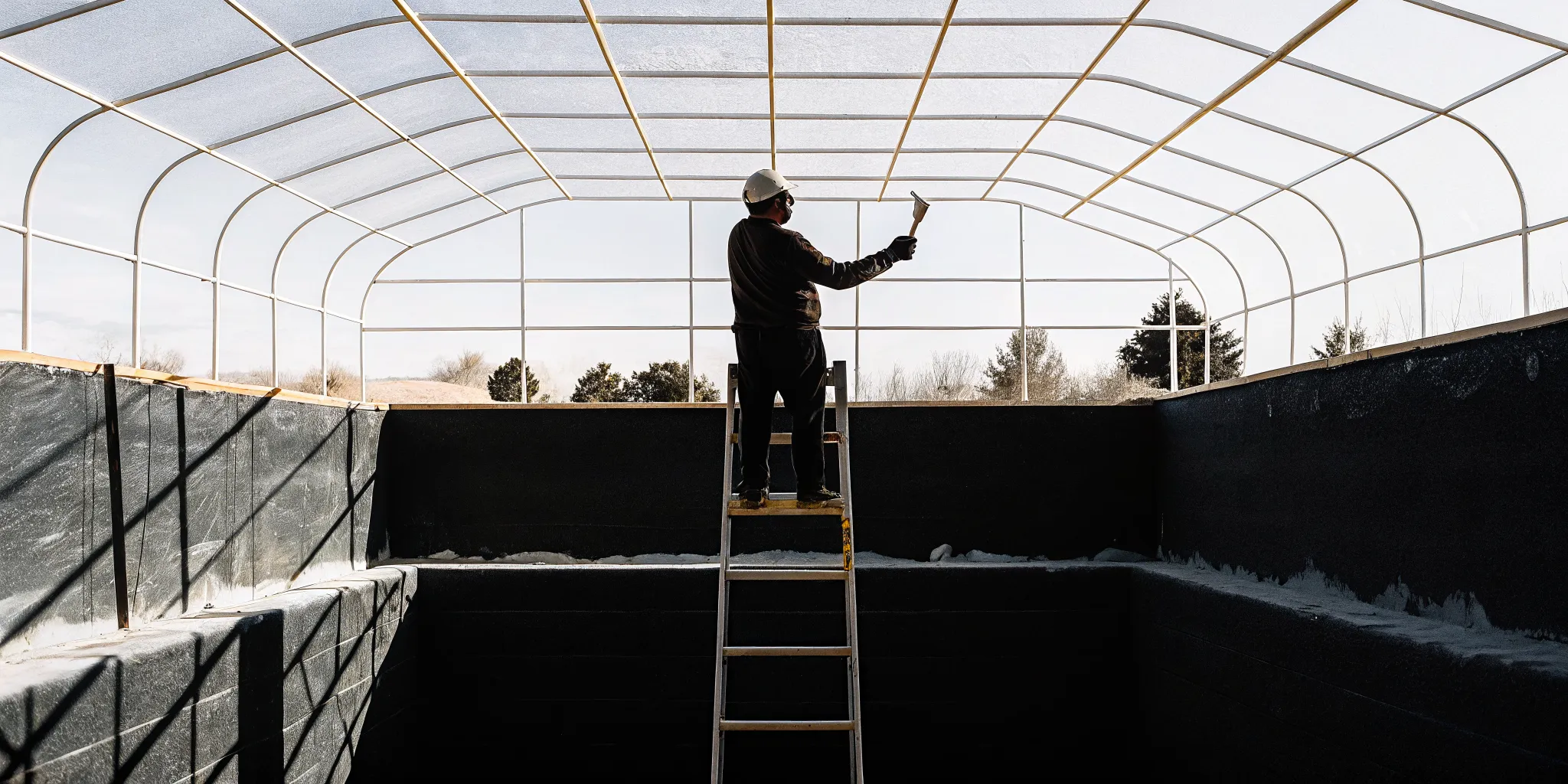
Quartz or other aggregate blends typically start around $5 per square foot. They offer more visual texture and durability than basic plaster while staying below the cost of pebble or extensive tile work. The final price depends on the blend, surface preparation, pool shape, and labor. So a per-square-foot material figure should be treated as a starting point rather than a complete project quote.
Long-term investment: pebble and tile
Pebble finishes cost about $10 per square foot and commonly last 15 to 20 years. The higher initial price can be worthwhile when you plan to keep the pool for many seasons and want a finish that handles regular use with less frequent replacement.
Tile is the premium choice, generally around $26 to $37 per square foot, with higher-end installations costing more. It is the longest-lasting option in this group and is valued for its nonporous surface, UV resistance, and frost resistance. That durability can make tile a strong long-term investment, although the installation detail and labor can substantially affect the total.
When comparing proposals, ask what is included for removal, preparation, repairs, waterline tile, and startup water treatment. A transparent comparison should show the material cost, expected service life, and complete scope. Neptune Pools can help Denver homeowners evaluate Denver pool resurfacing options based on both current budget and future maintenance.
What Factors Affect Pool Resurfacing Cost in Denver?
A resurfacing estimate is built from the pool in front of the technician, not from gallons alone. Two pools with similar water capacity can have very different surface areas, shapes, finish conditions, and access requirements. Those details determine how much preparation, material, and skilled labor the project needs.
Pool size and surface area
Larger pools require more finish material and more time for removal, application, smoothing, and final detailing. The relevant measurement includes the walls, floor, steps, benches, and other areas receiving the new surface. A careful measurement is essential because even a modest change in treated square footage affects the material order and labor hours. As a local planning reference, an eight-hour pool labor allowance may fall around $400 to $465. While materials and supplies for 200 square feet may run approximately $230 to $249. These figures help explain the estimate, but they are not a guaranteed project price.
Existing finish and disposal
The condition of the current surface changes the preparation phase. Worn, loose, cracked, or uneven plaster may need to be removed before the new finish can bond properly. The crew also has to load and dispose of the old material, and disposal fees can add to the total. If the inspection finds damage beneath the finish, additional repairs may be needed before resurfacing begins. Asking whether removal, hauling, disposal, and shell preparation are included helps prevent an unusually low estimate from becoming a surprise invoice.
Shape, features, and finish availability
A simple rectangle is generally easier to prepare and finish than a pool with an integrated spa, waterfall, curved wall, raised section, steps, or built-in benches. Each feature creates edges, transitions, and tight areas that take additional time to cover consistently. Specialized pebble, quartz, or other finishing materials may also cost more when local supply is limited or a particular color or aggregate must be sourced. Labor rates and scheduling availability in the Denver area can further move the final number.
The only reliable resurfacing price is a detailed, on-site quote that documents measurements, existing-surface preparation, selected finish, feature complexity, disposal, and any required repairs. Use broad ranges for planning, then have the actual pool evaluated before approving the work.
Resurfacing Materials at a Glance
The finish you choose affects both the initial estimate and how often you will revisit the project. These figures are rough material benchmarks, not a complete Denver project price. Surface preparation, pool geometry, removal, labor, and access can move the final number.
| Finish | Typical cost per sq. ft. | Typical lifespan | Main upsides |
|---|---|---|---|
| Standard plaster | About $4 per square foot. | About 10 years. | Lowest-cost traditional finish with a smooth feel and clean appearance. |
| Quartz or marble aggregate | About $5 and up per square foot. | Often longer than standard plaster. | More color and texture options with improved finish durability. |
| Pebble aggregate | About $10 per square foot. | About 15 to 20 years. | Long service life, natural texture, and strong visual character. |
| Tile | About $26 to $37 or more per square foot. | Longest-lasting option when properly installed. | Nonporous surface, extensive design choices, and strong resistance to UV and frost. |
Standard plaster can make sense when keeping the upfront budget controlled matters most. Aggregate finishes cost more, but their longer service life may make the cost worthwhile when you plan to stay in the home. Tile is a premium choice and is often used selectively for waterlines, steps, spas, or design features rather than across every square foot.
For a finish recommendation based on your pool's condition, size, and Denver exposure, review Neptune Pools' Denver pool resurfacing services or schedule a consultation.
Why Denver Weather and Altitude Change the Equation
A resurfacing material that performs well in a mild climate may face a tougher test along the Front Range. Denver's intense high-altitude sunlight, rapid temperature changes, and winter freezes all influence how a pool finish ages. Those conditions should be part of the material and maintenance decision, not an afterthought added after the work is complete.
UV exposure and freeze-thaw cycles affect finish life
Higher elevation means stronger ultraviolet exposure, which can accelerate fading and wear on an outdoor pool finish. Denver also moves quickly between warm afternoons and freezing nights. Water that enters small imperfections can expand as it freezes, putting stress on the surface and surrounding components. Seasonal freezing temperatures make dependable equipment and freeze protection important for protecting the pool through winter.
This does not mean every Denver pool needs the most expensive finish. It means the right choice should account for the pool's exposure, existing condition, surface type, and maintenance plan. A local evaluation can identify whether the priority is appearance, resistance to roughness, longer service life, or correcting deterioration before it becomes more extensive.
Water balance matters after resurfacing
New material needs careful water management while it cures. Denver's high-altitude water chemistry requires deliberate balancing after resurfacing so the finish can cure correctly and remain stable over time. Poorly managed water can work against the investment, even when the material and installation were appropriate.
Post-project care should include a clear start-up plan, regular testing, and adjustments suited to local conditions. Neptune Pools can also support ongoing care with pool chemical delivery in Denver, helping owners stay consistent during the important period after installation.
Denver's short season affects scheduling
Colorado's active pool season is approximately seven months, from April through October. That shorter window affects when crews can work, when materials can cure, and how quickly an owner can return the pool to service. Planning in advance is especially useful if the project involves repairs, surface removal, or a more complex pool shape. Shoulder-season scheduling may provide more flexibility than waiting until the busiest summer weeks.
Neptune Pools brings local Colorado experience, certified technicians, and freeze-protection knowledge to projects across Denver Metro, including Denver, Lakewood, Littleton, and Cherry Creek. For a climate-specific evaluation, review the Denver pool resurfacing and restoration team available for your property.
How to Budget and Plan a Pool Resurfacing
A resurfacing project is easier to manage when you plan around the pool's condition, dimensions, expected finish life, and Denver's shorter operating season. Most pools need resurfacing about every 7 to 15 years, but visible wear or water-loss concerns may justify an evaluation sooner. Use this planning sequence to build a realistic scope before comparing proposals.
Inspect the existing surface
Look for cracks, persistent staining, rough texture, flaking, or areas that feel uncomfortable underfoot. These signs indicate deterioration that should be documented before you request pricing. Surface wear does not always reveal the condition of the pool shell, so avoid treating a quick visual check as a complete diagnosis. A professional assessment can identify preparation or repair work that may affect the final budget.
Measure the pool or arrange an assessment
Record the pool's length, width, depth, steps, benches, attached spa, and other features if you have accurate measurements. Surface area affects both material quantities and labor time, which makes sizing essential for a useful estimate. If the shape is irregular or the measurements are uncertain, have a qualified technician measure it as part of the evaluation.
Request detailed Denver-area quotes
Compare written proposals from local providers that explain the finish, surface preparation, repairs, removal and disposal, water treatment, and expected schedule. Local experience matters because Denver projects must account for high-altitude water chemistry and freeze protection. Neptune Pools uses certified technicians and a transparent-pricing approach so you can compare the actual scope instead of relying on a vague starting price.
Budget for service life, not just the lowest price
A lower upfront number may not be the best value if the finish has a shorter service life or requires more maintenance. Consider durability, appearance, water care, preparation needs, and the cost of repeating the work. Ask each provider what is included and which assumptions could change the total. This approach helps you choose a finish that fits both your current budget and long-term plans.
Schedule around Denver's season
Denver's active pool season generally runs from April through October. Plan early enough to allow for assessment, material selection, surface preparation, application, curing, and water balancing before regular swimming begins. Avoid waiting until peak demand if possible. Neptune Pools can help coordinate a resurfacing plan suited to your property and seasonal priorities. Start with our pool resurfacing cost guide for a broader frame of reference.
Get a personalized pool resurfacing estimate in Denver
Frequently Asked Questions
How much does it cost to resurface a pool in Denver?
Published Denver estimates place many resurfacing projects between $6,348 and $15,870, with an average near $11,638 (Angi). Your total can fall outside that range based on surface area, finish, removal of the existing coating, access, steps, spas, waterfalls, and disposal needs. A site inspection provides a more useful budget than a gallon-based estimate because pool shape and surface condition affect labor.
How much does it cost to resurface a 20,000-gallon pool?
Gallons alone do not determine resurfacing price. A 20,000-gallon pool may have a very different interior surface area from another pool with the same capacity. Especially if it has deep sections, attached steps, benches, or an integrated spa. For a practical estimate, measure the finish area and compare material options, then add any needed removal, repairs, waterline tile, or coping work.
How long does pool resurfacing last?
Service life depends on the finish, installation quality, water balance, and exposure to Colorado weather. Plaster commonly lasts about 10 years, while pebble finishes may last 15 to 20 years or longer when properly maintained (Angi; SKIN). Maintaining balanced water after the project is especially important because aggressive or poorly balanced chemistry can damage a new surface.
What time of year is best to resurface a pool in Denver?
Spring and early fall are often practical planning windows because Denver's swimming season is concentrated from April through October. The right timing depends on contractor availability, cure and startup requirements, and whether freeze protection is needed before cold weather. Schedule the evaluation early enough to complete startup water balancing and winter preparation before sustained freezes.
Ready to Plan Your Pool Resurfacing Project?
A consultation can help you compare resurfacing materials, understand the condition of your existing finish, and plan a project suited to Denver's climate. Neptune Pools can discuss your pool or spa, review the factors that shape the final investment, and help you choose a practical next step. Schedule a pool resurfacing and remodel consultation with Neptune Pools to get started.
Related Blogs