Pool Supplies Denver CO: How to Choose Reliable Products

Choosing pool supplies Denver CO owners can rely on is not just a matter of buying a familiar bottle or kit. Results depend on accurate testing, products suited to the pool and its equipment, and storage that respects Colorado’s dry, sunny days and cold-season swings. A little planning can prevent mismatched products, repeat trips, and uncertainty about what to add.
Ask Neptune Pools about pool supplies and delivery.
What should a Denver pool supply plan include?
A useful plan starts with the pool’s actual needs, not an assumed shopping list. Water test results, the pool surface, sanitation system, equipment, and season all affect which products make sense. Keep a simple log of readings and actions: date, test results, product, amount used, and what changed afterward. That record helps distinguish a recurring issue from a one-time adjustment and makes future purchases more deliberate.
First take inventory. Separate testing supplies, treatment products, cleaning tools, and seasonal items. Check containers for labels, condition, and use dates; check tools for wear and fit. Do not restock a product just because it appears on last year’s list. If your needs include routine products, Neptune Pools’ Denver pool supplies and chemicals page is the primary place to explore options. For recurring work, compare the list with the company’s pool cleaning and maintenance service.
A practical supply list has a small, dependable core rather than many overlapping products. Include a testing method appropriate to your routine, the products specified for your sanitation system, cleaning tools that suit the surface, and items required by equipment instructions. Add specialty products only when a test, documented symptom, or manufacturer guidance indicates a need. This approach limits clutter and reduces the temptation to treat water by guesswork.
How can you judge whether a pool test is accurate?
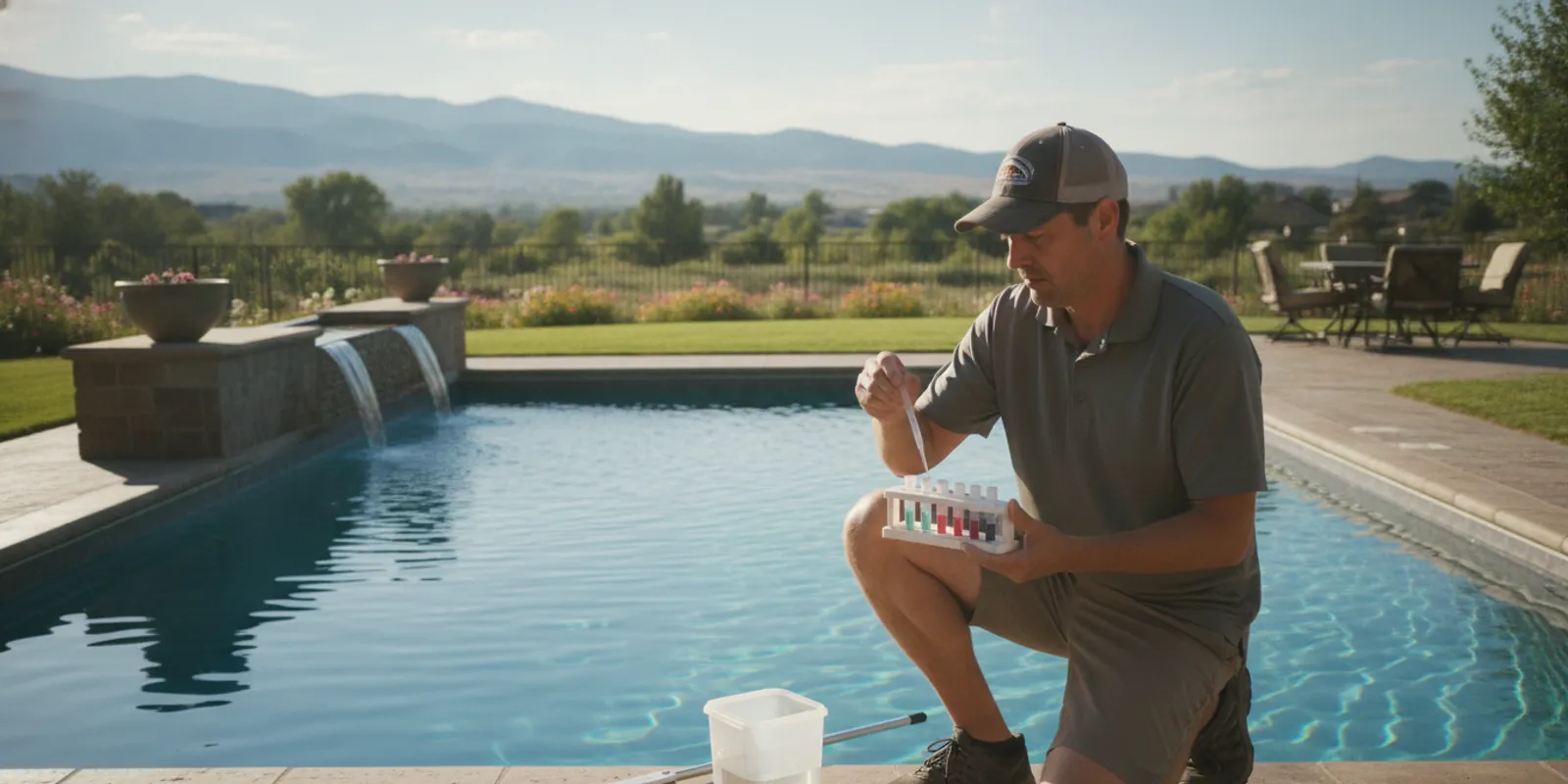
A test is only useful when the sample and method are consistent. Follow the kit directions for sample depth, reagent amounts, waiting time, and reading conditions. Check that reagents are within their stated use period and have been stored as directed. Heat, sunlight, moisture, and a bottle left open can compromise reliability.
- Use a clean sample container and rinse it with pool water before collecting the sample.
- Take samples away from return jets and chemical feeders, where water may not be representative.
- Use the exact number of drops or strips and observe the specified timing.
- Read results in the lighting and time window described by the manufacturer; do not rely on a memory of last week’s color.
- Record results before adjusting the water. If a result is surprising, repeat it with a fresh sample and check the instructions.
Strips are convenient for a quick check. Drop-based kits can provide controlled measurements when used carefully. Neither method compensates for expired reagents, poor technique, or a poorly collected sample. Choose a method you can follow the same way each time. If readings remain inconsistent, take the kit instructions and your log to a pool professional rather than adding multiple products based on uncertain color impressions.
Testing also needs context. A single result does not tell you whether a measurement is a trend or a temporary change. Record the date and relevant conditions, including recent product additions or unusual use, so you can compare like with like. Do not make a major adjustment based on an unexplained result; confirm the reading first and follow the product label. If you use a different testing method later, note that change in your log rather than treating the results as directly interchangeable.
Which supplies need to be compatible with your pool?
Read product labels and equipment documentation before choosing a treatment or replacement part. Pools differ by surface, sanitation system, and installed equipment. A product suitable for one setup may not suit another, and compatibility can depend on how it is applied. Similar names or purposes do not mean two products can be substituted interchangeably.
| Supply or decision | What to verify | Practical next step |
|---|---|---|
| Water test kit | Parameters measured, instructions, reagent condition | Choose a method you can use consistently and replace supplies as directed. |
| Water treatment | Label directions, pool surface, sanitation setup | Match the product to test results and equipment guidance. |
| Cleaning tools | Pool surface and cleaner connection or dimensions | Confirm the tool will work with the pool and existing equipment. |
| Seasonal supplies | Opening, operating, or closing needs | Make a list before the season changes and avoid unnecessary extras. |
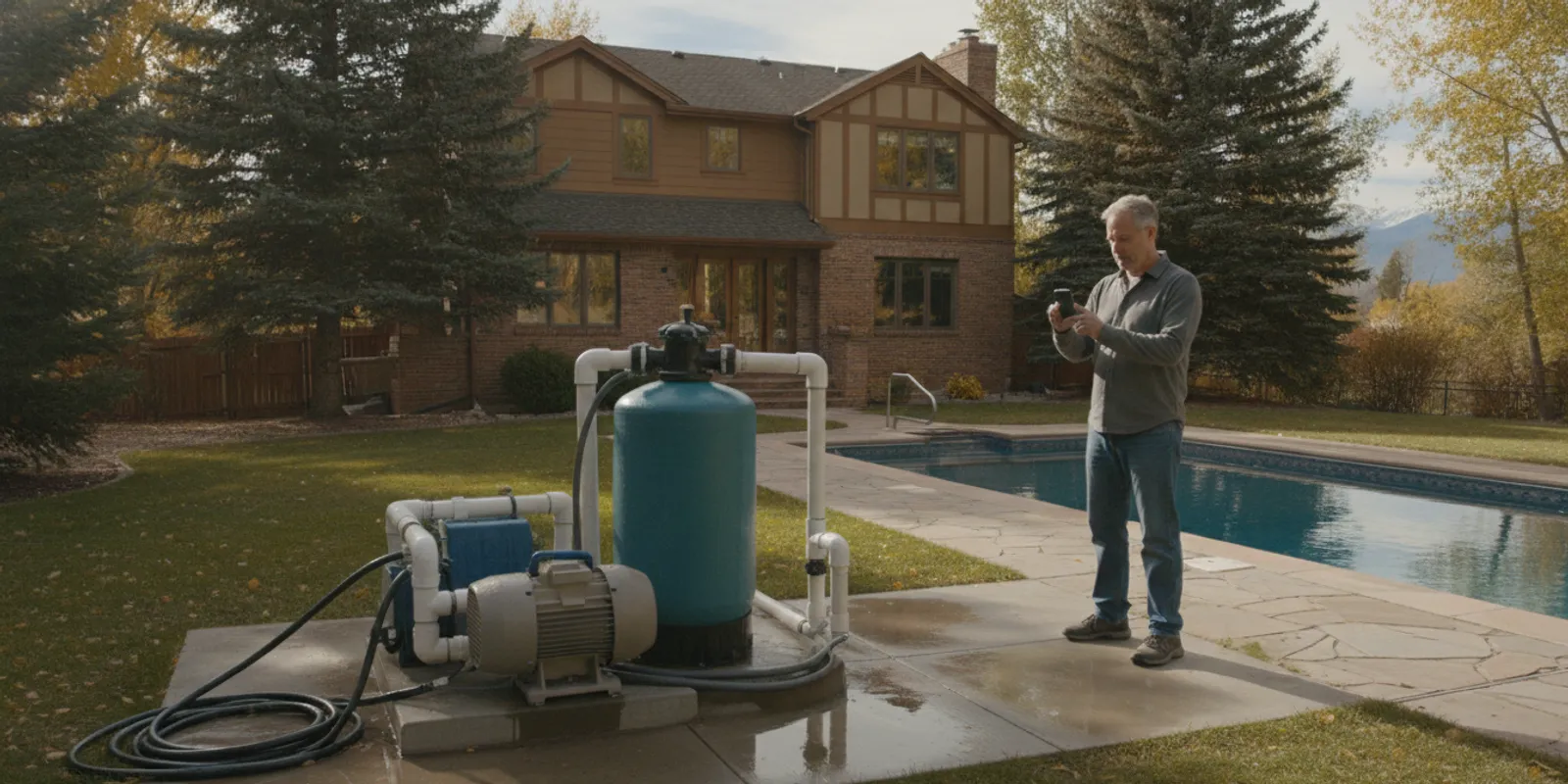
When comparing options, consider the job each item must do, its compatibility, instructions, and how it will be stored. A lower-cost item is not a good value if it does not fit the equipment or cannot be used safely. Keep packaging or product details until you know the supply works for your system. For unfamiliar equipment symptoms, supplies may not be the right fix; consult pool equipment repair and servicing information before attempting to solve a mechanical problem by changing water treatment. For substantial changes to an aging pool, review pool remodel and rehabilitation services.
Compatibility also matters for accessories. Before buying a brush, vacuum component, or fitting, identify the connection and dimensions specified by the equipment maker. A tool that is too aggressive for the finish or incompatible with the cleaner can cause frustration or damage. If the item is meant to solve a particular symptom, first make sure the symptom is not caused by circulation, filtration, or a repair need.
How should you store pool products safely in Colorado?
Follow each product’s label and safety directions. Keep supplies in original, clearly labeled containers with lids secured. Store them in a cool, dry, well-ventilated place, away from direct sun, moisture, children, pets, and incompatible materials. Never combine products or transfer them into food or drink containers. Keep liquids upright and separate products as their labels require.
Denver’s strong sun and dry conditions can make an exposed outdoor storage spot a poor choice. Cold weather also matters: check labels for temperature limits and avoid leaving products where freezing or large temperature changes may affect them. Requirements differ by product, so do not assume all chemicals can be stored together or under identical conditions. If a container is damaged, wet, unmarked, or otherwise questionable, follow its label or local hazardous-waste guidance for handling and disposal instead of using it.
Store test reagents under their stated conditions, too. A kit left in a hot shed through summer may not be dependable simply because its bottles remain. Keep a modest inventory and note what is running low before the active season, rather than buying quantities that may expire or prove difficult to store. Put the log and product instructions somewhere accessible, but separate from the actual chemical storage area if moisture or exposure could harm them.
Make storage part of the purchase decision. Before bringing an item home, know where it will go and whether that location meets its label directions. Keep incompatible products separated as instructed; do not improvise a shelf arrangement based only on container size. Check stored products periodically for leaks or damaged packaging, without opening containers unnecessarily. If a spill or exposure occurs, use the product label’s emergency directions and seek appropriate help.
How can you plan supplies around Denver’s pool season?
Colorado’s outdoor pool season is seasonal, and spring and fall weather can shift quickly. Build a flexible checklist around your own opening and closing dates rather than assuming every year follows the same calendar. Before opening, inspect supplies and equipment directions. During use, track consumption and results. Before closing, confirm the products and steps your pool actually requires.
- Before opening: Take inventory, check product labels and condition, and identify what is needed for startup and routine testing. Avoid treating a generic opening checklist as a substitute for pool-specific instructions.
- During operation: Test consistently, record what you use, and replenish according to observed needs. Keep a note of supplies that run low so a routine purchase does not become an urgent trip.
- As weather cools: Plan closing needs early enough to account for scheduling and changing temperatures. Do not wait for a forecast freeze to begin checking what work is required.
- During winter: Store remaining products according to their labels. Keep pool-specific winterization decisions separate from ordinary supply shopping.
That seasonal sequence helps prevent two common errors: buying too much at the start of the year and discovering that an essential item is missing when conditions change. A written list can also distinguish items needed every season from supplies purchased only when a test or repair calls for them. If you are unsure what a pool needs before closing, Neptune Pools has pool closing and winterization information for Denver. Check service areas to see whether your community is within the company’s coverage.
Do not interpret a supply checklist as universal freeze-protection advice. Pool configuration, equipment, and conditions matter, and winterization decisions require more than buying a product off a shelf. Follow pool and equipment instructions, and seek help where you are uncertain. A product intended for one winter task does not automatically address every risk to plumbing or equipment.
How does pool supply delivery help Denver owners?
Delivery can be useful when you need recurring supplies, have limited time for a store trip, or prefer to plan replenishment around maintenance. Neptune Pools offers pool chemical delivery in Denver. Before ordering, confirm the product and quantity you need, check that it fits your pool setup, and follow label instructions when it arrives. Delivery is a convenience, not a substitute for testing or safe handling.
To make an order discussion useful, have the product name, recent test results, and a short description of your pool and equipment available. Describe what you have already tried. This context can help clarify whether the next step is obtaining a supply, arranging maintenance, or addressing an equipment issue. For broader service options, visit Neptune Pools’ Denver pool services.
A simple replenishment routine can make delivery more practical. Keep a short list of products you use regularly, check the remaining quantity as part of normal maintenance, and order before it is nearly gone. Do not assume that a recurring order should remain unchanged indefinitely; pool conditions and routines can shift. Review the list at the start of the season and again before closing, and remove items no longer appropriate to the pool or equipment.
For households that would rather avoid carrying supplies, local delivery can fit into a broader maintenance plan. It can also reduce last-minute shopping when a routinely used item is running low. Still, plan purchases around documented need, safe storage capacity, and product instructions—not convenience alone. If a result is unusual or an equipment symptom persists, pause the shopping list and establish what problem needs to be addressed.
When should supplies lead to service instead?
Some issues call for evaluation rather than another product. Repeated test results that do not respond as expected, equipment that will not operate normally, or a recurring symptom that returns after an adjustment may indicate a problem outside routine replenishment. Keep notes about what you observed, when it began, and which products or steps have already been used. Avoid layering treatments or trying a replacement part without checking the relevant instructions.
Service can also be appropriate when the task is seasonal and depends on the pool’s layout or equipment. A supply purchase alone cannot confirm that a system is ready for operation or protected for colder conditions. Neptune Pools provides maintenance, equipment service, and closing information through its maintenance resources and winterization service page. Keep your records handy when asking a question so the discussion can start with the relevant facts.
What should Denver homeowners ask before ordering?
A short set of questions can prevent an unsuitable purchase. Ask what measurement or task the product addresses, what pool or equipment details affect compatibility, how to follow the label, and what storage conditions it requires. If replacing a tool or part, confirm the model or connection specifications before ordering.
- What recent test or observed need justifies this product?
- Does the label or equipment documentation identify a restriction for my pool?
- What quantity is appropriate for the intended use, and how should it be stored?
- Is this a routine supply issue, or does the symptom suggest maintenance or repair?
- When should I check the result again, and what should I record?
Bring the answers into your pool log. A clear record helps avoid repeated purchases that do not address the underlying need and supports more useful conversations with a service professional. For a local starting point, see information about Neptune Pools and its Denver-area operations.
For general pool safety, the Centers for Disease Control and Prevention’s Healthy Swimming guidance explains steps pool owners can take to help keep swimming healthy and safe. Use product labels and equipment manuals for specific handling and compatibility directions; general guidance is not a substitute for instructions for a particular product.
Contact Neptune Pools to ask about local supply delivery.
Frequently Asked Questions
How often should I test pool water?
Follow a routine appropriate to your pool and product system, and test more often when conditions or readings call for it. Use a consistent method and record results so changes are meaningful.
Are test strips or a drop kit better?
Both can be useful when handled according to instructions. Choose a method you can use consistently, keep it within its stated shelf life, and repeat unexpected results before making a significant adjustment.
Can I keep pool chemicals in an outdoor shed?
Only if the location meets every product label’s storage requirements. Protect supplies from direct sun, moisture, unsafe temperature changes, children, pets, and incompatible materials; a cool, dry, secure area is preferable.
Should I buy a full season of chemicals at once?
Not necessarily. Pool needs and weather vary, and products have storage and shelf-life requirements. Keep an inventory and replenish based on test results, expected use, and safe storage capacity.
Choose supplies based on reliable tests, pool compatibility, and safe storage, then adjust your plan as Denver’s season changes. When a result or equipment symptom is unclear, ask for guidance before adding products or attempting a repair.
Related Blogs