Pool Supplies in Denver CO: Delivery, Storage, and Seasonal Planning

Planning pool supplies in Denver CO works best when you treat the season as a sequence rather than one large shopping trip. Opening, summer use, and winter preparation each call for different checks, and Colorado’s variable weather makes it useful to keep a small, organized reserve instead of guessing at quantities. Start with an inventory, use test results to guide purchases, and store products safely.
Ask Neptune Pools about supplies and seasonal planning.
What should a Denver pool supply plan include?
A practical plan covers water testing, the products your pool’s treatment system actually uses, cleaning tools, and seasonal equipment needs. Avoid buying every product on a generic checklist. Pool volume, sanitizer type, water balance, usage, equipment, and current test results all affect what belongs in your supply area. A pool using one treatment approach may need different products from a pool using another, so verify compatibility before buying a substitute.
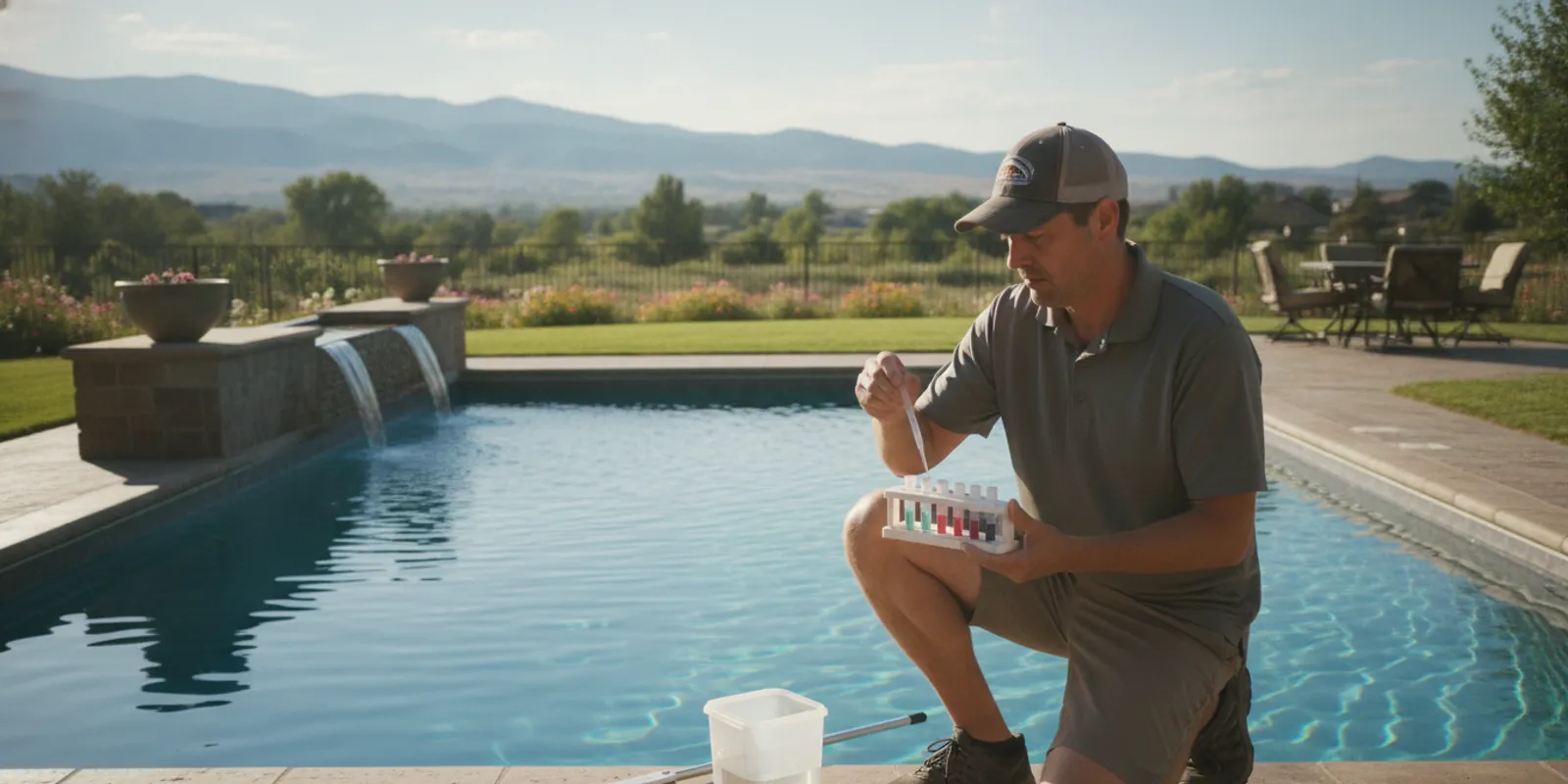
- Testing: Keep a test kit or strips appropriate to your routine. Check that reagents have not expired and have been stored as directed.
- Water treatment: Replenish only the sanitizer and balancing products that fit your pool system and test results. Never mix chemicals or combine them in one container.
- Cleaning: Inspect the net, brush, vacuum components, and filter-cleaning supplies before the season begins.
- Seasonal protection: Before closing, confirm what your pool and equipment require for the planned winterization. Do not assume every pool follows the same procedure.
Record each product name, container size, purchase date, and amount remaining. A short log helps you notice which supplies run out quickly and prevents duplicate purchases. Keep a copy of relevant equipment instructions with your seasonal notes. If you need products or testing support locally, review Neptune’s Denver pool supplies and chemicals information.
How can you organize supplies around the Denver season?
One practical method is to divide the inventory into three groups: routine, seasonal, and investigate-first. Routine items are the tools and products you use regularly, which you can check on a repeat schedule. Seasonal items are tied to a planned opening or closing and should be verified against that year’s instructions. Investigate-first items are products you should not buy until a test result, equipment inspection, or professional recommendation identifies a need. This separation helps prevent a common mistake: treating every possible pool problem as a reason to stock another bottle.
For example, if you are preparing for opening and discover that your test reagents are expired, that is a clear inventory replacement. If the pool water has not yet been tested, treatment quantity is still unknown. If a pump sounds different or circulation seems weak, record the observation and investigate rather than automatically increasing sanitizer. These distinctions keep your shopping list connected to evidence and make it easier to explain your needs when requesting assistance.
Denver’s outdoor pool season is concentrated in warmer months, while winter preparation must account for freezing conditions. Plan around milestones, then adjust for actual weather and pool condition. Spring temperatures can change quickly, so avoid setting a firm opening date based only on the calendar. The goal is to have likely-needed items identified in advance, not to buy treatment products before you know what the water requires.
| Season stage | What to check | Supply planning action |
|---|---|---|
| Before opening | Inventory, test kit condition, visible equipment and plumbing condition | Replace expired reagents; gather products your test results and system call for |
| Peak use | Water test results, sanitizer use, cleaning tools and filter condition | Replenish selectively; keep a modest reserve of routinely used items |
| Before closing | Closing plan, equipment instructions, forecast and winter protection needs | Obtain products specified for your pool’s closing process |
| Winter storage | Container seals, storage location and next-season inventory | Separate incompatible products, preserve labels, and note what needs replacing |
Use each transition to inspect supplies before you need them. Check test-kit dates before the first water test, not after you have started adjusting water. At the end of summer, note what remains and whether containers are damaged, damp, or improperly stored. That simple step turns next spring’s shopping into a focused list rather than a guess.
Build a short opening checklist
Before the pool is ready for use, compare what is on hand with the work you expect to do. Confirm that testing supplies are usable, cleaning tools are intact, and containers have readable labels. Look over visible equipment and plumbing for signs that a repair or service visit may be needed. Make a list of missing routine items, but defer water-treatment quantities until you have current test results. If your closing method or equipment instructions specify particular products, use those directions rather than a generic seasonal list.
Replenish during active use based on records
During the swimming season, note the date and reason whenever you add a product. Record the test result that informed the decision, the product used, and the amount according to its directions. This does not need to become a complex spreadsheet. A notebook or simple digital note can show whether use is steady, tied to a particular event, or unexpectedly increasing. Reorder frequently used items before they are completely gone, but keep the reserve modest enough to store safely.
Make closing supplies specific to the pool
Closing is not simply a chance to clear shelves by buying a large winter kit. Confirm the equipment and pool requirements for the planned closing process. Some procedures depend on the type of pool, plumbing layout, cover, and equipment. Use manufacturer instructions or qualified guidance for steps that are specific to your installation. A cold snap can arrive before a convenient shopping trip, so identify likely supplies in advance while still following product directions and the pool’s actual closing plan.
How should you store pool supplies safely?
Follow each product label and safety data information. Store chemicals in their original, closed containers, with labels intact, in a dry, secure, well-ventilated location away from children and pets. Keep products out of direct sun and away from heat, water intrusion, and ignition sources where the label directs. Do not store different chemicals together in a way that could allow leaks or spills to mix.
- Keep liquids upright in a stable bin or on a shelf that can contain a small leak.
- Keep oxidizers, acids, and other products separated according to label directions; never transfer them into food or drink containers.
- Use clean, dry measuring tools dedicated to the product, and never return a measured product to its original container.
- Do not combine leftover products or pour them down a drain. Follow the label and local disposal guidance.
- Check containers periodically for damage, corrosion, swelling, leaks, or unreadable labels. If a container is compromised, keep people away and follow its emergency guidance.
A garage can experience large temperature swings, and a shed may be exposed to moisture or freezing conditions. Choose storage based on the manufacturer’s stated temperature and handling requirements rather than assuming one location suits every product. Keep supplies protected from snowmelt, irrigation water, and accidental contact with tools or other materials. Store them so that a leak cannot run into a drain or mix with another product.
Make the storage area easy to inspect. Keep labels facing outward, leave space between containers, and do not stack containers in a way that could crush or tip them. Put the most frequently checked items where you can read their labels without moving other chemicals. Keep a written inventory nearby, but not where it could be damaged by a spill. If you find an unreadable label, do not rely on memory to identify the contents.
For general label-safety information, consult the U.S. Environmental Protection Agency’s pesticide labeling overview. Product labels govern handling and use; follow the directions for the specific product you have.
How can delivery help with seasonal replenishment?
Delivery can reduce last-minute errands and make a seasonal plan easier to follow, especially when containers are bulky or you need to replenish routinely used products. It does not replace checking labels, verifying that an item suits your system, or preparing a safe place to receive and store it. Neptune Pools offers pool chemical delivery in Denver; check the supplies and chemicals page for details and confirm availability for your needs.
Before arranging delivery, make a list and verify the practical details:
- Write down the exact product name and container size you currently use. If you are considering a substitute, confirm compatibility first.
- Check recent test results and remaining stock so you order based on need rather than habit.
- Ask about delivery area, timing, minimums, and handling. Confirm the terms directly instead of assuming availability.
- Prepare a dry, secure storage spot before the order arrives, with room to separate products as directed.
- When the delivery arrives, check that the product and container match what you requested, read the label, and put it away promptly.
Delivery planning is especially useful around opening and closing, when weather can compress the time available for preparation. It can also help avoid storing more than you can use. A large container may appear convenient but can be a poor choice if it exceeds your needs, cannot be stored under its label requirements, or will remain open for an extended period. Compare quantity and safe storage along with the purchase price.
For geographic coverage information, you can review Neptune’s service areas. If you need help determining whether an item is appropriate, have the product name, pool system details, and recent test information ready before asking.
When does a supply problem point to equipment service?
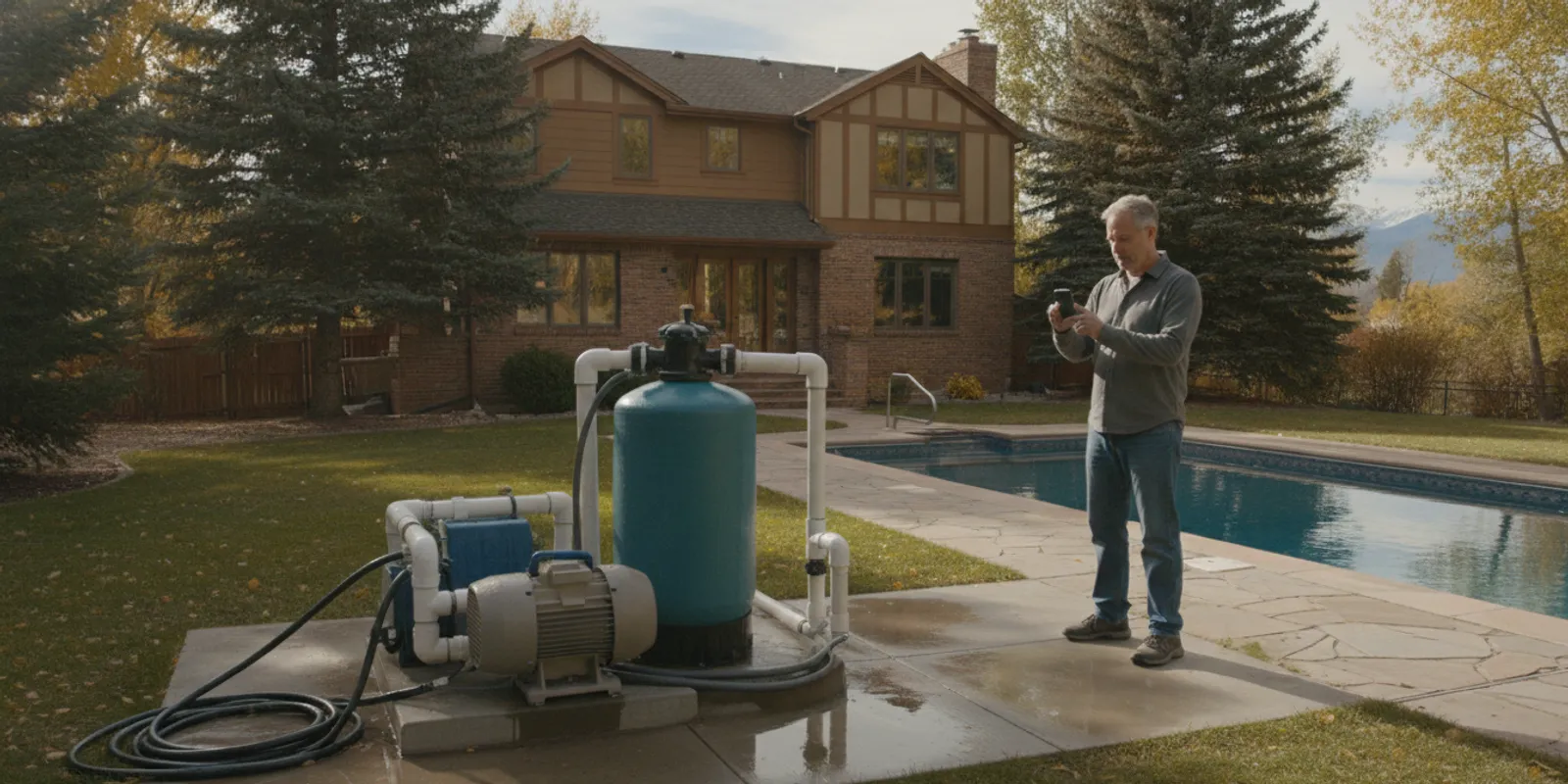
Needing more product than usual does not automatically mean something is broken. Weather, use, water conditions, and maintenance routines can all affect consumption. But if test results remain difficult to stabilize, circulation appears weak, a pump is noisy, filter pressure changes unexpectedly, or a feeder is not operating as intended, buying more chemicals may not solve the underlying issue.
Keep notes on test results, product additions, equipment observations, and dates. A useful record distinguishes what you observed from what you suspect. For example, write “water test result differed from last week” rather than concluding that a particular piece of equipment caused it. Record any change in pool use or weather that might help explain a pattern. If a concern persists, this information can help a technician understand what has already been checked.
Follow equipment manuals and avoid opening electrical or pressurized components unless qualified to do so. For a persistent mechanical concern, review pool equipment repair and servicing. If routine cleaning and water care are the main need, compare the details of pool cleaning and maintenance instead of trying to solve every issue by stocking extra products.
How can you compare local supply options?
Compare more than the shelf price. Consider whether the supplier carries the exact product your system requires, whether guidance is based on your test results, whether delivery fits your location and timing, and whether you can store the quantity safely. Buying a large container may look economical but can be a poor choice if it exceeds your needs or storage capacity.
| Factor | Questions to ask | Why it matters |
|---|---|---|
| Product fit | Does this match my sanitizer and equipment? | Helps avoid an incompatible purchase |
| Quantity | Can I use and store this amount safely? | Limits waste and unsafe stockpiling |
| Timing | Can I obtain it before opening or closing work? | Reduces rushed decisions when schedules shift |
| Support | Can I get help interpreting a test result or choosing a product? | Connects purchases to the pool’s actual condition |
| Delivery | Is delivery available to my address, and what are the terms? | Clarifies logistics before placing an order |
A useful comparison starts with the pool, not a retailer’s assortment. Bring or write down the sanitizer system, pool volume if known, current test results, and product labels. Ask whether a suggested replacement has the same intended use and whether its directions differ. Do not assume that two containers with similar names are interchangeable. If you cannot confirm the fit, pause the purchase and consult the product label or a qualified professional.
Consider the full path from purchase to use. Can you transport the container safely, keep it upright, and store it where the label allows? Is the quantity realistic for your pool and routine? Will you be able to use it before it becomes unsuitable? These questions matter as much as convenience. A smaller, appropriately selected purchase can be a better plan than building a large reserve that is difficult to store.
What should you ask before ordering?
Have the pool’s basic details ready: approximate volume if known, sanitizer system, recent test results, and the name or label of anything you are replenishing. Explain whether this is a routine restock, preparation for opening or closing, or a response to a problem. Ask whether a proposed substitute is compatible before accepting it. If you are unsure about dosage, do not estimate from memory; use the product label or consult qualified help.
Homeowners can use Neptune’s pool care FAQ resource to identify common questions, then seek situation-specific help when the answer depends on equipment or test results. For residential properties, see residential pool services; property managers can review HOA pool service information. These pages provide relevant service context, while your product label and actual pool conditions should guide handling and use.
Before you finish an order, run through a short check: right product, right container size, confirmed delivery details, current test information, and a safe place to put it away. That pause can prevent a duplicate purchase or a last-minute scramble. If the need is connected to a recurring water or equipment problem, describe that pattern instead of ordering additional product without understanding why it is needed.
Contact Neptune Pools to ask about supplies and seasonal planning.
Frequently asked questions
How much pool chemical should I keep on hand?
There is no single amount that fits every pool. Base purchases on pool size, system type, test results, product directions, and a realistic replenishment schedule. Keep only quantities you can store safely, and avoid buying treatment amounts before you know what the water needs.
Can I store pool chemicals in my garage over winter?
Check each product’s label for storage temperature and handling requirements. Garages can become hot, cold, or damp, so do not assume they are suitable for every chemical. Keep containers sealed, separated as directed, and inaccessible to children and pets.
Should I buy supplies before opening the pool?
Inventory and check test-kit condition ahead of opening, but wait for current water test results before deciding on treatment quantities. A checklist helps prevent a last-minute trip without encouraging unnecessary purchases.
Does delivery replace water testing?
No. Delivery brings supplies to you; it does not establish which product or amount your pool needs. Test the water and follow product labeling, or seek qualified advice when results are unclear.
What if I keep needing more chemicals than expected?
Review your test log, usage, and product additions. If the pattern continues or equipment shows signs of trouble, have the pool and circulation equipment assessed rather than simply increasing chemical purchases.
A seasonal inventory, careful storage, and test-guided replenishment can make pool care more predictable in Denver. Plan ahead, follow product directions, and get help when a recurring supply need may signal a water or equipment issue.
Related Blogs