Pool Tile Coping Replacement Denver: Signs & Guide
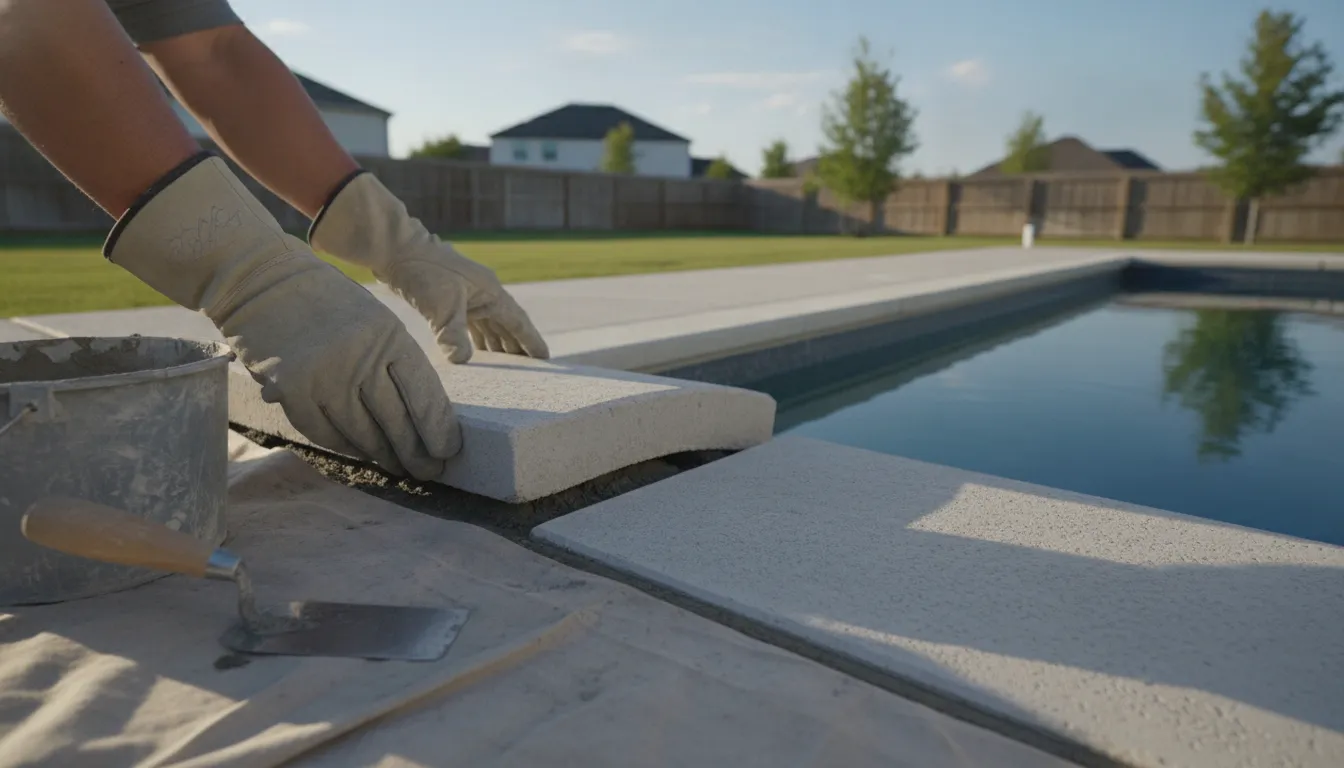
A single loose tile in your Denver pool often signals a much deeper structural issue. When Colorado freeze-thaw cycles force water behind your pool tile and coping, the bond beam suffers hidden damage. Left alone, small hairline cracks quickly spread into costly structural breaks.
A complete pool tile coping replacement denver is often needed when waterline tiles pop off, coping stones shift under hand pressure, or mortar crumbles. According to a Lalos Tile and Coping guide, these signs mean water has already slipped behind the pool wall and ruined the cement bond. This job involves taking off the old tile, checking and patching the concrete bond beam underneath, and putting in durable new stone with weather-resistant mortar. Fixing these problems before Colorado's harsh winter freeze protects your pool from severe structural cracks that damage the bond beam. Getting this work done quickly keeps your pool safe for your family, restores its beauty, and prevents very costly concrete repairs down the road.
But how do you know if your pool needs a quick grout touch-up or a full replacement? To find the right answer for your home, you must first understand Why Pool Tile and Coping Fail in Denver. Protecting your pool from local weather needs a closer look at these hidden issues, and the path begins with
Schedule your free assessment for Denver pool restoration and rehabilitation services today.
Why Pool Tile and Coping Fail in Denver
A swimming pool is a great asset for any home, but the Colorado climate can be very harsh on its outer finishes. In the Denver Metro area, pool owners often face issues with cracked stones or loose waterline tiles. These problems are not just for looks. Knowing why these parts break down is the first step in protecting your backyard pool.
Freeze-thaw cycles and water damage
The main cause of damage to local pools is the local weather. Denver winters bring extreme temp swings where water melts during the day and freezes at night. When small gaps form where the coping meets the concrete deck or nearby stones, water gets inside. According to coping experts, these gaps let water seep beneath the surface. When that trapped water freezes, it expands with great force. This expanding ice breaks the mortar bonds, cracks the stones, and pops the tiles off the pool wall.
While climate factors are harsh, keeping your pool shell intact is also a matter of basic hygiene. Safety standards from the University of California, Davis show that public pools must not have cracked, missing, or dirty tiles. Broken tiles can harbor plant debris and make cleaning hard, which harms water quality. Stopping water from getting behind these tiles is key to keeping the pool clean and safe.
High-altitude UV rays
Colorado is known for its sunshine, but our high elevation comes with a cost. Denver pools sit a mile above sea level, where the air is thin. This high altitude means pool surfaces face very strong UV rays. These rays stress the stone and break down the mortar bonds over time. When hot days are followed by cold nights, the quick temp shifts cause the pool stones to expand and shrink. This constant movement weakens the mortar that holds the tile and coping in place.
Structural risks of neglect
Leaving small cracks or loose stones alone can lead to major structural issues. When water gets past the coping, it reaches the base concrete bond beam. This beam is the strong concrete wall that runs around the top edge of your pool. If water gets into the bond beam and freezes, it causes a process called spalling, where the concrete flakes and crumbles. This can ruin the pool shell and lead to costly repairs. Homeowners who need help can turn to professional Denver pool restoration and rehabilitation services to fix these issues before they spread.
To avoid a full pool rebuild, you should have your pool checked once a year. Yearly checks can catch tiny hairline cracks or loose mortar early, which saves a lot of money. Catching a small leak now prevents the need for a complete pool rebuild later.
Signs It Is Time for Pool Tile Coping Replacement Denver Owners Can Spot
Denver pool owners should check their tile and stone each season. Some signs of wear are easy to see from the deck. If you spot cracks wider than a credit card in your pool coping, water is likely getting under them. This water can seep below the stone and cause costly damage to the concrete ledge.
You should also look at the grout lines. Crumbling or missing grout around your stones is a clear sign that the seal has failed. When grout falls apart, water finds its way into the pool bond beam.
Visual signs of tile and coping wear
In our dry climate, daily heat and winter cold put stress on pool edges. You may see a white, chalky haze on the underside of your coping stones. Sometimes you might spot rust-colored stains bleeding through from below. You may also notice shifting or out-of-line stones along the edge.
These signs show that water is moving through the stone or behind it, which means the seal has failed. If you ignore these signs, the concrete ledge can crack and degrade. Catching these visual issues early can save you from a big repair bill later.
Loose stones and the tap test
Sometimes coping stones look fine, but they have lost their grip. You can test them with your hands or tools. If a coping stone moves under hand pressure, it has lost its bond with the pool structure. You must fix it right away to keep the pool safe.
To learn more about this process, read our inground pool coping replacement guide. You can also use a light tool to tap each stone. When you tap a healthy stone, it should make a solid sound.
If you hear a dull thud instead, the mortar bond has failed. Coping that has lost its grip on the concrete ledge below sounds hollow or dull. Loose stones can easily lift, crack, or break off when people step on them.
Gaps and tile damage limits
We must also look for gaps between the coping and the concrete deck. These small spaces let water in, which leads to major structural damage. In cold climates like Denver, this water freezes, expands, and breaks the stones. You can prevent this by sealing these gaps during pool winterization.
If you notice that some tiles are already cracked or missing, check how many are bad. When more than 20% of your pool tile is damaged or missing, a full re-tile is the best choice. It is cheaper and lasts longer than small patch jobs.
To keep your pool clean and safe, health rules from UC Davis Safety Services show that structures should have no cracked or missing tiles. If your pool has damaged tiles, you should plan to replace them soon to protect the pool shell.
Why Tile and Coping Wear Out Together in Colorado
Your pool waterline tile and top coping stone might seem like split parts, but they are deeply linked. In Colorado, when one of these parts starts to fail, the other is usually not far behind. Working with an expert to check both areas at once can save you from a big repair bill down the road.
The Shared Concrete Ledge
The main reason these parts wear out together is their shared base. Both the waterline tile and the coping stones sit on the exact same concrete ledge, known as the bond beam. This structure takes all the weight and movement of your pool. If you need a pool tile replacement guide, you should also look at your coping. When waterline tiles pop off, the coping stones often fail next since both parts take the same daily stress.
Denver Freeze-Thaw Cycles
In Denver, the weather plays a huge role in how fast your pool wears out. During the winter, the temperature swings from warm to freezing. Gaps can form where the coping meets the deck or where tiles meet stone. Water gets into those gaps, sits under the coping, and speeds up the damage. In freezing weather, it gets worse because that water freezes, expands, and breaks the stone. To prevent this, sealing gaps in your deck and coping is a key part of Denver pool winterization.
High-Altitude Solar Heat and Water Chemistry
High-altitude solar heat also puts stress on pool parts in Colorado. The intense sun causes dark-colored tiles and coping stones to heat up fast. This heat stresses the mortar bonds during the day. Over time, the grout grows weak and dry. The state of your pool water also affects how these parts wear. Pool tiles are sensitive to chemical shifts, mainly low pH levels. According to public pool safety standards from the University of California, Davis, you must keep your pool pH between 7.2 and 7.8. When your pH drops too low, it can etch your grout lines. This chemical wear eats away at the grout and breaks the bond between the tile and the pool shell.
The Risk of Bond Beam Damage
When you ignore small cracks in your coping and tile, water starts to leak into the concrete ledge beneath them. In Denver, this water freeze-thaw cycle can lead to a serious issue called spalling. This means the concrete bond beam begins to chip, flake, and crumble. Once the bond beam starts to degrade, the very structure of your pool is at risk. Fixing a crumbled bond beam is a massive, costly task. Keeping both your waterline tile and coping stones in top shape acts as a shield to keep your pool strong for years.
Repair or Replace? How to Decide
Choosing between a small repair and a full remodel is hard. When planning, pool coping replacement costs and tile wear both play big roles. For a lasting pool tile coping replacement denver experts suggest looking at how much damage has spread. Minor chips can often be patched quickly. But when wear is widespread, patching old spots only hides deeper structural problems. Taking time to check your pool now can prevent much larger and more costly leaks later.
Damage limits for pool tiles
If your pool tiles are falling off or cracking, you need to count them. When more than twenty percent of the tiles are damaged or missing, a simple patch is not enough. In these cases, a full re-tile is the best option because it ensures a strong, tight bond. This matches public pool maintenance checklists for keeping pool structures clean and safe. A fresh set of tiles also stops water from seeping into the concrete walls.
Coping as a bond beam shield
Think of your coping as a strong cap for the bond beam. This beam is the strong concrete structure at the top of your pool. The coping acts as a tight seal that pushes water away from the pool and toward the deck. If this shield fails, water will seep behind the pool wall and cause deep cracks. In Colorado, this water can freeze and expand, which quickly breaks the nearby stone. Once the stone breaks, the top edge of your pool will start to crumble.
The process of professional replacement
Fixing loose stones by yourself often fails because the concrete below is cracked. A skilled team will strip away the old stone to check and repair the pool's concrete base. They then set the new coping using a strong weather-proof mortar designed for cold climates. When you replace the stone, you can also choose modern non-slip finishes that improve deck safety and resist pool chemicals. These textured options keep wet areas safe for your family while giving a clean, fresh look.
The table below outlines how to choose between pool repair and replacement based on the state of your stone.
| Criteria | Repair (Patch) | Replace (New) |
|---|---|---|
| Tile Damage | Less than 20 percent damaged | More than 20 percent damaged |
| Coping State | Hairline cracks in grout | Loose stones or cracked base |
| Safety and Finish | Keeps old, slick surface | Adds modern, non-slip finish |
| Long-term Value | Short-term fix for small spots | Long-term shield for pool shell |
Get a free Denver pool renovation estimate from our local team today.
How Often to Inspect Pool Tile and Coping in Denver
To keep your pool in top shape, you must inspect its stone edge and waterline tiles on a set schedule. We suggest a check of your coping at least twice a year in Denver. You should check once in the spring after the snow melts, and once in the fall before the first hard freeze. These checks are the key to catching issues before the cold weather hits.
Annual checks of your pool coping and tiles can help catch small issues, such as hairline cracks or loose mortar, before they become major problems. Finding these early-stage issues can save you a lot of money. It is the best way to avoid the high cost of a full pool tile coping replacement in Denver.
Best times for pool checks
Denver weather is tough on backyard pools. Extreme shifts in heat and cold stress the bond between your tiles, coping, and the concrete pool wall. A spring check lets you find damage from winter ice. A fall check ensures your pool is ready for winter. If you need help with these seasonal checks, you can sign up for recurring Denver pool cleaning and maintenance to keep your pool safe.
Key steps to check tile and coping
You do not need special tools to do a basic check. Follow these five steps to inspect your pool waterline and stone edge:
- Walk the pool edge. Walk around the entire edge of your pool. Look closely for cracks in the stones, gaps in the grout, or loose tiles.
- Tap the coping stones. Tap each stone with a light tool like a screwdriver handle. Listen for a hollow or dull sound. A hollow sound means the stone has lost its bond with the concrete wall underneath.
- Check tile and grout. Look at the grout lines between your waterline tiles. Crumbling or missing grout is a sign that the seal has failed. Press gently on the tiles to see if they move or feel loose.
- Verify deck seals and gaps. Check the gap where the coping meets your pool deck. This joint must be sealed tight before winter. If the seal is broken, water will get in, freeze, expand, and break your stone.
- Keep water chemistry balanced. Test your water often to keep your pH and chemicals in the right range. Low pH can etch grout and weaken the bond that holds your tiles in place. Standard safety guidelines require you to maintain pH between 7.2 and 7.8 to protect pool finishes. Keeping your water chemistry balanced is the easiest way to stop early wear of your pool tile and stone coping.
What to Expect from a Denver Tile and Coping Project
When you plan a pool renovation, knowing what comes next helps you prepare. A full project is much more than a quick patch. It is a step-by-step process that makes your pool strong and beautiful while protecting your home from water damage. For the best results, hire expert Denver pool restoration and rehabilitation services.
Initial inspection and preparation
First, pool pros do a full check of the deck and waterline area. They drain the water below the tile line to start work safely. Next, workers strip away the old tile and coping stones. This step shows the concrete ledge beneath, which is the pool's bond beam.
The work crew looks for any cracks in this concrete support. If they find cracks, they must repair them immediately to prevent water leaks. Making this repair now keeps the pool shell strong and stable for a long time. Skipping this step can lead to major structural damage and high repair costs down the road.
During this prep stage, workers also check the pool deck expansion joint. They make sure the joint is fully clear of debris and old sealant. This narrow gap between the deck and the coping must be clean. Keeping it clean ensures that ground shifts do not push the new stone out of place.
Bond beam care and weather-resistant materials
High-altitude climate conditions in Denver can quickly damage weak coping stone. Intense solar rays and big temperature swings stress the pool edge every single day. This is why proper stone choice is so vital for Colorado homes. You must choose durable coping materials that can withstand local freeze-thaw cycles.
Pros use modern, weather-resistant mortar and strong grout to lock stones in place. This special mix resists water and prevents ice from breaking the stones. We often suggest non-slip textures to make your deck much safer for families. These textured surfaces resist chemical damage while keeping your family safe.
Mortar work and final water balance
Once the tiles are set, the mortar must cure. This drying time is needed to ensure the bond is fully strong. Next, workers clean up the entire site and fill the pool with water. Do not rush this step, as curing ensures the new stone stays in place for years.
With the pool full, you must balance the water chemistry right away. According to the UC Davis Safety Guidelines, keeping pH balanced is crucial to prevent grout damage. Low pH levels will etch grout and weaken tile bonds. Regular checks and balanced water keep your new pool beautiful and safe.
Ready to start? Book your free Denver pool assessment before the first freeze.
Frequently Asked Questions
When should I replace my pool tile and coping?
Most pool tiles and coping last between ten and twenty years before they need a full replacement. In Denver, extreme weather changes speed up this wear. If you notice wide cracks, loose stones, or if more than twenty percent of your tile is damaged, you should replace them. Leaving these problems can let water seep behind the stone, which leads to costly damage to the concrete pool shell.
Can I replace just the pool tile or do I need to do the coping too?
You can replace just the tile or just the coping, but we usually suggest replacing both at once. Waterline tile and coping stones sit on the same concrete ledge, so they take the same weather stress. According to a Lalo's Tile and Coping guide, failing tile often goes hand-in-hand with failing coping. Doing both at the same time ensures a stronger seal and saves you money on work costs.
How much does pool tile and coping replacement cost in Denver?
The total cost to replace pool tile and coping depends on your pool size and the materials you choose. On average, homeowners in Denver can expect to pay between three thousand and ten thousand dollars for a standard pool. You can learn more about specific prices in our pool coping replacement costs guide. Having an expert check your pool is the best way to get an exact price.
What are signs of pool coping damage in Colorado climates?
In Colorado, look for gaps between your pool deck and the coping stones where water can freeze and expand. You should also watch for cracks wider than a credit card, crumbling grout, or loose stones that wiggle. If you tap the stones and hear a hollow sound, they have lost their bond. A guide from Resurrection Pools notes that coping acts as a shield to protect your concrete pool wall from water damage.
Ready to Schedule a Denver Tile and Coping Assessment?
Leaving cracked waterline tiles and loose coping stones without repair leads to severe leaks and broken concrete during the freezing Colorado winter weather. Starting your pool rehab project before the first freeze prevents water from seeping behind your tiles and breaking your pool bond beam. Our skilled Denver technicians are ready to assess your pool, restore your coping, and help you protect your backyard investment for years to come.
Ready to schedule a free pool assessment and renovation estimate with our local Denver team today? Please click here to book your consultation online today. You can also call us directly at (303) 431-8501 to talk to a local pool expert about your upcoming repair needs.
Related Blogs