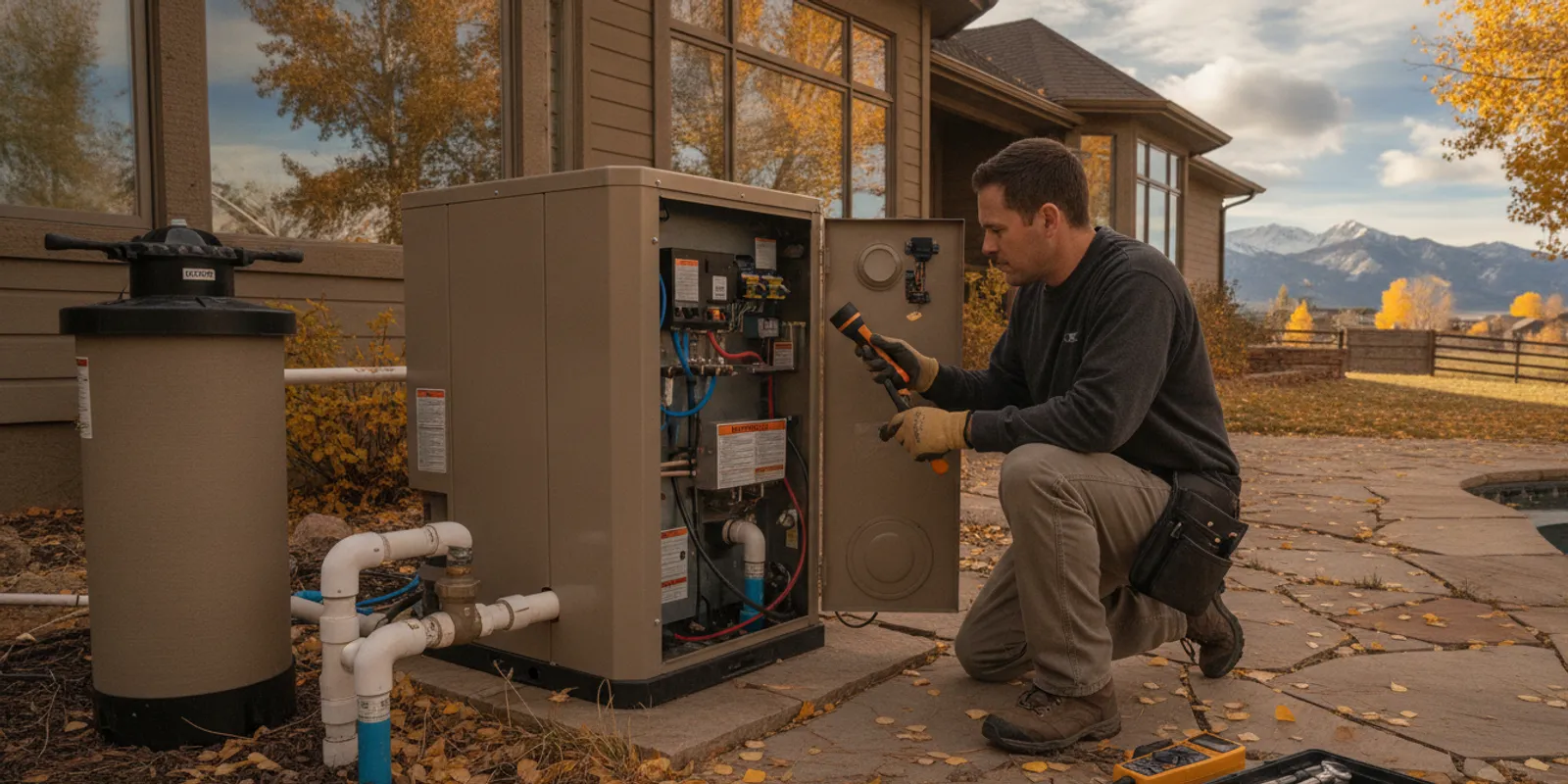
Spa Maintenance Contract: What Denver Homeowners and HOAs Should Compare

A spa maintenance contract can make routine care more predictable, but the right agreement depends on how often the spa is used, who uses it, and who is responsible when something changes. Denver homeowners, HOAs, and property managers should compare more than the monthly visit count: look at water chemistry, cleaning tasks, equipment checks, winter support, and how service findings are reported.
Ask about spa service options.
What should a spa maintenance contract spell out?
Start with a written scope. “Spa maintenance” can mean different things from one provider to another. One agreement may cover routine water care and surface cleaning; another may focus on inspection or periodic visits. Confirm the exact tasks, the schedule, any exclusions, and what happens when a technician finds a repair need.
Before comparing prices, ask for an answer to each of these questions:
- How many visits are included, and how often do they occur?
- Which water tests and chemical adjustments are included?
- What cleaning tasks are performed at each visit?
- What equipment and safety-related observations are checked?
- How are urgent concerns and recommended repairs communicated?
- Is winter support included, optional, or outside the agreement?
A clear scope makes it easier to compare like with like. It also helps prevent assumptions, such as believing that routine maintenance includes replacement parts or repair labor. Ask the provider to distinguish scheduled care from work that requires a separate approval. For a starting point, review Neptune Pools’ spa services and discuss how the written scope fits your particular spa.
How often should a spa be serviced?
Visit frequency should reflect use and operating conditions, not just a standard calendar. A private spa used by a household has a different demand pattern from an HOA amenity used by many residents or a rental property with frequent guest turnover. More users and heavier use can mean water conditions change more quickly, so a plan should explain how the visit schedule is set and when it can be adjusted.
Ask whether visits are weekly, biweekly, monthly, or customized. Find out whether the contract includes a way to request an additional check after unusually heavy use, a water-quality concern, or a period when the spa was unused. Also clarify whether the stated schedule is year-round or changes by season. If your property has shared access, spell out who can request an extra visit and who approves its cost.
| Comparison point | What to confirm | Why it matters |
|---|---|---|
| Visit frequency | Routine interval, seasonal changes, and extra-visit process | Use levels and weather can change the oversight needed |
| Water care | Tests performed, adjustments made, and supplies included or billed separately | “Chemistry included” is not specific enough to compare |
| Cleaning | Surfaces, filter attention, debris removal, and tasks not covered | Defines the hands-on work at each visit |
| Equipment observations | What is visually checked and how faults are reported | Routine checks are not necessarily repair coverage |
| Winter support | Cold-weather response, shutdown or restart work, and exclusions | Denver-area cold snaps make written responsibilities useful |
| Communication | Service notes, response channel, and approval process | Owners and managers need usable records and clear next steps |
Which water chemistry services are included?
Water-care language deserves close attention. Ask what is tested during each visit, whether the technician makes routine adjustments, and how chemical products are handled or billed. Confirm whether the agreement identifies the parameters checked and how you will learn about a reading outside the provider’s working range.
Denver’s elevation and dry climate are relevant operating conditions, but they do not replace testing. Spa water can change with bather load, temperature, refill water, and time between visits. Ask how the plan accounts for actual use and whether the provider recommends owner checks between scheduled calls. Do not assume chemical costs are included unless the contract says so. The CDC’s guidance for healthy swimming includes information on maintaining pool and hot tub water; review its healthy swimming recommendations as a general reference, then ask the service provider how testing and records are handled for your spa.
For shared facilities, clarify who can report a concern and whether the technician leaves a record that an on-site manager can review. If the property has rules for access, chemical storage, or logging, put those requirements in writing before service begins. A contract should also identify what the customer is expected to monitor between visits rather than implying that a periodic appointment replaces all day-to-day oversight.
What does routine cleaning cover?
“Cleaning” can refer to several separate tasks. Ask whether the visit includes skimming debris, wiping accessible surfaces, checking or rinsing filters, and cleaning the area around the spa. The agreement should say how often each task is done. Some work may be periodic rather than part of every visit.
Also ask what the provider expects the owner or staff to do between visits. For example, the agreement might assign daily or post-use responsibilities to the property. A short division of responsibilities is especially useful in an HOA or rental setting, where several people may use or oversee the spa. Keep the contract’s routine scope distinct from deeper cleaning that is arranged separately.
Review pool cleaning and maintenance information alongside the dedicated spa service details, and compare each description with the tasks in any agreement you are considering.
Which inspections and repairs are separate?
A routine visit can include observations of the spa’s operation, but an inspection is not automatically a diagnosis or repair. Ask what the technician looks at, such as visible leaks, unusual sounds, water movement, controls, or other apparent changes. Then confirm how a concern is documented and who authorizes further work.
Get clear answers about parts, labor, troubleshooting, and after-hours response. If those items are not included, ask how you receive an estimate before work proceeds. A maintenance agreement should not leave you guessing whether a service note means a repair has already been approved.
For equipment problems, see equipment repair and servicing information. You can also read spa pump repair guidance to understand the difference between recurring care and a pump-specific concern. If you notice a symptom, describe what you observed and ask the provider to identify the next appropriate step.
How should a Denver contract handle winter?
Cold weather changes the questions to ask, but no single winter procedure fits every spa. The agreement should state whether service continues through winter, whether visit frequency changes, and how a freeze-related concern is handled. Ask what is included in routine service and what would count as a separate shutdown, restart, or repair project.
Do not rely on a broad promise of “winter protection” without written detail. Confirm how to report a suspected loss of power, abnormal water level, or equipment issue, and whether the contract offers a defined response process. Owners should also know what actions they are expected to take while waiting for help. Advice may depend on the spa model, site conditions, and current weather, so avoid making equipment or water-level changes based on a generic rule.
If you need to distinguish spa care from seasonal pool work, Neptune’s pool closing and winterization information describes a separate seasonal service category. Ask which winter tasks apply to your specific spa and site. You can confirm local coverage through the company’s Denver Metro service areas.
What communication should the agreement provide?
A useful contract explains how you will know a visit happened and what the technician found. Ask whether you receive a written service note, how quickly concerns are raised, and which person receives the update. For properties with multiple decision-makers, identify one authorized contact and a backup.
For an HOA or commercial property, specify how access is arranged, where service records are kept, and how a recommendation moves from report to approval. If residents or guests can report problems, decide who screens those reports and how urgent issues reach the service provider. Clear roles reduce missed messages and duplicate requests. A manager may also want a consistent record format so that water concerns, equipment observations, and completed tasks are easy to review together.
For a private home, agree on the preferred contact method and whether the technician should wait for approval before doing work beyond the scheduled scope. Ask whether records can help you track recurring observations over time. If the spa is at a rental property, make one person responsible for receiving updates; do not leave the service provider to guess which guest or staff member can authorize work.
How can homeowners, HOAs, and managers compare plans?
Use the same checklist for each provider. First, write down the spa’s location, type, approximate use pattern, and any known operational concerns. Next, ask for a scope and schedule in writing. Finally, compare included tasks and exclusions, rather than choosing by the headline visit count alone. A simple side-by-side worksheet can keep the comparison concrete:
| Scenario | Information to share | Contract detail to request |
|---|---|---|
| Private home | Typical weekly use, access, and any known issues | Routine tasks, between-visit owner duties, and how to report a concern |
| HOA amenity | Shared-use expectations, facility rules, and management contacts | Visit schedule, service records, escalation path, and approval authority |
| Rental property | Guest turnover, access windows, and who oversees the site | Named contact, extra-visit process, and responsibilities between bookings |
For a homeowner, explain how many people use the spa and how often. Ask what you need to monitor between visits and how to get help if conditions change. For an HOA, share access rules and identify who can approve additional work; ask how findings are documented for board or manager review. For a property manager, explain turnover patterns and access windows, then confirm who receives updates and how urgent issues are escalated.
Compare the complete arrangement: routine work, optional services, repair approval, seasonal coverage, and communication. A lower visit frequency may be reasonable for one low-use spa but unsuitable for a shared amenity. The best fit is the plan whose written responsibilities match the way the spa is actually used. For broader property-specific service questions, see Neptune’s HOA service information and commercial pool and spa service information.
What should you ask before signing?
Bring a written list to the provider conversation, then ask for answers in the agreement rather than relying on an informal summary:
- Can you list every task performed at a routine visit?
- What tests and adjustments are included, and which chemicals cost extra?
- How often will the spa be serviced, and how can that schedule change?
- What cleaning and filter tasks are included, and how often?
- What equipment observations are part of a visit?
- How are repairs priced, authorized, and scheduled?
- What winter services are included, and what is excluded?
- How will I receive service records and urgent updates?
- What responsibilities remain with the owner, staff, or residents?
A practical final check is to read the agreement as if you were a new manager taking over the property. Could you tell which day or interval service occurs, what is done, what is billed separately, and whom to contact when something changes? If any answer depends on an unwritten assumption, ask for the language to be clarified before the first scheduled visit.
Explore Neptune Pools spa care options.
Frequently asked questions
Does a spa maintenance contract include repairs?
Not necessarily. Ask whether the agreement covers only routine care or also troubleshooting, parts, and repair labor. Require approval terms for work outside the scheduled scope.
Should a shared HOA spa have more frequent visits?
It depends on usage, operating conditions, and the provider’s assessment. Tell the provider how the amenity is used and ask how the schedule can be adjusted if demand changes.
Are chemicals always included in the service price?
No. Agreements differ. Ask which testing and adjustments are included, whether products are supplied, and how additional chemical costs are handled.
Can one plan cover winter?
Some agreements may offer year-round service, while others define seasonal work separately. Confirm the winter schedule and exactly what cold-weather response does and does not cover.
Choose a scope that fits your spa
A strong spa maintenance contract makes routine tasks, seasonal responsibilities, and repair decisions understandable before service starts. Compare written scopes against real usage, and make sure every owner or manager knows how to receive updates and request help. Neptune Pools serves the Denver Metro area; contact the team to discuss the needs of your property.
Related Blogs