Weekly Pool Cleaning Denver: Service Visit Inclusions

A professional weekly pool cleaning denver service includes a complete checklist of tasks to keep your water clear and safe. Teams start by skimming surface debris, brushing walls, and vacuuming the floor to stop algae growth. They also test and balance the water chemistry, which is vital at Colorado's high altitudes where chemicals burn off quickly. According to the CDC, pool water pH levels should be kept between 7.0 and 7.8 to maintain water quality and safety. Service visits also include checking the pump, emptying skimmer baskets, and providing a service report with before-and-after photos. This clear approach ensures your pool gear lasts longer while keeping a healthy swimming space for your family throughout the seven-month season.
Ready to keep your pool sparkling clean all season? Schedule your weekly pool cleaning in Denver with Neptune Pools or call us at 253-796-8853.
Weekly Pool Cleaning Denver: Why is weekly pool maintenance important in Colorado?
Colorado pool owners face unique tasks that make routine care a top need. High-altitude sun and dry air can change water chemistry in just a few days. Without a set plan, small shifts in pH or chlorine can lead to algae growth or hazy water. Neptune Pools has provided weekly pool cleaning in Denver since 1982. Our local team at Neptune Pools knows how to handle the quick shifts in weather that happen along the Front Range.
High-altitude sun and evaporation
In Denver, the sun is closer and more intense than at sea level. Strong UV rays break down chlorine fast. This can leave your water without enough shield. The Centers for Disease Control and Prevention states that pools should have at least 1 part per million of free chlorine to stay safe. If you miss a week of care, your levels may drop too low. This allows germs to grow in the heat.
Dry air also makes water leave the pool fast. As water leaves, the salt and minerals stay behind. They build up and get strong. This can lead to hard crust on your pool tile and inside your heater. A weekly visit lets a tech check your water levels. They can fix the chemistry before these minerals cause real harm to your gear. Keeping a steady water line also keeps your pump from sucking in air and breaking.
Unpredictable Colorado storm weather
Colorado storms often bring big wind, rain, and hail. These dump dirt and leaves into your pool. This waste uses up your cleaner as it tries to break it down. If a storm hits on a Monday and you do not clean the pool for a week, you risk a green pool. Often, visits ensure that your baskets and filters stay clear. This keeps the water flowing well through your system.
Our techs also watch for the fast cold snaps that Colorado is known for. High-altitude water chemistry can shift as the air cools. This change affects how your chemicals work. Proper testing is the only way to be sure your water stays right. The CDC guidelines suggest keeping your pH between 7.0 and 7.8 to protect swimmers and the pool walls. Weekly checks help catch these shifts before they cause itchy skin or red eyes.
Long-term equipment protection
Taking care of a pool is a way to protect your home. When chemicals are out of sync, the water can turn sour. It may eat away at metal parts or plaster. Regular service stops this wear before it starts. It is much cheaper to pay for a weekly plan than it is to buy a new heater. It also costs less than fixing the whole pool floor. Our team gives full reports with photos so you can see the health of your pool after each visit.
Neptune Pools uses a 44-year history to keep Denver pools clear and safe. We take the work out of pool care so you can just swim. A clean pool is not just about looks. It is about keeping the water safe for your family and friends. By sticking to a weekly plan, you make sure your pool stays ready for any sunny day that comes your way.
What is included in a weekly pool cleaning service in Denver?
Managing a pool in the Denver Metro area requires more than just a quick look at the water. High altitude and changing weather patterns mean your pool needs precise care to stay clear and safe. Skilled workers follow a set of steps to maintain water health and protect your gear. Choosing a weekly pool cleaning service ensures that small issues are caught before they turn into high-cost repairs.
Complete waste removal
The first part of any service visit involves removing physical waste from the pool. Wind in Colorado often blows dust, leaves, and needles into the water. If these sit on the floor, they can stain the plaster or clog the drains. Technicians use professional tools to clear the surface and the floor so the water stays clean.
Step by step cleaning process
Our team follows a list of tasks to make sure every part of your pool is in top shape. Each visit aims to keep the water clear and the equipment running well. This regular care is the best way to avoid long-term damage from the harsh Denver sun.
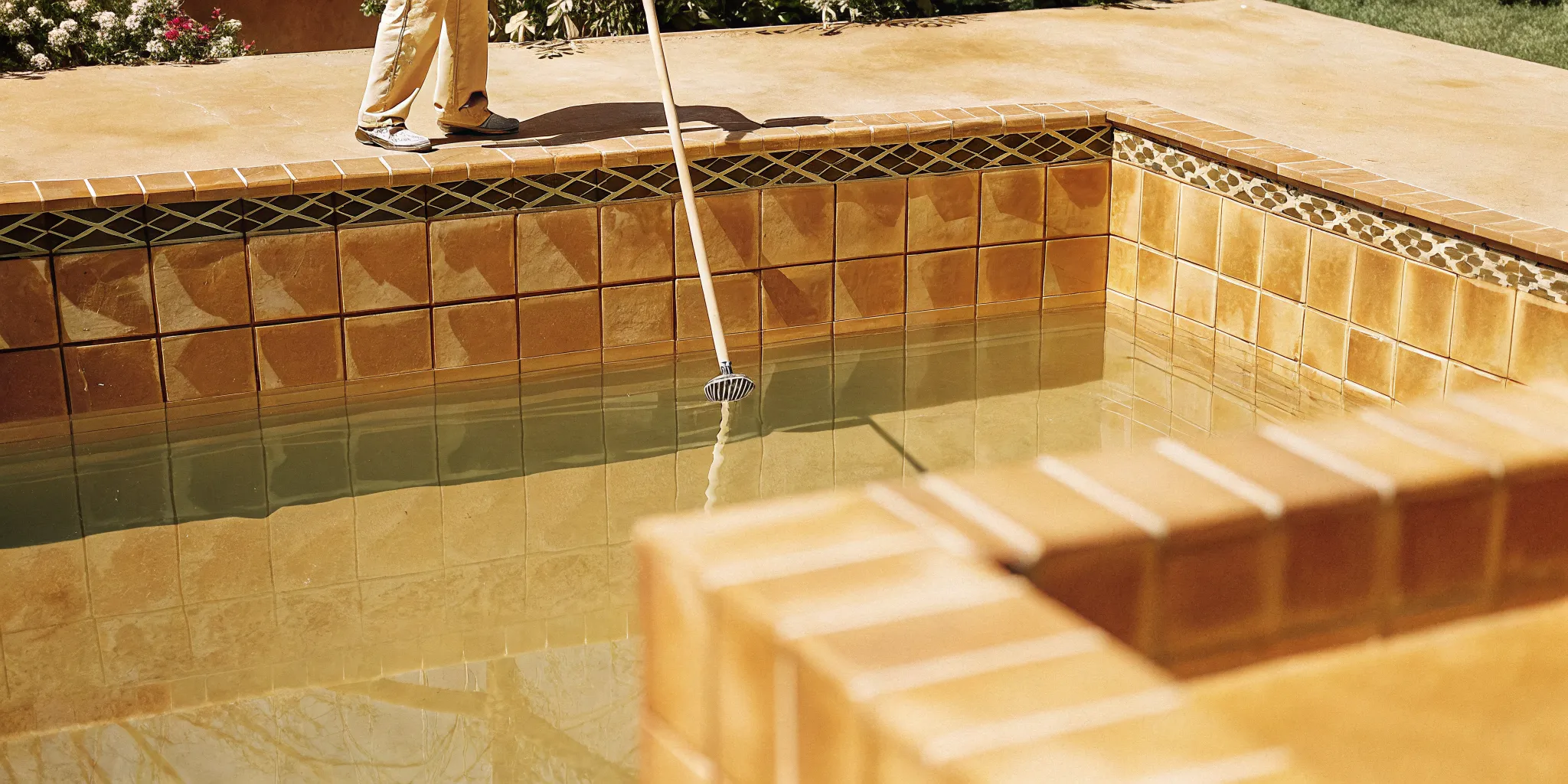
- Surface skimming and floor vacuuming. A worker uses a fine net to clear bugs and leaves from the top of the water. They also vacuum the pool floor to remove dirt and sand that the filter cannot reach alone.
- Wall and tile brushing. Brushing the walls and tile line is a key step to stop algae from growing. This process breaks up films that cling to surfaces and helps the pool chemicals work much better.
- Cleaning skimmer and pump baskets. Workers empty all baskets to keep water flowing well. Trash in these baskets can slow down the pump and put stress on your pool's main system.
- Water testing and balancing. We test the water for chlorine, pH, and other levels. According to the Centers for Disease Control and Prevention (CDC), keeping a free chlorine level of at least 1 part per million (ppm) is vital to kill germs.
- Filter pressure checks. Checking the gauge on the filter tank shows if the system is getting dirty. If the pressure is too high, the worker will backwash the filter or clean the parts to restore flow.
- Adding needed chemicals and shock. After testing, the worker adds the exact amount of chemicals to balance the water. This often includes a biocidal shock treatment to keep the water safe and clear.
Water health and gear checks
Beyond cleaning, a weekly visit focuses on the health of the water and the life of the gear. Colorado sun can strip chlorine from a pool fast. This leads to green water in just a few days. Frequent checks help maintain a steady balance that protects your skin and eyes from pain.
Our team also keeps a close eye on your gear. They look for leaks in the pipes and listen for odd noises from the pump motor. Catching a small leak early can save you from a big bill later. Every visit ends with a full report that shows you what was done and what your water levels were for that day.
Mastering high-altitude water chemistry: The 7.0-7.8 pH balance
Keeping pool water clear in Denver is a unique task. The thin air and intense sun at one mile high affect every chemical in the water. High-altitude pool care is not just about adding a few tablets now and then. It is about a steady balance that keeps the water safe for your skin and eyes. If you miss the mark, the water can turn green or cloudy in a single day.
High-altitude pH and chlorine care
The sun is the biggest enemy of your pool in Colorado. UV rays break down chlorine fast at high altitudes. Without a shield, your pool could lose all its cleaner by noon on a hot July day. To keep germs away, you must keep a free chlorine level of at least 1 part per million (ppm). This is the baseline needed to kill the tiny bugs that make people sick.
Your pH level is the second part of this task. pH measures how acidic or basic the water is on a scale of 0 to 14. For a swimming pool, the goal is a tight range between 7.0 and 7.8. When the pH is too high, chlorine loses its power to kill germs.
When it is too low, the water becomes acidic and can eat away at the pool liner. This can lead to costly repairs over time. Keeping this balance is a core part of weekly pool cleaning in Denver.
Handling calcium and Denver water minerals
Denver water often comes from the mountains and carries various minerals. One of the most common issues we see is calcium hardness. When the water gets too hard, it leaves white, crusty scale on your tiles and inside your heater. This buildup can cause your pool gear to fail early.
If the pH stays out of range, these minerals settle out and make the water look like milk. Regular testing is the only way to catch these shifts before they cause harm. You should check your pool supplies and chemicals to make sure you have the right tools for mineral care.
Most homeowners test for chlorine and pH, but you also need to check for total alkalinity and hardness. For a full breakdown, see our guide on pool water balancing. These levels help keep the pH steady. This prevents the water from shifting after a storm or long days of sun.
Safe chemical habits for families
Safety is the most vital part of pool care. Pool chemicals are strong and can be risky if they are not used the right way. The CDC warns that pool chemical accidents cause about 4,500 urgent care visits each year. About one-third of these people are kids under age 18.
Always store your supplies in a cool, dry area with plenty of air. Never mix different types of chlorine together, as this can cause a fire or release toxic gas. We suggest checking your water levels at least twice a day when people are swimming a lot.
This helps you catch a drop in chlorine before it becomes a health risk. Good records of every test help you see trends over time. If you notice you are using more chemicals than usual, it might be a sign of a leak or a filter issue.
Good record-keeping is a mark of expert pool care. It helps keep your family safe all season. Our team handles the hard work of chemistry so you can just enjoy the water.
Comparing DIY pool care vs. professional weekly pool cleaning in Denver
Owning a pool in Colorado brings specific tasks. Many homeowners start by doing the work themselves to save money. But the real cost of DIY care often goes beyond the price of chemicals. You must weigh the value of your free time against the ease of a pro service.
The time commitment of DIY care
Most pool owners spend two to four hours each week on upkeep. This work includes skimming leaves, brushing walls, and vacuuming the floor. You must also test the water and add chemicals to keep it safe. In Denver, high winds and spring pollen can make these chores even harder to finish.
Missing just one week of work can lead to cloudy water or green algae. It takes much more time and money to fix a green pool than to keep one clean. A Denver pool maintenance service takes this load off your plate. This lets you spend your weekends swimming instead of scrubbing the tile line.
Chemical safety and storage risks
Storing pool chemicals at home poses real risks. You must keep acids and chlorine in a cool, dry place. These items can be harmful to pets or kids if they are not stored well. Also, buying chemicals in small amounts at a local shop is often more costly than the bulk rates pros get.
Pros know how to handle these tools safely. They follow rules from the CDC to keep free chlorine at least 1 ppm. Proper dosing protects your liners and heaters from damage. Using the right amount of each item helps your pool gear last for many years.
Comparing the true costs of pool care
A pro visit covers more than just a clean floor. It includes a full check of your pumps, filters, and heaters. Finding a small leak now can save you thousands of dollars in major repairs later. Pros also understand how high altitude affects your water chemistry and salt cells.
| Feature. | DIY Pool Upkeep. | Professional Weekly Service. |
|---|---|---|
| Weekly Time. | 2 to 4 hours of work. | Zero hours for you. |
| Chemical Storage. | Risk in garage or shed. | No chemicals stored at home. |
| Expert Inspection. | Owner visual check. | Full tech inspection. |
| Water Testing. | Basic test strips. | Pro lab-grade testing. |
| Service Logs. | None or manual. | Digital reports with photos. |
Choosing weekly pool cleaning in Denver gives you peace of mind. You get a clear log of every visit and the state of your water. This data is helpful if you ever choose to sell your home. It shows that you took great care of one of your most valuable assets.
Preventing equipment damage with routine filtration checks
A clean pool needs a strong flow of water. Your pump and filter act as the heart and lungs of the system. If they fail, the water stops moving. Stagnant water quickly turns green with algae and can hide germs. Some germs, like Cryptosporidium, are very tough. According to the CDC, this germ can live in treated water for more than seven days. Keeping your filter clean helps catch these threats before they spread.
A clogged filter is the top cause of equipment strain. When the flow slows down, the heat in your pump motor can rise. Over time, this heat melts seals and damages the internal parts of the pump. By checking the pressure gauge each week, we find these blocks before they cost you money. This simple check is one of the best ways to keep your pool running all summer.
Protecting your pump and filter
The pump moves water through the filter to keep it clear. If the filter is full of dirt, the pump has to work much harder. This extra strain can cause the motor to burn out early. Replacing a pump motor is a big expense that you can avoid with ease. Regular checks of the pressure gauge show you when the filter needs a wash. Most systems need a wash once the pressure rises 8 to 10 psi above the start level. Keeping the flow steady also helps your heater run well without over-heating its metal parts.
Our team provides pool pump and filter repairs for Denver homes when these parts wear out. By catching small leaks or odd noises early, we can often fix the issue before the whole unit dies. This proactive care is a key part of our weekly pool cleaning in Denver. We look at every part of the pad to ensure the seals are tight and the baskets are clear of leaves and debris.
Safe water and germ control
Good flow does more than just keep the water blue. It ensures that the chemicals you add mix well and reach every corner. High-altitude sun in Colorado can burn off chlorine fast. Without a working pump, the chlorine stays in one spot while other areas stay low. The CDC guidelines suggest keeping free chlorine at 1 part per million or more to kill most germs. A steady flow helps maintain this level across the whole pool. This protects your family from water-borne illnesses that thrive in warm water.
We also check the skimmer and pump baskets during our visits. A basket full of pine needles can block the flow just as fast as a dirty filter. In the Denver area, wind can blow a lot of debris into your pool in a short time. We make sure these paths are open so your pump can breathe. This keeps the water clear and the equipment safe from dry-running.
Winter and freeze protection
Denver winters are harsh on pool gear. Even when you are not swimming, your equipment needs care. Water that sits still in pipes can freeze and crack the plastic or metal. This leads to costly floods and broken gear during your spring pool opening. Routine checks during the cold months ensure that your freeze-guard is working. This tool turns the pump on when the air temperature drops to keep water moving. We help local owners monitor their pads year-round to prevent these freeze breaks. Cold-weather care saves you from a late start to the swim season and expensive repair bills.
Want to protect your valuable pool equipment and keep your water crystal clear? Schedule your professional weekly Denver pool maintenance plan today or reach out at 253-796-8853.
Frequently Asked Questions
What is included in weekly pool maintenance?
A standard visit has a few key tasks to keep your water clear. Pros will skim the top to remove dirt like leaves and bugs. They also brush the walls and vacuum the floor to stop algae growth. The service covers testing your water and adding the right chemicals to keep it safe. Finally, the team checks your filter and baskets to make sure everything runs well. These steps help keep your Denver pool in top shape all season.
How many times a week should a pool be cleaned?
Most home pools need a full cleaning once every week during the swimming season. This regular care keeps the water clear and stops germs from growing. In Denver, our active season runs from April through October. Keeping up with this schedule protects your equipment from damage and saves you money on repairs later. Our certified technicians at Neptune Pools know that weekly service is the best way to keep your pool healthy and ready to use.
Is weekly pool service worth it?
Yes, paying for a pro service helps protect your large investment. Regular care stops small issues from turning into costly repairs. It also makes sure that your water is always safe for your family to swim in. You save a lot of time by letting experts handle the hard work and chemical testing. Many Denver home owners find that the peace of mind and time saved make the service a very smart choice.
How often should the pool guy come?
For the best results, you should have a pro visit your pool once each week. This steady care ensures your water stays safe and clear for swimming. The CDC says to test pH and cleaner levels at least twice each day for public pools. For your home pool, a weekly check by a pro keeps things balanced and safe. Regular visits help find small problems before they become big, expensive fixes.
Ready to schedule your weekly pool cleaning and maintenance?
Waiting too long to clean your pool can lead to green algae and clogged filters that cost a lot of money to fix today. If you do not act now, a small problem today can turn into a big repair bill that ruins your whole Denver summer plans. Starting your service now ensures the water stays clear and safe for your kids to enjoy through the whole hot swim season.
Ready to schedule a weekly pool cleaning and care plan? Call 253-796-8853 to talk to a pool expert and set up your first service visit. We can help you find the right plan for your home so you can spend more time in the water and less time cleaning.
Related Blogs