Weekly Pool Maintenance Checklist for Colorado Pools
Colorado pools do not follow a steady, predictable rhythm. A warm afternoon can be followed by a sharp overnight drop, while high-altitude sun increases chlorine demand and summer evaporation lowers the water level. That combination can turn a small maintenance oversight into cloudy water, scale, or algae before the next swim day.
A practical weekly pool maintenance routine includes skimming debris, brushing walls and tile lines, vacuuming the floor. Testing and balancing water chemistry, checking the water level, and inspecting the pump basket and filter pressure. In Denver Metro, adjusting that routine for rapid temperature swings helps keep circulation and sanitizer performance on track.
The goal is not to add busywork. It is to catch changing water conditions and equipment issues while they are still manageable. Understanding why consistency matters in Colorado makes each task more purposeful and easier to prioritize.
If you would rather leave the routine to a local expert, explore weekly cleaning and maintenance plans from Neptune Pools.
Why a Weekly Pool Maintenance Routine Matters in Colorado
Colorado pools operate in conditions that can change quickly. A clear pool one day can require a different chemical and equipment response after several hot, sunny days, a cold front, or a sharp overnight temperature drop. That is why weekly pool maintenance is more than a cosmetic chore for Denver Metro homeowners. It creates a consistent checkpoint for water chemistry, water level, circulation, and early signs of equipment trouble.
High-altitude sunlight is one reason chlorine demand can be higher around Denver. Strong ultraviolet exposure breaks down chlorine more quickly, leaving less sanitizer available between visits. If testing and adjustment are delayed, the water can lose clarity or become more vulnerable to unwanted growth. A weekly review helps identify that change before it becomes a larger treatment problem. For a deeper explanation of the local factors involved, see this guide to high-altitude pool water chemistry.
Temperature changes create a second challenge. Front Range weather can move from warm daytime conditions to cool nights or sudden storms in a short period. Those swings can alter water balance and change how quickly the pool uses or loses chemicals. A routine visit gives the owner or technician a chance to test the water, make measured corrections, and watch for conditions that encourage algae. Consistency matters because waiting until the water looks visibly green or cloudy usually means the imbalance has already progressed.
Water level also deserves attention in Colorado. High-altitude conditions can increase evaporation compared with lower elevations, especially during hot, dry stretches. A falling water level can affect skimming, circulation, and the operation of equipment that depends on adequate water flow. Checking it weekly makes it easier to distinguish ordinary evaporation from a possible leak and to restore the level before circulation suffers.
Small weekly checks can protect expensive components as well. Proper water balance helps reduce the risk of scale and corrosion, while inspecting circulation and equipment can reveal restricted flow, unusual wear, or an emerging leak. Consistent maintenance is therefore a practical form of preventive care. It can help prevent minor chemistry or circulation issues from becoming failures involving a pump, heater, filter, or pool surface. The goal is not to react to a crisis during the swimming season. It is to keep the pool stable enough that problems are found while they are still manageable.
Your Step-by-Step Weekly Pool Maintenance Checklist
A consistent weekly pool maintenance routine works best when you move from visible debris to surfaces, water level, circulation, and equipment. That order keeps you from stirring debris back into a clean pool and helps you notice a problem before it becomes a repair. In Denver Metro, make the routine more frequent when wind, storms, heavy use, or rapid temperature changes leave the pool unusually dirty.
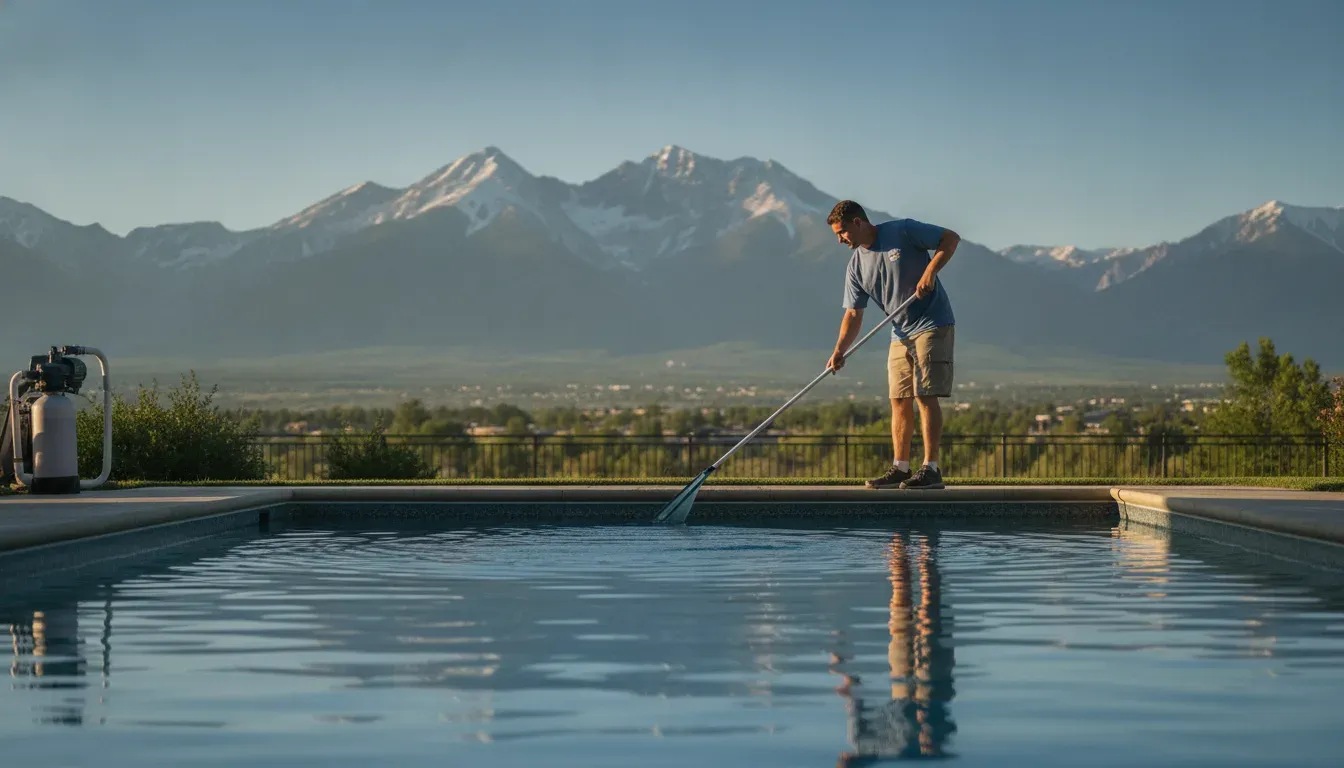
- Skim the surface. Start by removing leaves, insects, pollen, and other floating debris with a skimmer net. Weekly skimming takes debris out before it sinks, breaks down, and affects water chemistry. Empty the net as needed so you can cover the entire surface efficiently, including corners and areas near steps.
- Vacuum the pool floor. Vacuum the floor once a week to remove settled dirt and fine debris that a surface net cannot reach. Regular vacuuming helps keep the floor clean and reduces conditions that support algae growth. Work methodically so you do not leave narrow areas along walls, steps, or beneath ladders untreated.
- Brush the walls and tile lines. Brush the pool walls, steps, corners, and tile line even when they look clean. This loosens early buildup and helps prevent algae and calcium deposits from becoming established. Pay particular attention to shaded areas and places where circulation is weaker. Brushing also moves loosened material toward the filtration system for removal.
- Check and top up the water level. Look at the water level before you finish the cleaning work. Colorado's hot summer months can bring higher evaporation, and a low level can affect skimming and circulation. Add water as needed according to the pool's normal operating level. If the level drops unusually fast, treat that as a reason to investigate for a leak rather than repeatedly adding water.
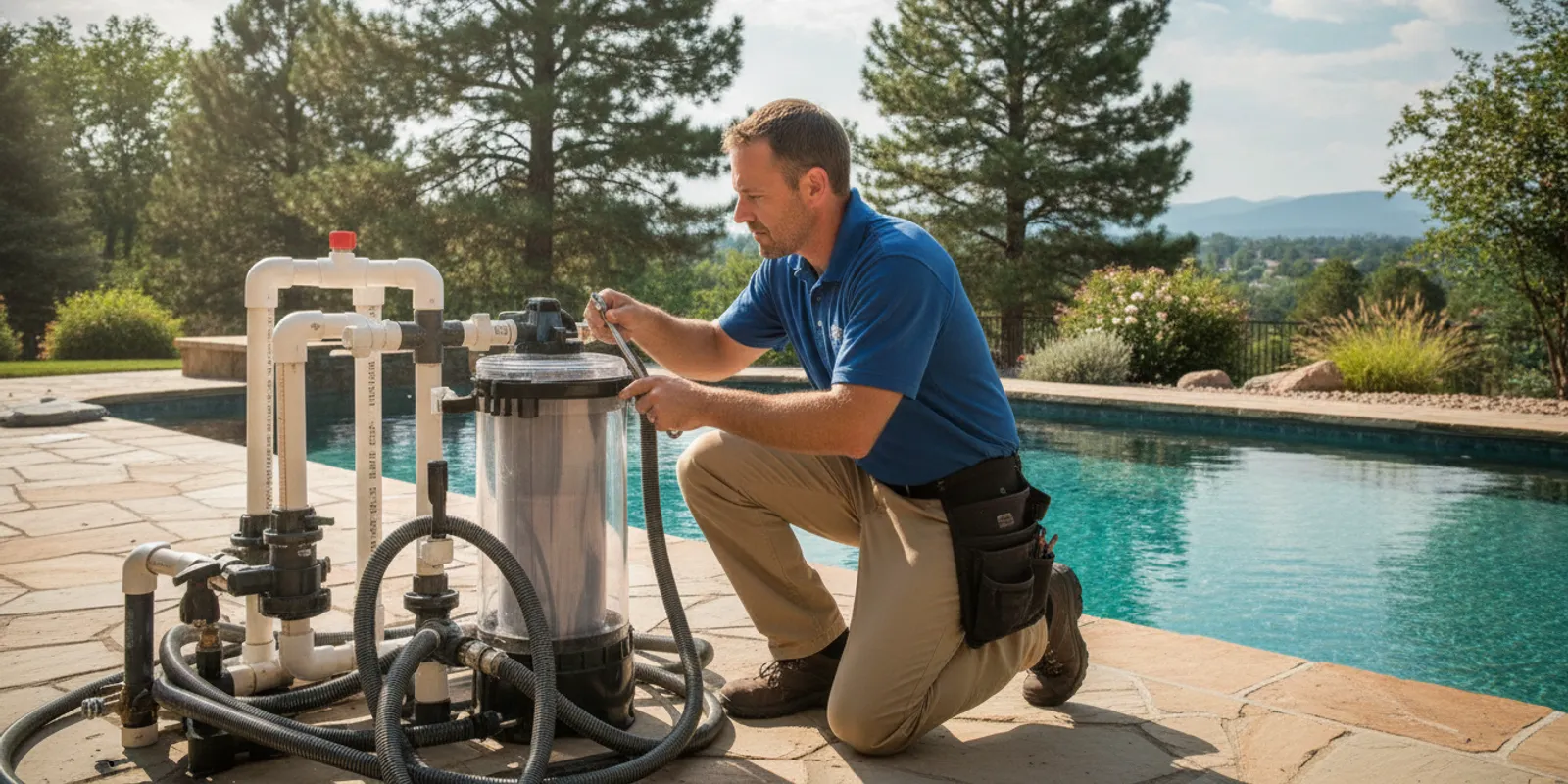
- Clean the pump basket. Check the pump basket for leaves and other debris, following the equipment manufacturer's shutoff and safety instructions before opening it. A clean basket helps prevent clogging and restricted water flow. Rinse the basket, inspect it for damage, and reinstall it securely before returning the system to normal operation.
- Give the equipment a quick visual once-over. Walk around the pump, filter, valves, heater, and visible plumbing. Look for leaks, unusual moisture, damaged parts, loose connections, or signs of wear and tear. Weekly equipment checks support efficient circulation and can catch water loss or damage early. Note anything unusual instead of assuming a change in sound, pressure, or appearance is normal.
After these physical tasks, test the water and record the results so you can spot changes from week to week. If the pool has heavy use, storm debris, or a persistent circulation issue, do not wait for the next scheduled visit to reassess the routine.
Explore weekly cleaning and maintenance plans.
How to Test and Balance Your Pool Water Chemistry
Water can look clear and still be out of balance. Build chemistry checks into your weekly pool maintenance routine rather than waiting for cloudy water, irritated eyes, or equipment problems to signal an issue. The CDC recommends testing pool water at least once a week to confirm that pH and disinfectant levels remain in their recommended ranges.
Start by testing pH and sanitizer levels with a reliable test kit or test strips. Pool water pH should stay between 7.2 and 7.8 for effective disinfection and swimmer comfort. If the reading is outside that range, adjust it with the appropriate balancing product according to the product label and your pool's volume. Make one adjustment at a time, allow the water to circulate, and test again before adding more. This measured approach helps prevent overcorrecting.
Chlorine and other disinfectants are not optional extras. They kill germs and help keep pool water safe for swimming, but their performance depends on the surrounding water chemistry. Consistent testing is the only way to confirm that the chemicals are functioning as intended. A dosage that worked last week may not be enough after heavy use, rain, debris, or a sharp weather change.
Account for Colorado's high-altitude conditions
Denver and other Colorado pools face stronger high-altitude UV exposure, which increases chlorine demand. High-altitude conditions can also increase evaporation compared with lower elevations. In high-altitude areas of California, similar conditions may create the same need for closer observation. Treat the weekly test as a minimum, not a rigid ceiling. After intense sun, a storm, a pool party, or a noticeable water-level change, test again and respond to the actual readings.
Front Range temperature swings can change water balance quickly. Keeping a simple record of test results, chemical additions, weather events, and heavy bather loads makes those changes easier to identify. It also helps distinguish a one-time adjustment from a recurring issue that needs professional attention.
Balanced water protects more than swimmer comfort. Consistent chemistry helps prevent scale and corrosion, which can damage pool surfaces and contribute to problems with heaters, pumps, and other equipment. Store chemicals safely, follow label directions, and never mix products. If measuring, transporting, or timing chemical treatments is difficult, Neptune Pools can simplify the routine with pool chemical delivery for Denver-area service needs.
Pump, Filter, and Equipment Checks to Run Every Week
Water chemistry gets most of the attention, but circulation equipment is what moves treated water through the pool and filter. A short equipment review each week can catch restricted flow, leaks, and worn components before a small problem becomes an expensive repair. The EPA recommends checking pool equipment weekly, including pumps and filters, to support efficient circulation.
Start with the pump basket and circulation
Turn the pump off before opening the pump basket. Remove leaves, grass, and other debris, then rinse the basket and check it for cracks or damage before reinstalling it securely. A dirty basket can clog the pump and restrict water flow, so cleaning it weekly is a simple way to keep circulation moving. If the basket fills unusually quickly, look for a source of debris and pay attention to whether the pump is struggling to maintain normal flow.
While the system is running, observe the return jets and listen to the pump. Weak return flow, unusual grinding or rattling, repeated priming problems, or air bubbles can signal a blockage, suction-side issue, or equipment fault. Do not keep operating a pump that is running dry or making a new, severe noise. Shut it down and arrange a professional inspection.
Clean the filter according to conditions
Include filter care in the weekly routine, but do not assume every filter needs the same cleaning schedule. Cartridge, sand, and diatomaceous earth systems have different service requirements. The CDC identifies regular filter-system cleaning as part of maintaining clear water, while its operating guidance notes that cleaning frequency depends on pool usage and environmental conditions. Check the pressure gauge against your system's normal operating pressure, and follow the filter manufacturer's instructions for rinsing, backwashing, or replacing the media. Heavy swimmer loads, wind-blown debris, and nearby construction may require more frequent attention.
Look for leaks and visible wear
Walk around the pump, filter, heater, valves, and exposed plumbing. Look for damp fittings, drips, puddles, mineral deposits, cracked housings, brittle connections, and water levels that seem to fall faster than normal evaporation would explain. The EPA recommends inspecting equipment for leaks because they can cause water loss and damage. A weekly visual check should also include signs of general wear, such as frayed wiring covers, corroded hardware, damaged insulation, or deteriorating seals. Photograph anything that changes and note when it appeared. That record gives a technician useful information and helps you address developing wear before it affects circulation or pool operation.
How to Stop Algae Before It Starts During Front Range Temperature Swings
Colorado weather can change quickly. A warm, sunny afternoon followed by a cool night can shift pool water balance in a short period, creating conditions where algae gains a foothold. That risk is higher when circulation, sanitation, or surface cleaning has already fallen behind. A proactive routine is more effective than waiting for green water and then trying to correct it.
Start by vacuuming the pool floor once each week. Regular vacuuming removes fine debris and organic material that can collect in low-flow areas and support algae growth. It also gives you an opportunity to notice early changes, such as cloudy water, slippery surfaces, or discoloration around steps and corners. Weekly vacuuming keeps the floor clean and reduces the material algae need to take hold.
Brushing is just as important as vacuuming. Use a pool brush on the walls, steps, corners, and tile line, paying extra attention to areas where water movement is limited. Brushing loosens the film where algae and mineral deposits begin to attach. Allowing the filter and sanitizer to handle the material instead of leaving it embedded on the surface. The CDC notes that regular brushing helps prevent algae and bacteria colonies from developing: CDC guidance for home pool water treatment and testing.
Do not treat a clear-looking pool as proof that chemistry is stable. Denver's high-altitude UV conditions can accelerate chlorine demand, so sanitizer may be consumed faster than expected on bright days. Test after significant weather changes and adjust chemistry based on the result, not on a fixed dose or appearance alone. Keep circulation running according to your equipment and seasonal needs, and make sure the filter is able to remove what brushing and vacuuming release.
During Front Range shoulder seasons, inspect the pool after sharp temperature changes, storms, or unusually sunny stretches. Look for early growth along shaded walls, beneath ladders, and at the tile line. Removing that buildup promptly, while confirming sanitizer and water balance, is far easier than recovering from an established algae bloom.
DIY or Professional Service for Your Weekly Pool Maintenance?
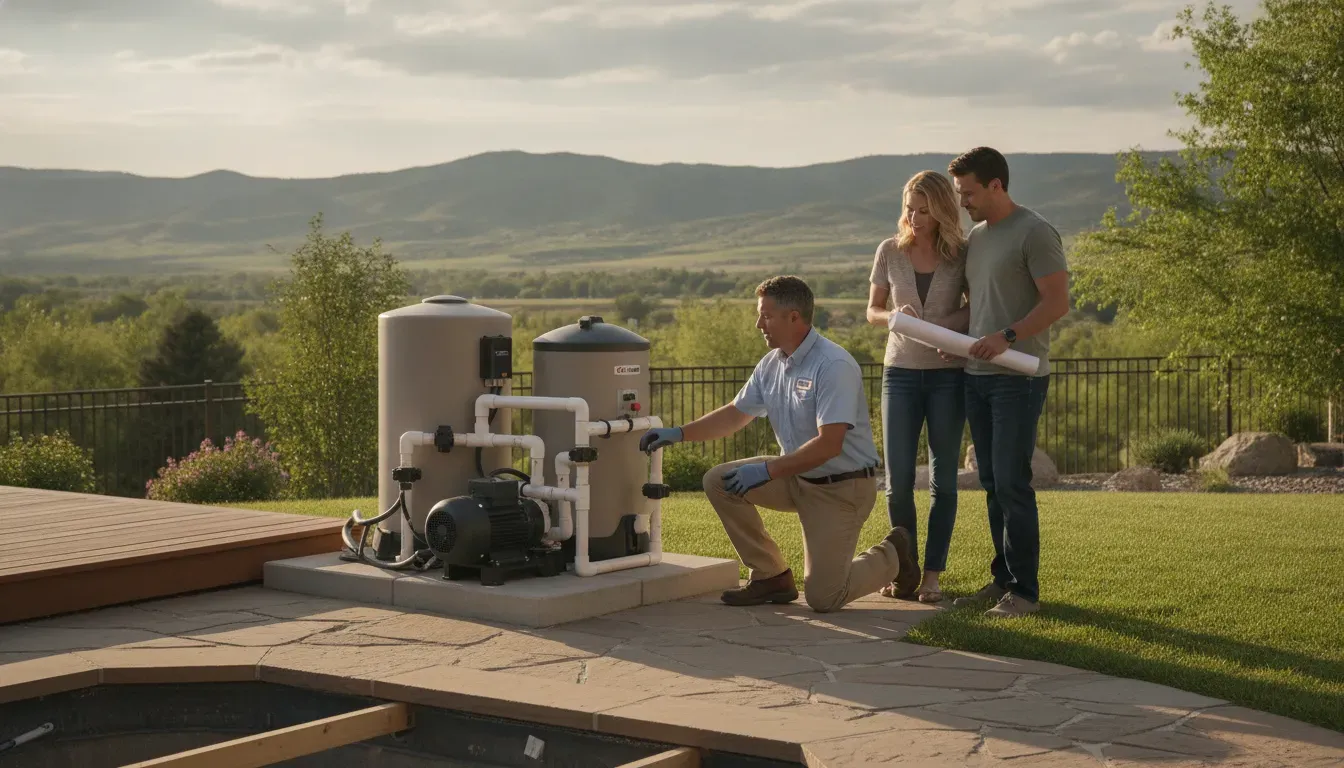
DIY maintenance can work well for an owner who has the time, understands water testing, and is comfortable checking pumps, filters, baskets, and valves each week. The challenge is consistency. A missed visit can allow debris, algae, or an out-of-range chemical balance to become an equipment or surface problem. Neptune Pools treats regular service as prevention, because consistent maintenance helps prevent costly repairs and equipment failures.
The right choice depends less on whether you can skim a pool and more on whether you can manage the full routine through Colorado's changing conditions. Denver-area owners deal with strong UV exposure, temperature swings, evaporation, and equipment that may need attention before a visible failure occurs.
| Consideration | Doing it yourself | Neptune Pools service |
|---|---|---|
| Time per week | You provide the time for skimming, brushing, vacuuming, water testing, basket cleaning, and inspections. Travel, weather, and vacations can interrupt the routine. | A scheduled technician handles the recurring work, reducing the risk that a busy week turns into a missed maintenance visit. |
| Chemical know-how | You must test consistently, interpret results, add products correctly, and store chemicals safely. The CDC notes that regular testing is necessary to confirm disinfectant and pH levels are in range. | Professional service adds expert knowledge and certified technicians who can identify an imbalance and respond as part of a repeatable process. |
| Colorado conditions | You must account for high-altitude UV, faster evaporation, and Front Range temperature changes that can shift water balance quickly. | Local service applies Colorado-specific experience to chemistry, water levels, seasonal conditions, and freeze-related equipment concerns. |
| Equipment risk | A missed leak, clogged basket, or poor water balance can increase the chance of damage to pumps, heaters, surfaces, or other components. | Routine checks can identify wear, leaks, and circulation problems earlier, when they are generally easier to address. |
| Cost predictability | Upfront service costs may seem lower, but test supplies, chemicals, replacement parts, emergency repairs, and your own time can vary. | A recurring maintenance plan makes the routine service expense easier to anticipate and helps reduce avoidable repair surprises. |
DIY owners can also reduce workload by using a properly fitted pool cover. The EPA reports that covers can reduce chemical use and evaporation. If you handle chemicals yourself, follow safe storage and handling practices, and never treat convenience as a substitute for correct procedures. For a closer look at the advantages of scheduled help, read about professional pool cleaning.
Explore weekly cleaning and maintenance plans for dependable Colorado pool care.
Frequently Asked Questions
What does weekly pool maintenance include?
A complete weekly routine includes skimming debris, brushing the walls and tile line, vacuuming the floor, and checking the water level. It also covers testing and balancing chemistry, emptying the pump basket, and inspecting the filter and equipment for leaks or wear. In Colorado, also watch for temperature changes and freeze risks during the shoulder seasons.
What chemicals should I put in my pool weekly?
Do not add chemicals by a fixed schedule without testing first. Test disinfectant levels and pH, then make the adjustments your readings require. The CDC recommends testing at least weekly and keeping pool pH between 7.2 and 7.8 for effective disinfection and swimmer comfort: CDC pool water testing guidance.
Do you need to shock a pool every week?
Not necessarily. Shock treatment depends on water readings, weather, pool use, and visible signs such as cloudy water or developing algae. Test first, follow the product label, and never mix pool chemicals. High UV exposure and Front Range temperature swings can change chlorine demand, so a Colorado pool may need closer monitoring than a fixed calendar can provide.
How often should a pool be serviced?
Weekly service is the most dependable interval during the active swimming season because debris, water chemistry, circulation, and equipment conditions can change within days. Biweekly or monthly visits may leave problems undiscovered longer, especially after heavy use, storms, heat, or sudden temperature changes. A weekly plan can also reduce the risk of small issues becoming equipment repairs.
Ready to Make Weekly Pool Maintenance Easier?
A consistent weekly routine helps keep Colorado pools cleaner, balanced, and ready for use through changing Front Range conditions. If you would rather spend your time enjoying the pool than managing each inspection and treatment. Neptune Pools can handle the recurring work with a practical maintenance plan for Denver Metro homeowners.
Sign up for a weekly pool maintenance plan with Neptune Pools.
Related Blogs