Above Ground Pool Maintenance: A Beginner's Guide
Let's be honest: you got a pool to enjoy it, not to become a full-time chemist and cleaner. While maintenance is necessary, it shouldn't consume all your free time. The secret to spending more time floating and less time troubleshooting is creating an efficient routine. This guide is designed to help you do just that. We’ll show you how to work smarter, not harder, when it comes to your above ground pool maintenance. By understanding the key tasks and creating a simple schedule, you can keep your water crystal-clear in just a few minutes a day and a little extra time each week, preventing time-consuming problems like algae invasions.
Ready for a cleaner pool?
Denver's trusted pool care professionals since 1982. Get started today.
Schedule ServiceKey Takeaways
- Master the three C's for a stress-free season: A healthy pool boils down to circulation, cleaning, and chemistry. Keep your pump running daily, skim and brush weekly, and test your water consistently to prevent most common pool problems before they start.
- Test your water, don't just trust your eyes: Crystal-clear water can still have unbalanced chemistry that leads to algae or skin irritation. Testing two to three times a week is the only way to know exactly what your pool needs to stay safe, comfortable, and sparkling.
- Address small issues before they become big ones: A small liner tear, a strange pump noise, or a clogged filter can lead to expensive repairs if ignored. Stay on top of these small maintenance tasks, and don't hesitate to call a professional for stubborn water issues or complex jobs like winterizing.
The Three C's of Pool Maintenance
Keeping your pool water sparkling clean and safe doesn't have to be complicated. Great pool care really comes down to three core pillars: circulation, cleaning, and chemistry. Think of these as the foundation of your maintenance routine. Mastering the three C’s means you’ll spend less time troubleshooting problems and more time enjoying your pool. Let's walk through what each one means for you and your backyard oasis.
Circulation
Think of your pool’s circulation system as its heart. Without a steady flow, the water becomes stagnant, creating a perfect breeding ground for algae and other unwanted contaminants. Your pool pump is the key player here, pulling water through the filter to remove debris and pushing it back out. To keep your water moving effectively, you should run your pump for at least 8 to 12 hours every day. During those hot Colorado summers or after a big pool party, you’ll want to run it even longer. A properly functioning pump is essential, so if you hear strange noises or notice weak water flow, it might be time for a check-up. Regular circulation is your first line of defense for a healthy pool.
Cleaning
While the filter does a lot of heavy lifting, it can’t catch everything. Regular hands-on cleaning is essential for keeping your pool looking its best and preventing grime from building up. Make it a habit to skim the surface with a leaf net every day or two to remove leaves, bugs, and other floating debris. Once a week, give the walls and floor a good scrub with a pool brush to loosen any stubborn dirt or early-stage algae. After brushing, vacuum the pool floor to suck up all the settled particles. Consistent cleaning not only keeps your pool inviting but also reduces the strain on your filter and chemicals. If you find yourself short on time, professional cleaning and maintenance can keep your pool pristine.
Chemistry
This is the part of pool care that can feel a bit like a science experiment, but it’s simpler than it looks. Balanced water chemistry is vital for keeping swimmers safe and comfortable, and it also protects your pool equipment from corrosion and scaling. You’ll want to test your water two to three times a week using a quality test kit or strips. You're checking to make sure your levels are within the ideal range: a pH between 7.4 and 7.6, total alkalinity from 80 to 120 parts per million (ppm), and free chlorine between 2.0 and 4.0 ppm. Keeping these levels stable prevents cloudy water, algae blooms, and skin irritation. You can find all the necessary supplies and chemicals to make adjustments simple and accurate.
Your Essential Pool Cleaning Toolkit
Keeping your pool clean doesn't have to feel like a huge chore. When you have the right tools on hand, regular maintenance becomes a simple, even satisfying, routine. Think of it as your poolside arsenal for fighting off dirt, debris, and algae. Having these essentials ready to go will make your weekly tasks quicker and help you avoid bigger problems down the road. Let's walk through the must-have items for every above ground pool owner.
Skimmer Net and Telescoping Pole
Your first line of defense against floating debris is a trusty skimmer net. This simple tool is perfect for scooping out leaves, bugs, and anything else that lands on the water's surface. Attaching it to a telescoping pole is a game-changer, allowing you to easily reach the middle of the pool without leaning precariously over the edge. Making a quick skim part of your daily routine is one of the easiest ways to keep your pool looking inviting. It also prevents that debris from sinking, decomposing, and making your water chemistry harder to balance.
Pool Brush
Think of a pool brush as your secret weapon against algae and grime. Regularly brushing the walls and floor of your pool loosens up stubborn dirt and invisible algae spores before they can take hold and turn your water green. It’s a simple step that makes a huge difference in keeping your pool liner feeling smooth and looking sparkling clean. If scrubbing isn't your idea of a relaxing afternoon, our team offers professional cleaning and maintenance to keep your pool in perfect shape for you.
Manual vs. Automatic Pool Vacuums
For cleaning the bottom of your pool, you have two main choices: manual or automatic vacuums. A manual vacuum gives you precise control and is a great, budget-friendly option for a thorough, hands-on clean. On the other hand, an automatic or robotic cleaner is a fantastic time-saver. You just drop it in, turn it on, and let it do the work for you. If your automatic cleaner ever acts up, remember that our technicians are experts in equipment repairs and servicing and can get it running smoothly again.
Water Test Kits and Chemicals
Maintaining balanced water is the key to a safe and inviting pool. A good quality water test kit or test strips will become your best friend. Testing the water yourself a few times a week only takes a couple of minutes and tells you exactly what your pool needs. When you do need to add chemicals, it's best to adjust them in this order: pH, then alkalinity, then calcium hardness, and finally chlorine. We stock all the essential supplies and chemicals you need to keep your water perfectly balanced.
A Simple Maintenance Checklist: Daily, Weekly, and Monthly
Keeping your pool water sparkling doesn't have to be a huge chore. The secret is consistency. By breaking down your pool care into a simple daily, weekly, and monthly routine, you can stay on top of maintenance without feeling overwhelmed. This checklist gives you a clear path to follow, turning a big job into small, manageable steps. Think of it as your roadmap to a perfect pool all season long.
Daily Tasks (Under 10 Minutes)
A few minutes each day goes a long way in preventing bigger problems. First, run your pool pump for at least 8 to 12 hours to keep the water circulating and clear. While it’s running, grab your skimmer net and scoop out any leaves, bugs, or other floating debris. This quick task prevents them from sinking and becoming harder to clean later. Finally, take a quick look at the water level to make sure it’s about halfway up the skimmer opening. If it’s low, top it off with your garden hose.
Weekly Tasks
Set aside a little more time once a week for a deeper clean. Start by brushing the pool walls and floor to loosen any stubborn dirt or algae spores. After brushing, vacuum the pool to suck up all the debris you just kicked up. This is also the perfect time to shock your pool, which is like a deep clean for your water that kills bacteria and other contaminants. If the weekly routine starts to feel like too much, you can always hand it over to a team of pros who provide regular cleaning and maintenance. Finally, check your filter’s pressure gauge. If it’s reading 8–10 psi above its normal level, it’s time to clean it.
Monthly Tasks and Seasonal Prep
Once a month, it’s a good idea to check a few things that don’t need constant attention. Test your water’s calcium hardness to ensure it’s within the ideal range of 200-400 ppm, which helps protect your pool liner and equipment. Do a deep clean around ladders, steps, and other hard-to-reach spots where algae loves to hide. As the seasons change here in Colorado, you’ll also need to think about winterizing your pool. Properly preparing your pool for the cold prevents damage from freezing temperatures. If you spot any issues with your equipment during these checks, it's best to schedule professional equipment repairs sooner rather than later.
How to Test and Balance Your Pool Water
Think of your pool water as a delicate ecosystem. Keeping it balanced is the secret to that crystal-clear water everyone loves, and it's a lot easier than you might think. Getting your water chemistry right not only keeps your pool looking great but also ensures it's safe and comfortable for swimmers. It prevents skin and eye irritation, protects your pool equipment from corrosion, and stops algae before it can start. With a simple routine, you can master your pool’s chemistry and spend more time enjoying the water.
Ideal Chemical Levels
To keep your pool safe and sparkling, you’ll want to aim for specific chemical ranges. Think of these as your targets. The most important ones to track are pH, chlorine, and alkalinity. Keeping these levels stable is the foundation of good pool care.
Here are the ideal ranges you should aim for:
- pH: 7.4 to 7.6
- Free Available Chlorine: 2.0 to 4.0 parts per million (ppm)
- Total Alkalinity: 80 to 120 ppm
Your pool’s pH measures how acidic or basic the water is, while chlorine sanitizes it. Total alkalinity acts as a buffer, helping to keep the pH level from swinging wildly.
How to Test Your Water
Regular testing is non-negotiable for a healthy pool. Because factors like rain, sun, and usage can quickly change your water chemistry, you should plan to test your water two to three times per week. This frequency allows you to catch and correct imbalances before they become bigger problems, like an algae bloom. You can use either liquid test kits or test strips, which are both simple to use. Just dip the strip or collect a water sample, and compare the results to the color chart provided. You can find reliable test kits and all the supplies & chemicals you need to get started.
How to Adjust Chemical Levels
If your test results are outside the ideal ranges, it’s time to make some adjustments. The key is to make small, frequent changes rather than adding a large amount of chemicals all at once. Always read the product instructions to determine the right amount to add based on your pool’s size. When you need to adjust multiple levels, follow this order for the best results: first correct the pH, then total alkalinity, and finally your chlorine levels. If you'd rather leave the chemistry to the experts, our weekly cleaning and maintenance services keep your pool perfectly balanced all season long.
Must-Have Pool Chemicals
Stocking a few essential chemicals will ensure you’re always prepared to keep your water balanced and sanitized.
Chlorine
Chlorine is the workhorse of pool sanitation. It effectively kills germs, bacteria, and other contaminants to keep the water safe for swimming. One of the easiest ways to maintain a consistent chlorine level is by using 3-inch chlorine tablets in a floating dispenser. The floater will dissolve the tablets slowly, providing a steady supply of chlorine to your pool.
Pool Shock
Shocking your pool is the process of adding a large dose of chlorine to the water to break down contaminants, kill algae, and clear up cloudy water. It’s a necessary reset for your pool’s sanitation system. Plan to shock the pool every one to two weeks, or more often if you’ve had heavy rain, a lot of swimmers, or are dealing with an algae problem.
Algaecide
Algae can turn your beautiful pool into a green swamp seemingly overnight. An algaecide is your best defense. While proper chlorine levels and regular shocking are your first line of defense, using an algaecide weekly helps prevent algae from ever taking hold. Think of it as an extra layer of insurance for keeping your water clear and inviting.
pH and Alkalinity Adjusters
These chemicals are what you’ll use to nudge your pH and alkalinity levels into the ideal range. You’ll find products labeled "pH Up" (sodium carbonate) to raise pH and "pH Down" (sodium bisulfate) to lower it. Similarly, you can use an alkalinity increaser (sodium bicarbonate) to raise alkalinity. Always adjust these levels carefully and retest your water afterward to ensure you’ve hit your target.
How to Keep Your Pool Algae-Free
Nothing ruins a perfect pool day faster than seeing a slimy green tint in the water. Algae is a persistent pest, but keeping it at bay is simpler than you might think. The key isn't just reacting to a bloom; it's about creating an environment where algae can't thrive in the first place. Think of it as a four-part strategy: keeping your water moving, balancing your chemicals, shocking away contaminants, and using a preventative algaecide. When you make these steps a regular part of your routine, you’ll spend less time fighting green water and more time enjoying your crystal-clear pool. Consistency is your secret weapon against algae, turning a potential headache into a simple, manageable task. This proactive approach saves you from the hassle and expense of dealing with a full-blown algae invasion, which can be tough to clear up once it takes hold. By staying on top of these four areas, you're not just maintaining your pool; you're protecting your investment and ensuring it's always ready for a spontaneous swim.
Maintain Proper Circulation and Filtration
Think of your pool’s pump and filter as its heart and lungs. Stagnant water is a breeding ground for algae, so proper circulation is your first line of defense. Running your filter system helps distribute sanitizing chemicals evenly and removes tiny debris and algae spores before they can take hold. Aim to run your pump for at least 8 to 12 hours every day. To keep things flowing smoothly, make sure to regularly clean out your skimmer and pump baskets. A clogged system can’t do its job effectively, so keeping it clear is essential for a healthy pool. If your filter seems weak or isn't clearing the water, it might be time for a professional check-up on your equipment.
Keep Chemical Levels Consistent
Algae loves it when your pool water is out of balance. If your pH is too high or too low, your chlorine can’t work effectively, which is like rolling out the welcome mat for an algae party. That’s why you need to test your water a few times a week and keep your levels in the ideal range. Your pH should stay between 7.4 and 7.6, and your alkalinity should be between 80 and 120 parts per million. When these are balanced, your chlorine can do its job of sanitizing the water and killing off any stray algae spores. Keeping a good stock of the right pool chemicals on hand makes it easy to make small adjustments before they become big problems.
Shock the Pool Regularly
Shocking your pool is like hitting the reset button on your water. It’s the process of adding a large dose of chlorine to break down contaminants, kill bacteria, and destroy any budding algae growth. For the best results, you should shock your pool about once a week, usually in the evening to prevent the sun's UV rays from burning off the chlorine too quickly. It’s also a good idea to shock the pool after a heavy rainstorm, a big pool party, or during a particularly hot stretch of weather. This powerful dose eliminates the organic waste that algae feeds on, keeping your water fresh, safe, and sparkling clear. If you're unsure about the process, our weekly maintenance services can handle it for you.
Use Algaecide for Prevention
While chlorine is your primary sanitizer, algaecide is your backup. Think of it as an extra layer of insurance against an algae bloom. Adding a small, weekly maintenance dose of algaecide works alongside your chlorine to make the water an even more hostile environment for algae. It’s a preventative step that helps stop algae before it even has a chance to start. Just be sure to follow the instructions on the bottle, as adding too much can sometimes cause other issues like foaming. By incorporating algaecide into your weekly routine, you give your pool an added defense to ensure it stays beautifully clear all season long.
Common Pool Care Mistakes to Avoid
We’ve all been there. You’re excited to get your pool up and running, but then you make a small misstep that leads to a bigger headache. It’s a normal part of the learning process, but avoiding a few common mistakes from the start will save you so much time, money, and frustration. Think of it as setting yourself up for success. By sidestepping these frequent pitfalls, you can spend less time troubleshooting cloudy water or fighting algae and more time actually enjoying your pool.
Even experienced pool owners can get a little lax, but as a beginner, building good habits now is your secret weapon. Let’s walk through the most common mistakes new above ground pool owners make and, more importantly, how you can easily avoid them. These simple adjustments to your routine will make all the difference in keeping your pool sparkling clear and ready for a swim whenever you are.
Skipping Regular Water Tests
One of the easiest traps to fall into is judging your water by looks alone. If it looks clear, it must be fine, right? Not quite. Ignoring regular water testing is one of the biggest mistakes you can make because it’s the invisible chemistry that keeps your pool safe and healthy. Balanced water prevents everything from algae growth to skin and eye irritation for swimmers. It also protects your pool liner and equipment from corrosion and damage over time. Getting into the habit of testing your water two to three times a week is a non-negotiable part of pool ownership. It only takes a few minutes and gives you the exact information you need to keep your pool’s chemistry in the ideal range.
Not Running the Pump Long Enough
Your pool pump is the heart of your entire system. Its job is to circulate the water, which allows the filter to remove debris and the chemicals to be distributed evenly. When you don't run it long enough, you create stagnant water, which is an open invitation for algae and cloudy conditions. A good rule of thumb is to run your pump for at least 8 to 12 hours every day. This ensures all the water in your pool passes through the filter at least once. While you might be tempted to shorten the runtime to save on electricity, the cost of chemicals and the effort needed to fix a green, murky pool will always be higher. If your pump seems to be struggling, it might be time for professional equipment repairs.
Over- or Under-Shocking the Pool
Shocking your pool, which means adding a large dose of chlorine, is essential for sanitizing the water and eliminating contaminants that build up over time. However, there’s a right and a wrong way to do it. Under-shocking won't be effective, leaving bacteria and algae to thrive. On the other hand, over-shocking can be just as problematic. It can lead to uncomfortably high chlorine levels that irritate skin and eyes, and it can even damage your pool liner. The key is to follow the dosage instructions on the product packaging and to shock based on your water test results or after specific events, like a big pool party or a heavy Colorado thunderstorm.
Ignoring Leaks and Liner Damage
A small tear in your pool liner might not seem like a big deal at first, but it can quickly turn into a major problem. Neglecting to inspect for leaks or damage can lead to significant water loss, which wastes water and chemicals. Worse, a persistent leak can wash away the supportive ground beneath your pool, potentially causing structural issues. Make it a weekly habit to walk around your pool and look for any soggy spots on the ground. Also, do a quick visual scan of the liner from inside the pool to spot any small rips or punctures. Catching these issues early can be the difference between a simple patch job and a costly, complex remodel or rehab project.
Neglecting the Filter and Cover
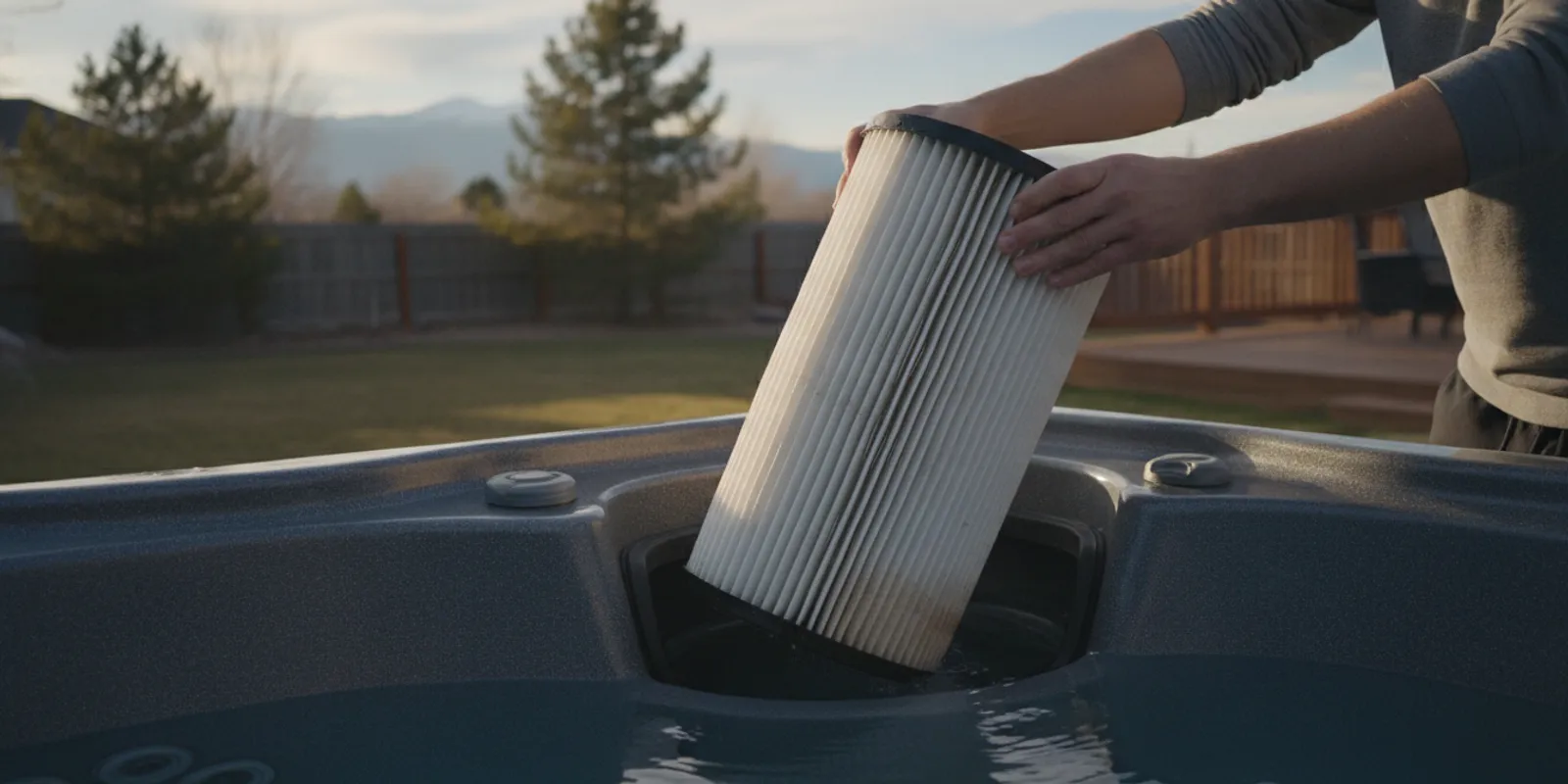
Your pool filter is your hardest-working piece of equipment, constantly removing dirt, debris, and other particles from the water. If you let it get too clogged, its efficiency plummets. This forces your pump to work harder and allows the water to become cloudy. Check your filter’s pressure gauge regularly and clean it (by backwashing or rinsing the cartridge) whenever the pressure rises 8-10 PSI above its normal level. Similarly, don't underestimate the power of a good pool cover. Using a cover when the pool isn't in use drastically reduces the amount of leaves and debris that fall in, cuts down on water evaporation, and helps maintain chemical balance. It’s a simple step that makes your cleaning and maintenance routine much easier.
When to Call a Pool Pro
Even the most dedicated DIY pool owner runs into issues that are tough to solve alone. While handling routine upkeep yourself is rewarding, knowing when to call for backup can save you a lot of time, money, and frustration. Some problems are more than just a nuisance; they can be signs of a bigger issue that requires a trained eye. Think of a pool professional as your on-call expert for complex diagnostics and repairs. If you’re feeling stuck or a problem seems to be getting worse, it’s always a good idea to get a professional opinion. Our team is always ready to help with everything from simple fixes to major remodels and rehabs.
Equipment Warning Signs
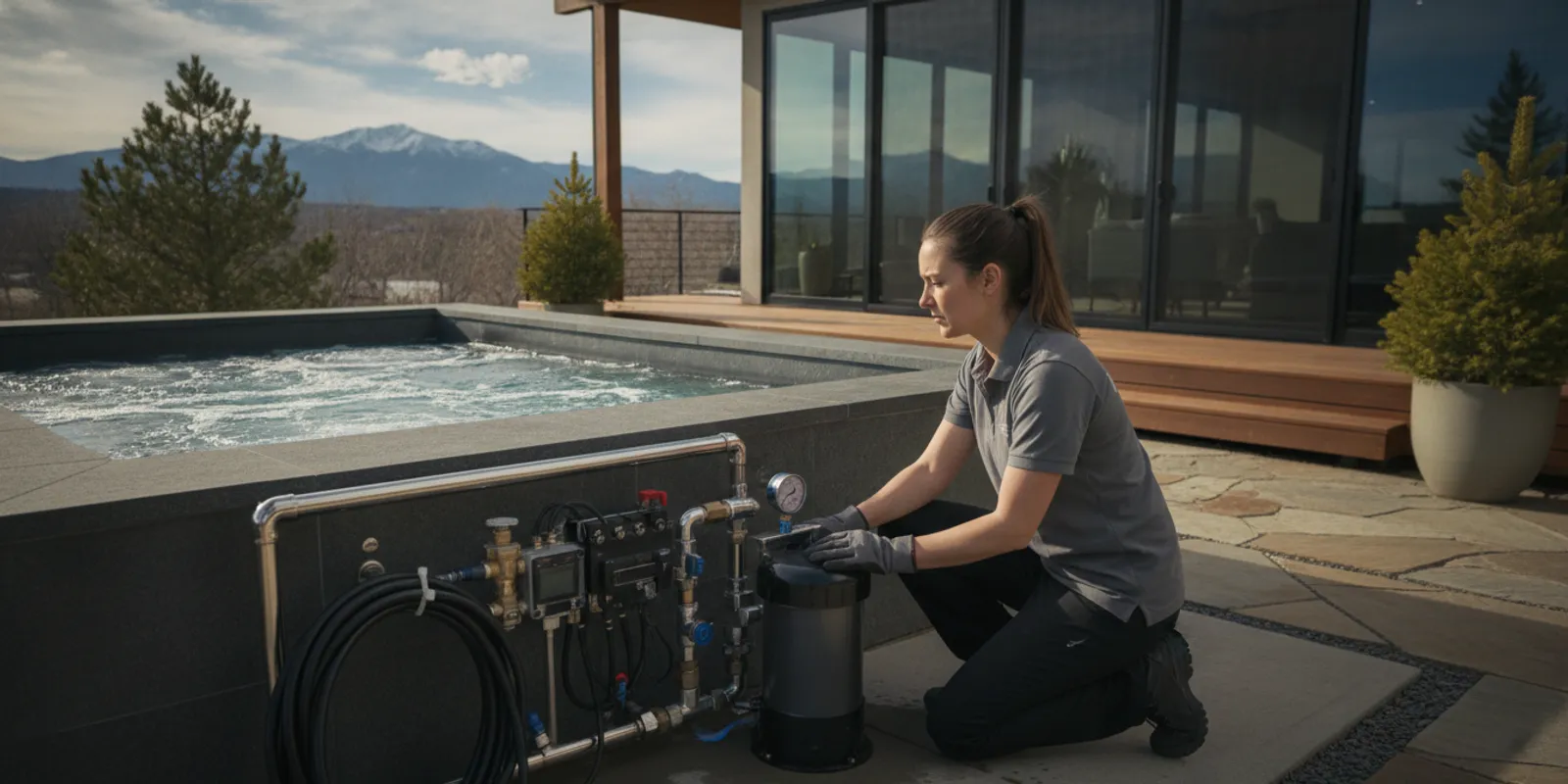
Your pool’s pump and filter are the heart of its circulation system, and they work hard to keep your water clean. If you start hearing grinding, whining, or rattling sounds from your equipment, don’t ignore them. These noises often signal internal problems that can lead to a total breakdown. You should also look for leaks around the equipment pad or a noticeable drop in water pressure from your return jets. Reduced flow can mean there’s a clog in the pump or filter, making your sanitizer less effective and putting extra strain on the motor. Catching these issues early with professional equipment repairs can often prevent a much more expensive replacement down the road.
Stubborn Water Problems
Have you ever felt like you’re in a constant battle with cloudy or green water? If you’ve tested your water, added the right chemicals, and run your filter correctly but still can’t get your pool to clear up, it’s time to call a pro. Persistent water quality issues can be caused by underlying problems that a standard home test kit might not detect, like a buildup of contaminants or a filter that isn’t working efficiently. A professional has the tools and experience to perform advanced water testing and diagnose the root cause. Instead of dumping more chemicals into the water, let an expert provide a clear solution with our weekly cleaning and maintenance services.
Prepping for a Colorado Winter
Living in the Denver area means preparing your pool for freezing temperatures is a non-negotiable task. Winterizing an above ground pool improperly can lead to cracked liners, damaged plumbing, and broken equipment, resulting in costly repairs come springtime. The process involves more than just throwing a cover on it; you need to balance the water chemistry one last time, lower the water level, blow out the lines to remove all water, and add winterizing chemicals. If you’re not completely confident in the process or suspect your pool might have a small leak, calling a professional provides peace of mind that your investment is protected through the harsh winter months.
Ready for a cleaner pool?
Denver's trusted pool care professionals since 1982. Get started today.
Schedule ServiceFrequently Asked Questions
How long should I actually run my pool pump each day? A good rule of thumb is to run your pump for at least 8 to 12 hours daily. This ensures all the water gets filtered at least once. During the peak of a hot Colorado summer or after you’ve had a lot of people swimming, running it longer is even better. Think of it this way: the cost of running the pump is always less than the cost of the chemicals and labor needed to fix a green, swampy pool. Consistent circulation is your best preventative measure.
My water is cloudy, but the test strip says my chlorine is okay. What should I do? This is a very common issue, and it usually points to a problem with your water's balance or filtration. When your pH or alkalinity levels are off, it can make your chlorine much less effective, leading to cloudy water even when the chlorine reading seems fine. Your first step should be to test all your chemical levels, not just chlorine, and adjust them as needed. It's also a good idea to check your filter; a dirty or clogged filter can't remove fine particles, which also causes cloudiness.
If I'm really busy, what are the most important maintenance tasks I can't skip? Life gets busy, I totally get it. If you only have time for the essentials, focus on two things: circulation and chemistry. Make sure your pump runs every single day without fail, and commit to testing your water two or three times a week. These two habits prevent the vast majority of pool problems, like algae and cloudy water, before they can even start. A quick skim with a net only takes a minute and also makes a huge difference.
Why do I need to shock my pool if I'm already using chlorine tablets? Think of chlorine tablets as your daily maintenance, providing a slow, steady release of sanitizer to handle the normal, everyday workload. Shocking, on the other hand, is like a weekly deep clean. It’s a powerful dose of chlorine that destroys all the built-up contaminants, organic waste, and bacteria that the tablets can't keep up with. Regular shocking is what keeps your water fresh and clear and is a critical step in preventing algae.
How do I know if a pool problem is something I can fix myself or if I need to call a professional? You can handle most routine cleaning and chemical balancing on your own. However, it's time to call a professional when you notice issues with your equipment, like grinding noises, leaks, or a sudden drop in pressure. You should also call for help if you have a stubborn water problem (like persistent cloudiness or algae) that doesn't clear up after you've tried balancing the chemicals and cleaning the filter. Tackling these bigger issues without experience can often lead to more expensive damage.
Related Blogs