Hot Tub Insulation Upgrade Service in Denver: Guide

A hot tub should be ready when you want to use it, not still struggling to reach the right temperature. Poor insulation, a worn cover, plumbing leaks, and damaged cabinet panels can all contribute to heat loss, especially during Denver’s coldest months. The right upgrade may help your spa hold temperature longer, reduce equipment strain, and provide better freeze protection. A hot tub insulation upgrade service in Denver can inspect the entire system before recommending a repair. Learn what to check, which insulation methods are available, how much the work may cost, and what questions to ask before scheduling service.
Ready for a cleaner pool?
Denver's trusted pool care professionals since 1982. Get started today.
Schedule ServiceKey Takeaways
- Identify the true source of heat loss: Inspect the cover, cabinet, insulation, plumbing, heater, and pumps before selecting an upgrade.
- Match the insulation method to your spa: Compare full foam, partial foam, radiant barriers, base insulation, seals, and cover options while preserving ventilation and equipment access.
- Choose a qualified Denver-area provider: Request transparent, itemized pricing, confirm warranty coverage, and coordinate repairs, testing, and follow-up maintenance.
Why Does Denver Weather Make Hot Tub Insulation Matter?
How Cold, Dry Wind Causes Overnight Heat Loss
Denver’s winter weather can place extra demand on a hot tub. Overnight temperatures may fall into the single digits while spa water stays near 100°F. That wide temperature difference creates a constant opportunity for heat to escape, particularly when cold, dry wind surrounds the cover and cabinet.
A properly fitted cover and well-insulated cabinet slow this heat transfer. However, gaps, damaged panels, compressed insulation, or a poorly sealed cover can allow heat to escape more quickly. The heater and circulation system then need to run longer to maintain the selected temperature. This may increase electricity use and add wear to components over time. A professional spa service inspection can help identify possible sources of heat loss.
How to Spot Failing Insulation or a Worn Cover
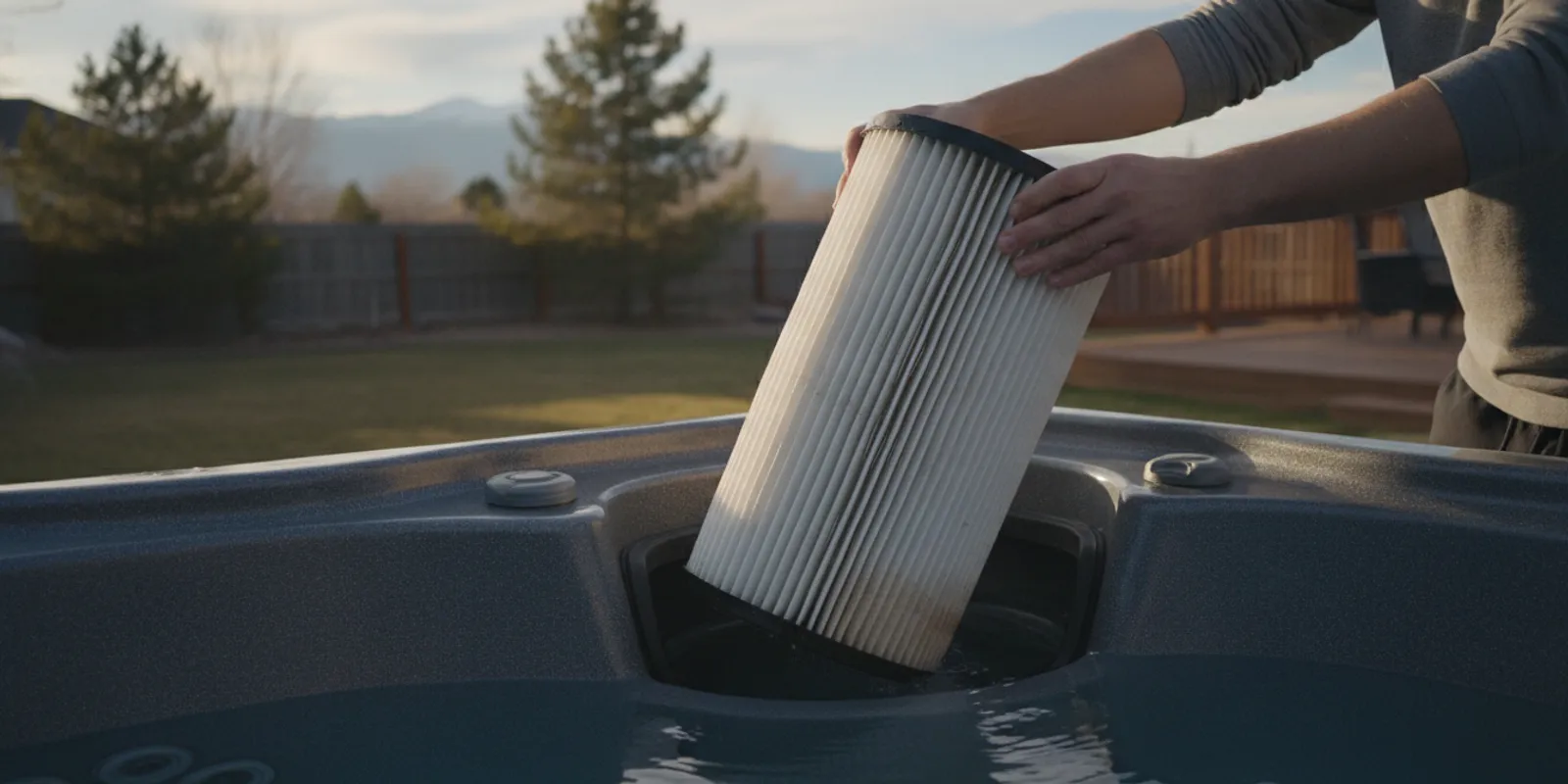
The cover is one of the most important parts of a hot tub’s insulation system. Check for sagging, cracked vinyl, broken straps, split seams, and foam that feels compressed. A cover that has become unusually heavy may have absorbed water and lost much of its insulating value.
Also inspect the cabinet for damaged panels, open seams, and visible gaps. If the water cools quickly after use or the tub takes much longer to reach its set temperature, have the cover and insulation evaluated together.
How Insulation Improves Efficiency, Comfort, and Freeze Protection
Effective insulation helps retain heat around the shell, cabinet, and plumbing lines. That allows the water to hold its temperature longer between uses, reducing the amount of heat the system must replace. You may notice steadier water temperatures, shorter recovery periods, and a more comfortable soak.
Insulation also provides an added layer of protection during Denver’s coldest weather. It cannot replace electricity, water circulation, or proper winter maintenance, but it can slow heat loss if temperatures drop sharply. A secure, well-fitting cover is essential, too. Keeping the water level correct and maintaining balanced water chemistry also support reliable operation.
Neptune Pools can include insulation concerns in a broader cleaning and maintenance plan. Regular service helps identify cover damage, equipment problems, and other issues before severe weather makes them harder to address.
How Insulation Reduces Equipment Strain and Moisture Risk
When less heat escapes, the heater and circulation system may run less often to maintain the selected temperature. That can reduce unnecessary operating time, although equipment age, water chemistry, and usage still affect performance. Insulation must also be installed with care. Materials that block ventilation or trap water can contribute to dampness, mold, mildew, and damage to wiring or equipment. A qualified technician should check for plumbing leaks, ventilation needs, and service access before adding insulation. Proper installation supports heat retention without making future repairs more difficult.
How Much Can a Denver Hot Tub Insulation Upgrade Save?
A hot tub insulation upgrade can reduce the energy required to maintain water temperature, particularly during Denver’s coldest months. Your actual savings will depend on the tub’s condition, insulation design, cover, usage habits, weather, and electricity rate. Use any estimate as a planning range, not a guarantee.
Why Winter Savings May Reach $30-$60 Monthly, but Are Not Guaranteed
A well-insulated hot tub holds heat more effectively, while damaged or poorly installed insulation can make the heater run more often. Some estimates place the potential difference at about $30 to $60 per month during cold Denver winters. The hot tub insulation comparison from Mile High Hot Tubs explains how climate, construction, and insulation quality affect operating costs.
Your savings may be lower if the existing insulation remains in good condition. They may be higher if the cabinet contains moisture damage, gaps, or compressed material. Frequent use, high water temperatures, and long periods with the cover open can also reduce the potential return. Over time, modest monthly savings can add up, but installation quality remains essential.
How Tub Size, Temperature, Use, Weather, and Rates Affect Savings
Larger tubs contain more water and typically require more energy to maintain temperature. A higher thermostat setting and frequent use can have the same effect, since opening the cover allows heat and moisture to escape. During winter, the difference between hot tub water and outdoor air can reach 80 to 100°F or more, increasing demand on the heater.
Wind, overnight temperatures, snow, and sun exposure also influence heat loss. Your electricity rate determines how much that energy use costs, so savings will vary between households. A professional spa service assessment can help determine whether insulation, the cover, seals, or equipment is causing the greatest heat loss.
How to Track Baseline Costs and Estimate Seasonal Payback
Record electricity bills for at least two comparable months before the upgrade. Note the water temperature, usage frequency, weather, and equipment problems. After installation, compare similar winter months rather than comparing summer and winter bills.
Divide the upgrade cost by your average monthly savings to estimate the payback period. Include any repair or maintenance costs the upgrade may help prevent.
How to Set Realistic Energy and Maintenance Savings Goals
Set a savings range instead of expecting a fixed reduction. Reasonable goals may include lower winter electricity use, steadier water temperatures, and fewer moisture-related equipment problems.
Ask the service provider which improvements are expected and which remain uncertain. Dry cabinet materials, proper installation, and reliable seals may affect long-term performance as much as the insulation material itself.
Which Hot Tub Insulation and Cover Upgrades Can You Choose?
Hot tub insulation is not a one-size-fits-all upgrade. The right choice depends on your spa’s age, cabinet design, plumbing layout, existing insulation, and exposure to Denver’s changing weather. A complete assessment can show whether insulation, a new cover, improved seals, or an equipment repair will address heat loss most effectively. Neptune Pools offers spa services to help homeowners evaluate hot tub performance and plan practical improvements.
Use Full-Foam Insulation for Whole-Cabinet Coverage
Full-foam insulation fills much of the space between the hot tub shell and exterior cabinet. It surrounds plumbing and supports the shell while reducing open air pockets where heat can escape. This option may suit an older tub with damaged insulation, significant gaps, or poor heat retention throughout the cabinet.
Installation requires careful planning. A technician should repair plumbing leaks first and keep pumps, heaters, controls, and electrical components accessible for future service. Foam must also be compatible with the tub’s construction and applied without creating moisture problems. Full foam can provide broad coverage, but the quality of the installation matters as much as the material itself. Ask what areas will be insulated and how future repairs will be handled.
Use Partial Foam and Radiant Barriers for Targeted Heat Retention
Partial foam insulation places material in selected areas rather than filling the entire cabinet. It can improve heat retention around the shell, plumbing, or cabinet walls while preserving access to pumps, heaters, and other serviceable components. This approach may be suitable when most of the original insulation remains in good condition.
Some systems also include radiant barriers, which reflect heat back toward the tub instead of allowing it to spread through the cabinet. Their performance depends on proper placement and the surrounding insulation system. Before work begins, ask the technician to identify the areas being treated and explain how the upgrade will affect equipment access. If your spa has a known leak, resolve it before adding insulation.
Compare Shell-Backed, Cabinet, Base, and Perimeter Insulation
Shell-backed insulation sits against the underside of the hot tub shell, helping reduce heat transfer from the water. Cabinet insulation lines the interior walls, while base insulation limits heat loss through the bottom of the spa. Perimeter insulation focuses on gaps around the cabinet, plumbing, and access areas.
These methods may be installed separately or combined. A comprehensive system could include shell coverage, insulated cabinet panels, a protected base, and sealed edges. The best combination depends on the tub’s design and installation surface. During an inspection, ask whether the base is intact, whether drafts can move through the cabinet, and whether the planned work will interfere with equipment repairs and servicing.
Improve Heat Retention With Covers, Skirts, Seals, and Vapor Barriers
A damaged or poorly fitted cover can reduce the value of new insulation. Look for sagging, waterlogged foam, cracked vinyl, broken hinges, and gaps around the edges. A replacement cover should fit the spa shell closely and have a foam core suited to local weather conditions.
Cabinet skirts, weather stripping, and access-door seals can reduce drafts beneath and around the tub. Replacing damaged panels may also help limit air movement. A vapor barrier can assist with moisture control inside the cabinet, particularly when the spa is exposed to snow, rain, and temperature changes. However, the cabinet still needs proper drainage and ventilation.
Ask about related spa maintenance services, including cover checks, water care, and equipment inspections. Sometimes a cover replacement or seal repair offers more practical value than adding insulation alone.
Compare Heat Retention, Moisture Control, Access, and Compatibility
When comparing upgrades, consider more than the insulation material. Ask how much shell and cabinet coverage the service includes, how moisture will drain, and whether pumps, heaters, plumbing, and electrical components will remain accessible. Confirm that the materials suit your hot tub model and will not block ventilation or service panels.
Request a written scope describing the recommended work, materials, downtime, warranty coverage, and maintenance needs. This makes it easier to compare insulation with a cover replacement, leak repair, or other hot tub repair services that may address heat loss more directly.
How Does a Denver Hot Tub Insulation Upgrade Service Work?
A hot tub insulation upgrade should begin with a detailed assessment, not a one-size-fits-all material choice. Denver’s cold temperatures, dry air, snow, and temperature swings can affect the cover, cabinet, plumbing, and equipment in different ways. A qualified technician can identify where heat is escaping and determine whether insulation, a new cover, leak repair, or equipment service is the right solution.
Inspect the Shell, Cabinet, Cover, Plumbing, Leaks, and Equipment
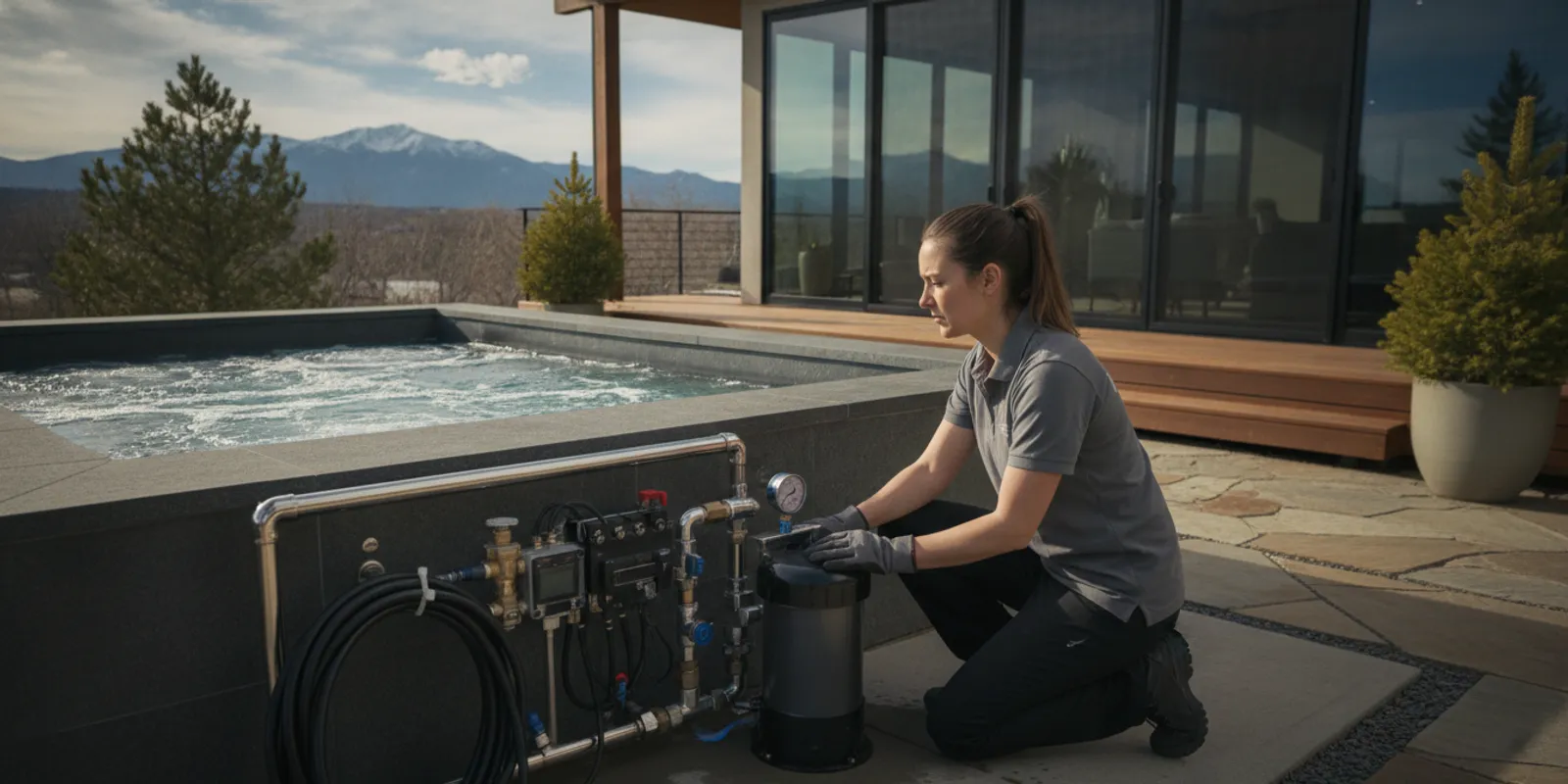
The technician will inspect the shell, cabinet panels, cover, plumbing lines, pumps, heater, and control system. They may look for water around the base, damaged insulation, gaps in the cabinet, and a cover that has become heavy or waterlogged. This process helps separate insulation problems from leaks or equipment issues. Neptune Pools offers spa services that can help identify maintenance and repair needs before insulation work begins.
The technician should also ask about your spa’s usage, water temperature, energy costs, and any concerns about winter freeze damage.
Drain the Tub, Isolate Power, and Prepare for Cabinet Access
Before opening the cabinet, the spa may need to be drained or lowered to a safe service level, depending on the work involved. The power supply should be switched off at the dedicated disconnect or breaker before anyone accesses pumps, wiring, or the heater.
Clear furniture, planters, snow, and other obstacles around the tub. This gives the technician room to remove panels without damaging the cabinet or nearby property. Property managers should arrange access to gates, electrical panels, and drainage areas before the appointment.
Repair Leaks and Choose Compatible Insulation Materials
Insulation should never cover an active leak. Water can damage insulation, corrode equipment, and make future repairs harder. The technician should inspect fittings, plumbing connections, pumps, and the shell, then repair any leaks before adding insulation.
The best material depends on the spa’s construction, existing insulation, cabinet layout, moisture conditions, and service access. If the heater, pump, or plumbing also needs attention, coordinate the project with equipment repair and servicing.
Install Insulation Without Trapping Moisture or Blocking Equipment Access
Insulation should provide consistent coverage around areas where heat loss occurs while keeping key components accessible. Depending on the spa’s design, technicians may use foam, reflective materials, rigid panels, or a combination of options.
The installation should not conceal valves, unions, drain connections, electrical components, or leak-prone plumbing. The cabinet must also remain ventilated wherever the manufacturer requires it. Sealing every opening without considering moisture can create additional problems if water enters through a damaged cover or failed fitting.
A technician should document the insulation placement and explain which panels can be removed for future service. Clear documentation helps prevent unnecessary damage during later repairs.
Reassemble the Tub, Check for Leaks, and Test Heat Output
After installation, the technician will replace the cabinet panels, restore the water level, and inspect accessible connections. Once power is restored, they can test circulation, heating, jets, and control functions. The spa should be checked for leaks and proper heat output before the service is complete.
Plan for Service Time, Downtime, and Area Preparation
Ask how long the spa will be unavailable and whether it must remain empty during repairs or testing. Clear the work area, secure pets, and arrange access to power and water. A written scope from Neptune Pools can clarify preparation, scheduling, and follow-up service.
How Much Does a Denver Hot Tub Insulation Upgrade Cost?
The cost of a Denver hot tub insulation upgrade depends on the tub’s design, current condition, access, and the materials required. A professional assessment can show whether insulation is the right fix or whether a cover replacement, leak repair, or equipment service would offer better value.
How Tub Design, Insulation, Access, Materials, and Labor Affect Cost
Hot tub insulation upgrades do not have one standard price. A compact tub with accessible cabinet panels may require less labor than a large spa built into decking or masonry. Costs can also change based on whether the project involves full-foam insulation, targeted repairs, air sealing, a replacement vapor barrier, or a new cover.
Older tubs may need plumbing or equipment repairs before insulation work begins. The shell, cabinet, base, plumbing, and equipment layout all affect the scope. Neptune Pools can assess related components through its equipment repair and servicing services before recommending an insulation plan.
Check What a Transparent, Itemized Estimate Includes
Request a written estimate that separates inspection, labor, materials, disposal, cabinet access, and recommended repairs. It should identify the insulation type, installation areas, and whether the work includes the cabinet, shell, floor, base, or plumbing space. Confirm whether draining, refilling, panel removal, and system testing are included.
Ask about the cover’s R-value, material warranties, workmanship coverage, and expected service life. It is also helpful to ask about reported winter energy costs for similar tubs in the Denver area. This Denver hot tub insulation guide includes practical questions to discuss with a service professional.
Compare Retrofit Payback With Cover Replacement or Equipment Repair
Insulation may reduce heat loss, but it is not always the first improvement to make. A worn, cracked, or waterlogged cover can release heat from the top of the spa. A failing heater, circulation pump, or control system may also increase energy use and require attention before insulation work.
Compare the retrofit cost with projected monthly savings and the expected service life of each improvement. If the tub has repeated leaks or several aging components, replacement may make more financial sense. This guide to signs it is time to replace a hot tub explains when repairs may no longer be the practical choice.
Verify Promotions, Service Bundles, and Financing Options
Ask whether the service provider offers bundles that combine insulation with a cover inspection, leak repair, equipment check, or seasonal maintenance. Coordinating related work may reduce repeat visits and address multiple sources of heat loss during one appointment.
Before approving financing, confirm the total cost, interest rate, payment period, and eligibility requirements in writing. Ask whether the offer applies to labor, materials, repairs, or replacement equipment. A professional spa service assessment can help you compare the insulation project with the condition of the entire system.
How Can You Check Service Access and Warranties for Denver Spa Work?
Before scheduling a hot tub insulation upgrade, confirm how the service will be managed from the first inspection through follow-up care. A written scope should explain the work area, preparation requirements, included costs, expected downtime, and warranty process. Clear answers make it easier to compare Denver-area providers and reduce the risk of delays, surprise fees, or confusion about future repairs.
Confirm Denver Metro Coverage, Travel Fees, and Appointment Windows
Ask whether the provider serves your specific Denver Metro location, including nearby communities. Confirm whether travel fees, after-hours charges, minimum service fees, or return-visit costs apply. You should also ask how long the inspection and upgrade may take, whether the spa will be unavailable during the work, and how appointment windows are scheduled. Neptune Pools provides professional spa services, so ask about service-area coverage and preparation requirements before booking.
Prepare Clearance, Water, Power, Drainage, and Property-Manager Access
Ask how much clearance the technician needs to remove cabinet panels and reach the equipment bay. Confirm whether the spa must be drained, where the water should go, and who will refill and restart the unit. Technicians may also need safe access to the disconnect, breaker, or power supply. For a rental property, condominium, or shared community, coordinate with the property manager in advance. Provide gate codes, parking details, building rules, and any required access instructions before the appointment.
Ask About Electrical Work, Equipment Changes, and Permits
Insulation work may require access near pumps, heaters, control packs, or wiring. Ask whether the estimate includes disconnecting or moving equipment, or whether a licensed electrician must complete that portion. Confirm who handles permits and inspections if electrical changes are required. An equipment assessment from Neptune Pools’ repair and servicing team can help identify access or repair needs before installation begins.
Review Material and Workmanship Warranties, Exclusions, and Claims
Request separate warranty details for the insulation materials and the installation work. Ask how long each warranty lasts, whether coverage is prorated, and which conditions could void it. Exclusions may include damage from an existing plumbing leak, pests, poor drainage, unauthorized alterations, or defects in the spa shell and plumbing.
The written agreement should explain what happens if the insulation becomes wet, settles, separates, or must be removed for equipment repairs. It should also identify who pays for diagnostic visits, labor, replacement materials, and shipping when a claim is approved. Ask how to submit a claim and whether you need photos, invoices, inspection records, or proof of routine maintenance. Keeping detailed records from pool and spa maintenance can make future warranty support easier.
Schedule Follow-Up Inspections and Post-Upgrade Maintenance
Ask when the provider recommends a follow-up inspection after the upgrade. The visit may include checking cabinet panels, moisture, plumbing connections, water temperature, and equipment operation. Keep the invoice, warranty documents, and maintenance records together. Regular service can also help identify leaks, damaged seals, or equipment access problems before they affect the insulation or create a larger repair.
How Do You Choose a Qualified Denver Hot Tub Insulation Service?
Look for Colorado-Weather and Hot Tub Retrofit Experience
Denver’s cold nights, dry air, wind, and temperature swings can affect a hot tub’s insulation, cover, plumbing, and heater. Choose a provider familiar with local conditions and the way they influence spa performance. Ask whether the team has completed insulation retrofits on tubs similar to yours. An experienced technician should be able to identify heat loss caused by damaged insulation, gaps, plumbing leaks, or a worn cover. Local knowledge also helps the provider recommend materials suited to Colorado homes. Neptune Pools serves the Denver Metro area and understands the region’s specific spa maintenance and equipment needs.
Confirm Certified Technicians, Electrical Safety, and Repair Skills
Insulation work may require access to pumps, heaters, control packs, plumbing lines, and electrical components. Ask whether technicians have appropriate training and whether the company uses qualified professionals for electrical repairs or modifications. Before installing insulation, the technician should check for unsafe wiring, poor bonding, water damage, and equipment problems. These issues can create safety concerns or cause new insulation to hide a repair that still needs attention. The Consumer Product Safety Commission’s hot tub safety guidance can also help you prepare questions about electrical protection and safe spa operation.
Compare Insulation Options and Evidence-Based Performance Claims
A qualified provider should explain why a specific insulation method suits your hot tub. Options may include full-foam insulation, partial foam, reflective barriers, base insulation, and moisture-resistant materials. Ask how each approach affects heat retention, equipment access, moisture control, and future repairs. Your estimate should outline the expected benefits and limitations rather than promise a fixed reduction in energy costs. Heating expenses also depend on tub size, water temperature, usage, weather, electricity rates, and cover condition. Be cautious when a provider makes savings claims without explaining these variables.
Evaluate Reviews, Communication, Scheduling, and Service Standards
Look for reviews that mention punctuality, clear communication, careful workmanship, and how the company handled follow-up concerns. A reliable provider should explain the inspection process, arrival window, preparation requirements, and expected downtime before work begins. Ask who will contact you if the technician finds a leak, damaged component, or unsafe condition. You can also ask whether the company provides ongoing spa care after the retrofit. Neptune Pools offers spa services for homeowners who need regular maintenance, repairs, or help addressing equipment concerns.
Request Transparent Pricing, Insurance, and a Written Scope
Before approving the work, request an itemized estimate that lists labor, materials, cabinet access, disposal, repairs, testing, and travel charges, if applicable. Confirm that the company carries appropriate insurance and ask how hidden damage will be handled after the cabinet is opened. The written scope should identify which areas will be insulated, which materials will be used, whether access panels will be replaced, and what cleanup is included.
Confirm Warranty Support and Post-Service Accountability
Ask how long materials and workmanship are covered, what the warranty excludes, and how to submit a claim. Clarify whether coverage remains valid if another company services the spa later. A dependable provider should document the completed work, explain maintenance requirements, and provide a contact for follow-up questions. Neptune Pools can also assist with equipment repairs and servicing if insulation concerns relate to heater, pump, or plumbing performance.
How Can You Plan a Hot Tub Insulation Upgrade With Neptune Pools?
Request an Insulation, Cover, and Equipment Assessment
Begin with an on-site assessment from Neptune Pools. A technician can inspect the insulation, cover, shell, plumbing, heater, pumps, and cabinet for signs of heat loss, leaks, or moisture damage. This review helps identify the source of poor heat retention before any materials are chosen. It may also show that a worn cover, damaged seal, or equipment problem needs attention first. Ask the technician to explain which areas require immediate work, which improvements are optional, and how each recommendation may affect operating costs and comfort. A clear assessment gives you a practical starting point for planning the upgrade.
Coordinate Spa Services, Repairs, Cleaning, and Maintenance
An insulation project may uncover related issues that affect safety or performance. Coordinate the upgrade with professional spa services, equipment repairs, cleaning, and ongoing maintenance so each task is completed in the right order. Neptune Pools can help address leaks, heater concerns, pump problems, and water care needs as part of a broader service plan. Handling connected work together can reduce repeat appointments and make it easier to return the tub to normal use. Ask whether the spa should be drained, repaired, cleaned, or retested before the insulation work begins.
Add Remodels, Rehabs, Supplies, and Chemicals as Needed
If the cabinet, shell, plumbing, or surrounding components show damage, ask whether related remodeling or rehabilitation makes sense. Neptune Pools provides remodel and rehab services that may help improve the tub’s appearance, access, and long-term function. You can also review supplies and chemicals needed for regular water care after the project. Addressing these needs during the same planning process may help you avoid compatibility problems later. Your technician can separate essential repairs from optional improvements, making it easier to prioritize the work that fits your property and budget.
Confirm Availability, Pricing, Scheduling, and Follow-Up Support
Before approving the project, confirm service availability, pricing, scheduling, and follow-up support in writing. Request an itemized estimate that identifies materials, labor, cabinet access, disposal, equipment repairs, and any recommended cover replacement. Ask how long the hot tub may remain out of service and whether the work depends on weather, access, or parts availability. Neptune Pools can also explain its maintenance options and coordinate additional equipment servicing when needed. Before work begins, clarify warranty coverage, payment terms, and who to contact if heat retention or moisture concerns continue after installation.
Frequently Asked Questions
How can I tell whether my hot tub needs new insulation?
Watch for water that cools quickly, longer heating times, higher winter energy bills, or a heater that runs more often than usual. Inspect the cover for cracks, sagging, broken straps, or waterlogged foam. Damaged cabinet panels, visible gaps, and moisture around the base can also point to insulation or leak problems. A professional inspection can determine whether insulation, a cover replacement, or equipment repair is the better solution.
Will hot tub insulation lower my electricity bill?
It may reduce energy use by helping the spa retain heat between uses. However, the amount depends on the tub’s size, water temperature, cover condition, usage, outdoor weather, and electricity rate. Track comparable utility bills before and after the work to measure the result. Savings are often strongest when the existing insulation or cover is damaged.
What type of insulation is best for a Denver hot tub?
There is no single option for every spa. Full-foam insulation may suit a tub with widespread heat loss, while partial foam, reflective barriers, cabinet panels, or base insulation may work better for targeted concerns. The technician should consider the spa’s construction, plumbing layout, ventilation, moisture conditions, and access to pumps and heaters before recommending materials.
Should I replace the cover before adding insulation?
A worn or waterlogged cover can release a significant amount of heat, so it should be inspected first. Replacing the cover may provide more value than adding cabinet insulation when the cover no longer fits securely or has damaged foam. In some cases, both improvements are appropriate. Neptune Pools can assess the cover, cabinet, equipment, and plumbing together.
How should I prepare for a hot tub insulation service appointment?
Clear snow, furniture, plants, and other items from around the spa so the technician can remove cabinet panels safely. Confirm access to the electrical disconnect, water supply, drainage area, gate, and parking space. Ask whether the tub must be drained, how long it will be unavailable, what the estimate includes, and how the completed work will be tested.
Related Blogs