Average Cost to Replace Pool Tile: A Full Breakdown
That chalky white line on your waterline that won’t scrub off, or those few cracked tiles you’ve been ignoring—these are the little signs that a bigger project might be on the horizon. When you decide it’s time for an update, the next logical step is figuring out the budget. The average cost to replace pool tile is a crucial piece of the puzzle, but it’s influenced by so much more than just the tile itself. The size of your pool, the condition of the surface underneath, and even the time of year can affect the final price. We’ll walk you through what to expect, helping you weigh the costs against the benefits of a fresh, durable, and stunning new look for your pool.
Ready for a cleaner pool?
Denver's trusted pool care professionals since 1982. Get started today.
Schedule ServiceKey Takeaways
- Define Your Project and Budget: Decide if you need a targeted waterline refresh, which is a great budget-friendly update for cosmetic issues, or a full retile, a larger investment for a complete transformation or to fix widespread surface damage.
- Choose Materials That Match Your Vision and Wallet: Your tile selection is the biggest factor in the final cost; porcelain and ceramic offer durability and style at an accessible price, while glass and natural stone provide a luxurious look for a premium price.
- Account for the Full Process: A realistic budget includes more than just the tile, so be sure to factor in essential costs like labor, removing old tile, repairing the underlying surface, and refilling and chemically balancing the pool water.
How Much Does It Cost to Replace Pool Tile?
Figuring out the budget for new pool tile can feel a bit like guesswork, but it doesn't have to be. The final price tag depends on a few key things: the scope of your project, the type of tile you choose, and the size of your pool. Are you looking for a simple waterline refresh or a complete overhaul of the entire pool surface? The answer will be the biggest factor in your total cost. To give you a clearer picture, let's break down the numbers for different types of tile replacement projects. This will help you understand where your money is going and plan a pool remodel that fits your vision and your budget.
Waterline Tile Replacement Costs
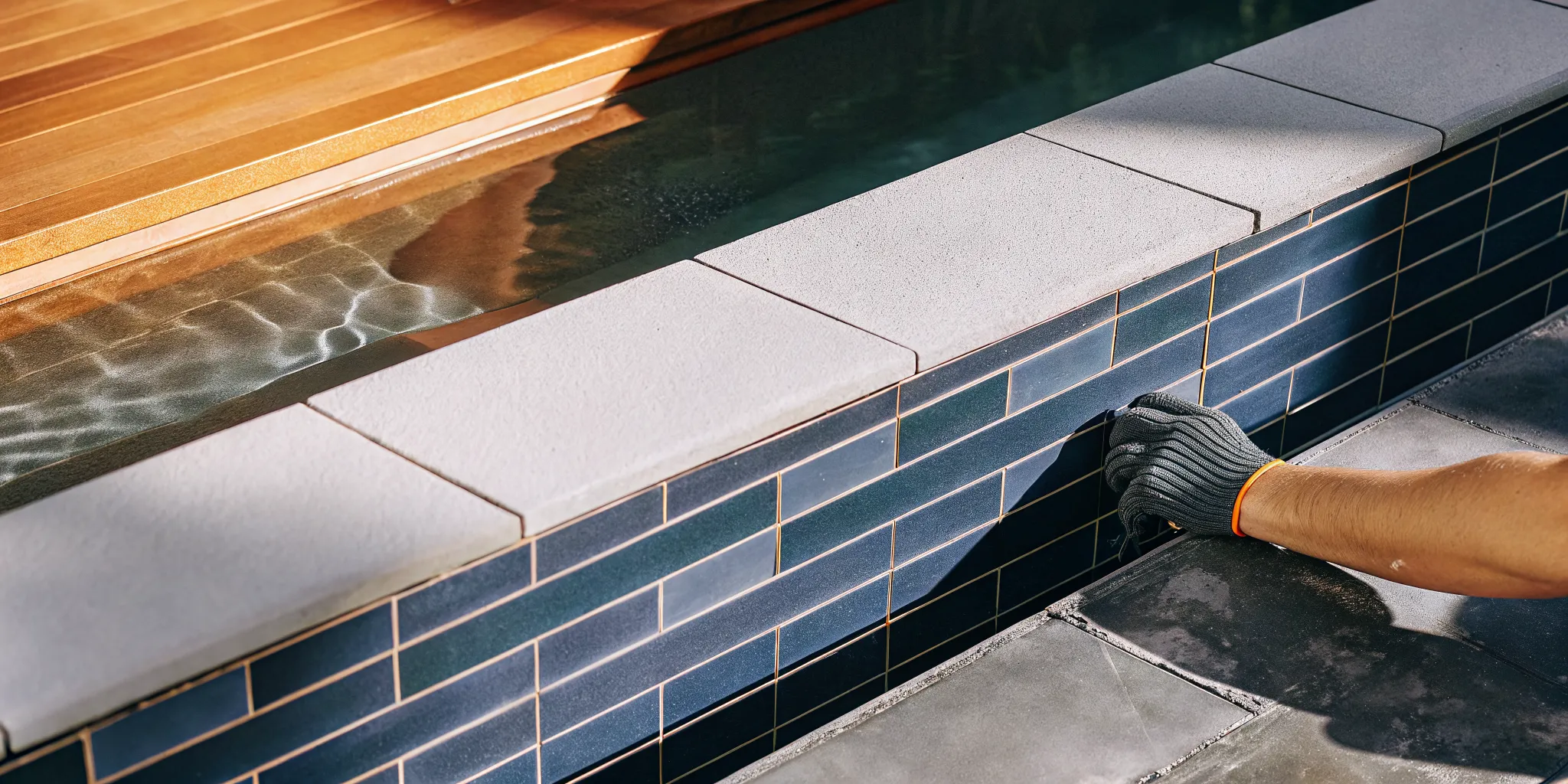
If you're looking for a high-impact update without a full-scale renovation, replacing the waterline tile is a fantastic option. This single band of tile is what you see most, and refreshing it can completely change your pool's look. For this type of project, you can generally expect to pay around $25 per linear foot for labor, plus the cost of the tiles themselves. It’s a cost-effective way to address common issues like staining and calcium buildup right at the water's edge. Think of it as a facelift for your pool that delivers a fresh, clean appearance for a fraction of the cost of a full retile.
Full Pool Retile Costs
Ready for a total transformation? A full pool retile involves replacing every tile on your pool's interior surface. This is a major project, and the costs reflect that. On average, most homeowners spend around $15,000 for a standard-sized pool. However, your choice of material plays a huge role here. If you fall in love with premium materials like iridescent glass tiles, the total cost can climb upwards of $70,000. A full retile is a significant investment, but it allows you to completely redesign your pool's aesthetic and ensures a durable, beautiful finish that will last for years.
How Pool Size Affects the Price
It makes sense that the bigger your pool, the more your tiling project will cost. More surface area means more tile and more labor. To put it in perspective, replacing just the waterline tile on a small 10x20 foot pool might cost between $1,500 and $2,500. When you consider all the variables, the total cost for any pool tile replacement can range anywhere from $2,000 to $70,000. Most homeowners land somewhere around the $15,000 mark for a complete project. Knowing your pool's dimensions is the first step to getting an accurate quote for your specific needs.
Comparing Pool Tile Types and Costs
Choosing the right tile is one of the most exciting parts of a pool remodel. It sets the entire mood for your backyard oasis, but the options can feel endless. Your choice impacts not just the look of your pool, but also your budget and long-term maintenance. Let's break down the most popular pool tile types to help you find the perfect fit for your Denver home. Each material offers a unique blend of style, durability, and cost, so you can make a decision that you'll love for years to come.
Ceramic and Porcelain Tile
Ceramic and porcelain tiles are the workhorses of the pool world, and for good reason. They are durable, easy to clean, and offer the widest variety of colors and styles, all while being incredibly budget-friendly. You can find great-looking options for less than $10 per square foot. This versatility makes them a fantastic choice for any style, from classic to modern. If you're looking for a reliable and cost-effective material for your pool remodels and rehabs, porcelain is an excellent place to start.
Glass Tile
If you want your pool to have that "wow" factor, glass tile is the way to go. It catches the sunlight beautifully, creating a shimmering, luminous effect that other materials just can't replicate. This luxurious look comes at a higher price, often ranging from $50 to $100 per square foot. While it's a bigger investment, the result is a stunning, high-end finish that can make your pool look like a custom resort. Glass tiles are also non-porous and resistant to chemicals, making them a durable, albeit premium, choice.
Natural Stone Tile
For a look that feels connected to nature, natural stone tiles like travertine, slate, and granite are a beautiful option. They bring an earthy, organic texture to your pool, helping it blend seamlessly with your landscaping. Stone is very durable, especially options like granite, and it offers a timeless elegance. Costs typically fall between ceramic and glass, making it an accessible upgrade for many homeowners. Just keep in mind that some stone is porous and may require sealing to protect it from pool chemicals and stains.
Mosaic Tile
Mosaic tiles are for homeowners who want to make a true statement. These small tiles are arranged to create intricate patterns, gradients, or even custom images on your pool's surface. Think of it as commissioning a piece of art for your pool. Because of the detailed labor and design involved, mosaics are one of the most expensive options, often starting at $75 per square foot and going up from there. While not a budget choice, mosaic tile gives you the ultimate freedom to create a one-of-a-kind design that is completely unique to you.
What Factors Affect Pool Tile Replacement Costs?
When you start budgeting for a pool tile replacement, you’ll quickly find that the final price depends on more than just the tile itself. Several key factors come together to determine your total investment. Understanding these variables will help you plan your project, set a realistic budget, and make informed decisions that you’ll be happy with for years to come. From the materials you choose to the time of year you schedule the work, here’s what you need to consider.
Tile Material and Quality
The type of tile you select is one of the biggest drivers of your project's cost. Standard ceramic and porcelain tiles are often the most budget-friendly options, offering a classic look and durable performance. If you’re aiming for a more luxurious feel, you might consider glass or natural stone. While beautiful, these high-end options can significantly increase the material cost. A full pool retile can range from $15,000 to over $70,000, largely depending on the tile you fall in love with. It’s a balance between the aesthetic you want and the budget you’ve set.
Local Labor Rates
Labor is a substantial part of any tile replacement budget, and rates are influenced by your location and the technician's expertise. In the Denver area, you're paying for a professional’s time, skill, and experience in handling Colorado’s unique climate. While general hourly rates for tile setters can vary widely, a trustworthy quote from a local company will give you the clearest picture. At Neptune Pools, we provide transparent pricing that reflects the quality of our certified technicians’ work, so you know exactly what to expect without any surprises.
Pool Condition and Prep Work
The current state of your pool plays a huge role in the overall cost. A simple tile replacement is one thing, but if there’s underlying damage, more work is needed. The process almost always involves draining the pool, carefully removing the old, failing tile, and cleaning the surface. If we find cracks or deterioration in the pool shell beneath the old tile, repairing the underlying surface is a critical step before any new tile can be installed. This prep work ensures your new tile has a stable foundation and will last for years.
Seasonal Demand in Colorado
Just like with any home improvement project, timing can affect the price. In Colorado, demand for pool services skyrockets as summer approaches. Everyone is rushing to get their pools ready for swim season, which means contractors are busier and prices can be higher. If you can, consider scheduling your tile replacement during the off-season, like in the fall or early spring. Planning your project during a less busy time of year can sometimes lead to more flexible scheduling and potential cost savings.
Waterline Tile vs. Full Retile: Which Is Right for You?
Deciding whether to update your pool tile can feel like a big commitment, but it doesn't always have to be a massive project. The choice often comes down to two main options: replacing just the waterline tile or going for a full retile. Your budget, the current condition of your pool, and your ultimate vision for your backyard will help you figure out the right path.
Think of a waterline tile replacement as a targeted refresh. If the main surface of your pool is still in great shape but the tiles at the water's edge are cracked, stained, or just look dated, this is a fantastic, cost-effective solution. It’s amazing what a difference a new band of tile can make, giving the entire pool a crisp, clean look. On average, replacing waterline tile costs about $25 to $30 per linear foot. For a standard-sized pool, this often lands in the $1,500 to $2,500 range, making it an accessible update.
A full retile, on the other hand, is a complete transformation. This is the route to take when your pool's surface has widespread issues, like extensive cracking or failing plaster, or when you’re ready for a total style overhaul. While it’s a bigger investment, with the cost to tile an entire pool ranging from $15,000 to $70,000 or more depending on the materials, it allows you to completely reimagine your pool’s appearance. A full retile is a long-term investment that can dramatically increase your property's appeal and your enjoyment of it.
So, how do you choose? If your budget is tight and the damage is limited to the waterline, a focused replacement is a smart move. But if you're planning a major backyard makeover or your pool's surface has seen better days, a full retile is a worthwhile investment. A professional assessment can help you understand the underlying condition of your pool and guide you toward the best decision for your home. If you're considering an update, exploring different remodels and rehabs can give you a clearer picture of what’s possible.
Signs It's Time to Replace Your Pool Tile
Your pool tile is more than just a pretty decoration. It acts as a durable, waterproof barrier that protects the pool shell from the elements and daily wear. When your tile starts to fail, it’s often a sign of bigger issues brewing beneath the surface. Noticing the early warning signs can help you prevent more extensive and costly damage down the road. If you see any of these red flags, it might be time to consider a tile replacement.
Cracked or Chipped Tiles
A few cracked tiles might not seem like a big deal, but they are often the first sign of trouble. Here in Colorado, the freeze-thaw cycles can cause the ground and your pool’s structure to shift, putting stress on the tile. Drastic temperature changes and even low water levels can cause tiles to crack under pressure. These cracks allow water to seep behind the tile, which can weaken the bond and damage the underlying pool shell. Addressing a few cracked tiles quickly can sometimes be a simple repair, but widespread cracking is a clear signal that a full replacement is needed to protect your pool's integrity.
Stubborn Stains and Calcium Buildup
If you’ve noticed a persistent, chalky white line along your waterline that no amount of scrubbing can remove, you’re dealing with calcium scaling. This buildup is common in areas with hard water and can etch into the tile’s surface over time, making it impossible to clean. Similarly, chemical or organic stains can penetrate the glaze of older tiles, leaving them permanently discolored. While routine cleaning and maintenance can manage minor buildup, deep-set stains and scaling mean the tile’s protective surface has worn away. Replacing the tile is the only way to restore a clean, fresh look.
Loose or Missing Tiles
A tile that has fallen off into the pool is an undeniable sign that the adhesive behind it has failed. This is a serious issue because each missing tile creates a vulnerable spot where water can directly access and degrade the pool's concrete shell. You might find one or two loose tiles at first, but it’s often an indication that the rest of the tile is not far behind. This problem will only get worse, leading to more water damage and potential structural issues. It’s best to address loose and missing tiles with a professional who can assess the extent of the problem.
An Outdated Look
Sometimes, the tile is structurally fine but simply looks dated. Faded colors, a dull finish, or a pattern that screams 1990 can drag down the entire look of your backyard. Your pool is a major feature of your home, and it should be something you love to look at. If you’re tired of your pool’s aesthetic, a tile replacement is one of the most impactful upgrades you can make. Modernizing your tile is a key part of many pool remodels and rehabs, instantly giving your outdoor space a luxurious and updated feel.
Other Costs to Consider for Pool Tile Replacement
When you’re budgeting for a pool tile refresh, it’s easy to focus only on the price of the tiles themselves. But the total cost involves much more than just the materials you see. Several other critical steps contribute to the final price tag, and understanding them helps you create a realistic budget with no surprises. From the labor-intensive process of removing old tiles to the final chemical balancing of fresh water, each stage is essential for a durable and beautiful result.
Think of it like this: the tile is the star of the show, but the supporting cast of prep work, materials, and finishing touches is what makes the performance a success. Overlooking these factors can lead to unexpected expenses and a longer project timeline. Let’s walk through the other costs you should factor into your pool tile replacement project so you can plan with confidence.
Removing Old Tile
Before you can get that beautiful new tile installed, the old tile has to go. This is a crucial first step that involves carefully chipping away the existing tiles and the underlying mortar bed. It’s a dusty, labor-intensive job that requires the right tools and techniques to avoid damaging the pool’s structure. The cost of removal is almost always factored into a professional quote and depends on the size of the tiled area. For waterline tile, the pool will need to be partially drained below the tile line, while a full retile requires draining the entire pool, adding another layer to the process.
Repairing the Pool Surface
Once the old tiles are gone, the underlying surface, or beam, is exposed. This is the perfect opportunity to inspect for any hidden damage. Over time, small cracks and deterioration can occur in the pool’s shell. It’s absolutely essential to address these issues before any new tile is applied. Tiling over a compromised surface is a recipe for failure, as it can lead to loose tiles and leaks down the road. A professional contractor will perform a thorough inspection and complete any necessary surface repairs, ensuring your new tile has a solid and stable foundation to adhere to for years to come.
Grout and Waterproofing Materials
The materials that hold your tile in place are just as important as the tile itself. The total cost of your project will include high-quality thinset mortar, waterproofing compounds, and durable grout. Skimping on these materials is a mistake that can cost you dearly later. Professional-grade, polymer-modified mortars and epoxy grouts are designed to withstand constant water immersion and the specific challenges of Colorado’s climate. These materials ensure a strong bond and create a watertight seal, protecting your pool structure and preventing tiles from popping off. Proper application and curing time are also key to a long-lasting finish.
Draining and Refilling the Pool
Any tile work requires lowering the water level, and this process comes with its own set of costs. Draining a pool, even partially, means you'll eventually have to replace that water. In the Denver area, the cost of water can be significant, especially for a full refill. Once the pool is refilled, the new water needs to be chemically balanced with chlorine, pH adjusters, and other additives to make it safe and stable. This initial chemical treatment is more intensive than routine weekly maintenance and should be factored into your overall budget.
How to Save Money on Pool Tile Replacement
A pool tile replacement is a significant investment, but it doesn't have to break the bank. With some smart planning and savvy choices, you can give your pool a stunning new look while keeping your budget in check. The key is to think strategically about timing, materials, and who you hire for the job. A little bit of homework upfront can lead to big savings, ensuring you get a beautiful result that you can enjoy for years without any financial regrets.
Instead of just looking for the cheapest option, focus on getting the best value. This means finding a balance between cost, quality, and durability. From scheduling your project during the off-season to choosing the right materials, here are some practical ways to save money on your pool tile replacement.
Get Multiple Quotes
Before you commit to any project, it’s essential to get multiple quotes from different contractors. This isn't just about finding the lowest price; it's about understanding the market rate and finding a professional you can trust. Each quote should provide a detailed breakdown of costs, including labor, materials, and any prep work. Comparing offers allows you to see what’s included and identify any red flags. When you’re ready to start gathering estimates for your pool remodel, make sure you’re comparing apples to apples to find the best deal for your project.
Time Your Project Strategically
In Colorado, pool contractors are busiest during the spring and summer as everyone rushes to get their pools ready for swimming season. If you can wait, consider timing your renovation project for the off-season, like in the fall or winter. With less demand, you may find that contractors are more available and sometimes offer more competitive pricing. Scheduling your tile replacement during the colder months also means your pool will be completely finished and ready for you to enjoy on the very first warm day of the year.
Choose Smart Materials That Fit Your Budget
The tile you choose is one of the biggest factors in your total cost, but you don’t have to sacrifice style for savings. There are plenty of beautiful, durable, and budget-friendly tile options available. Ceramic and porcelain tiles are classic choices that come in a huge variety of colors and patterns at an accessible price point. They offer a clean, timeless look without the high cost of materials like glass or natural stone. By exploring these more affordable materials, you can achieve a high-end look that fits comfortably within your budget.
Know What to DIY (and What to Leave to a Pro)
While it’s tempting to cut costs by doing it yourself, tile replacement is a job best left to the pros. Improper installation can lead to leaks, cracked tiles, and damage to the pool’s structure, costing you much more in the long run. A professional ensures the surface is properly prepped and the tiles are installed correctly for a lasting finish. However, you can save money by taking on regular maintenance yourself. Simple tasks like brushing your tiles and keeping your water chemistry balanced are part of a good cleaning and maintenance routine that can prevent stains and calcium buildup, extending the life of your tile and delaying the need for a full replacement.
How to Maintain Your New Pool Tile
After investing in a beautiful tile replacement, the last thing you want is for it to look dull or damaged within a few years. The good news is that with a little consistent care, you can keep your new tile looking as pristine as the day it was installed. Proper maintenance protects your investment, prevents costly future repairs, and keeps your pool looking its best.
Balance Your Water Chemistry
Think of your pool's water chemistry as the foundation of its health. When your water is out of whack, it can cause all sorts of problems for your new tile. High levels of calcium, pH, or alkalinity can lead to scaling, which is that stubborn, chalky white residue that builds up along the waterline. This scale not only looks bad but can also be tough to remove without damaging the tile surface. Regularly testing your water and keeping it balanced is the best way to prevent this. If you're not sure how to manage it yourself, our professional cleaning and maintenance services can keep your water perfectly balanced year-round.
Clean Tiles Regularly
A little weekly cleaning goes a long way in preserving your tile's sparkle. Dirt, oils, and sunscreen can create a grimy film on your tiles, but you can easily stay ahead of it. Once a week, use a soft-bristled brush or a tile-safe sponge to gently scrub the waterline. This simple habit prevents buildup from hardening and becoming a major chore to remove. For tougher spots, use a cleaner specifically designed for pool tiles. You can find effective and safe options in our supplies and chemicals selection. Avoid using abrasive household cleaners or steel wool, as these can permanently scratch your beautiful new tile.
Inspect and Reseal Grout
Your tile's grout lines are small but mighty. They seal the space between tiles, preventing water from seeping behind them and causing serious damage. Make it a habit to visually inspect your grout every few months. Look for any areas that are cracking, crumbling, or missing. Catching these issues early is key. A small grout repair is a simple fix, but ignoring it can lead to loose tiles and water damage to the pool's structure. If you spot any problem areas, it's best to get them addressed quickly. Our team handles everything from minor grout touch-ups to full remodels and rehabs to ensure your pool remains secure and beautiful.
Refresh Your Pool with Professional Tiling in Denver
Giving your pool a facelift with new tile does more than just improve its appearance; it also protects its structure and enhances its durability. If you're in the Denver area and thinking about a pool refresh, you're likely wondering about the cost. According to one report from Shasta Pools, a full tile replacement can range from $2,000 to $70,000, though most homeowners spend around $15,000. For a more budget-friendly update, replacing just the waterline tile typically costs between $25 and $30 per linear foot. For a standard 10x20 foot pool, that comes out to about $1,500 to $2,500.
Of course, the final price tag depends on the scope of the project. The type of tile you choose, the size of your pool, and any necessary prep work will all influence the total cost. Labor rates in the Denver area also play a role, with some contractors charging between $15 to $35 per linear foot for installation, as noted by Oasis Tile. Investing in a professional installation ensures the job is done right the first time, saving you from the headache and expense of future repairs. A skilled team can handle everything from minor surface fixes to major remodels and rehabs, making sure your new tile is set to last. Once your beautiful new tile is in, simple maintenance will keep it sparkling for years to come. At Neptune Pools, our certified technicians have the local expertise to guide you through the entire process, from selecting the right materials to providing a transparent quote for your project.
Related Articles
Ready for a cleaner pool?
Denver's trusted pool care professionals since 1982. Get started today.
Schedule ServiceFrequently Asked Questions
How much should I realistically budget for new pool tile? The final cost depends heavily on your project's scope and your taste in materials. For a simple waterline tile replacement, a budget of around $1,500 to $2,500 is a good starting point. If you're planning a complete retile of your entire pool, the average cost is closer to $15,000. Keep in mind that choosing premium materials like glass or custom mosaics can increase that total significantly, so your tile choice is a major factor.
Why is it so important to remove the old tile first? Can't you just tile over it? Tiling over an old, failing surface is a shortcut that will almost certainly lead to problems. The new tile needs a perfectly clean and stable foundation to bond to. Removing the old tile allows a professional to inspect the underlying pool shell for any cracks or deterioration and make necessary repairs. This crucial prep work ensures your new tile adheres properly and prevents leaks, which would be a much more expensive problem to fix later.
My waterline tile looks bad, but the rest of the pool seems okay. Should I just do the waterline or invest in a full retile? This really comes down to your goals and the overall condition of your pool. If the main issue is just a dated look or stubborn staining at the water's edge, a waterline replacement is a fantastic and affordable update. However, if you're seeing cracks, loose tiles in other areas, or you're ready for a complete style transformation, a full retile is a worthwhile investment that protects your pool's structure and gives you a brand new look.
How do I know if my tile needs replacing versus just a deep clean? Surface grime and fresh mineral deposits can often be handled with regular brushing and the right cleaners. You should consider replacement when you see signs of permanent damage. This includes tiles that are cracked, loose, or have fallen off completely. Another clear sign is a chalky white scale that has etched into the tile's surface and simply won't scrub away; this means the tile's protective glaze has worn down.
Does Colorado's climate affect my pool tile replacement? Yes, it definitely does. The freeze-thaw cycles we experience in the Denver area put a lot of stress on a pool's structure, which can cause tiles and grout to crack over time. It's important to use high-quality, durable materials and professional installation techniques that can withstand these temperature swings. Planning your project for the off-season, like the fall, can also be a smart move, as contractor schedules are often more open.
Related Blogs