Commercial Pool Renovation Denver: Planning Guide
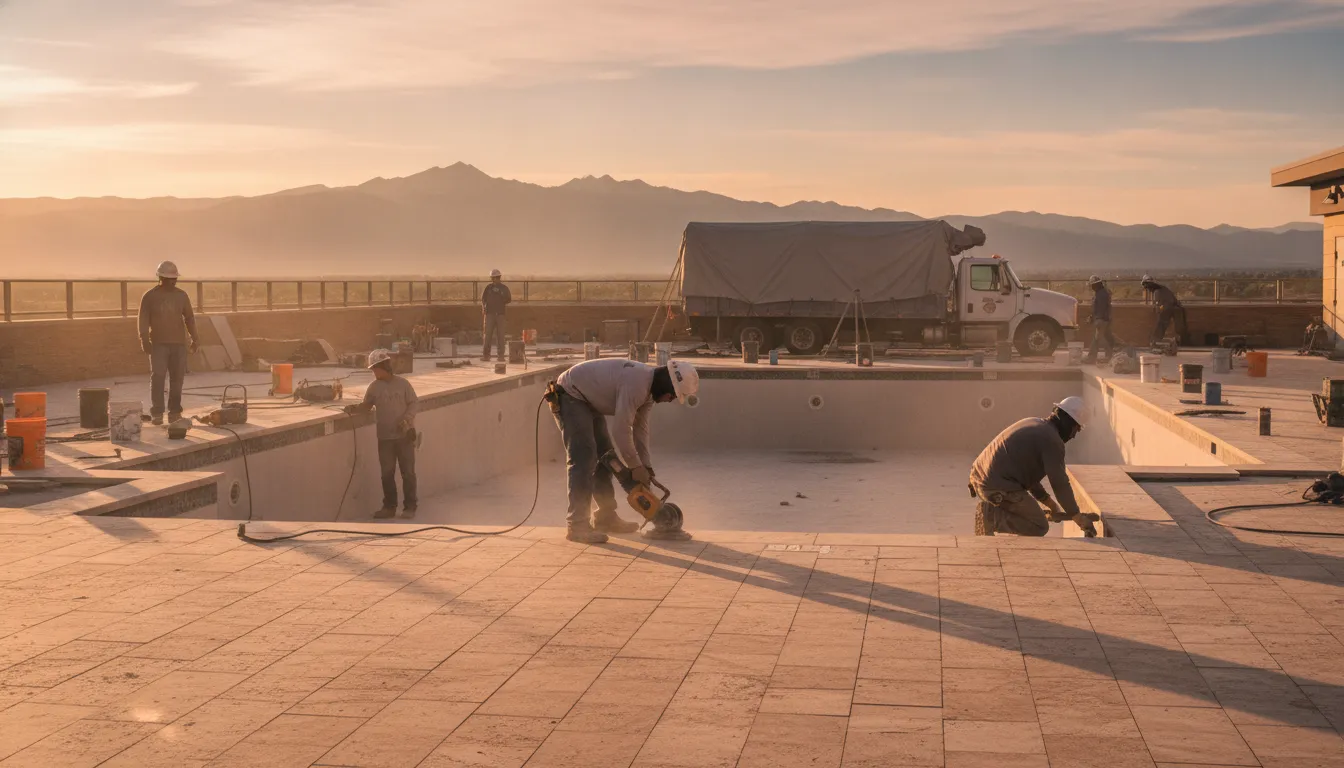
A commercial pool renovation affects more than the pool itself. For a Denver Metro hotel, apartment community, HOA, or fitness facility, the project can influence operating budgets, guest access, safety obligations, and the long-term value of the property.
Commercial pool renovation denver projects are easiest to control when the scope is defined before work begins. A professional plan should account for surface condition, filtration and circulation, deck safety, code requirements, freeze-thaw exposure, altitude-related equipment needs, materials, scheduling, and final testing.
Neptune Pools brings more than 40 years of Denver-area experience to that process, with transparent estimates and Colorado-specific renovation knowledge. A careful inspection can separate urgent safety or compliance work from worthwhile upgrades, helping you set a realistic budget and reduce avoidable downtime.
Explore commercial pool restoration in Denver
Before choosing finishes or equipment, it helps to understand why planning carries so much weight for Denver properties and the people who depend on them.
Why Commercial Pool Renovation Planning Matters for Denver Properties
For a Denver apartment community, HOA, hotel, or recreation facility, a pool is more than an amenity. It is part of the property's value and operating responsibility. Waiting until a leak, failed pump, damaged deck, or water-quality issue forces an emergency repair can create rushed decisions. Extended closures, and costs that were not included in the annual plan. A planning-first approach gives property managers and HOA boards time to understand the condition of the entire system and choose improvements that support safe, reliable operation.
Protecting the value of a shared property asset
A clean, functional, modern pool supports the experience residents, guests, and members expect from the property. Visible cracking, worn finishes, outdated equipment, or repeated closures can make an otherwise well-maintained community feel neglected. A coordinated renovation addresses related needs together instead of paying for isolated repairs that leave the underlying problems in place.
Planning also makes it easier for an HOA board or ownership group to evaluate the work as a capital improvement. The scope can separate urgent repairs from worthwhile upgrades, establish realistic allowances for materials and equipment, and provide a clear basis for communicating costs to stakeholders. That level of preparation helps protect the long-term value of the pool and the property around it.
Building safety and compliance into the scope
Safety and code compliance should be addressed at the beginning of a commercial renovation, not added after construction starts. Colorado's swimming pool regulations are established under 5 CCR 1003-5, which authorizes certain local entities to use the Model Aquatic Health Code. Projects may also need to account for applicable Denver municipal building requirements. Reviewing these considerations early helps the project team identify necessary safety improvements and reduces the risk of reopening with unresolved issues.
Denver conditions add another planning layer. Freeze-thaw cycles can affect exterior surfaces and plumbing, while high altitude can influence equipment selection and performance. A renovation plan should account for these local conditions rather than relying on a generic scope designed for another climate.
Setting clear expectations for residents and guests
Renovation work inevitably creates some disruption, but reactive repairs often create the most disruptive schedule because the property has little time to prepare. With a defined scope, managers can coordinate an off-season closure or phased work, notify residents and guests, and align the project with staffing and operating calendars.
Neptune Pools brings more than 40 years of Denver-area experience to this work and emphasizes clear, solutions-oriented communication. That means property managers and boards can discuss the condition of the pool, recommended options, timing, and costs in practical terms. For a planning conversation focused on the needs of your facility, review Neptune's commercial pool restoration services in Denver.
When Does Your Commercial Pool Need a Renovation?
A commercial pool rarely reaches the point of needing a complete renovation overnight. More often, small surface, equipment, and water-quality issues accumulate until they affect safety, operating costs, or the experience of residents and guests. A planned evaluation gives property managers and HOA boards time to define the work, schedule downtime, and address related systems together instead of paying for repeated emergency repairs.
As a general planning interval, commercial pool surfaces typically need a major refresh every seven to 10 years. The actual lifespan depends on swimmer volume, chemical management, surface material, and how consistently the pool has been maintained. Treat that range as a review point, not an automatic replacement date. A well-maintained pool may remain serviceable longer, while heavy use or persistent water-balance problems can accelerate deterioration. Commercial pool surface guidance supports using usage and chemical history when evaluating timing.
Visible signs that should not be deferred
Cracked or rough surfaces can create injury concerns and make cleaning more difficult. Loose or missing tile may indicate localized damage, water intrusion, or an installation that is no longer secure. These defects also tend to become more disruptive when they are left through another high-use season. Look beyond the basin as well. Damaged deck areas, failing joints, or drainage issues can affect safe circulation around the pool and may need to be coordinated with the renovation scope.
Persistent water chemistry problems are another important signal. If staff are repeatedly correcting pH or disinfectant levels, the issue may involve more than testing procedures. Aging filtration, recirculation, dosing, or circulation components can make it harder to maintain consistent water quality. CDC guidance recommends maintaining filtration and recirculation systems according to manufacturer recommendations, along with accurate records of water measurements and maintenance activities. CDC guidance for operating public pools can help operators compare current practices with recommended controls.
Maintenance helps identify the right renovation scope
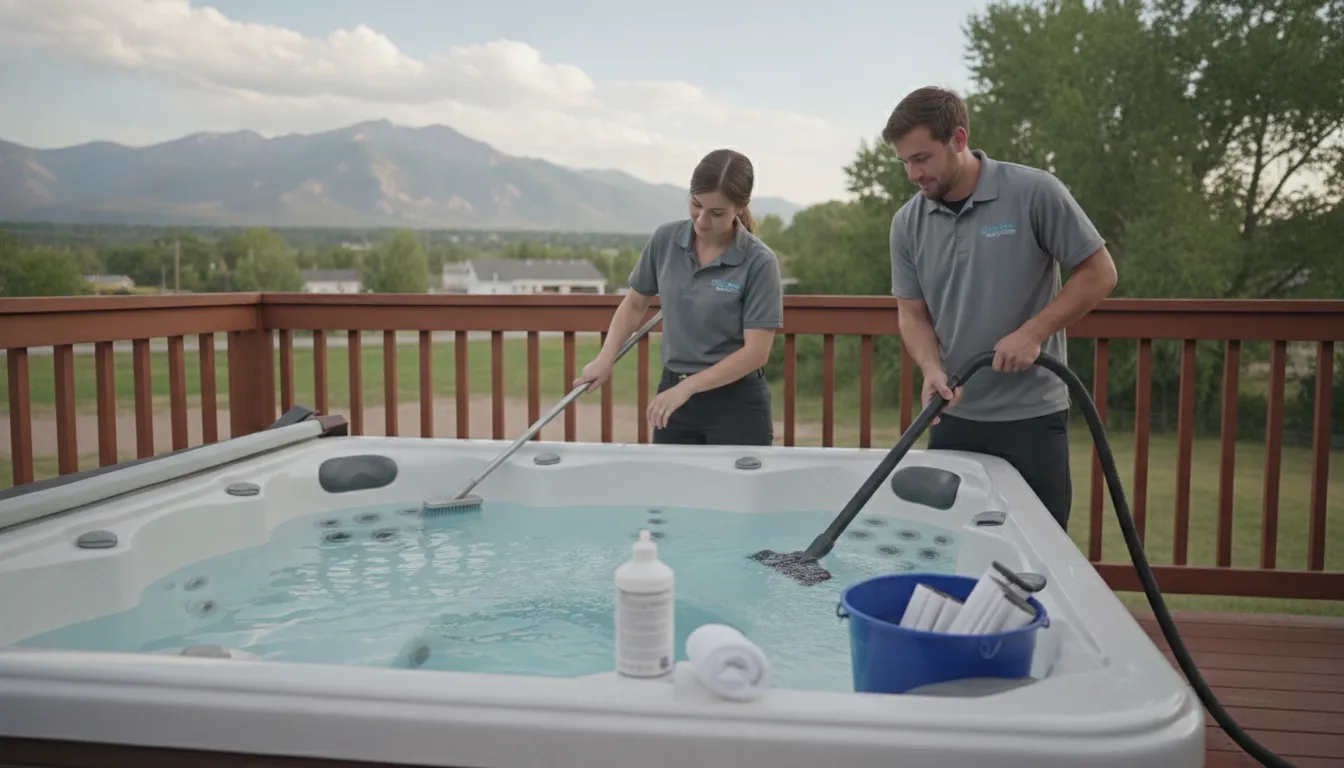
Preventive maintenance does not eliminate the need for renovation, but it provides the information needed to plan it intelligently. Review service records for recurring leaks, filter performance, chemical corrections, sensor faults, and parts that are nearing the end of their useful life. Replacing parts before failure, rather than waiting for a shutdown, can protect operations while a larger project is being designed.
For a practical look at the relationship between ongoing care and capital planning, review commercial pool maintenance and renovation. If the same problem appears repeatedly despite proper maintenance, it is usually time to request an inspection and renovation assessment. In Denver, that assessment should also account for Colorado freeze-thaw conditions and equipment requirements related to altitude, not just the appearance of the pool.
What a Commercial Pool Renovation in Denver Includes
A commercial renovation should address the pool as a complete operating system, not just the visible waterline. The right scope depends on the vessel's condition, daily bather load, equipment performance, deck safety, and the demands of Denver's climate. Colorado properties also need renovation decisions that account for freeze-thaw cycles and altitude-related equipment requirements. A thorough assessment helps property managers and HOA boards separate urgent repairs from improvements that protect the facility over the next operating season.
Common work areas include the following:
| Renovation area | What it involves | Typical driver |
|---|---|---|
| Resurfacing | Removing a worn finish and installing a suitable new surface for the pool's use, construction, and maintenance demands. | Cracking, rough or deteriorated surfaces, staining, leaks, or a finish that is difficult to keep clean. |
| Tile replacement | Replacing loose, missing, damaged, or outdated tile at the waterline, along steps, or around other high-contact areas. | Safety concerns, visible deterioration, waterline damage, or a need to refresh the appearance during broader work. |
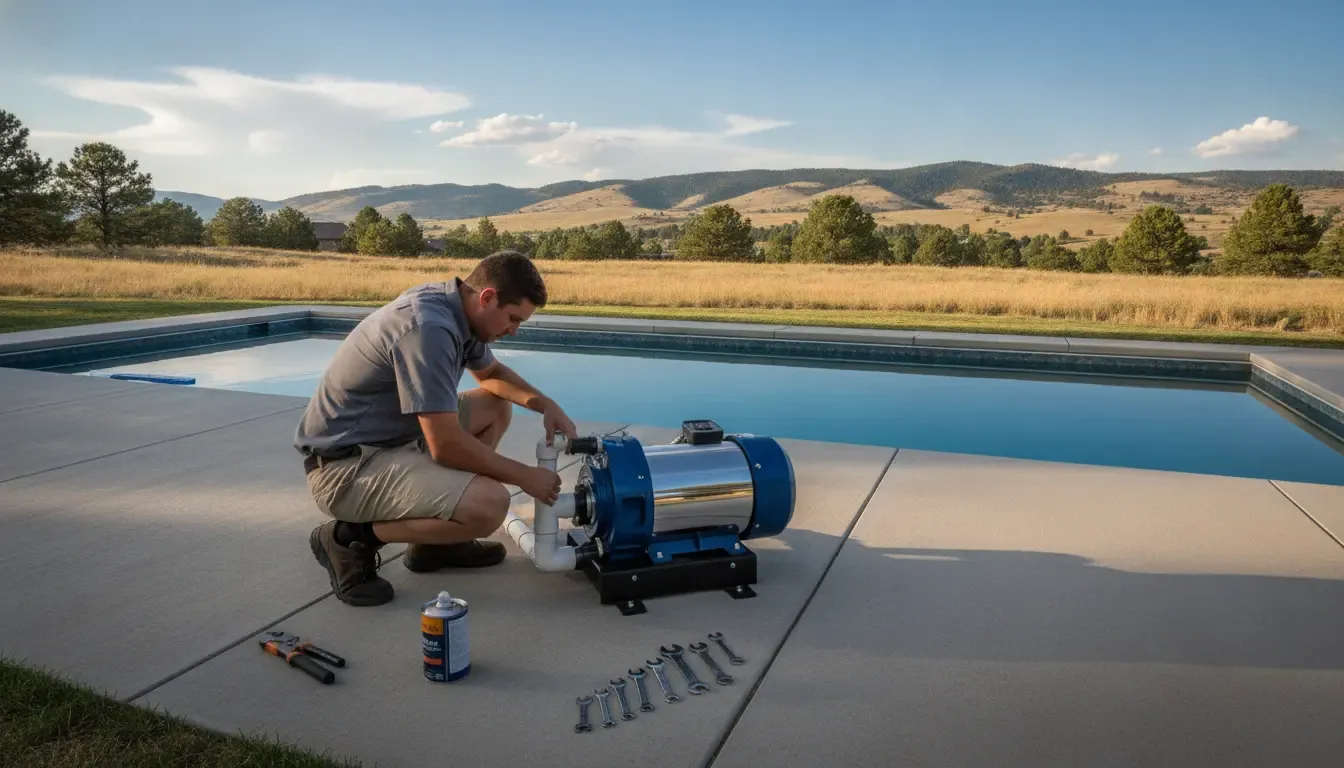
| Equipment upgrades | Evaluating and replacing aging pumps, heaters, controls, chemical-feed components, or other equipment that affects circulation and operation. | Frequent breakdowns, inefficient operation, poor temperature control, or equipment that no longer fits the facility's needs. |
| Deck repairs | Repairing or replacing damaged deck areas and addressing surfaces that affect safe movement around the pool. | Cracks, settlement, trip hazards, drainage concerns, or surfaces that become especially difficult to manage through Colorado weather cycles. |
| Filtration and recirculation | Updating filters, circulation components, valves, controls, and related systems so water can be moved and treated consistently. | Outdated equipment, recurring water-quality problems, weak circulation, rising maintenance demands, or failure to follow manufacturer recommendations. |
These areas often overlap. A new surface will not solve persistent water-quality problems if filtration and recirculation remain inadequate. Likewise, replacing equipment without reviewing the pool's electrical, plumbing, controls, and freeze-protection needs can leave the facility with an incomplete solution. Commercial operators should expect the scope to be based on an inspection rather than a one-size-fits-all package.
Filtration and recirculation deserve particular attention because they support consistent water treatment. The CDC advises operators to maintain these systems according to manufacturer recommendations and to use preventive replacement of vulnerable parts before failure. A renovation is an opportunity to identify those components, improve access for service, and align the equipment plan with the property's actual operating demands.
For Denver facilities, the final scope should also document how materials and equipment will perform through seasonal temperature changes and high-altitude conditions. It should identify safety and code-related work separately from cosmetic improvements, clarify testing and commissioning, and show what is included in the estimate. That level of detail gives a property manager or board a practical basis for approving the project and planning the closure or phased work schedule.
commercial pool restoration in Denver
Upgrade Opportunities That Maximize Your Renovation
A renovation is more than a chance to restore the pool's visible finish. It is also an opportunity to review the systems that influence operating costs every day. If pumps, heaters, or sanitization equipment are already approaching the end of their useful life. Replacing them while the pool is drained and other work is underway can be more efficient than treating each upgrade as a separate future project.
Reduce energy use with better circulation and heating equipment
Energy-efficient pumps and heaters can support a more deliberate long-term asset plan for a hotel, apartment community, HOA, or other Denver commercial property. The right equipment should be selected for the pool's volume, usage pattern, operating schedule. And local conditions, rather than based on a residential specification or the lowest purchase price.
During the planning stage, ask for the expected operating requirements and the basis for the equipment recommendation. A properly matched pump may help reduce unnecessary energy demand, while an efficient heater can make temperature management more predictable. In Colorado, the review should also account for freeze-thaw exposure and altitude-related equipment requirements. Those details affect reliability and should be addressed before installation, not after a system struggles during the first cold season.
Automate routine sanitization work
Automated sanitization systems can reduce the amount of manual labor required for daily chemistry management. They do not eliminate the need for trained staff, testing, documentation, or timely response to abnormal readings. Instead, they can make routine dosing more consistent and give operators a better foundation for managing a busy facility.
That distinction matters for commercial properties, where staff turnover, changing bather loads, and extended operating hours can create avoidable inconsistencies. Automation should be evaluated alongside the existing filtration, circulation, and monitoring setup. The renovation scope should identify who will review readings, how exceptions will be handled, and what preventive maintenance the system requires.
Measure the upgrade by total operating value
Evaluate upgrades by their total operating value, not only their installation cost. Consider projected utility use, labor requirements, service access, replacement parts, expected downtime, and the consequences of an equipment failure during peak season. An upgrade that integrates cleanly with the renovation may protect the property's budget and reduce the likelihood of another disruptive closure soon after the project is complete.
Neptune Pools can help property managers and HOA boards coordinate renovation planning with equipment decisions through its commercial pool renovation services. A clear scope, transparent estimate, and final system testing make it easier to treat the pool as a managed asset rather than a series of emergency repairs.
What Does Commercial Pool Renovation Cost in Denver?
There is no responsible one-size-fits-all price for a commercial pool renovation. The project cost reflects the condition of the property, the performance required from the finished facility, and the upgrades needed to keep it safe and compliant. A clear scope is more useful than a generic price range, especially for property managers and HOA boards planning around operating budgets.
Several variables shape the estimate:
- Pool size and configuration: A larger pool requires more surface materials, labor, water handling, and time. Multiple basins, unusual shapes, spas, and attached water features can add coordination and installation requirements.
- Extent of surface damage: Minor wear may call for targeted repairs, while widespread cracking, delamination, or deterioration may require more extensive preparation before resurfacing. The condition beneath the visible finish matters just as much as what guests can see.
- Materials selected: Finish systems, tile, coping, deck materials, and other specifications vary in durability, appearance, maintenance needs, and installation complexity. The lowest initial material cost is not always the best value for a heavily used commercial facility.
- Equipment requirements: Pumps, filtration, heating, circulation, controls, and sanitation equipment may need repair, replacement, or reconfiguration. Renovation is an opportunity to address aging equipment rather than reinstalling a system that is already inefficient or unreliable.
- Necessary code upgrades: Safety and compliance work can affect the project scope. Required improvements may not be apparent during a quick visual review, so they should be identified before a budget is finalized.
These factors are why a useful proposal should separate the work into understandable line items instead of presenting one unexplained total. Property managers can then see which costs address immediate damage, which improve long-term operation, and which are required for safety or compliance. They can also compare alternatives without accidentally removing work that protects the facility or its users.
Neptune Pools uses transparent pricing for renovation projects, with clear cost breakdowns so you know exactly what you are paying for. That approach helps decision-makers plan approvals, communicate with owners or board members, and avoid surprises when the work begins. For a Denver property, the estimate should also account for local operating conditions and the practical requirements of the facility, not just the visible finish.
Start with an inspection and a defined project scope. Neptune Pools can help evaluate the existing pool, explain the cost drivers, and develop a renovation plan suited to your property.
Denver Code, Compliance, and Safety Requirements
Compliance should be treated as a design requirement, not a final inspection hurdle. A commercial pool renovation in Denver may affect the shell, deck, circulation system, chemical controls, access points, and other features tied directly to public health and user safety. Bringing those requirements into the project scope early helps property managers and HOA boards avoid redesigns, delayed openings, and costly work that does not satisfy current standards.
Start with Colorado pool regulations
Commercial pools in Colorado are governed by the state swimming pools and mineral baths regulation, 5 CCR 1003-5. The Colorado Department of Public Health and Environment explains that amendments to this regulation authorize certain local entities to use the Model Aquatic Health Code, or MAHC. The applicable requirements can depend on the facility and its regulating authority. So a renovation plan should be reviewed against the current guidance rather than relying on assumptions from an older project.
For the current state information and regulatory resources, consult the Colorado Department of Public Health and Environment swimming pool guidance. A qualified renovation team can use that information to identify items that need confirmation before demolition or equipment ordering.
Coordinate state and local requirements
Meeting state pool regulations is only one part of the approval process. Commercial renovation work may also need to satisfy CDPHE requirements and Denver municipal building codes. Construction changes involving decks, barriers, mechanical systems, electrical equipment, drainage, or accessible routes should be evaluated for the permits, inspections, and technical approvals that apply to the property.
Ask for compliance considerations in the written scope and estimate. The project documents should identify which existing conditions will be corrected, which systems will be replaced, and which requirements will be verified during testing. This is especially important when a renovation combines visible cosmetic improvements with behind-the-wall work that affects circulation, filtration, heating, or chemical treatment.
Prioritize practical safety upgrades
Safety upgrades can include repairing deteriorated walking surfaces, replacing loose tile, correcting damaged barriers. Improving equipment safeguards, and addressing circulation or treatment issues that contribute to inconsistent water quality. Colorado conditions also matter. Freeze-thaw cycles can stress outdoor materials and plumbing, while altitude-related equipment requirements may affect replacement selections and operating performance. A Denver project should account for those conditions instead of applying a generic renovation specification.
Neptune Pools places safety upgrades and code compliance at high priority during commercial rehabilitation projects. The strongest plan is one that documents the facility's current condition, confirms the governing requirements, specifies compliant materials and equipment, and includes final testing before reopening. That approach protects guests and staff while giving owners a clearer record of what was improved and why.
How to Plan and Schedule a Commercial Pool Renovation
- Start with an on-site inspection. Document the condition of the pool shell, interior finish, tile, deck, drains, filtration, circulation, pumps, heaters, controls, and safety features. The inspection should also consider Denver's freeze-thaw cycles and the equipment requirements created by Colorado's altitude. A clear condition report helps the property manager separate urgent safety or compliance work from improvements that can be scheduled later.
- Build a transparent scope and cost estimate. Convert the inspection into a written scope that identifies each repair, upgrade, allowance, and code-related item. Commercial renovation costs depend on pool size, surface damage, selected materials, equipment needs. And required upgrades, so a useful estimate explains those variables instead of presenting one unexplained total. Neptune Pools' process includes transparent cost estimation, giving owners and HOA boards a clearer basis for approval and budgeting. Review the commercial rehabilitation process before comparing proposals.
- Select materials and equipment for the operating environment. Choose interior finishes, tile, deck materials, pumps, filtration components, heaters, and controls based on expected bather volume, maintenance demands, winter conditions, and the property's long-term goals. This is also the right stage to identify energy-efficient equipment or automated sanitization options when they fit the facility. Confirm lead times early, because material availability can determine whether the work fits an off-season closure.
- Schedule professional installation around facility use. Whenever possible, plan disruptive work for the off-season, when guest demand is lower. If a full closure is not practical, use a phased schedule with clearly separated work zones, inspection points, and reopening criteria. Coordinate the contractor's calendar with property managers, HOA leadership, lifeguards, residents, guests, and vendors. Publish closure dates and alternate amenity information before work begins, then update stakeholders when the sequence changes. A realistic schedule is more valuable than an aggressive promise that leaves unfinished work during peak use.
- Test the completed system before reopening. Final testing should cover circulation, filtration, heating, controls, drains, water features, safety equipment, and the renovated surfaces. Establish the operating plan before the first swimmers return. Commercial operators should test pH and disinfectant levels at least twice daily, or hourly during heavy use, and maintain accurate records as recommended by the CDC's public pool operating guidance. Enforce posted bather-load limits, confirm staff responsibilities, and document who receives reports when equipment or water-quality problems arise. These checks connect the renovation to safe day-to-day operation rather than treating construction completion as the finish line.
Explore commercial pool restoration in Denver
Frequently Asked Questions
What is included in a commercial pool renovation?
A renovation may include resurfacing the pool shell, replacing tile, repairing the deck, upgrading pumps or filtration, and addressing safety-related deficiencies. The right scope depends on the inspection, equipment condition, surface damage, and the property's operating goals.
How often should a commercial pool be renovated?
Many commercial pools need major surface updates about every 7 to 10 years, although usage, water chemistry, and maintenance quality can shorten or extend that interval. Inspect the pool sooner when damage or recurring operating problems appear.
How can a renovation minimize pool downtime?
Schedule disruptive work during the off-season whenever possible. A detailed scope, early materials selection, and phased scheduling can reduce closure time and help property managers coordinate communications with residents, guests, staff, and tenants.
What codes apply to a commercial pool renovation in Denver?
Projects must account for Colorado Department of Public Health and Environment requirements under 5 CCR 1003-5. That regulation authorizes certain local entities to use the Model Aquatic Health Code, along with applicable Denver municipal building codes.
Can pool equipment be upgraded during the renovation?
Yes. Renovation is a practical time to evaluate energy-efficient pumps and heaters, automated sanitization, filtration, and recirculation equipment. Upgrading systems alongside structural work can improve reliability and reduce the risk of replacing compatible components separately later.
Schedule Your Commercial Pool Renovation Consultation
A clear renovation scope helps property managers and HOA boards compare priorities, plan downtime, and make informed decisions about the work ahead. Neptune Pools can review your facility's needs and outline practical next steps for the project. Schedule a free commercial pool renovation consultation and project scope with the Denver team.
Related Blogs