HOA Pool Renovation Denver Budget and Project Planning
A dated community pool can create pressure quickly: residents want a safe, attractive amenity. While the HOA board must protect reserves, plan around Colorado weather, and explain every expense. Renovation is rarely one isolated repair. It is a coordinated capital project involving the pool shell, coping, deck, equipment, safety requirements, scheduling, and long-term maintenance.
For an HOA pool renovation denver project, start with a documented condition assessment and a scope that separates urgent safety work from improvements that can be phased. Build the budget around actual cost drivers, including resurfacing, coping, deck work, circulation equipment, accessibility, permits, and winter protection, rather than relying on a single broad estimate.
That planning approach gives board members and property managers a clearer basis for reserve decisions, homeowner communication, and contractor comparisons. It also keeps local conditions in view, from freeze-thaw exposure to high-altitude water chemistry. The first step is bringing the right stakeholders together before anyone treats a preliminary number as the final plan.
Get a Denver HOA pool renovation quote and project plan.
Why HOA Pool Renovation Is a Team Decision, Not a Single Estimate
An HOA pool renovation affects shared property, member assessments, seasonal operations, and the community's long-term reserve plan. That makes it a governed decision, not a single homeowner estimate that one person can approve. The board, property manager, maintenance team, association members, and renovation contractor may all have a role before work begins.
The first step is to define the problem clearly. Is the pool surface deteriorating, is the deck no longer serving the number of residents, or are aging pumps and controls increasing operating costs? The answer determines whether the association needs a focused repair, a phased renovation, or a larger improvement project. A contractor can identify physical needs, but the board still has to weigh those needs against the association's governing documents, budget, and timing.
CC&Rs and board policies may establish how common-area improvements are approved, how owners are notified, and whether a membership vote is required. Reserve funds may cover planned capital work when the project aligns with the reserve study. If the available reserves are not enough, the board may need to consider a special assessment, financing, or a phased scope. Those choices should be discussed early, before residents receive a number that appears final but does not reflect the association's approval process.
Operations also belong in the same conversation. Colorado HOA pool management can include certified lifeguard staffing and routine maintenance in addition to seasonal pool operations. So renovation planning should account for how the facility will be staffed, serviced, and reopened. A renovation that looks affordable on paper may create avoidable costs if equipment access, chemical management. Deck circulation, or the construction schedule is not coordinated with the people who manage the pool.
Colorado conditions add another layer. Safety requirements must be addressed alongside the effects of high altitude, freeze-thaw cycles, and seasonal water chemistry. The CDC's Model Aquatic Health Code provides recommendations that local and state agencies can use to support safer aquatic facilities, while Colorado-specific planning should account for equipment protection and operating conditions. Boards evaluating HOA pool services in Denver should ask for a scope that connects renovation decisions to ongoing maintenance, compliance, and reserve planning. Reviewing HOA pool maintenance requirements can help the board identify operational questions before it votes.
Building a Realistic HOA Pool Renovation Budget in Denver
A useful HOA renovation budget starts with a defined scope, not a single number pulled from a generic project estimate. Begin by separating work that restores the existing pool from work that changes its function or appearance. Resurfacing may address a worn interior finish, while a full rebuild could involve structural corrections, plumbing, drainage, deck changes, accessibility improvements, and new equipment. Those paths have very different schedules, approvals, and funding requirements.
Pool size is an obvious cost driver, but it is not the only one. The condition of the coping and surrounding deck can materially change the project. Coping in the Denver climate typically lasts 15 to 20 years, depending on its material and local conditions. If it is cracked, loose, or allowing water into adjacent areas, replacing it may be more practical than applying a cosmetic patch. The deck should be evaluated at the same time for settlement, slippery surfaces, drainage problems, and coating failure.
Equipment age also belongs in the first budget conversation. Pumps, filters, heaters, automation controls, and circulation components that are near the end of their service life can create a second disruption soon after a surface renovation. A board may choose to phase those upgrades, but it should understand the tradeoff before approving the first phase. Efficient equipment and leak detection can also support better long-term water management, consistent with the EPA's guidance on pool water efficiency.
Seasonal scheduling affects more than convenience. Denver's operating season, freeze risk, and contractor availability should be reflected in the plan. A project scheduled between swim seasons may reduce resident disruption, but weather delays and inspection timing still need contingency room. Request a schedule that identifies demolition, surface cure time, equipment commissioning, inspections, and the expected reopening date.
For an HOA board, transparent pricing makes reserve-fund planning more defensible. Neptune Pools publishes pricing tiers rather than relying on a vague call-for-quote process, so boards can compare a defined base scope with clearly identified options. Look for a budget that separates essential repairs, recommended upgrades, allowances, and contingency work. Denver has renovation providers with more than 25 years of local experience. Which reinforces the value of asking for a detailed scope informed by Colorado conditions, not a generic national template.
Once the scope is documented, compare the projected work with reserve-fund capacity and the association's replacement schedule. If reserves cannot cover the work without weakening other obligations, the board may need to phase construction, adjust future contributions, or discuss a special assessment with homeowners. Early communication is easier when the board can explain which work protects safety and the asset, which work improves usability, and which items are optional enhancements.
Explore Denver pool renovation and restoration services.
What an HOA Pool Renovation Usually Includes in Denver
An HOA pool renovation is usually a coordinated update to the pool shell, surrounding deck, mechanical systems, and safety features. The exact scope depends on the pool's age, condition, usage, and the board's long-term plans, but Denver's freeze-thaw cycles and high-altitude operating conditions deserve specific attention during planning.
Pool surface and coping repairs
Many renovation projects begin with the interior finish. Resurfacing or replacing plaster can address worn surfaces, staining, minor deterioration, and an outdated appearance. A contractor should inspect the shell before recommending a finish, since surface work alone will not solve structural movement or persistent leaks.
The coping around the pool edge may also need replacement. Coping helps protect the pool perimeter and creates a finished transition between the water and deck. A useful planning benchmark is a lifespan of roughly 15 to 20 years, depending on the material and local climate conditions. In Denver, boards should pay close attention to cracking, movement, frost damage, and failing joints rather than waiting for a visible piece to become a hazard. Pool coping lifespan and renovation considerations can help boards understand why this component belongs in a broader assessment.
Deck improvements and equipment modernization
The surrounding deck is part of the renovation scope, not an afterthought. An HOA may enlarge deck space to improve circulation, seating, or access around a busy community pool. Durable deck coatings can refresh the appearance while creating a more consistent walking surface. But the selected system should be evaluated for traction, drainage, UV exposure, and Colorado weather.
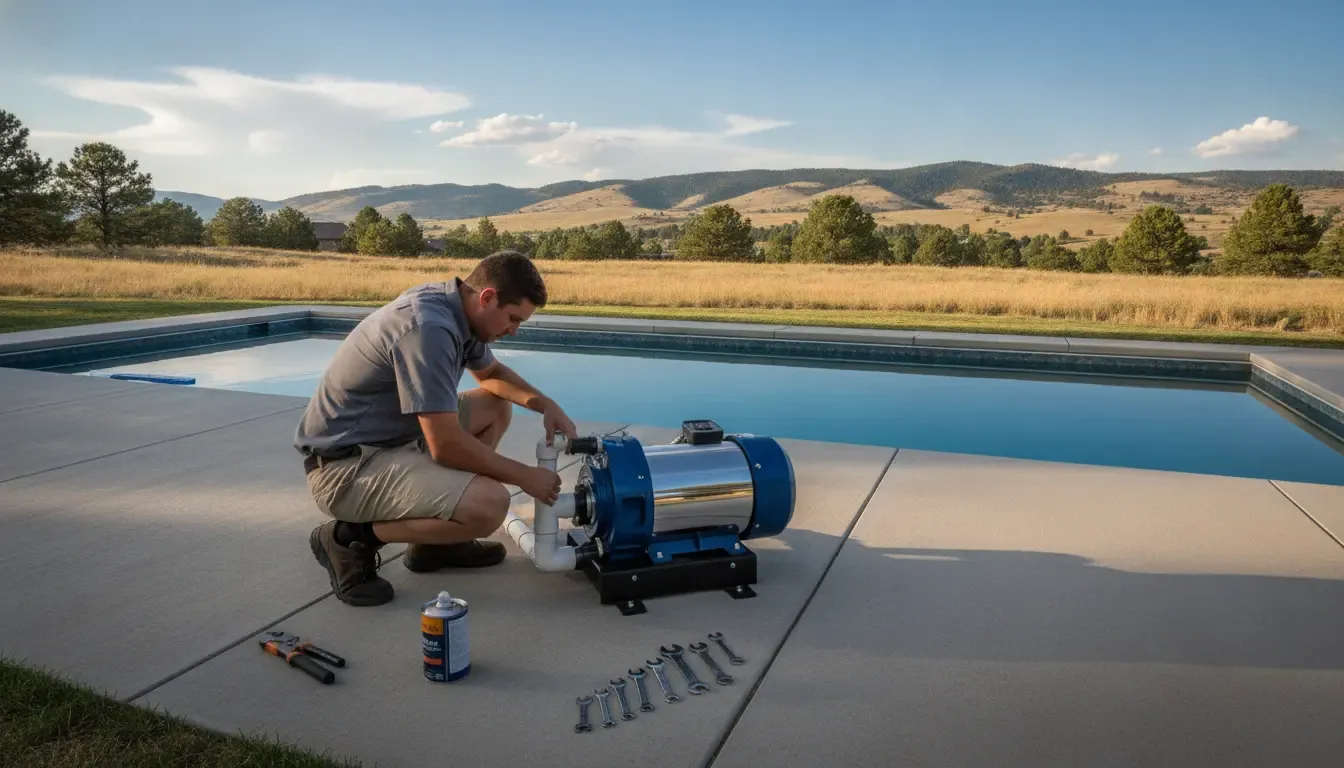
Mechanical upgrades may include energy-efficient pumps, filtration improvements, automation, leak detection, and repairs to aging plumbing or heaters. The EPA notes that efficient pool equipment, along with proper operation and maintenance, can improve water efficiency in pools and spas. That makes equipment selection relevant to both utility planning and long-term operating costs, not just the initial renovation budget. Boards can also plan related equipment repair and servicing when the assessment identifies systems that do not need full replacement.
Safety and compliance details
Finally, the scope should account for safety and compliance items, such as access points, barriers, ladders, handrails, lighting, drainage, signage, and accessibility features where applicable. The CDC's Model Aquatic Health Code provides recommendations that help agencies make swimming facilities healthier and safer. So it is a useful reference for discussions with the contractor and local authorities: CDC Model Aquatic Health Code guidance. A complete Denver HOA renovation plan should also document winterization and freeze protection so the upgraded systems remain reliable between seasons.
How to Vet an HOA Pool Renovation Contractor in Denver
Choosing a contractor for a shared community pool requires more than comparing the bottom-line number. An HOA board needs a partner who can explain the scope, document assumptions, coordinate permits, and plan for the conditions that affect Colorado pools. A bid that looks inexpensive at first can become costly when it omits deck repairs, code work, equipment changes, or post-project maintenance.
Start by asking each contractor to price the same written scope. The proposal should separate resurfacing, coping, deck work, drainage, equipment, accessibility updates, design allowances, permits, and cleanup. It should also identify what is excluded. If two bids describe different work, the board is not comparing prices yet. It is comparing incomplete project definitions.
| Evaluation criterion | Transparent, Colorado-experienced contractor | Vague or generic bid |
|---|---|---|
| Quote transparency | Breaks out each phase, allowance, assumption, exclusion, payment milestone, and change-order process. | Provides one low total with little detail, making scope gaps difficult to identify. |
| Colorado-specific experience | Can explain Denver-area freeze and thaw exposure, high-altitude conditions, seasonal scheduling, and equipment considerations. Look for a demonstrated local track record, including contractors with 25 or more years serving Denver. | Uses a generic plan without addressing local climate, pool-season timing, or Colorado operating conditions. |
| Insurance and licensing | Provides current documentation and clearly identifies the parties responsible for subcontracted work. | Offers verbal assurances but does not include verifiable coverage or responsibility details. |
| Permits and safety codes | Explains which permits, inspections, and safety-code requirements apply, then includes them in the project plan. The CDC Model Aquatic Health Code is a useful reference for safe aquatic-facility operation and renovation. | Leaves compliance to the HOA or treats permits and inspections as unexpected add-ons. |
| References | Shares relevant HOA, multifamily, or commercial pool references and can describe the completed scope, timeline, and challenges. | Provides only unrelated residential examples or unverified testimonials. |
| Maintenance handoff | Documents equipment settings, warranty information, care requirements, and the transition to routine pool operations. | Ends at construction cleanup, leaving the manager to interpret new equipment and maintenance needs. |
References should include more than a finished-project photo. Ask how the contractor handled resident communication, access restrictions, weather delays, inspections, and punch-list corrections. Also ask who will be the day-to-day contact once work begins. Those answers reveal whether the contractor understands an HOA's governance and operating responsibilities.
Finally, compare the handoff plan with the community's maintenance program. Efficient equipment and leak detection can improve commercial pool water efficiency when paired with proper operation and maintenance, as the EPA explains. For more questions to ask before signing, use this guide to hire qualified pool renovation contractors.
Safety Codes, High-Altitude Chemistry, and Freeze Protection
For a Denver HOA, a renovation is not complete when the new surface looks finished. The pool also has to operate safely through a long season of heavy use, changing weather, and Colorado's winter freeze-thaw cycle. Boards should make compliance, water management, and equipment protection part of the project scope from the beginning, not treat them as last-minute maintenance concerns.
Use recognized safety guidance during renovation planning
The CDC Model Aquatic Health Code is a practical reference for agencies and aquatic-facility operators planning safer pool operation and renovation. It provides recommendations intended to help make swimming and other water activities healthier and safer. For an HOA, that means the renovation conversation should include circulation, water quality, deck conditions, access, drainage, and the operational procedures that will be needed after reopening. Review the applicable requirements with the responsible Colorado and local authorities before finalizing plans. Read the CDC Model Aquatic Health Code guidance.
Project records should be clear enough for the board, property manager, inspectors, and future service teams to understand what changed. A documented scope can also prevent a cosmetic upgrade from overlooking worn coping, unsafe walking surfaces, or equipment that cannot support the community's expected usage.
Plan for Denver altitude and water efficiency
Denver's elevation affects how a community pool is managed. Water chemistry, circulation, evaporation, and equipment performance should be evaluated together rather than handled as separate checkboxes. A Colorado-aware service plan can help the property manager maintain stable water quality as temperatures shift from spring opening to summer demand and then into fall shutdown.
Water efficiency belongs in that same discussion. The EPA notes that commercial pools and spas can improve water efficiency through proper operation and maintenance, including leak detection and efficient equipment. During renovation, ask whether the design makes leaks easier to identify, whether pumps and controls are appropriately sized, and whether the operating plan limits avoidable water loss. Review EPA WaterSense pool water-efficiency practices before approving equipment or plumbing changes.
Protect pipes and equipment before winter
Colorado's first hard freeze can expose weaknesses that were not visible during summer. Freeze protection should cover exposed plumbing, circulation equipment, valves, and other vulnerable components. The winterization plan should define who monitors weather, when equipment is drained or protected, and how the system will be inspected before spring startup. A rushed shutdown can leave trapped water in pipes, while an incomplete spring inspection can carry freeze damage into the opening season.
When comparing proposals, require the contractor to explain the freeze-protection and spring-recommissioning steps in writing. That detail gives the HOA a more useful long-term asset plan and helps connect renovation decisions with reliable operation in Denver's next season.
Planning an HOA Pool Renovation Timeline Around the Colorado Season
A successful community-pool project starts well before demolition. In Denver Metro, the board must coordinate inspections, financing, contractor availability, construction, and opening preparation within a relatively short outdoor swimming season. Freeze-thaw conditions also affect when materials can be installed and how the pool should be protected between work phases.
- Assess the pool and equipment first. Arrange a professional walk-through of the basin, coping, deck, plumbing, circulation equipment, heaters, controls, and safety features. Ask for photographs, condition notes, and a prioritized scope that separates urgent repairs from improvements that can be phased. Coping may last roughly 15 to 20 years, depending on its material and Denver climate exposure. So its condition should be evaluated alongside the surface and deck rather than treated as an isolated item. Include operational needs such as staffing and routine maintenance in the overall planning conversation.
- Secure board approval and funding. Turn the assessment into a clear project brief for the board and homeowners. Define the preferred scope, contingency, decision deadlines, and expected closure period. Confirm whether the work will use existing reserves, a special assessment, or a combination of funding sources. A written scope and transparent cost breakdown make it easier to compare options and communicate why structural work, equipment upgrades, or accessibility improvements are necessary.
- Reserve the Colorado construction window. Work backward from the community's target opening date. Denver's outdoor pool season leaves limited time for weather-sensitive construction, and late-season freeze risk can affect curing, plumbing, and water management. Major exterior work is generally easier to protect when scheduled before sustained freezing conditions arrive. Build in time for weather delays, inspections, material delivery, and startup testing instead of scheduling completion on the day before opening.
- Bid the defined project and finalize contracts. Request proposals from qualified contractors using the same scope so the board can compare like with like. The contract should identify materials, allowances, permits, payment milestones, warranty terms, change-order procedures, cleanup, insurance, and responsibility for freeze protection. It should also state who owns the opening-readiness checklist and final water-quality handoff.
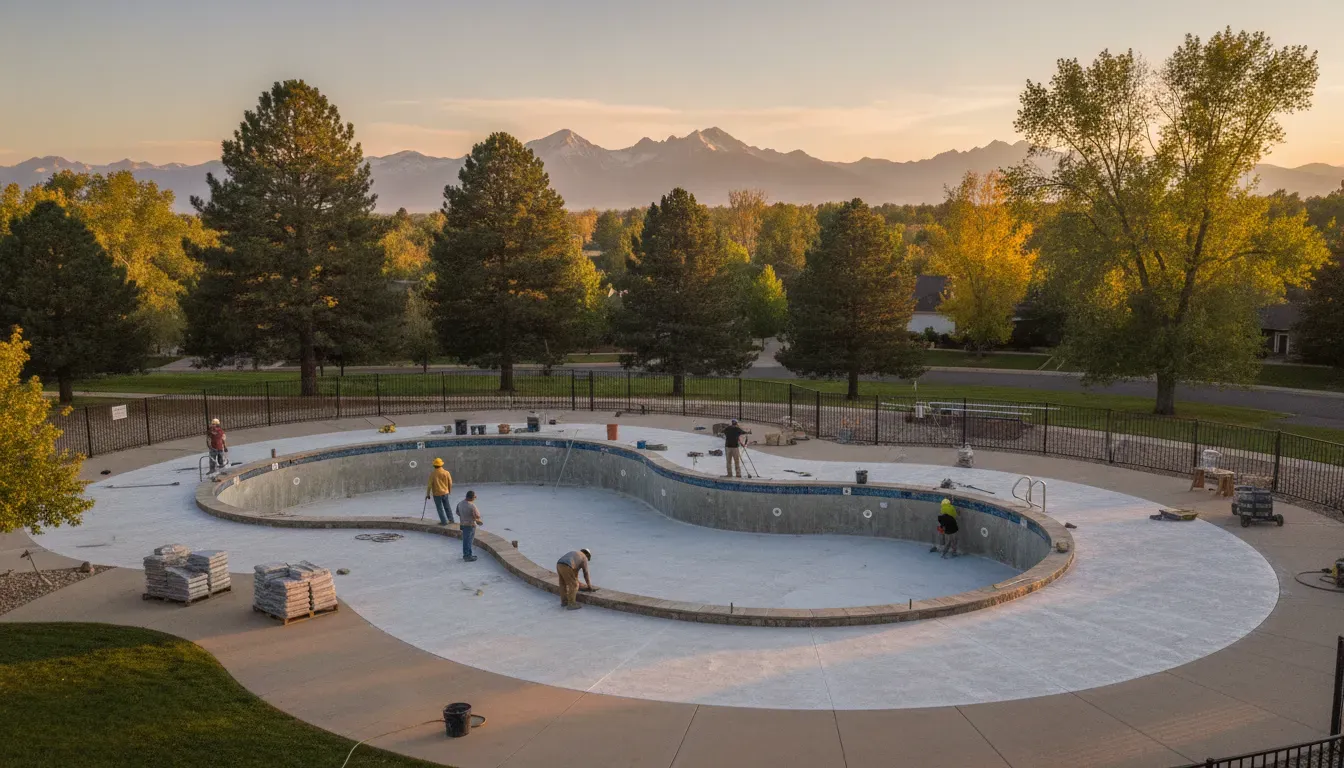
- Complete structural work before the season opens. Schedule resurfacing, coping replacement, deck repairs or coatings, and related construction early enough to allow proper curing and inspection. A deck redesign may include expanded usable space or a durable coating, but drainage, walking surfaces, access, and safety should guide the design. Keep the pool closed until the work is accepted and the surrounding area is safe for residents.
- Modernize equipment and prepare the water. Coordinate pumps, filtration, heating, automation, and controls with the finished structure. Efficient equipment and leak detection can improve pool water efficiency when paired with proper operation and maintenance, as the EPA explains at its pool water-efficiency guidance. Before opening, verify circulation, disinfection, high-altitude chemistry, startup procedures, and freeze-protection settings. For a coordinated scope, review Neptune Pools' pool renovation and restoration services.
Request an HOA pool renovation consultation in Denver.
Frequently Asked Questions
How much does an HOA pool renovation cost in Denver?
There is no responsible single price without inspecting the pool, deck, coping, equipment, and site conditions. Build the budget by separating structural work, surface work, deck improvements, equipment, permits, and contingency. A transparent scope should show which items are essential now and which can be phased into a later reserve project. That approach gives the board a defensible plan instead of an artificially low estimate that expands after construction begins.
What are the common pool renovation requirements for Colorado HOAs?
Start with safety, access, circulation, drainage, surfaces, barriers, and equipment condition. The CDC Model Aquatic Health Code is a guide that helps agencies make swimming and other aquatic activities healthier and safer: CDC Model Aquatic Health Code. Local requirements and the pool's existing design still need to be reviewed for the specific project. Denver's elevation, freeze-thaw weather, and water chemistry also make Colorado-specific planning important.
Does HOA pool renovation include equipment upgrades?
It can, and equipment should be evaluated before the board finalizes the surface or deck scope. Pumps, filtration, controls, heaters, and plumbing may affect operating costs, reliability, and the timing of future repairs. The EPA notes that proper operation and maintenance, leak detection, and efficient pool equipment can improve water efficiency: EPA pool water efficiency guidance. Upgrading only the visible finishes can leave an aging mechanical system behind.
How can an HOA keep a renovation project within budget?
Define the desired outcome, obtain a detailed written scope, confirm permits and insurance, and compare bids on the same work rather than comparing totals alone. Prioritize safety and structural integrity first, then schedule optional appearance upgrades as funding allows. Plan construction around the pool season and reserve a contingency for concealed conditions. A board should also document decisions, owner communication, payment timing, and the acceptance criteria before work starts.
Ready to Plan Your HOA Pool Renovation?
A clear renovation plan helps your board evaluate priorities, organize approvals, and align the project with the community's budget. Neptune Pools can help you review the scope and plan practical next steps for your Denver HOA pool renovation.
Related Blogs