20+ Basic Terms to Know for Better Pool Care
Your pool pump is making a strange humming noise, or the water looks a little cloudy after a big party. What’s your next move? Before you start a frantic online search, the most helpful thing you can do is learn how to describe the problem accurately. This is where knowing the basic terms of pool care becomes your most valuable tool. Understanding the language of your pool’s chemistry and equipment helps you troubleshoot minor issues before they become major headaches. It allows you to pinpoint what’s happening and communicate it clearly, which is the key to a fast and effective solution.
Ready for a cleaner pool?
Denver's trusted pool care professionals since 1982. Get started today.
Schedule ServiceKey Takeaways
- Master your water chemistry: Regularly testing and balancing key levels like pH and chlorine is the most effective way to keep your water clear, safe, and comfortable for swimmers.
- Get to know your equipment: Learning what your pump, filter, and skimmers do makes routine maintenance feel less intimidating and helps you identify potential problems before they require major repairs.
- Speak the language of your pool: Learning basic terms helps you communicate effectively with your pool professional, which leads to faster problem-solving and more confident decisions about your pool's care.
What Basic Pool Terms Should Every Owner Know?
When you become a pool owner, it can feel like you’ve been handed a textbook in a new language. Suddenly, you’re hearing words like “backwashing,” “alkalinity,” and “cyanuric acid.” It might seem a little intimidating at first, but getting familiar with these basic terms is one of the most empowering things you can do for yourself and your pool. Think of it as learning the fundamentals so you can feel confident about your investment and enjoy it without the guesswork. This isn't about becoming a certified pool operator overnight; it's about building a foundation of knowledge that makes every aspect of pool ownership easier.
Understanding the language of your pool helps you take better care of it, whether you’re a hands-on DIYer or you work with a professional. It gives you the ability to spot potential issues, understand what’s happening with your water chemistry, and know exactly what your equipment is doing. When you know what "shocking" the pool means, you'll understand why it's a critical step after a big pool party. When you can identify the "skimmer" and the "return jets," you'll know where to look for clogs if your water circulation seems weak. This guide will walk you through the essential terms, breaking them down into simple, easy-to-understand definitions. By the end, you’ll have the vocabulary you need to keep your pool sparkling and ready for fun.
Why knowing the lingo matters
Knowing your pool’s terminology is about more than just sounding like a pro; it’s about clear communication and confident decision-making. When you can accurately describe a problem, you help your service technician diagnose it faster and more effectively. For instance, being able to say “my pump is losing its prime” is much more helpful than just saying “the water isn’t moving right.” This clarity can save you time and money on equipment repairs.
This knowledge also protects you from making small but costly mistakes. Understanding what a term like “pH balance” truly means helps you see why adding the right chemicals is so important for preventing algae growth and protecting your pool’s surfaces from damage. It puts you in the driver's seat, allowing you to make informed choices about your pool’s care.
How learning the basics simplifies maintenance
Once you grasp the key terms, your entire maintenance routine becomes simpler and less stressful. A long, confusing checklist transforms into a logical set of tasks. For example, when you understand the concept of “filtration,” you know that running your pump for several hours a day isn't just an arbitrary rule; it’s essential for keeping your water clean and safe for swimming. This understanding makes routine tasks feel more purposeful.
Learning the basics also equips you to troubleshoot minor issues before they escalate. If you notice weak water flow from your return jets, you’ll know to check your skimmer baskets and pump filter for clogs. This proactive approach is key to a healthy pool. Of course, if you’d rather leave the work to an expert, a solid vocabulary helps you better understand the cleaning and maintenance reports your pool pro provides.
Decoding Your Pool's Water Chemistry
Think of your pool water as a delicate ecosystem. When all the elements are in balance, the water is clear, comfortable, and safe for swimming. When they’re not, you can run into issues like cloudy water, algae growth, and skin irritation. Getting a handle on water chemistry is the most important thing you can do for your pool’s health and your own peace of mind. It might seem like a complex science experiment at first, but once you understand the five key components, you’ll feel much more confident. Regular testing and adjustments are the secret to keeping everything in harmony, giving you more time to enjoy your pool and less time worrying about it.
pH levels
The first term you’ll hear is pH, which measures how acidic or alkaline your pool water is. The ideal range is between 7.2 and 7.8, which is slightly alkaline. This specific range is important for a few reasons. First, it’s comfortable for your eyes and skin. Second, it allows your chlorine to work effectively. If your pH is too low (acidic), the water can become corrosive, damaging your pool liner and equipment. If it’s too high (alkaline), it can cause cloudy water and scaling on surfaces, while also making your sanitizer less effective. Understanding pH levels is the first step to balanced water.
Total alkalinity
Total alkalinity is your pH’s best friend. It acts as a buffer, helping to prevent wild swings in your pH levels. Think of it as an anchor that keeps your pH stable. The recommended range for total alkalinity is between 80 and 120 parts per million (ppm). If your alkalinity is too low, your pH can bounce around unpredictably after a rainstorm or heavy use, making it difficult to manage. If it’s too high, your pH can become stubbornly stuck, making it hard to adjust when you need to. Keeping your total alkalinity in check is the key to making pH management much easier.
Chlorine and sanitizers
Chlorine is the most common sanitizer used to keep pools clean and safe. Its job is to kill bacteria, viruses, and algae, preventing them from taking over your water. The ideal level for free chlorine, which is the chlorine available to sanitize, is between 1 and 3 ppm. Regularly testing is crucial to ensure you have enough active chlorine to do its job without being so high that it irritates swimmers. While other sanitizers like bromine or saltwater systems exist, maintaining the right chlorine levels remains a fundamental part of pool care for most owners due to its effectiveness and affordability.
Calcium hardness
Calcium hardness measures the amount of dissolved calcium in your pool water. This might not seem important, but it’s essential for protecting your pool’s surfaces and equipment. The ideal range is between 200 and 400 ppm. If the water is too “soft” (low calcium), it will try to pull calcium from wherever it can, which can mean pitting your plaster, dissolving grout, or corroding metal parts. If the water is too “hard” (high calcium), it can cause cloudy water and leave behind ugly, crusty scale deposits on your tile and equipment. Maintaining the proper calcium hardness is a long-term investment in your pool’s physical integrity.
Cyanuric acid (stabilizer)
If you have an outdoor pool, especially here in sunny Colorado, cyanuric acid (CYA) is a must. Often called stabilizer or conditioner, CYA acts like sunscreen for your chlorine, protecting it from being destroyed by the sun’s ultraviolet rays. Without it, your chlorine could burn off in just a few hours, leaving your pool unprotected. The recommended level for CYA is between 30 and 50 ppm. Too little, and you’ll be adding chlorine constantly. Too much, and it can actually reduce your chlorine’s effectiveness. It’s a critical component for maintaining a sanitized and stable outdoor pool.
Getting to Know Your Pool Equipment
Your pool’s equipment is the system that keeps it alive, clean, and comfortable. Getting familiar with these key components takes the mystery out of pool care. You don’t need to be a certified technician to understand the basics, but knowing what each part does helps you spot problems early and communicate clearly with your pool pro. Think of it as learning the anatomy of your backyard oasis. When you know how the pump, filter, and other parts work together, you can keep your system running smoothly, ensuring your pool is always ready for a swim.
Pool pump and filter types
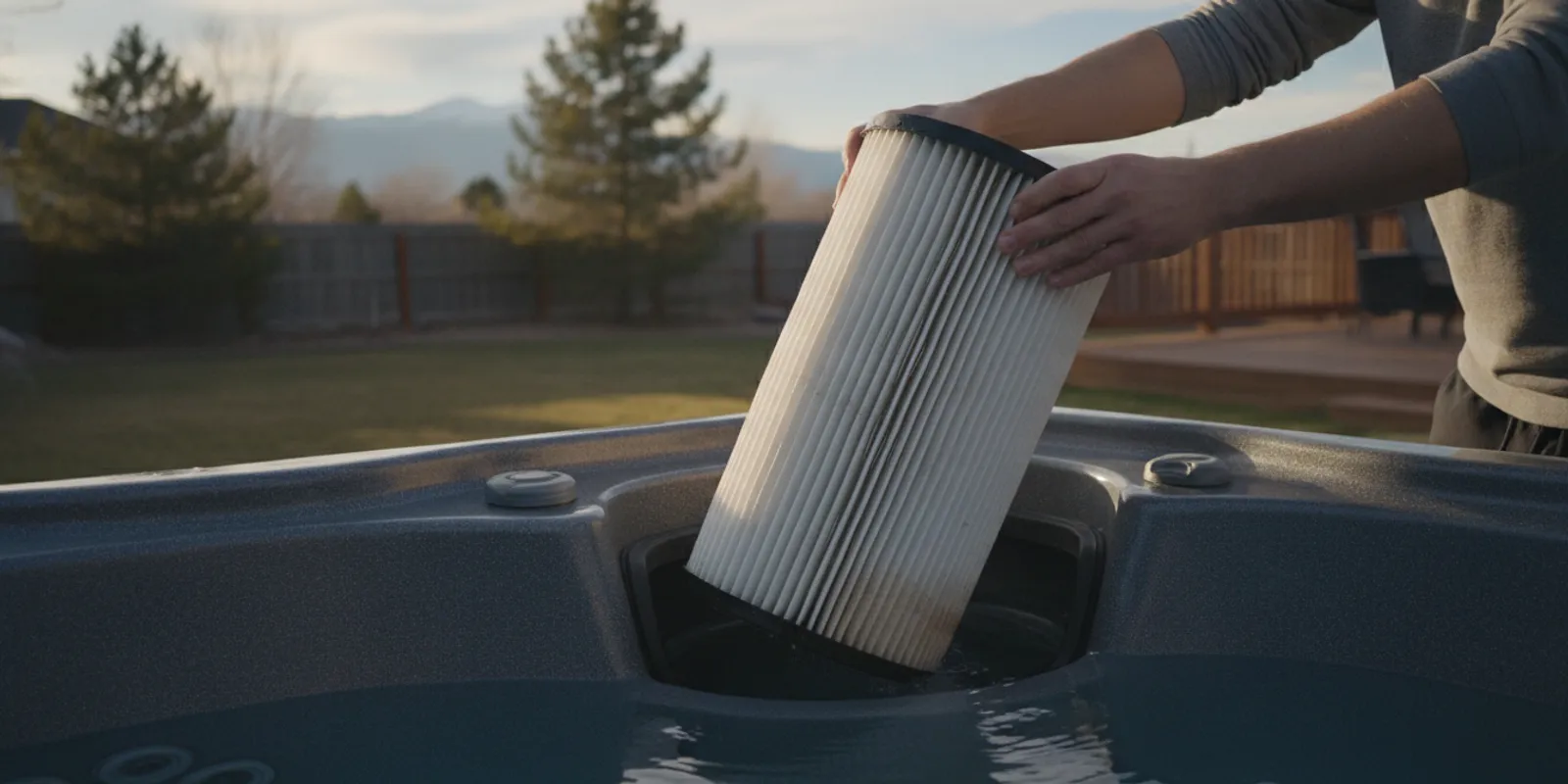
The pool pump is the heart of your pool’s circulation system. It’s responsible for pulling water from the pool, pushing it through the filter, and sending it back clean and refreshed. Without a functioning pump, your water would just sit there, becoming stagnant and cloudy. Paired with the pump is the filter, which acts as the kidneys, removing dirt and other impurities. The three main types are sand, cartridge, and diatomaceous earth (DE) filters. Each has its own method for trapping particles and requires different maintenance. Understanding your specific setup is the first step toward effective care, and knowing when to call for equipment repairs can save you from bigger headaches.
Skimmers and return jets
You’ve probably noticed the rectangular openings along the top edge of your pool. Those are the skimmers, and they are your first line of defense against floating debris. They constantly pull a thin layer of water from the surface, capturing leaves, pollen, and sunscreen before they can sink and decay. After the water has been pulled through the skimmer and cleaned by the filter, it needs a way back into the pool. That’s where the return jets come in. These are the circular fittings that push filtered water back into the pool. You can often angle the return jets to improve circulation, pushing water toward the skimmers and preventing "dead spots" where algae might grow.
Heaters and heat pumps
Especially here in Colorado, a pool heater can be the difference between a short swimming season and months of enjoyment. Heaters allow you to control your pool's temperature, making early morning laps or late evening dips comfortable even when the air is crisp. Common options include natural gas, propane, and electric resistance heaters. For a more energy-efficient approach, many pool owners are turning to heat pumps. Instead of generating heat, a heat pump cleverly extracts it from the ambient air and transfers it to your pool water. This technology can significantly lower your heating costs and is a fantastic upgrade during pool remodels.
Automation systems
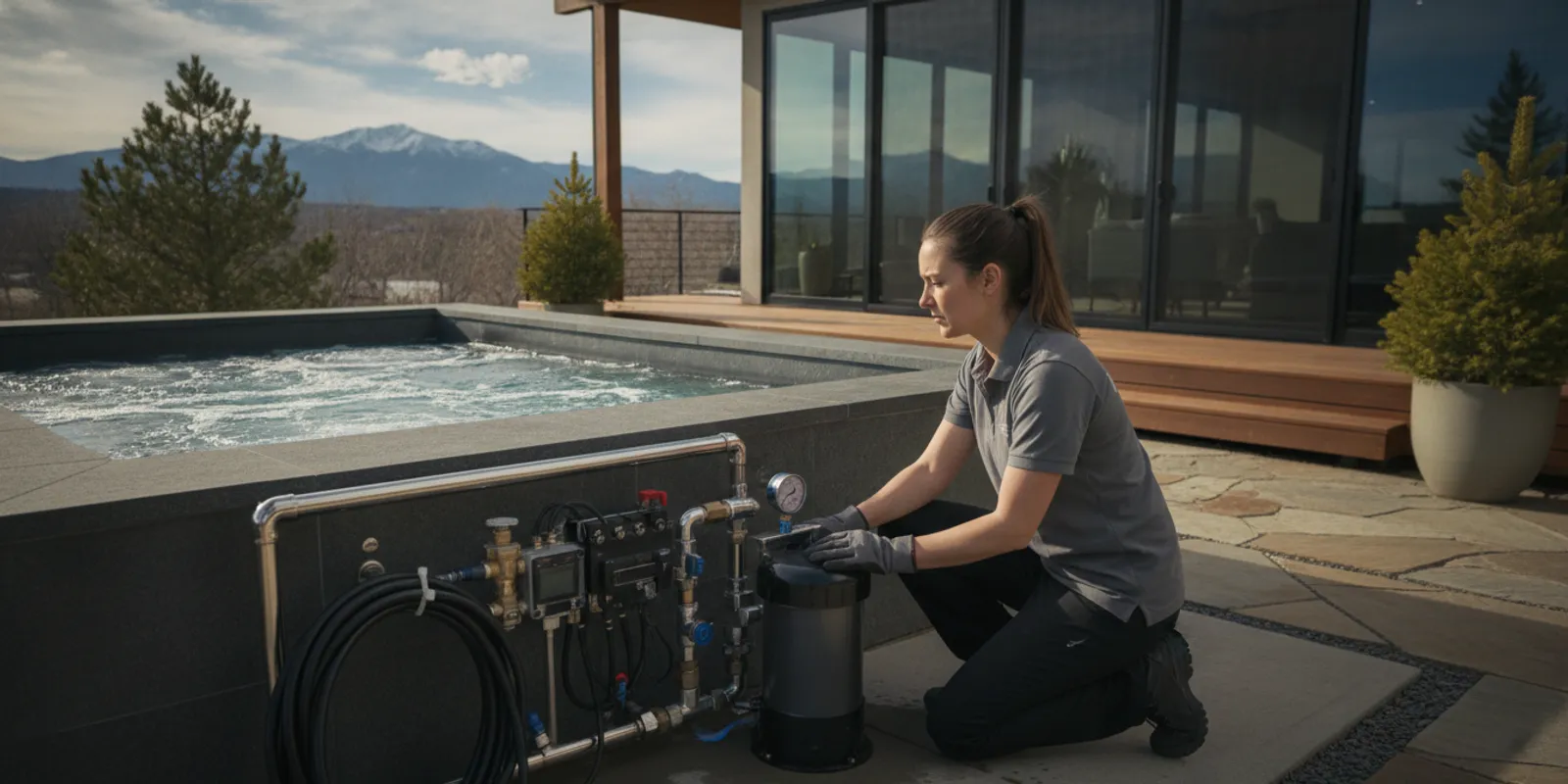
If the pump is the heart, an automation system is the brain of your pool. These systems give you centralized control over all your pool functions, including the pump, heater, lighting, and even water features. Instead of running around to flip switches and turn valves, you can manage everything from a single control panel or a smartphone app. Modern smart systems take it a step further by monitoring water quality and scheduling cleaning cycles automatically. This technology makes routine maintenance incredibly simple and efficient, giving you more time to actually enjoy your pool instead of just working on it.
Key Terms for Pool Cleaning and Maintenance
Keeping your pool sparkling clean involves more than just skimming leaves off the surface. A few key maintenance tasks are the secret to clear, healthy water all season long. Understanding the terms for these jobs will help you feel more confident in your routine or when discussing your cleaning and maintenance needs with a pro. It's like learning a few basic kitchen terms before trying a new recipe; it just makes the whole process smoother and the results much better. When you know what "shocking" or "backwashing" means, you're not just following a checklist. You're actively managing your pool's ecosystem. This knowledge helps you spot potential issues before they become big problems and ensures you're using your time and chemicals effectively. It demystifies the process, turning what might seem like a complex chore into a manageable and even satisfying part of pool ownership. Getting familiar with this language empowers you to take better care of your investment and have more productive conversations with pool technicians. Let's walk through some of the most common terms you'll hear when it comes to keeping your pool in top shape, so you can feel like an expert in your own backyard.
Shocking and superchlorination
If your pool water looks a little cloudy or has a strong chlorine smell, it’s probably time to shock it. Shocking is the process of adding a large dose of chlorine (or a non-chlorine alternative) to the water. This powerful dose quickly destroys bacteria, algae, and other organic contaminants. It also helps to break down chloramines, which are the real culprits behind that unpleasant “pool smell” and eye irritation. Superchlorination is just a more intense version of shocking, used to tackle more stubborn contamination issues. Regular shocking is a cornerstone of a healthy pool, especially after heavy use, a rainstorm, or during hot weather.
Backwashing
Your pool filter works hard to trap dirt and debris, but eventually, it needs to be cleaned out to stay effective. That’s where backwashing comes in. This process reverses the flow of water through your sand or D.E. filter, flushing all the trapped contaminants out through a waste line. You’ll know it’s time to backwash when the pressure gauge on your filter reads higher than its normal clean level. Performing this task regularly is essential to maintain optimal water clarity and helps your entire filtration system run more efficiently. It's a quick job that makes a huge difference in keeping your water pristine.
Vacuuming and brushing
Think of vacuuming and brushing as the essential housekeeping for your pool’s surfaces. Brushing the walls, steps, and floor dislodges any stubborn dirt and algae that have started to cling to them. Following up with a good vacuuming session removes all that loosened debris, along with anything else that has settled on the bottom. Making this a regular part of your routine is one of the best ways to prevent algae growth and keep your pool looking and feeling clean. It’s a simple but crucial step for a pleasant swimming environment, ensuring every inch of your pool is inviting.
Pool turnover rate
The turnover rate is simply the amount of time it takes for your entire pool’s volume of water to pass through the filtration system once. For most residential pools, a complete turnover should happen at least once every eight hours. Why does this matter? A proper turnover rate ensures that all of your water is being consistently filtered and sanitized, which is fundamental for water quality and safety. Understanding your pool's specific turnover rate is crucial for setting your pump’s run time and ensuring your maintenance schedule is truly effective. It’s the key to making sure your pump and filter are doing their job correctly.
Speaking Spa: Essential Hot Tub Terms
Your hot tub is your personal oasis for relaxation, but just like a pool, it has its own set of terms. Getting familiar with the language of your spa helps you understand how it works and what it needs to run perfectly. This knowledge makes maintenance less of a chore and ensures every soak is a safe and soothing one. Let’s go over a few essential hot tub terms so you can care for your spa services with confidence.
Jets and blowers
The jets and blowers are the heart of your hot tub’s massage system. Jets are the nozzles that shoot powerful streams of water, creating that deep, therapeutic massage you love. You can often adjust their direction and intensity to target sore muscles. Blowers, on the other hand, push air into the water to create thousands of gentle, bubbling sensations. The combination of water pressure from the jets and effervescence from the blowers creates a complete hydrotherapy experience. Understanding how they work helps you customize your soak for ultimate relaxation after a long day.
Spa sanitizers
Keeping your spa water clean is non-negotiable, and that’s where sanitizers come in. These chemicals prevent the growth of bacteria and other unwanted microbes. The most common options are chlorine and bromine, though mineral systems are also popular. Many spa owners prefer bromine because it’s more stable in the high temperatures of a hot tub and tends to be gentler on skin. No matter which you choose, proper sanitization is the key to healthy, crystal-clear water. If you need help choosing, our team offers expert advice and carries all the supplies and chemicals you need.
Water balance in spas vs. pools
Maintaining water balance in a spa is a bit different than in a pool. Because a hot tub holds less water at a higher temperature, its chemistry can change quickly. This means you’ll need to test and adjust the water more frequently. The ideal pH for a spa is between 7.2 and 7.8. Consistently monitoring your water chemistry, including total alkalinity and sanitizer levels, is essential. It prevents equipment damage, keeps the water comfortable, and ensures your sanitizer works effectively.
What Do Pool Repair and Remodel Terms Mean?
At some point, every pool needs more than just a good cleaning. Over time, surfaces wear down, styles change, and equipment ages. When you start noticing cracks, leaks, or just feel your backyard oasis looks a little dated, you’ll likely run into terms related to repairs and renovations. Understanding this vocabulary helps you know what to expect when it’s time for a bigger project. Whether you're fixing a simple issue or planning a full transformation, knowing the language of pool remodels and rehabs empowers you to make confident decisions for your home.
Resurfacing and replastering
If your pool's interior is starting to look stained, feel rough on your feet, or show visible cracks, you’re probably looking at a resurfacing project. Think of it as giving your pool a brand new skin. Resurfacing involves applying a new finish over the old one, which restores its appearance and, most importantly, its watertight seal. While traditional plaster is common, you can also choose materials like pebble or quartz for different textures and colors. Replastering just refers specifically to applying a new coat of plaster. Depending on your pool’s original finish and how much it's used, you’ll typically need to resurface it every five to ten years to keep it in top condition.
Tile and coping
Tile and coping are two parts of your pool that are both functional and stylish. The tile is the band you see running along the waterline. It’s not just for looks; this durable surface makes it easier to clean away oils and grime that can cause a scum line, and it holds up well against pool chemicals. The coping is the cap or edging that sits on top of the pool wall, creating a finished border between the pool and the deck. It provides a non-slip surface for getting in and out and directs splash-out water away from the pool shell. As you can imagine, understanding pool coping and tile choices is key to your pool's overall design.
Equipment upgrades
Your pool equipment is the hard-working system that keeps your water clean, clear, and comfortable. When we talk about equipment upgrades, we’re referring to replacing key components like the pump, filter, or heater with newer, more efficient models. An old, single-speed pump can be a major energy hog, while a modern variable-speed pump can significantly cut your electricity bill. Likewise, upgrading to a more effective filter improves water quality, and a new heater can extend your swim season. Investing in equipment repairs and servicing or upgrading to modern systems not only saves money in the long run but also makes your pool easier to maintain and more enjoyable to use.
Pool Care in Colorado: Terms to Know
Living in Colorado means we get to enjoy beautiful, distinct seasons. It also means our pools need special attention to handle everything from freezing winters to hot, dry summers. Understanding the terms specific to our climate will help you protect your pool year-round and ensure it’s always ready for a sunny day. These are the key seasonal processes every Colorado pool owner should know.
Winterization and closing
Winterization, or closing, is the process of preparing your pool to survive the freezing temperatures of a Colorado winter. It’s more than just putting on a cover. To do it right, you need to balance the water chemistry to prevent corrosion and algae growth while the pool is dormant. The next step is to lower the water level below the skimmer and use a blower to force all water out of the plumbing lines. This prevents water from freezing, expanding, and cracking your expensive pipes and equipment. A proper winterization process is the best way to avoid costly surprises in the spring.
Spring startup
A spring startup is the exciting process of waking your pool up from its winter hibernation. It begins with carefully removing and cleaning your winter cover. From there, you’ll refill the pool to its normal operating level and get to work on the water chemistry. After a long winter, the water will need to be tested and balanced with the right chemicals to make it safe and comfortable for swimming. A crucial part of the startup is a thorough inspection of your pump, filter, and heater to make sure everything is functioning correctly after months of inactivity. A complete spring startup ensures your pool is ready for a full season of fun.
Freeze protection
Freeze protection refers to the systems and strategies used to protect your pool equipment during unexpected cold snaps, which can happen in the fall and spring, not just deep winter. Many modern pools have freeze protection devices, which are sensors that automatically turn on the pump when the air temperature drops near freezing. Circulating water is much less likely to freeze than still water, so this simple action can save your plumbing. For extra security, you can also insulate any exposed pipes. If you don't have an automated system, it's important to understand the freeze protection basics or consider having a professional service your equipment.
How to Talk to Your Pool Pro Like an Expert
You’ve learned the lingo, and now you’re ready to put it to use. Communicating effectively with your pool technician is one of the best ways to ensure your pool stays in top shape. When you can speak the same language, you help your pro diagnose issues faster, perform more accurate maintenance, and keep your pool running smoothly. It’s not about becoming a certified technician overnight; it’s about building a partnership based on clear communication. Think of it as a team effort where you’re the on-site manager and your pro is the expert consultant. This collaboration is key to solving problems efficiently and preventing small issues from becoming costly headaches. By describing problems clearly, reading your service reports, and asking smart questions, you can take your pool care from reactive to proactive.
Describe pool problems with clarity
When you call for help, being specific is your superpower. Instead of saying, "My pool pump is making a weird noise," try to describe it. Is it a high-pitched whine, a low grumble, or a loud rattling? Similarly, if your water is cloudy, let your technician know if it happened after a big rainstorm or a weekend pool party. The more details you can provide about what you’re seeing, hearing, and smelling, the faster your pro can pinpoint the cause. This saves you time and money, getting your pool back to perfect condition sooner, whether it's a simple fix or requires more involved equipment repairs and servicing.
Understand your service reports
After a visit from your technician, you’ll likely get a service report. It’s tempting to file it away without a second glance, but this report is a goldmine of information. Think of it as a regular health checkup for your pool. It tracks your water chemistry levels, notes what services were performed, and flags any potential issues with your equipment. Keeping an eye on these reports helps you spot recurring problems and ensures your pool is getting the care it needs. For example, if you see that your pH levels are consistently low week after week, you can bring it up with your technician. Understanding the details in your weekly cleaning and maintenance report is a simple way to stay informed and proactive about your pool’s health.
Ask the right questions
Don’t be shy about asking your pool pro questions. A good technician is happy to share their knowledge and help you understand your pool better. Asking informed questions shows you’re an engaged owner and helps you learn. Instead of just asking if everything "looks good," try asking something specific like, "What was the calcium hardness level today, and is it in the right range for our plaster?" According to Aqua Magazine, asking the right questions helps you learn more about maintaining your pool effectively. This dialogue builds trust and turns your service into a valuable learning opportunity, which is just as important for hot tubs and their unique spa services.
Your Go-To Glossary of Pool and Spa Terms
Feeling like you need a translator when talking about your pool? We get it. Pool care has its own language, but it's easier to learn than you think. Here’s a quick glossary to help you understand the basics and talk about your pool like a pro.
Alkalinity: Think of this as a buffer that helps keep your pH from bouncing all over the place. Proper alkalinity ensures your pH stays stable, which is key for water comfort and chemical efficiency.
Chlorine: This is the most common sanitizer used to keep your pool water clean and safe. It works by killing bacteria, algae, and other unwanted germs. You can get the right supplies and chemicals to keep your levels perfect.
Cyanuric Acid (CYA): Often called a stabilizer or "sunscreen for your chlorine." For outdoor pools, CYA is essential because it protects chlorine from being destroyed by the sun's UV rays, helping it last longer and work more effectively.
Filtration: This is your pool's circulatory and cleaning system. The pump moves water through a filter, which catches dirt, debris, and other particles, keeping your water clear. A well-functioning filtration system is the heart of a healthy pool.
pH Level: This measures how acidic or basic your water is on a scale from 0 to 14. The sweet spot for pools is slightly basic, between 7.4 and 7.6. If the pH is off, it can cause skin irritation and reduce your chlorine's effectiveness.
Resurfacing: This is part of a major pool remodel where the interior surface of your pool, like plaster or pebble, is replaced. It's done when the old surface is stained, cracked, or rough.
Shock Treatment: Sometimes called superchlorination, this is the process of adding a large dose of sanitizer to your pool. It's done to break down contaminants, kill algae, and get your water back to a clean, clear state.
Total Dissolved Solids (TDS): This is the total amount of all dissolved substances in your water, including minerals and salts. Over time, TDS builds up, and when levels get too high, it can make your chemicals less effective and your water look dull.
Winterization: A critical process for Denver pool owners. This involves preparing your pool to safely endure the freezing winter months by lowering the water level, clearing the lines, and adding special chemicals to prevent damage. Proper cleaning and maintenance before winter is a must.
Neptune Pools: Your Local Denver Pool and Spa Experts
Getting familiar with all these terms is a fantastic first step toward confident pool ownership. But let's be honest, you got a pool to relax and have fun, not to become a part-time chemist and mechanic. That’s where having a trusted local partner comes in. At Neptune Pools, we handle the technical details so you can focus on enjoying your investment. Our team of certified technicians brings years of Denver-specific expertise to every backyard, ensuring your pool or spa is always ready for you.
Cleaning and maintenance services
Keeping your pool water clean, safe, and sparkling requires consistent effort. Our weekly cleaning and maintenance services take that entire task off your plate. We handle everything from skimming debris and brushing walls to balancing your water chemistry and inspecting your equipment. Think of us as your pool’s personal trainer, keeping it in peak condition. Hiring a professional service not only saves you valuable time but also prevents small issues from turning into costly repairs, giving you total peace of mind all season long.
Supplies, chemicals, and equipment resources
Using the right products is just as important as the right techniques. We provide professional-grade supplies and chemicals to keep your pool pristine. Forget the guesswork at the big-box store; we can guide you to the exact sanitizers, pH balancers, and other treatments your pool needs. Maintaining proper chemical levels is one of the most essential parts of pool care for health and safety. Whether you need a new filter cartridge or a simple water test, our team is your go-to resource for quality products and expert advice tailored for Colorado pools.
Ready for a cleaner pool?
Denver's trusted pool care professionals since 1982. Get started today.
Schedule ServiceFrequently Asked Questions
What are the most important water chemistry levels to check regularly? For routine upkeep, you'll want to focus on three key players: pH, free chlorine, and total alkalinity. Think of them as your pool's vital signs. Chlorine keeps the water sanitized, pH ensures swimmer comfort and lets the chlorine work effectively, and alkalinity acts as a stabilizer to keep your pH from swinging wildly. Checking these levels at least once or twice a week is a great habit that helps you catch and correct imbalances before they cause issues like cloudy water or algae.
What's the difference between shocking my pool and just adding regular chlorine? Think of it this way: adding chlorine tablets or liquid is like your daily tidying up, maintaining a consistent level of clean. Shocking, or superchlorination, is the deep clean. It involves adding a much larger dose of sanitizer all at once to destroy contaminants, kill algae, and break down chloramines, which are the things that cause that "pool smell" and irritate your eyes. You typically shock your pool after a big party, a heavy rain, or just as part of a regular weekly or bi-weekly routine.
My pool pump is making a strange noise. What does that mean? Your pump should have a consistent, low hum. Any new or unusual noise, like a high-pitched whine, a grinding sound, or a loud rattle, is a signal that something isn't right. It could be something simple, like a clogged basket starving the pump for water, or it could indicate a more serious issue like worn-out motor bearings. It's best not to ignore these sounds. A quick call to a technician can help diagnose the problem and prevent a small repair from turning into a costly pump replacement.
Why is balancing water in my hot tub so different from my pool? The main reasons are temperature and volume. A hot tub has a much smaller body of water that is kept at a very high temperature. This warm environment is a perfect breeding ground for bacteria, and it also causes chemicals to be used up much faster. Because of this, the water chemistry in a spa can change very quickly. This just means you need to test and adjust the water more frequently than you would for a pool to keep it safe and balanced.
Do I really need to hire a professional to close my pool for the winter in Colorado? While it's possible to do it yourself, winterizing a pool here is a high-stakes job. The goal is to remove every drop of water from the pipes and equipment to prevent it from freezing, expanding, and causing cracks. A small mistake can lead to thousands of dollars in repairs come springtime. A professional has the specialized equipment, like a high-powered blower, and the experience to ensure the job is done thoroughly, protecting your investment through the harsh winter.
Related Blogs