The Right Way to Use Chlorine Tablets for Your Pool

Your pool is a significant investment in your home and your family’s enjoyment. The last thing you want is for your maintenance routine to cause expensive damage. Unfortunately, a few common mistakes with chlorine tablets for pool care can do just that, from bleaching your liner to corroding your pump and filter. Using tablets incorrectly can lead to costly repairs and a lot of frustration. This guide will show you how to use these powerful sanitizers the right way to protect your investment. We’ll walk through the simple steps that prevent damage, save you money, and keep your pool system running smoothly for years to come.
Ready for a cleaner pool?
Denver's trusted pool care professionals since 1982. Get started today.
Schedule ServiceKey Takeaways
- Always use a proper dispenser: Never toss chlorine tablets directly into the pool or skimmer. Instead, use a floating dispenser or an automatic feeder to dissolve them slowly, which prevents damage to your pool surfaces and equipment while ensuring steady sanitation.
- Test your water chemistry weekly: Tablets are not a hands-off solution; they are acidic and continuously add cyanuric acid (CYA) to your water. Weekly testing of pH, alkalinity, and CYA is essential to keep your chlorine working effectively and protect your pool from damage.
- Don't rely on tablets alone: Tablets provide consistent, daily sanitation, but they can't handle everything. You still need to shock your pool weekly to eliminate contaminants like sweat and oils and to prevent stubborn algae from taking hold.
What Are Chlorine Tablets & How Do They Work?
If you’re looking for a simple, hands-off way to keep your pool water clean, chlorine tablets are probably on your radar. They are the most popular method for continuous pool sanitation for a reason. Think of them as a slow-and-steady approach to chlorination. These solid, compressed pucks, which usually come in 1-inch or 3-inch sizes, dissolve gradually over several days when placed in a floater, automatic feeder, or skimmer.
As they dissolve, they release a steady stream of "free chlorine," which is the active ingredient that sanitizes your water. Most tablets are "stabilized," meaning they contain a chemical called cyanuric acid (CYA). This stabilizer acts like a sunscreen for your chlorine, protecting it from being burned off by the sun's UV rays. This allows the chlorine to last longer and work more effectively, which is especially important for outdoor pools here in sunny Colorado. Using tablets correctly ensures your pool stays consistently sanitized, preventing bacteria and algae from taking over.
How Chlorine Sanitizes Your Pool
At its core, chlorine’s job is simple: it kills germs. When you add chlorine to your pool, it goes to work neutralizing harmful bacteria, viruses, and other microorganisms that can make swimmers sick. It also oxidizes, or breaks down, other unwanted contaminants like sweat, oils, and algae spores. This process is what keeps your water clear, safe, and inviting. Without a consistent sanitizer like chlorine, your beautiful backyard oasis would quickly turn into a cloudy, green pond that’s unsafe for swimming.
Trichlor vs. Dichlor: Which Is Right for You?
When you shop for chlorine tablets, you'll mainly see "Trichlor" on the label. Trichlor (short for Trichloro-S-Triazinetrione) is the workhorse of pool tablets. It’s a slow-dissolving, stabilized form of chlorine with a high concentration of available chlorine (around 90%). This makes it perfect for the routine, daily sanitation of most swimming pools. Its slow-release nature means you can go days between applications.
Dichlor is another stabilized chlorine, but it dissolves much faster. Because of this, it's more commonly found in granular form for shocking a pool or for sanitizing smaller bodies of water, like spas and hot tubs. If you have an attached spa, managing its specific chemical needs is key, which is where our dedicated spa services can be a huge help.
What Is Cyanuric Acid (CYA)?
Cyanuric acid, or CYA, is the stabilizer found in Trichlor and Dichlor tablets. Its purpose is to protect chlorine from the sun. Without it, the sun’s UV rays could destroy most of your pool’s free chlorine in just a few hours. CYA forms a weak bond with the chlorine, shielding it until it’s needed to kill contaminants. However, there’s a catch. As you continuously use stabilized tablets, the CYA level in your pool builds up over time.
If CYA levels get too high, the bond with chlorine becomes too strong, effectively "locking" the chlorine and preventing it from doing its job. This is why you might test your water and see plenty of chlorine, but still have algae problems. Managing this balance is crucial, and sometimes a partial drain and refill is the only way to lower high CYA. Regular cleaning and maintenance helps you stay on top of CYA and all your other chemical levels.
How to Choose the Right Chlorine Tablets
Walking down the pool chemical aisle can feel a bit overwhelming with so many options staring back at you. How do you know which bucket of tablets is the right one for your pool? It’s easier than it looks once you know what to look for. Choosing the best chlorine tablets comes down to four key factors: tablet size, stabilizer content, how quickly they dissolve, and whether they include any helpful additives. Understanding these elements will help you pick the perfect product to keep your pool water sparkling clean and safe for swimming. If you ever feel unsure, our team can always help you select the right supplies and chemicals for your specific setup.
Tablet Size: 1-Inch vs. 3-Inch
Chlorine tablets typically come in two sizes: 1-inch and 3-inch. For most residential pools, 3-inch tablets are the go-to choice. They are the most popular option because they dissolve slowly, providing a steady, continuous stream of sanitizer to your pool over several days. This means less work for you. One-inch tablets, on the other hand, dissolve much faster. They are better suited for smaller bodies of water, like an in-ground spa or a very small pool. They can also be useful if you need to raise your chlorine levels quickly, but for routine maintenance in a standard-sized pool, the 3-inch tablet is your best friend for efficiency and convenience.
Stabilizer (CYA) Content
Most chlorine tablets are "stabilized," which means they contain cyanuric acid (CYA). Think of CYA as sunscreen for your chlorine; it protects it from being burned off by the sun's UV rays. This is especially important here in sunny Colorado. However, there can be too much of a good thing. Because tablets are stabilized, using them constantly can raise CYA levels too high over the season, which can make your chlorine ineffective. It’s a balancing act. That’s why regular water testing as part of a cleaning and maintenance routine is so important to ensure your CYA levels stay in the ideal range.
Dissolution Rate
How fast a chlorine tablet dissolves affects how consistently your pool is sanitized. Generally, 3-inch tablets take about five to seven days to fully dissolve. This rate isn't set in stone, though. It can change depending on factors like your water temperature and how many hours a day your pump runs. Warmer water and longer pump times will cause tablets to dissolve faster. Pay attention to your chlorinator or floater to get a feel for how quickly your pool goes through tablets. This will help you establish a predictable schedule for adding more and maintaining a consistent chlorine level.
Helpful Additives: Algaecides, Clarifiers, and More
Some chlorine tablets are formulated as "all-in-one" solutions. These multi-purpose tablets come with built-in additives like algaecides to prevent algae growth, clarifiers to help the filter remove tiny particles, and stain inhibitors to protect your pool surfaces. Using an all-in-one tablet can simplify your maintenance routine and reduce the number of different chemicals you need to buy and store. While these are incredibly convenient, they may not replace the need for a dedicated shock or algaecide treatment if a specific problem arises. Think of them as a great tool for proactive, everyday care.
A Look at Popular Chlorine Tablet Brands
Walking into a pool supply store can feel a bit like a pop quiz you didn't study for. With shelves lined with giant buckets of chlorine tablets, all promising crystal-clear water, how do you know which one is right for you? While many brands use the same active ingredient (Trichlor), they often include different additives and have varying dissolution rates. This can make a real difference in your pool's health and your maintenance routine. Some tablets are designed for rapid sanitation, while others dissolve slowly for steady, long-term care. Others come packed with algaecides and clarifiers for an all-in-one treatment.
To help you sort through the options, we’re breaking down some of the most popular chlorine tablet brands on the market. Think of this as your cheat sheet for the chemical aisle. We’ll look at what makes each brand unique so you can find the best fit for your pool and your budget. Understanding these differences will help you maintain that perfect water balance with less effort. Remember, choosing the right tablets is a great start, but it's just one piece of the puzzle. Consistent water testing and balancing are key to keeping your pool safe and sparkling. If you ever feel unsure, our team can help you find the perfect supplies and chemicals or take the guesswork out of it completely with our professional cleaning and maintenance services.
HTH
HTH is a household name in pool care for a reason. Their tablets are formulated to dissolve slowly, providing a steady stream of chlorine for up to a week. This is great for busy pool owners who want consistent sanitation without daily adjustments. They also include built-in protection against sunlight, which helps the chlorine last longer and work more effectively, a must-have feature for sunny Colorado afternoons. By resisting UV degradation, HTH tablets ensure your sanitizer doesn't burn off before it has a chance to kill bacteria and algae, keeping your pool clean and safe for swimming all week long.
Clorox Pool & Spa XtraBlue
If you’re looking for an all-in-one solution, Clorox Pool & Spa XtraBlue tablets are a popular choice. These multi-functional tablets do more than just sanitize. They are designed to kill bacteria, prevent algae growth, and even condition your water to make it feel softer and look clearer. This versatility simplifies your maintenance routine by combining several treatments into one easy-to-use tablet. For pool owners who want to spend less time measuring different chemicals and more time enjoying the water, the convenience of a multi-action formula like this one is a major advantage.
Leslie's
Leslie's is a well-known specialty retailer, and their branded chlorine tablets are a go-to for many pool owners. Their 3-inch jumbo tabs are known for being highly concentrated and slow-dissolving, which means you get a powerful, long-lasting dose of chlorine. Like other quality tablets, they are stabilized to protect against the sun's UV rays, ensuring the chlorine works efficiently to kill bacteria and algae. This makes them a solid, reliable choice for maintaining clean and beautiful pool water with less frequent application, giving you more consistent sanitation throughout the week.
In The Swim
In The Swim offers another dependable option with their 3-inch stabilized chlorine tablets. These tablets are known for their high concentration of active sanitizer, containing 90% available chlorine. This potent formula makes them very effective at sanitizing your pool. They are also individually wrapped, which can make them easier and safer to handle while protecting the tablets from moisture and degradation during storage. If you’re looking for a straightforward, powerful sanitizing tablet without extra additives, In The Swim is a strong contender that focuses on doing one job very well.
Doheny's
Doheny's chlorine tablets are another excellent choice, especially for pools exposed to a lot of direct sunlight. They are UV-stabilized, which is crucial for preventing rapid chlorine loss in Colorado's high-altitude environment. These tablets are made with 99% pure Trichloro-S-Triazinetrione, delivering a high concentration of 90% available chlorine. This potent and long-lasting formula ensures strong cleaning and sanitation for any pool type. For those who want a pure, powerful, and cost-effective tablet that stands up to the sun, Doheny's is a reliable option that delivers consistent results.
How to Use Chlorine Tablets the Right Way
Using chlorine tablets sounds simple, but doing it correctly is the secret to a sparkling clean pool and a long-lasting pool surface. The right method ensures a steady supply of sanitizer, preventing algae and bacteria without damaging your equipment. It’s all about controlled, consistent application. Tossing tablets directly into your pool is a common mistake that can bleach your liner and harm your pool’s surfaces. Instead, let’s walk through the proper way to use them to keep your water safe and inviting all season long.
Pick the Right Dispenser: Floaters, Feeders, or Skimmers
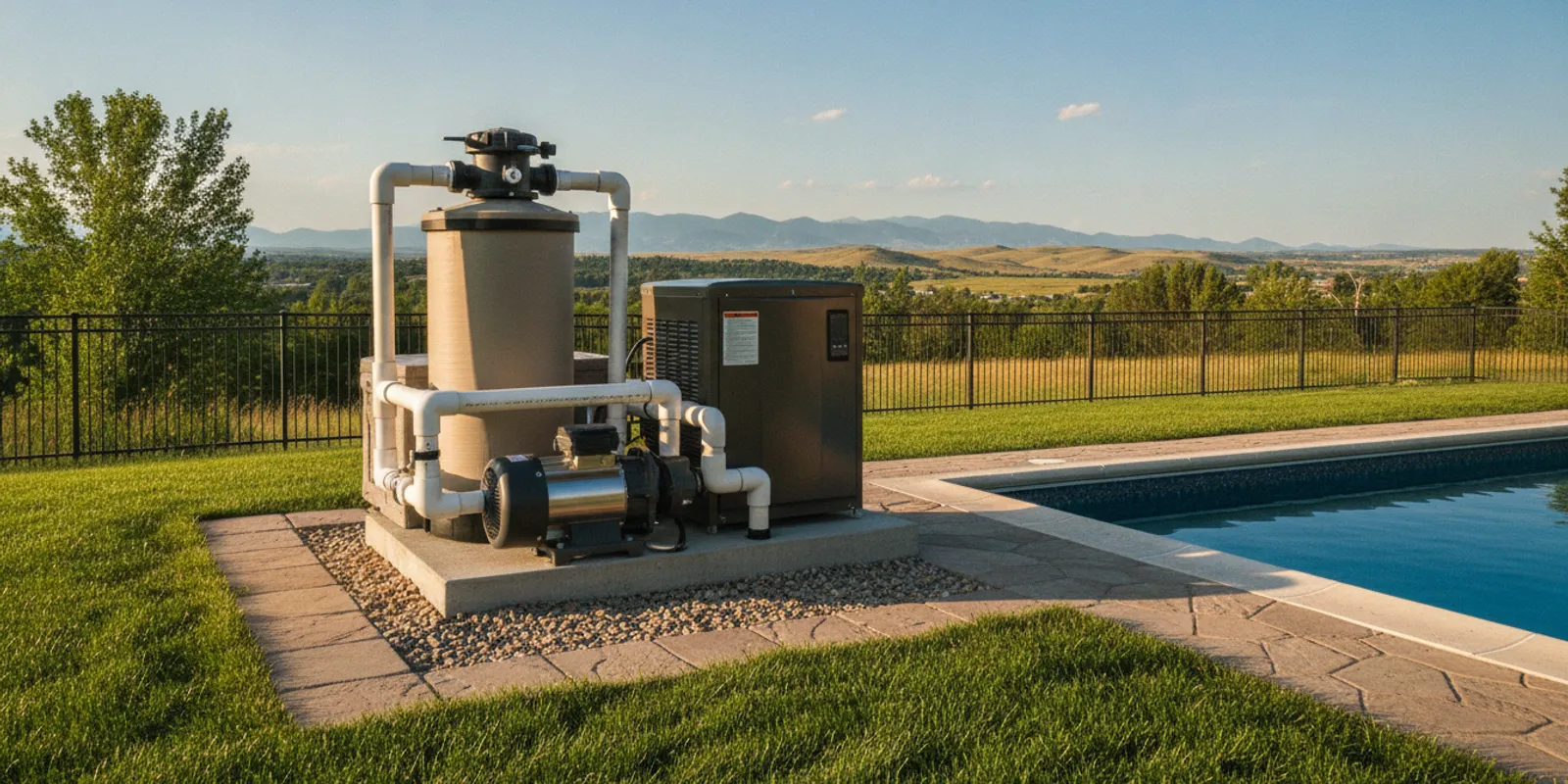
The golden rule of chlorine tablets is to never throw them directly into the pool. They need a designated home to dissolve slowly and safely. You have a few options for this. A floating dispenser, or "floater," is a popular and easy choice that bobs around the pool, releasing chlorine as it goes. An even better option is an automatic feeder or chlorinator, which is installed into your pool's plumbing. This device gives you precise control over how much chlorine is released into the water. While some people place tablets in the skimmer basket, we don't recommend it. When the pump is off, water sits in the skimmer, creating a super-concentrated dose of chlorine that can damage your plumbing and pool equipment.
How Many Chlorine Tablets Does Your Pool Need?
Figuring out the right number of tablets can feel like a guessing game, but there’s a simple guideline to get you started. A good rule of thumb is to use one 3-inch chlorine tablet for every 10,000 gallons of water in your pool each week. For example, if you have a 20,000-gallon pool, you’ll likely need two tablets to last the week. This general rule works best when you’re also shocking your pool weekly to clear out contaminants. Remember, factors like heavy rain, high temperatures, and frequent use can affect how quickly your pool uses chlorine, so you may need to adjust. If you're tired of the guesswork, our professional cleaning and maintenance services can handle it for you.
How Often Should You Add New Tablets?
Consistency is key for keeping your pool sanitized. You should plan to check your dispenser and add new tablets about once a week. Make it part of your regular pool care routine, like when you empty the skimmer baskets or test the water. Simply open your floater or automatic feeder to see if the old tablets have dissolved. If they’re gone, it’s time to add more. For a 20,000-gallon pool needing two tablets per week, you’ll just pop in two new ones to keep your chlorine levels steady for the next seven days. Staying on top of this simple task prevents your chlorine levels from dropping and giving algae a chance to bloom.
How to Safely Handle and Store Your Tablets
Chlorine is a powerful chemical, so handling it with care is extremely important. Always wear protective gloves and eyewear when touching the tablets. They are often individually wrapped to minimize dust and prevent direct skin contact, so try to buy them that way. When you’re done, store the bucket in a cool, dry, and well-ventilated area away from direct sunlight and out of reach of children and pets. It’s also critical to keep chlorine in its original, tightly sealed container. Never mix different pool chemicals, especially different types of chlorine, as this can create a dangerous chemical reaction. You can find all the necessary supplies and chemicals for your pool, along with expert safety advice, from our team.
How to Keep Your Water Balanced with Chlorine Tablets
Using chlorine tablets is a fantastic way to keep a steady supply of sanitizer in your pool, but it’s not quite a "set it and forget it" solution. Think of it more like a slow-cooker recipe than a microwave meal. You need to keep an eye on a few key ingredients to make sure the final result is perfect. Consistently using tablets affects your water chemistry over time. To keep your water sparkling, safe, and comfortable for swimmers, you need to monitor the balance of several elements.
The main things to watch are your free chlorine level, pH, total alkalinity, cyanuric acid, and calcium hardness. When these levels are in their sweet spots, your chlorine tablets can do their job effectively, your pool equipment is protected from damage, and your water feels great. If juggling test strips and chemicals sounds like a chore you’d rather skip, remember that our weekly cleaning and maintenance plans handle all of this for you, so you can just enjoy your pool.
Maintain the Right Free Chlorine Level (1–3 ppm)
The most important job of chlorine is to sanitize your pool, and "free chlorine" is the chlorine that’s actively available to kill bacteria and algae. You want to keep this level between 1.0 and 3.0 parts per million (ppm). If it drops below 1.0 ppm, your pool can quickly become a breeding ground for germs. If it gets too high, it can cause skin and eye irritation for swimmers. Regularly testing your water is the only way to know for sure where your levels are. Using a floater or an automatic feeder helps release chlorine consistently, but you’ll still need to test a few times a week to ensure you’re staying in that ideal range.
Manage pH and Total Alkalinity
Chlorine tablets are acidic, which means they will gradually lower your pool’s pH and total alkalinity. Your pool’s pH should be between 7.2 and 7.8, while total alkalinity should stay between 80 and 120 ppm. Total alkalinity acts as a buffer for your pH, preventing it from swinging wildly. If your pH drops too low, the water becomes acidic, which can corrode your pool equipment and irritate swimmers. If it’s too high, the chlorine becomes less effective. You’ll need to test these levels weekly and add pH or alkalinity increaser as needed to counteract the effects of the tablets. We stock all the balancing supplies and chemicals you might need.
Monitor Cyanuric Acid (CYA)
Most chlorine tablets are "stabilized," meaning they contain cyanuric acid (CYA). In a sunny state like Colorado, CYA is your chlorine’s best friend, protecting it from being quickly destroyed by UV rays. However, you can have too much of a good thing. Because tablets continuously add CYA to the water, the levels can build up over the season. Once CYA gets too high (above 100 ppm), it can actually bind with the chlorine and make it ineffective, a condition known as "chlorine lock." The only way to lower CYA is to partially drain and refill your pool with fresh water. We recommend testing your CYA levels monthly to avoid this problem.
Check for Calcium Hardness
Calcium hardness refers to the amount of dissolved calcium in your pool water. The ideal range is typically between 200 and 400 ppm. If the level is too low, the water can become corrosive and damage plaster surfaces or metal equipment. If it’s too high, you’ll see cloudy water and chalky scale buildup on your pool surfaces, in your plumbing, and on your equipment. While tablets don’t directly affect calcium hardness, it’s a critical part of the overall water balance puzzle. Keeping it in range helps protect your investment and ensures all the other chemicals can work in harmony. This is especially important for spas, which is why we offer dedicated spa services.
Chlorine Tablets vs. Other Sanitizers
Chlorine tablets are a go-to for many pool owners, but they’re far from the only option on the shelf. Understanding the differences between sanitizers can help you decide what’s best for your pool, your budget, and your schedule. You might even find that a combination approach works best. Each type of sanitizer has its own pros and cons, whether you’re looking for daily maintenance, a quick fix for cloudy water, or a more hands-off system.
Let's break down how tablets stack up against three other popular choices: liquid chlorine, granular chlorine, and saltwater systems. This will give you a clearer picture of where tablets shine and when you might want to reach for something else. Knowing your options is the first step to keeping your pool water consistently clean and inviting, especially with Colorado's intense sun working against you. If you ever feel unsure about which system is right for your setup, our team at Neptune Pools can help you weigh the options for your specific needs.
Tablets vs. Liquid Chlorine
The biggest difference between chlorine tablets and liquid chlorine comes down to convenience and stability. Think of tablets as the slow-and-steady option. Because they are slow-dissolving, chlorine tablets provide a consistent level of chlorine in your pool, making them a user-friendly choice for routine sanitation. You can place them in a feeder or floater and let them work their magic for a week or more.
Liquid chlorine, on the other hand, is fast-acting but requires more frequent attention. It’s great for a quick dose of chlorine, but it can cause temporary spikes in your levels and needs to be added to the pool more often. For busy pool owners, the convenience of tablets often wins out for day-to-day maintenance.
Tablets vs. Granular Chlorine
While both are solid forms of chlorine, tablets and granular chlorine serve different primary purposes. Chlorine tablets are designed for consistent, long-term sanitation. As experts at Swimart note, tablets dissolve slowly to maintain steady water quality without much effort on your part. This makes them ideal for your weekly maintenance routine.
Granular chlorine (or "shock") is meant for immediate impact. You’ll use it to quickly raise chlorine levels after a pool party, a heavy rainstorm, or to fight off an algae bloom. Because it dissolves rapidly, it’s perfect for shocking the pool but not for everyday chlorination, as it can lead to fluctuations in your chlorine readings. It’s best to have both on hand: tablets for maintenance and granular for emergencies.
Tablets vs. Saltwater Systems
Many pool owners love saltwater systems because they generate their own chlorine through electrolysis, resulting in softer-feeling water that’s gentler on skin and eyes. Instead of adding chlorine directly, you add pool-grade salt to the water, and a salt-chlorine generator does the rest. While the upfront cost is higher, the ongoing maintenance can feel more hands-off.
However, this doesn't make tablets obsolete. Even in saltwater pools, chlorine tablets can be beneficial for occasional shock treatments or to maintain chlorine levels during peak season when the generator can’t keep up. If you're considering a saltwater system or need help maintaining one, our technicians have the local expertise to manage all types of pool equipment.
Common Chlorine Tablet Mistakes to Avoid
Chlorine tablets are a fantastic tool for keeping your pool water clean and safe, but a few common slip-ups can lead to cloudy water, damaged equipment, or even unsafe swimming conditions. The good news is that these mistakes are easy to avoid once you know what to look for. Taking a little extra care with your tablets will save you time, money, and frustration, letting you focus on enjoying your pool instead of troubleshooting it. Let’s walk through the most frequent errors so you can sidestep them like a pro.
Putting Tablets Directly in the Pool or Skimmer
Tossing a chlorine tablet directly into your pool or dropping it in the skimmer basket might seem like the easiest way to get the job done, but it’s a recipe for costly damage. The tablets are highly acidic and concentrated. When left to sit on your pool’s surface, they can bleach vinyl liners and stain plaster. If you put them in the skimmer, the concentrated chlorine gets pulled directly into your pool’s circulation system, where it can corrode and weaken the plastic and metal components of your pump and filter. This can lead to premature failure and expensive equipment repairs. Always use a designated floating dispenser or an automatic chlorinator to dissolve tablets safely.
Letting CYA Levels Get Too High
Most chlorine tablets are "stabilized," which means they contain Cyanuric Acid (CYA). Think of CYA as sunscreen for your chlorine; it protects it from being burned off by the sun's UV rays. A little is essential, especially in sunny Colorado. However, CYA doesn't get used up or evaporate. As you continuously add stabilized tablets, the CYA level in your pool builds up. When it gets too high (above 100 ppm), it can actually bind with the chlorine, making it less effective at sanitizing your water. This is often called "chlorine lock." The only way to lower high CYA levels is to partially drain and refill your pool with fresh water, which is a significant hassle.
Forgetting to Test Your Water Chemistry
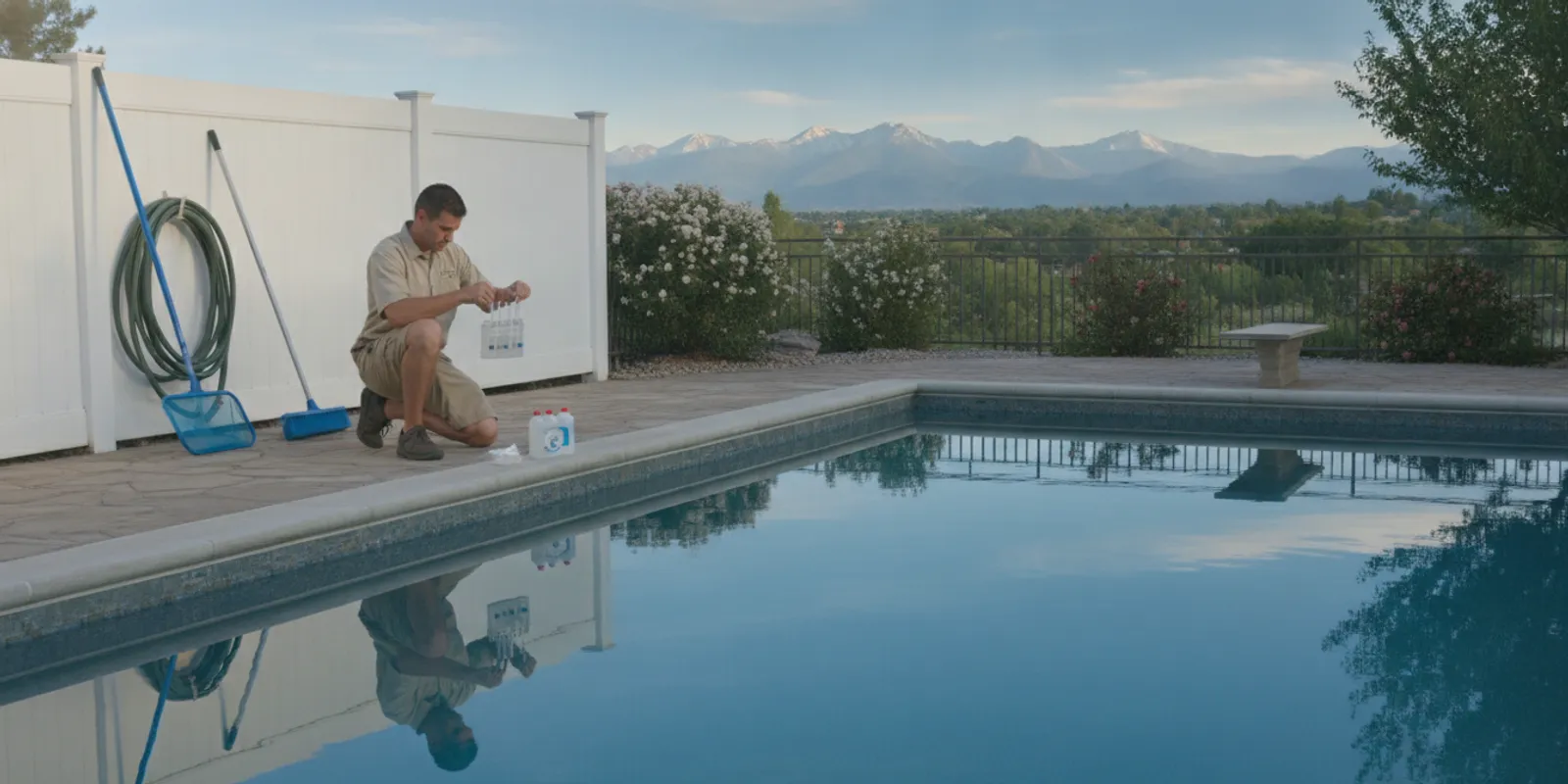
Chlorine tablets are great for maintaining a consistent chlorine level, but they aren't a "set it and forget it" solution. The rate at which your pool uses chlorine changes based on factors like sunlight, rainfall, and how many people are swimming. Relying on tablets alone without testing your water is like driving blind. You should be testing your free chlorine and pH levels at least a couple of times a week to ensure your free chlorine stays between 1 and 3 ppm. If you find it hard to keep up with a regular testing schedule, our weekly cleaning and maintenance services can handle the water balancing for you, giving you peace of mind.
Mixing Chlorine with Other Chemicals
This is one of the most critical safety rules in pool care. Never, ever mix chlorine tablets with any other pool chemical, especially different types of chlorine (like granular shock) or acid. Mixing these chemicals can create a dangerous chemical reaction that releases toxic chlorine gas, which is extremely hazardous to inhale. Always read the manufacturer's instructions on the packaging. When adding chemicals to your pool, add them one at a time and allow them to fully circulate before adding the next one. It’s also a smart habit to wear protective gloves and eyewear whenever you handle pool chemicals. Your safety is always the top priority.
Relying Only on Tablets to Sanitize
While chlorine tablets are the workhorse for daily sanitation, they shouldn't be the only tool in your arsenal. Think of them as your maintenance crew, keeping things in check day to day. However, you still need to periodically "shock" your pool. Shocking involves adding a large dose of an unstabilized chlorine to break down contaminants like sweat, oils, and lotions, and to kill any algae or bacteria that might be building up. Tablets release chlorine too slowly to accomplish this. Relying on them alone can lead to cloudy water and algae growth. Make sure you have the right supplies and chemicals, including a good quality shock, to keep your water crystal clear.
Using Chlorine Tablets in a Colorado Pool
Living in Colorado means we get to enjoy beautiful, sunny summers, but our unique environment also presents some specific challenges for pool owners. The high altitude, intense UV rays, and unpredictable weather can all affect your pool's water chemistry, especially your chlorine levels. Using chlorine tablets effectively here isn't just about dropping them in a floater and hoping for the best. It requires a bit more attention to detail to keep your water clean, safe, and sparkling all season long. Many pool owners are surprised to learn that the same methods they used in other states don't work as well here. That's because our intense sun can deplete chlorine much faster than at sea level.
The good news is that with a few adjustments, you can easily manage your pool's sanitation and get the most out of our relatively short swim season. Understanding how our climate interacts with your pool chemicals is the first step. From there, you can create a simple, effective routine that prevents common issues like algae blooms or ineffective chlorine, ensuring your pool is always ready for a dip on a hot day. It’s all about working with our Colorado climate, not against it. Let’s walk through what you need to know to master chlorine tablet use in the Denver area.
How Sun, Altitude, and Weather Affect Chlorine
Here in Colorado, the sun is incredibly strong. Our high altitude means there’s less atmosphere to filter out UV radiation, which breaks down chlorine at a rapid pace. This is why using stabilized chlorine tablets is so important. These tablets contain cyanuric acid (CYA), which acts like sunscreen for your chlorine, protecting it from the sun and helping it last longer. Without a stabilizer, the sun could burn off your chlorine in just a few hours.
However, there’s a catch. While CYA is essential, too much of it can be a problem. As tablets dissolve, the CYA level in your pool water builds up. If it gets too high, it can actually make your chlorine less effective, a frustrating issue known as chlorine lock. Finding the right balance is key to keeping your water sanitized.
Adjusting for Colorado's Short Pool Season
With a pool season that often runs from Memorial Day to Labor Day, you want to make every swim day count. To do that, you need to stay on top of your water chemistry from the start. Begin the season with a properly balanced pool and be mindful of your CYA levels as you add tablets. Instead of placing tablets directly in your skimmer, use a floating dispenser or an automatic feeder. This gives you much better control over how quickly the tablets dissolve and helps prevent CYA from building up too fast.
Check your free chlorine levels every few days, aiming to keep them between 1 and 3 ppm. You may need to adjust the number of tablets after a big pool party, a rainstorm, or a string of very hot, sunny days. Consistent testing and small adjustments are the secret to a hassle-free summer. If you prefer a hands-off approach, our weekly cleaning and maintenance services can handle all the testing and balancing for you.
How to Save Money on Chlorine Tablets
Chlorine is one of the most consistent expenses that comes with owning a pool, and those costs can add up over a season. The great news is that you don’t have to accept the first price you see. With a bit of strategic shopping, you can keep your pool sanitized and safe without overspending. It’s all about knowing where to look, when to buy, and how much to get at once. A few simple adjustments to your shopping habits can make a real difference in your annual pool budget. Let’s walk through some of the best ways to get quality chlorine tablets for less.
Online vs. Local Pool Supply Stores
You can find chlorine tablets at big-box stores, online retailers, and local pool supply shops, and the price can vary quite a bit between them. While online stores can sometimes offer tempting deals, especially on large quantities, there’s a lot of value in working with a local expert. A local supplier understands the specific challenges of our Denver climate. Plus, you get personalized advice and can be sure you’re buying a quality product. We offer professional-grade supplies and chemicals and can help you choose exactly what your pool needs to stay balanced and beautiful all season long.
Is Buying in Bulk Worth It?
If you have the space to store them properly, buying chlorine tablets in bulk is almost always worth it. While the upfront cost of a 50- or 100-pound bucket is higher, the price per tablet is usually much lower than what you’d pay for a smaller container. Before you commit, just make sure you have a cool, dry, and well-ventilated area to store the sealed bucket away from other chemicals, children, and pets. If you’re not sure how much you’ll use in a season, a professional can help you estimate your needs so you don’t overbuy.
Finding Seasonal Sales and Loyalty Programs
Timing your purchase can lead to big savings. Many retailers offer seasonal sales around major holidays like Memorial Day and the Fourth of July. The end of the pool season is another fantastic time to stock up for the following year, as stores look to clear out their inventory. It’s also smart to ask about loyalty programs or price-matching policies, which can ensure you get the best deal. Building a relationship with a reliable pool company means you’ll not only get expert service but also stay informed about the best products and pricing for your spa services and pool needs.
When to Call a Pool Pro
Even with the best intentions and a solid supply of chlorine tablets, there are times when your pool needs more than you can give. Think of a pool professional as your on-call expert, ready to step in when things get tricky. It’s not about giving up; it’s about making a smart call to protect your investment and your summer fun. Knowing when to hand over the reins can save you time, money, and a lot of frustration. So, how do you know when it's time to make that call?
Your Water Chemistry Just Won't Cooperate
You’ve tested the water, added the tablets, and followed all the steps, but your levels are still all over the place. Maybe your pH is stubbornly high, or your chlorine readings are inconsistent. When your water chemistry becomes a constant puzzle, it’s a clear sign you need an expert eye. A professional technician has the experience and advanced testing tools to diagnose complex water balance issues that go beyond basic test strips. They can identify underlying problems and get your water back to being safe, clear, and comfortable, often with a comprehensive cleaning and maintenance plan.
You're Fighting a Losing Battle with Algae
Waking up to a green, cloudy pool is disheartening, especially when you feel like you’re doing everything right. If you're dealing with algae that keeps coming back no matter how much you shock or chlorinate, there's likely a deeper issue. Persistent algae can point to poor circulation, filter problems, or hidden phosphates (algae's favorite food). Instead of dumping more and more chemicals into the water, a professional can identify the root cause of the bloom and create a targeted treatment plan to eliminate it for good.
Your Equipment Is Acting Up
Your pool’s circulation and filtration system is its heart. When the pump, filter, or heater starts making strange noises, leaks, or just stops working, it can bring your entire pool care routine to a halt. Chlorine tablets can’t do their job if the water isn’t moving properly. While a simple clog might be a DIY fix, most equipment issues require technical expertise. For your safety and to avoid causing more expensive damage, it's always best to call for professional equipment repairs and servicing when you suspect a problem.
You're Short on Time (or Patience)
Let’s be honest: life is busy. Sometimes, the biggest challenge in pool care isn’t the chemistry or the cleaning, but finding the time to do it. If your weekly pool maintenance feels more like a chore than a choice, hiring a pro is a great way to reclaim your weekends. A reliable service ensures your pool is always swim-ready, so you can spend your free time enjoying it with family and friends instead of working on it. It’s a simple trade-off that gives you back your most valuable resource: your time.
Ready for a cleaner pool?
Denver's trusted pool care professionals since 1982. Get started today.
Schedule ServiceFrequently Asked Questions
My test kit shows I have chlorine, but my pool is still getting algae. What's going on? This is a common and frustrating problem, and it usually points to high levels of cyanuric acid, or CYA. Because most tablets are stabilized, they constantly add CYA to your water. When CYA levels get too high, the acid can essentially "lock up" your chlorine, preventing it from sanitizing effectively. Your test kit will still read the chlorine as present, but it can't do its job. The only way to lower CYA is to partially drain and refill your pool with fresh water.
Is it really that bad to put chlorine tablets in my skimmer basket? Yes, it's a habit you'll want to break. While it seems convenient, placing tablets in the skimmer can cause serious damage. When your pump turns off, water stops flowing, and the tablet sits there dissolving. This creates a pocket of highly acidic, concentrated chlorine water that eats away at your skimmer, plumbing, and other expensive equipment. It's much safer to use a floating dispenser or, even better, an automatic chlorinator.
Do I still need to shock my pool if I'm using chlorine tablets every week? Absolutely. Think of tablets as your daily maintenance crew, providing a steady, low level of sanitizer. Shocking, on the other hand, is like a deep clean. It's a large dose of chlorine that breaks down contaminants like sweat and lotion, and kills any resistant bacteria or algae that your daily chlorine level might miss. Using tablets keeps things in check, but you still need to shock regularly to keep the water truly clear and sanitary.
Are more expensive, all-in-one tablets worth the extra cost? They can be, depending on your needs. These multi-purpose tablets contain helpful additives like algaecides and clarifiers, which can simplify your routine and help prevent problems before they start. They are great for proactive, everyday care. However, they won't replace the need for a dedicated algaecide or other treatment if you have a serious algae bloom or water clarity issue. They are a tool for convenience, not a cure-all.
How can I keep my chlorine from disappearing so fast in the Colorado sun? The intense sun and high altitude here are tough on chlorine. The best defense is using stabilized chlorine tablets, which contain cyanuric acid (CYA) to protect the chlorine from UV rays. The trick is to keep your CYA level in the ideal range, not too low and not too high. This requires regular water testing. A proper CYA level acts like the perfect amount of sunscreen, allowing your chlorine to last longer and work more efficiently, even on the sunniest days.
Related Blogs