Pool Plumbing Leak Repair Denver: Diagnose Leaks Early
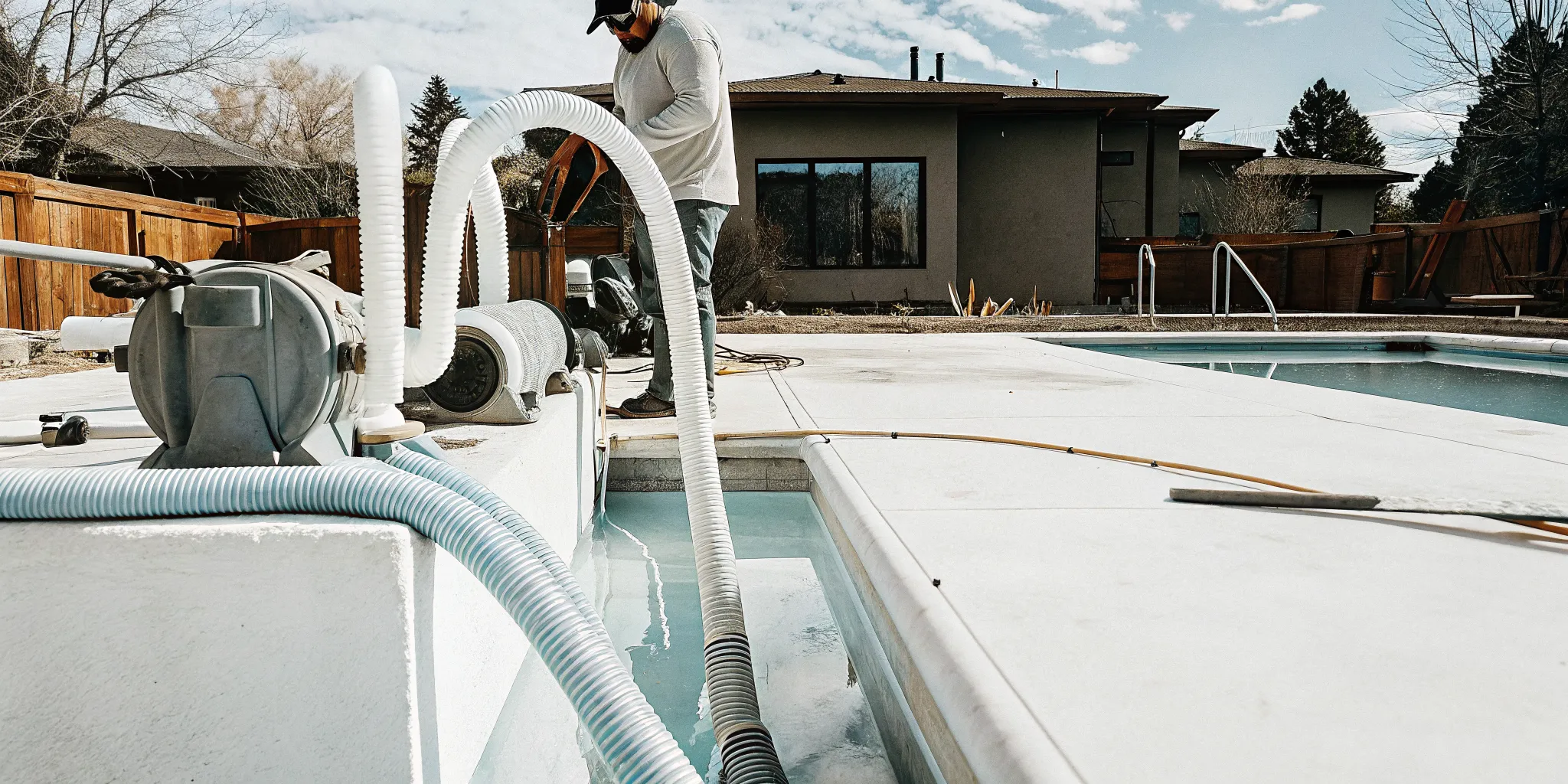
Professional pool plumbing leak repair denver services are needed to find and fix hidden pipe damage before it ruins your pool shell. Colorado pools face unique risks because our winters bring over 150 freeze-thaw cycles that shift the soil and crack buried PVC lines. When these underground lines leak, they quickly wash away supporting dirt, which can crack concrete decks and cause massive structural damage. Homeowners should look out for identifying early signs of pool leaks, such as chemical imbalances or constant air bubbles in pool return jets. Getting a non-invasive pressure test from certified local experts will pinpoint the exact break and protect your backyard investment with transparent pricing.
Call 303-431-8501 now or schedule a pool plumbing leak repair denver inspection to protect your pool before the next freeze causes further damage. Neptune Pools certified technicians diagnose underground leaks with non-invasive tools and provide transparent pricing with no hidden fees.
How do you find a hidden pool leak in your yard before it causes major structural damage? Recognizing the warning signs early is the first step to protecting your home. And we will outline the main signs your pool has a plumbing leak, how professionals diagnose the issue, and what repair options are available in Denver.Pool Plumbing Leak Repair Denver: Signs Your Pool Has a Plumbing Leak
Finding a pool leak early can save you from a major headache. Ground shifting and freeze-thaw cycles in Colorado are tough on underground lines. In the Denver Metro area, soil moves as the seasons change, which puts stress on buried PVC pipes. This shifting often leads to a pool plumbing leak repair denver homeowners must address before winter freeze arrives. Watch for these five warning signs that indicate your underground plumbing may be compromised.
Unexplained Water Loss and Damp Soil
The clearest sign of a leak is a drop in the water level beyond normal evaporation. On hot, dry Denver days, some water loss is normal. But if you lose more than a quarter-inch of water in a day, you likely have a leak. As noted by the U.S. Environmental Protection Agency WaterSense program, water loss from pool leaks can waste thousands of gallons of water each year.
You may also spot wet or mushy spots in your grass. When pipes beneath the ground crack, water pools and creates damp patches near your pump pad or pipe runs. If the ground feels soft or muddy even when it has not rained, your pipes may be leaking. In dry Denver climates, finding a damp grassy patch on a sunny day is a strong warning sign of a pipe break.
Air Jets and Recurring Algae
You can also spot a leak by watching your pool return jets. If you see constant air bubbles blowing into the water, your system has a suction-side leak where a pipe before the pump is pulling in air. Pool owners can start finding early signs of pool leaks by checking these jets while the pump is running. This extra air can cause your pump to lose its prime, which can quickly ruin the motor.
A fast return of pool algae can also point to a plumbing leak. Cracks in your pipes let dirt and spores enter from the soil, allowing these pests to bypass your filter and feed the algae. This often turns your water green again just days after you shock the pool. Denver's high UV levels make this green bloom grow fast.
Cracked Decking and Sinking Pavement
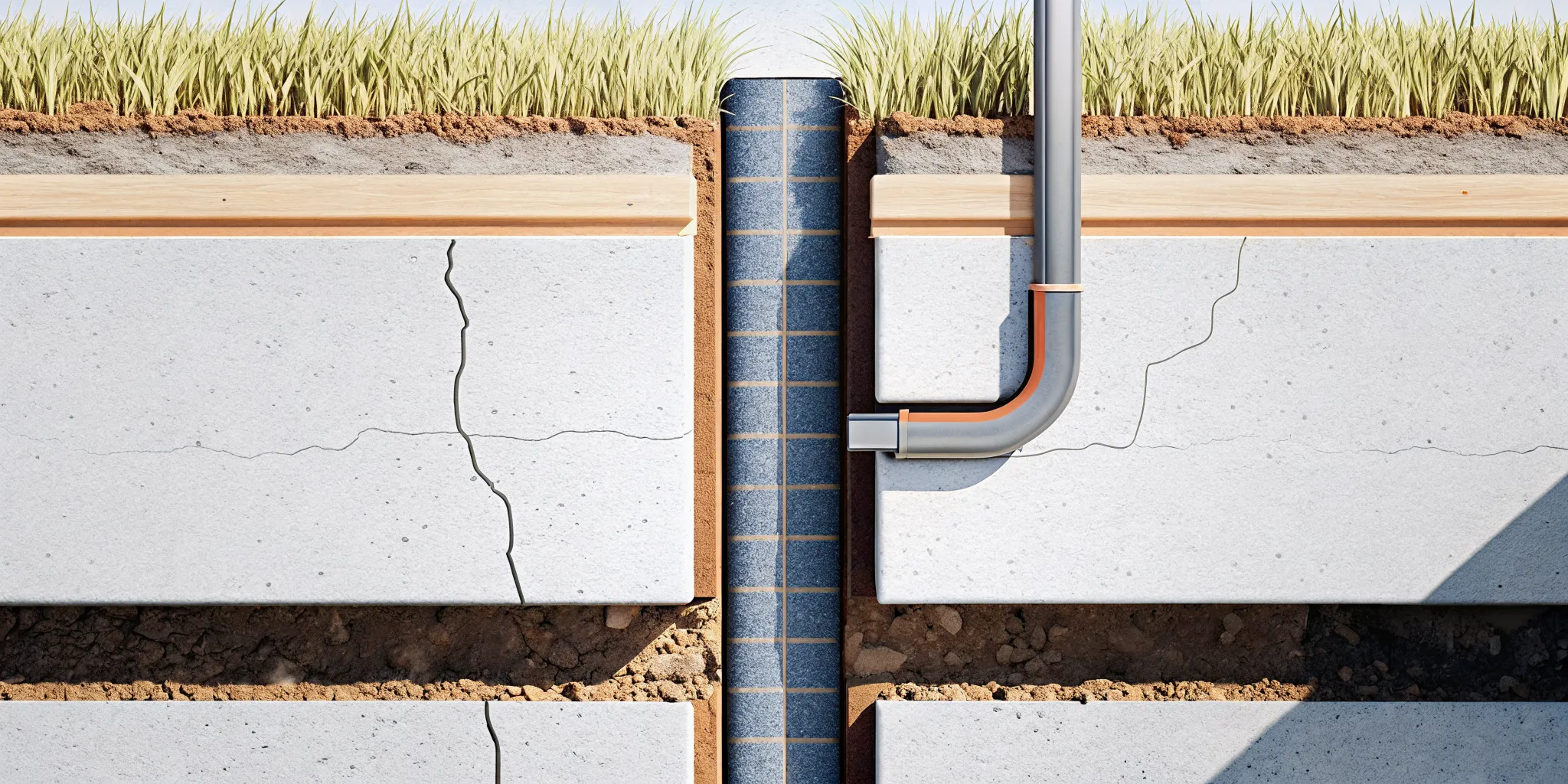
Lastly, keep an eye on the concrete deck around your pool. Leaking water slowly washes away the dirt under the deck, which leaves the heavy concrete with no support. You will soon see cracks in the concrete, or you might even spot whole slabs of pavement starting to sink. This is a big problem in areas like Cherry Creek because of clay soils.
Leaving these leaks alone can lead to major pool damage. A small plumbing leak can quickly wash away the ground that holds your pool in place. To find the source, expert leak detection in Colorado often uses pressure tests, listening tools, and pipe cameras. By catching the issue early, you can avoid a costly repair bill and keep your pool safe for years to come.
Why Colorado Pools Face Higher Leak Risks
Pool owners across the country deal with leaks, but Denver pools face a much tougher environment. Our climate puts extreme stress on buried PVC pipes. Understanding these Colorado-specific risks helps homeowners take the right precautions. The combination of freeze-thaw cycles, high altitude UV exposure, clay soils, and hard water creates conditions that accelerate pipe wear faster than in milder climates.
Extreme Freeze-Thaw Cycles
Denver winters are hard on pool plumbing. According to Level Up Leak Detection, Colorado pools go through over 150 freeze-thaw cycles each winter. By comparison, pools in Ohio see only 30 to 50 cycles each winter. Each freeze-thaw cycle makes the ground expand and contract, which slowly cracks and shifts buried PVC pipes. Over time, even solid pipes develop hairline cracks from this constant movement.
High-Altitude UV Damage
Denver sits at 5,280 feet above sea level. At this altitude, the sun's UV rays are much stronger than at lower elevations. This intense UV radiation accelerates the aging of exposed PVC pipes, fittings, and seals. Pipes that might last 15 years at sea level can start degrading in 8 to 10 years in Colorado. Cracks form on the surface of the pipe where the sun hits, and these cracks grow deeper with each passing season.
Ground Shifting and Clay Soils
The soil conditions in the Denver Metro area add another challenge. Much of the region has clay-heavy soil that expands when wet and shrinks when dry. This constant shifting puts uneven pressure on buried plumbing lines. When a small pipe crack forms, the shifting soil can pull the crack wider. This is especially common in areas like Cherry Creek and Littleton where clay soils are prevalent.
Hard Water and Scale Buildup
Denver's water is known for being hard. High mineral content in the water leaves calcium scale deposits inside pipes over time. These deposits reduce water flow and increase pressure inside the lines. Higher internal pressure puts more stress on aging pipes and makes them more likely to crack at weak points. Regular chemical balancing helps, but the mineral buildup is a slow process that eventually catches up with every pool.
Neptune Pools technicians receive specialized training in these Colorado-specific challenges, including freeze-protection systems that help pool owners prevent damage before winter arrives.
How Do You Diagnose an Underground Pool Plumbing Leak?
Finding a leak in your pool can be stressful. Many pool owners start by identifying early signs of plumbing leaks with a home test. While a home test can confirm that your pool is losing water, it cannot show you where the leak is. For a real fix, you need professional tools. Denver's unique soil conditions make accurate diagnosis especially important because a misidentified leak can lead to unnecessary excavation and higher costs.
Limitations of DIY Bucket Tests
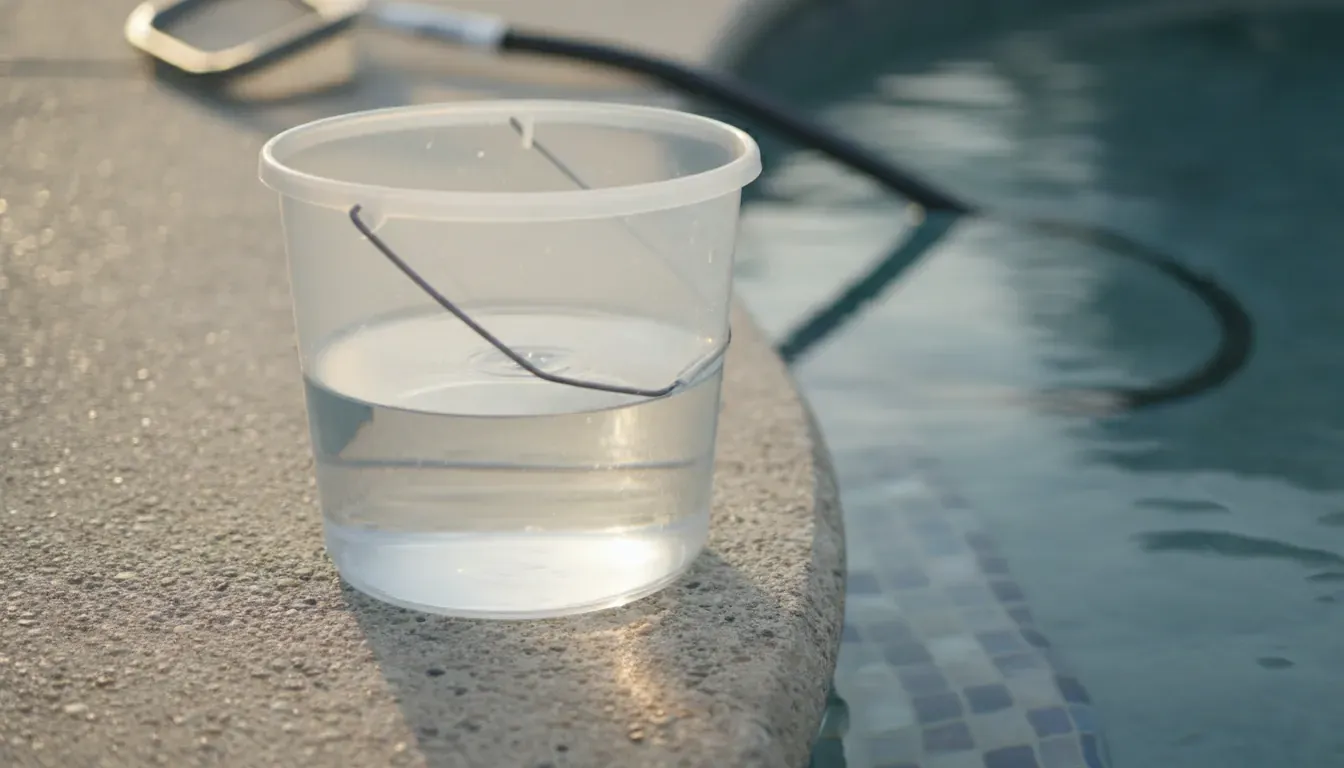
A simple bucket test is a great first step. According to the U.S. Environmental Protection Agency, home leaks can waste thousands of gallons of water. But this home test cannot pinpoint a leak under a concrete deck or deep in the soil. To locate the break without tearing up your yard, you need a specialist.
When a pipe cracks underground, water flows into the surrounding soil. You might see a wet spot in your grass, or your pool water level may drop fast. But looking at the water level will not show you where the pipe broke. Advanced tools are needed to find the exact leak.
The Professional Diagnostic Process
Experts use a clear, step-by-step plan to find the leak. This path saves time and keeps your yard safe. Technicians use these steps to test each line and find the break.
- Visual inspection: First, a technician looks at the equipment pad, feels for ground moisture, and checks for pool deck settlement.
- Pressure testing: Next, the team blocks the plumbing lines and pumps air or water into them at 8-12 PSI. If the pressure gauge needle drops, that line has a leak.
- Acoustic listening: If a pipe fails the pressure test, the tech uses a ground microphone to listen for water escaping underground.
- Camera scope inspection: Then, the tech slides a small camera down the pipe to find the exact crack or break in the line.
- Dye testing: Last, the tech puts red or blue dye near suspected spots to see if the leak is in the pool shell or the plumbing.
Non-Invasive Leak Location Tools
Expert leak detection in Colorado uses non-invasive tools to find the break with no damage to your property. By using pressure tests, acoustic listening tools, and camera scopes, a tech can pinpoint underground leaks. This advanced gear saves your lawn and deck from unnecessary digging. If you suspect a leak, you should schedule a professional pool plumbing leak repair denver service to fix the line before the winter freeze.
Using these tools prevents a lot of stress and extra costs. In Colorado, a small leak can get much worse when the ground shifts or freezes. Finding the exact spot of the crack means the repair crew only needs to dig in one small area. This approach keeps your repair costs down and protects your pool deck from big trench lines.
Why Ignoring a Small Leak Makes It Worse
Many pool owners see a small drop in water level and decide to wait. They assume the leak is minor and will not cause real damage. In Colorado, that assumption can cost thousands of dollars. A small plumbing leak left unattended sets off a chain reaction of damage that grows worse with each passing month. Here is what happens when you delay pool plumbing leak repair denver.
Soil Erosion Undermines Your Pool Deck
Water escaping from a cracked pipe flows into the surrounding soil. Over time, this moving water washes away the dirt that supports your concrete deck and pool shell. As the soil erodes, voids form underground. The concrete above these voids has nothing holding it up, so it begins to crack and sink. What started as a small pipe crack becomes a sunken pool deck that requires expensive concrete work to repair.
Sinkholes and Structural Damage
In severe cases, ongoing soil erosion creates underground cavities large enough to qualify as sinkholes. The heavy concrete deck or pool shell can collapse into these voids. This type of structural damage is far more expensive to fix than the original pipe leak. Pool owners in areas with clay soils, like Cherry Creek and parts of Lakewood, face higher risk because clay compacts differently when saturated.
Freeze Damage Amplifies Every Crack
Denver's freeze-thaw cycles make a small leak much worse. Water that seeps into a crack during the day freezes at night. Frozen water expands with tremendous force, widening the crack. The next day, more water enters the now-larger crack, and the cycle repeats. Over a single winter, a hairline crack can grow into a complete pipe burst. According to Neptune Pools, a frozen pipe burst can cost between $5,000 and $15,000 to repair.
Chemical Imbalance and Algae Blooms
A plumbing leak does not just waste water. It also affects your pool chemistry. As fresh water enters through a crack or as pool water escapes, the chemical balance shifts. You will need more chlorine, more algaecide, and more balancing chemicals to keep the water clear. If the leak is drawing soil water into the pool, contaminants feed algae growth that returns within days of treatment. This chemical chasing adds up to higher monthly costs and more frustration.
Higher Water Bills Every Month
A leaking pool plumbing line can waste thousands of gallons of water per month. This waste shows up clearly on your water bill. Pool owners who notice a sudden jump in their monthly water cost often have an underground leak that has been running for weeks or months. Catching the leak early stops this waste and keeps your utility costs predictable.
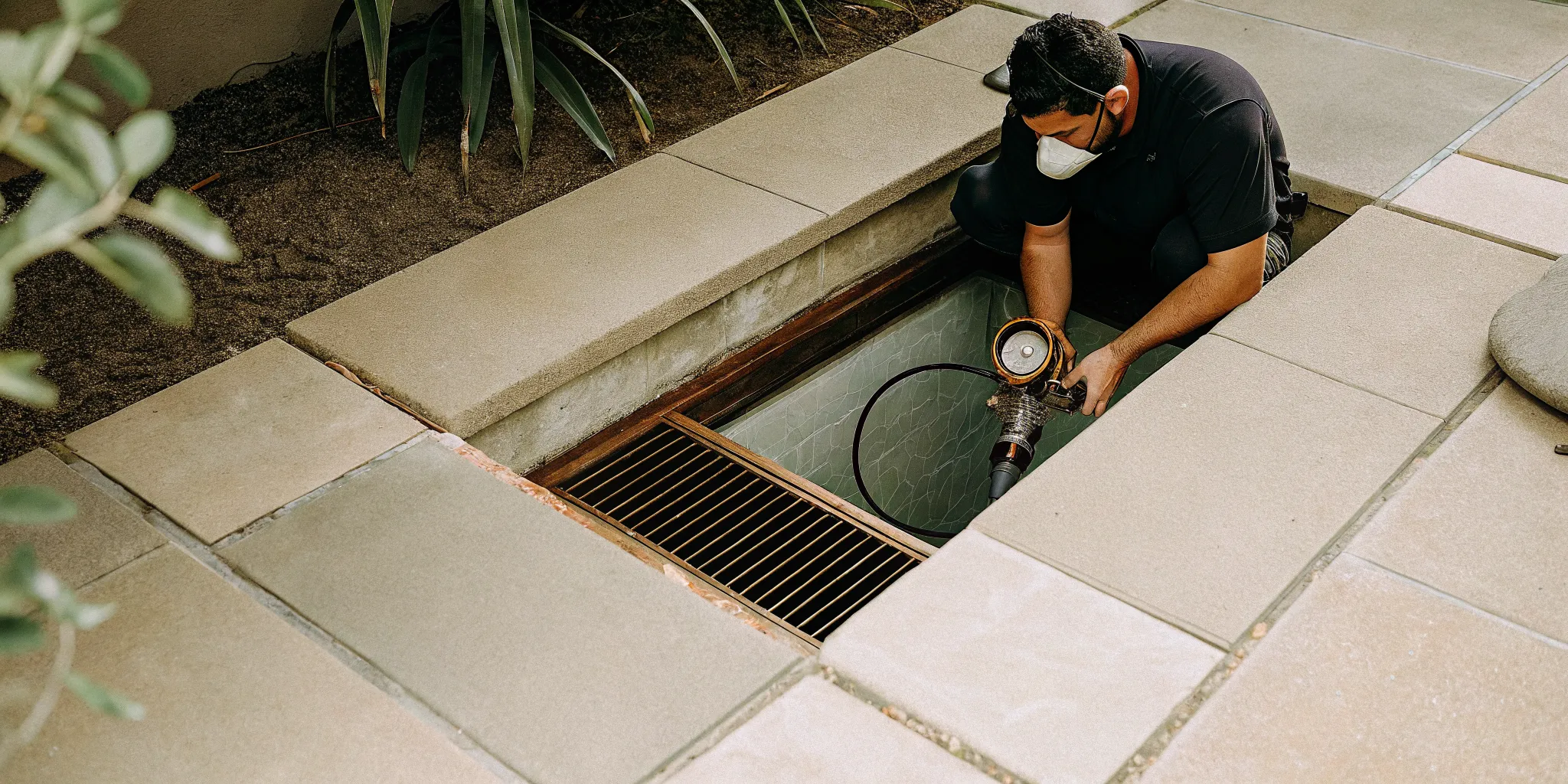
Pool Plumbing Leak Repair Options in Denver
When you have a leak in your pool lines, you must choose how to fix it. Some minor issues at the joints or pump seals are easy to handle on your own. But when a pipe breaks deep underground, you will need professional gear to get the job done right. Most of the time, modern fixes do not need you to empty all of the water from your pool. This saves you money and time, which is helpful when the swim season is short in Colorado.
Underground Plumbing Repair Options
Homeowners in the Denver area have two main paths for fixing buried pool lines. The first path is trenchless repair, which uses liquid sealants or epoxy liners to seal cracks from the inside of the pipe. This method avoids digging up your nice yard or concrete pool deck. The second path is full excavation, which means digging a trench to cut out and replace the bad section of PVC pipe. Both options can work well, but they differ in cost, speed, and how much they mess up your yard.
Finding the right fix is key to saving water and keeping your pool in great shape. Swimming pool leaks can waste thousands of gallons of water if left unchecked, according to the EPA WaterSense Outdoor Pool Guide. This water loss is bad for your wallet and can cause major damage to the ground around your pool. By acting fast, you can protect your property and keep your water clean.
Comparison of Pool Pipe Fixes
To help you decide, we have compared the two main pool plumbing leak repair methods. This table highlights how they compare on cost, time, and impact to your yard.
| Repair Factor | Trenchless Methods | Full Excavation |
|---|---|---|
| Invasiveness | Very low, no digging needed | High, requires yard digging |
| Average Cost | Medium, saves deck repair bills | High, includes lawn rebuilding |
| Repair Time | Fast, usually done in one day | Slow, takes three to five days |
| Best For | Small cracks or minor pipe leaks | Crushed, broken, or shifted pipes |
Professional Local Repair Services
Our team at Neptune Pools is here to help you solve any pool leak issue. We offer professional pool plumbing leak repair in Denver to get your pool running fast. Our local techs are factory-trained and use only OEM parts to ensure lasting repairs. We also offer year-round emergency service with a 45-minute average response time inside our service area. For our Gold and Silver maintenance members, we guarantee a 72-hour repair response. We believe in being open and honest with our customers. This is why we display all our rates and fees directly on our website, so you know the cost up front. In fact, we are the only major pool company in the Denver area to show full pricing publicly. Let us take the stress out of pool care so you can enjoy your backyard all summer long.
Preventing Plumbing Leaks With Regular Maintenance
Many pool owners do not think about their pipes until water pools in the yard. But waiting for a major break is a costly mistake. Ground shifting, freeze-thaw cycles, and aging PVC are the main causes of plumbing leaks in Denver. To protect your pool, you must know how regular service stops leaks before they start. According to the Centers for Disease Control and Prevention, regular checks are needed to manage pools safely.
Denver Climate Challenges
Local weather and shifting soil in Colorado pose tough challenges for pool pipes. Denver pools face 150 or more freeze-thaw cycles during our cold winters. This harsh weather puts immense stress on PVC pipes and fittings. If water freezes inside the lines, it expands with enough force to burst them. Tiny cracks form and quickly grow. A complete winter blowout is the only way to avoid big winter damage.
Proactive Care Steps
By following a set care plan, you can protect your pool from severe water loss. Proper care begins with accurate leak detection, which saves you money and time. Here are the key steps to keep your plumbing system in top shape throughout the year:
- Blow out the lines before freezing weather hits. A complete line blowout removes all water. This vital service stops freeze damage from cracking your PVC pipes.
- Schedule weekly equipment checks. Weekly visits help pool experts inspect your pump and filter seals. They can catch small leaks before the damage spreads to the ground and deck.
- Monitor your water chemistry weekly. If you see sudden chemical changes or higher chlorine demand, you may have a leak introducing contaminants. Early detection saves thousands in repairs.
- Check your water bill monthly. An unexplained spike in water usage often points to an underground plumbing leak. Catching it early keeps your costs predictable.
- Inspect your pool deck after heavy rain or snow melt. Look for new cracks, sinking sections, or soft spots in the soil near pipe runs. These are early signs of soil erosion from a hidden leak.
Can Professional Pool Service Prevent Plumbing Leaks?
Regular maintenance from a qualified pool service company can significantly reduce your risk of developing plumbing leaks. Neptune Pools weekly pool cleaning and maintenance plans include equipment inspections that catch small issues before they become major problems. Our certified technicians check pump seals, filter O-rings, heater connections, and buried pipe pathways during every visit. For Denver pool owners, this regular oversight is especially valuable because our climate creates year-round stress on plumbing systems.
Gold and Silver members receive priority scheduling and a 72-hour guaranteed response for any repair needs. If a small leak is spotted during a routine cleaning, our team can schedule a pressure test immediately. This proactive approach prevents the kind of soil erosion and structural damage that occurs when small leaks go unnoticed for weeks or months.
Frequently Asked Questions About Pool Plumbing Leak Repair Denver
How much does pool plumbing leak repair cost in Denver?
Can a pool plumbing leak fix itself?
How long does a pool plumbing leak repair take?
Ready To Fix Your Pool Plumbing Leak?
Do not wait until a small plumbing leak becomes a major structural problem. Denver's freeze-thaw cycles, clay soils, and intense UV exposure make pool plumbing leaks progressive and worsening. The sooner you act, the less damage your pool and yard will suffer. Neptune Pools has been serving Denver Metro pool owners since 1982 with certified technicians, transparent pricing, and rapid response times.
Call 303-431-8501 now or schedule your pool plumbing leak repair denver inspection online. Our team will pinpoint the exact leak location using non-invasive diagnostic tools and provide a clear repair plan with upfront pricing. Protect your pool investment before the next Colorado winter hits.
Related Blogs