Pool Light Repair Denver: Detect, Fix and Prevent Hazards
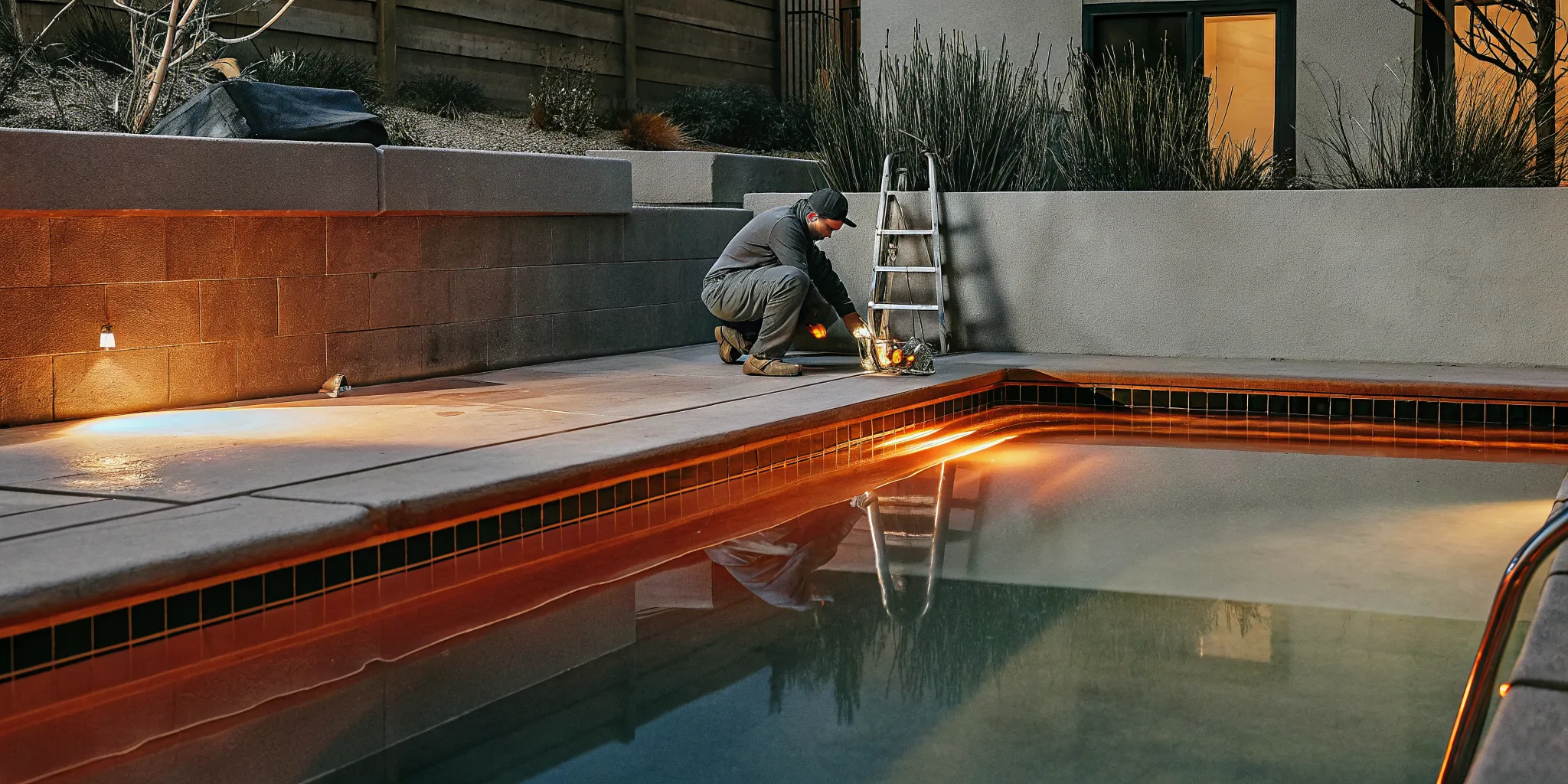
Water leaking into a pool light fixture creates an immediate risk of electrical shock. When underwater lighting fails, local pool owners must put safety first before trying to fix the issue.
A pool light repair Denver service is the safest way to fix flickering underwater bulbs, leaking fixtures, or tripped breakers. When a pool bulb fails, checking your GFCI safety outlet can solve about forty percent of these common issues. However, if water leaks inside the sealed light fixture, you must shut off the main power at the circuit breaker immediately to prevent shocks. Replacing gaskets and fixtures needs certified skills to keep your family safe. Our local team at Neptune Pools provides experienced, certified technicians who specialize in local swimming pool care. We back our repairs with a seventy-two hour response guarantee so your Denver backyard remains bright, beautiful, and completely hazard-free.
Need pool light repair in Denver? Contact Neptune Pools today for a free inspection and estimate.
How do you know when your pool lighting is no longer safe to use? Recognizing the common safety signs that your pool light needs repair is the best way to prevent dangerous shocks and keep your family safe. This guide walks you through each warning signal in detail.
What Are the Common Safety Signs Your Pool Light Needs Repair?
Water and electricity do not mix. When a light in your pool goes bad, it poses a direct shock hazard. Do not take risks with wet wiring. If you suspect an issue, turn off the power at the main circuit breaker right away.
Do not just flip the wall switch. It is vital to keep your family safe from stray currents. A small leak or short can cause big issues. You must act fast to protect swimmers.
Water Inside the Fixture
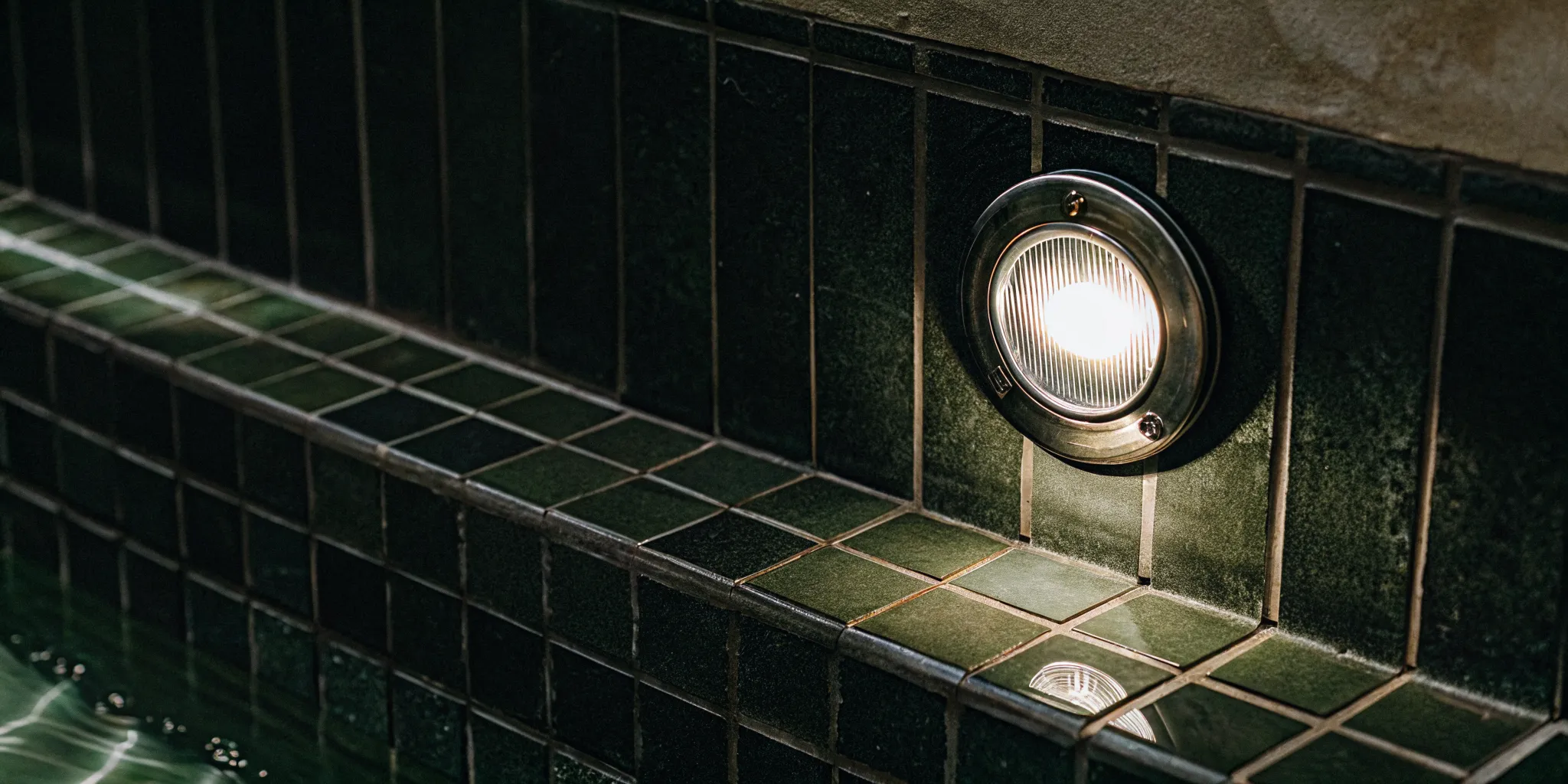
You should never see water inside a pool light lens. Water or moisture behind the glass means the seal has failed. The rubber gasket may be rotted, or the light shell may have a crack. When water gets into the dry chamber, it creates a path for electrical current to enter your pool.
Never try to swim with a wet light fixture. When you need pool light repair Denver experts can help inspect the system. To fix this safely, choose professional pool light repair services in Denver to pull the fixture, drain the water, and install a fresh seal. A cracked shell means you need a whole new light.
Flickering and Dimming Bulbs
If your pool light flickers, do not ignore it. A flickering light usually means you have a loose wire or a bulb that is about to fail. Loose wires can spark and cause an unsafe shock risk. If you have been searching for pool lighting troubleshooting tips, remember that flickering needs prompt attention.
Sometimes, a light is dim or has a strange color because of a bad bulb. But if someone put in a bulb with the wrong wattage, it can cause the fixture to get too hot. High heat can melt the seals or crack the lens, which leads to leaks. Always check the exact wattage before you buy a new bulb.
Tripping Breakers and Corrosion
Your pool needs a ground fault circuit interrupter. This breaker shuts off the power when it finds any current leak. If your light trips the breaker, do not use it. This is a clear sign of a short or water leak.
Over time, poor water chemistry can damage your pool. The Centers for Disease Control and Prevention notes that keeping proper chemical balance protects pool gear. High chlorine or low pH can cause the metal fixture to rust. This rust eats away at the seals and causes major leaks. Proper pool maintenance and water testing helps prevent this type of damage before it starts.
How to Troubleshoot a Pool Light That Won't Turn On
When your pool light refuses to shine, you need a systematic troubleshooting method. This guide helps you identify the issue safely. Always verify that the power is completely off before opening any equipment.
Need professional troubleshooting? Schedule a service visit from Neptune Pools today.
- Check the GFCI Outlet or Breaker: The ground fault circuit interrupter is your first line of defense. If the light won't turn on, check the GFCI outlet on the pool equipment pad or the main breaker panel. Tripped GFCIs solve approximately forty percent of all dead pool light complaints. Press the reset button firmly to see if power returns.
- Inspect the Fixture for Water Intrusion: Look closely at the light lens from the pool deck. If you see water behind the glass, the seal has failed. Do not attempt to turn on the power if water is present. The fixture must be pulled from the wall niche, dried, and re-sealed with a fresh gasket.
- Verify Bulb Condition: If the fixture is dry but the light won't turn on, the bulb has likely reached the end of its lifespan. Standard incandescent bulbs last between 1,000 and 5,000 hours. If the filament is broken or the glass is darkened, you need a bulb replacement.
- Check for Niche and Conduit Damage: Unscrew the single lock screw at the top of the light face ring and gently pull the fixture from the wall. Inspect the concrete or plastic niche behind it. Look for cracking or shifting that could pinch or sever the heavy-duty electrical cord.
- Test Voltage at the Junction Box: Locate the pool light junction box, which is usually positioned above water level near the pool deck. Use a multimeter to check for voltage when the switch is turned on. If voltage is present at the junction box but not at the light, the cord or fixture is damaged and requires replacement.
While homeowners can safely reset a tripped breaker, any diagnostic steps requiring tools or electrical testing are best left to licensed professionals. Working with high-voltage lines near water presents severe hazards that require expert training to manage safely. Our residential pool service team handles these diagnostics for Denver homeowners every day.
How Much Does Pool Light Repair Cost in Denver?
Understanding pool light repair costs helps you budget for maintenance and choose the right service options. The total cost of repairing or replacing a pool light in Denver varies depending on whether you need a simple bulb replacement or a full fixture overhaul.
According to industry cost reports, a standard bulb replacement ranges from $30 to $600 for materials, depending on the bulb type and brand. When you hire a professional pool service to perform the replacement, expect to pay an additional $70 to $150 for labor. This service includes pulling the light from the niche, replacing the bulb, installing a new watertight gasket, and performing a safety test.
If the fixture is cracked or corroded, a full replacement is required. A new pool light fixture and labor generally costs between $500 and $1,700. Standard incandescent replacements are the least expensive initial option, costing between $500 and $700. Modern LED pool light installations range from $600 to $1,500, while specialized fiber optic replacements cost between $1,300 and $1,700.
Neptune Pools offers premier service options and cost-saving advantages for our clients:
- 72-Hour Response Guarantee: We provide a guaranteed 72-hour repair response time for all of our maintenance plan members, which means safety issues like broken pool lights are addressed without delay.
- 20% Service Discount: Our maintenance plan members receive an exclusive 20% discount on all services and repairs, which significantly lowers the cost of professional light restoration.
- Certified Technicians: Our pool repair work is performed by highly trained, certified technicians who understand local Denver equipment, electrical codes, and operating conditions.
While DIY bulb replacements are possible, full fixture replacements, wiring repairs, conduit work, and GFCI installations should always be performed by licensed professionals. Submerging electrical components in water requires specialized seal techniques and testing equipment to ensure long-term safety. For deeper remodel work, explore our pool remodel and rehabilitation services.
Is It Worth Upgrading to LED Pool Lights?
If you are facing a pool light repair, now is the perfect time to consider upgrading your system to modern LED technology. While standard incandescent bulbs have a lower upfront cost, LED pool lights offer superior efficiency, longevity, and performance that make them a smart long-term investment.
A modern LED retrofit cuts electricity consumption by approximately 75% compared to traditional incandescent lighting. While a standard pool bulb draws 300 to 500 watts of power, an equivalent LED bulb draws only 30 to 50 watts. This drastic reduction in energy use lowers your monthly utility bills and reduces your pool's overall carbon footprint.
The table below compares the key specifications of the three primary pool lighting options available to Denver pool owners:
| Lighting Specification | Incandescent Bulbs | Modern LED Lights | Fiber Optic Systems |
|---|---|---|---|
| Average Lifespan | 1,000 to 5,000 Hours | 20,000 to 30,000 Hours | 4,000 to 8,000 Hours |
| Initial Material Cost | $30 to $70 | $50 to $600 | $40 to $80 (Bulb Only) |
| Energy Consumption | High (300W to 500W) | Very Low (30W to 50W) | Medium (80W to 150W) |
| Replacement Frequency | Every 1 to 3 Years | Every 10 to 20 Years | Every 3 to 7 Years |
| Key Advantages | Low initial cost | Maximum lifespan, color control | Soft glow, remote light source |
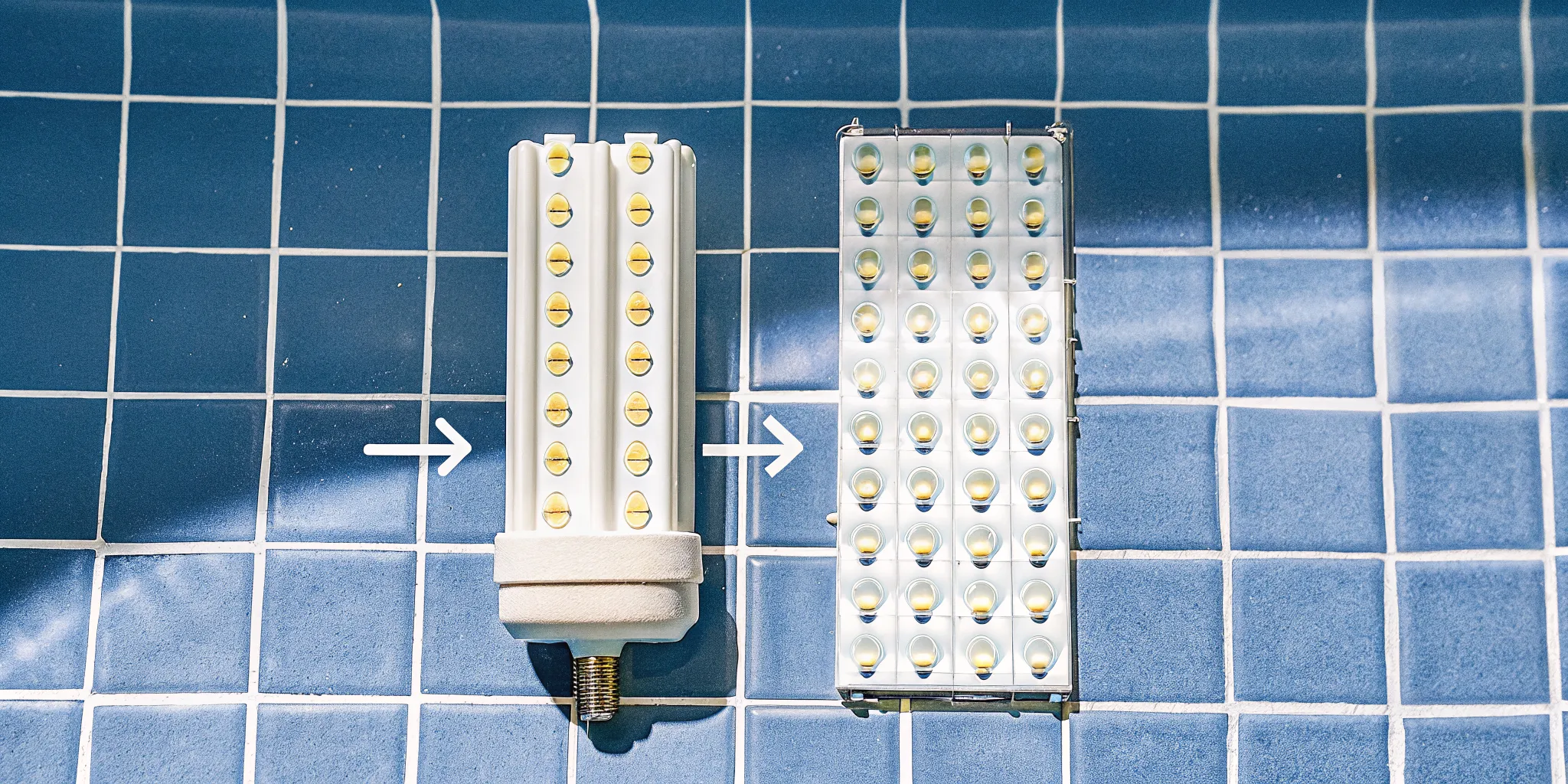
In addition to energy savings, upgrading to LED pool lighting eliminates the frequent bulb-swap cycle. With a lifespan of up to 30,000 hours, an LED light can last up to twenty years under normal seasonal use. This durability is highly valuable, as every bulb replacement carries a risk of seal failure and subsequent water leaks.
LED lights also offer advanced features that older systems cannot match. Many models include color-changing capabilities that allow you to cycle through dozens of vibrant colors or pre-programmed light shows. These systems can be integrated with your home automation or pool control systems, allowing you to manage your backyard ambiance directly from your smartphone.
Ready to upgrade? Talk to our team about LED pool light installation in Denver.
Why Do Colorado Pool Owners Need Specialized Light Repair?
Operating a swimming pool in Colorado presents unique environmental challenges that directly affect your equipment and lighting fixtures. High altitude, extreme seasonal temperature swings, and specific water conditions require specialized knowledge to manage successfully.
Our mile-high altitude means Denver pools are exposed to intense UV radiation and atmospheric pressure variations. This intense sunlight can accelerate the degradation of exposed plastic components, conduits, and rubber gaskets. When a pool light is opened for service, using specialized, high-durability seals and gaskets is essential to prevent premature leaks.
Colorado's freeze-and-thaw cycles also place severe stress on pool structures and underground conduits. Shifting ground can crack light niches or damage the conduit pipes that carry electrical lines from the pool wall to the deck-level junction box. Our technicians at Neptune Pools are specialized in local freeze-protection practices and structure preservation, ensuring that your lighting conduit is protected from winter damage.
Maintaining proper water chemistry is also critical for protecting underwater light fixtures. The Centers for Disease Control and Prevention emphasizes that maintaining a free chlorine level of 1.0 to 3.0 parts per million (ppm) and a pH of 7.2 to 7.8 is necessary for safety. If your pool water is unbalanced, high acidity or excessive chemical levels can corrode the metal light housing and degrade the rubber gaskets, leading to catastrophic seal failure and water intrusion.
At Neptune Pools, our certified technicians have specialized training in high-altitude water chemistry and pool equipment maintenance. We understand how to balance Colorado pool water perfectly to protect your plaster, plumbing, and underwater fixtures from premature wear and corrosion. Our commercial pool services bring the same expertise to HOA and property management clients across the Denver Metro area, and our pool chemical delivery program helps homeowners maintain balanced water year-round.
Frequently Asked Questions About Pool Light Repair
Repairing underwater pool lights can be complex, and many homeowners have questions about the safety, cost, and process. Below, our certified pool technicians answer some of the most common questions we receive from pool owners in the Denver Metro area.
Can a pool light be repaired, or does it always need to be replaced?
In many cases, a pool light can be repaired without replacing the entire fixture. If the issue is simply a burned-out bulb, a degraded gasket, or a loose electrical connection, these components can be repaired or replaced individually. However, if the light fixture itself is cracked, severely corroded, or has experienced major water intrusion that damaged the internal wiring housing, a full replacement of the light fixture is required to ensure complete electrical safety.
What is the life expectancy of a pool light?
The lifespan of your pool lighting depends heavily on the type of bulb installed. Traditional incandescent pool bulbs typically last between 1,000 and 5,000 hours, which usually translates to one to three years of seasonal use. Fiber optic pool lights generally last between 4,000 and 8,000 hours, or three to seven years. Modern LED pool lights are the most durable option, lasting between 20,000 and 30,000 hours, which can provide ten to twenty years of reliable, energy-efficient illumination before needing a replacement.
Can you fix a pool light without draining the pool?
Yes, professional pool technicians can safely fix most pool light issues without draining your swimming pool. Most modern underwater light fixtures are designed with extra electrical cord coiled inside the light niche behind the wall. This extra cord allows a technician to unscrew the fixture from the pool wall, lift the entire sealed unit out of the water, and place it on the pool deck to replace the bulb or gasket. Draining is only necessary in rare cases, such as when repairing a damaged conduit pipe behind the pool wall.
How much does a pool light bulb replacement cost in Denver?
The cost of replacing a pool light bulb depends on the type of lighting system you have. Replacing just the light bulb itself typically ranges from $30 to $600 for materials, depending on whether you are replacing a standard incandescent bulb or a high-performance color-changing LED. If a professional replacement is required, labor typically adds another $70 to $150. If you have been doing preventative pool maintenance and inspection, catching lighting issues early can save you from more expensive full-fixture replacements later, which can run between $500 and $1,700.
Is it safe to swim with a flickering pool light?
No, you should never swim in a pool with a flickering light. While a flicker is often caused by a simple failing bulb, it can also indicate a loose electrical connection or moisture penetrating the fixture seal. Any electrical irregularity near water should be treated as an immediate hazard. If your light is flickering, turn off the power at the main circuit breaker and contact a certified pool repair service to diagnose and resolve the issue before anyone enters the pool.
For additional service options across the front range, see our Denver Metro service locations to find a Neptune Pools team near you.
Schedule Professional Pool Light Repair in Denver Today
A beautiful, well-lit pool is one of the best parts of Colorado pool ownership, but a failing or damaged light is a serious safety hazard that should never be ignored. When it comes to electricity and water, hiring certified professionals is the only way to ensure your family, guests, and property remain safe.
At Neptune Pools, we have been serving residential and commercial pool owners across the Denver Metro area since 1982. Our certified pool technicians have the specialized training and local expertise needed to handle complex underwater electrical repairs, LED upgrades, and diagnostic troubleshooting safely and reliably.
When you choose Neptune Pools, you get the benefit of our premier service guarantees:
- 72-Hour Response Guarantee: We guarantee a 72-hour repair response time for all of our maintenance plan members, ensuring that critical equipment issues are resolved quickly.
- Exclusive Maintenance Discounts: Maintenance plan members receive 20% off all repairs and services, providing an affordable path to keeping your pool in peak condition.
- Certified Local Technicians: Our crew is specialized in high-altitude pool chemistry, freeze protection, and local Colorado equipment needs, protecting your investment for the long term.
Do not take risks with a damaged pool light or faulty electrical components. Get in touch with our local team today to get your pool lighting inspected, repaired, or upgraded by the best in Denver.
Ready to restore safe, bright illumination to your Denver pool?
Visit our pool light repair Denver page to schedule a service online, or call our team directly at 303-431-8501 to speak with an expert today!
Related Blogs