6 Common Pool Heater Problems & How to Fix Them
Your pool heater is great at telling you when something is wrong; you just have to know how to listen. Whether it’s making strange noises, refusing to turn on, or simply not getting the water warm enough, these are all symptoms of an underlying issue. Think of this guide as your translator. We’ll help you understand what these signs mean by breaking down the most common pool heater problems we see here in the Denver area. From simple DIY fixes like cleaning a filter to recognizing serious red flags like a gas smell, you’ll learn what to look for. This will help you either solve the problem yourself or provide clear information to a technician if you need one.
Ready for a cleaner pool?
Denver's trusted pool care professionals since 1982. Get started today.
Schedule ServiceKey Takeaways
- Start with Simple Fixes: Before calling for help, check the easy stuff. Resetting the circuit breaker, cleaning your pool filter, and confirming the thermostat is set correctly are quick actions that often solve the problem.
- Recognize the Red Flags: Your safety is the top priority. If you smell gas, find electrical issues like frayed wires, or see significant internal corrosion, it is not a DIY job; turn off the unit and call a professional immediately.
- Make Maintenance a Habit: A little prevention goes a long way in protecting your heater. Regularly balance your water chemistry, keep filters clean, and schedule an annual professional tune-up to catch small issues before they become big ones.
Is Your Pool Heater Acting Up? Common Issues
A chilly pool on a warm day is a real letdown. Your pool heater is a complex piece of equipment, and when it stops working correctly, it can be tricky to figure out why. Before you start troubleshooting, it helps to understand what might be going on. Here are some of the most common problems we see with pool heaters in the Denver area, from simple fixes to signs of a bigger issue. Recognizing these symptoms is the first step toward getting your warm water back.
Your Heater Won't Turn On
It’s the classic scenario: you go to turn on the heat for a comfortable swim, and nothing happens. This is one of the most frequent complaints we hear. The cause can be as simple as a tripped circuit breaker or an issue with the gas supply. However, it could also point to something more complex within the unit itself. If the heater has power but still won’t fire up, you might be dealing with a malfunctioning thermostat, a clogged burner, or even a dirty filter that’s preventing proper operation. While you can check the power source yourself, internal problems often require professional equipment repairs to diagnose and fix safely.
The Water Isn't Getting Warm Enough
Is your heater running, but the water temperature is barely budging? This is another incredibly frustrating problem. If the system seems to be working but isn't delivering the heat you expect, the issue often lies with efficiency. A dirty filter is a common culprit, as it restricts water flow and prevents the heater from working effectively. Other potential causes include a thermostat that isn't calibrated correctly, a clogged burner that can't produce enough heat, or even broken internal components. Regular pool cleaning and maintenance can prevent many of these issues by keeping your system running smoothly and ensuring proper water flow.
The Heater Keeps Turning On and Off (Short Cycling)
If you notice your pool heater firing up for a few moments, shutting down, and then repeating the process, it's "short cycling." This is a clear sign that something is wrong. Short cycling often happens for one of two reasons: the heater is overheating, or it's not getting enough water flowing through it. An internal safety sensor detects the problem and shuts the unit down to prevent damage. This constant starting and stopping puts a lot of strain on the heater's components and can lead to a more significant breakdown if it isn't addressed. Ignoring short cycling will only make the problem worse over time.
You Hear Strange Noises
Your pool heater should operate with a consistent, low hum. If you start hearing unusual sounds like grinding, banging, or high-pitched whistling, it's time to pay attention. These noises are your heater's way of telling you something is wrong inside. A grinding sound could indicate that something is stuck in the fan assembly, while banging or popping might point to mineral buildup (scaling) inside the heater. Loose internal parts can also create rattling or vibrating sounds. Don't ignore these auditory warnings; turn the heater off and have it inspected to prevent further damage.
You See Leaks Around the Heater
Water pooling around your pool heater is a serious issue that needs immediate attention. Leaks can be caused by several problems, from simple loose connections to more severe issues like a cracked heat exchanger or corroded internal pipes. Not only does a leak waste water and cause potential damage to the heater pad and surrounding area, but it can also be a safety hazard, especially with electrical components nearby. If you spot a leak, it's best to shut off the water supply to the heater and call a professional. A persistent leak might even signal the need for a major equipment repair or replacement.
The Display Panel Shows an Error Code
Many modern pool heaters have a digital display that provides error codes to help diagnose problems. These alphanumeric codes correspond to specific issues detected by the heater's internal sensors. You might see an error related to a faulty temperature sensor (thermistor), a pressure switch failure, or a high-limit switch that has been tripped. While your owner's manual can help you decipher what the code means, fixing the underlying problem often requires technical expertise. These codes are valuable clues that help a trained technician quickly pinpoint and resolve the issue, getting your spa or pool heater back in working order.
How to Troubleshoot Your Pool Heater
When your pool heater stops working, it can feel like a major setback, especially when you were looking forward to a warm swim. But before you assume the worst, there are a few simple troubleshooting steps you can take on your own. Often, the fix is surprisingly simple and doesn't require a professional service call. Think of this as a basic diagnostic check to rule out the easy stuff. By walking through these steps, you can identify common issues related to power, water flow, and settings that might be preventing your heater from doing its job.
This process will help you either solve the problem yourself or gather valuable information for a technician if you do need to make a call. Knowing what’s wrong (or at least what isn’t wrong) can make the repair process faster and more efficient. For example, telling a pro that you've already checked the filter and power supply saves them time and saves you money. So, grab your pool’s manual if you have it, and let’s walk through the basics of figuring out what’s going on with your heater. Remember to always prioritize safety, especially when dealing with gas or electrical components. If you ever feel unsure or uncomfortable, it's always best to stop and call for professional equipment repairs.
Start with a Visual Inspection
Before you touch any buttons or switches, just take a good look at the heater itself. A quick visual inspection can often reveal the source of the problem right away. Look for any obvious signs of damage, like cracks in the housing, frayed or chewed wires (critters love to nest in warm places), or rust and corrosion on the exterior. Also, check the area around the unit for any signs of leaks or puddles. If you notice any of these symptoms, it’s a clear sign that something is wrong internally. Don’t wait for the problem to get worse; these are clues that you likely need a professional to take a closer look.
Check the Display for Error Codes
Most modern pool heaters come with a digital display panel, which is your best friend when it comes to troubleshooting. If the heater has power but isn't working correctly, it will often show an alphanumeric error code. These codes are designed to help you or a technician pinpoint the exact issue, whether it’s a problem with ignition, water pressure, or an internal sensor. Grab your owner's manual (or look it up online) to find out what the specific code means. This simple step can save a lot of guesswork and point you directly toward the solution.
Test Your Thermostat Settings
This might sound a little too simple, but you’d be surprised how often the problem is just an incorrect setting. Before you go any further, double-check that the thermostat is actually set to a temperature higher than your current pool water temperature. Sometimes, a power flicker can reset the settings, or someone might have accidentally turned it down. Make sure the heater is set to "Pool" or "Spa" mode, depending on what you're trying to heat. It’s the "is it plugged in?" step of pool heater repair, and confirming the settings can save you a lot of unnecessary stress.
Inspect Water Flow and Filters
Your pool heater needs a strong, steady flow of water to operate safely. If the flow is too low, a safety switch will prevent the heater from turning on to avoid overheating. The most common cause of low water flow is a dirty filter. Check your filter pressure gauge; if it's high, it’s time for a cleaning or backwash. Other culprits include a clogged skimmer or pump basket, or simply a low water level in the pool. Ensuring your pool has proper circulation is a key part of routine cleaning and maintenance and is essential for your heater to work correctly.
Verify the Power and Gas Supply
Finally, make sure the heater is actually getting the fuel it needs to run. For an electric heater or heat pump, check the circuit breaker in your home's main electrical panel to see if it has tripped. For a gas heater, confirm that the gas valve is in the "On" position. The valve handle should be parallel to the gas pipe. If you recently had work done on your property, it's possible the gas supply was turned off and never turned back on. If you suspect a gas issue or smell gas, turn the supply off immediately and call a professional.
Simple DIY Fixes to Try First
When your pool heater stops working, it’s easy to assume the worst (and a big repair bill). But before you pick up the phone, take a deep breath. Many common heater issues have surprisingly simple solutions that you can handle yourself in just a few minutes. Working through these basic checks can often get your heater running again without needing a service call. It’s all about ruling out the easy stuff first.
Think of it like being your own detective. You’re just looking for simple clues that could solve the mystery of your cold pool. From a tripped breaker to a clogged filter, the problem is often less dramatic than it seems. These fixes don’t require special tools or technical knowledge, just a little bit of your time. If you try these steps and still can’t get the heat back on, you’ll at least have more information to share when you do call a professional for equipment repairs. Let’s walk through a few things you can check right now.
Reset the Circuit Breaker
Before you do anything else, head over to your home’s main electrical panel. A pool heater draws a lot of power, and it’s not uncommon for its dedicated circuit breaker to trip, especially after a power surge. Find the breaker labeled for your pool equipment, flip it completely to the "Off" position, and then flip it back to "On." Sometimes, this simple reset is all it takes to restore power and get things working again. While you’re there, check any other switches or shutoffs near the equipment pad to make sure everything is turned on.
Clean or Backwash Your Filter
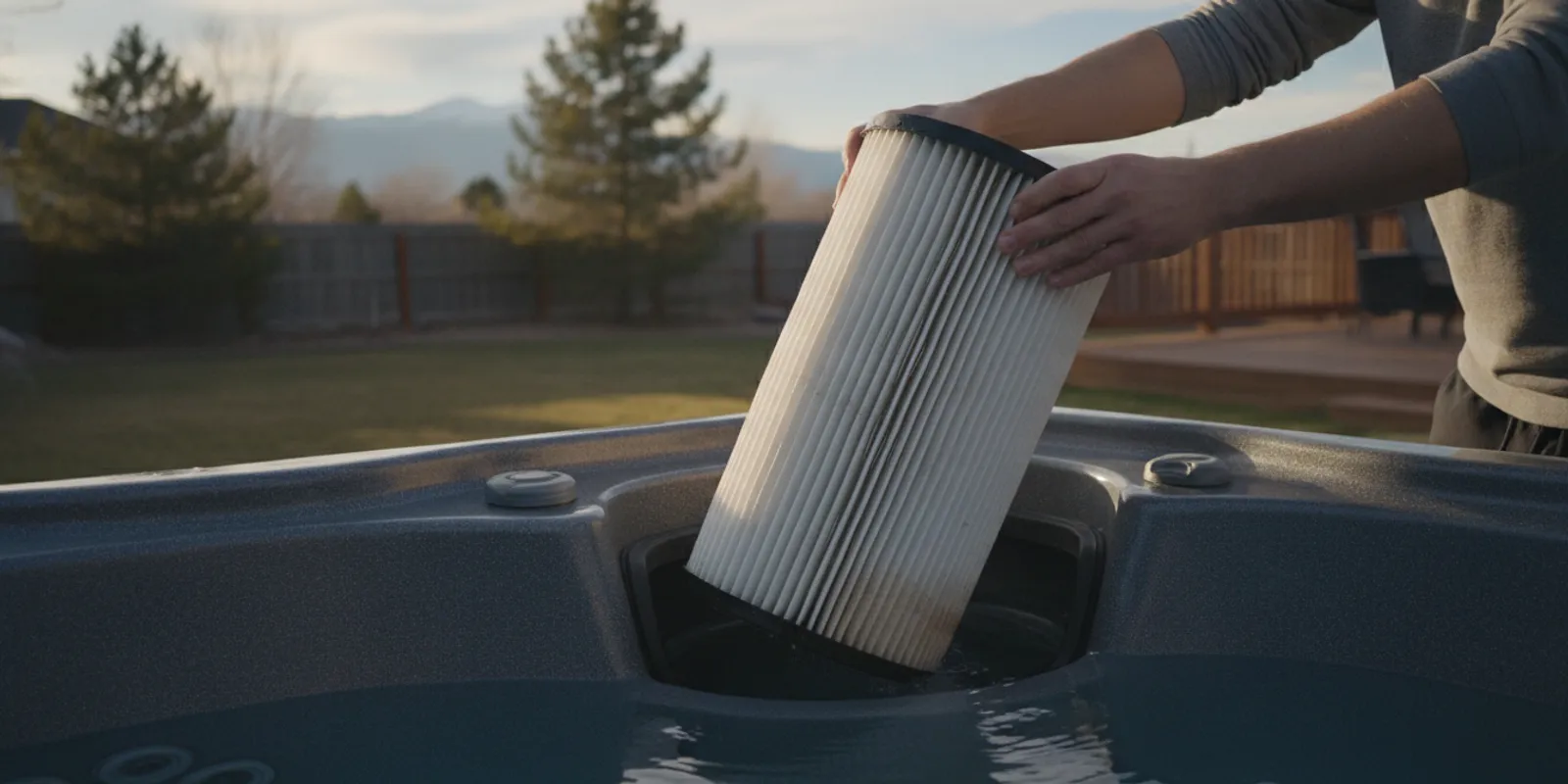
Your pool heater needs strong, steady water flow to operate safely and effectively. If your pool filter is dirty or clogged, it can restrict that flow and cause the heater to shut down as a safety measure. Check your filter’s pressure gauge; if the pressure is significantly higher than its normal "clean" reading, it’s time for a cleaning. For cartridge filters, this means removing and hosing down the cartridges. For sand or D.E. filters, you’ll need to run a backwash cycle. Regular cleaning and maintenance is key to preventing this issue in the first place.
Clear Debris From Around the Heater
Your pool heater needs room to breathe. Heaters require proper airflow to prevent overheating and ensure they run efficiently. Take a walk around your equipment pad and clear away any leaves, grass clippings, weeds, or stored items crowded around the heater unit. This is especially important for gas heaters, which have vents that must remain unobstructed for safe combustion. While you're there, do a quick visual check for any wet spots or drips on the ground, as this could be a sign of a leak that needs attention.
Double-Check the Thermostat
This might sound obvious, but you’d be surprised how often the solution is right at your fingertips. Go to your heater’s control panel or your automation system and double-check the thermostat settings. First, make sure the heater is actually set to "Heat" or "Pool" mode, not "Standby" or "Spa." Next, confirm that the set temperature is higher than your pool’s current water temperature. If the set temperature is lower than the water temperature, the heater has no reason to turn on. Settings can get changed accidentally, so it’s always worth a quick look.
Relight the Pilot Light (For Gas Heaters)
If you have a gas heater, a common culprit for a no-heat situation is an extinguished pilot light. Strong winds or interruptions in the gas supply can sometimes put it out. Most heaters have instructions for relighting the pilot printed directly on a label inside the access panel. Typically, you’ll need to turn the gas valve to the "Pilot" position, press and hold a button to start the gas flow, and use the igniter. After the pilot is lit, you must continue to hold the button for 30 to 60 seconds to heat the thermocouple before releasing. If you smell gas and the pilot won't light, stop immediately and call for professional help.
Gently Tighten Loose Connections
The plumbing connected to your heater can sometimes vibrate loose over time, creating small air or water leaks that affect performance. Take a look at the pipe unions on the inlet and outlet of your heater. If you see any drips or notice a connection looks crooked, you can often fix it by hand. Try to gently tighten the large plastic nuts on the unions. Be careful not to overtighten them, as this can crack the plastic. A snug, hand-tight fit is usually all that’s needed to secure the connection and stop minor leaks.
When to Call a Professional for Heater Repair
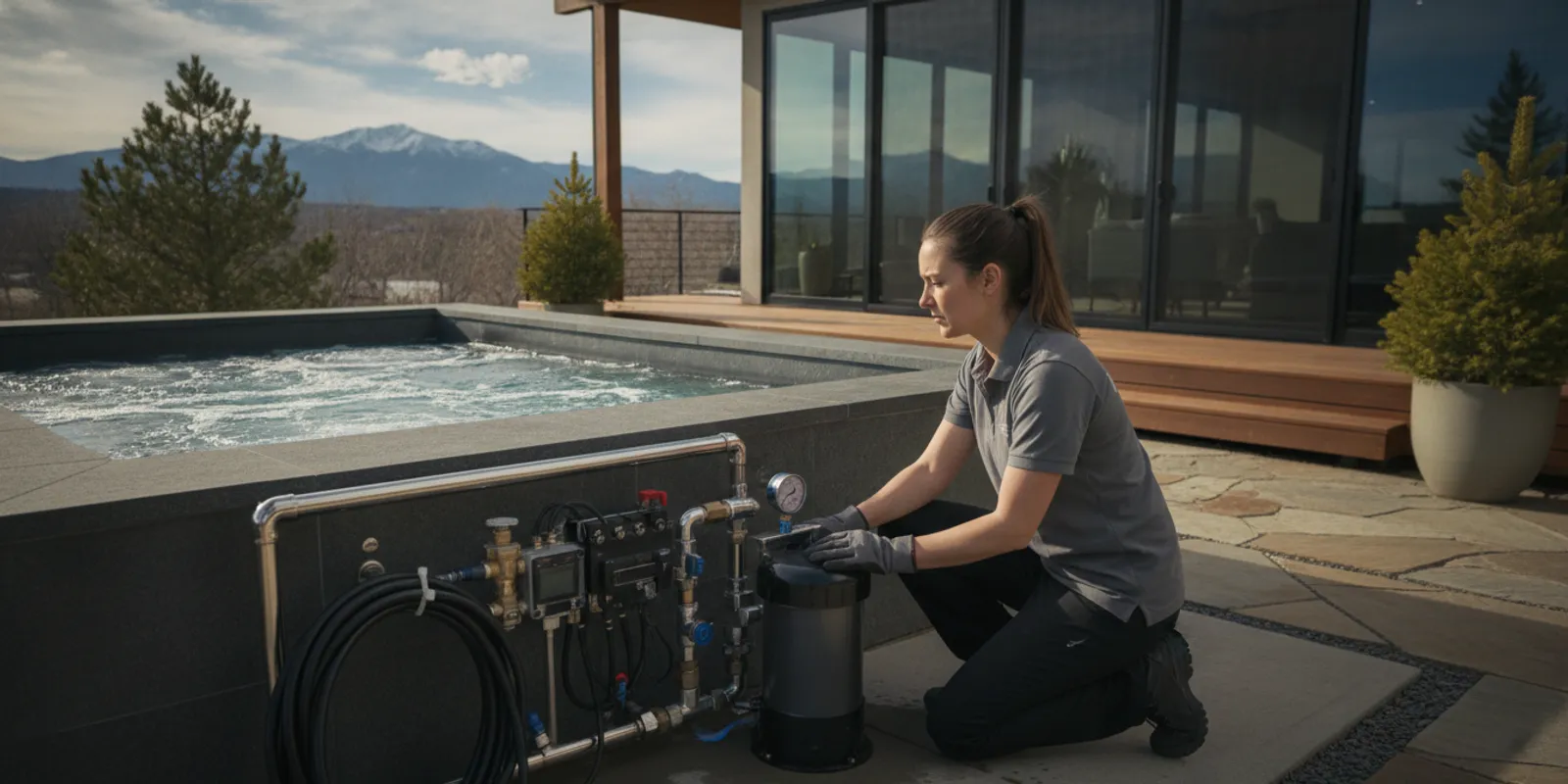
While I'm a big fan of a good DIY project, some things are best left to the experts, especially when safety is on the line. Your pool heater combines gas, water, and high-voltage electricity, a trio that demands respect and expertise. Trying to fix complex internal issues without the right training can lead to bigger, more expensive problems or, even worse, create a serious safety hazard for your family. Knowing your limits is the smartest move you can make as a pool owner. If you've tried the basic troubleshooting steps and are still stumped, or if you encounter any of the serious red flags below, it's time to put down the tools and pick up the phone. A certified technician can quickly and safely diagnose the problem, ensuring your heater is repaired correctly. At Neptune Pools, our team specializes in equipment repairs & servicing, and we have the tools and experience to handle any issue your heater throws our way.
You Smell Gas (A Major Red Flag)
This is the most important warning in this entire guide. If you smell gas, which often smells like rotten eggs, near your pool heater, stop what you're doing immediately. Do not try to find the source of the leak yourself or turn any electrical devices on or off nearby. Your first and only step should be to turn off the gas supply to the heater at its main valve. Once the gas is off, step away from the area and call a professional right away. A gas leak is an emergency and poses a significant risk of fire or explosion. It’s not something to troubleshoot on your own. Let a certified technician handle this one, no exceptions.
You're Dealing with Electrical Issues
Water and electricity are a dangerous combination, and your pool heater is ground zero for this pairing. If you suspect any electrical problems, like frayed wires, a malfunctioning control panel, or repeated breaker trips that aren't solved by a simple reset, it's time to call for help. Gas heaters also have complex ignition systems and internal wiring that should only be handled by a trained professional. Attempting to fix these components yourself can result in electric shock or permanent damage to the heater. Our certified technicians are trained to safely manage these high-voltage systems and get your heater running without putting you or your property at risk.
You Notice Signs of Internal Corrosion
A little rust on the outside of your heater might not be a big deal, but if you see signs of corrosion, rust, or significant mineral buildup on internal components, it points to a deeper problem. This is often caused by improper water chemistry or an internal leak that has gone unnoticed. While you might be tempted to just scrape the rust off, you aren't addressing the root cause. A professional can identify why the corrosion is happening, whether it's a chemical imbalance or a failing part, and perform the necessary equipment repairs to prevent it from coming back and causing even more damage.
Your DIY Fixes Aren't Working
You’ve cleaned the filter, checked the thermostat, and reset the breaker, but your pool is still cold. It’s frustrating, but sometimes the problem is hidden deeper within the system. Instead of spending another weekend trying to diagnose the issue, this is the perfect time to call in a professional. We have specialized diagnostic tools that can pinpoint hidden plumbing clogs, sensor failures, or internal mechanical issues that aren't visible to the naked eye. You’ve done your part by ruling out the simple stuff; now let an expert take it from here to get the job done quickly and correctly.
How to Prevent Future Heater Problems
The best way to deal with a pool heater problem is to prevent it from happening in the first place. A little proactive care goes a long way in extending the life of your heater and saving you from the stress and expense of unexpected repairs. By building a few simple habits into your pool care routine, you can keep your heater running smoothly and ensure your pool is always ready for a warm, comfortable swim. Think of it as an investment in peace of mind and future fun.
Keep Your Filters Clean
Your pool’s filter is like the lungs of its circulation system, and your heater needs strong water flow to work correctly. When your filter gets clogged with dirt and debris, it restricts the flow of water. This forces the heater to work harder and can cause it to overheat or shut down completely. Make it a habit to check and clean your filters regularly. A clean filter not only protects your heater but also improves the overall health of your pool. If you'd rather not handle the grime, our cleaning and maintenance services can keep your system flowing perfectly.
Balance Your Water Chemistry
The chemical balance of your pool water does more than just keep it clear and sanitary; it also protects your equipment. Water that is too acidic or too alkaline can cause serious damage to your heater’s internal components. Improper chemistry can lead to corrosion, which eats away at metal parts, or scaling, which creates mineral buildup that clogs the system and reduces efficiency. Regularly testing your water and using the right supplies and chemicals to keep it balanced is one of the most effective ways to protect your heater from premature failure.
Perform Regular Visual Inspections
You don’t need to be a pool expert to spot the early signs of trouble. Get into the habit of giving your pool heater a quick visual inspection once a week. Look for any signs of water leaks, rust, or corrosion on the casing and connections. Check the area around the heater for debris like leaves or twigs that could block airflow and create a fire hazard. Catching a small leak or a bit of rust early can prevent a much larger, more expensive problem from developing down the road.
Properly Winterize Your Heater for Colorado's Climate
Here in Colorado, winterizing your pool equipment isn't just a suggestion, it's a necessity. If water is left inside your heater during a freeze, it can expand and cause catastrophic damage, cracking pipes and internal components. Proper winterization involves completely draining all water from the heater and its lines, then protecting it with a weatherproof cover. This single step is crucial for preventing freeze damage and ensuring your heater is ready to go when spring arrives. Protecting your investment from our harsh winters is a key part of our equipment servicing.
Schedule an Annual Professional Tune-Up
Just like your car, your pool heater benefits from an annual check-up. A professional technician can perform a thorough inspection and tune-up, addressing things you might not see. They can clean hard-to-reach components, test safety controls, check electrical connections, and identify worn parts before they fail. Scheduling an annual tune-up is the most reliable way to prevent most heater failures, improve efficiency, and ensure your equipment is operating safely. This simple service call can save you from a major headache when you just want to enjoy your pool.
Need Pool Heater Help in the Denver Area?
If you’ve worked through the troubleshooting tips and your pool heater is still on the fritz, it’s time to hand the job over to a professional. While DIY fixes are great for simple issues, pool heaters are complex pieces of equipment. What seems like a minor annoyance could be a sign of a more significant problem that requires an expert eye. Taking on complicated repairs yourself can sometimes lead to more damage or even create safety hazards.
Especially with gas heaters, issues like a pilot light that won't stay lit or any unusual smells are serious red flags. For your safety and peace of mind, it's always best to contact a qualified technician for anything involving gas or electrical components. A professional can use specialized tools to accurately diagnose the root cause, whether it's a hidden leak, an internal electrical fault, or a plumbing issue affecting performance.
Here in the Denver area, our team at Neptune Pools is ready to help. We understand the specific demands that Colorado's climate places on pool equipment. Our certified technicians have the experience to handle all makes and models of pool heaters, providing reliable and transparent equipment repairs and servicing. We don’t just put a band-aid on the problem; we find a lasting solution to get your pool warm and inviting again. Don’t let a faulty heater cut your swim season short. Reach out to us, and we’ll take care of it.
Ready for a cleaner pool?
Denver's trusted pool care professionals since 1982. Get started today.
Schedule ServiceFrequently Asked Questions
What's the first thing I should check if my heater stops working? Before you worry, always start with the simplest things. First, check your home's circuit breaker panel to make sure the breaker for your pool equipment hasn't tripped. Next, look at your heater's thermostat or control panel to confirm it's turned on and set to a temperature higher than the current water temperature. These two steps solve a surprising number of heater issues and only take a minute to check.
How can I tell if a problem is a simple fix or something serious? Generally, issues related to power, settings, or basic water flow (like a dirty filter) are things you can safely check yourself. The serious red flags that demand a professional are any smell of gas, visible water leaks around the unit, loud grinding or banging noises, or recurring electrical problems. If you encounter any of these, or if your simple DIY fixes don't solve the problem, it's time to call for expert help.
My heater is running, but the water isn't getting warm. What's the most likely cause? This is a classic efficiency problem, and the most common culprit is poor water flow. Your heater needs a strong, steady stream of water to transfer heat effectively. Check your filter pressure gauge; if it's high, your filter is likely clogged and needs to be cleaned or backwashed. A clogged pump or skimmer basket can also restrict flow, so make sure those are clear of debris as well.
How important is balancing my pool water for my heater's health? It's incredibly important. Improper water chemistry is a silent killer of pool heaters. Water that is too acidic will corrode the metal components inside your heater, while water that is too alkaline will cause mineral buildup (scaling) that clogs the system and forces it to work much harder. Consistently balanced water is one of the best preventative measures you can take to protect your investment and avoid premature failure.
Is an annual heater tune-up really necessary? Yes, I highly recommend it. Think of it like the annual service for your car. A professional tune-up allows a technician to clean internal components, test safety sensors, check for gas or water leaks, and spot worn-out parts before they fail completely. This single service call can dramatically extend the life of your heater, improve its efficiency, and prevent a surprise breakdown right when you want to use your pool the most.
Related Blogs