Hot Tub Maintenance: A Simple Step-by-Step Guide
Is your hot tub water looking a little cloudy? Are you noticing a funky smell or finding that your skin feels irritated after a soak? These are common frustrations for many owners, but they aren't problems you have to live with. More often than not, these issues are simply signs that your hot tub maintenance routine needs a small adjustment. Getting your water chemistry right and keeping your filters clean is the foundation of a perfect spa experience. This guide will show you how to troubleshoot these common issues and create a simple plan to prevent them from ever coming back.
Ready for a cleaner pool?
Denver's trusted pool care professionals since 1982. Get started today.
Schedule ServiceKey Takeaways
- Create a simple routine and stick to it: The secret to effortless hot tub care is consistency. A simple weekly schedule for testing water and rinsing filters prevents most common issues, like cloudy water, and keeps maintenance from feeling overwhelming.
- Balance water chemistry in the right order: To get clear and comfortable water, always follow the correct sequence. Test your water first, then adjust alkalinity, then pH, and finally add your sanitizer to ensure it works as effectively as possible.
- Protect your equipment to save money: Use only spa-specific cleaners on your shell and filters to avoid damage. Address small issues like strange noises or leaks immediately, as calling a professional for complex problems prevents minor issues from becoming expensive repairs.
Hot Tub Care: Is It Really That Complicated?
So, you’ve finally got your hot tub. You’re picturing relaxing evenings, soaking away the stress of the day. But then a little voice creeps in, whispering about water chemistry, filters, and complicated maintenance schedules. It’s a common worry, and many new owners feel a bit intimidated at first. The good news? Hot tub care isn't nearly as complicated as it seems. It’s less about being a chemist and more about creating a simple, consistent routine.
Think of it like caring for a houseplant. You don't need a botany degree, you just need to know when to water it and give it some sun. Similarly, your hot tub just needs a few minutes of attention each week to stay clean, safe, and ready for you to enjoy. A little bit of regular upkeep goes a long way in preventing bigger issues and costly repairs down the road. This guide will walk you through everything you need to know, step by step. And remember, if you ever feel overwhelmed or just want to hand the work over to someone else, professional spa services are always an option to keep your tub in perfect condition without you lifting a finger.
Common Myths for New Owners
The biggest myth about hot tubs is that maintaining them is a huge, time-consuming hassle. You might imagine spending your weekends wrestling with test strips and confusing chemicals instead of actually relaxing. The reality is much simpler. With a consistent schedule, basic water care can take just a few minutes a week. It’s not about mastering complex science; it’s about following a simple checklist. Once you get the hang of it, the routine becomes second nature, ensuring your hot tub is always a source of relaxation, not stress.
Why a Good Routine Matters from Day One
Starting a maintenance routine from day one is the single best thing you can do for your hot tub and your peace of mind. Neglecting it, even for a short time, can lead to cloudy water, algae growth, and skin irritation. Over time, these small problems can turn into costly damage to your hot tub’s equipment. A poorly maintained hot tub isn't just unpleasant to look at; it can also pose health risks. Establishing a simple routine with the right supplies & chemicals ensures your water is always clean, clear, and safe for everyone to enjoy.
Your Essential Hot Tub Maintenance Checklist
Keeping your hot tub clean and ready for a soak doesn’t have to be a huge chore. The secret is breaking it down into a simple, repeatable routine. When you know what to do and when, you can stay ahead of issues like cloudy water or grime buildup. Think of it as a little bit of care now to prevent bigger headaches later. By creating a schedule with daily, weekly, monthly, and quarterly tasks, you’ll keep your spa in perfect condition without feeling overwhelmed.
This checklist covers all the basics you need to maintain crystal-clear, safe water. Following these steps will not only make your hot tub more inviting but also help protect your investment by keeping the equipment running smoothly. And if you ever feel like your schedule is too packed or you’d rather just relax, remember that professional spa services can handle the entire routine for you. Let’s walk through the simple tasks that will make you a confident hot tub owner.
Daily Checks
This part of your routine takes less than a minute. Before you head out for the day or right when you get home, just take a quick peek at your hot tub. The main goal is to inspect the cover. Make sure it’s securely in place and latched. This keeps leaves, dirt, and critters out while also trapping heat, which saves you money on energy bills. Give it a quick scan for any tears or damage that could let heat escape or allow debris to get in. A well-maintained cover is your first line of defense in keeping the spa clean and efficient.
Weekly Tasks
Once a week, set aside about 20 minutes for a few key tasks. This is the most important part of your routine for maintaining safe and comfortable water. Start by testing the water with a good test kit. You’ll want to check and balance the sanitizer (chlorine or bromine), pH, and alkalinity levels. You can find all the right supplies and chemicals to make adjustments. After that, wipe down the shell above the waterline to prevent scum buildup. Finally, pull out your filter cartridge and give it a strong rinse with a hose to clear out any trapped debris.
Monthly To-Dos
Once a month, it’s time to give your filter a little extra attention. Instead of just rinsing it with water, use a filter cleaning chemical. This deeper clean breaks down oils, lotions, and other gunk that a simple water rinse can’t remove, helping your filter work more effectively and last longer. This is also a great time to bring a water sample to a local professional for testing. They can run a more detailed analysis to catch any subtle imbalances you might have missed and give you precise recommendations to keep your water perfect.
Quarterly Deep Clean
Every three to four months, you’ll need to hit the reset button by draining and refilling your hot tub. Over time, the water accumulates dissolved solids that make your chemicals less effective and can lead to cloudy, dull water. Draining it gives you a fresh start. While the tub is empty, give the shell a thorough cleaning with a non-abrasive cleaner made for spas. This is the perfect opportunity to scrub away any stubborn buildup and get your hot tub looking brand new. Once it’s clean, you can refill it with fresh water and balance the chemistry from scratch.
A Beginner's Guide to Water Chemistry
Think of water chemistry as the invisible foundation of a great hot tub experience. It might sound like a high school science class, but it’s really just a simple balancing act to keep your water clean, safe, and comfortable. Getting a handle on a few key elements will prevent cloudy water, skin irritation, and damage to your spa’s equipment. Once you learn the basics, it becomes a quick and easy part of your routine. If you ever feel overwhelmed, remember that professional spa services can always get your water back on track.
What to Test and How Often
Consistency is your best friend when it comes to water care. To stay ahead of any issues, you should test your hot tub water two to four times per week, especially if you're using it frequently. This regular check-in allows you to make small adjustments before they turn into bigger problems like algae growth or funky smells. You can find easy-to-use test strips or digital readers in our supplies and chemicals shop. The whole process only takes a few minutes, and it’s the most important thing you can do to keep the water balanced and ready for a soak.
Your Target Water Chemistry Levels
When you test your water, you’re checking a few key measurements. Your goal is to keep them within their ideal ranges for a safe and comfortable soak. Don't worry, you don't have to memorize them right away; your test kit will have these ranges printed on it for easy reference.
According to spa care experts, here are the beginner's guide to hot tub care target levels:
- pH: 7.4–7.6
- Total Alkalinity: 80–120 ppm (parts per million)
- Sanitizer: 1.0–3.0 ppm for Chlorine, or 2.0–4.0 ppm for Bromine
- Calcium Hardness: 150–250 ppm
Keeping your water within these ranges ensures your sanitizer works effectively and protects your hot tub's components from corrosion or scale buildup.
Chlorine vs. Bromine: Choosing a Sanitizer
Sanitizers are what kill bacteria and other unwanted germs in your water. The two most common choices for hot tubs are chlorine and bromine. Chlorine is a fast-acting and effective sanitizer that works very well to keep water clean. However, some people find it can have a strong smell.
Bromine is another great option that is often considered gentler on the skin and eyes. It also remains stable at the higher temperatures found in hot tubs, making it a popular choice. There’s no single "best" answer; it often comes down to personal preference and how your skin reacts. You can always try one and switch to the other if it’s not the right fit for you.
What Is a "Shock Treatment" and Why You Need It
A "shock treatment" sounds intense, but it's just a periodic dose of oxidizer that gives your water a deep clean. Over time, sanitizers combine with contaminants like sweat, oils, and lotions, becoming less effective. Shocking the water breaks down these combined particles, which helps eliminate odors and restores water clarity.
Think of it as hitting the reset button for your sanitizer. Regularly shocking your hot tub, typically once a week, ensures your chlorine or bromine can work as efficiently as possible. These strong doses of cleaner are essential for keeping the water fresh and inviting.
Balancing pH, Alkalinity, and Water Clarity
The pH level measures how acidic or basic your water is, and it’s one of the most important things to balance. If the pH is too low (acidic), it can irritate your skin and corrode your hot tub’s heater and jets. If it’s too high (basic), your sanitizer becomes less effective, leaving the door open for bacteria. The sweet spot is a pH between 7.4 and 7.6.
Total alkalinity acts as a buffer for your pH, helping to prevent wild swings. You should always adjust your alkalinity first, as stable alkalinity makes it much easier to balance your pH. Getting these two levels right is the secret to crystal-clear water and a comfortable soak.
How to Balance Your Water: A Step-by-Step Guide
The term "water chemistry" can feel a little intimidating, but balancing your hot tub is much simpler than it sounds. Think of it as following a recipe. Once you learn the basic steps, it becomes a quick and easy part of your routine. Following this sequence ensures each chemical can do its job effectively, giving you crystal-clear, comfortable water every time you soak.
Step 1: Test Your Water First
Before adding any chemicals, you need to know your starting point. You wouldn't season a dish without tasting it first, and the same principle applies here. Test your water two to four times a week, especially if you're using it frequently. Use either test strips or a liquid test kit to get a clear reading of your current pH, alkalinity, and sanitizer levels. This initial step is the most important habit for any hot tub owner. It prevents you from adding the wrong products or amounts, which can throw your chemistry further out of balance. You can find reliable testing kits to get an accurate reading every time.
Step 2: Adjust pH and Alkalinity
With your test results in hand, you can start making adjustments. Always address the total alkalinity first, as it acts as a buffer that helps stabilize your pH. Your target for alkalinity is between 80 and 120 parts per million (ppm). Once your alkalinity is in range, turn your attention to the pH, aiming for a level between 7.4 and 7.6. Keeping these levels balanced is essential for bather comfort, preventing skin and eye irritation. It also protects your spa's heater, jets, and shell from corrosion and scaling. Using the right spa chemicals from the start makes these small adjustments quick and easy.
Step 3: Add Your Sanitizer
After your pH and alkalinity are balanced, your sanitizer can work at its best. The sanitizer, usually chlorine or bromine, is responsible for killing bacteria and keeping your water clean and safe. When the water is balanced, the sanitizer is much more effective, so you won't have to use as much. Aim for a chlorine level of 1.0–3.0 ppm or a bromine level of 2.0–4.0 ppm. Always read the product label to determine the correct dosage for your spa's size. If you ever feel unsure about handling chemicals or getting the levels just right, our professional spa services are always here to help.
Step 4: Keep a Simple Log
This final step is a simple habit that will save you a lot of time and frustration. Keep a small notebook or a note on your phone near your spa supplies to track your water tests and chemical additions. Jot down the date, the test results, and what you added to the water. Over time, this log will help you see patterns and understand how bather load and usage affect your water chemistry. It takes the guesswork out of maintenance and makes troubleshooting any issues much easier. For a completely hands-off approach, you can always rely on our expert cleaning and maintenance team to handle it for you.
Keeping Your Hot Tub Filters Clean
Think of your hot tub filters as the hardest-working part of your spa. They tirelessly catch everything you don't want floating around: dirt, oils, lotions, and other debris. When they get clogged, your water can turn cloudy, your jets might lose pressure, and your pump has to work overtime. Keeping them clean is one of the most effective things you can do to ensure clear, safe water and a healthy hot tub. It’s a simple routine that pays off big time, preventing bigger headaches down the road. Here’s how to get it done.
Your Weekly Filter Rinse
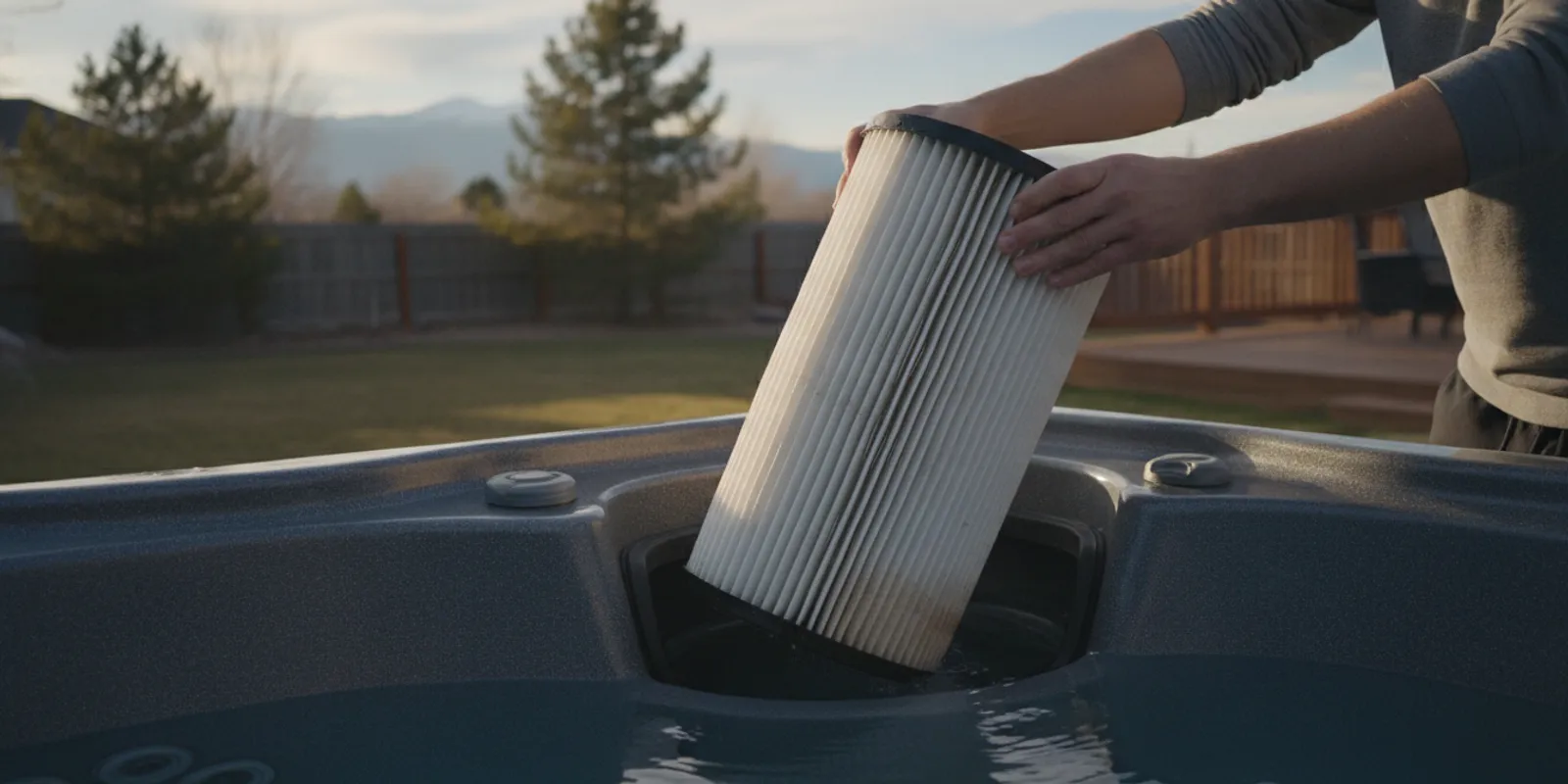
This is your quickest and most frequent filter task. About every week or two, depending on how often you use your spa, you’ll want to give the filter a good rinse. Simply turn off the power to your hot tub, remove the filter cartridge, and use a garden hose to spray it down. Work from top to bottom, making sure to get between the pleats to dislodge any trapped debris. Avoid using a high-pressure nozzle, as it can damage the filter material. This simple rinse prevents buildup and keeps your water circulating smoothly.
The Monthly Deep Clean
Once a month, your filters need a little more than just a rinse. Body oils, lotions, and sunscreens can create a grimy film that a simple spray of water won't remove. For this, you’ll need a chemical filter cleaner. After rinsing the loose debris off your filter, soak it in the cleaning solution according to the product's directions, usually for a few hours or overnight. Afterwards, give it another thorough rinse to wash away all the cleaner and loosened grime. We can help you find the right supplies and chemicals to get the job done right.
Know When to Replace Your Filters
Even with perfect cleaning habits, your hot tub filters won't last forever. Over time, the fibers in the filter material break down and become less effective at trapping particles. As a general rule, you should plan to replace your filters about once a year. If you notice the material looks frayed, the pleats are collapsing, or your water just isn't staying as clear as it used to despite regular cleaning, it's probably time for a new one. If you're ever unsure or need help finding the right replacement, our spa services team is always here to help you keep your system running perfectly.
How to Drain and Refill Your Hot Tub
Even with perfect water chemistry, your hot tub water eventually gets saturated with dissolved solids and chemicals, making it harder to keep balanced. Draining and refilling your spa every few months is the ultimate reset, giving you fresh, clean water that’s easy to manage. Think of it as a deep clean for your entire system. While it might sound like a big job, it’s a straightforward process that makes a huge difference in your soaking experience. If you'd rather leave it to the experts, our professional spa services can handle the entire process for you.
How Often Should You Drain It?
A good rule of thumb is to drain and refill your hot tub every three to four months. This schedule works well for most owners and keeps the water feeling fresh. However, this isn't a one-size-fits-all rule. If you use your hot tub frequently or often have guests over, you might find that draining it more often, perhaps every two months, is better. On the other hand, if your usage is light and you are diligent about your weekly maintenance, you might be able to stretch it to six months. Pay attention to your water; if it looks cloudy or smells off despite your best efforts, it’s time for a change.
The Draining Process, Step by Step
First things first, turn off the power to your hot tub at the breaker. Safety is always the top priority. Next, locate the drain spigot on the outside of your spa, usually near the bottom. Attach a standard garden hose and run the other end to a spot in your yard where the water can drain away safely. Open the valve, and gravity will do the rest. While it drains, you can use a wet-dry vacuum to get the last bits of water out of the seats and footwell. This is also a great time to inspect the shell and jets for any signs of wear or damage that might need attention from an equipment repair specialist.
Clean the Shell Before You Refill
With the tub empty, it’s the perfect opportunity to give the shell a good cleaning. It’s very important to use a cleaner specifically designed for acrylic spa shells. Please do not use household cleaners, soaps, or glass cleaners. These products can leave behind residues that will cause foam and make balancing your new water a nightmare. You can find the right products in our supplies and chemicals selection. Use a soft cloth or sponge to wipe down the entire shell, paying special attention to the waterline, jets, and headrests where grime can build up. Once you’re done, give it a quick rinse to wash away any remaining cleaner.
Refill and Rebalance Your Water
Now for the fun part: fresh, clean water. To prevent an "air lock" in your plumbing, place the end of your garden hose inside the filter compartment as you fill the tub. Once it’s filled to the recommended level (usually just above the highest jet), you can turn the power back on. Let the water circulate for about 15-20 minutes, then test your water chemistry. The fresh water will need to be balanced, so start by adjusting the alkalinity, then the pH. Once those are in range, you can add your sanitizer. This final step ensures your hot tub is perfectly balanced and ready for you to enjoy.
Caring for Your Hot Tub's Cover and Shell
While keeping your water balanced is a top priority, don't forget about the physical parts of the tub itself. Your hot tub's shell and cover are your first line of defense against the elements, and they play a huge role in your spa's efficiency and longevity. A little bit of care goes a long way in protecting your investment and keeping your hot tub looking great. Think of it like washing your car; it not only looks better, but it also protects the finish from damage over time. Giving your cover and shell some regular attention prevents bigger issues, like cracks, discoloration, or heat loss, which can be costly to fix. Luckily, these tasks are simple and you can easily add them to your maintenance routine.
How to Clean the Shell
Every time you drain your hot tub, take the opportunity to give the shell a good cleaning. This helps remove any buildup or residue that can accumulate along the waterline. The most important thing to remember is to avoid using household cleaners, soaps, or detergents. These products can leave behind phosphates and other chemicals that will throw your water chemistry completely out of balance when you refill the tub. Instead, use a cleaner specifically designed for acrylic spa shells. You can find the right supplies and chemicals to get the job done safely. Just apply the cleaner with a soft cloth, wipe the surfaces down, and rinse thoroughly before you start refilling.
Protect Your Hot Tub Cover
Your hot tub cover does more than just keep leaves out. It traps heat, which saves you money on energy bills, and protects the shell from sun damage. To keep it in good shape, remove the cover completely at least twice a week for a few hours. This allows built-up moisture to evaporate and prevents the material from becoming waterlogged and heavy. You should also clean the vinyl regularly with a specialized cover cleaner to remove dirt, pollen, and oils. A well-maintained cover lasts longer and works more effectively. If you notice your cover is getting heavy, sagging, or has broken seams, it might be time for a replacement to ensure your spa stays efficient and protected.
Maintain the Right Water Level
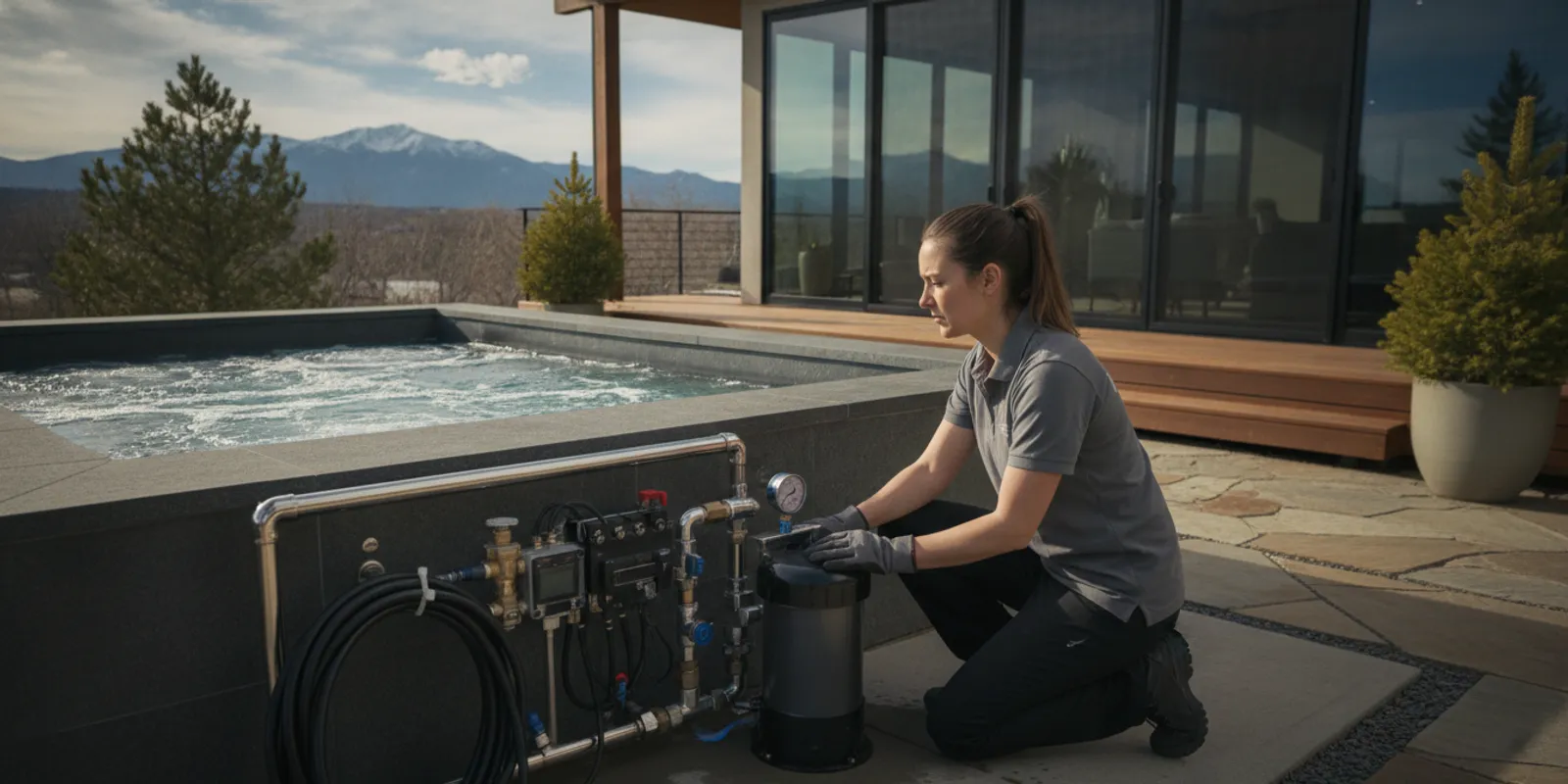
Keeping an eye on your hot tub's water level is a small task that prevents a major headache. Always make sure the water is high enough to cover the middle of the skimmer opening. If the water level drops too low, the pump can start sucking in air instead of water. This can cause the pump to overheat and burn out, leading to an expensive and avoidable repair. Splashing, evaporation, and people getting in and out of the tub can all cause the water level to drop. Just make it a habit to check it before each use and top it off with your hose as needed. If you find your pump is making strange noises, it could be a sign of a problem, and it's best to call for professional equipment repairs and servicing.
Common Hot Tub Care Mistakes to Avoid
We all make mistakes, especially when learning something new. The good news is that when it comes to your hot tub, avoiding a few common slip-ups can save you a lot of time, money, and frustration. Think of your hot tub as a small ecosystem; what you do (or don't do) has a ripple effect. Keeping things simple and consistent is the key to clear, comfortable water.
Getting your routine right from the start prevents small issues from turning into major headaches. From adding too many chemicals in a panic to letting your filter get grimy, these missteps are easy to make but just as easy to avoid. Let’s walk through some of the most frequent mistakes new hot tub owners make, so you can sidestep them and spend more time relaxing and less time troubleshooting.
Adding Too Many Chemicals at Once
When your water test shows things are out of whack, it’s tempting to dump in a bunch of chemicals to fix it fast. This almost always makes things worse. Adding too much sanitizer, pH adjuster, or alkalinity increaser all at once can throw your water chemistry into a tailspin, creating a cloudy, irritating mess that’s even harder to correct. The key is to test your water first, then make small, gradual adjustments. Add one chemical, let the water circulate for at least 20-30 minutes, and then test again before adding anything else. If you're ever unsure, our team can help you find the right supplies and chemicals and show you exactly how to use them.
Forgetting to Clean the Filter
Your hot tub filter is the unsung hero of your spa. It works tirelessly to trap dirt, oils, and other gunk, keeping your water clean and clear. When it gets clogged, it can’t do its job effectively. A dirty filter forces your pump to work much harder, which can strain the motor, drive up your energy bill, and lead to costly breakdowns. To avoid this, give your filter a quick rinse with a hose every week. Once a month, soak it in a filter cleaning solution for a deep clean. This simple habit is one of the most effective things you can do to protect your equipment and keep your water sparkling. If you notice your pump is making strange noises, it might be time for professional equipment repairs.
Using Household Cleaners
It might seem harmless to grab a bottle of all-purpose spray or dish soap to wipe down your hot tub shell, but please don't. Household cleaners are not designed for hot tubs and can cause serious problems. They leave behind residues and soaps that create foam, cloud the water, and throw your water chemistry completely off balance. Some can even damage the acrylic surface of your spa shell over time. Always use products specifically formulated for cleaning hot tubs. They are designed to work safely without disrupting your water or harming your spa’s components.
Ignoring Small Problems
That little drip you noticed, the jet that isn’t working quite right, or the water that just won’t stay clear no matter what you do. It’s easy to put these small issues on the back burner, but they rarely fix themselves. Ignoring them often allows them to grow into much bigger, more expensive problems. A tiny leak can lead to significant water damage, and a struggling jet could be a sign of a bigger plumbing or pump issue. A well-maintained hot tub is a joy, but a neglected one can become unpleasant and even a health hazard. If you spot something amiss, it’s always best to address it right away. Our expert spa services can diagnose and fix these small problems before they escalate.
Simple Tips for Easier Hot Tub Maintenance
Hot tub care doesn't have to feel like a chore. In fact, once you get into a rhythm, it can be a quick and simple part of your weekly routine. The key is to work smarter, not harder. By setting yourself up for success with the right tools and a clear plan, you can spend less time on upkeep and more time enjoying a warm, relaxing soak. These simple habits will make maintenance feel almost effortless, ensuring your hot tub is always clean, safe, and ready for you to enjoy.
Get a Good Water Testing Kit
Guessing your water chemistry is a recipe for frustration. To keep your water balanced and comfortable, you need to know exactly what’s going on inside your tub. While basic test strips are better than nothing, investing in a quality liquid or digital test kit will give you much more accurate results. Test your water one to three times a week using reliable testing tools to make sure your sanitizer, pH, and alkalinity levels are where they should be. Consistent testing helps you catch small imbalances before they become big problems, saving you from cloudy water or skin irritation. If you need help finding the right kit, we can recommend professional-grade supplies and chemicals for your specific hot tub.
Organize Your Supplies
There’s nothing worse than being ready to treat your water only to find you can’t locate the right chemical or your test kit. Create a dedicated, dry space for all your hot tub supplies. A simple storage bin or cabinet near the hot tub works perfectly. Keep your chemicals, test kit, filter cleaning tools, and a clean cloth all in one place. It’s also a great idea to store your hot tub’s manual and any warranty information with your supplies. Having this information on hand makes it much easier to get parts and service when you need them. An organized system removes the guesswork and makes your maintenance tasks quick and efficient.
Create a Simple Schedule
Consistency is the secret to a flawless hot tub. Instead of waiting for a problem to appear, stay ahead of it with a predictable maintenance schedule. Creating an easy-to-follow routine for your hot tub will help keep its water clean and clear. You can use a calendar app on your phone, a small whiteboard, or even a laminated checklist kept with your supplies. Schedule your daily, weekly, and monthly tasks so you never have to wonder what needs to be done. A simple schedule takes the mental load off of you and turns hot tub care into a simple habit. And if you’d rather leave the scheduling to an expert, our professional spa services can handle everything for you.
When to Call a Pro for Your Hot Tub
Even with a consistent routine, there will be times when your hot tub needs a little extra attention. While handling the basics yourself is rewarding, knowing when to step back and call for professional help is just as important. Some issues are too complex or risky to tackle without the right training and tools. Trying to fix a complicated problem on your own can sometimes lead to more expensive repairs down the road. Recognizing the signs that you're out of your depth will save you time, frustration, and ensure your hot tub remains a safe, relaxing retreat.
Signs It's Time for Expert Help
If your water stays cloudy despite your best efforts, you hear strange grinding or whining noises, or the control panel is flashing an error code you don’t recognize, it’s time to make a call. These are often symptoms of a deeper issue with the pump, heater, or electrical system. A poorly maintained hot tub can become costly to fix and may even pose a health hazard. Ignoring routine tasks like cleaning the filter or testing the water can lead to these significant issues. When you’ve tried all the basic troubleshooting steps and the problem persists, our expert spa services can diagnose and resolve the issue safely.
How Professional Service Saves You Time and Headaches
Calling a professional isn't just about fixing what's broken; it's about preventative care that saves you from future headaches. Regular professional maintenance helps prevent damage to your hot tub's internal and external parts, keeping them in good working order for years to come. Instead of spending your weekend trying to figure out a complex plumbing or electrical issue, you can leave it to a certified technician. If you're struggling with water chemistry or have a persistent equipment problem, our team has the expertise to get things running smoothly. Professional equipment repairs ensure the job is done right the first time, giving you peace of mind and more time to simply enjoy your spa.
Ready for a cleaner pool?
Denver's trusted pool care professionals since 1982. Get started today.
Schedule ServiceFrequently Asked Questions
How much time will I actually spend on maintenance each week? Honestly, once you get the hang of it, your weekly routine should take about 15 to 20 minutes. This includes testing the water, adding any necessary chemicals, and giving the filter a quick rinse. The daily check is even faster, taking less than a minute to just make sure the cover is secure. It’s a small amount of time that pays off by keeping your hot tub ready for you whenever you want to relax.
What should I do with my hot tub if I go on vacation? Before you leave, make sure your water is perfectly balanced and give it a fresh shock treatment. It's also a good idea to lower the temperature a bit to save energy. For trips longer than a week, the best way to ensure peace of mind is to have a professional service check on it for you. This prevents you from coming home to any unpleasant surprises and ensures your spa stays in great shape while you're away.
Why is my water still cloudy or foamy even after I've balanced it? This is a common frustration, and it usually points to one of a few things. Your filter might need a deep chemical clean, not just a rinse, to remove built-up oils and lotions. It could also be a sign that it’s time to shock the water to break down contaminants that make it look dull. If you do these things and the problem persists, it’s likely a sign that your water is saturated with dissolved solids and it's time to drain and refill the tub.
Can I just use my pool chemicals in my hot tub? Please don't. While they seem similar, pool and hot tub chemicals are formulated very differently. Hot tubs operate at much higher temperatures and have a much lower volume of water, so they require chemicals designed to work effectively in that specific environment. Using pool chemicals can be ineffective, throw your water balance into chaos, and even damage the surfaces and equipment of your spa. Always use chemicals specifically made for hot tubs.
Is it really that bad to skip draining and refilling my hot tub? Yes, this is a step you really don't want to skip. Over a few months, your water accumulates so many dissolved solids (like minerals, lotions, and old chemicals) that your sanitizer and balancing products stop working effectively. This is why your water might look dull or smell off, even if your test strips say things are okay. Draining and refilling is the only way to hit the reset button and get truly fresh, clean water that is easy to manage.
Related Blogs