How Much Does Hot Tub Repair Cost? A Real Breakdown
Here in Denver, our hot tubs face unique challenges, from hard water to the serious threat of freeze damage during our cold winters. These local factors play a big role in the answer to the question, "How much does hot tub repair cost?" A simple leak elsewhere might be a cracked pipe from a sudden freeze here, leading to a more complex and expensive job. This guide is written specifically for Colorado hot tub owners. We’ll explore common repair costs with our climate in mind, helping you understand what to expect when you call a local technician and how to protect your investment from our unpredictable weather.
Ready for a cleaner pool?
Denver's trusted pool care professionals since 1982. Get started today.
Schedule ServiceKey Takeaways
- Know When to Call a Pro: While you can handle simple tasks like cleaning filters, always leave electrical, pump, and heater issues to a certified technician. This prevents a small problem from turning into a dangerous and expensive mistake.
- Use the 50% Rule to Decide: If a repair costs more than half the price of a new hot tub, it’s usually smarter to invest in a replacement. This simple rule helps you avoid overspending on an aging spa that may have more issues later.
- Prevent Problems with Maintenance and Budgeting: The best way to avoid high repair bills is through proactive care. Perform regular visual checks, keep your water balanced, and set aside a small amount each month for a dedicated repair fund to handle any issues without stress.
How Much Does Hot Tub Repair Really Cost?
Let’s be honest, that moment you realize your hot tub isn’t working is frustrating. Your first thought is probably about relaxation going down the drain, but the second is almost always: "How much is this going to cost me?" The answer isn't one-size-fits-all. Much like a car, the final bill depends entirely on what’s broken. A simple fix you can handle yourself might only cost you the price of a part, while a major system failure requires a professional touch and a bigger budget.
The good news is that you don’t have to go into it blind. Understanding the typical costs for common issues can help you budget accordingly and make an informed decision. Whether it's a strange noise, a sudden leak, or a heater that’s gone cold, knowing the potential price range helps take the sting out of the surprise. We’ll walk through the numbers so you can get a clearer picture of what to expect when you need professional spa services for your Denver hot tub.
Typical Repair Cost Ranges
You can generally group hot tub repairs into a few financial buckets. For minor issues, like replacing a single jet or a small gasket, you might get away with spending less than $100 if you’re comfortable with a little DIY work and only need to buy the part. However, most problems that require a technician will naturally cost more.
Many common professional repairs land somewhere between $200 and $500. For example, finding and fixing a straightforward leak can often be done within this range. But costs can climb quickly depending on the problem's complexity. A hidden leak deep within the spa’s foam insulation could push the bill toward $1,000 due to the intensive labor involved. And here in Colorado, freeze damage is a serious concern. If water freezes and cracks the plumbing, repairs can easily reach $2,000 or more.
What a Standard Repair Bill Includes
When you get an invoice from a technician, you’re paying for more than just a new part. A standard repair bill typically includes a few key components. First, there’s usually a service call fee, which covers the technician's time and travel to diagnose the problem. Next is the cost of labor, which is often billed hourly. Finally, you have the cost of the replacement parts themselves.
For instance, a full pump replacement might cost around $500, which includes the diagnostic visit, the new pump, and the installation. If your heater stops working, a professional repair could be about $350 for a single-visit fix. Understanding this breakdown helps clarify why a professional equipment repair costs what it does; you're investing in expertise, efficiency, and high-quality parts to get your hot tub running perfectly again.
Common Repairs and What to Expect to Pay
When your hot tub starts acting up, one of the first questions you’ll have is, "How much is this going to cost me?" While every situation is different, most repairs fall into a few common categories. Understanding these typical issues and their price ranges can help you budget for the fix and know what to expect when you call a technician. From a simple leak to a full pump replacement, here’s a breakdown of the most frequent hot tub repairs and what you can anticipate paying to get your spa back in working order.
Fixing Leaks ($200–$1,000+)
A leak is one of the most common hot tub headaches, and the repair cost depends entirely on where it’s hiding. A simple, easy-to-access leak might only take an hour or two of labor, costing a few hundred dollars. However, if the leak is buried deep within the foam insulation or involves complex plumbing, the price can climb. In Colorado, freeze damage is a major culprit for severe leaks, which can lead to repairs costing $1,000 or more. Catching and fixing leaks early is the best way to prevent a small drip from turning into a major expense.
Repairing or Replacing the Pump ($350–$500)
The pump is the heart of your hot tub, circulating water through the heater and jets. If you hear strange noises like squealing or grinding, or if your jets feel weak, the pump could be the problem. A minor repair, like fixing a seal, might cost around $350. If the motor has failed completely, you’ll need a full replacement. A professional pump installation typically costs about $500, including the new pump and labor. While it’s a significant investment, a functioning pump is essential for a clean and enjoyable hot tub experience.
Servicing the Heater ($350–$750)
There’s nothing more disappointing than getting into a lukewarm hot tub. When your water won’t heat up, the heater is the likely suspect. Sometimes, the fix is as simple as resetting a tripped breaker or replacing a sensor, which can be a relatively low-cost service call. A more involved heater repair might run around $350. If the entire heating element needs to be replaced, the cost can go up to $750, especially for high-end titanium models. A technician can quickly diagnose the issue and determine if a repair or replacement is the most cost-effective solution.
Addressing Jet and Water Flow Issues
Weak or non-functioning jets can ruin a relaxing soak. Often, the problem is surprisingly simple: a dirty or clogged filter. Restricted water flow from a clogged filter can reduce jet pressure and even cause the system to shut down. Before calling for service, try cleaning or replacing your filter. If that doesn’t solve it, the issue could be an air lock in the plumbing or a problem with the pump. A professional can diagnose these more complex water flow issues and get your jets running powerfully again.
Solving Electrical and Control Panel Problems
Your hot tub’s control panel is its brain, but when it starts flashing error codes or becomes unresponsive, it can be confusing. While these codes provide clues, they often point to an underlying electrical issue that requires an expert. Problems can range from a faulty sensor to a fried circuit board. Given the combination of water and electricity, this is one area where you should never attempt a DIY fix. A certified technician can safely diagnose the problem and perform the necessary spa services to get your control panel working correctly.
Replacing Spa Lights (~$150)
A burnt-out spa light might not seem like a critical repair, but it affects both the ambiance and safety of your hot tub. Replacing an underwater light isn’t as simple as changing a household bulb, as it requires draining the water to a certain level and ensuring the new fixture is perfectly sealed. A professional can handle this quickly and correctly. You can expect to pay around $150 for a service call that includes the new light and the labor to install it, restoring the glow to your evening soaks.
Repairing Cover and Shell Damage
Your hot tub cover and shell are its first line of defense against the elements. A heavy, waterlogged cover loses its insulating properties, driving up your energy bills. Cracks or blisters on the spa’s acrylic shell can worsen over time and lead to leaks. Here in Denver, freeze damage is a serious threat that can cause visible cracks in the shell and plumbing. Minor shell repairs are possible, but extensive damage might require a more significant rehabilitation project. Regularly inspecting your cover and shell helps you catch problems before they become costly.
What Factors Change the Final Price?
When you get a repair quote, you might wonder what goes into that final number. It’s not just a random figure; several key factors determine the total cost of getting your hot tub back in working order. Just like with a car, the price can swing dramatically based on the specific problem, the model you own, and even where you live. Understanding these variables helps you see exactly what you’re paying for and why one repair might be a quick, affordable fix while another requires a more significant investment. From the complexity of the damage to the availability of a tiny, essential part, each element plays a role in the final bill. Let’s break down the main components that influence the price of professional spa services.
The Type and Severity of the Damage
The biggest factor in your repair bill is, unsurprisingly, what’s actually broken. A minor fix, like replacing a single worn-out jet, will be on the lower end of the cost spectrum. However, a more serious issue can lead to a much higher price. Think of it this way: a slow drip from an accessible pipe is a relatively simple repair. But if you have a major leak hidden deep within the foam insulation, the technician will need to spend hours just locating it before the repair can even begin. Similarly, fixing a small crack in the shell is one thing, but addressing widespread freeze damage that has compromised multiple pipes and components is a completely different and more expensive job.
Your Hot Tub's Age and Brand
The make, model, and age of your hot tub significantly impact repair costs. Parts for newer, popular brands are generally easy to find and affordably priced. On the other hand, older or less common models can present a real challenge. For example, some brands have proprietary control systems that were only used for a few years, making replacement parts nearly impossible to source. In these cases, the only solution might be to upgrade the entire system, which can be a costly project. Before you call for a repair, it’s helpful to have your hot tub’s brand, model, and approximate age handy. This information helps a technician determine potential parts availability and complexity upfront.
Cost and Availability of Parts
Beyond the brand and age, the specific part needed for the repair is a major cost driver. Common components like gaskets, O-rings, and standard pumps are typically in stock and reasonably priced. However, specialized parts like a circuit board or a unique heater assembly can be expensive. Availability also plays a huge role. If a part is back-ordered or discontinued, it can delay the repair and, in some cases, require a more expensive workaround. For instance, most leaks can be fixed for under $500, but if the leak is the result of severe freeze damage, the cost could climb to $2,000 or more because multiple parts and extensive labor are needed for the equipment repairs.
Local Labor Rates and Service Fees
Labor costs are the final piece of the puzzle, and they can vary quite a bit depending on your location. Most professional repair companies charge an hourly rate plus a service fee for the visit. Some shops might charge around $200 per hour for their expertise. This rate covers the technician's training, insurance, travel time, and diagnostic work. At Neptune Pools, we believe in transparent pricing, so you’ll always have a clear understanding of our service fees and labor rates before we start. A trustworthy technician will diagnose the problem efficiently and work skillfully, ensuring the job is done right the first time and saving you money on future call-backs.
Signs Your Hot Tub Needs a Professional
Sometimes your hot tub sends clear signals that it needs more than a quick DIY fix. Ignoring these signs can turn a small issue into a major headache, so learning to spot them early is key. While some problems have simple solutions, others point to deeper issues with the pump, heater, or shell. If you notice any of these problems, it’s usually a good idea to call in a professional to diagnose the issue correctly and prevent further damage. A trained technician can identify the root cause and ensure the repair is done safely and effectively.
Changes in Water, Odors, or Color
If your once-crystal-clear water is now cloudy, green, or has a funky smell, it’s a definite red flag. This often points to a significant chemical imbalance, a failing filtration system, or an algae bloom that your regular maintenance routine can't handle. While it might just seem like an aesthetic issue, poor water quality can affect your health and comfort. Getting a professional to assess the water and your system ensures everything is safe and balanced. Our expert spa services can get your water back to pristine condition and make sure your equipment is working properly.
Strange Noises or Temperature Swings
Your hot tub should be a source of relaxation, not strange noises. If you hear grinding, humming, or clanking sounds, it’s often a sign that the pump or motor is struggling. Similarly, if the water temperature is all over the place or won't get hot at all, your heater or thermostat could be failing. These aren't "wait and see" problems; they can lead to complete system failure if left unaddressed. It's best to have a technician look into any unusual sounds or temperature issues. Prompt equipment repairs can often prevent the need for a more expensive replacement down the road.
Weak Jets, Leaks, or Visible Cracks
Weak or non-functioning jets can sometimes be fixed by cleaning the filter, but if that doesn't work, you may have a bigger issue with the pump or clogged plumbing lines. Even more serious are leaks or visible cracks in the hot tub's shell. A small drip can quickly worsen, leading to significant water loss, equipment damage, and potential harm to your deck or patio. Cracks compromise the spa's structural integrity and need immediate attention. These are complex problems that require professional expertise to fix correctly and ensure your hot tub remains safe and functional for years to come.
DIY vs. Professional Repair: A Cost Breakdown
Deciding whether to tackle a hot tub repair yourself or call in a professional can feel like a tough call. On one hand, you want to save money. On the other, you don’t want to turn a small hiccup into a major headache. The key is knowing which jobs are safe to handle with a little DIY spirit and which ones absolutely require an expert’s touch.
Making the right choice isn’t just about the initial cost; it’s about protecting your investment and ensuring your spa is a source of relaxation, not stress. A failed DIY attempt can lead to more extensive damage and a much higher bill than you started with. Let’s break down when you can confidently grab your tools and when it’s time to pick up the phone and call for professional spa services.
Repairs You Can Safely Do Yourself
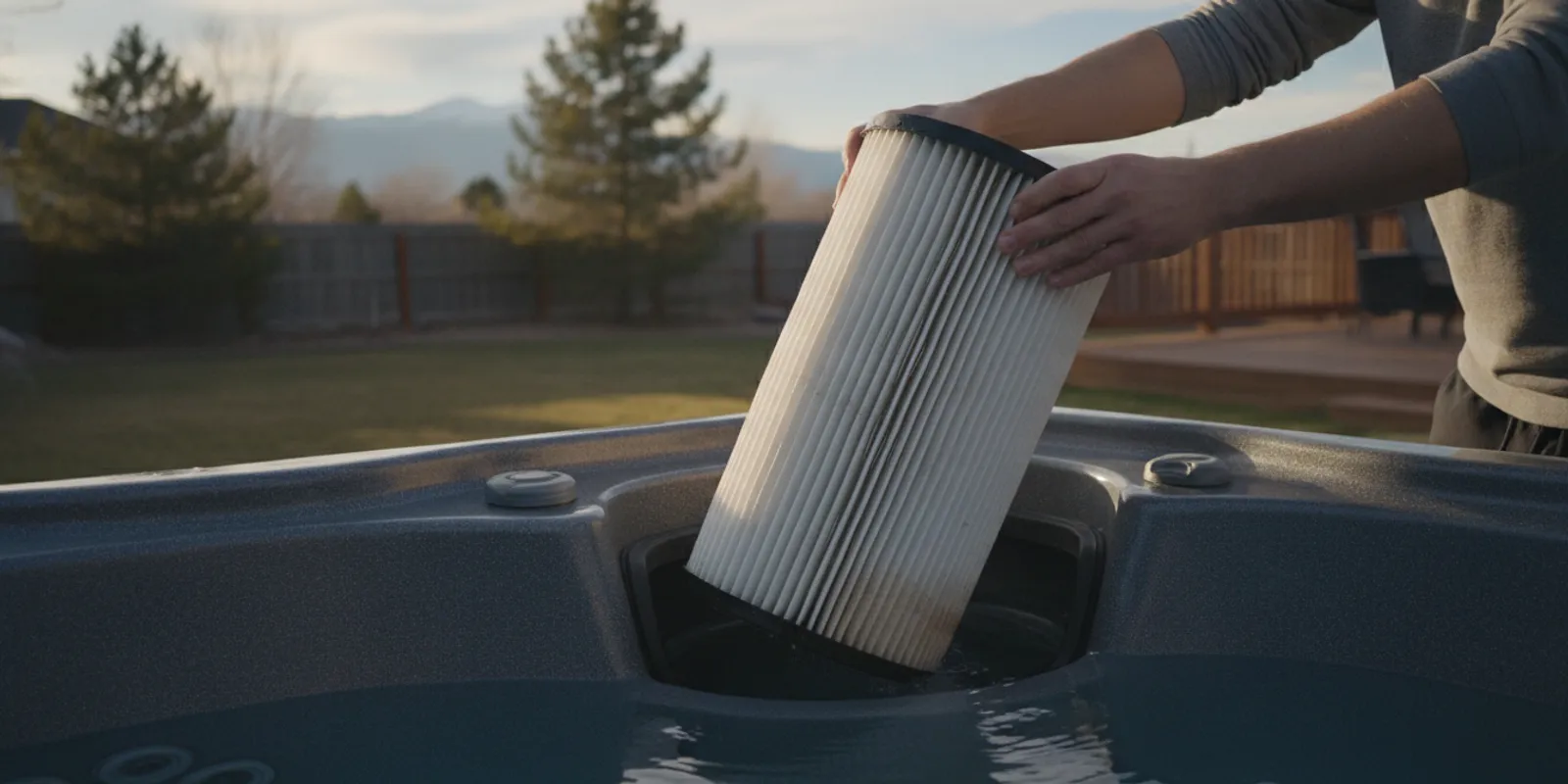
If you’re reasonably handy, some minor hot tub issues are perfect for a DIY fix. Think of small, visible leaks coming from a pump seal or an O-ring. These repairs often cost less than $100 and mostly involve swapping out an old part for a new one. You can find the necessary supplies and chemicals at a local pool store, and the job usually doesn’t require specialized tools. Other simple tasks include cleaning or replacing your filters and troubleshooting basic water chemistry imbalances. As long as you’re not dealing with complex electrical components or major plumbing, a DIY approach can be a quick and budget-friendly solution.
When to Absolutely Call a Technician
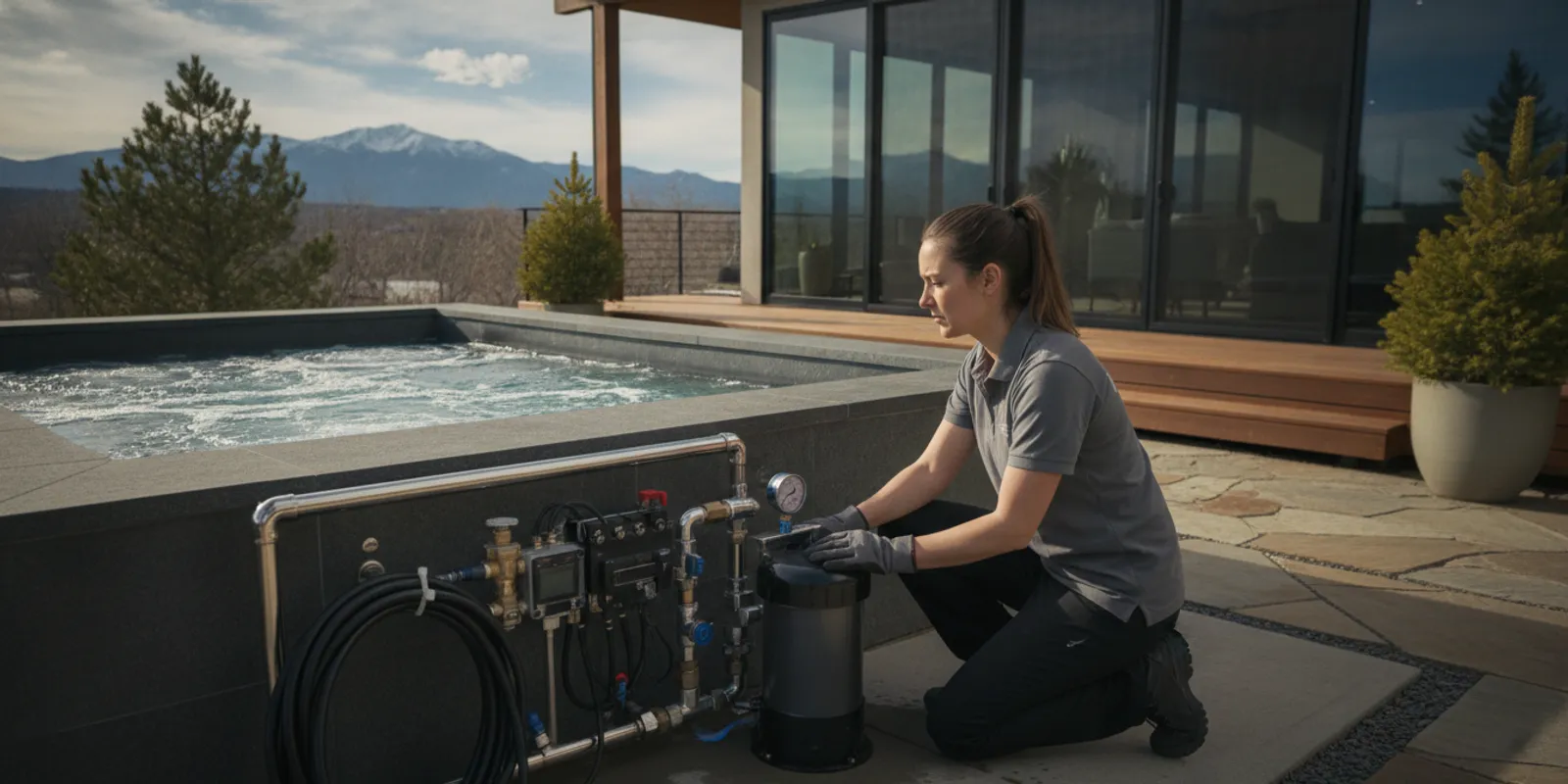
Some jobs are best left to the professionals, no question. If your heater is failing, the pump is making strange noises, or the control panel is on the fritz, it’s time to call for backup. These systems are complex and often involve high-voltage electrical work, which can be dangerous if you don’t know exactly what you’re doing. A local technician typically charges around $200 per hour, and finding a hidden leak might take an hour or two. While most common leaks are fixed for under $500, paying for an expert ensures the job is done safely and correctly. For peace of mind with your spa’s core components, professional equipment repairs and servicing is a smart investment.
The Hidden Price of a DIY Fail
Trying to fix a major issue yourself can backfire, fast. A simple mistake could damage an expensive component or create an even bigger leak, turning a $400 repair into a $1,500 replacement. Even if you don’t perform the repair, trying to troubleshoot the problem can be helpful. If you can tell a technician what’s wrong, they can bring the right parts and potentially save you time and money. However, this is also why it’s crucial to hire someone you trust. An honest technician will give you a fair quote, not try to sell you parts you don’t need. A transparent company will always walk you through the problem and the price before starting work.
Should You Repair or Replace Your Hot Tub?
This is the big question, isn't it? When you get a hefty repair quote, it’s natural to wonder if you’re just throwing good money after bad. Deciding whether to fix your current hot tub or invest in a new one can feel overwhelming, but it doesn't have to be. The right choice comes down to a few key things: the cost of the repair, the age of your spa, and its overall condition.
Think of it like an old car. A simple fix is a no-brainer, but when a major part fails, you have to weigh the cost against the car's value and how much longer you expect it to run. Your hot tub is no different. By looking at the numbers and thinking about the long-term picture, you can make a smart decision that you feel good about. We’ll walk through the main factors to help you figure out the best path forward for your backyard oasis.
Compare the Costs: Repair vs. New ($4,000–$15,000)
First, let's talk numbers. A new hot tub is a significant investment, with prices ranging from around $4,000 for a basic online model to $15,000 or more for a high-end brand like Jacuzzi. When you get a repair quote, compare it directly to that replacement cost. A few hundred dollars for a minor fix is one thing, but if you're looking at a bill for thousands, the math starts to change. The first step is always to get a clear, detailed quote from a professional so you know exactly what you’re facing. Our team can provide transparent pricing for all kinds of spa services to give you a solid starting point for your decision.
Use the 50% Rule to Decide
A helpful guideline many hot tub owners use is the "50% rule." It’s simple: if the cost to repair your hot tub is more than half the price of buying a comparable new one, it’s probably time to consider a replacement. For example, if a new hot tub you like costs $10,000, and your repair quote is over $5,000, investing in a new model is likely the smarter financial move. This rule prevents you from sinking too much money into an aging spa that might just have another expensive problem pop up next season. It’s a practical way to gut-check your decision and ensure you’re not over-investing in a depreciating asset.
Consider Your Hot Tub's Age
The age of your hot tub is one of the most important factors in this decision. Most hot tubs have a lifespan of about 10 to 20 years. If your spa is pushing 15 years or more, even a successful repair might just be a temporary fix before another component fails. Plus, newer models are often more energy-efficient and come with modern features that can improve your experience. However, if you have a well-built, high-end model that has been meticulously maintained, it might be worth repairing. If you're on the fence, a professional can assess its overall condition and help you decide if a simple repair or a full hot tub remodel makes more sense than a total replacement.
Lower Your Repair Bills with Smart Maintenance
The best way to handle a pricey hot tub repair is to prevent it from happening in the first place. While some issues are unavoidable, a smart maintenance routine is your best defense against surprise breakdowns and expensive service calls. Think of it as proactive care that keeps your spa running smoothly and your wallet happy. By staying on top of small tasks, you can catch minor issues before they spiral into major headaches.
Consistent care not only extends the life of your hot tub but also ensures it’s always ready for you to enjoy. We’ll walk through how preventative maintenance saves you money, share some tips specifically for Colorado’s climate, and explain why your warranty is a tool you should never forget.
How Preventative Care Saves You Money
Regular maintenance is the single most effective way to keep repair costs down. When you consistently check your water chemistry, clean your filters, and inspect your equipment, you spot little problems early. Many of these minor issues, like a clogged filter or a small leak, can be fixed for very little money if you address them right away. Letting them go, however, allows them to cause stress on major components like pumps and heaters, leading to much more expensive failures. A consistent spa services routine keeps every part of your system operating reliably, reducing wear and tear and saving you from a costly emergency call down the road.
Maintenance Tips for Colorado's Climate
Here in Colorado, our weather can be unpredictable, with big temperature swings that put extra strain on a hot tub’s shell and equipment. To stay ahead of potential problems, make a habit of performing regular visual inspections. Once a week, take a quick look at your jets, plumbing lines, and control panel. Check for early signs of wear, like small cracks in the jets or moisture around the plumbing connections. This simple habit helps you identify issues before they escalate. Catching a small problem early can prevent it from turning into a major failure, keeping your hot tub running smoothly and limiting the need for urgent equipment repairs.
Check if Your Warranty Covers Repairs
Before you pick up the phone to schedule a service call, take a moment to find your hot tub’s warranty information. Depending on the age of your spa and the nature of the problem, the repair might be partially or even fully covered. Understanding what your warranty includes can save you hundreds of dollars. Even if the warranty has expired, trying to troubleshoot the issue yourself can be helpful. If you can give the technician a clear idea of what’s wrong, they can often bring the right parts on the first visit, potentially saving you money on labor and trip fees.
How to Hire the Right Repair Service in Denver
Finding a trustworthy technician is half the battle when your hot tub breaks down. You want someone who is honest, skilled, and won't leave you with a surprise bill. In the Denver area, it’s important to find a pro who understands the unique challenges our climate presents. A great repair service will communicate clearly, provide transparent pricing, and have the local knowledge to get the job done right the first time. Here’s what to look for to make sure you’re hiring the best person for your spa.
Get an Accurate, No-Surprises Quote
A vague quote is a warning sign. When you reach out for help, you should receive a detailed estimate that breaks down the costs. Think of it like fixing a car; the final price depends entirely on what’s broken. If you can describe the symptoms, like strange noises or an error code on the display, it helps the technician diagnose the problem faster. This preparation can even save you money, as they might know which parts to bring on the first visit. A reputable company will always be upfront about their diagnostic fees and labor rates before they even start working on your professional equipment repairs & servicing.
Red Flags to Watch Out For
Trust your intuition. If a quote seems shockingly high, it probably is. Some technicians might try to overcharge or replace parts that are still perfectly functional just to inflate the bill. Don't be afraid to ask questions. A good technician will happily walk you through what’s wrong and explain why a specific part needs to be replaced. If they get defensive or can't give you a straight answer, consider it a major red flag. Getting a second opinion from another service provider is always a smart move if you feel uncertain. Your peace of mind is worth the extra phone call.
Why Local Expertise Matters
Hiring a local Denver technician isn't just about convenience; it's about expertise. A pro in your area understands the specific challenges that come with Colorado's climate, from hard water issues to freeze protection. They also have established relationships with local suppliers, which is a huge advantage when you need a hard-to-find part for an older or less common hot tub model. Instead of waiting weeks for a part to ship, a local expert often knows exactly where to find it. This local knowledge also extends to preventative care, ensuring your hot tub runs smoothly year-round with consistent spa services.
Plan Ahead: Budgeting for Future Repairs
Just like a car, your hot tub will eventually need a repair. It’s a simple fact of ownership. Instead of letting a sudden breakdown cause financial stress, you can plan for it. The best way to handle future repairs is to create a dedicated "hot tub fund." Think of it as a savings account for your spa. Setting aside just $20 to $40 a month can build a nice cushion, so when a pump fails or a leak appears, you’re financially prepared instead of caught off guard.
This proactive approach gives you peace of mind and prevents a small issue from becoming a major headache. Many common repairs, like fixing a minor leak or replacing a component, can cost a few hundred dollars. However, more complex problems, especially those involving hidden leaks or freeze damage, can quickly climb to $1,000 or more. Having a budget ready means you can approve the necessary work without hesitation.
Of course, the most effective way to manage repair costs is through consistent preventative care. Regular professional spa services can catch small problems before they escalate. For example, a technician might spot a worn-out seal that could lead to a costly leak or notice that your filter is clogged, which can strain the pump. Even if you don't perform the fix yourself, learning how to troubleshoot the problem can help a technician diagnose the issue faster, potentially saving you money on labor. By planning ahead, you turn an emergency into a manageable task.
Ready for a cleaner pool?
Denver's trusted pool care professionals since 1982. Get started today.
Schedule ServiceFrequently Asked Questions
What's the first thing I should do if my hot tub stops working? Before you call for service, there are a couple of quick checks you can do that might solve the problem. First, look at your home's circuit breaker to make sure it hasn't tripped. Next, inspect your hot tub's filter, since a dirty or clogged filter can restrict water flow and cause the system to shut down. If those simple steps don't get it running again, it's best to call a professional to diagnose the issue correctly.
Why do I have to pay a service fee if the technician hasn't fixed anything yet? A service call fee is a standard part of the repair process that covers the technician's travel time and the initial diagnostic work. Think of it as paying for their expertise to accurately identify the root of the problem. This fee ensures you get a professional assessment, which is the critical first step toward a successful repair and prevents guesswork that could lead to bigger issues.
How can I tell if a repair quote is fair? A fair quote should be transparent and detailed, breaking down the estimated costs for both labor and parts. Be cautious if a technician gives you a vague price or can't clearly explain what needs to be fixed and why. If a quote feels unusually high or you're just not sure, it's always a good idea to get a second opinion from another reputable company for comparison.
My hot tub is over 10 years old. Is it even worth repairing? Age is definitely a big factor, but it's not the only one to consider. A good guideline is the 50% rule: if the repair costs more than half the price of a new, comparable hot tub, replacement is often the better long-term investment. However, if your older spa is a high-quality model that has been well-maintained, a repair could still give you many more years of enjoyment.
Why can the cost of fixing a leak vary so much? The price for a leak repair depends almost entirely on its location. A leak from an easy-to-reach component, like a pump union, is a relatively quick and affordable fix. The cost increases significantly when the leak is hidden deep inside the spa's foam insulation. Finding these hidden leaks requires a lot of time and labor, which is what drives up the final bill.
Related Blogs