Pool Chlorine 101: A Guide to a Safe, Clean Pool
What’s the first thing you notice when you walk up to a public pool? For many, it’s that sharp, chemical smell. Most people believe this is the scent of a clean, well-sanitized pool, but it’s actually a sign that something is wrong. This is one of the biggest myths surrounding pool chlorine, and it leads to a lot of confusion for homeowners. A truly balanced and healthy pool should have almost no odor at all. In this guide, we’ll bust this myth and several others, giving you the real facts about how chlorine works, what that "pool smell" actually means, and how to achieve water that is genuinely clean, safe, and comfortable for every swimmer.
Ready for a cleaner pool?
Denver's trusted pool care professionals since 1982. Get started today.
Schedule ServiceKey Takeaways
- Understand What Clean Water Really Means: A strong chemical odor is a red flag, not a sign of cleanliness. It indicates a buildup of irritating chloramines. Your goal is to maintain high levels of free chlorine, the active sanitizer, to keep your water safe and odor-free.
- Prioritize Water Balance for Potent Chlorine: Chlorine can't work effectively in poorly balanced water. Always test and adjust your pH to the 7.2 to 7.6 range before adding sanitizer. In sunny Colorado, using a stabilizer like cyanuric acid is also essential to prevent UV rays from depleting your chlorine.
- Follow a Consistent Maintenance Cycle: Proactive care is simpler than fixing problems. Create a routine of testing your water at least twice a week, balancing chemicals as needed, and shocking the pool weekly during swim season to eliminate contaminants and keep your water sparkling.
What Is Pool Chlorine and How Does It Work?
Think of chlorine as your pool's immune system. It's a powerful chemical disinfectant that works around the clock to keep your water clean, clear, and safe for swimming. When you add chlorine to your pool, it's not just floating around aimlessly; it's actively seeking out and neutralizing all the things you don't want in your water. This includes harmful bacteria, viruses, and the beginnings of an algae bloom. Without it, your beautiful backyard oasis would quickly turn into a murky, unsafe pond.
Understanding how chlorine functions is the first step toward maintaining a healthy pool. It’s all about a chemical reaction that targets and eliminates contaminants, from microscopic germs to organic debris like sweat and oils. But not all chlorine is doing the same job. Some of it is actively working, while some of it has already done its duty. Knowing the difference is key to keeping your water balanced and your swimmers happy. Let's break down exactly what’s happening in your water.
How Chlorine Keeps Your Pool Water Clean
When you add chlorine to your pool, it dissolves and creates a new substance called hypochlorous acid. This is the active ingredient that does all the heavy lifting. It’s incredibly effective at destroying the cell walls of microorganisms like bacteria and viruses, rendering them harmless. This process, called oxidation, also helps break down non-living contaminants like dirt, body oils, and lotions that can make your water cloudy. A properly chlorinated pool doesn't just kill germs you can't see; it also helps prevent algae from taking hold, which is what keeps your water looking sparkling and inviting. The main goal of chlorine in pools is to maintain a consistent level of this germ-fighting power.
Understanding Free, Combined, and Total Chlorine
To really get a handle on your pool's health, you need to know about three types of chlorine. First, there's Free Chlorine (FC). This is the good stuff: the active, available chlorine that's ready to sanitize your water. This is the number you're aiming for when you test your pool. Next is Combined Chlorine (CC), also known as chloramines. This is chlorine that has already done its job by combining with contaminants like sweat and oils. It's far less effective at sanitizing and is the main culprit behind that "pool smell." Finally, Total Chlorine (TC) is simply the sum of both free and combined chlorine. Your goal is to have high free chlorine and very low (ideally zero) combined chlorine.
That "Pool Smell": What It Really Means
Contrary to popular belief, a strong chemical smell doesn't mean your pool is extra clean. In fact, it means the opposite. That distinct "chlorine" odor is actually the scent of chloramines, or combined chlorine, which build up when there isn't enough free chlorine to handle all the contaminants in the water. A healthy, well-balanced pool should have little to no odor at all. If you notice that sharp smell, it's a clear sign that your pool is under stress and needs attention. This usually means it's time to shock the pool to break down the chloramines and restore your free chlorine levels. If that smell persists, it might be time to call in a professional for a full cleaning and maintenance check.
Choosing Your Chlorine: A Guide to the Different Types
Walking down the pool chemical aisle can feel overwhelming. With so many different types of chlorine, how do you know which one is right for your pool? The truth is, there’s no single "best" option. The right choice depends on your pool's specific needs, your maintenance routine, and even our local Denver climate. Let's break down the most common types so you can make a confident decision and keep your water sparkling clean.
Liquid Chlorine
Liquid chlorine, which is essentially a stronger version of household bleach, is a popular and budget-friendly choice. It gets to work fast, making it great for a quick sanitation boost. You simply pour it directly into the pool. The main thing to watch with liquid chlorine is its effect on your water's pH. It can cause the pH to rise quickly, so you'll need to test your water frequently and be ready to adjust it. If you need a fast-acting solution and don't mind keeping a close eye on your water chemistry, liquid chlorine is a solid, straightforward option for many pool owners.
Chlorine Tablets
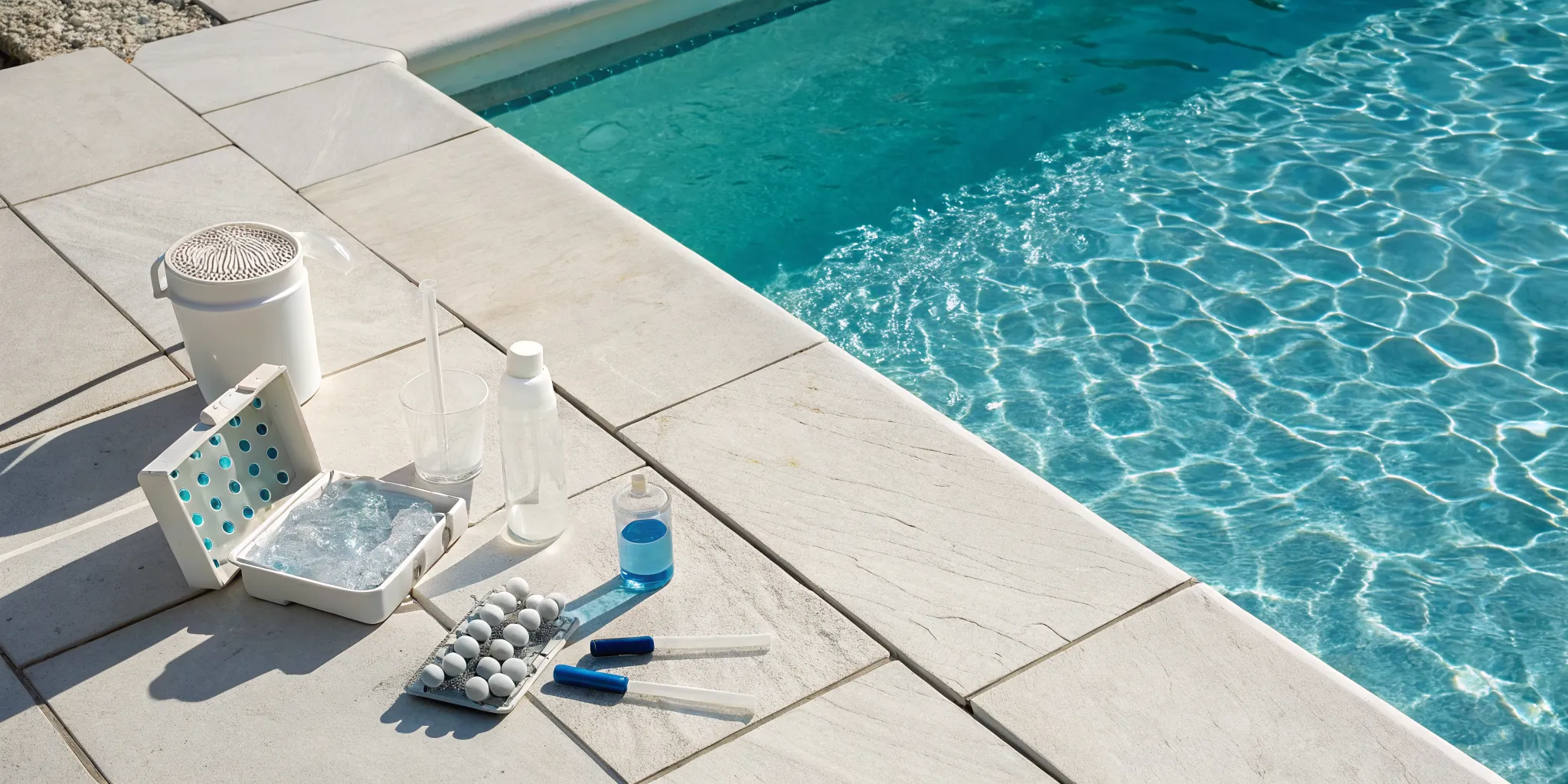
If you prefer a more hands-off approach to daily sanitation, chlorine tablets are your best friend. These slow-dissolving pucks are placed in a floating dispenser, skimmer, or automatic chlorinator, where they steadily release chlorine over time. This makes them perfect for consistent, everyday cleaning and maintenance. Keep in mind, tablets are designed for maintaining an already clean pool. They aren't strong enough to "shock" a pool that has become very dirty or cloudy; you'll need a different product for that initial deep clean before letting the tablets take over for regular upkeep. They are a fantastic tool for keeping your water consistently sanitized with minimal daily effort.
Calcium Hypochlorite (Cal-Hypo)
Calcium hypochlorite, often called cal-hypo, is one of the most popular granular chlorine products used for shocking a pool. When your pool water looks cloudy, green, or just needs a powerful dose of sanitizer, cal-hypo is an excellent choice. It dissolves quickly to kill bacteria and algae. However, it does add calcium to the water. Here in the Denver area, where we often deal with hard water, you'll want to be mindful of this. If your pool's calcium hardness is already high, using cal-hypo regularly could cause cloudy water or scale buildup on your equipment. It's a powerful tool, but one to use wisely in our local water conditions.
Trichlor and Dichlor
Trichlor and dichlor are powerful, concentrated forms of chlorine that come in tablet or granular form. Trichlor is the strongest of the two and is fantastic at killing algae and shocking a pool. It’s stabilized, meaning it lasts for about a week, which reduces your maintenance workload. Dichlor is a great middle-ground option. It also comes in granules or tablets, dissolves quickly, and has a more neutral pH, so it won't drastically alter your water balance when used correctly. Both are effective choices for keeping your pool sanitized with a bit less effort, making them popular for busy pool owners who want consistent results.
Stabilized vs. Unstabilized Chlorine
You'll often see chlorine described as "stabilized" or "unstabilized." The difference is a chemical called cyanuric acid (CYA). Stabilized chlorine (like trichlor and dichlor) contains CYA, which acts like a sunscreen for your chlorine, protecting it from being destroyed by the sun's UV rays. This is especially important in Colorado with our intense sun. Unstabilized chlorine (like liquid chlorine and cal-hypo) has no CYA. It works faster but also burns off quickly in sunlight, requiring more frequent application. Having the right supplies and chemicals on hand lets you choose the best tool for the job, whether you're shocking overnight or maintaining levels during a sunny week.
Finding the Right Chlorine Level for a Safe Swim
Getting your pool’s chlorine level just right is one of the most important parts of pool care. Think of it less like a chore and more like following a recipe for the perfect swim. The goal is to create water that’s safe, comfortable, and sparkling clean. It’s not just about adding chemicals; it’s about creating a precise balance where your chlorine can work effectively without causing irritation. When you find that balance, you get a pool that’s always ready for a refreshing dip.
The Sweet Spot: Why 1–3 PPM Is the Goal
For a safe and comfortable swim, your pool's chlorine level should stay between 1 and 3 parts per million (PPM). This range is the sweet spot. If your chlorine drops below 1 PPM, you risk creating a breeding ground for harmful bacteria and algae, which can make swimmers sick. On the other hand, if levels go above 3 PPM, the water can irritate your skin and eyes. Maintaining this balance is crucial for ensuring a safe swimming environment for your family and friends. Regular testing is the only way to know for sure if you’re in the right zone.
How pH Balance Impacts Chlorine's Power
Chlorine doesn't work alone. Its effectiveness is directly tied to your pool’s pH level. For chlorine to properly sanitize the water, your pH needs to be between 7.2 and 7.6. If your pH is too high (alkaline), your chlorine becomes sluggish and can’t kill germs effectively, no matter how much you add. If it’s too low (acidic), the chlorine becomes too aggressive and can cause irritation and even damage your pool equipment. Balancing your pH first ensures every bit of chlorine you add can do its job, saving you time, money, and frustration.
Signs Your Chlorine Levels Are Off
Have you ever walked by a pool and been hit with a strong chemical smell? Many people think that’s the smell of a clean pool, but it’s actually a sign that something is wrong. That distinct "pool smell" indicates the presence of chloramines, which are compounds that form when chlorine reacts with sweat, oils, and urine from swimmers. The same goes for red, irritated eyes. It’s not the chlorine itself that’s the problem; it’s the chloramines. If you notice a strong odor or eye irritation, it’s time to test your water and likely shock your pool. A truly balanced pool has little to no scent.
How to Maintain Your Pool's Chlorine Levels
Keeping your pool’s chlorine levels just right is a continuous process, not a one-and-done task. Think of it as a simple weekly routine. By following a few consistent steps, you can ensure your pool water is always safe, clear, and ready for a swim. This guide breaks down the process into seven manageable steps that will help you master your pool chemistry and spend less time working on your pool and more time enjoying it.
Step 1: Test Your Water at Least Twice a Week
Consistency is your best friend when it comes to pool care. You should test your pool water at least twice a week to get a clear picture of what’s happening with your chlorine and pH levels. If your pool is getting a lot of use, especially after a pool party or during a heatwave, it’s a good idea to test it daily. This regular testing helps you catch any imbalances before they turn into bigger problems like cloudy water or algae growth. A good quality test kit or test strips will give you the readings you need to make smart adjustments.
Step 2: Balance Your pH Before Adding Chlorine
Before you even think about adding chlorine, check your pool’s pH level. Why? Because pH determines how effective your chlorine will be. The ideal pH range is between 7.4 and 7.6. If your pH is too high, it makes chlorine sluggish and less effective at killing germs. If it’s too low, the water becomes acidic, which can cause irritation to swimmers' skin and eyes and damage your pool equipment. Getting the pH right first means you get the most out of every bit of chlorine you add, saving you time and money.
Step 3: Calculate How Much Chlorine to Add
Once your pH is balanced, it’s time to figure out how much chlorine your pool needs. Avoid just guessing and dumping it in. The amount you need depends on your pool’s volume, the current chlorine reading from your test, and the type of chlorine product you’re using. Always read the product label for specific dosage instructions. Adding the correct amount ensures the chlorine can provide continuous protection against new contaminants. If you're ever unsure, our team can help you find the right supplies and chemicals for your specific pool.
Step 4: Pick Your Application Method
You have a few options for adding chlorine to your pool, and the best one depends on your routine and the type of chlorine you use. Chlorine tablets are often used in a floating dispenser or an automatic chlorinator, which slowly releases chlorine over time for steady maintenance. Granular chlorine, or shock, is typically dissolved in a bucket of water first and then poured into the pool for a quick dose. Each method has its place; some types are better for a quick, strong clean, while others are designed for daily upkeep.
Step 5: Shock Your Pool When Necessary
Sometimes your pool needs a reset. "Shocking" the pool means adding a large, potent dose of chlorine to quickly raise the free chlorine level. This process oxidizes contaminants, kills algae, and gets rid of chloramines, which are the real culprits behind that "pool smell" and eye irritation. You should shock your pool about once a week during swim season, and always after a heavy rainstorm, a big pool party, or an algae outbreak. It’s a powerful tool for a deeply clean pool and a fresh start.
Step 6: Store Chlorine Safely
Chlorine is a powerful chemical and needs to be handled with care. Always store your pool chemicals in a cool, dry, and well-ventilated area, away from direct sunlight and out of reach of children and pets. It’s also critical to keep different chemicals separate to prevent dangerous reactions. Never mix different types of chlorine. When you handle chlorine, wear protective gear like gloves and goggles and always follow the instructions on the product label. Proper storage and handling are essential for your safety.
Step 7: Retest and Adjust as Needed
Pool maintenance is a cycle. After you’ve added chlorine or any other chemical, wait a few hours (with the pump running) and then test the water again. This final step confirms that your adjustments worked and your chlorine and pH levels are within the ideal range. If they’re still off, you may need to make another small adjustment. This process of testing, adjusting, and retesting is the key to maintaining a perfectly balanced pool. If this cycle feels like too much to handle, our professional cleaning and maintenance services can take care of it for you.
Managing Chlorine in Colorado's Climate
Keeping your pool water balanced can feel a little different here in Colorado. Our beautiful, sunny, high-altitude environment brings a few unique challenges to pool care that you might not face in other parts of the country. The intense sun, combined with our local water chemistry, means your chlorine has to work extra hard. But don't worry, once you understand these local quirks, managing them becomes a straightforward part of your routine.
The key is to be proactive. The sun's powerful UV rays can deplete chlorine levels faster than you'd expect, and Denver's characteristically hard water can throw your pH out of whack, making your chlorine less effective. It sounds like a lot, but it really just boils down to testing your water a bit more frequently and using the right products to protect your chlorine. Think of it as giving your pool a good sun hat and a balanced diet. With a few adjustments, you can ensure your pool stays sparkling clean and safe for swimming all season long, even with our special Colorado conditions. If you ever feel overwhelmed, our professional cleaning and maintenance services can handle all the chemistry for you, giving you more time to just enjoy your pool.
High Altitude and Stronger UV Rays
One of the best parts of living in Colorado is the abundant sunshine. Unfortunately, your pool’s chlorine doesn’t love it quite as much as we do. Here at high altitude, the atmosphere is thinner, which means we get a stronger dose of UV radiation. In fact, the Colorado State University Extension points out that UV rays can be significantly more intense above 5,000 feet. For your pool, this means the sun’s rays break down and burn off your free chlorine much more quickly. This is why you might find your chlorine levels dropping fast, even just a day after adding it. To stay ahead, you’ll need to test your water more often, especially during the sunniest parts of the summer.
Dealing with Denver's Hard Water and pH
If you live in the Denver area, you're likely familiar with hard water. This water contains high levels of minerals like calcium and magnesium, which can cause all sorts of issues in your pool, from cloudy water to scaly buildup on your equipment. Hard water also has a tendency to raise your pool’s pH level. According to the Colorado Department of Public Health and Environment, keeping your pH in the ideal range of 7.2 to 7.8 is essential for proper sanitation. When your pH is too high, your chlorine becomes sluggish and can’t sanitize the water effectively. This makes regular pH testing and balancing just as important as monitoring the chlorine itself.
Using Cyanuric Acid to Protect Your Chlorine
So, how do you protect your chlorine from that intense Colorado sun? The answer is cyanuric acid, or CYA. Think of CYA as sunscreen for your chlorine. It’s a chemical stabilizer that binds to your free chlorine molecules and shields them from being destroyed by UV rays. The Pool & Spa Association notes that using a stabilizer can significantly reduce chlorine loss from sun exposure. By maintaining a proper level of CYA in your water (typically 30–50 ppm), you help your chlorine last longer and work more efficiently. This means you’ll spend less time and money adding chemicals and more time enjoying your perfectly balanced pool.
Common Pool Chlorine Myths: Busted!
When it comes to pool care, chlorine is one of the most important tools in your arsenal. It’s also one of the most misunderstood. Over the years, a lot of myths and misconceptions have popped up, leading well-meaning pool owners to make simple mistakes. Let's clear the air and bust some of the most common chlorine myths so you can keep your pool water safe, clean, and truly inviting for every swim.
Myth: "A strong chlorine smell means the pool is clean."
You know that sharp, chemical smell you associate with public pools? Many people think that’s the smell of a job well done, a sign that the chlorine is working hard. In reality, it’s the exact opposite. A healthy, properly balanced pool should have little to no odor. That distinct "chlorine" smell actually comes from chemical compounds called chloramines. According to Chemical Safety Facts, chloramines form when chlorine mixes with contaminants like sweat, oils, and urine. So, if your pool has a strong chemical odor, it’s a red flag that it needs a good shock treatment to break down those irritating compounds and a re-evaluation of its chemical balance.
Myth: "Chlorine is what makes your eyes red."
If you’ve ever hopped out of a pool with red, stinging eyes, you probably blamed it on too much chlorine. It’s an easy assumption to make, but chlorine isn't the real culprit here either. Just like with the pool smell, the true cause is those pesky chloramines. When your pool doesn't have enough free, available chlorine to sanitize the water and break down contaminants, chloramines build up. It’s this buildup that irritates your eyes and skin. So, red eyes are often a sign that your pool needs more free chlorine, not less, to get the water chemistry back in balance.
Myth: "When in doubt, add more chlorine."
It might seem like a simple fix, but just dumping more chlorine into your pool without testing is never a good idea. While too little chlorine allows germs to grow, too much can cause its own set of problems. An over-chlorinated pool can lead to uncomfortable skin and eye irritation and can even be corrosive to your pool’s liner, ladders, and equipment over time. The key is balance. The only way to know what your pool truly needs is to test the water regularly. This removes the guesswork and ensures you’re creating a safe swimming environment, which is a core part of our cleaning and maintenance philosophy.
Myth: "Chlorine works instantly."
While chlorine is highly effective, it doesn’t vaporize every germ and piece of debris the second it hits the water. Chlorine is designed to provide continuous protection, staying active in the water to handle new contaminants as they are introduced. According to the American Chemistry Council, this ongoing sanitizing action is what keeps the water safe over time. That’s why maintaining a consistent and proper chlorine level is so important. It’s not about a single dose, but about ensuring there’s always enough sanitizer present to keep the water clean and ready for swimmers. Regular testing and adjustments are essential for this constant protection.
When to Call a Pro for Help with Pool Chemicals
Managing your pool’s chemistry can feel like a rewarding science experiment, but sometimes it’s just a frustrating chore. If you’re spending more time troubleshooting than swimming, it might be time to call for backup. Knowing when to hand the test strips over to a professional is a smart move for your safety, your sanity, and the health of your pool. Here are a few signs that it’s time to let an expert take the lead.
You’re dealing with a stubborn problem.
Are you fighting a losing battle with cloudy water or an algae bloom that just won’t quit? These persistent issues often signal a deeper imbalance that simply adding more chlorine won’t fix. That strong "pool smell" is another red flag. It’s usually not a sign of cleanliness, but rather the presence of chloramines, which form when chlorine mixes with contaminants. A professional can quickly diagnose the root cause, saving you from wasting time and money on the wrong chemicals. Our cleaning and maintenance services are designed to tackle these exact issues.
You’re uncomfortable handling chemicals.
Let’s be honest: handling pool chemicals can be intimidating. They are powerful substances that require care. Safety guidelines recommend you always follow the directions on the label, which often includes wearing gloves and goggles in a well-ventilated area. If you’re not comfortable with these safety precautions or the idea of storing gallons of chemicals in your garage, it’s completely reasonable to outsource the job. A trained technician can take the risk and responsibility off your shoulders.
You can’t seem to get the balance right.
You’ve tested the water, added the chemicals, and waited, only to find the levels are still off. Sound familiar? Achieving the perfect chemical balance is a delicate act, especially in Colorado where high altitude and hard water can complicate things. If you’re constantly overcorrecting or your test results are all over the map, a pro can help stabilize your water. We have the experience and high-quality supplies and chemicals to get your pool’s chemistry dialed in and teach you how to keep it there.
You’re just too busy.
Your pool should be a source of relaxation, not another item on your to-do list. Proper pool care requires consistent testing and adjustments, especially during the busy summer months. If your schedule makes it difficult to keep up, a weekly service plan can be a lifesaver. Handing off the chemical maintenance frees up your time so you can simply enjoy a clean, safe, and sparkling pool whenever you want.
Ready for a cleaner pool?
Denver's trusted pool care professionals since 1982. Get started today.
Schedule ServiceFrequently Asked Questions
Why do my eyes get red and my pool smell like chemicals after I swim? That's a super common question, and the answer is surprising. It's not the chlorine itself, but something called chloramines. These form when your pool's active chlorine gets used up fighting contaminants like sweat and sunscreen. That strong smell and the eye irritation are actually signs that your pool needs a powerful dose of fresh chlorine, a process called shocking, to clear out the used-up stuff and get back in balance. A truly clean pool has very little scent.
What’s the difference between shocking my pool and just using chlorine tablets? Think of it like this: chlorine tablets are for your daily routine, like brushing your teeth. They dissolve slowly to maintain a consistent, healthy level of sanitizer in your water. Shocking, on the other hand, is like a deep cleaning from the dentist. It’s a large, concentrated dose of chlorine designed to quickly destroy bacteria, algae, and those smelly chloramines, giving your water a fresh start. You need both for a healthy pool.
Do I need to do anything special for my pool chlorine here in Colorado? Yes, our beautiful Colorado environment requires a slightly different approach. The intense sun at our high altitude burns through unstabilized chlorine very quickly. Using a stabilized chlorine, which contains cyanuric acid (CYA), acts like sunscreen for your chlorine and helps it last much longer. You’ll also want to keep a close eye on your pH levels, as our typically hard water can cause pH to rise, making your chlorine less effective.
With so many options, how do I choose the right type of chlorine? The best type of chlorine really depends on your pool and your maintenance style. If you prefer a low-maintenance, set-it-and-forget-it approach, slow-dissolving tablets in a feeder are fantastic for daily sanitation. If you need to quickly raise your chlorine levels or shock the pool, a fast-acting granular or liquid chlorine is a better choice. Many pool owners use a combination, tablets for daily care and granular for a weekly shock.
How often should I actually be testing my pool water? As a general rule, you should test your water at least twice a week. This gives you a good baseline and helps you catch any issues before they become big problems. However, you should test more often, maybe even daily, during periods of heavy use like after a pool party, during a heatwave, or after a big rainstorm, as these events can all throw your water chemistry off.
Related Blogs