What Is a Pool Clarifier? A Guide to Clear Water
When it comes to pool care, it’s surprisingly easy to make a simple problem worse. This is especially true with cloudy water. You might think adding a heavy dose of pool clarifier is the fastest way to fix it, but that’s one of the most common mistakes I see. Using too much, adding it at the wrong time, or relying on it to fix a bigger issue can leave you with water that’s even cloudier than before. Before you pour another drop of anything into your pool, let’s cover the basics. This guide will show you the right way to use a clarifier and help you avoid the common pitfalls that frustrate so many pool owners.
Ready for a cleaner pool?
Denver's trusted pool care professionals since 1982. Get started today.
Schedule ServiceKey Takeaways
- Clarifiers are for polishing, not problem-solving: Use a clarifier to clear up a light haze after a pool party or storm, but don't rely on it to fix major issues. It's a helper for your filter, not a replacement for good maintenance or a fix for underlying equipment problems.
- Proper use is key to success: For a clarifier to work, you must balance your water first, clean your filter before and after, and measure the dose exactly. Adding too much or using it with high chlorine levels can make the cloudiness worse.
- Prioritize consistent maintenance for lasting clarity: If you find yourself using clarifier often, it's a sign of a bigger problem. The best way to keep water clear is through regular cleaning, balanced chemistry, and proper filtration, not by constantly using chemical aids.
What Is a Pool Clarifier and How Does It Work?
If you've ever looked at your pool and thought it just looks a little dull, you're not alone. Sometimes, even with balanced chemicals and a running filter, the water can get cloudy. This is where a pool clarifier comes in. It’s a chemical treatment that acts like a magnet for the tiny particles that make your water look hazy, helping your filter clear them out more effectively. Think of it as giving your filtration system a helping hand to restore that crystal-clear sparkle. Understanding how it works will help you use it correctly and know when a bigger issue might be at play.
How It Works
A pool clarifier is a chemical that helps clear up cloudy water by gathering all the tiny particles your filter is too small to catch on its own. Things like dust, dead algae, and oils from sunscreen are often the culprits behind hazy water. The clarifier contains special polymers that have a positive charge. These polymers attract the tiny, negatively charged debris particles, causing them to clump together into larger bundles. Once these particles are grouped together, they become big enough for your pool’s filter to finally trap and remove them, leaving your water looking pristine again.
Natural vs. Synthetic Clarifiers
Clarifiers come in a couple of different types, mainly synthetic and natural. Synthetic clarifiers, like those containing PolyDADMAC, are the most common. They use that positive electrical charge to attract and bind debris together. Natural clarifiers often use enzymes. Instead of just clumping particles, enzymes actually consume and break down organic materials like body oils, lotions, and other gunk. This can be especially helpful if your pool sees a lot of swimmers. Both types get the job done, but choosing the right one can depend on what’s making your water cloudy in the first place.
What a Clarifier Can't Fix
It's important to remember that a clarifier is a helper, not a cure-all. It doesn’t sanitize your water or replace the need for chlorine and regular cleaning. If you find yourself reaching for the clarifier bottle week after week, it’s a sign of a deeper problem. Constant cloudiness often points to poor filtration, consistently off-balance water chemistry, or an underlying equipment issue. A clarifier can provide a temporary fix, but it won’t solve the root cause. A consistent cleaning and maintenance schedule is always the best defense against cloudy water.
When Should You Use a Pool Clarifier?
Think of a pool clarifier as a finishing touch, not a daily necessity. You don’t need to add it to your weekly chemical routine. Instead, you should reach for it only when your water looks a bit hazy or dull, even after you've balanced your chemicals and cleaned your filter. It’s the perfect tool for specific situations that leave your pool water just shy of sparkling. Knowing when to use it is key to getting that crystal-clear look without overdoing it. These are the moments when a clarifier really shines.
For Your Season Opening
When you pull back the cover for the first time, your pool water can look a little tired. After you've removed the big debris, brushed the walls, and balanced your water chemistry, you might still notice a slight cloudiness. This is a perfect time to use a clarifier. It helps gather all the fine, leftover dust and particles from the off-season, giving your filter an assist in clearing them out. Using a clarifier during your pool opening can be the final step that takes your water from clean to brilliantly clear, getting you ready for that first swim of the season.
After a Big Pool Party or Storm
A successful pool party often leaves its mark on your water. Sunscreen, body oils, and hair products can wash off swimmers and create a hazy film. Similarly, a big Denver thunderstorm can blow fine dust and pollen into your pool, leaving it looking murky. In both cases, a clarifier can be your best friend. It works to bind these tiny, suspended particles together, making them large enough for your filter to trap. It’s a simple way to restore your water’s sparkle after a lot of use or a bout of bad weather, making your regular cleaning and maintenance routine even more effective.
Post-Algae Treatment
You’ve successfully fought off an algae bloom, but now your pool is cloudy with dead algae particles. This is a common and frustrating aftermath. While your filter will eventually clear it, a clarifier can speed up the process significantly. After shocking the pool and killing the algae, a dose of clarifier will help coagulate the dead organic matter. This makes it much easier for your filter to remove the remnants, clearing up that cloudy, green-tinged water much faster. Just remember, a clarifier is for the cleanup crew; it won't kill living algae on its own.
When Your Filter Needs a Hand
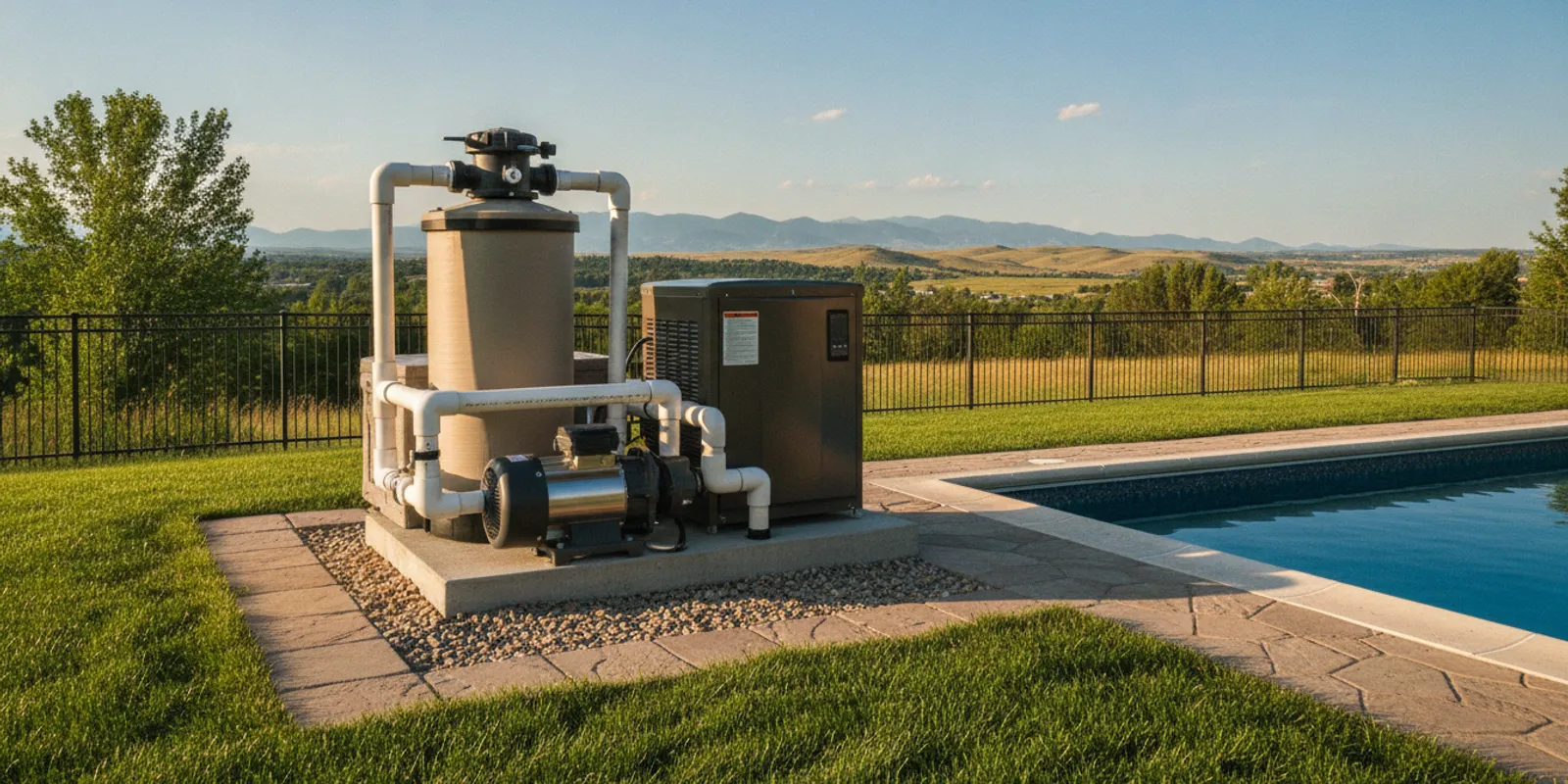
A clarifier is a helper, not a hero. Its entire job is to make microscopic particles big enough for your filter to catch. For it to work, your filter must be clean and running properly. If your water is hazy and your filter seems to be struggling, a clarifier can give it the support it needs to trap those tiny troublemakers. However, if your filter is old, damaged, or constantly getting clogged, a clarifier is only a temporary fix. In that case, it might be time to look into professional equipment repairs and servicing to address the root of the problem.
Pool Clarifier vs. Flocculant: What's the Difference?
When your pool water turns cloudy, both clarifiers and flocculants can help, but they are not interchangeable. Think of them as two different tools for two very different levels of cloudiness. A clarifier is your go-to for a light haze, while a flocculant is the heavy-duty solution for a seriously murky pool. Using the right one will save you time, effort, and frustration by clearing up the water efficiently. The main difference lies in how they work and how much hands-on effort they require from you. Let’s break down what each one does so you can confidently choose the right product for your pool.
Understanding Flocculant
Flocculant, often called "floc," is a fast-acting chemical that works by gathering all the tiny, suspended particles in your water and clumping them together. These new, heavier clumps then sink to the bottom of your pool, forming a cloudy layer on the floor. Unlike a clarifier that works with your filter, a flocculant requires you to do the cleanup. After letting the particles settle (with the pump off), you’ll need to manually vacuum the debris out of the pool using the "waste" setting on your filter. This process bypasses the filter entirely, which is important because flocculants can clog and even damage your filter system if not used correctly.
When to Use a Clarifier
Reach for a clarifier when your pool water is just slightly hazy or dull. It’s the perfect "polishing tool" to use when you can still see the bottom of your pool, but the water has lost its sparkle. Before you add a clarifier, make sure you’ve covered the basics of regular pool maintenance, like balancing your water chemistry and cleaning your filter. A clarifier works by binding small particles into larger ones that your filter can more easily trap. It’s a slower, more hands-off approach that lets your filtration system do the heavy lifting over 24 to 48 hours. Think of it as giving your filter a helping hand, not a complete replacement for proper care.
When to Use Flocculant
A flocculant is your go-to for a seriously cloudy pool, especially when you need clear water fast. It’s the right choice after a significant event, like clearing up a dead algae bloom or after a big storm dumps a ton of fine debris into the water. If your pool is so cloudy you can’t see the bottom, a flocculant is the more effective option. Just be prepared for the manual labor involved. Since you have to vacuum the settled debris to waste, you will lose a noticeable amount of pool water that will need to be replaced. This process requires a bit more attention to your pool equipment settings, but the payoff is dramatically clearer water in under 24 hours.
How to Use Pool Clarifier: A Step-by-Step Guide
Using a pool clarifier is a straightforward process, but following the steps correctly is key to getting that crystal-clear water you’re after. Think of it less like a magic potion and more like a helpful assistant for your filter. When you use it properly, a clarifier helps your filtration system do its job more effectively. Rushing the process or skipping a step can leave you with the same cloudy water you started with, so a little patience goes a long way. Here’s how to get it right.
Step 1: Test and Balance Your Water
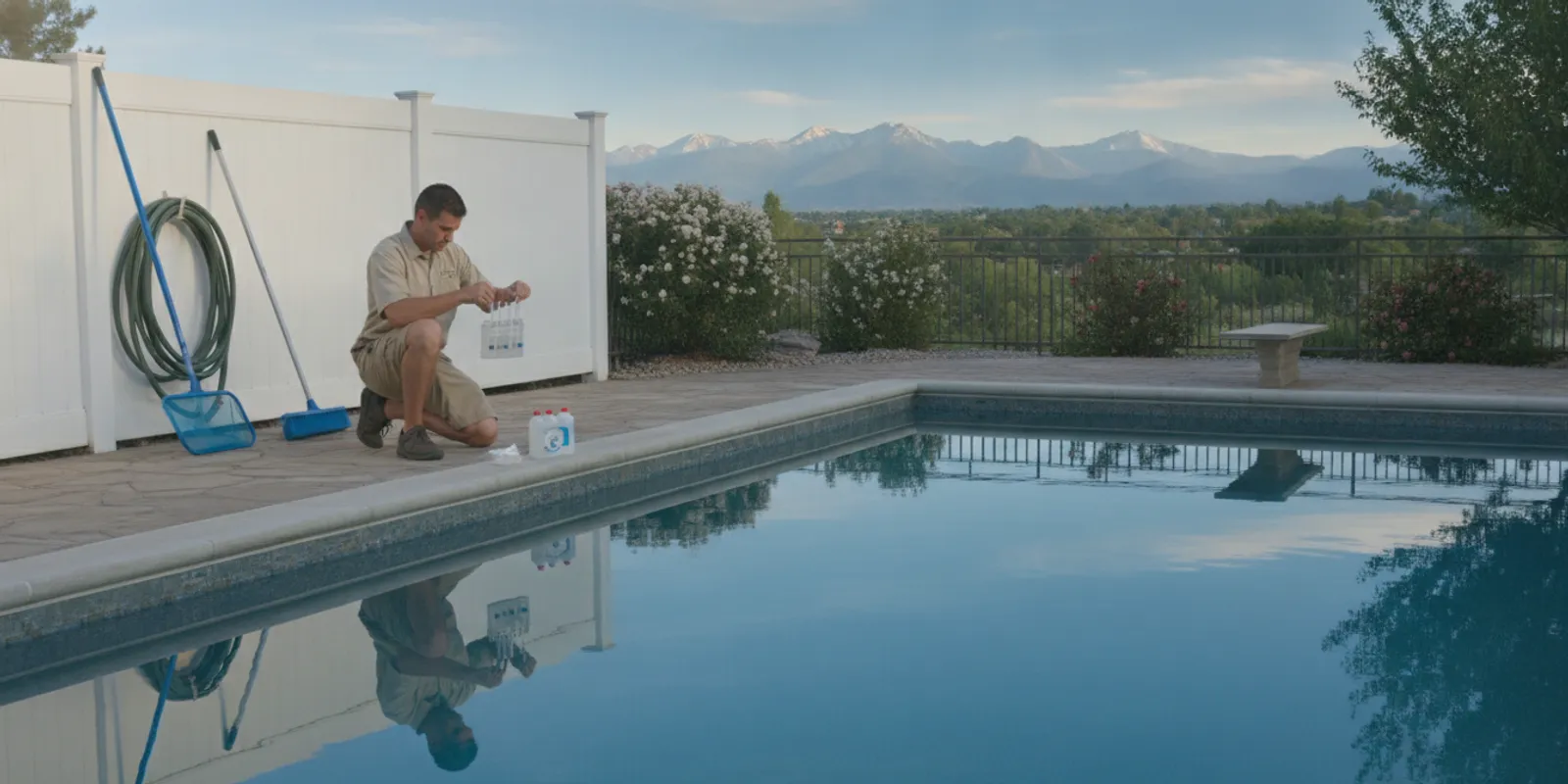
Before you even open the clarifier bottle, grab your water testing kit. A clarifier can’t work its magic if your pool’s basic chemistry is out of whack. Your pH should be between 7.4 and 7.6, and your alkalinity should be in the range of 100 to 150 parts per million (ppm). If these levels are off, the clarifier won’t be effective. Balancing your water is always the first step in troubleshooting any pool issue, from cloudiness to algae. If you need help getting your levels right, we have the professional-grade supplies and chemicals to get your water back on track.
Step 2: Prep Your Filter
Your pool filter is about to work overtime, so give it a clean slate. Before adding clarifier, make sure your filter is clean. If you have a sand or DE filter, give it a good backwashing. For cartridge filters, take the cartridge out and give it a thorough cleaning. A clean filter has the capacity to trap all the newly clumped particles the clarifier is about to create. Starting with a dirty or clogged filter is like trying to clean your floors with a dirty mop; it just won’t work. This is also a good time to check if your filter needs any professional equipment repairs or servicing.
Step 3: Add the Right Amount
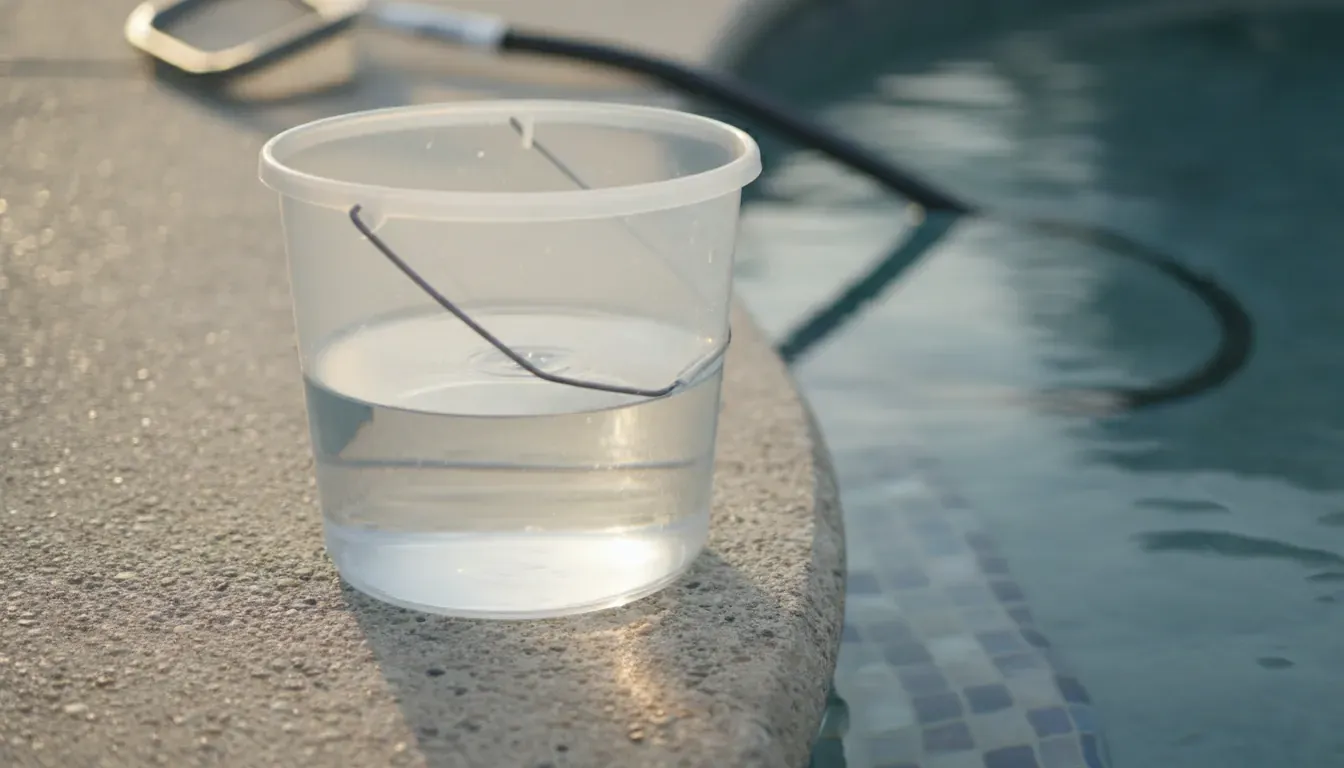
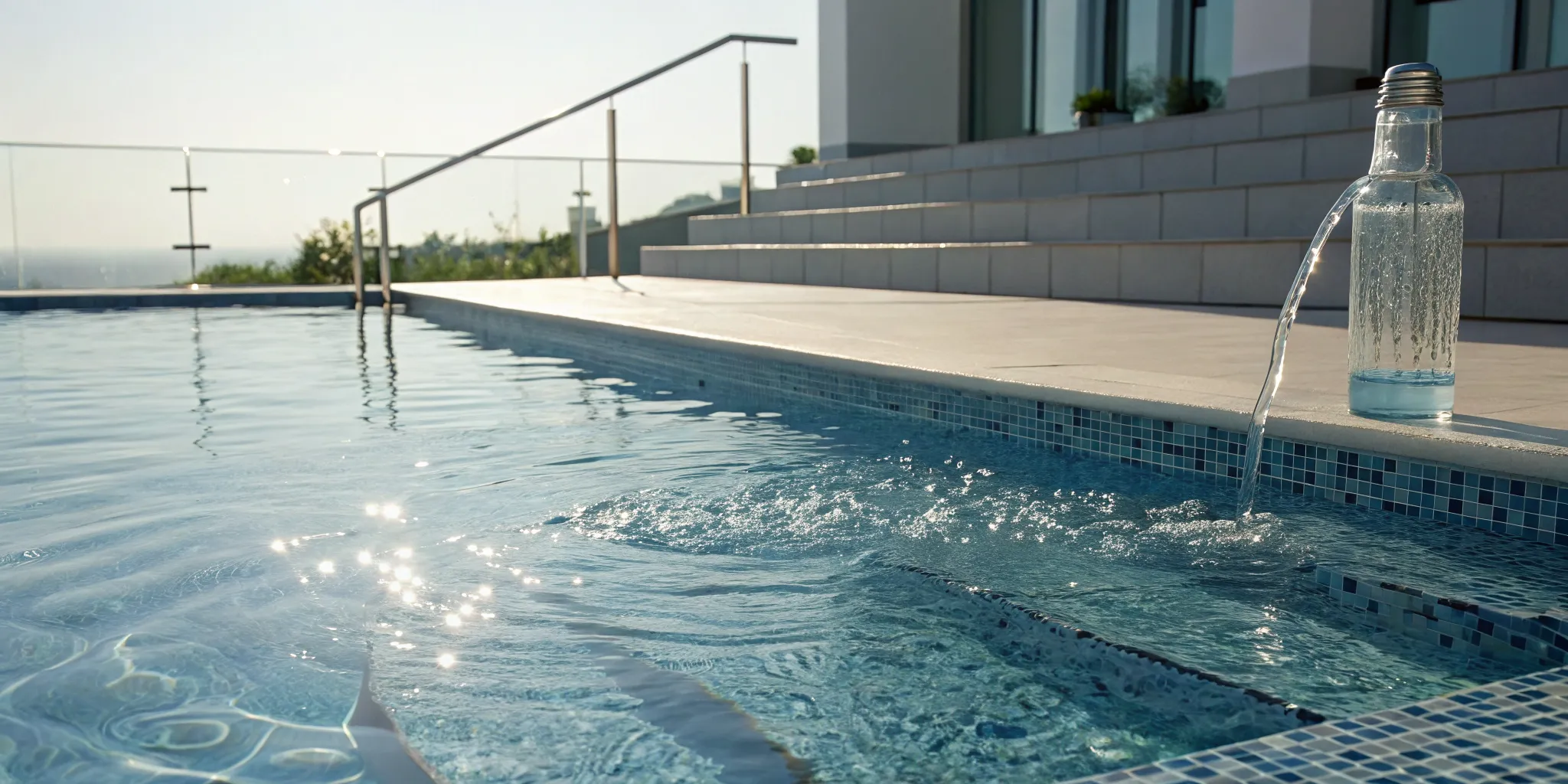
This is one time where you need to follow the instructions on the bottle to the letter. The amount of clarifier you need is based on your pool’s total volume in gallons. Adding too little won’t be effective, but adding too much can have the opposite effect and make your water even gummier or cloudier. Resist the urge to eyeball it or pour in a little extra for "good measure." Carefully measure the correct dosage and dilute it in a bucket of pool water before pouring it slowly around the edges of your pool. This helps it distribute evenly throughout the water.
Step 4: Run Your Filter and Watch
Now it’s time to let your pool’s circulation system take over. After adding the clarifier, run your pump and filter continuously for at least 24 hours, or even up to 48 hours. This constant circulation is crucial for the clarifier to work. It ensures all the water passes through the filter, giving it a chance to catch the tiny particles that have been bound together. You should start to see your water becoming clearer during this time. Just be patient and let the equipment do its job.
Step 5: Clean Your Filter Again
Once your water is sparkling clear again, your filter deserves a thank-you in the form of another cleaning. It has just trapped a ton of dirt, debris, and other gunk that was making your pool cloudy. All that collected material is now clogging up your filter, so it’s essential to clean it out. Backwash your sand or DE filter, or rinse your cartridge thoroughly. This final cleaning prevents the trapped contaminants from sitting in your filter and ensures your system is ready to operate efficiently for routine cleaning and maintenance.
Step 6: Repeat if Needed
If your pool is still a bit hazy after the first treatment and a filter cleaning, you can repeat the process. However, it’s important not to overdo it. Wait at least a few days before adding a second dose. Using clarifier too frequently, especially within 48 hours of a previous treatment, can cause the particles to become too large and heavy, making the problem worse. If a second treatment doesn’t solve the issue, the cloudiness is likely a sign of a more significant problem. At that point, it’s best to stop guessing and give a professional a call.
Common Pool Clarifier Mistakes
Pool clarifiers are fantastic tools, but they aren't magic. To get that crystal-clear water you're dreaming of, you have to use them correctly. A few common slip-ups can actually make your cloudy water situation worse or just waste your time and money. It’s frustrating to put in the effort only to see no improvement. Let's walk through the mistakes I see most often so you can avoid them and get straight to a sparkling clean pool. By steering clear of these simple errors, you’ll make sure your clarifier works effectively the first time, every time.
Using Too Much
It’s easy to think that if a little clarifier is good, a lot must be better. Unfortunately, that’s not how it works. Overdosing your pool with clarifier can have the opposite effect, causing the chemical to act as a dispersant. This means it will break the tiny particles apart instead of clumping them together, making your water even cloudier than before. The key is to follow the manufacturer's instructions on the bottle to the letter. Measure the dose based on your pool's volume. If you’re unsure how many gallons your pool holds, it’s worth figuring that out first. A little patience and precision go a long way.
Adding It Right After a Shock
Timing is everything, especially when it comes to pool chemicals. If you've just shocked your pool, the chlorine levels are extremely high. Adding a clarifier at this point is a waste because the high concentration of chlorine can interfere with the clarifier's polymers, preventing them from working properly. It’s best to wait a day or two after shocking. Test your water and wait until the free chlorine level has returned to its normal range, typically 1 to 3 parts per million (ppm). Once your chlorine is balanced, the clarifier will be able to do its job effectively without being neutralized.
Forgetting Your Filter
A clarifier and your filter are a team. The clarifier’s job is to gather all the tiny, suspended particles into clumps, but it’s your filter that actually removes them from the water. If your filter is dirty or clogged, it won’t be able to handle the extra load. Before adding a clarifier, make sure your filter is clean and running properly. After the clarifier has worked its magic (usually after 8 to 12 hours of circulation), you’ll need to clean your filter again to remove all the gunk it collected. If your filter seems to clog constantly, you might need professional equipment repairs and servicing to get it back in shape.
Using the Wrong Kind for Your Filter
Not all clarifiers are created equal, and some don't play well with certain types of filters. This is especially true for Diatomaceous Earth (DE) filters. Many common clarifiers are made with synthetic polymers that can clog or gum up the fine grids in a DE filter, leading to poor performance and potentially costly repairs. If you have a DE filter, look specifically for a chitin-based clarifier, which is derived from crustacean shells and is compatible with DE systems. Always read the product label carefully to ensure the clarifier you choose is safe for your specific filter type.
Ignoring the Real Problem
Think of a clarifier as a temporary fix, not a permanent solution. If your pool is constantly cloudy, there’s likely an underlying issue that the clarifier is just masking. Persistent cloudiness is often a symptom of poor water chemistry, insufficient filtration run times, or an early-stage algae problem. While a clarifier can provide a quick fix for a party, it won't solve the root cause. You need to investigate why your water is cloudy in the first place. Regular testing and a consistent cleaning and maintenance schedule are the true secrets to long-term clear water.
Will a Clarifier Fix Any Cloudy Pool?
A pool clarifier can feel like a miracle worker when your water starts to look a little hazy. It’s a liquid chemical that helps clear up cloudiness by acting like a magnet. Pool clarifiers grab all the tiny particles of dirt, sunscreen, and other debris that are too small for your filter to catch on its own. By clumping them together into larger pieces, the clarifier makes it easy for your filter to finally trap and remove them, leaving your water sparkling.
But while a clarifier is a fantastic tool to have in your pool care kit, it’s not a cure-all for every cloudy water situation. Think of it as a helper, not a replacement for good maintenance. It’s great for specific situations, like after a big storm or when you’re opening your pool for the season. If you find yourself reaching for the clarifier bottle every week, it’s a sign that your pool is trying to tell you something. The cloudiness is likely a symptom of a bigger issue that a clarifier can only temporarily hide.
When a Clarifier Isn't Enough
If you feel like you’re in a constant battle with cloudy water and clarifier is your only weapon, it’s time to look deeper. Using a clarifier often is a major clue that something else is off. According to pool experts, this could point to a problem with your filter, your overall cleaning and maintenance routine, or your water’s chemical balance. A clarifier can help your filter do its job better, but it can’t fix a filter that’s broken, dirty, or too small for your pool. It’s a temporary solution, and relying on it too much means you’re not addressing the real source of the problem.
Signs of a Deeper Issue
Cloudy water is your pool’s way of signaling for help. The murkiness can be caused by a number of things that a clarifier won't solve permanently. Common culprits include imbalanced water chemistry, like high pH or alkalinity, the early stages of an algae bloom, or simply not running your filter long enough each day. Heavy rain can also throw off your water balance and introduce contaminants. If your filter isn't working correctly, it can’t remove debris effectively, leading to persistent cloudiness. Diagnosing these underlying issues is key to achieving lasting clear water, and sometimes that requires a professional eye on your pool equipment.
How to Keep Your Pool Water Clear for Good
While a clarifier is a great tool for tackling occasional cloudiness, the real secret to sparkling water is consistent maintenance. Think of it as prevention rather than a cure. By building a few key habits into your routine, you can keep your pool looking its best all season long and rely less on quick fixes. These simple, proactive steps are the foundation of a healthy pool and will save you time and headaches down the road.
Maintain Balanced Water Chemistry
The number one rule for clear water is balanced chemistry. If your pH, alkalinity, and chlorine levels are off, nothing else you do will be as effective. Before you even think about adding a clarifier, test your water. Your free chlorine should be at an appropriate level to sanitize, while correct pH and total alkalinity create the right environment for chlorine to work efficiently. Getting these basics right prevents countless issues, including cloudiness and algae growth. We can help you find the right supplies and chemicals to keep everything perfectly balanced.
Keep Your Filter Running
Your pool’s filter is its hardest-working component, responsible for physically removing dirt and debris from the water. For it to do its job, you have to run it long enough each day, typically 8 to 12 hours, to circulate all the water. A filter can’t catch what doesn’t pass through it. If your water is consistently hazy, make sure your pump and filter are running properly and are clean. If you suspect an issue, it might be time for professional equipment repairs and servicing to get things back on track.
Stick to a Shock Schedule
Shocking your pool, or super-chlorinating, is a critical step for oxidizing contaminants like sweat, oils, and algae that your normal chlorine level can’t handle. Doing this regularly, about once a week during peak season or after a heavy rainstorm, eliminates cloudy-water culprits before they become a problem. Just remember to wait before adding other chemicals. High chlorine levels from a recent shock can destroy clarifier polymers, so give your chlorine time to return to a normal range before using a clarifier. This simple patience makes your cleaning and maintenance efforts much more effective.
Don't Skip Skimming and Brushing
It may seem basic, but physically removing debris is one of the best things you can do for your pool. Skim the surface daily to get rid of leaves, bugs, and other floating items before they sink and decay. At least once a week, brush the walls, steps, and floor of your pool. This action dislodges stubborn dirt and prevents algae from taking hold on surfaces. Following up with a good vacuuming session removes all the debris you just brushed away, leaving your pool spotless and your water beautifully clear.
Still Cloudy? When to Call a Pro
It can be frustrating when you’ve followed all the steps, added a clarifier, and your pool water still looks like a cloudy day. While clarifiers are great for minor issues, they are a temporary fix, not a cure-all. If you find yourself reaching for the clarifier bottle week after week, or if the cloudiness comes right back after a treatment, it’s a clear signal that there’s a bigger problem hiding beneath the surface. Persistent cloudiness often points to issues that a chemical additive simply can't resolve on its own.
Think of it this way: a clarifier helps your filter catch particles, but it can't fix a broken or inefficient filter. It also can't solve severe chemical imbalances or a stubborn algae bloom that requires a more aggressive approach. If you've already balanced your water chemistry, cleaned your filter, and tried a shock treatment with no luck, you're likely dealing with a more complex issue. This is where professional help can save you a lot of time, money, and stress. A trained technician can accurately diagnose the root cause, whether it's an issue with your equipment and filtration system or a water chemistry problem specific to our Colorado climate. Instead of guessing with more chemicals, getting an expert opinion ensures you get back to enjoying crystal-clear water faster. Our team is always ready to help with routine cleaning and maintenance to keep these problems from starting in the first place.
Related Articles
- The Ultimate Guide to Pool Clarifiers
- What Are Pool Clarifiers & How to Use Them Safely
- Pool Cleaning & Maintenance
- Equipment Repairs & Servicing
- Supplies & Chemicals
Ready for a cleaner pool?
Denver's trusted pool care professionals since 1982. Get started today.
Schedule ServiceFrequently Asked Questions
How often should I be using a pool clarifier? You should only use a clarifier when you really need it, not as part of your weekly chemical routine. Think of it as a spot treatment for when your water is hazy after a big party, a storm, or during your pool opening. If you find yourself wanting to use it every week, that’s a strong signal that your pool has a deeper issue with its chemistry or filtration system that needs a closer look.
Is it safe to swim right after adding a clarifier? It’s best to wait a bit. While clarifiers are generally safe, you need to give the product time to circulate and work with your filter. I recommend running your pump for at least 8 to 12 hours to let the process complete before anyone hops in. This also gives your filter a chance to remove the clumped particles from the water. Always read the manufacturer's label for their specific guidance.
I used a clarifier, but my pool is still cloudy. What happened? This is a common frustration, and it usually points to one of a few things. First, double-check that your water chemistry, especially the pH, was properly balanced before you added the clarifier. Second, make sure you started with a clean filter, since a dirty one can't grab the new clumps. Using too much clarifier can also backfire and make the water even cloudier. If you did everything right and the water is still hazy, the cloudiness is likely a symptom of a bigger problem that a clarifier can't fix.
Can I use a clarifier and a flocculant at the same time? No, you should never use these two products together. They are designed for different jobs and will interfere with each other, likely creating a bigger mess in your pool. A clarifier is a slow-acting helper for your filter, while a flocculant is a fast-acting chemical that requires you to manually vacuum the settled debris. You need to choose one or the other based on how cloudy your water is.
My water is clear now, thanks to the clarifier. What's the most important thing to do next? That's great news! The most important next step is to clean your filter. It just worked overtime to trap all of that debris, and leaving it all in there will quickly reduce your filter's efficiency. After cleaning it, get back to your consistent maintenance schedule of testing your water, skimming, and brushing. This proactive care is the true secret to keeping that sparkle all season long.
Related Blogs