Which Pool Cleaner Is Right for Your Pool?
The best automatic pool cleaner isn’t the most expensive one; it’s the one that’s right for your specific pool. A cleaner that works wonders in your neighbor’s vinyl pool might struggle with your concrete one. Factors like your pool’s surface, size, and the type of debris it collects all play a huge role in finding the perfect match. This guide will walk you through exactly what to consider before you buy. We’ll help you assess your pool’s unique needs so you can choose a pool cleaner that works efficiently, saving you time and preventing frustration down the road.
Ready for a cleaner pool?
Denver's trusted pool care professionals since 1982. Get started today.
Schedule ServiceKey Takeaways
- Match the cleaner to your pool's specific needs: Choose a cleaner by considering your pool's type (in-ground or above-ground), its surface material, and the kind of debris it usually collects, from fine silt to large leaves.
- Think of your cleaner as an assistant, not a replacement: An automatic cleaner handles the daily vacuuming, but you still need to manually brush walls, skim the surface, and manage your water chemistry to keep your pool healthy.
- Simple maintenance prevents major headaches: Extend your cleaner's life by cleaning its filter after each use and storing it properly. If you've tried basic troubleshooting for recurring issues and are still stuck, calling a professional is the smartest move.
Breaking Down the 3 Types of Automatic Pool Cleaners
Choosing an automatic pool cleaner can feel overwhelming, but it really comes down to three main types. Each one works a little differently, and understanding the basics will help you find the perfect match for your pool and your budget. Think of them as different tools for the same job: keeping your pool sparkling clean with less manual work from you. Let's look at how robotic, suction-side, and pressure-side cleaners get the job done.
Robotic Pool Cleaners
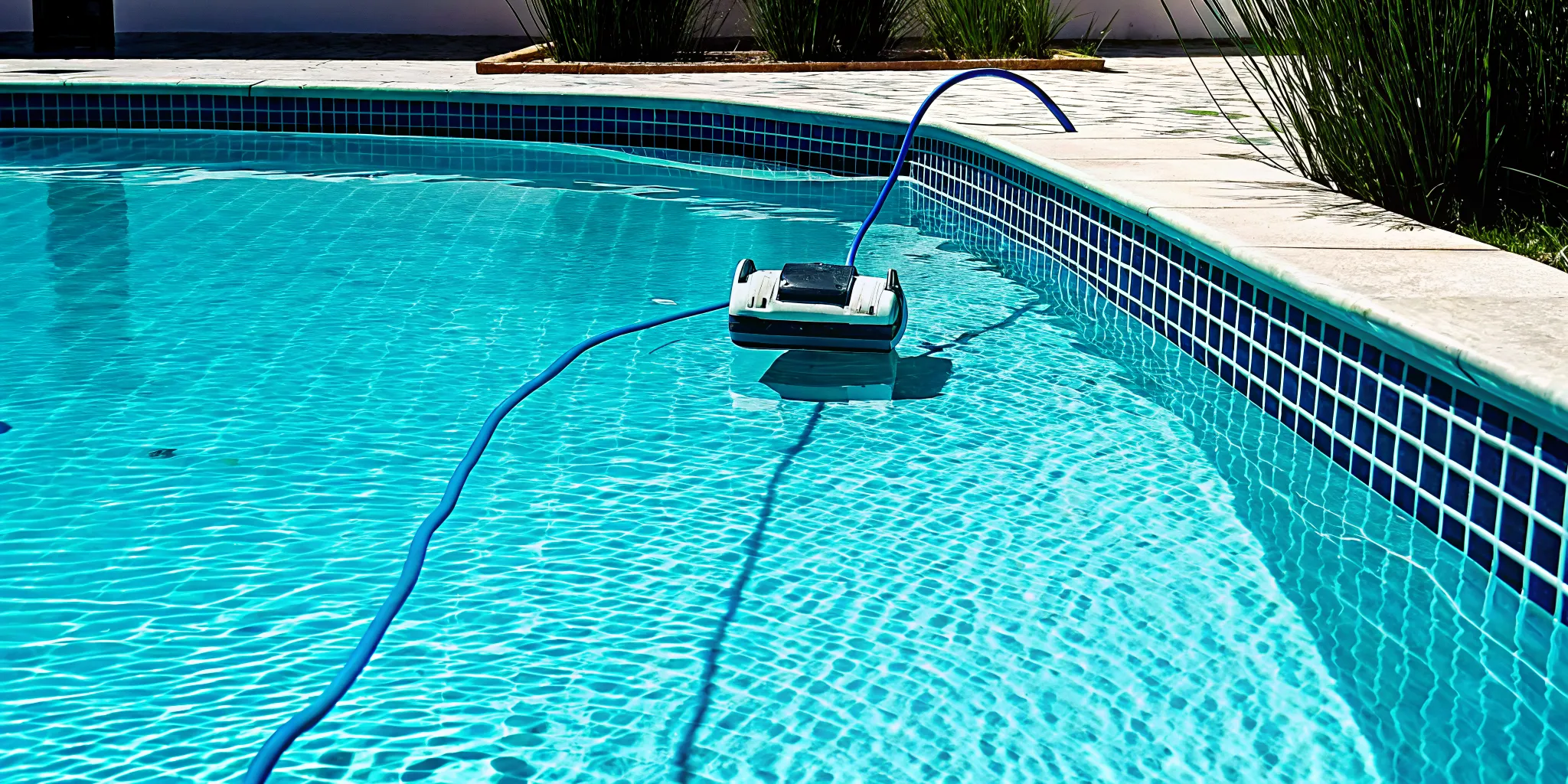
Think of a robotic cleaner as the smart, independent workhorse of the pool world. These cleaners are self-contained units that you plug into a standard electrical outlet. They don't rely on your pool's pump or filter to operate. Instead, they use their own motor to move around and an internal filter to trap dirt and debris. Most models can scrub the pool floor, climb walls, and even clean the waterline. Because they work separately from your pool's system, they are very energy-efficient and help reduce wear and tear on your main filter. They are a fantastic, low-hassle option for thorough cleaning and maintenance.
Suction-Side Pool Cleaners
Suction-side cleaners are a popular and affordable choice that work with your existing pool equipment. They function like an automatic vacuum, connecting to your pool’s skimmer or a dedicated suction line. Your pool pump creates the suction that powers the cleaner, pulling it around the pool to collect dirt, sand, and other small debris. This debris is then sent directly to your pool's filter. While they are simple to operate and budget-friendly, their performance depends on the power of your pump. If your pump or filter isn't working correctly, your cleaner won't either, which is why regular equipment repairs and servicing are so important.
Pressure-Side Pool Cleaners
Pressure-side cleaners use water pressure from your pool’s return line to move around and push debris into a built-in collection bag. This makes them excellent for pools that get a lot of larger debris like leaves, acorns, and twigs, which is common here in Colorado. Because they capture debris before it reaches your main filter, they help extend the life of your filtration system. Some high-powered models require a separate booster pump to create enough pressure, while others can run off your existing system. They effectively sweep your pool clean without putting extra strain on your filter.
How to Choose the Right Pool Cleaner
With so many automatic pool cleaners on the market, picking the right one can feel like a chore in itself. But finding the perfect match doesn’t have to be complicated. The best cleaner for you is simply the one designed for your pool’s unique characteristics. By answering a few key questions about your pool’s design, surface, and the kind of debris it collects, you can confidently choose a cleaner that will work efficiently and keep your water sparkling. Let’s walk through exactly what you need to consider.
Is Your Pool In-Ground or Above-Ground?
First things first, you need to match the cleaner to your pool type. This might seem obvious, but it’s a critical first step because in-ground and above-ground pools have very different needs. In-ground pools often have varied depths, slopes, and features like stairs or tanning ledges that require a more powerful cleaner capable of climbing walls. Above-ground pools typically have flat bottoms and uniform walls, so a simpler, more affordable cleaner often does the trick. Using an automatic pool cleaner designed for an above-ground pool in an in-ground one will leave you with dirty walls and missed spots. Make sure the product you choose is explicitly made for your pool type.
What Is Your Pool's Surface Made Of?
Next, take a look at your pool’s interior surface. Is it plaster, vinyl, fiberglass, or tile? The material matters because a cleaner’s brushes are designed for specific surfaces. A pool with a rougher finish like concrete or gunite needs a cleaner with stiff, durable brushes to effectively scrub away dirt and algae. On the other hand, if you have a smooth vinyl or fiberglass liner, you’ll want a cleaner with soft, non-abrasive brushes to prevent scratches and permanent damage. Always check the cleaner’s product details to confirm it’s compatible with your pool’s surface. This simple check protects your investment and keeps your pool looking its best for years to come.
What Kind of Debris Does Your Pool Get?
Think about what usually ends up in your pool. Are you constantly skimming out large leaves, twigs, and acorns from nearby trees? Or is your main battle against fine dust and silt that blows in on windy Colorado days? The type of debris your pool collects will point you toward the right kind of cleaner. For larger debris, a pressure-side or robotic cleaner with a wide intake and a large filter bag is ideal. If you’re mostly dealing with fine dirt and sand, many suction-side cleaners are an effective and budget-friendly choice. Matching the cleaner to the debris load ensures it can actually pick up what’s dirtying your pool.
How Big and Deep Is Your Pool?
Finally, consider your pool’s dimensions. A cleaner is only effective if it can reach every corner. Before you buy, check the length of the cleaner’s hose or power cord to make sure it’s long enough for your pool’s size. A good rule of thumb is to measure your pool from the skimmer to the farthest point and ensure the cord is a few feet longer. The depth and shape also play a role. If you have a deep end with a steep slope, you’ll need a cleaner with excellent traction and climbing power to handle the incline without getting stuck or tipping over. Choosing a cleaner that can handle your pool’s specific size and depth guarantees a complete clean every time.
Key Features to Look For in a Pool Cleaner
Once you’ve narrowed down the type of automatic cleaner that fits your pool, it’s time to compare specific models. Think of it like buying a car; the basic function is the same, but the features are what make one a better fit for your lifestyle than another. Looking at the details will help you find a cleaner that not only works hard but also makes your life easier. From its cleaning path to its energy use, every feature plays a role in how happy you’ll be with your purchase in the long run.
Focusing on these key features will help you choose a reliable machine that keeps your pool sparkling with minimal effort. If you ever feel stuck or find your cleaner isn't performing as it should, remember that professional help is available. Our team can handle any equipment repairs and servicing to get your system running smoothly again.
Does It Clean Floors, Walls, and Steps?
Not all pool cleaners are created equal when it comes to coverage. Some basic models are designed to clean only the pool floor, which might be enough if you’re diligent about brushing. However, dirt and algae love to cling to walls and gather on steps. For more complete cleaning, look for a model that can handle vertical surfaces and the waterline. Many modern robotic pool cleaners are engineered to climb walls and scrub the tile line, giving you a much deeper clean without the extra work. Consider how much manual brushing you’re willing to do before deciding if a floor-only model will meet your needs.
Will the Brushes Work on Your Pool Surface?
This is a big one. Using a cleaner with the wrong type of brushes can damage your pool’s surface, leading to scratches on a vinyl liner or ineffective cleaning on a slick tile finish. Always check the manufacturer’s specifications to ensure the cleaner is compatible with your pool material, whether it’s plaster, pebble, vinyl, or fiberglass. Some cleaners come with interchangeable brushes for different surfaces, while others are sold in specific models. Making sure you have the right brushes will protect your investment and ensure the cleaner can get a firm grip to properly scrub away grime.
How Much Debris Can It Handle?
Think about what typically ends up in your pool. Do you get a lot of fine dust and sand, or is your main battle against larger debris like leaves, twigs, and acorns from nearby trees? Some cleaners excel at sucking up small particles, while others are built with wider intakes to handle larger items without clogging. For instance, pressure-side cleaners are often recommended for pools with heavy leaf debris. Choosing a cleaner that matches the type of debris common in your Colorado backyard will save you a lot of frustration.
How Smart Is the Navigation?
An automatic cleaner is only helpful if it cleans the whole pool. Cheaper models often rely on a random pattern, which means they might repeatedly clean one area while missing another entirely. More advanced cleaners use smart navigation or mapping technology to scan the pool’s shape and size, ensuring systematic and complete coverage. While a robotic cleaner with all the bells and whistles might seem like overkill, its intelligent programming can mean the difference between a truly clean pool and one with frustrating missed spots.
Is It Energy-Efficient?
Your pool equipment can be a significant contributor to your home’s energy bill, so efficiency is a worthwhile feature to consider. Robotic cleaners are typically the most energy-efficient option because they run on low-voltage electricity and operate independently of your main pool pump. In contrast, suction-side and pressure-side cleaners require your pool pump to run, sometimes at a higher speed, which consumes more energy. Over the lifetime of the cleaner, the energy savings from an efficient model can really add up, making it a smart financial choice.
How Easy Is It to Set Up and Use?
You’re buying an automatic cleaner to save time and effort, so it shouldn’t be a hassle to operate. Some models are as simple as plug-and-play: you just drop them in the water and press a button. Others, like suction-side pool cleaners, are known for being easy to install but may require you to connect hoses to your skimmer. Consider how much setup you’re willing to deal with each time you clean. Features like lightweight designs, easy-to-clean filter baskets, and tangle-resistant cords also contribute to a more user-friendly experience.
A Quick Guide to Top Pool Cleaner Brands
When you start shopping for an automatic pool cleaner, you’ll notice a few brand names pop up again and again. While many options are out there, three brands consistently lead the pack in performance, reliability, and innovation. At Neptune Pools, our technicians see these cleaners in action every day across the Denver area, so we know which ones hold up to our unique climate and the needs of local pool owners. If your cleaner ever runs into trouble, our team is experienced with all major brands and can handle any equipment repairs you might need.
Let's look at what makes Dolphin, Hayward, and Polaris the top contenders.
Dolphin
Think of Dolphin cleaners as the tech-savvy choice for your pool. They are famous for their intelligent navigation systems that methodically map out your pool's floor and walls, ensuring no spot is missed. This smart approach makes them incredibly efficient. They are also designed to be energy-friendly, using less power than many older models, which is always a plus for your utility bill. Whether your pool is finished with tile, vinyl, or concrete, a Dolphin cleaner can handle the surface with ease. Their user-friendly design and simple maintenance make them a favorite for homeowners who want a reliable, set-it-and-forget-it solution.
Hayward
Hayward is one of the most established and trusted names in the pool industry, and for good reason. Their cleaners are built to last and are known for their powerful and consistent performance. Hayward’s robotic models are especially good at climbing walls to scrub the waterline, which helps prevent stubborn buildup. Many of their products also come with convenient features like programmable cleaning schedules, so you can customize the cleaning cycle to fit your pool’s needs. If you’re looking for a durable workhorse from a brand with a long-standing reputation for quality, Hayward is an excellent choice.
Polaris
If your pool is on the larger side or deals with a lot of leaves and debris, a Polaris cleaner is definitely worth considering. This brand is known for its powerful suction and pressure-side models that make quick work of heavy-duty cleaning jobs. Polaris cleaners are particularly skilled at moving around complex pool shapes, steps, and benches without getting stuck. They offer a variety of models, including both pressure-side and robotic options, allowing you to choose the best technology for your pool’s specific plumbing and debris load. A great cleaner is a key part of any cleaning and maintenance routine.
Will an Automatic Cleaner Replace Manual Cleaning?
It’s the dream for every pool owner: a machine that does all the dirty work so you can just enjoy the water. Automatic pool cleaners are a fantastic invention and get you much closer to that dream, but they aren’t a complete replacement for manual pool care. Think of your automatic cleaner as your hardest-working employee, the one who handles the daily grind of scooping up dirt and leaves from the pool floor. It saves you an incredible amount of time and effort.
However, it can’t do everything. Your pool is a complex ecosystem that needs more than just vacuuming. You’ll still need to pay attention to water chemistry, brush down the walls, and keep your filter system in top shape. An automatic cleaner is just one part of a complete cleaning and maintenance routine. It handles the heavy lifting, freeing you up to focus on the finer details that keep your pool sparkling and safe.
What Automatic Cleaners Can and Can't Do
Automatic cleaners are excellent at what they’re designed for: routine cleaning. Robotic models work independently to scrub floors, walls, and the waterline, collecting debris in their own filter canister. Suction-side and pressure-side cleaners connect to your pool’s circulation system to vacuum dirt. They make your life easier by consistently removing sand, small leaves, and other debris that settles in your pool.
What they can’t do is manage the overall health of your pool. An automatic cleaner won't test your water chemistry, add chemicals, or clean out your main pump and filter. They also tend to miss tight corners, steps, and crevices where algae loves to hide. They are a powerful tool for daily upkeep, but not a substitute for comprehensive pool care.
Why Your Filter and Water Chemistry Are Still a Priority
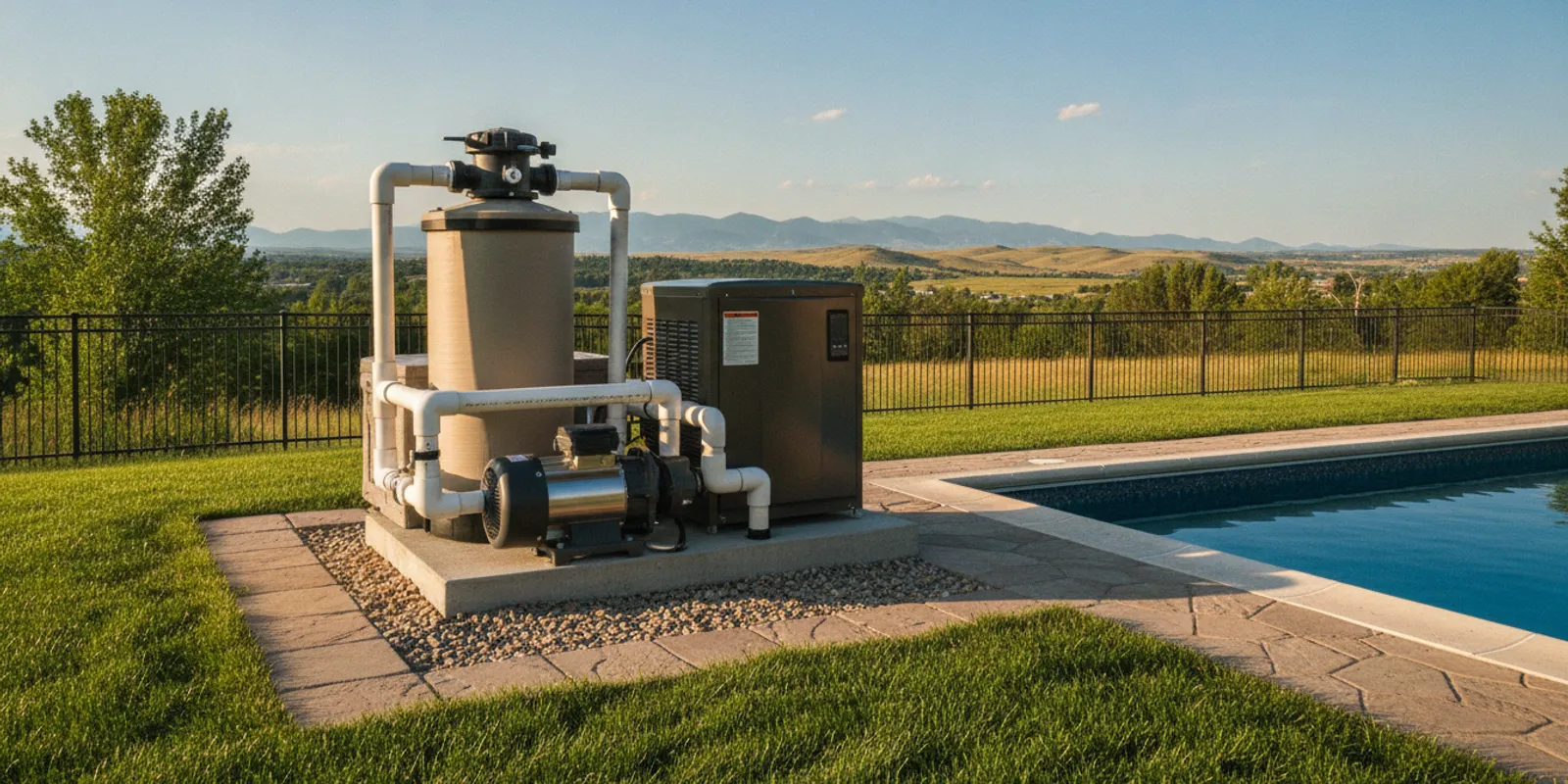
Your automatic cleaner can only work as well as the system it’s part of. If you have a suction-side cleaner, it relies on your pool pump to create suction. If your main pool filter is clogged and dirty, the cleaner won’t have enough power to move or pick up debris effectively. You might even notice dirt blowing back into the pool, which is a classic sign of a filter issue. Keeping your filter clean is essential for both your cleaner and your water clarity.
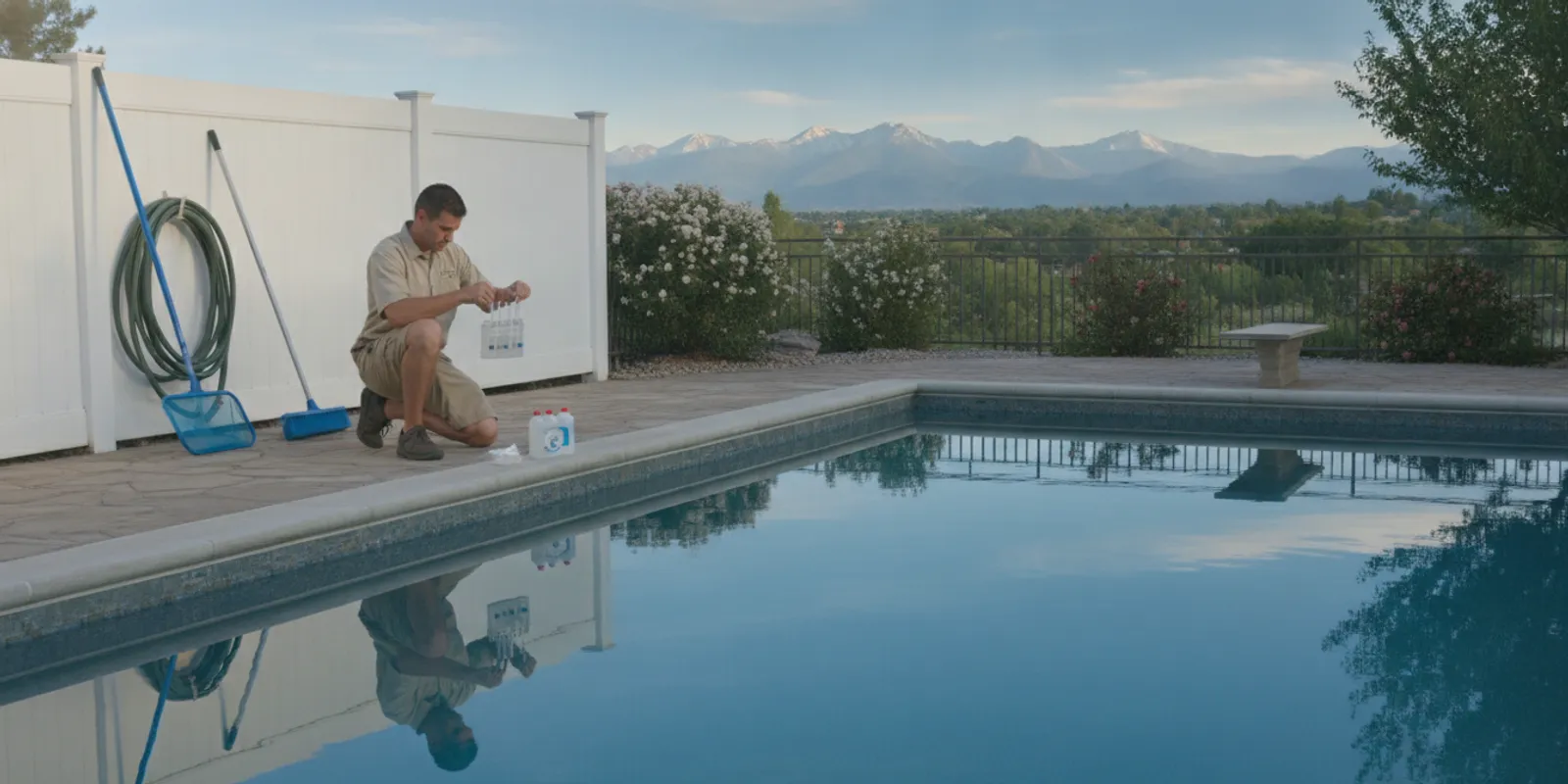
Proper water chemistry is another crucial piece of the puzzle. No automatic cleaner can balance your pH or sanitizer levels. If your water isn't balanced, you can get algae blooms, cloudy water, and equipment damage, no matter how often your cleaner runs. If you suspect a problem with your filter system, it’s always best to call for professional equipment repairs and servicing.
Why You Still Need to Brush and Skim
Even the smartest robotic cleaners have blind spots. They can struggle to get into tight corners, navigate around ladders, or thoroughly scrub steps and benches. These are the exact spots where algae tends to take hold. That’s why you still need to manually brush your entire pool surface weekly. Brushing dislodges stubborn dirt and algae spores, pushing them into the water where your filter and cleaner can take care of them.
Skimming the surface is also a must. Your automatic cleaner works underwater, but leaves, grass clippings, and bugs land on the surface first. Using a skimmer net to remove this floating debris prevents it from sinking to the bottom and becoming waterlogged. A quick daily skim keeps your pool looking pristine and reduces the amount of work your cleaner has to do later.
How to Maintain Your Pool Cleaner So It Lasts
You’ve invested in an automatic pool cleaner to make your life easier, so it only makes sense to protect that investment. A little bit of routine care can dramatically extend the life of your cleaner, ensuring it keeps your pool sparkling for years to come. Just like any hardworking piece of equipment, your cleaner needs some attention to perform its best. Ignoring basic maintenance can lead to poor performance, missed spots, and eventually, a broken machine.
The good news is that maintaining your cleaner isn't complicated or time-consuming. Most of these steps take just a few minutes and can be done right after the cleaning cycle is finished. By creating a simple post-cleaning routine, you can prevent common problems and avoid costly repairs down the line. Whether you have a robotic, suction-side, or pressure-side cleaner, these habits will help you get the most out of your machine and keep it running efficiently all season long.
Clean the Filter After Every Use
Think of your cleaner’s filter or debris bag like the bag in your home’s vacuum cleaner. If it’s full, it can’t pick up any more dirt. Cleaning it out after every cycle is the single most important thing you can do to keep your cleaner working effectively. A clogged filter not only stops the cleaner from picking up more debris, but it can also strain the motor and other components. Just give it a quick rinse with a hose, let it dry, and it will be ready for its next job.
Inspect Hoses, Brushes, and Wheels Regularly
Before you put your cleaner in the pool, take a moment to give it a quick once-over. Check the hoses for any cracks or clogs that could restrict water flow and reduce suction. Look at the brushes to see if they are worn down, as worn brushes can’t scrub algae and grime from your pool’s surfaces effectively. Also, check the wheels and tracks for any pebbles or twigs that might be stuck. A quick inspection can catch small issues before they turn into bigger, more expensive problems.
Check for Wear and Replace Parts Promptly
Over time, parts like brushes, belts, wheels, and filter bags will naturally wear out. It’s a good idea to check these components for signs of wear and tear every month or so. A torn filter bag can let debris escape back into your pool, and a worn-out belt can stop your cleaner in its tracks. Replacing these parts as soon as you notice a problem is key. If you find a part that needs replacing and you're not comfortable doing it yourself, our team can handle all types of equipment repairs and servicing to get your cleaner back in top shape.
Store It Properly Between Uses
As tempting as it is to leave your cleaner in the pool, it’s best to take it out after each cleaning cycle. Constant exposure to pool chemicals and sunlight can degrade the plastic and electronic components over time, shortening its lifespan. After cleaning the filter, find a shady, dry spot to store your cleaner. If you have a robotic cleaner, a caddy is a great way to store the unit, power supply, and cable neatly and safely. Also, always remove the cleaner before anyone goes for a swim.
How to Store Your Cleaner During a Colorado Winter
When it’s time to close your pool for the season, you can’t just leave your cleaner outside. Freezing temperatures here in Colorado can cause plastic parts to crack and permanently damage internal components. Before storing it, give your cleaner a thorough cleaning, making sure all debris is removed. Let it dry completely, then loosely coil any hoses or cables to prevent kinks. Store the entire unit in a dry, protected space that won’t freeze, like your garage, basement, or a shed. This simple step ensures it will be ready to go next spring.
How to Fix Common Pool Cleaner Problems
Even the best automatic pool cleaners run into trouble now and then. Before you panic, many common issues have simple fixes you can handle yourself. Here’s a step-by-step guide to troubleshooting the most frequent problems so you can get your cleaner back on track.
Your Cleaner Isn't Moving or Has Weak Suction
If your cleaner has stopped moving or seems sluggish, a loss of suction is the most likely culprit. Start by checking the simplest things first. Make sure the pump is running and the filter is clean. A clogged filter can restrict water flow and cripple your cleaner’s performance. Next, inspect the cleaner’s hose for any clogs or kinks that could be blocking suction.
If those steps don’t work, examine your filter system for damage. A tear in a cartridge filter or a broken lateral in a sand filter can cause problems. Also, ensure your pool pump is properly sized for your pool; a pump that’s too weak won’t provide enough power. If you suspect an issue with your main system, our team can perform professional equipment repairs to diagnose and fix the root cause.
It's Missing Spots or Getting Stuck
Is your cleaner playing favorites with one side of the pool or getting stuck in corners? This often comes down to water flow and equipment setup. First, check that the cleaner’s hose is long enough to reach every part of your pool without getting tangled. Sometimes, simply adding a hose weight or removing a section can solve the problem.
You can also adjust your pool’s return jets to help guide the cleaner. Pointing the jets downward helps keep debris settled on the floor, making it easier for the cleaner to pick up. It also prevents the jets from pushing the cleaner away from certain areas. If your cleaner gets stuck on stairs or drains, you may need a guard or a different cleaner model. For persistent issues, our weekly cleaning and maintenance service ensures every inch of your pool stays spotless.
You're Having Power or Connectivity Issues
For robotic cleaners, power problems can stop them dead in their tracks. If your robot won't turn on, start with the power supply. Check that it’s plugged into a working GFCI outlet and that the outlet hasn't tripped. Inspect the full length of the power cord for any visible damage or cuts. A frayed cord is a safety hazard and needs to be replaced immediately.
If the power supply seems fine, check the connection point where the cord plugs into the cleaner itself. Debris or corrosion can sometimes interfere with the connection. Gently clean it with a soft cloth. If your cleaner connects to an app via Bluetooth or Wi-Fi, make sure your phone is within range and that the cleaner’s software is up to date.
Dirt Is Blowing Back into the Pool
Seeing fine dust or debris shooting back into the pool right after the cleaner passes over it is frustrating. This almost always points to a problem with the filter, either inside the cleaner or your pool's main filter system. If your cleaner has an internal filter bag or canister, it’s likely full or needs a deep cleaning. Fine silt can clog the pores of the fabric, allowing water to pass through but leaving no room for new dirt.
If the cleaner’s filter is clean, the issue may be with your pool’s main filter. If you have a sand or D.E. filter, it might be time to backwash. For cartridge filters, a thorough cleaning is in order. Old filter sand can also become less effective over time, allowing fine particles to slip through. We stock high-quality supplies and chemicals, including filter media, to keep your system running efficiently.
When Your Troubleshooting Doesn't Work
You’ve checked the hoses, cleaned the filters, and untangled the cords, but your cleaner still isn’t cooperating. Sometimes, the problem is more complex than a simple DIY fix, like a worn-out motor, an internal gear issue, or an electrical fault. Continuing to run a malfunctioning cleaner can sometimes cause more damage.
When you’ve exhausted your options, it’s time to call in a professional. Our certified technicians have the diagnostic tools and experience to identify the problem quickly and accurately. We can determine whether a simple part replacement is needed or if it’s time to consider a new unit. Don’t let a faulty cleaner ruin your swim season; schedule an equipment repair service with us, and we’ll get your pool care routine back on autopilot.
When to Call a Pool Professional Instead
Sometimes, even with the best troubleshooting, your pool cleaner issues point to a bigger problem. While it’s tempting to keep tinkering, knowing when to call for backup can save you a lot of time, money, and frustration. Think of it less as giving up and more as making a smart, strategic move to protect your investment. If you’ve tried the common fixes and are still stuck, it’s probably time to bring in an expert.
One of the clearest signs you need a professional is when a problem keeps coming back. For instance, if you notice dirt or debris returning to the pool right after you’ve vacuumed, the cleaner itself might not be the culprit. This often indicates an underlying issue with your filtration system, like a channel in your sand filter or a tear in a cartridge. A professional can accurately diagnose these complex issues and perform the necessary equipment repairs to solve the problem at its source, ensuring your entire system works in harmony.
You should also consider calling a pro for complex installations. If you’ve purchased a pressure-side cleaner that requires a dedicated booster pump, for example, proper installation is key to its performance and longevity. A technician can ensure everything is set up correctly, preventing potential damage to your new cleaner or your pool’s plumbing. Finally, if you’re simply feeling overwhelmed by recurring issues or aren’t sure what’s wrong, a professional consultation can provide clarity. We can assess your entire pool environment, from water chemistry to circulation, and help you get back to enjoying a crystal-clear pool without the headache.
Ready for a cleaner pool?
Denver's trusted pool care professionals since 1982. Get started today.
Schedule ServiceFrequently Asked Questions
Is a robotic cleaner really worth the extra cost compared to other types? That's the big question, isn't it? While robotic cleaners have a higher price tag upfront, they often save you money in the long run. They run on their own motor, which is very energy-efficient and reduces wear on your main pool pump and filter. Think of it as an investment in a smarter, more independent cleaning system that provides a deep clean for your floors, walls, and waterline with minimal effort from you.
How often should I run my automatic pool cleaner? There isn't a single magic number, as it really depends on your pool. A good starting point is to run your cleaner two or three times a week. However, if you've had a lot of people swimming, or after a windy Colorado day that blows in extra dust and leaves, you might want to run it more frequently. Pay attention to your pool, and you'll quickly find a rhythm that keeps it looking consistently clean.
My cleaner isn't picking up dirt like it used to. What's the first thing I should check? Before you worry that something is seriously broken, always check the cleaner's own filter bag or canister first. A full or clogged filter is the most common reason for a sudden drop in performance. If the cleaner has nowhere to put the dirt it's collecting, it simply can't pick up any more. Making a habit of emptying and rinsing the filter after every single use will solve this problem nine times out of ten.
Can I just leave my cleaner in the pool all the time? It's tempting, I know, but it's best to take your cleaner out of the water after it finishes a cycle. Leaving it in the pool 24/7 exposes it to a constant bath of chemicals and direct sunlight, which can degrade the plastic and other components over time. Taking a few minutes to remove it and store it in a shady spot is a simple step that will help protect your investment and extend its life.
If I have a good automatic cleaner, do I still need to brush my pool? Yes, you absolutely do. Even the most advanced cleaners can have trouble with tight corners, sharp angles, and steps, which are prime spots for algae to start growing. Brushing these areas manually once a week dislodges that stubborn grime and pushes it into the water. This allows your cleaner and your pool's filter to remove it, ensuring a truly thorough clean instead of just a surface-level one.
Related Blogs