Pool Cleaning Frequency in Colorado: A Seasonal Owner's Guide

How often should you clean a pool in Colorado? The right schedule for Colorado homeowners changes throughout the year. Spring startup, summer sun, sudden wind, falling leaves, swimmer activity, and equipment performance all change what your pool needs. Use the schedule below as a starting point, then adjust it based on what you see in your own water and equipment.
Ask Neptune Pools about a maintenance plan.
Why does pool cleaning frequency change in Colorado?
A calendar helps, but it cannot account for every pool. Two neighbors can have different cleaning needs because one pool sits beneath trees, the other is more exposed to wind, and their families use them differently. Colorado also has a short outdoor swimming season compared with year-round warm climates. Pool care shifts from opening and startup work in spring to regular circulation and debris control in summer, then preparation for colder weather in fall.
Weather matters between scheduled cleanings, too. Wind can blow leaves, dust, and other debris into the water. Sun and dry air can contribute to water loss, while a storm can quickly add debris or change what you need to inspect. None of those conditions creates one universal cleaning interval. They are reasons to check the pool and respond to what has actually changed.
Think of cleaning as a set of related tasks rather than one weekly chore. Skimming, brushing, vacuuming, emptying baskets, testing water, and checking circulation each address a different issue. A pool may look clear while a basket is full or water chemistry needs attention. A consistent inspection routine helps you catch those signs before they become a larger maintenance problem.
What should a seasonal pool cleaning schedule look like?
This table is a planning framework, not a fixed service standard. The frequency shown is a reasonable check-in rhythm for many residential pools; increase checks after storms, during heavy use, or when you notice a change. A technician can help adapt the details to your pool, equipment, and operating instructions.
| Season or condition | What to check or clean | How to adjust |
|---|---|---|
| Spring opening | Inspect the pool and equipment, clear debris, restore circulation, and test water as the pool comes back into operation. | Plan for more hands-on attention during startup. Follow the equipment and pool-specific opening instructions. |
| Regular summer use | Check water, surface debris, baskets, circulation, and visible surfaces on a consistent weekly routine. | Check more often during hot, sunny periods or when swimmers use the pool heavily. |
| Wind, rain, or a strong storm | Look for new debris, unusual water level changes, cloudiness, and equipment concerns. | Inspect promptly when conditions are safe; clean or seek help based on what you find. |
| Heavy tree litter or nearby landscaping | Skim and inspect skimmer and pump baskets, and watch for debris settling on the floor. | Shorten the interval between checks when leaves, seed pods, or other debris accumulate quickly. |
| Fall closing period | Remove debris and prepare the pool and plumbing according to the pool's winterization plan. | Do not treat ordinary cleaning as a substitute for proper closing or freeze protection. |
| Winter or a pool kept operating | Follow the specific operating or winterization plan; watch for equipment, cover, and water concerns. | Cold-weather steps depend on the setup and conditions. Get qualified guidance rather than applying a one-size-fits-all rule. |
For a broader opening sequence, see Neptune Pools' step-by-step pool opening guide. If your pool will be closed for the season, review the details of pool closing and winterization in Denver. Cleaning and seasonal preparation overlap, but they are not interchangeable.
How often should you handle the basic cleaning tasks?
Skim and inspect the surface
Skim when debris is visible, and make a quick visual check part of your regular routine. A light, open yard may need less frequent skimming than a pool beside trees or an exposed area that catches wind. After gusty weather, check the surface even if you skimmed the day before. Removing floating leaves before they sink can make later cleaning easier.
Brush walls, steps, and hard-to-reach areas
Brushing helps remove material that sticks to pool surfaces and can be missed by a skimmer. Include corners, steps, benches, and other areas where circulation may be weaker. If you see persistent buildup or a surface change, do not assume more brushing alone will fix it. The cause may involve water balance, circulation, the surface itself, or another condition that needs assessment.
Vacuum and check baskets
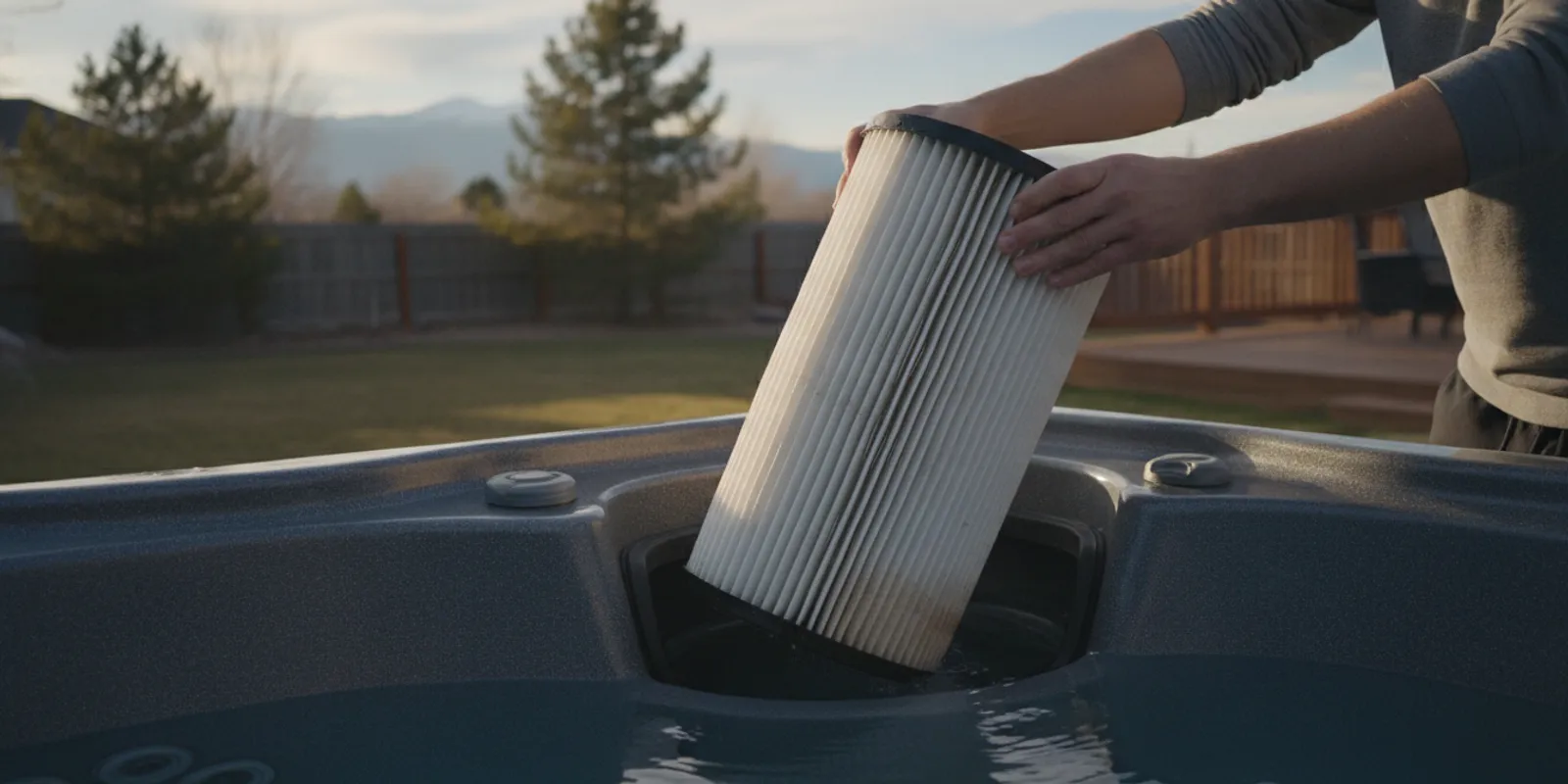
Vacuum when debris settles on the floor or when your regular cleaning method leaves material behind. Check the skimmer and pump baskets on a recurring schedule and after debris-heavy weather. A basket that fills quickly is a useful signal: your pool may need more frequent checks during that period. Follow the pump and filter instructions before opening equipment or handling a system you are not familiar with.
Test the water and respond to results
Water testing belongs in the maintenance rhythm, even when the water looks clear. Use a reliable test method and follow the instructions for the products and equipment you have. Test more attentively when a pool is first opened, after heavy use or a major weather event, and whenever the water looks or feels different. Make adjustments based on measured results and product directions rather than adding chemicals by guesswork.
Do not combine products or add them in an unapproved sequence. Store chemicals as their labels direct, and keep them away from children and pets. If a test result is confusing, a reading will not stabilize, or water quality changes unexpectedly, ask a qualified pool professional for help. Neptune Pools offers pool supplies and chemicals in Denver.
Use a short inspection sequence to make checks consistent
A repeatable order makes it easier to spot what changed without turning every check into a full cleaning session. First, look across the water for floating debris, cloudiness, unusual color, or a change in level. Next, check the skimmer and pump baskets using the equipment maker's safe procedure. Observe whether the pump is running normally and whether return flow appears consistent with its usual operation. Then check the most likely debris-collection spots, such as steps, corners, and the pool floor beneath trees.
Record anything that is different before you clean it away: a basket filling faster than usual, a new patch of settled debris, or a test reading outside the range specified for your pool and products. After removing debris and testing as needed, note what you did. This simple before-and-after record helps separate a one-day response to wind or guests from a repeating problem that calls for a schedule change or equipment inspection.
Which conditions mean you should clean more often?
Use the pool itself as your guide. A short-term change in weather or use may call for an extra check, not a permanent schedule overhaul. These are common reasons to take a closer look:
- Wind and storms: Check for leaves, dust, branches, and other debris after a storm has passed and conditions are safe.
- Heavy swimmer activity: More people using the pool means more opportunity for debris and changes in water condition. Check water and visible cleanliness after busy days.
- Trees and landscaping: Seed pods, pollen, leaves, and nearby yard work can raise the load on skimmers, baskets, and filters.
- Long sunny stretches: Keep an eye on water condition and level. Sun, wind, and low humidity may affect water loss, but a measured loss is not automatically proof of evaporation or a leak.
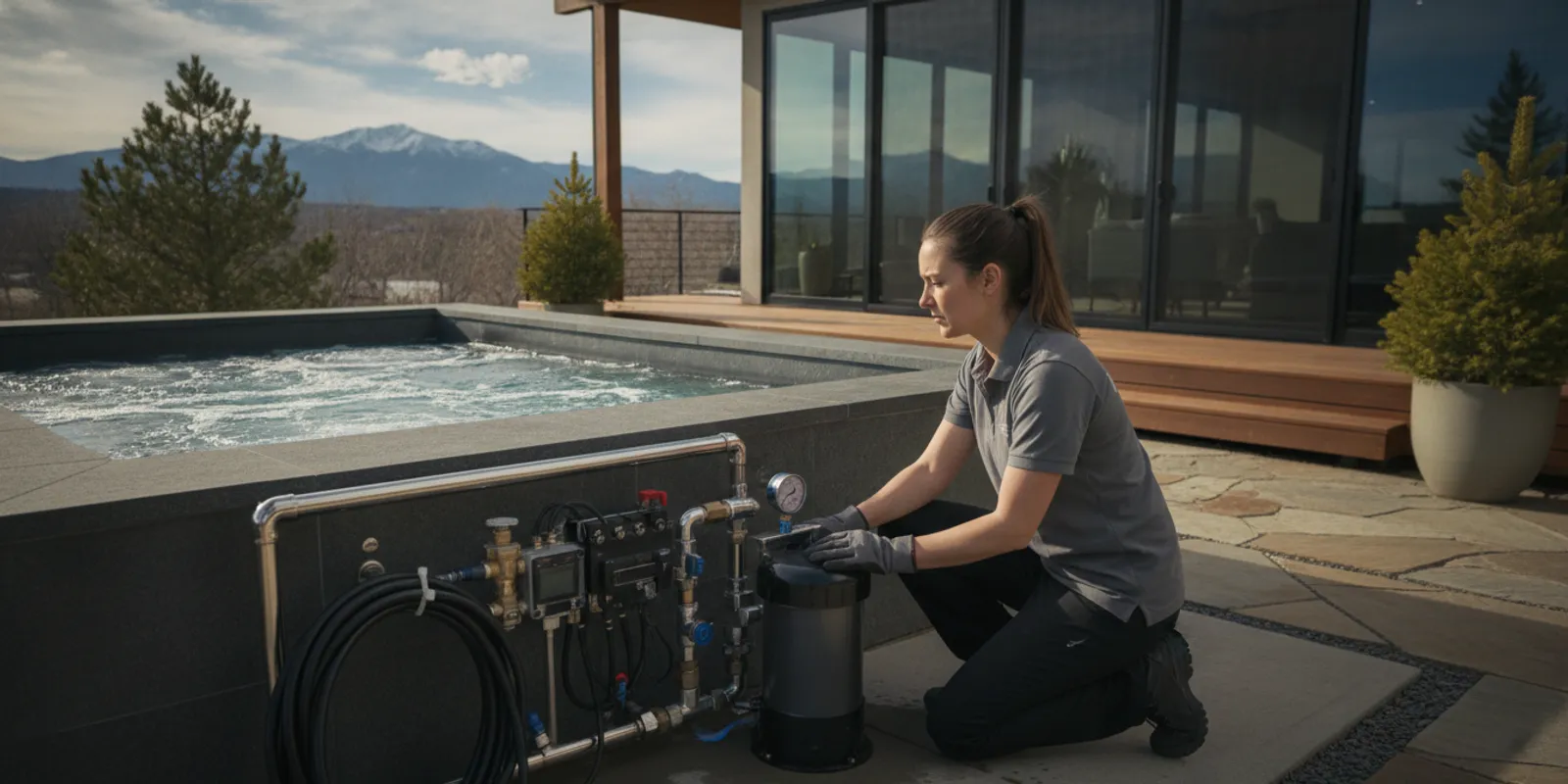
- Equipment changes: Weak return flow, unusual pump sounds, a pressure reading outside the equipment's normal range, or a cleaner that stops working can affect how well the pool circulates.
If the water level seems to be changing faster than expected, note the level and conditions over time rather than jumping to a conclusion. A controlled bucket test can help screen for a possible leak, but it does not replace diagnosis. Keep water-loss observations separate from decisions about winter water level or freeze protection.
For example, suppose a pool normally stays clear between regular checks, but a windy afternoon leaves leaves on the surface and a basket nearly full. Skim and clear the basket, then look again the next day. If the debris load returns immediately, make an extra check part of the routine while that weather or nearby tree litter continues. If the pool stays clear, return to the previous cadence rather than treating one gust as a permanent change.
Get help matching pool care to changing conditions.
How does equipment condition affect the schedule?
Cleaning tools and circulation equipment work together. A clogged basket, dirty filter, malfunctioning pump, or poorly functioning automatic cleaner can leave debris in the pool even when you clean on schedule. If a task suddenly takes longer, the water is not circulating as expected, or a cleaner repeatedly misses the same area, look for a change in system performance instead of simply adding more manual work.
Use the equipment maker's instructions for routine checks and filter care. Do not open a pressurized filter or take apart electrical equipment unless you know the safe procedure. For persistent flow or equipment concerns, consult a technician. Neptune Pools provides pool equipment repair and servicing, including help when a cleaning issue may be tied to system performance.
Shared pools have another consideration: applicable local health and operating requirements. A residential cleaning routine is not a substitute for facility rules. For one example of public access to pool inspection findings, the CDC describes making inspection data available to the public. Property managers should check the requirements and guidance that apply to their facility and jurisdiction.
How do you adjust frequency to your pool?
Use a few weeks of observations to identify the pattern, then change one part of your routine at a time. For example, if leaves collect in the skimmer basket before your next weekly check, add a midweek basket inspection during the windy or leafy period. If the pool floor gathers debris despite regular skimming, add vacuuming when needed and check whether the automatic cleaner and circulation system are working as expected. These adjustments respond to actual conditions instead of relying on a generic calendar.
Consider a pool beside mature trees. During a quiet stretch, the owner may be able to keep a weekly inspection rhythm. When leaves or seed pods start falling, more frequent skimming and basket checks can prevent debris from sitting in the water. Once that season passes, the owner can return to the lighter routine if the pool stays clean. A pool with few nearby trees may instead need extra attention after wind or heavy use.
For a pool that sees frequent family or guest use, schedule a check after busy days and keep the regular water-testing routine. If a pool is used only occasionally, do not assume it needs no attention; continue to inspect equipment and water condition while it is operating. Keep notes on the dates and what changed. This makes it easier to tell whether a brief response is enough or whether the pool needs a lasting schedule adjustment.
What changes when you use a professional maintenance plan?
A professional plan can make routine pool care more predictable, but it does not mean a homeowner should ignore the pool between visits. Continue to notice changes in water clarity, surface debris, water level, equipment sounds, and how the pool feels to use. Report concerns rather than waiting for the next visit if something changes significantly.
When comparing plans, ask what tasks and visit frequency are included, how the provider handles weather-related debris, whether water testing and chemical adjustments are part of the service, and how repair concerns are communicated. Confirm whether seasonal opening or closing work is included or arranged separately. The right fit depends on your pool and how much of the day-to-day work you want to handle.
Neptune Pools provides pool and spa care in the Denver Metro area and describes its options on the pool cleaning and maintenance page. Homeowners can also review its Denver-area service locations to see whether their community is within its service area.
How can you build a routine that stays manageable?
Start with a repeatable weekly check during the active season. Choose a consistent day to inspect the surface, baskets, water appearance, equipment operation, and recent test results. Add an extra check after a significant storm or an unusually busy swim day. If debris is accumulating between checks, shorten the interval. If conditions are stable, keep the routine consistent and continue watching for changes.
- Write down a baseline. Record when you cleaned, what you observed, and any readings you took. This makes unusual changes easier to spot.
- Match effort to the pool's setting. Note nearby trees, prevailing wind exposure, and areas where debris settles.
- Keep equipment instructions accessible. Use the correct guidance for your pump, filter, cleaner, and test products.
- Adjust seasonally. Expect a different workload at spring startup, during summer use, and before closing.
- Escalate problems early. Ask for qualified help when flow, equipment operation, water condition, or a suspected leak is beyond routine cleaning.
A simple log is more useful than trying to follow a rigid schedule that does not fit your yard or pool. It also helps a service professional understand what changed and when. For additional general guidance, browse Neptune Pools' pool care FAQs.
Contact Neptune Pools to discuss your pool's cleaning needs.
Frequently Asked Questions
Should I clean my pool every day in summer?
Not every pool needs a full cleaning every day. Check conditions regularly, skim when debris is present, and increase attention when use, weather, or the pool's setting creates more work. A weekly routine is a useful starting point, not a rule that overrides what you observe.
Does clear water mean the pool is clean?
Clear water is a helpful visual sign, but it does not tell you whether baskets are clear, equipment is circulating properly, or water readings are in the range specified for your pool and products. Combine visual checks with routine equipment and water checks.
Should I clean the pool after every storm?
Inspect it after a storm when conditions are safe. Remove debris and check for changes in water appearance, level, or equipment operation. The work needed depends on what entered the pool and whether the system is operating normally.
Can a maintenance plan replace homeowner checks?
A plan can cover recurring service tasks according to its terms, but it cannot monitor conditions between visits. Keep an eye on the pool and let your provider know if you notice an important change.
Ready to set a pool care routine?
Use the season, weather, debris, swimmer activity, test results, and equipment condition to decide when your pool needs attention. If you want help choosing a practical routine for a Denver-area pool, Neptune Pools can discuss the options with you.
Contact Neptune Pools to discuss your pool's cleaning needs.
Review the routine as Colorado's weather and your pool's use change through the season.
Related Blogs