The Homeowner's Guide to Pool Coping Repair
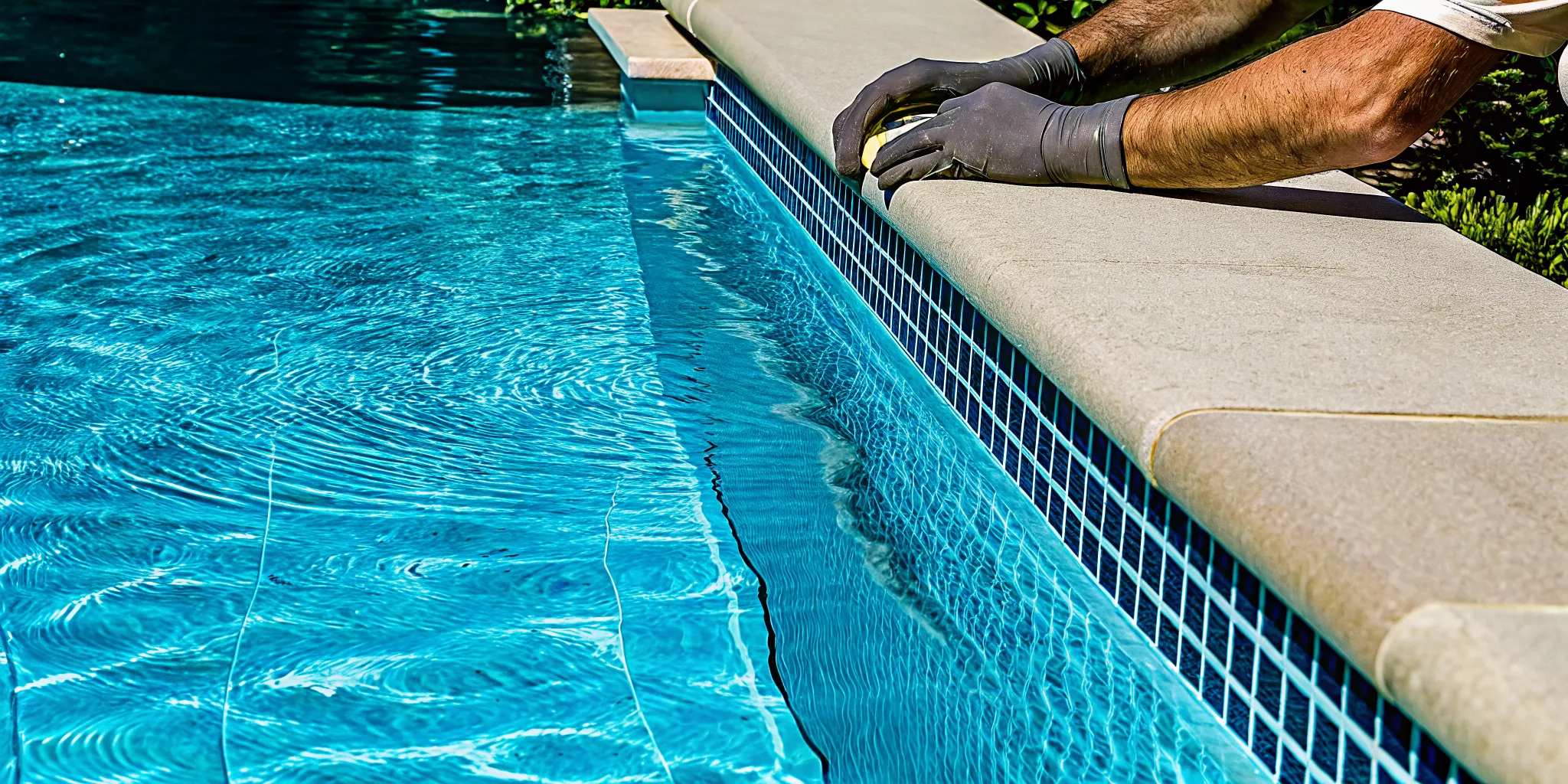
That one loose paver or small crack along your pool’s edge might seem like a minor cosmetic flaw you can ignore for now. However, these seemingly small imperfections are often the first warning signs of a bigger problem. Your pool’s coping is essential for protecting its underlying structure, and any gap or break creates a pathway for water to cause serious damage. Before that little issue becomes a major headache, it’s important to understand your options. This article breaks down the steps for a proper pool coping repair, helping you protect your investment and keep your pool safe for everyone.
Ready for a cleaner pool?
Denver's trusted pool care professionals since 1982. Get started today.
Schedule ServiceKey Takeaways
- Coping is more than a pretty frame: It serves the critical function of protecting your pool's structure by directing water away from the shell. Ignoring damage allows water to seep in, leading to costly structural issues and creating safety hazards.
- Inspect your coping regularly: Make it a habit to look for small cracks, loose sections, or gaps where the coping meets the deck. Spotting these issues early is the key to preventing Colorado's freeze-thaw cycles from causing extensive and expensive damage.
- Know your limits with repairs: While fixing a single loose stone can be a simple DIY task, widespread cracking or shifting sections signal a bigger problem. These issues often require a professional to fix the underlying cause, ensuring a lasting repair and protecting your pool's value.
What Is Pool Coping and Why Does It Matter?
If you’ve ever wondered what the stone or concrete edge around your swimming pool is called, you’re thinking of the coping. It’s the cap that sits on top of the pool wall, creating a finished frame where the structure meets your deck. While it certainly gives your pool a polished look, its role is much more than just cosmetic. Pool coping is a critical component for both the safety of your swimmers and the long-term structural integrity of your pool. When it starts to fail, the problems can quickly go beyond surface-level issues, leading to significant damage that is expensive to fix.
How Coping Protects Your Pool's Structure and Safety
Think of pool coping as your pool’s first line of defense. Its primary job is to protect the top of your pool’s wall, called the bond beam, from the elements. It creates a barrier that directs water from splashes away from the pool shell and toward your deck drains. This prevents moisture from seeping behind the pool wall, where it could erode the underlying structure. A solid coping installation is essential for preserving the life of your pool.
Beyond protection, coping provides a safe, non-slip surface for swimmers to grab onto or use when entering and exiting the water. A cracked, loose, or shifting piece of coping isn't just an eyesore; it’s a trip hazard. More importantly, these gaps allow water to get where it doesn’t belong, which can lead to major structural issues requiring extensive remodels and rehabs to correct.
Why Colorado Weather Is Tough on Pool Coping
Here in the Denver area, our unique climate is especially hard on pool coping. The biggest challenge is our frequent freeze-thaw cycles. Throughout the year, moisture from rain and melting snow can seep into small, hairline cracks in the coping material or the surrounding grout. When temperatures drop overnight, that trapped water freezes and expands, acting like a tiny wedge that forces the cracks to widen. This process repeats itself, eventually causing materials to chip, break apart, or become completely loose.
In addition to the freezing temperatures, our high-altitude sun beats down with intense UV rays that can degrade sealants and cause materials to fade and weaken over time. This combination of extreme temperature swings, moisture, and sun exposure puts your coping under constant stress. That’s why regular inspection and timely equipment repairs and servicing are key to preventing small issues from becoming big problems.
How to Spot Damaged Pool Coping
Catching coping damage early is one of the best things you can do to protect your pool investment. What starts as a tiny crack can lead to major structural issues if ignored. Making a habit of walking around your pool and looking for these specific signs can save you a lot of money and stress down the road. Here’s a simple checklist of what to look for.
Cracks and Chips in the Material
Start with a simple visual inspection of the coping material itself. Look closely for any cracks, chips, or flaking, no matter how small. While a tiny chip might seem like just a cosmetic issue, it’s often the first sign of trouble. These openings allow water to seep behind the coping and into the pool’s bond beam, the structural support at the top of the pool wall. Over time, this water can erode the beam and compromise your pool's structure. Cracked coping also creates uneven surfaces, which can be a trip hazard for family and friends. If you spot any cracks, it’s best to address them before they lead to more extensive equipment repairs and servicing.
Loose, Shifting, or Missing Sections
Next, check if any coping pieces feel loose or have started to shift. You can gently press on the stones or pavers to see if they move. If a piece is wobbly, or if you see sections that are no longer flush with their neighbors, it’s a clear red flag. This usually means the mortar or adhesive holding the coping in place has failed. Much like cracks, this creates a direct path for water to get where it shouldn’t. A completely missing piece of coping is an urgent issue, as it leaves the bond beam totally exposed to the elements and creates a significant safety risk around the pool’s edge.
Gaps Between the Coping and Pool Deck
Pay close attention to the expansion joint, which is the seam where the pool coping meets the surrounding deck. This joint is designed to allow for expansion and contraction, but it should be filled with a flexible sealant to keep water out. Over time, this sealant can dry out, crack, or pull away, leaving a gap. When this happens, water can pour into the space behind the pool wall. In Colorado, this is especially dangerous during our freeze-thaw cycles. Water gets into the gap, freezes, expands, and can cause both the coping and the pool structure to crack and heave, leading to very expensive problems.
Signs of Water Intrusion
Sometimes, the most obvious signs of damage aren’t on the coping itself, but are the result of water getting behind it. Look for white, chalky residue on the tile or coping, which is a mineral deposit called efflorescence left behind by evaporating water. You might also see crumbling mortar in the joints or stains and discoloration on the pool wall below the coping. These are all telltale signs that water has been infiltrating the structure for some time. If you see widespread evidence of water damage, it could indicate a more serious problem that may require significant remodels and rehabs to correct properly.
Common Pool Coping Materials and Their Repair Needs
The material you choose for your pool coping does more than just frame the water; it defines the entire look and feel of your backyard oasis. It also determines the kind of maintenance and repairs you’ll face down the road. From the rustic charm of natural stone to the sleek finish of modern pavers, each option has its own set of strengths and weaknesses. Understanding these differences is the first step in making a smart choice for your pool and ensuring it stays beautiful and functional for years to come.
Natural Stone (Travertine and Granite)
Natural stone offers a timeless, high-end look that’s hard to beat. Travertine is a popular choice for its beautiful, earthy tones, but it’s a softer, more porous stone. This means it can be vulnerable to damage from water and pool chemicals over time, so it requires regular sealing to prevent staining and deterioration. Granite, on the other hand, is one of the toughest materials you can choose. It’s incredibly strong and resistant to the elements, making it a durable, lower-maintenance option that holds up beautifully. When considering different pool coping ideas, weighing the beauty of a material against its required upkeep is key.
Concrete and Pavers
If you’re looking for versatility and durability, concrete and pavers are excellent choices. Poured concrete coping can be formed into any shape, offering a seamless, custom look. Pavers come in a wide variety of shapes, colors, and textures, allowing for endless design possibilities. Both are generally low-maintenance, though they may need occasional repairs like filling small cracks or resealing to keep water out. One of the biggest advantages of pavers is that if one gets damaged, you can replace it individually instead of redoing the entire perimeter. This makes them a practical and cost-effective choice for many homeowners planning remodels and rehabs for their pool area.
Brick and Porcelain
Brick coping provides a classic, traditional look that adds warmth and character to any pool. It’s quite durable, but it can be prone to cracking during the freeze-thaw cycles we see in Colorado, so regular inspections are a good idea to catch any issues early. Porcelain is another stylish option that has become more popular recently. It’s highly resistant to staining and water absorption, but it can be more fragile than other materials. Careful handling is needed during installation and repair to avoid chipping or cracking, which often makes it a job best left to professionals who are experts at selecting pool coping materials.
The Best Coping Materials for Colorado's Climate
Living in Colorado means your pool has to withstand some serious weather, from intense sun to heavy snow and dramatic temperature swings. For our climate, durability is everything. Materials like granite and concrete pavers are fantastic choices because they are built to resist the elements and stand up to freeze-thaw conditions without cracking or degrading. While beautiful, softer stones like travertine and limestone can be a bit high-maintenance here. They require diligent sealing to protect them from moisture and staining. No matter what you choose, incorporating sealing into your regular pool care is a smart move. Proper cleaning and maintenance will go a long way in preserving your coping for years to come.
A Step-by-Step Guide to Pool Coping Repair
If you're feeling handy and considering tackling your pool coping repair yourself, it’s a project that requires patience and precision. Following the right steps is key to ensuring a durable, professional-looking finish that protects your pool for years to come. This guide breaks down the process, whether you're patching a small area or replacing a few loose stones. Remember, a small issue now can become a major headache later, so addressing it properly is your top priority.
1. Assess the Damage
Before you pick up a single tool, take a walk around your pool and carefully inspect the coping. Look for obvious problems like cracks, chips, or sections that have come loose. Gently press on any suspicious stones to see if they shift. It's important to catch these issues early. Cracked, loose, or missing coping lets water infiltrate behind the pool shell, which can erode the bond beam and create trip hazards. If left unaddressed, this seemingly small problem can lead to thousands of dollars in structural damage. A thorough assessment will help you understand the full scope of the project.
2. Remove the Old Coping
Once you’ve identified the damaged sections, it’s time for removal. The goal here is to be firm but gentle. You want to get the old coping off without causing any further damage to the pool's structure. It's best to use hand tools like a hammer and chisel to carefully break the old mortar and pry the pieces away. Using heavy-duty power tools can send vibrations through the pool shell, potentially causing new cracks. Work slowly and methodically to ensure the underlying bond beam remains intact and ready for the next step.
3. Repair the Bond Beam
With the old coping out of the way, you’ll have a clear view of the bond beam, which is the concrete structure at the top of your pool wall. This is your new coping’s foundation, so it needs to be in great shape. Clean off all old mortar and debris from the bond beam. Carefully inspect it for any cracks or uneven spots and fill them with a concrete patching compound. A strong, level bond beam is absolutely essential for the new coping to adhere properly and last for the long haul. This is a critical part of any remodels and rehabs project, big or small.
4. Install the New Coping
Now for the satisfying part: installing the new coping. You’ll want to use a special pool-safe mortar or thin-set adhesive designed for this purpose. Apply the mortar to the bond beam and the back of each coping piece. As you set the new pieces, make sure each one hangs over the pool edge a little, typically about 1 to 1.5 inches. It’s also important to create a slight slope that directs water away from the pool. This prevents water from sitting on the coping and seeping into the joints, which is especially important for withstanding Colorado's weather.
5. Grout, Seal, and Add Joints
After the mortar has cured (check the product instructions for timing), you can finish the job. Fill the gaps between the new coping pieces with a flexible, pool-safe grout. Once the grout is set, it's a good idea to apply a sealant to protect the coping and grout from water and stains. Finally, and most importantly, add expansion joints where the coping meets the pool deck. These flexible joints allow the deck and pool shell to expand and contract with temperature changes without causing the new coping to crack, ensuring a lasting repair.
Should You DIY or Hire a Pro for Coping Repair?
Deciding whether to tackle a pool coping repair yourself or call in a professional can feel like a tough choice. On one hand, a DIY project can save you money. On the other, a mistake could lead to bigger, more expensive problems down the road. The right path for you really depends on three things: the complexity of the damage, your own skill set, and how much time you have to do the job right. Let's break down when a DIY fix is a smart move and when it’s time to call for backup.
When a DIY Fix Makes Sense
If you’re looking at a single loose paver, a small chip in a concrete edge, or a minor crack in the grout, you can likely handle the repair yourself. These small-scale fixes are a great way to get familiar with your pool's construction and save on labor costs. A DIY approach makes sense when the damage is isolated and doesn't seem to point to a larger, underlying issue. If you're generally comfortable with home improvement projects and have the right tools, addressing these minor issues as they appear is a fantastic way to keep your pool looking its best and prevent small problems from turning into big ones.
Essential Tools and Materials for the Job
A successful repair starts with the right equipment. For a minor coping fix, you’ll generally need a hammer and chisel to remove old material, a wire brush for cleaning the surface, and a trowel for application. The materials themselves are even more critical. You'll need a concrete bonding agent to ensure the new patch adheres properly, along with a patching compound like a vinyl concrete patcher. To reset tiles or stones, you must use a polymer-modified thinset mortar designed for outdoor, wet environments. Finally, you’ll finish the job with a pool-safe grout that can withstand water and chemicals. Getting the right supplies and chemicals is non-negotiable for a repair that lasts.
Common DIY Mistakes to Avoid
While a small repair seems straightforward, a few common mistakes can compromise your work. One of the biggest slip-ups is improper surface preparation. If you don't thoroughly clean the bond beam and remove all loose debris, your new mortar won't stick. Another frequent error is using the wrong materials, like interior grout or standard concrete, which will quickly degrade. You also need to be careful with your sealant application, as a poorly applied sealant can lead to discoloration or fail to protect the joint from moisture. Rushing the job and not allowing materials to cure properly is another recipe for a failed repair that you’ll just have to fix again later.
When It's Time to Call a Professional
If you see widespread or long cracks, multiple loose sections, or large chunks of coping falling off, it’s time to put down the tools and call an expert. These are often symptoms of a more serious problem, like a shifting bond beam or significant water intrusion behind the pool wall. Trying to patch these issues without addressing the root cause is like putting a bandage on a broken bone. A professional can accurately diagnose the problem and has the heavy-duty equipment and experience to perform a lasting repair. If your pool needs this level of attention, it's a smart investment to schedule a consultation for a potential remodel or rehab to protect your pool's structure and value.
What Does Pool Coping Repair Cost?
Figuring out the budget for a pool coping repair is a top priority for any homeowner. The final price tag can vary quite a bit, because it depends on the materials you choose, the extent of the damage, and whether you tackle it yourself or hire a professional. While a small repair might be a simple weekend project, extensive damage often points to bigger underlying problems that need an expert eye.
Ignoring cracked or loose coping is never a good idea. It’s more than just a cosmetic issue; it’s a critical safety and structural component of your pool. Water can seep behind the pool shell, erode the main support beam, and create dangerous trip hazards. A small problem left unchecked can quickly turn into a much larger, more expensive headache. Understanding the potential costs upfront helps you make the best decision for your pool and your wallet. We’ll break down the key factors so you can get a clearer picture of what to expect.
Breaking Down the Costs: DIY vs. Pro
If you're considering a DIY repair, your main expense will be materials, which typically run from $15 to $50 per linear foot. This doesn't include the cost of tools, grout, sealant, or your own time. For a few loose pavers, going the DIY route can be a great way to save money. However, if the job is more complex, the savings might not be worth the risk of an improper repair.
Hiring a professional adds labor costs, but it also provides peace of mind. A pro team has the right tools, experience, and efficiency to get the job done correctly and quickly. When you get a quote from a company like Neptune Pools, it will cover everything: materials, labor, and disposal of the old coping. Our experts can handle any pool remodels and rehabs, ensuring your coping is repaired to last.
Factors That Influence the Final Price
Several key elements will determine your final bill for coping repair. The most obvious is the material you choose. Natural stone like travertine or flagstone is beautiful but costs more than standard concrete pavers or brick. The size and shape of your pool also play a big role; a larger pool or one with intricate curves requires more material and more labor-intensive cuts, driving up the price.
The scope of the damage is another major factor. Fixing a few cracked stones is much cheaper than a full replacement. Most importantly, an inspection might reveal underlying damage to the bond beam, the structure the coping sits on. This must be repaired before new coping can be installed, which will add to the overall cost. Addressing these foundational issues is critical for the long-term health of your pool structure and is part of our comprehensive equipment repairs and servicing.
Repair or Replace: Which Is More Cost-Effective?
Deciding whether to patch up your existing coping or replace it entirely is a common dilemma. If you only have a few isolated cracks or loose sections and the rest of the coping is in solid condition, a targeted repair is usually the most cost-effective solution. This approach addresses the immediate problem without the expense of a full-scale project.
However, if the damage is widespread, if multiple sections are loose, or if the coping is nearing the end of its lifespan, a full replacement is the smarter long-term investment. Constantly patching up failing coping can become a cycle of endless, frustrating repairs. A professional assessment is the best way to decide. An expert can identify the root cause of the failure and help you determine if a simple fix is enough or if it's time for a complete coping replacement.
Leave Your Pool Coping Repair to the Denver Experts
While tackling a small, chipped corner on your own can feel empowering, pool coping repair often falls into the "call a professional" category. Your pool's coping is more than just a decorative edge; it’s one of the most important structural and safety components of your entire pool system. It acts as a cap for the pool's wall, preventing water from seeping behind the shell and causing serious damage. When you're weighing a DIY fix against hiring an expert, consider the complexity of the job. A simple patch is one thing, but replacing entire sections requires a level of skill that most homeowners don't have.
Ignoring damaged coping or attempting a faulty repair can lead to a cascade of expensive problems. Cracked or loose sections allow water to infiltrate the bond beam, which is the concrete structure at the top of your pool wall. Over time, this water can erode the beam and compromise your pool's integrity. This can also create dangerous trip hazards around the pool deck, putting your family and guests at risk. What starts as a cosmetic issue can quickly turn into thousands of dollars in structural damage if it isn't addressed correctly.
For a repair that lasts, it’s best to hire a professional. In the Denver area, our freeze-thaw cycles put extra stress on pool materials, making proper installation absolutely critical. A certified technician knows how to correctly repair the bond beam, set the new coping with the right materials, and seal everything to withstand Colorado’s unique climate. Entrusting your project to an expert ensures the job is done safely and effectively, protecting your investment for years to come. If you're seeing significant cracks or shifting, it's time to consider a professional for your pool remodels and rehabs.
Frequently Asked Questions
My coping has a few small cracks, but it seems stable. Can I wait to fix it? It’s tempting to put off small repairs, but I’d advise against it. Even hairline cracks are openings that allow water to seep behind the coping and into the pool’s main structure. Here in Colorado, that trapped water freezes and expands, turning tiny cracks into major breaks. Addressing a small crack now is a simple, inexpensive fix that prevents a much larger and more costly structural problem down the road.
What's the difference between repairing a small section and replacing the whole thing? A repair is perfect for isolated issues, like a single loose paver or a few minor chips in an otherwise solid perimeter. It’s a targeted fix. A full replacement becomes the better option when the damage is widespread, many sections are loose, or the material is old and failing. A replacement addresses the root cause of the failure, like a damaged bond beam, ensuring the problem doesn't just keep coming back.
Is sealing my pool coping really necessary, especially if it's a durable material like granite? Yes, absolutely. Think of sealant as a protective jacket for your coping. While strong materials like granite are resistant to wear, they can still be porous. Sealing prevents water from absorbing into the material and, more importantly, into the grout joints between the stones. This is your best defense against the destructive freeze-thaw cycle and also helps protect against staining from chemicals or spills.
The gap between my coping and the pool deck is widening. Is this a coping problem or a deck problem? This is a problem with the expansion joint, and it affects your entire pool structure. That joint is designed to have a flexible sealant that allows the pool and deck to move independently with temperature changes. When that sealant fails, it creates a direct channel for water to pour behind your pool wall. This can damage the coping, the deck, and the pool shell itself, so it’s a critical repair to make.
How long does a professional coping repair typically take? The timeline really depends on the scope of the work. A simple repair involving a few loose stones might be completed in a single day. A full replacement is more involved and could take several days, as it includes removing the old material, preparing the surface, setting the new coping, and allowing for proper curing time for the mortar and grout. A professional can give you a precise timeline after assessing the damage.
Related Blogs