Pool Equipment Inspection Denver: A Home Buyer's Complete Checklist
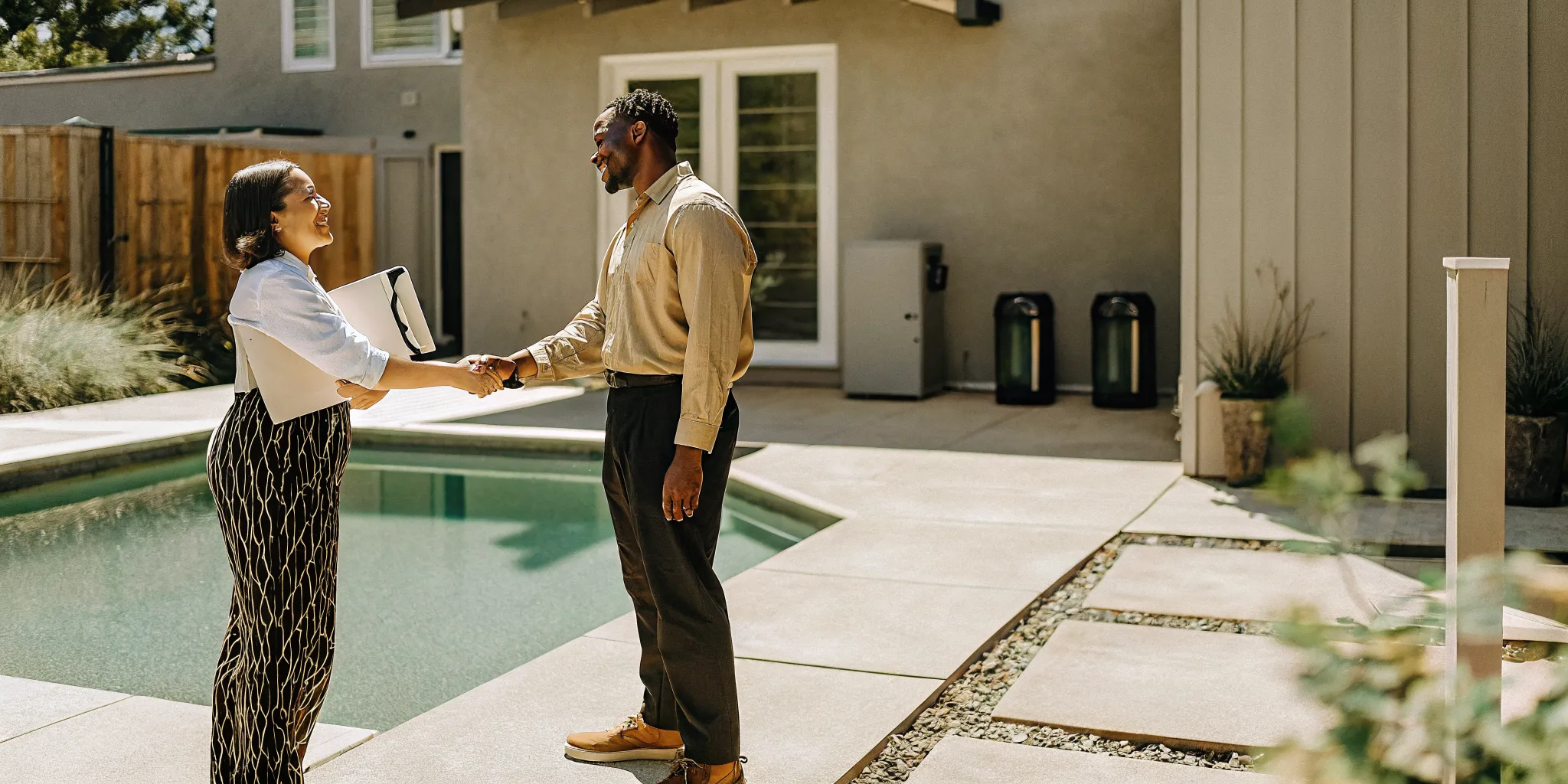
A Denver home with a pool can look move-in ready while aging equipment, freeze damage, or an inefficient heater waits below the surface. A standard home inspection may not test the pool system closely enough to reveal what ownership will cost.
A professional pool equipment inspection denver service checks the pumps, filters, heaters, and chlorinators, documents their current condition, and helps buyers make a confident purchase decision. It can also uncover equipment issues that a standard inspection may overlook, giving you useful evidence for negotiations and a clearer estimate of future maintenance costs. Neptune Pools brings Colorado-specific knowledge of high-altitude water chemistry and freeze protection to that evaluation.
Before you sign, use the following checklist to understand which components deserve attention, what warning signs mean, and which questions to ask about the pool's remaining service life.
Your Pool Equipment Inspection Denver Checklist: What Home Buyers Need to Know
Use this checklist while touring the property, then have a qualified pool professional test the system under operating conditions. A complete pre-purchase inspection confirms whether essential equipment is working and helps identify issues that a standard home inspection may not cover.
1. Start with the equipment pad
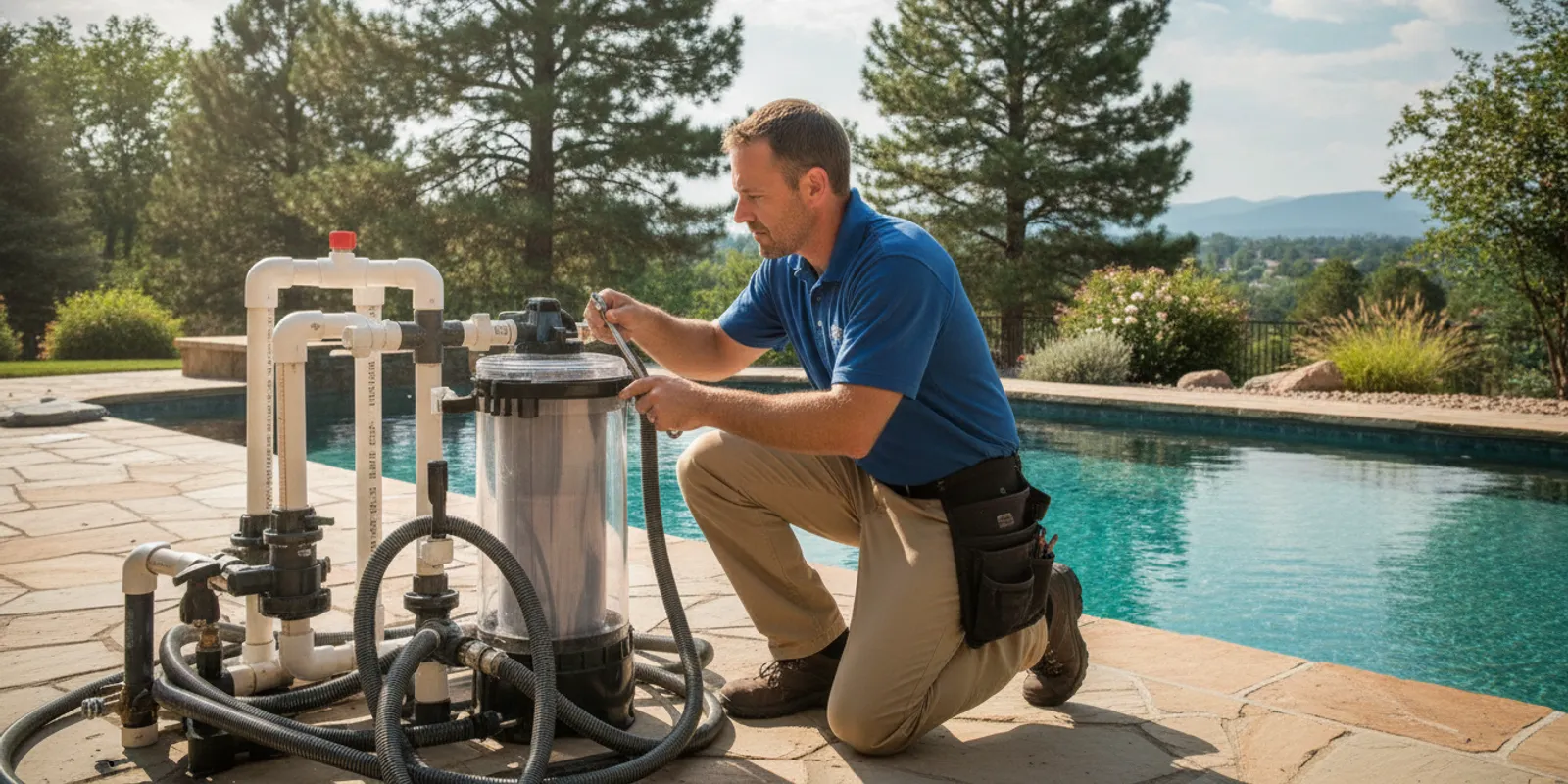
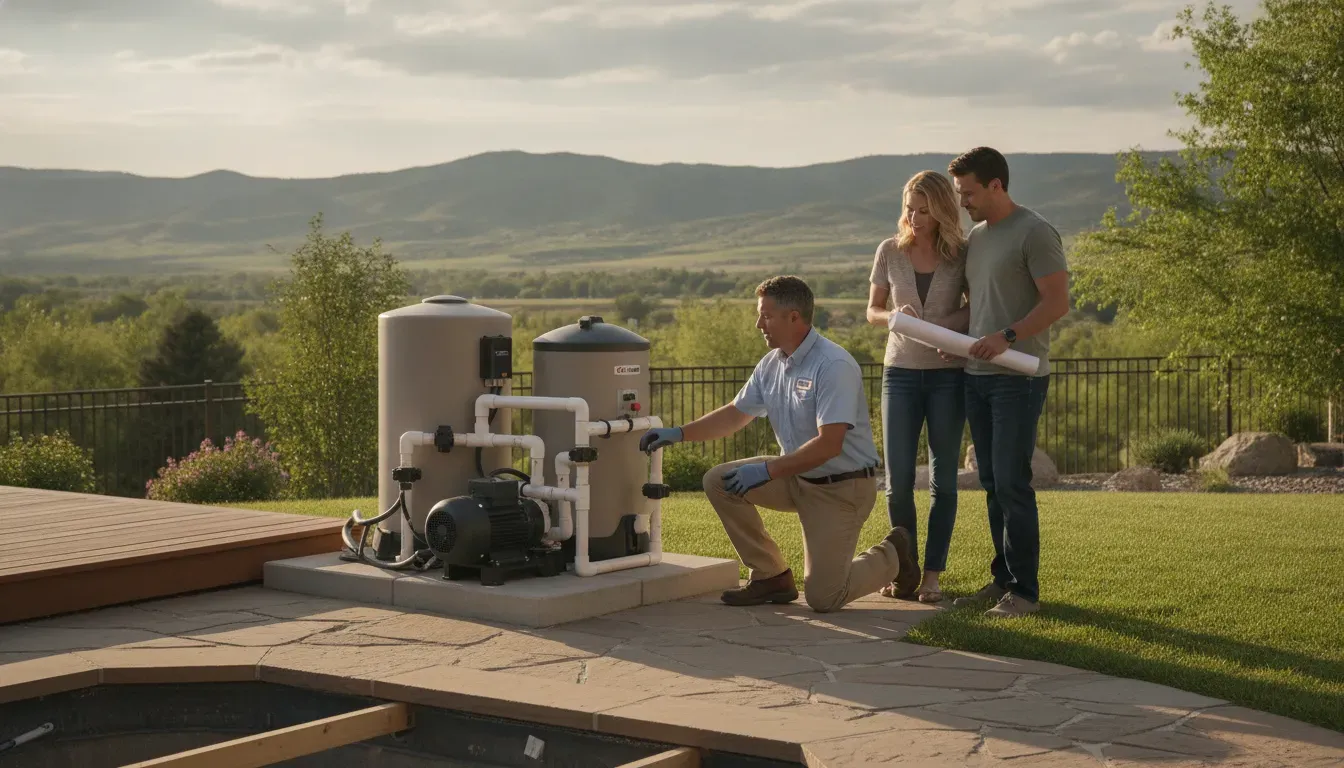
Locate the pump, filter, heater, chlorinator, valves, and plumbing connections. Look for corrosion, cracked housings, leaking unions, damaged insulation, loose fittings, and signs of standing water. Ask the seller to provide service records, equipment manuals, warranties, and recent repair invoices. The age and condition of each component can help estimate future maintenance costs, not just the immediate repair bill.
2. Test the core circulation and treatment equipment
- Pump and motor: Confirm that the pump starts smoothly, maintains steady flow, and does not produce unusual noise or vibration. Inspect seals and the motor housing for wear. Pumps and motors deserve close attention because they can become early failure points.
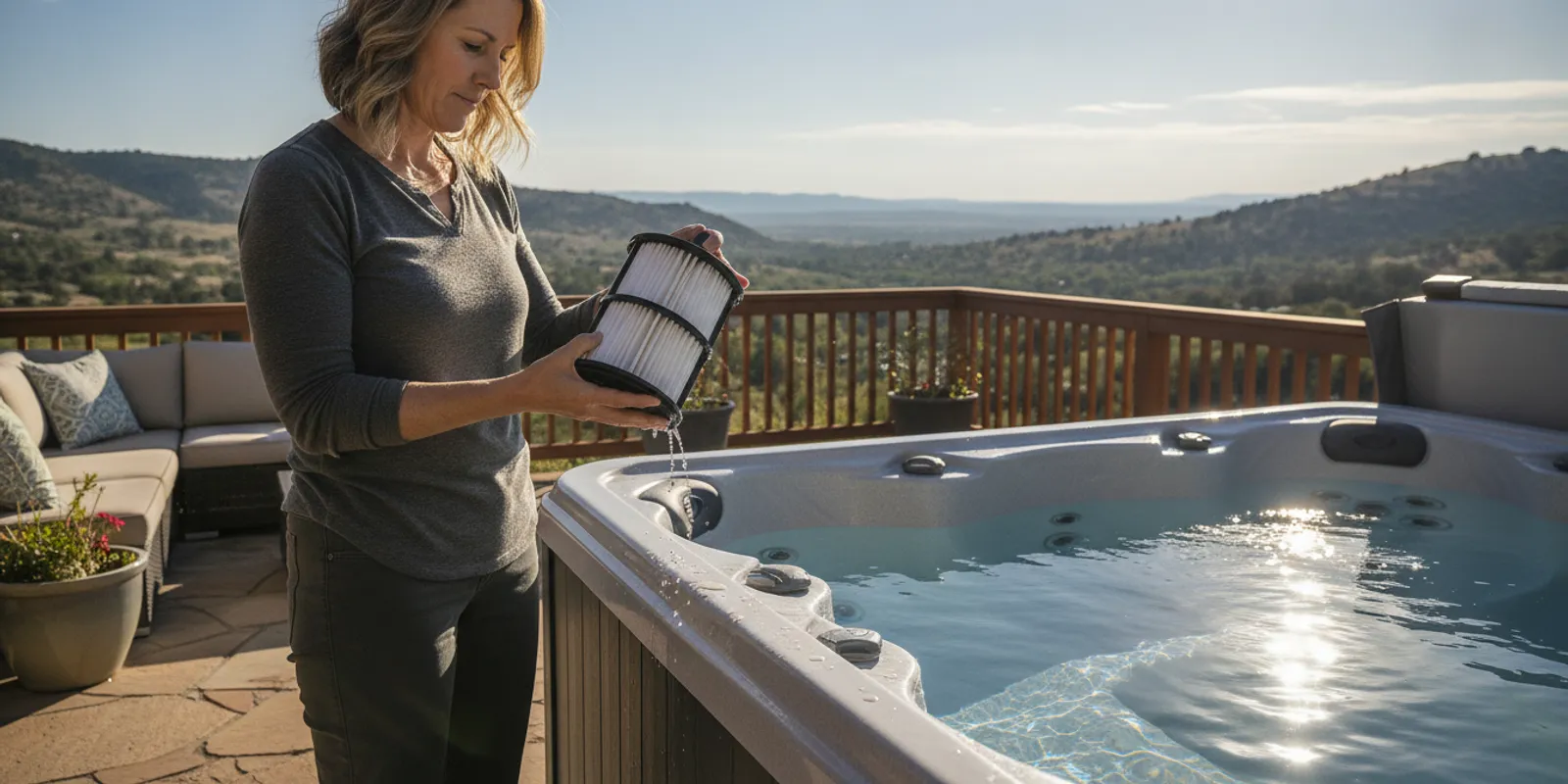
- Filter: Check the filter body, pressure reading, valves, and connections. A high or unstable pressure reading may indicate restricted flow or a cleaning need. Note whether the property uses a cartridge, sand, or diatomaceous earth filter, since each has different service requirements.
- Heater: Verify that it ignites or heats as designed, then check for error codes, corrosion, damaged venting, or water around the heat exchanger. In Colorado, a reliable heater matters during a longer cool season.
- Chlorinator: Confirm that the system is distributing sanitizer properly and inspect the cell, feeder, or control panel for scaling and damage. Poor chemical distribution can create water-quality and equipment problems.
3. Check plumbing, electrical, and the pool structure
Trace visible plumbing for leaks, patched sections, brittle fittings, and valves that do not operate fully. Have an appropriately qualified professional assess electrical connections, bonding, grounding, GFCI protection, timers, and outdoor enclosures. Do not open energized equipment yourself. Also inspect the shell, coping, tile, deck, drains, and visible skimmer components for cracks, movement, or water-loss clues.
4. Request a written report before negotiating
Ask for clear documentation showing what was tested, what is operational, what needs attention, and which repairs may be urgent. That record gives you evidence for a seller credit, repair request, or price adjustment. It also creates a practical baseline for ownership planning. For more detail on the process, review this professional pool equipment inspection guide.
Why a Professional Inspection Matters Before You Buy
A pool can look clean and inviting during a home tour while its circulation, heating, or sanitation equipment is close to failure. A standard home inspection may not evaluate the pool system in enough detail to reveal those issues. A dedicated inspection gives you a clearer picture of what works now, what needs attention, and what ownership may cost after closing.
That information matters because small equipment problems can become expensive disruptions. Early identification of pump failures, heater inefficiencies, leaks, or control issues can help prevent a full system outage, according to equipment inspection guidance from Arapahoe Pool. Finding a worn component before it fails gives you more options: request a seller repair, negotiate a credit, plan the replacement, or reconsider the purchase. Paying for an inspection is often a cost-avoidance decision, not just another closing expense.
Safety is another reason to look beyond appearances. The CDC reports that routine inspections resulted in immediate closure for 11.8% of public pools, or about one in eight, because of health hazards. A residential pool is not a public facility, but the underlying lesson still applies: inspections help identify conditions that can affect safe operation and health standards. Equipment, water circulation, sanitation, and maintenance practices all deserve attention before you assume responsibility for the pool.
For Denver buyers, local expertise also improves the usefulness of the report. High-altitude water chemistry and Colorado freeze-protection requirements can affect equipment performance and future maintenance needs. A professional can document current conditions and separate urgent repairs from routine upkeep, such as routine maintenance.
Cost clarity should be part of that process. Neptune Pools publishes transparent pricing tiers so buyers can better understand likely maintenance and repair costs without relying on vague estimates. That transparency makes the inspection more valuable when you are comparing a home with an older pool system against one with newer equipment.
Key Pool Equipment Components to Inspect
A thorough inspection should test the equipment that circulates, filters, heats, and sanitizes the water, not simply confirm that the system turns on. Pumps, filters, heaters, and chlorinators are core checklist items for a pre-purchase evaluation, and each can reveal repair costs that a standard home inspection may not identify.
Pump and motor
The pump and motor are often the first points of failure. Inspectors should listen for grinding, rattling, or unusual vibration, then check motor wear, shaft seals, visible corrosion, and the pump basket. Flow rate matters too. Weak circulation can indicate a worn impeller, a restriction, a suction-side air leak, or an incorrectly sized pump. A short operating test helps confirm that the pump primes, maintains pressure, and moves water consistently.
Filter and pressure gauge
Identify whether the system uses a sand, diatomaceous earth (DE), or cartridge filter, and review its condition and service history. A pressure gauge on the filter gives the owner a baseline and helps indicate when cleaning or backwashing is necessary, as recommended in EPA pool-efficiency guidance. The filter type also affects water use. Backwashing can account for up to 25% of a pool's total water consumption, while cartridge filters are the most water-efficient because they do not require backwashing.
| Filter Type | Maintenance | Water Efficiency | Filtration Level | Typical Lifespan |
|---|---|---|---|---|
| Sand | Backwash every 1-2 weeks | Moderate (backwash uses ~25% of pool water) | Coarse (20-40 microns) | 5-7 years |
| DE (Diatomaceous Earth) | Backwash + add DE powder | Lowest (frequent backwashing) | Best (1-5 microns) | 7-10 years |
| Cartridge | Rinse or replace cartridge | Best (no backwash needed) | Fine (10-15 microns) | 2-4 years per element |
Each filter type has trade-offs. A sand filter removes fewer particles but requires less hands-on attention during the season. A DE filter produces the clearest water but demands more effort. A cartridge filter balances water efficiency with reasonable maintenance and is often a strong choice for Denver homeowners who want to conserve water during dry months. The inspector should note the current filter type, pressure readings, and remaining service life so the buyer can plan accordingly.
Heater and chlorinator
For a gas heater, inspect the burner, heat exchanger, venting, ignition, and signs of corrosion. Electric and heat-pump systems need checks of the heating elements, connections, and thermistor or control sensors. The goal is to verify safe operation and reasonable performance, not just a warm display panel. The chlorinator should also be tested for feed rate, control response, and cell condition. Scale or a depleted cell can prevent reliable chemical distribution and create avoidable water-quality problems.
Plumbing and electrical safety
Examine exposed plumbing, unions, valves, fittings, and equipment-pad connections for drips, mineral deposits, cracks, or poor repairs. A water meter can help identify a concealed leak: monitor consumption while the system is not intentionally adding water, following the EPA's leak-monitoring guidance. Electrical checks should include GFCI protection, bonding, disconnects, wiring condition, and timers. These details are especially important in Denver, where seasonal freeze protection and reliable controls protect the system during cold weather.
Record the equipment model, age, operating condition, and recommended next steps so the inspection becomes a practical ownership budget. For context on pool equipment lifespan, buyers should consider both current defects and the likely timing of future replacement.
Common Issues Denver Home Buyers Find During Inspections
A pool can look clean during a home tour while its equipment is approaching failure. Denver buyers should pay close attention to the condition of the pump, heater, plumbing, filter, and chlorinator, not just the water surface. Regular equipment inspections help identify pump failures and heater inefficiencies before they become a full system outage, according to pool equipment inspection guidance from industry service professionals.
Freeze damage in pumps and plumbing
Colorado freeze protection is essential because water left in vulnerable components can damage pumps, fittings, valves, and plumbing. During a pool equipment inspection denver buyers can ask the technician to look for cracked housings, split connections, leaking unions, and repairs that may indicate a previous freeze event. Freeze-thaw cycles can also create small plumbing cracks that only become obvious when the system is pressurized or the pool is operating.
Denver's seasonal temperature swings directly affect equipment longevity. A system may function during a summer showing but still require corrective work before the next winter. A documented inspection gives the buyer a clearer basis for planning repairs and negotiating responsibility.
Corrosion, scaling, and heater performance
High-altitude pool chemistry requires professional expertise to keep water balanced throughout the year. Poorly managed chemistry can contribute to corrosion around heater components, while mineral buildup can restrict flow through a heater or chlorinator. Heater condition is particularly important in Colorado, where the equipment must handle substantial heating demands during a shorter swimming season. The inspection should note corrosion, unusual operating sounds, weak heating, and signs that the heat exchanger or controls need attention.
Chlorinator scaling is another common finding. A scaled cell or feeder may distribute chemicals inconsistently, increasing the effort required to maintain safe water. Buyers should ask whether the unit is clean, operating, and appropriately matched to the pool system.
Worn filters and deferred maintenance
Aging filter grids can reduce filtration performance and increase pressure on the circulation system. The inspector should check the filter condition, pressure readings, leaks, and service history rather than assuming an older unit is still reliable. Findings such as worn filter media, temporary patches, or mismatched replacement parts can signal near-term maintenance costs.
When an inspection identifies problems, the next step is to separate urgent safety or freeze-protection work from upgrades that can wait. Buyers can review Neptune Pools' guidance on pool equipment repair as they evaluate the property's immediate needs.
How Denver's Climate Impacts Pool Equipment Longevity
Denver pool equipment operates under conditions that differ from lower-elevation markets. Higher altitude, intense ultraviolet exposure, dry air, and wide temperature swings can all affect how a system performs over time. That makes a local inspection more than a visual check of whether the pump turns on.
Altitude and sunlight change water-management demands
Denver's high-altitude environment requires specialized water chemistry knowledge. Lower oxygen availability and strong UV exposure can contribute to faster changes in water balance and chemical demand. While seasonal sunlight adds stress to exposed covers, seals, plastics, and equipment housings. The practical concern for a buyer is not one unusual reading. It is whether the current owner has maintained chemistry consistently and whether pumps, filters, heaters, and chlorinators have been operated under appropriate conditions.
Neptune Pools identifies high-altitude chemistry as a specialized service area because general inspection experience may not account for Denver's operating environment. A qualified technician can review equipment condition alongside water-management practices, helping a buyer distinguish normal wear from problems likely to shorten the system's useful life. See the guidance on seasonal pool equipment assessment for additional Colorado-specific considerations.
Freeze and thaw cycles put plumbing at risk
Temperature swings are another major longevity factor. Water left in vulnerable lines, pumps, filters, or heaters can freeze, expand, and damage plumbing or fittings. Repeated freeze-thaw cycles may turn a small weakness into a leak or failure, particularly when winterization was incomplete or freeze protection did not operate as intended. Colorado freeze protection is therefore a core part of responsible pool ownership, not an optional seasonal upgrade.
Seasonal timing matters in a short operating window
Denver's shorter pool season leaves little room for an equipment problem discovered after opening. Seasonal inspections should align with winterization and spring opening so technicians can identify freeze damage. Confirm protective systems, and verify that equipment is ready for the next operating cycle. This timing also helps buyers evaluate whether a home's pool was properly shut down during the off-season.
Neptune Pools has served Denver-area homeowners since 1982. That local history matters when assessing a property because the technician understands the region's climate patterns, altitude-related chemistry demands, and seasonal maintenance rhythm. For a home buyer, that context can turn an equipment report into a more realistic view of future maintenance and repair needs.
Frequently Asked Questions
What is included in a pool equipment inspection?
A pre-purchase inspection reviews the pump and motor, filter, heater, chlorinator, plumbing, valves, and electrical components. The technician checks whether critical systems operate properly, identifies visible wear or leaks, and documents repairs or replacements that may affect your ownership costs.
Do I need a professional pool inspection before buying a home in Denver?
Yes, especially when the pool is a significant part of the property value. A standard home inspection may not evaluate aquatic equipment in depth. A specialist can uncover equipment problems, assess current system health, and give you documentation to support negotiation or future maintenance planning.
How often should pool equipment be inspected?
For Colorado properties, schedule an inspection around major seasonal transitions, particularly before winterization and again before spring opening. Additional evaluation makes sense when equipment performance changes, a home changes ownership, or you notice leaks, unusual sounds, poor heating, or inconsistent water circulation.
How long does a pool equipment inspection take?
The time varies with the number of components, equipment access, pool size, and whether the systems can be operated during the visit. A professional evaluation should take enough time to test every critical component rather than relying on a quick visual check.
What common problems are found during inspections?
Common findings include worn pumps or motors, inefficient heaters, scaled chlorinators, leaking plumbing, freeze-related damage, and filters that need service or replacement. Denver's high-altitude chemistry and freeze-protection requirements make local experience useful when interpreting these conditions. Neptune Pools documents its Denver-specific expertise.
Schedule Your Pre-Purchase Pool Equipment Inspection
A professional inspection can give you a clearer picture of the pool equipment before you finalize a Denver-area home purchase. Neptune Pools can assess the system with Colorado conditions in mind and help you plan the next step with transparent pricing. Schedule a pre-purchase pool equipment inspection with the Neptune Pools team.
Related Blogs