Pool Equipment Lifespan Colorado: A Complete Guide

The average pool equipment lifespan colorado pools achieve ranges from five to twelve years, but Denver's weather can cut this short. Pumps can last eight to twelve years, and gas heaters often reach five to twelve years. Still, Colorado's freeze-thaw cycles and high altitude put constant stress on these systems. Thin air increases water loss through evaporation, which throws off your water chemistry and forces your pump to work much harder. Failing to winterize your pipes and gear every year will lead to rapid freeze damage and costly breaks. According to the Environmental Protection Agency, regular maintenance and equipment care are the best ways to save water, cut energy use, and avoid early equipment failure.
Pool Equipment Lifespan Colorado: How Colorado's Climate Affects Pool Equipment Lifespan
Colorado pool owners face unique weather challenges that can shorten the lifespan of their pumps, filters, and heaters. The state has a dry, high-altitude climate where outdoor gear must work hard. Denver sits at 5280 feet above sea level. This high altitude means your pool is open to intense sun and thin air.
High altitude and rapid water loss
Denver's thin air and sunny days speed up water loss in your pool. High altitude in Colorado can increase evaporation rates compared to lower regions. According to an EPA pool guide, evaporation is a leading cause of water loss in home pools. This rapid loss of water shifts your pool chemistry.
It forces you to add fresh tap water more often. Our semi-arid climate means we must use water with great care. When you constantly add new water to your pool, you also add new minerals. This build-up of minerals puts extra stress on salt systems and pump seals, which can lead to early failure.
Extreme winter freeze-thaw cycles
Denver winters are cold, but the sun still shines. This mix of freezing nights and warm days creates rapid freeze-thaw cycles. Freezing winter weather can ruin pool gear if you do not winterize properly. When water freezes inside your pipes, pumps, or heaters, it expands.
This expansion can crack thick plastic housings and metal pipes. Ice can destroy a pool pump or heater in just one cold night. You must blow out all the water and add pool antifreeze before the first hard freeze. Skipping this step can ruin your entire system and force you to buy expensive replacements.
Condensed wear in a short season
In Colorado, our active pool season is only seven months, from April to October. This short season means you must pack a full year of pool fun into a few warm months. Your pump and filter must run day and night to keep the water clean. This non-stop work puts heavy wear on your equipment.
In warmer states like Arizona, pool pumps might run all year but last about five to eight years. Denver's altitude and short season can wear out parts just as fast if you ignore them. To maximize your pool equipment lifespan, Colorado climates require professional pool maintenance. Regular inspections find small issues before they turn into costly breakdowns.
Average Lifespan of Pool Pumps in Colorado
Your pool pump is the heart of your water filtration system. It keeps pool water moving to prevent algae growth and keep chemicals mixed. In Colorado, a standard pump lasts between eight and twelve years. This range depends on local weather, water quality, and how well you care for your equipment.
National Lifespan Standards
Across the country, a good pump motor runs for 8 to 12 years before it fails. But the heavy plastic outer housing often lasts 15 years or more. This means you may only need to change the inner motor rather than the whole unit. In hot states like Arizona, dry heat wears out pool parts much faster. Pumps there only last about 5 to 8 years.
While Colorado does not have Arizona's extreme heat, our climate impacts pumps in other ways. Our active swimming season is short, lasting about seven months from April to October. This means the pump does not run during the freezing winter. But during the summer, the pump runs day and night. This constant work causes heavy wear in a short time.
Colorado Climate Strains
Your local climate has a big effect on the pool equipment lifespan colorado pools see. Denver sits at a high altitude of 5,280 feet, which speeds up water evaporation. This rapid evaporation can cause pool chemical levels to swing. These quick shifts put deep strain on pump motors and rubber seals.
Also, Colorado's tap water is often mineral-heavy. These minerals can build up inside your pump and clog the impeller. Over time, these mineral deposits scratch the shaft seals. This damage leads to slow leaks that can ruin the motor.
The main parts of your pump that face wear in Colorado include:
- Shaft seals, which can dry out from chemical swings.
- Impellers, which can get clogged by mineral deposits.
- Pump motors, which can overheat when working in thin, high-altitude air.
You must drain the pump before the winter freeze to prevent cracked housings. Proper winter care protects your pump from ice damage. According to the EPA pool guide, regular care saves water, energy, and money. Keeping your pump in top shape is the best way to get more years out of it.
If you notice loud grinding noises or leaks, it might be time for a new pump. A new energy-saving pump can cut your energy bills while keeping your pool clean. If you are planning to buy a new pump, you should look at our guide on pool pump longevity to find the best fit. Choosing the right pump size will help you avoid early motor failure.
How Long Do Pool Heaters Last at High Altitude?
Heating a pool in Colorado lets you swim for more months of the year. But cold weather can shorten your pool equipment lifespan Colorado weather strains. In the Denver region, a standard heater lasts between 5 and 20 years. The exact time depends on the type of heater you have. Proper winter care keeps it running.
Gas heater lifespans and thin air
Gas pool heaters are common in Denver. They heat the water fast. On average, a gas pool heater lasts 5 to 12 years. At high altitude, gas heaters do not burn fuel as well as they do at sea level. This is because the thin air has less oxygen. Soot can build up inside the burner. This soot blocks the heat flow and can wear out the metal parts much faster. If you do not clean the burner, the heater will fail early. Doing this helps you avoid costly pool equipment repair and replacement.
Heat pump and solar heater options
If you want a heater that lasts longer, you can look at other options. Electric heat pumps can last 10 to 20 years. They do not burn fuel, so thin air does not affect how they work. But they need warm air to heat the pool, which makes them less useful in cold spring and fall months. Solar heaters can also last 15 to 20 years. They use sun panels to warm the water and have few moving parts to break down. You can save energy and money on heated pools. The Environmental Protection Agency suggests using a pool cover when the pool is idle.
How winter freeze affects your heater
In Colorado, the biggest threat to any pool heater is freezing water. Water expands when it turns to ice. If water is left inside the heater during a hard freeze, it will crack the inner parts. This can destroy a gas heater or heat pump in a single night. To prevent this, you must blow out all the water and winterize the heater each fall. Taking this step saves your heater. It also helps you avoid early new heater costs.
Pool Filter Lifespan: Sand vs. Cartridge vs. DE
Every pool needs a strong filter to keep the water clear. In Colorado, our dry air and high altitude create unique challenges for pool filters. Heavy mineral loads and fast water loss mean you must select the right filter type to protect your pool investment.
Comparing the Three Filter Types
Each filter type uses its own method to trap dirt. Sand filters use silica sand to catch waste. Cartridge filters pass water through paper-like pleated fabric. Diatomaceous earth (DE) filters use a fine powder coat over grids to catch the smallest bits.
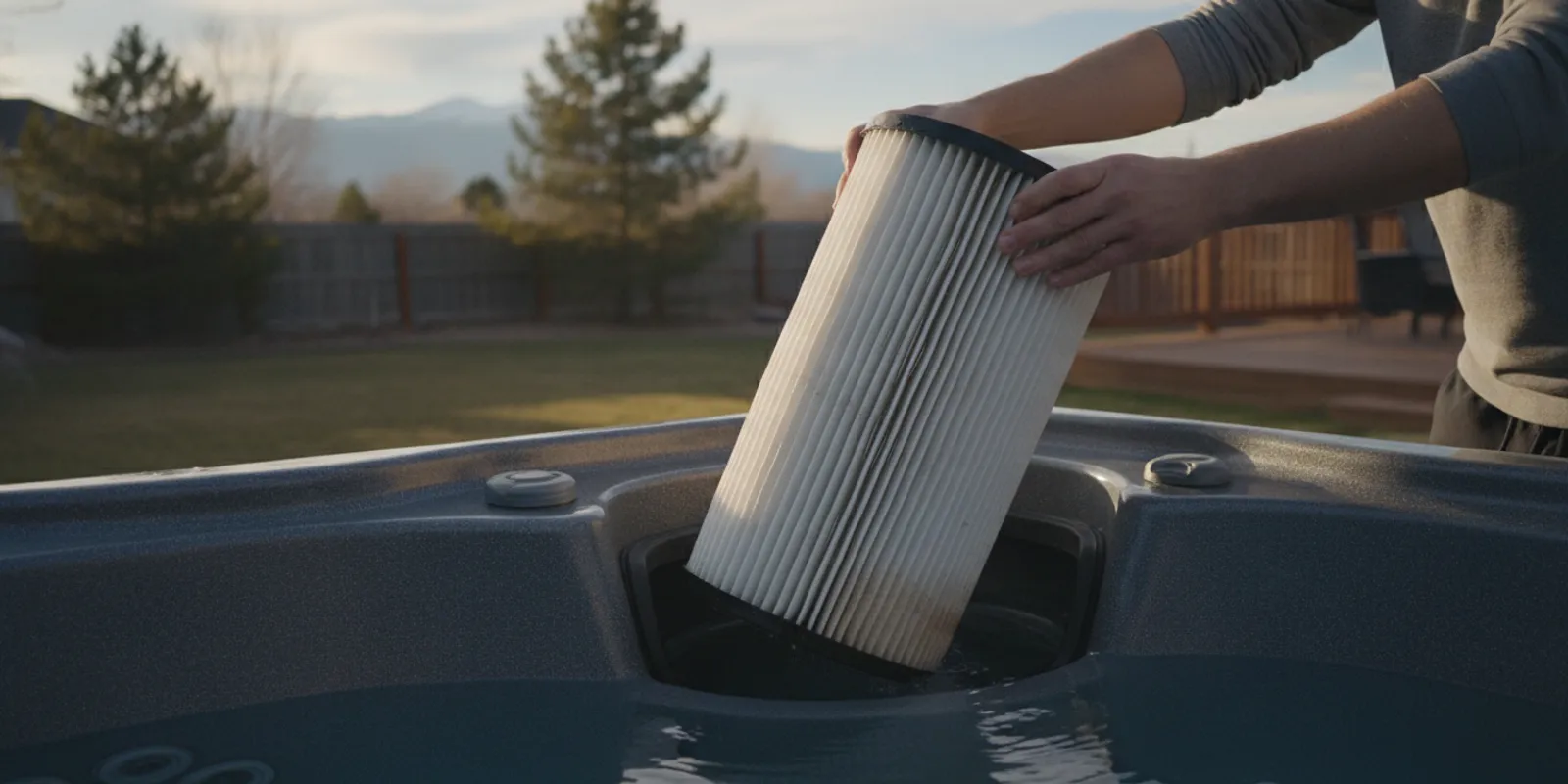
The lifespan of each system varies. A sand filter tank can last for decades, but the sand itself needs to be changed every five to seven years. Cartridge tanks last ten years, but the inner cartridges last only three to five years. You should replace cartridges every one to three years, or after about 2,000 hours of active use. DE grids are tough and often last seven to ten years before they wear out.
| Filter Type | Media Lifespan | Tank Lifespan | Filtration Level | Colorado Mineral Risk |
|---|---|---|---|---|
| Sand Filter | 5 to 7 years | 10 to 15 years | 20 to 40 microns | Sand can calcify into rock |
| Cartridge Filter | 1 to 3 years | 10 to 12 years | 10 to 15 microns | Minerals clog fabric pores |
| DE Filter | 7 to 10 years | 10 to 12 years | 1 to 5 microns | Scale builds up on grids |
The Impact of Colorado Water on Filter Life
Colorado's source water is high in minerals like calcium. According to reports from the Environmental Protection Agency (EPA), dry air causes fast evaporation. High-altitude conditions speed up this rate of water loss. This process leaves hard minerals behind in your pool. As these minerals build up, they put extra strain on your pool system.
This mineral build-up affects each filter in its own way. High calcium can bind sand grains together, turning the sand bed into solid rock. In cartridge filters, minerals clog the tiny pores in the pleated fabric and shorten its life. For DE grids, minerals form a hard crust that blocks water flow. Chemical washes help, but you must check these parts often. This helps protect the pool equipment lifespan colorado pools need.
When to Replace Your Filter Media
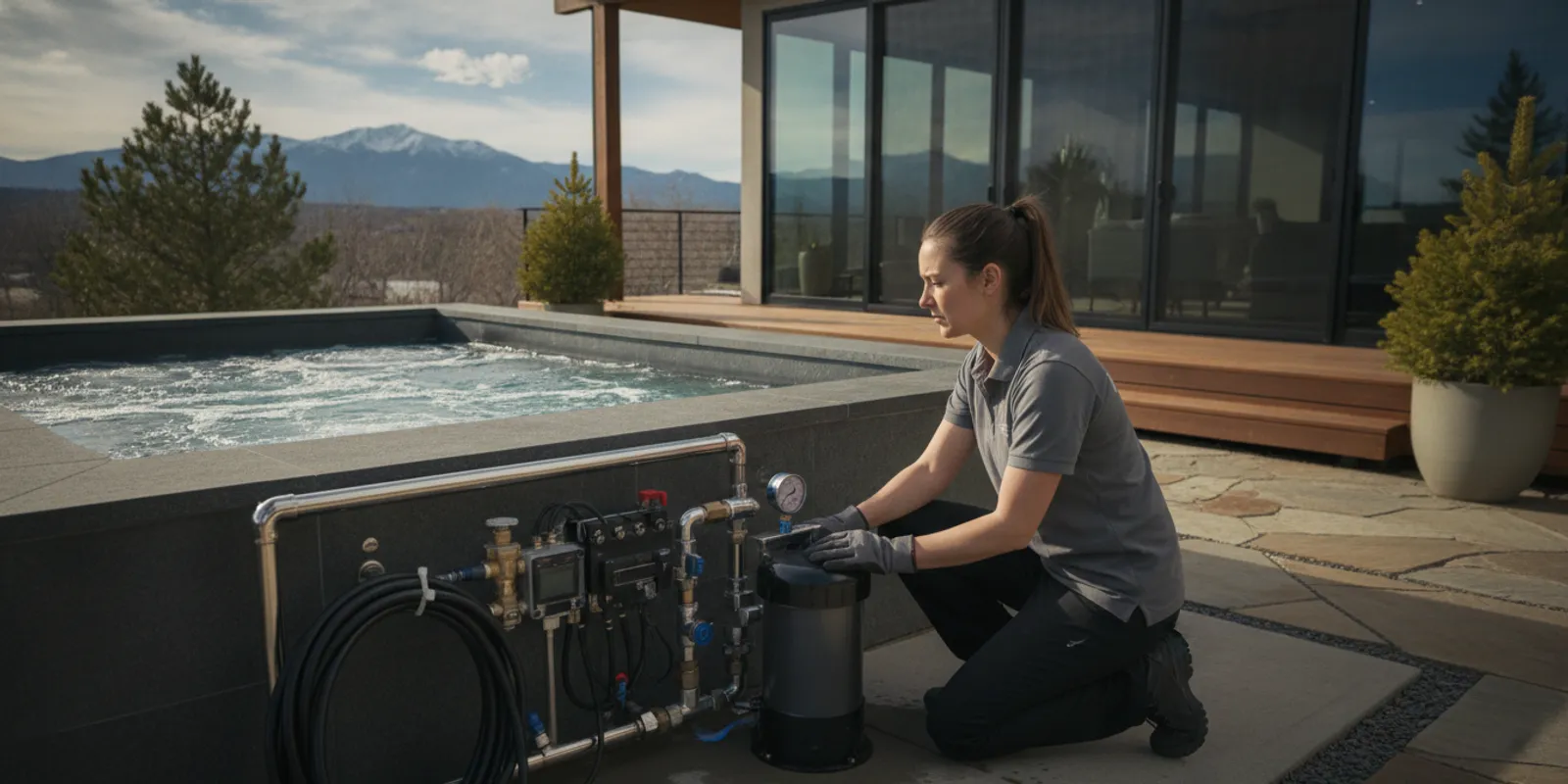
Leaving a clogged or damaged filter can lead to poor water flow and cloudy pools. High pressure inside the tank is a clear sign that your media has reached the end of its life. Watch your pressure gauge weekly to track these changes. If you see dirt flowing back into the pool, the inner parts may have rips or tears.
In some cases, the filter tank itself may get leaks from freeze-thaw stress. If you notice cracks or wet spots, you need to decide between pool filter replacement and repair right away. Taking care of your filter helps your pump run smoothly and keeps your water clean all season long.
Salt Chlorinators, Automation, and Other Equipment Lifespan
Salt cell lifespan and high altitude
Denver's high altitude and thin air make water loss happen fast. This changes pool chemistry. The strong sun at high altitude also breaks down free chlorine. These local factors put extra strain on your salt cell, which often lasts 5 to 7 years before it fails.
Because Denver's UV rays are intense, they destroy chlorine quickly. This means your salt cell must work twice as hard to keep the pool clean. Running at full power for a long time wears out the cell's metal plates. This high workload is the main reason salt cells in Colorado rarely last past the 5-year mark without active care.
You must keep your pool water in balance and keep it clean to protect the cell. High pH causes calcium scale to build up on the metal plates. This cuts chlorine output and makes the cell work too hard. If you do not clean the cell, you will need a pool equipment repair and replacement service much sooner.
Extend pool lifespan with automation
Smart controllers and automation systems help extend the lifespan of all your pool gear by running them only when needed. A pool guide from the Environmental Protection Agency shows that smart gear saves water and energy. Automated systems manage flow rates and turn off heaters when the air gets cold, which protects thin pipes from freeze shock. By cutting daily wear, these tools add years to your pool equipment lifespan colorado.
In Colorado, late spring and early fall bring sudden freezes at night. Automation systems can track the cold and run the pool pump when a freeze is near. Moving water does not freeze fast, so this automated run protects your pump housing and filter tank from cracking. This saves you thousands of dollars in sudden repairs.
Lifespan of LED lights and chemical feeders
Other parts of your pool have their own lifespans. For example, inline chemical feeders often last 5 to 10 years, but their plastic parts can crack over time. Pool LED lights are very tough and last 10 to 12 years, which is a big jump over old bulbs. Harsh winter freeze cycles can crack outdoor light housings if you do not winterize your pool right.
Signs Your Pool Equipment Needs Replacing
Denver's harsh winter weather has a big impact on the pool equipment lifespan colorado pools have. Over time, freeze-thaw cycles and intense summer sun wear down pumps, filters, and heaters. Spotting warning signs early is key to stopping total system failure and keeping your water clear.
Common Mechanical and Water Issues
Here are seven clear signs that your pool equipment is nearing the end of its life and needs to be replaced:
- Strange pump noises: A loud grinding or screeching sound from your motor often means the inner bearings are failing. This noise shows that the motor is near the end of its life.
- Rising energy bills: If your power bills jump without a change in pool use, your pump motor may be working too hard. As noted in the EPA outdoor water guide, proper care and new gear can help reduce your power costs.
- Visible rust and corrosion: Denver's high moisture on the pool pad can cause rust. Check metal parts on pumps and heaters for corrosion, which weakens the outer walls and leads to leaks.
- Frequent power cycling: A pump that shuts off on its own may get too hot. This cycling can happen when wiring fails or when the motor has to work too hard to draw water.
- Uneven pool heating: If your heater fails to reach your set heat, the inner parts may be worn. Colorado winters put extra stress on gas heaters, causing burners to clog or fail.
- Cloudy water with proper chemicals: When your water stays murky even after you add chemicals, your filter may be failing. Filter tanks and grids wear down and can no longer trap small bits of dirt.
- Visible cracks in housings: Freeze-thaw cycles can cause plastic filter tanks and pump baskets to crack. These cracks can burst under high pressure, so you should replace the damaged parts fast.
Knowing When to Repair or Replace
Not every broken part means you must buy a whole new system. Sometimes, simple repairs can extend the life of your gear. But if your pump or heater is more than ten years old, a full swap is often the best choice.
If you notice these warning signs, you should have an expert take a look. Our team can help you decide between pool equipment repair and replacement to keep your pool running well all season long. We can test your pump pressure, check your heater burners, and inspect your filter tank for safety.
How to Extend Your Pool Equipment's Life in Colorado
To get the longest pool equipment lifespan colorado weather allows, you must protect your gear from the cold. Our mountain climate brings cold winters, dry air, and hot summer sun. Each season poses a threat to your pumps, filters, and heaters. You can avoid early failures by using smart habits and booking timely service.
Seasonal winter prep needs
Winter is the hardest season for pool gear in the Denver Metro area. Freezing water expands and can crack heavy plastic housings or metal pipes in one night. To prevent this big loss, you must blow out plumbing lines before the first freeze. You must also drain your pump and heater.
In spring and autumn, Colorado often gets sudden cold snaps. During freeze warnings, you should run your pool pump all night to keep water moving. Moving water does not freeze as fast as still water. This simple step protects your pipes and pump housing from sudden ice damage.
Taking these steps will help you avoid costly winter repairs:
- Blow out all water lines to prevent ice blocks.
- Drain water from the heater, pump, and filter tanks.
- Add freeze plugs to your skimmer and return lines.
- Keep the cover tight to block dirt and leaves.
Water chemistry and altitude
Our high altitude makes pool water dry up fast. When water leaves the pool, it leaves behind a high buildup of minerals and salts. This shifts your pH balance and can strain your salt system or clog your filter. Keeping your pool water clean and balanced can extend your filter lifespan by up to thirty percent.
Check your chemical levels at least twice a week. You want to make sure your chlorine and pH stay in the safe zone to avoid scaling. Bad water chemistry can corrode pool heater cores and ruin pump seals in just a few months. Weekly testing is the easiest way to prevent early gear failure.
Smart controls and professional care
Adding a smart control system can also help your pool gear last much longer. Smart systems run your pump and heater only when needed, which cuts down on daily wear. Using these targeted maintenance techniques can save you water, energy, and money over time.
We also suggest getting a regular checkup for your system. Booking a professional pool maintenance service once a year will catch small leaks before they turn into major breaks. Our pool experts can spot worn gaskets, dry seals, and weak pump motors early. This keeps minor issues from turning into costly pool equipment repair and replacement jobs.
Frequently Asked Questions
Should I replace my pool pump or just the motor?
Buying just a new pool pump motor can save you money if the plastic case is still in good shape. Most pump motors last about eight to twelve years, while the case can last fifteen years or more. If your pump is over ten years old, buying a new, power-saving model is often better. The EPA notes that buying new equipment can save water, power, and money over time.
How does bad water chemistry affect pool equipment?
Bad water chemistry is the fastest way to ruin your pool equipment. If your pH is too low, the water becomes acidic and eats away at metal parts inside your heater and pump. High pH causes scale buildup, which plugs up pipes and filters. Keeping your water balanced can extend your equipment life by up to thirty percent. Our team can deliver the right pool chemicals and supplies to keep your water balanced.
Does freezing winter weather damage pool equipment in Denver?
Yes, freezing winter weather is the single biggest threat to pool equipment in Denver. When water freezes, it expands with great force. This can easily crack plastic pump casings, pool filters, and expensive heater pipes. To prevent this costly damage, you must do a complete winterization of your system each fall. According to Colorado State University Extension, our semi-arid climate and cold weather need careful water and system care.
What does it cost to replace pool equipment in Denver?
The cost to replace pool equipment depends on the specific part you need. A new pool pump can cost from eight hundred to two thousand dollars. A new pool heater can range from three thousand to six thousand dollars. Regular maintenance is the best way to avoid these high costs. When planning your budget, you can read our guide on pool maintenance costs to help you prepare.
Ready to Protect Your Pool Equipment From Denver's Winters?
Putting off needed service on your pool pump, filter, or heater can cause sudden system failure and lead to very high repair bills. Setting up an expert pool equipment checkup today prevents these sudden breakdowns and helps you avoid expensive emergency service visits this winter. Our local team of trained Denver pool experts will inspect every part of your setup now to keep your water clear and safe.
Ready to protect your pool? Book your service online today to schedule a pool equipment inspection. Our local team is ready to help you keep your pool in top shape all year. We will make sure all your equipment works well and lasts for many years.
Related Blogs