Your Complete Guide to Pool Filter Maintenance
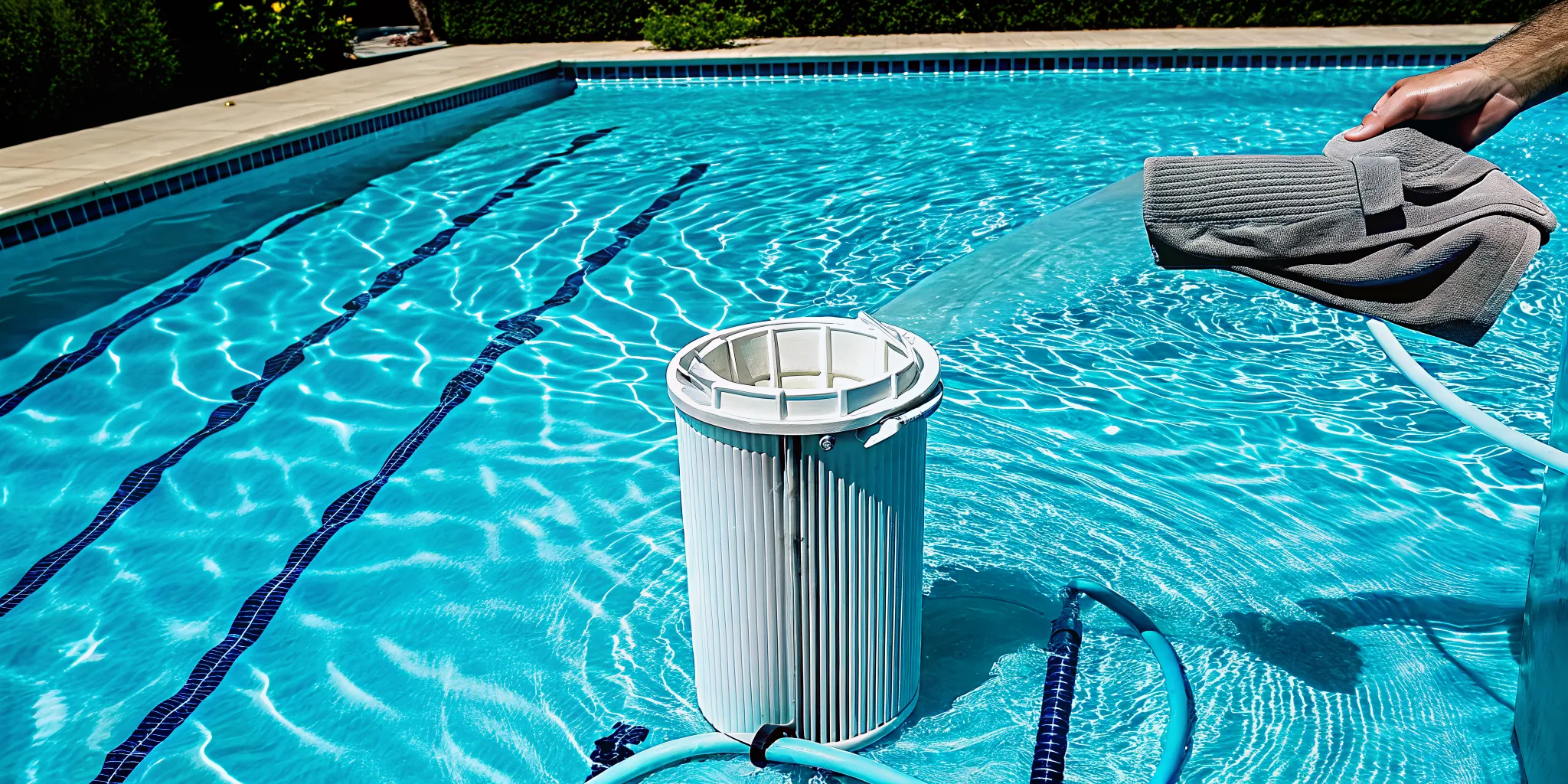
Here in Colorado, our swimming season feels precious and short. The last thing any Denver pool owner wants is to waste a perfect sunny day dealing with cloudy water or broken equipment. That’s why getting your maintenance routine right is so important. Your filter, in particular, takes a beating from our intense sun and long off-season. A key part of a smooth spring opening and a hassle-free summer is consistent pool filter maintenance. This guide is tailored for Colorado pool owners, helping you understand how to care for your filter through our unique seasons to ensure it’s always ready for action when you are.
Ready for a cleaner pool?
Denver's trusted pool care professionals since 1982. Get started today.
Schedule ServiceKey Takeaways
- Watch the pressure gauge, not the calendar: The most reliable way to know when to clean your filter is to watch for a pressure increase of 8 to 10 PSI above its normal clean level. This method ensures you clean it exactly when needed, protecting your equipment.
- Tailor your cleaning to your filter type: The right cleaning process depends on your system. Cartridge filters require a manual rinse, while sand and D.E. filters are cleaned by backwashing. Using the correct technique is essential for an effective clean.
- A clean filter saves you money and stress: Regular maintenance does more than just clear up your water; it lowers energy bills and extends the life of your pump by reducing strain. This simple routine prevents costly repairs and keeps your pool system healthy.
What Are the 3 Types of Pool Filters?
Your pool filter is the unsung hero of your backyard oasis, working tirelessly to keep the water clean and inviting. But not all filters are created equal. The first step to effective maintenance is knowing exactly what kind of system you have. Most residential pools use one of three types: cartridge, sand, or diatomaceous earth (D.E.). Each has its own method for cleaning and its own schedule for upkeep. Let's get familiar with them so you can give your filter the care it needs to perform its best.
Cartridge Filters
Cartridge filters are a popular, eco-friendly choice that uses pleated fabric to screen out debris. One of their biggest perks is that you don't need to "backwash" them, which is a water-intensive cleaning process. Instead, you'll do a more hands-on cleaning. To clean your cartridge filter, you simply turn off the pump, remove the cartridge, and spray it down with a hose. For a deeper clean, you can use a filter cleaner. Because they save water and are relatively simple to maintain, many Denver homeowners love them. If you need a hand with your routine cleaning and maintenance, our team is always here to help.
Sand Filters
Think of sand filters as the reliable workhorses of the pool world. These systems use a special grade of sand to trap dirt and debris. They are incredibly durable, capable of handling high volumes of water and trapping particles down to 20 microns. When the pressure in the tank gets too high, it’s time to clean it through a process called backwashing. You’ll need to backwash for 3-5 minutes to flush out the trapped contaminants. Sand filters are a fantastic, low-maintenance option, but if you notice performance issues, it might be time for professional equipment repairs or servicing.
Diatomaceous Earth (D.E.) Filters
If you want the absolute clearest, most sparkling water, a D.E. filter is your best bet. These filters use the fossilized remains of tiny aquatic organisms, called diatoms, to screen out microscopic particles. While D.E. filters provide the finest filtration, they also require the most hands-on maintenance. Similar to sand filters, you’ll need to backwash a D.E. filter when the pressure rises. The key difference is that after backwashing, you must add a new coating of D.E. powder to the filter grids. We can make sure you always have the right supplies and chemicals on hand for this important step.
How Often Should You Clean Your Pool Filter?
Knowing when to clean your pool filter is one of the most important parts of your pool care routine. A clean filter is the key to sparkling water and an efficient system. While it might seem like something you should do on a fixed schedule, like every month, the truth is your pool will tell you exactly when it’s time. The secret is learning how to listen to your equipment, specifically your filter’s pressure gauge. This little dial is your best friend for filter maintenance, taking all the guesswork out of the process. By keeping an eye on it, you can clean your filter at the perfect time to keep your water pristine and your pump happy.
Your Filter's Cleaning Schedule
Instead of marking your calendar, you should let your filter's performance dictate its cleaning schedule. The most reliable way to do this is by monitoring the pressure gauge on your filter system. The golden rule is to clean the filter when the gauge shows a pressure increase of 8-10 PSI (pounds per square inch) above its normal operating level. This "normal" level is the pressure reading your gauge shows right after the filter has been thoroughly cleaned. An increase in pressure means the filter is full of dirt and debris, and it's working harder to push water through. This method ensures you aren't cleaning too often, which can be unnecessary, or waiting too long, which can strain your equipment and lead to cloudy water.
Signs It's Time to Clean Your Filter
The clearest sign your filter needs cleaning is that 8 to 10 PSI jump on the pressure gauge. When you see that number, it’s a direct message from your pool system that the filter is clogged and becoming less effective. Think of it as a traffic jam; as more debris gets trapped, it becomes harder for water to pass through, causing pressure to build up. While a significant pressure increase is the main indicator, you might also notice other subtle signs. For example, if the water flow from your return jets seems weaker than usual, it could point to a clogged filter or another issue that needs attention. If you notice this, it might be time to look into professional equipment repairs.
How to Read Your Pressure Gauge
Understanding your pressure gauge is simple once you know what to look for. The first step is to establish your baseline. After you or a professional performs a deep cleaning and maintenance on your filter, turn the pump on and note the pressure reading. This is your "clean" PSI. Write it down on the filter tank with a permanent marker so you don't forget. From then on, just keep an eye on the gauge. When it reads 8 to 10 PSI higher than that clean number, it’s time to clean it again. For example, if your clean pressure is 15 PSI, you’ll want to clean the filter when it reaches 23-25 PSI. Also, if your gauge ever gets stuck or doesn't drop to '0' when the pump is off, it likely needs to be replaced.
How to Clean Each Type of Pool Filter
You know when to clean your filter, but what about the how? The exact steps depend entirely on which of the three filter types you have. Each one has a unique process, but don't worry, we'll walk through them one by one. Before you start any cleaning, remember the golden rule: always turn off your pool pump first. This protects both you and your equipment from harm. Let's get into the specifics for your filter.
How to Clean a Cartridge Filter
This is often the simplest filter to maintain. Start by turning off the pump and releasing any built-up pressure in the system. Then, open the filter tank, remove the lid, and carefully pull out the cartridge. Using a garden hose with a spray nozzle, rinse the pleats from top to bottom, making sure to get all the dirt and debris out. For a more thorough job, you can use a specialized filter cleaner to soak the cartridge, which helps break down oils and lotions.
A good rule of thumb is to rinse your cartridges every two to four weeks. A deeper clean with a cleaning solution should happen at least once a month during pool season. If this process feels like a chore you'd rather skip, our cleaning and maintenance services can handle it for you, keeping your filter in top shape without you lifting a finger.
How to Clean a Sand Filter
Cleaning a sand filter involves a process called backwashing, which reverses the water flow to flush out trapped contaminants. You’ll know it’s time when your pressure gauge reads 8-10 PSI above its clean, starting pressure. First, turn off the pump. Next, set your multiport valve to the "BACKWASH" position. Turn the pump back on and let it run for three to five minutes, or until the water in the sight glass runs clear.
Once that's done, turn the pump off again and switch the valve to "RINSE." Run the pump for about 30 seconds to resettle the sand bed. Finally, turn the pump off one last time and return the valve to the "FILTER" setting. This process can feel a bit technical, so if you're ever unsure, our team is here to help with equipment repairs and servicing.
How to Clean a D.E. Filter
D.E. filters also use backwashing, so you’ll follow a similar process to the sand filter when your pressure gauge is 8-10 PSI above normal. The key difference comes after you backwash. Since backwashing flushes out the old D.E. powder along with the dirt, you need to add a fresh coat. After backwashing and rinsing, turn your pump back on with the valve set to "FILTER." Mix the required amount of new D.E. powder with water to create a slurry, then pour it slowly into your pool’s skimmer.
For a more intensive clean, which we recommend monthly, you’ll need to disassemble the filter and manually clean the grids. This involves backwashing, draining the tank, removing the grids, and hosing them down. If you notice persistent cloudiness or find the full disassembly process daunting, it might be time to call in a professional for spa services or pool care.
Key Safety Tips for Filter Maintenance
Taking care of your pool filter is a routine part of ownership, but it’s one that requires your full attention. Your pool’s filtration system involves high water pressure and electricity, a combination that demands respect. Following a few key safety rules is non-negotiable to prevent injury and avoid damaging your equipment. Think of these tips as your pre-maintenance checklist. If you ever feel unsure about a step, remember that our team is always here to help with professional equipment repairs & servicing.
Shut Down the System and Release Pressure
Before you do anything else, you must completely power down your pool equipment. Go to your home’s circuit breaker and turn off the power to the pool pump. If you have an automated system, switch it to "service mode" first. This crucial step ensures the pump can’t accidentally turn on while you’re working. Once the power is off, you need to release the pressure that has built up inside the filter tank. Locate the air relief valve on top of your filter and slowly turn it to open it. You’ll hear a hissing sound as air escapes. Wait until the hissing stops and the pressure gauge reads zero before attempting to open the tank.
Handle D.E. Powder With Care
If you have a diatomaceous earth (D.E.) filter, you need to handle the D.E. powder with caution. This fine, white powder is an irritant if inhaled, so it’s a good idea to wear a dust mask and gloves when working with it. After you backwash your D.E. filter, you’ll need to add fresh D.E. powder to the system to recoat the internal grids. This is typically done by mixing the powder with water in a bucket to create a slurry and pouring it slowly into the skimmer while the pump is running. Always store your D.E. powder in a dry place, sealed and away from children and pets.
Inspect and Lubricate O-Rings
Every time you open your filter tank, take a moment to care for the main O-ring. This large rubber gasket creates the seal that keeps water from leaking out. Carefully remove it and inspect it for any signs of wear, like cracks, flat spots, or stretching. If it looks damaged, replace it. If it’s in good shape, wipe it clean and apply a thin layer of a silicone-based, pool-safe lubricant before putting it back in place. This keeps the rubber pliable and helps ensure a tight seal. Never use a petroleum-based product like Vaseline, as it can cause the O-ring to swell and degrade over time.
Dispose of Filter Waste Correctly
The water and debris from cleaning your filter need to be disposed of properly. When backwashing a sand or D.E. filter, the wastewater contains chemicals and contaminants. Check your local city or county regulations, as many areas have rules against discharging this water into storm drains. The safest option is often to run the backwash hose to a spot on your lawn or a gravel area where the water can be absorbed into the ground. For cartridge filters, rinse the debris off the pleats over a patch of grass or landscaping, not on a driveway where it can wash into the street. It’s also a good practice to rinse the area with fresh water afterward to dilute any residual pool chemicals.
Smart Maintenance Tips for Your Pool Filter
Cleaning your filter is a great start, but a few extra habits can make a huge difference in your pool's health and your filter's lifespan. Think of these as the pro-level moves that keep your system running smoothly with less effort over time. Proper filter care isn't just about clear water; it’s about protecting your investment in your pool equipment and preventing small issues from becoming costly headaches. By incorporating these simple tips into your routine, you can save yourself time, money, and frustration, leaving more time to simply enjoy your pool.
Keep Up With Your Pool's Chemical Balance
Your pool's chemical balance and your filter have a direct relationship. When your water chemistry is off, your filter has to work much harder to combat algae and cloudy water. Consistently testing your water and keeping your sanitizer, pH, and alkalinity levels in the correct range prevents buildup and strain on your filter media. This simple step not only keeps your water sparkling but also helps protect your expensive pool equipment from corrosion and damage. If you need help finding the right products, we can guide you to the best supplies and chemicals for your specific pool needs.
Avoid Using High-Pressure Cleaning Tools
It might seem tempting to blast away dirt from your filter cartridge with a pressure washer, but please resist the urge. High-pressure water can easily tear the delicate fabric of a cartridge filter, creating tiny holes that allow debris to pass right through and back into your pool. This damage is often irreversible and will require you to buy a new cartridge. Instead, always use a standard garden hose with a spray nozzle to gently rinse the pleats clean. If you’ve accidentally damaged your filter, our team can help with professional equipment repairs and servicing.
Know When to Replace Your Filter Media
Even with perfect cleaning, your filter media won't last forever. Over time, oils and minerals become deeply embedded, and the material itself breaks down. For sand filters, you should generally plan to replace the sand every three to five years. Cartridges may last one to three years, while D.E. grids can last five years or more with proper care. Signs that it's time for a replacement include shorter cycles between cleanings, stubbornly cloudy water, or visible damage like cracks or tears. Replacing the media on schedule is a key part of long-term pool equipment maintenance.
Don't Skip Off-Season Maintenance in Colorado
Here in Colorado, we know the off-season can be long. But just because your pool is closed doesn't mean you can forget about your equipment. Proper winterization is critical, and that includes giving your filter a final, thorough cleaning before you close up. This prevents any lingering algae or bacteria from thriving in the dark. The same goes for your hot tub; cleaning the filters is just as important as cleaning the pool itself. Consistent off-season care ensures an easier, faster opening in the spring and protects your filter from damage during our cold winters. We offer year-round spa services to keep everything in top shape.
The Payoff: Why Regular Filter Maintenance Is Worth It
It’s easy to think of pool filter maintenance as just another chore on your to-do list, but it’s one of the most impactful things you can do for your pool. Sticking to a consistent cleaning schedule isn't just about keeping things running; it's about making your pool safer, more efficient, and more enjoyable. Think of it as a small investment of time that pays off in big ways, protecting your larger investment in the long run.
When your filter is clean, your entire pool system works better. The water is clearer, the equipment is less strained, and your energy bills are lower. It’s a simple task that prevents a cascade of potential problems down the line. Whether you handle it yourself or trust a professional for regular maintenance, a clean filter is the unsung hero of a happy, healthy pool. Let’s break down exactly why this routine is so worth your while.
Enjoy Cleaner, Clearer Water
The most immediate and satisfying benefit of a clean filter is sparkling, clear water. Your filter’s job is to trap dirt, debris, oils, and other tiny particles that make the water cloudy and uninviting. When the filter is clogged, it can’t do its job effectively. Water is forced around the dirty filter media instead of through it, allowing contaminants to flow right back into your pool. Regular cleaning ensures your filter has maximum capacity to capture impurities, leaving you with the crystal-clear water every pool owner dreams of. This isn't just about looks; it's about creating a healthier swimming environment for your family and friends.
Extend the Life of Your Pool Equipment
Your pool pump and filter work together as a team. When the filter is clogged with debris, your pump has to work much harder to push water through the system. This added strain can lead to overheating, premature wear and tear, and eventual failure of the pump motor, which is one of the most expensive components to replace. By simply keeping your filter clean, you reduce the pressure on your pump and other equipment. This simple act of maintenance helps prevent costly repairs and can significantly prolong the life of your entire pool system, saving you a major headache and expense down the road.
Save Money on Energy Bills
A strained pool pump doesn't just wear out faster; it also uses a lot more electricity. When the pump has to work overtime to circulate water through a dirty filter, your energy consumption goes up. You’ll see the result of this inefficiency on your monthly utility bill. Keeping your filter clean allows water to flow freely with minimal resistance. This means your pump can run more efficiently, using less energy to do the same amount of work. Over the course of a swimming season, these savings can really add up, making regular filter cleaning a smart financial move that helps your pool pay for itself in enjoyment, not in utility costs.
Know When to Call a Pro for Filter Maintenance
Taking on your own pool filter maintenance is a great way to stay on top of your pool's health. But just like with any major home appliance, there are times when calling in a professional is the smartest and safest move. While DIY cleaning is fantastic for routine upkeep, a trained technician has the expertise to handle the task correctly and spot potential issues you might miss. Think of it as a regular check-up to keep your system running smoothly for years to come.
Some signs that you need an expert are immediate. If you’ve just finished cleaning your filter, restart the pump, and see water leaking from the filter tank, turn the system off right away. The same goes if you don’t get a steady stream of water returning to the pool. These are clear indicators that something is wrong, and a professional can diagnose the problem without risking further damage. Attempting a fix on your own could lead to more complex and costly equipment repairs.
Other times, the clues are more subtle. Maybe you feel like you’re doing everything right, but your pool water is still stubbornly cloudy or you’re fighting a losing battle with algae. If your water quality doesn’t improve after a thorough filter cleaning, it could point to an underlying issue. A professional can perform a full system diagnostic to see if your filter media needs replacing, if there's a hidden crack in a manifold, or if another part of your circulation system is the real culprit.
Finally, if you’re ever unsure about the process, it’s best to call for help. A quick backwash isn't a substitute for the deep clean your filter needs periodically. A professional cleaning and maintenance service involves completely disassembling the filter, inspecting every component, and cleaning it in detail. This ensures your filter is working at peak efficiency and gives you peace of mind knowing your pool is in good hands.
Ready for a cleaner pool?
Denver's trusted pool care professionals since 1982. Get started today.
Schedule ServiceFrequently Asked Questions
How can I tell which type of pool filter I have? The easiest way is to look at the filter tank itself. Sand filters are typically large, spherical, or top-mount tanks. Cartridge filters are usually slimmer, cylindrical tanks that open from the top to reveal the fabric cartridges inside. D.E. filters can look similar to sand filters but will have a specific multiport valve for backwashing and require you to add D.E. powder through the skimmer. If you're still unsure, check for a manufacturer's label on the equipment, which should list the model and type.
Is it possible to clean my filter too much? Yes, you can. While it seems counterintuitive, a filter that is just slightly dirty can sometimes trap finer particles more effectively than one that is perfectly clean. More importantly, cleaning too often (especially backwashing a sand or D.E. filter) wastes water and pool chemicals. That's why using the pressure gauge is so important. Sticking to the 8 to 10 PSI increase rule ensures you clean the filter exactly when it needs it, not before.
My pressure gauge seems to be broken. How do I know when to clean the filter? A working pressure gauge is your most reliable tool, so if it's stuck or not reading zero when the pump is off, your first step should be to get it replaced. Without it, you are essentially guessing. You might notice weaker water flow from your return jets as a sign the filter is clogged, but this is not a precise indicator. Trying to maintain your pool with a broken gauge can lead to cloudy water or strain on your pump, so it's best to call a professional for a quick repair.
I cleaned my filter, but my pool water is still cloudy. What should I do? This is a frustrating situation, but it's a common one. If a thorough filter cleaning doesn't clear up the water, it usually points to one of two things. First, your filter media (the sand, cartridge, or D.E. grids) might be old and need to be replaced. Over time, it loses its ability to trap fine particles. Second, the issue could be with your water chemistry. Unbalanced pH or low sanitizer levels can cause persistent cloudiness that a filter alone can't fix.
Do I need to do a deep clean on my filter, or is a quick backwash or rinse enough? A quick rinse or backwash is great for regular maintenance, but your filter also needs a more intensive cleaning periodically. For cartridge and D.E. filters, this means taking the unit apart, removing the cartridges or grids, and cleaning them individually with a specialized cleaning solution to break down stubborn oils and minerals. For sand filters, a chemical cleaner can be used to remove buildup that backwashing leaves behind. We recommend doing this deep clean at least once a season to keep your filter working its best.
Related Blogs