Pool Filter Repair Denver: The Complete Guide for Homeowners

A cloudy pool or a sudden drop in water flow can quickly cut your Denver swimming season short.
When you need reliable pool filter repair Denver pool owners must first find if the issue comes from a torn cartridge, a cracked lateral, or sand channeling. A clean and working filter is crucial since filtration accounts for about 35 percent of pool water maintenance in terms of keeping water clear. Clogged, damaged, or aging filtration systems fail to catch fine debris, resulting in high particulate buildup, high system pressure, and cloudy water. While simple tasks like cleaning cartridges or backwashing are easy DIY steps. Cracked filter tanks and plumbing leaks require certified local technicians to prevent costly yard flooding and pump damage.
Fixing these issues starts with learning how your equipment works to keep your water clean and clear. Understanding Your Pool's Filtration System is the best place to begin, so let's look at the basic filter styles keeping Colorado pools clean.
Pool Filter Repair Denver: Understanding Your Pool's Filtration System
Your pool filter works behind the scenes to keep your water clean, clear, and safe for swimming. In fact, filtration is responsible for about 35% of your pool water maintenance, while oxidation handles the remaining 65%, according to Eastern Washington University. Pool filters fall into two main categories: vacuum filters and pressure filters. While both types help remove dirt and debris, most backyard pools in the Denver area rely on pressure-based systems that use one of three main filter media types.
Three Main Types of Pool Filters
Each filter type has its own pros and cons when it comes to filtration quality, life span, and upkeep. Diatomaceous earth (DE) filters use a powder coating to catch tiny particles as small as 2 to 5 microns. These filters usually last 3 to 5 years before they need parts replaced. Cartridge filters use pleated paper-like elements to trap debris down to 10 to 15 microns and have a life span of 2 to 4 years. Sand filters are the simplest option, filtering down to 20 to 40 microns with a lifespan of 5 to 7 years before you must change the sand.
How Climate Affects Your Filter in Colorado
Our local weather puts unique demands on pool equipment. High-altitude freeze cycles mean you must drain your system fully before winter to prevent cracked filter tanks. During the swim season, wind-blown dirt from the Denver plains can quickly clog your system. When your media gets full, water flow drops and causes pressure to rise. A clogged system cannot keep your pool clean, which often leads to cloudy water. If you notice a drop in flow or cloudy water, you may need professional pool filter repair to fix the issue.
Basic Upkeep for Your Pool Filter
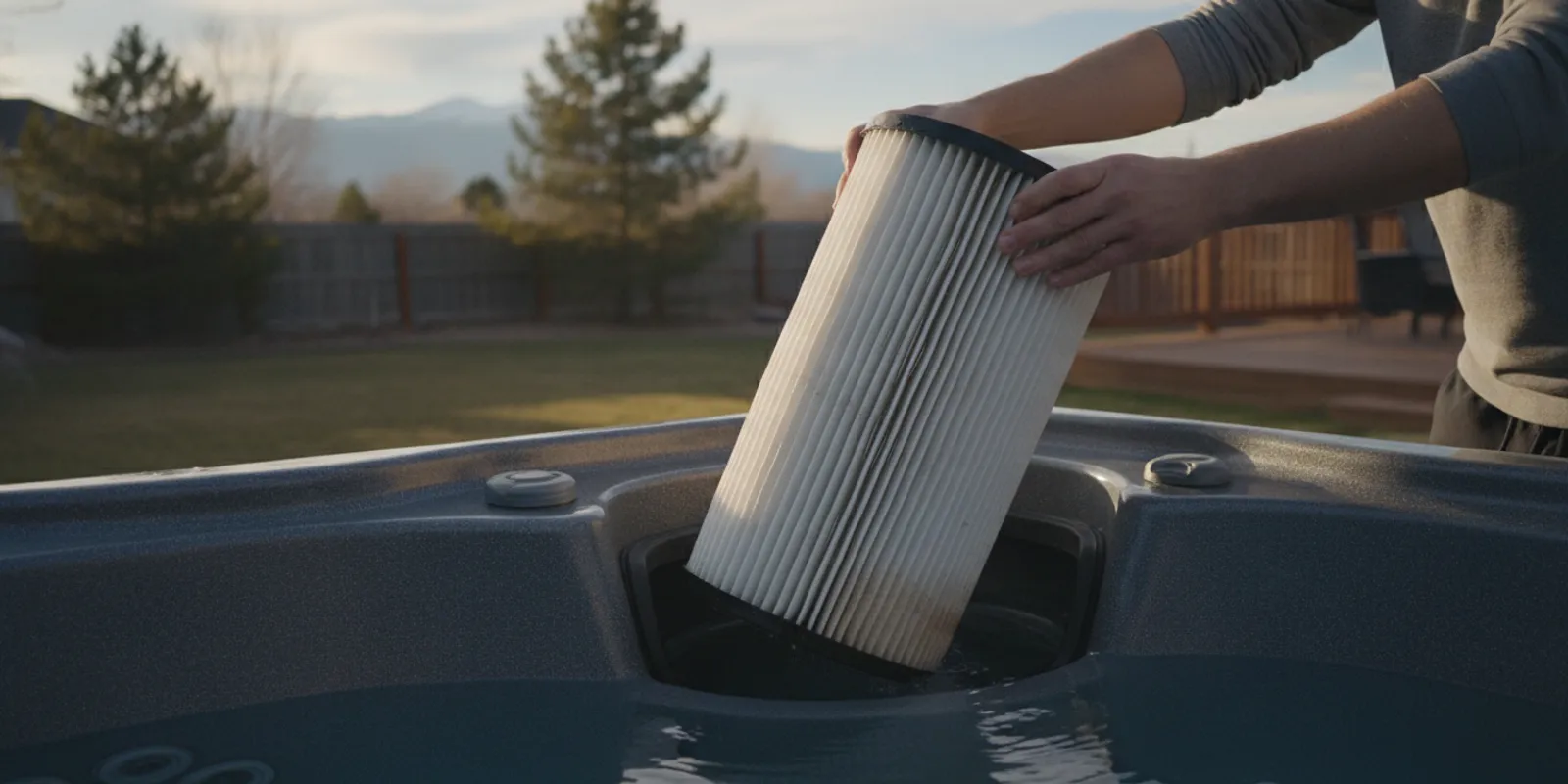
To keep your pool clear, your filter media needs regular cleaning and replacement. Sand and DE filters must be backwashed to flush out trapped dirt. Cartridge filters do not backwash; instead, you must take them out and spray them down with a hose. No matter what type of filter you own, regular pool filter maintenance is the best way to extend the life of your equipment and avoid costly breakdowns. For commercial pools, Colorado state regulations require operators to keep precise logs of filter readings and flow meter checks to ensure safety.
Common Signs Your Pool Filter Needs Repair
Your swimming pool filter works hard to keep your pool water clean and safe. When it starts to fail, you will notice changes in your pool. Knowing the early warning signs of filter trouble can help you avoid expensive damage and save you from green or cloudy water. If you notice any of these symptoms, you may need a professional pool filter repair denver technician to inspect your system.
High System Pressure Readings
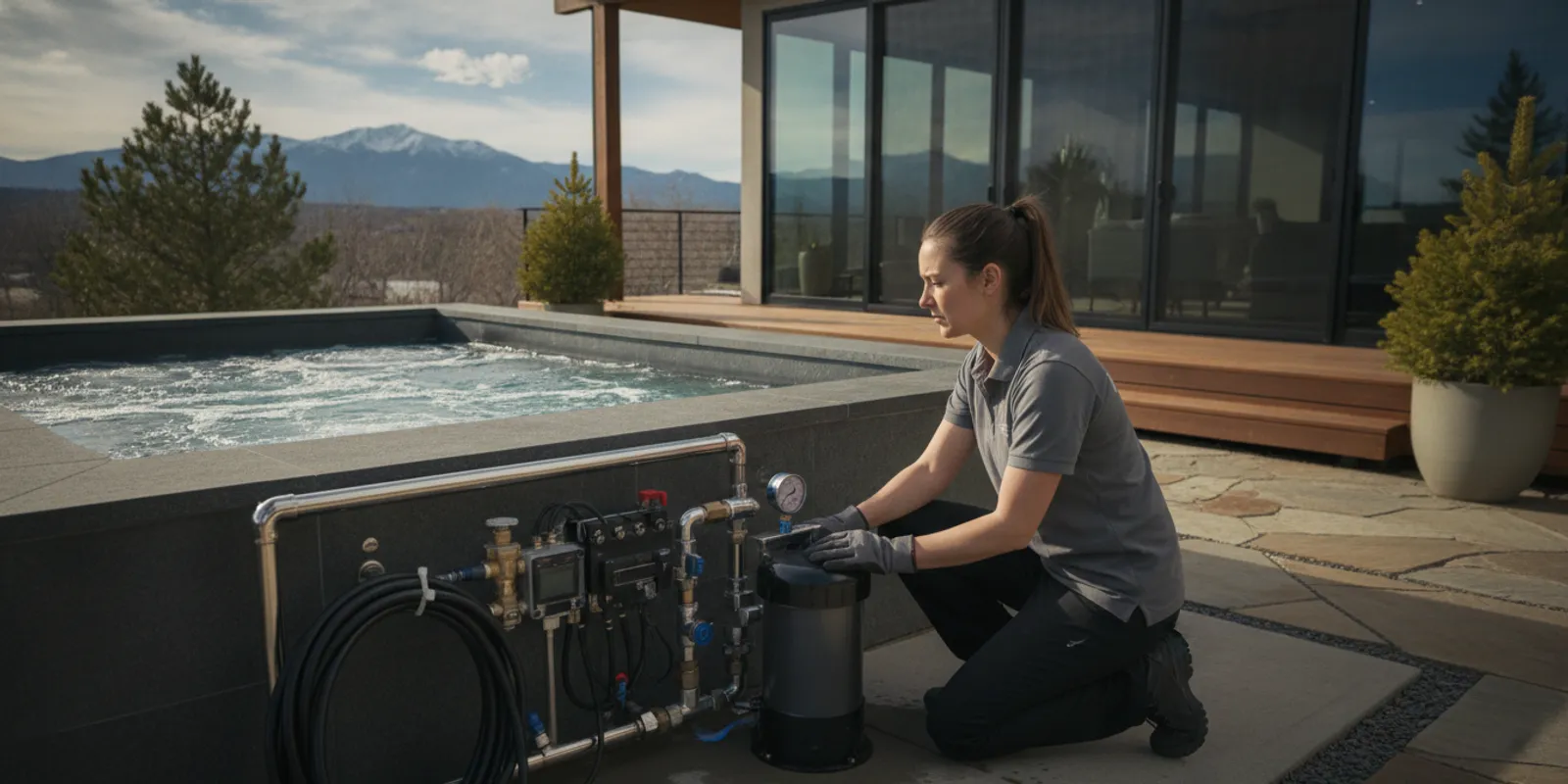
The pressure gauge on your filter tank is a key tool for checking your pool health. A normal filter pressure sits between 10 and 15 pounds per square inch (PSI) but can vary by system. If your pressure gauge reads 10 PSI or more above its clean starting point, your filter is likely clogged. High pressure means water cannot flow through the filter media easily. This puts a heavy load on your pool pump and can lead to damage. If backwashing or cleaning does not lower the pressure, you may have damaged parts inside the tank that need repair.
Cloudy Water That Stays Dirty
Your filtration system plays a critical role in keeping your pool clear. In fact, filtration accounts for about 35 percent of water clarity according to an Eastern Washington University campus recreation report. When pool filters are malfunctioning, it can lead to cloudy water or high particulate accumulation. If you run your pump for hours and the water stays dull or green, your filter media is likely worn out. Sand can get calcified, cartridges can tear, and diatomaceous earth (DE) grids can crack. In these cases, water bypasses the filter media and returns dirty water straight back to your pool.
Low Water Flow from the Jets
You can often feel filter problems by checking the water return jets. If the flow of water back into your pool feels weak, your filter may be blocked. Low flow meter readings may indicate a clogged or malfunctioning filter system per Colorado state pool regulations. A clogged filter blocks the water path, which drops the flow rate. This low flow prevents your pool from mixing chemicals correctly and reduces the work of your pool skimmer. Getting a regular pool filter maintenance check can help prevent these blockages from stopping your water flow.
Water Leaks and Loud Noises
A healthy pool filter operates quietly and holds water without drips. If you see water pooling around the base of your filter tank, you have a leak. Leaks often happen due to a worn tank O-ring, a split clamp band, or a cracked tank lid. Never ignore water leaks, as high pressure can cause a weak filter tank to split or burst. You should also listen for loud grinding or high-pitched squeals. While noise usually comes from the pump motor, a blocked filter forces the pump to work harder, which causes it to fail early and make loud noises.
How to Diagnose Pool Filter Problems
A clear pool starts with a healthy filter. When issues arise, finding the root cause is the first step to your next regular pool filter maintenance routine. You can find and solve most filtration issues by following a clear, step-by-step diagnostic plan.
Check pressure and flow
Your filter pressure gauge and pool flow meters tell the real story of your system health. Colorado rules require public pools to keep flow logs, and home pools also benefit from this habit. Low flow meter readings often point to a clogged or failed filter system, as noted in the Colorado pool regulations.
- Check the pressure gauge: Look at the air pressure gauge on top of your filter tank. A reading that is 8 to 10 pounds per square inch (PSI) above your clean starting pressure means the filter is full of debris and needs cleaning.
- Inspect the return flow: Feel the water flow coming out of the return jets in your pool walls. Weak flow often confirms a high pressure reading, which means water is struggling to pass through the dirty filter media.
- Clean or backwash the filter: Clean the cartridges or backwash your sand or DE system to restore normal water flow. Keep in mind that filter backwashing accounts for about 23% of commercial pool water use according to the EPA WaterSense guidelines, so do not backwash more than needed.
- Check for leaks: Inspect all o-rings, gaskets, and valves around the filter tank. Look for small drips or air bubbles in the pump basket, which suggest air is entering the system through a bad seal.
- Examine the filter media: Open the tank to look for physical damage. Check for cracked DE grids, torn paper cartridges, or deep channels in a sand filter that let dirt bypass the media.
- Clear the baskets: Check the pump basket and wall skimmers. Clogged baskets block water before it even reaches the filter, which causes a drop in pressure and flow that mimics other equipment issues.
Troubleshoot pump connections
Sometimes a filter problem is actually a pump issue in disguise. If your system pressure is zero and no water moves, you may need to look at your pump power and prime. For step-by-step help with pump power faults, follow our pool pump and filter troubleshooting guide to get your system running again.
When to Repair vs Replace Your Pool Filter
Every pool system relies on its filter to clear fine particles and keep water clean. In fact, academic research shows that pool filtration accounts for about 35% of total pool water clarity and maintenance, according to an Eastern Washington University study. When water turns cloudy, you must decide whether to choose professional pool filter repair or invest in a new unit. Knowing the key signs of wear helps you make the right choice.
Typical Lifespans and Local Impact
The type of filter you own determines its lifespan. Diatomaceous earth (DE) systems and sand units can last seven to ten years if you schedule regular pool filter maintenance. Cartridge systems usually last three to five years. In Colorado, hard municipal water and extreme freeze-thaw cycles often shorten these timelines. Over time, high mineral levels coat internal elements and make plastic parts brittle.
Cost Comparison and Guidelines
Minor parts like pressure gauges, air relief valves, and small gaskets are cheap to replace. However, major parts like a cracked tank shell mean you need a new system. If repair costs exceed half the price of a new unit, buying a new filter is the best option. A comparison of average costs for each filter style helps you plan your budget.
| Filter Type | Typical Lifespan | Common Repairs | Avg Repair Cost | Replacement Cost | Best Action |
|---|---|---|---|---|---|
| Diatomaceous Earth (DE) | 7-10 Years | Grid replacement, manifold repair | $100 - $300 | $600 - $1,200 | Replace grids if tank is sound; replace unit if tank cracks |
| Sand Filter | 7-10 Years | Sand change, lateral repair, multi-port valve | $100 - $300 | $400 - $800 | Change sand and laterals; replace filter if body leaks |
| Cartridge Filter | 3-5 Years | Cartridge element replacement, o-rings | $50 - $200 | $300 - $700 | Swap cartridge elements; replace system if manifold cracks |
When to Call a Professional
Some tasks are safe to handle on your own, such as rinsing a cartridge element or cleaning the tank lid. However, high-pressure systems carry serious safety risks if sealed incorrectly. Cracked shells, manifold damage, and multi-port valve leaks require specialized tools and expert care. A certified pool technician can safely check system pressure, find hidden leaks, and help you select the most efficient equipment for your pool layout.
Why Denver's Climate Makes Filter Maintenance Critical
Denver has a unique climate that places extreme stress on outdoor pool systems. Our local weather features high altitude, cold winters, hot summers, and hard water. These local factors can cause your pool filter to wear out fast. Local pool owners must understand how these conditions affect their pool hardware to avoid costly issues.
High Altitude and Freeze Pressures
At 5,280 feet above sea level, Denver has lower atmospheric pressure than coastal cities. This difference affects the pressure levels inside your pool tank. Under these conditions, high-altitude conditions in Denver increase the risk of freezing. This environment requires specialized care for pool filters and pumps during the winter. Denver pool owners must also follow local guidelines. For example, commercial pools in Colorado must keep records of maintenance procedures to verify filter readings and flow meter checks. When pressure rises too high, the filter housing can crack or leak.
Extreme Temperature Swings and Winter Idle Time
Colorado winters bring frequent freeze-thaw cycles that expand and contract plastic filter parts. These shifts weaken the structural integrity of your filter tank over time. Because the Denver swim season is short, pool filters remain idle for several months. If you do not winterize the filter, trapped water can freeze and shatter the inner grids. Homeowners need specialized freeze protection to shield their hardware. Working with experts who understand regular pool filter maintenance will help prevent winter damage.
Hard Water and High Mineral Scaling
Denver tap water has high levels of calcium and other minerals. Over time, these minerals build up inside your filter grids and sand beds. This scaling blocks the flow of water and forces your pump to work harder. Mineral buildup also reduces the life of your filter media. Regular chemical washes are necessary to remove these deposits before they ruin the system. Proper upkeep ensures your filter continues to clean the water efficiently through the summer.
Professional Pool Filter Repair Services in Denver
When your filtration system stops working, your pool water can turn cloudy in a matter of days. Keeping your pool clean requires professional support to fix complex issues. Neptune Pools has provided expert care to homeowners in Denver, Lakewood, Littleton, and Cherry Creek since 1982. Our certified technicians handle all types of professional pool filter repair to keep your backyard oasis safe and clear.
Expert Care for Every Filter Type
Different pool filters need specific parts and methods. Our team fixes multiport valves, replaces worn o-rings, and installs new pressure gauges. If you use a cartridge system, we replace the elements when they tear. For sand filters, we perform sand replacement to restore proper water flow. If you have a diatomaceous earth system, we handle full grid replacements. These repairs ensure your system meets the standard rules set for pool safety.
According to the state guidelines in Colorado 5 CCR 1003-5, pools must maintain proper flow meter readings. A clogged or broken filter can cause low water flow, which leads to poor water quality. Our team can quickly diagnose why your pressure is too high or too low and make the needed repairs.
Fast Response and Clear Pricing
We know that a broken filter is an urgent problem. That is why we offer same-week visits to get your system running again. For our Gold and Silver members, we guarantee a 72-hour repair response time. We also believe in transparent pricing, so you always know what the work will cost before we start. You do not have to worry about hidden fees or generic estimates when you work with us.
Our local crew understands how high-altitude weather affects your pool equipment. We focus on durable fixes that protect your system from early wear. To prevent future issues, we also offer regular pool filter maintenance as part of our weekly service plans. This routine care helps you avoid costly emergency repairs during the swim season.
Frequently Asked Questions
Why is my pool filter pressure high?
High pressure means water cannot flow through the filter easily. This usually happens when dirt, debris, or algae clogs the system. You can often fix this by cleaning the cartridge or backwashing the system. Backwashing accounts for about 23% of pool water use according to the EPA. If the pressure stays high after a thorough clean, you may need a professional repair.
How often should I clean my pool filter?
You should clean or backwash your pool filter when the pressure gauge reads 8 to 10 pounds per square inch above its normal starting level. For most homes, this means cleaning a cartridge filter every few months or backwashing a sand or diatomaceous earth filter once a month. Regular upkeep is vital because filtration accounts for about 35% of water clarity based on research from Eastern Washington University.
Do you service pool filters during the winter in Denver?
Yes, we offer filter care and freeze protection services during the cold months in Denver. High-altitude winter conditions increase the risk of ice damage to your pumps and filtration tanks. According to Neptune Pools, specialized winter care prevents frozen water from cracking your filter casing and causing costly leaks. Our certified technicians can winterize your system or monitor it in the off-season to protect your investment.
What are the signs that a pool filter needs professional repair?
You should call for professional help if your water stays cloudy after chemical treatment or if you see dirt blowing back into the pool. Visible leaks around the tank valve or clamp are also clear signs of trouble. In Colorado, low flow meter readings can also warn you of a major clog or system failure. We suggest checking common pool filter questions to learn more about diagnosing system issues before scheduling service.
Schedule Your Pool Filter Repair With Neptune Pools
Delaying repairs on a damaged pool filter can quickly lead to algae growth, high chemical costs, and system damage. Denver's active summer weather and debris can stress your equipment, making fast help essential to save your swim season. Working with our certified local technicians ensures your water stays clear and your pool pump stays protected against unexpected failures.
Ready to schedule your pool filter repair? Call (303) 431-8501 to book your service with Neptune Pools today.
Related Blogs