How to Choose the Right Pool Filter for Your Pool
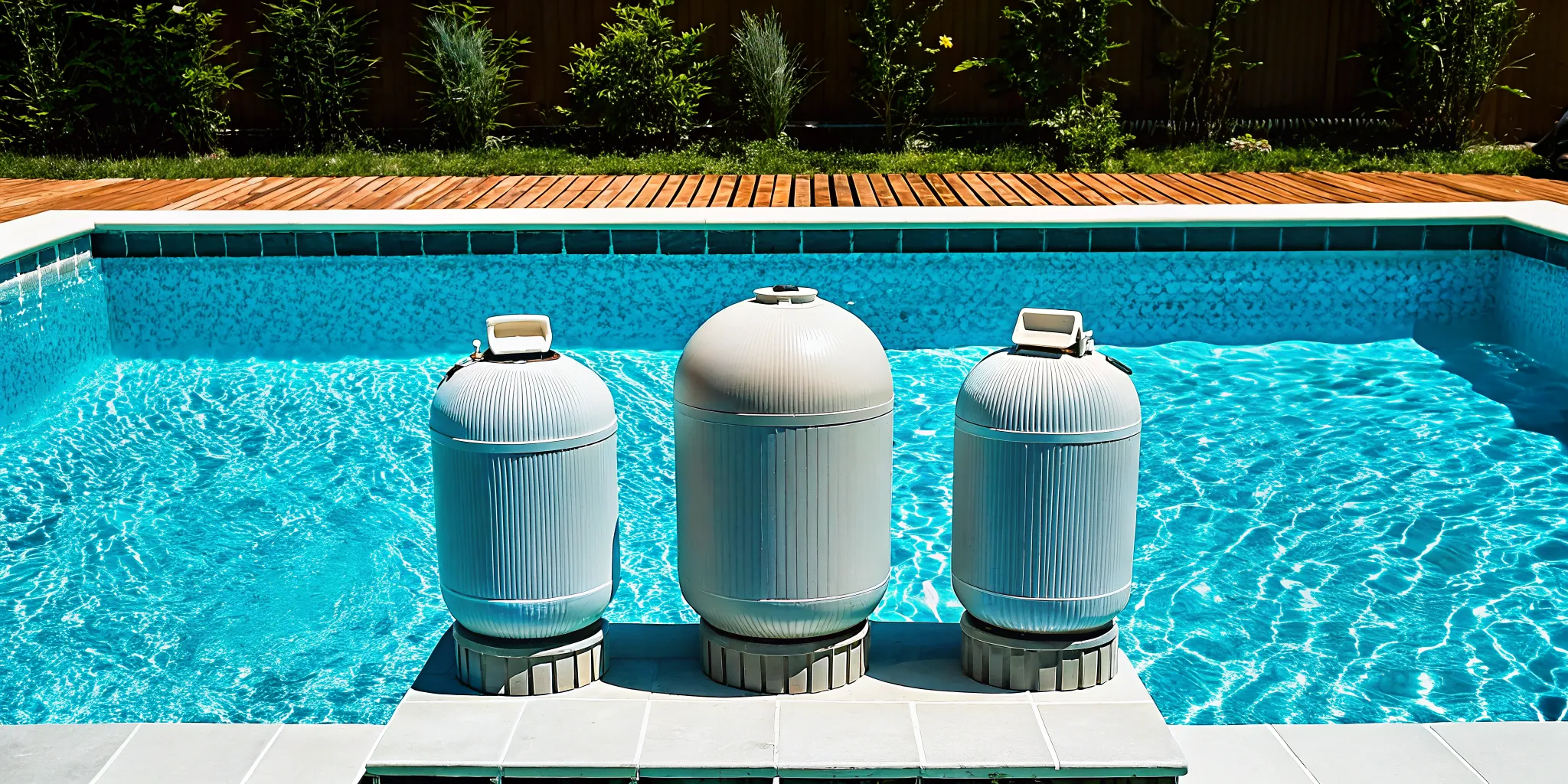
Owning a pool in Colorado is fantastic, but our local climate presents some unique challenges. The dry air, high winds, and spring pollen can turn a sparkling pool into a dusty, cloudy mess in a hurry. This is where your pool filter becomes your most valuable player. It’s your first line of defense against the fine dust and debris that are a constant presence in the Denver area. Choosing a filter that can handle this extra load is crucial for maintaining clear water without constant effort. This guide is specifically designed to help Colorado pool owners understand which pool filter options work best in our environment, so you can spend less time skimming and more time swimming.
Ready for a cleaner pool?
Denver's trusted pool care professionals since 1982. Get started today.
Schedule ServiceKey Takeaways
- Match Your Filter to Your Lifestyle: The best filter for you balances performance, cost, and the amount of work you want to do. Choose a D.E. filter for the clearest water, a sand filter for a durable and budget-friendly option, or a cartridge filter for a great mix of clarity and low maintenance.
- Learn to Read the Signs: Your filter communicates through its pressure gauge. A reading 8 to 10 PSI above normal means it's time to clean, while very high or low pressure can signal a bigger problem. Paying attention to these signs helps you catch issues before they become expensive repairs.
- Sizing Is as Important as Type: A filter that is too small for your pump will struggle to keep water clean and will wear out quickly. Always ensure your filter's flow rate capacity is equal to or greater than your pump's output for an efficient and long-lasting system.
What Are the Different Types of Pool Filters?
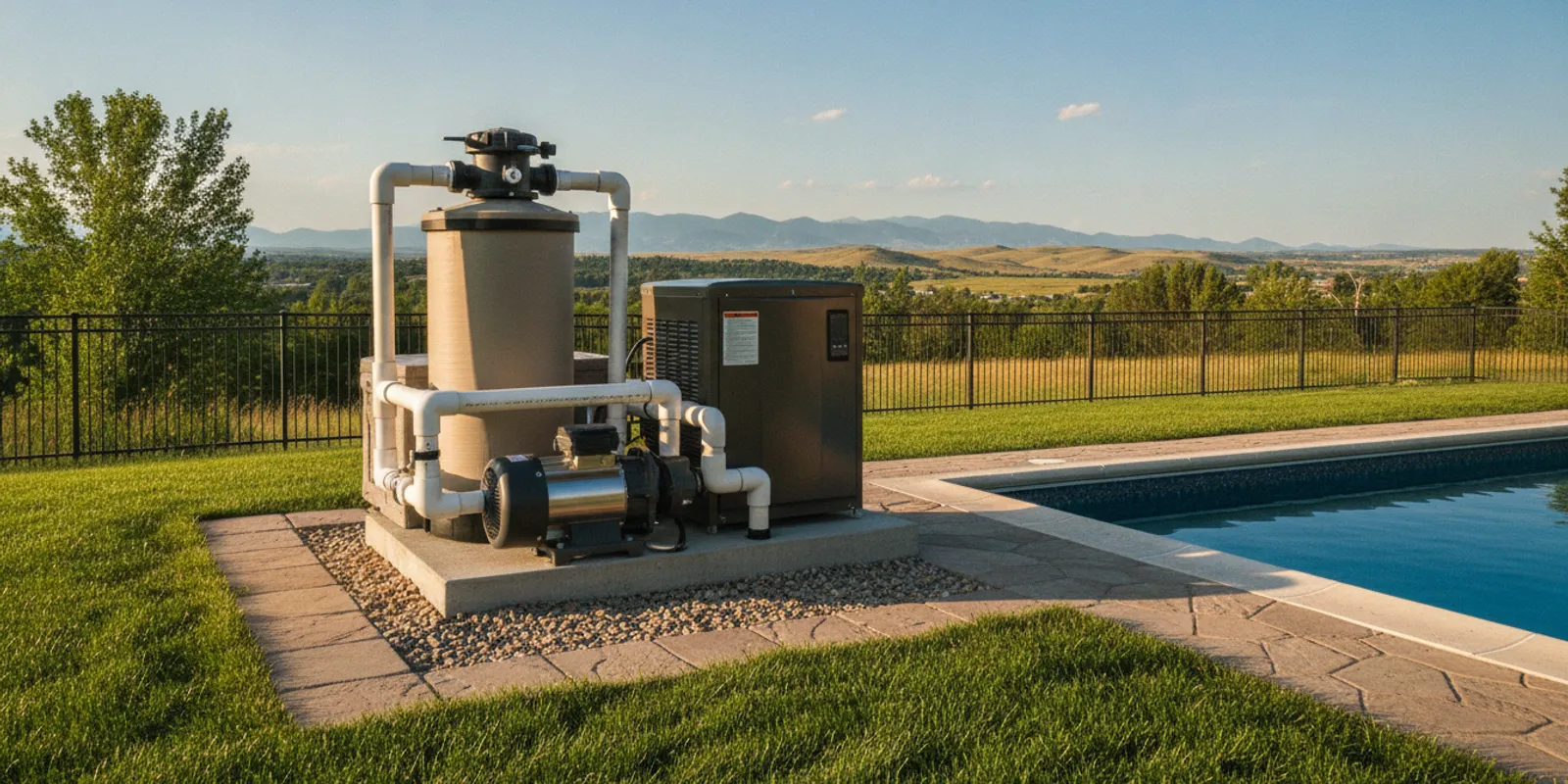
Think of your pool filter as the hardest-working piece of equipment you own. It’s the system’s kidney, constantly working to remove dirt, debris, and other impurities from the water to keep it clean, clear, and safe for swimming. When your filter is working correctly, everything else about your pool care routine becomes easier. But if it’s struggling, you’ll be fighting an uphill battle against cloudy water and algae. A malfunctioning filter is one of the most common reasons pool owners call for equipment repairs and servicing, so understanding your system is key.
Choosing the right filter for your pool comes down to three main types: sand, cartridge, and diatomaceous earth (D.E.). Each one uses a different method to trap contaminants, and each comes with its own set of pros and cons regarding performance, maintenance, and cost. There’s no single "best" filter for everyone; the right choice depends on your pool's size, your budget, and how much time you want to spend on maintenance. Let’s break down how each one works so you can feel confident in the system you have or make an informed decision for a future upgrade.
Sand Filters
Sand filters are the classic, tried-and-true workhorses of the pool world. They are the simplest and often most affordable option upfront. Inside the filter tank is a bed of specially graded pool filter sand. As your pump pushes water through the tank, the sharp edges of the sand grains catch dirt, debris, and particles as small as 20 microns (for reference, a human hair is about 50 microns thick). The sand itself is incredibly durable and typically only needs to be replaced every five to ten years, making long-term upkeep fairly straightforward. While they don't capture the absolute finest particles, their reliability and low-maintenance nature make them a popular choice for many pool owners.
Cartridge Filters
Cartridge filters offer a great middle-ground between performance and ease of use. Instead of sand, these filters use large, pleated fabric cartridges to screen out impurities. This design allows them to trap smaller particles than sand filters, typically in the 10 to 20-micron range, resulting in clearer water. A major benefit of cartridge filters is that they don't require backwashing. This process, used by sand and D.E. filters, flushes water to clean the media. Instead, you simply remove the cartridges and rinse them with a hose. This not only conserves a significant amount of water but also means fewer chemicals are washed away. This type of filter is a key part of a regular cleaning and maintenance schedule.
Diatomaceous Earth (D.E.) Filters
If you’re looking for the absolute cleanest, most sparkling water possible, a D.E. filter is the way to go. These filters provide the highest level of filtration, capturing incredibly small particles down to an impressive 5 microns. They work by using grids coated in diatomaceous earth, a fine powder made from the fossilized remains of tiny aquatic organisms. This powder creates a porous yet incredibly fine filter layer that traps almost everything. The trade-off for this superior performance is more intensive maintenance. The D.E. powder needs to be replaced after each backwashing, and the filter grids require a deep clean at least once a year. While they are the most expensive and hands-on option, many pool owners feel the pristine water quality is well worth the effort.
How Does Each Pool Filter Work?
Think of your pool filter as your pool's kidneys. Its main job is to remove impurities from the water to keep it clean and safe for swimming. While all three main types of filters do this, they use very different methods and materials to get the job done. Understanding how each one works is the first step in figuring out which is the best fit for your pool and your lifestyle.
How Sand Filters Clean Your Pool
Sand filters are the classic, tried-and-true option for a reason. They work by pushing your pool water through a large tank filled with specially graded pool sand. As the water passes through, the sharp edges of the sand grains grab onto dirt, debris, and other impurities. These filters can trap particles as small as 20 microns, which is pretty tiny. Over time, the pressure in the tank builds as it fills with debris, signaling that it's time to "backwash" the filter. This process reverses the water flow to flush the trapped dirt out. If you notice your filter isn't working as it should, it might be time for professional equipment repairs and servicing.
How Cartridge Filters Clean Your Pool
Cartridge filters operate a bit like the air filter in your car. Inside the tank, you'll find one or more cylindrical cartridges made of a pleated, paper-like material. As water pumps through the filter, the fabric pleats trap debris. These filters are more effective than sand, capturing particles as small as 10 microns. This finer filtration often results in clearer water with less work. Instead of backwashing, you simply remove the cartridges and spray them down with a hose. This process also uses less water than backwashing, making it a more efficient choice. Regular cleaning and maintenance will keep your cartridge filter running smoothly all season long.
How D.E. Filters Clean Your Pool
For the absolute cleanest water, D.E. filters are the gold standard. D.E. stands for diatomaceous earth, which is a fine powder made from the fossilized remains of tiny aquatic organisms. Inside the filter, this powder coats a set of grids. When water passes through, the D.E. acts as a microscopic sieve, trapping particles as small as 5 microns. This level of filtration is unmatched, leaving your pool water sparkling. When the filter needs cleaning, you backwash it and then add new D.E. powder. We can help you find the right supplies and chemicals, including the D.E. powder you'll need to keep your filter performing at its best.
Sand vs. Cartridge vs. D.E.: A Head-to-Head Comparison
Choosing the right pool filter can feel like a big decision, and it is. Your filter is the workhorse of your pool’s circulation system, responsible for keeping the water clean, clear, and safe for your family. But the "best" filter isn't a one-size-fits-all answer. It’s about finding the perfect match for your pool, your budget, and how much time you want to spend on upkeep. Some people prioritize crystal-clear water above all else, while others are looking for the most hands-off, low-maintenance option available. And of course, cost is always a factor.
To make it easier, we’re breaking down the three main types of pool filters: sand, cartridge, and diatomaceous earth (D.E.). We’ll compare them on the factors that matter most, from how well they clean to how much they cost over time. Understanding these differences will help you select a filter that works for you, ensuring your pool stays sparkling all season long. And if you're ever unsure about your current system or considering an upgrade, our team is always ready to help with professional equipment repairs and servicing.
Filtration Power: Which Cleans Best?
When we talk about filtration power, we’re talking about how small of a particle a filter can trap. The unit of measurement here is a micron; for scale, a human hair is about 50 microns wide. The smaller the micron rating, the cleaner your water will be.
D.E. filters are the undisputed champions of clarity, trapping microscopic particles down to 1-3 microns. This is why they produce that incredibly polished, crystal-clear water. Cartridge filters are next in line, capturing debris in the 10-20 micron range, which is excellent for most residential pools. Sand filters have the largest micron rating, filtering out particles between 20-40 microns. While effective, they may let the finest silt and dust slip through.
Maintenance: How Much Work Is Involved?
Your filter choice directly impacts your weekend to-do list. If you prefer a low-maintenance lifestyle, a cartridge filter is your best friend. It doesn’t require backwashing; you simply remove the filter element a few times a season and hose it off. The cartridges themselves need to be replaced every two to three years.
Sand filters require a process called backwashing every few weeks to flush out trapped debris. The sand also needs a deep cleaning annually and a full replacement every three to five years. D.E. filters are the most hands-on. Like sand, they need backwashing, but you also have to add new D.E. powder afterward. The internal grids require a full disassembly and cleaning at least once a year, a task many homeowners prefer to leave to a professional pool cleaning and maintenance service.
Water Use and Environmental Footprint
Here in Colorado, water conservation is always on our minds. If minimizing water usage is a priority, cartridge filters are the clear winner. Since they don’t need backwashing, you save hundreds, if not thousands, of gallons of water each year.
Sand filters use the most water due to the frequent backwashing required to keep them clean. D.E. filters fall in the middle; they need backwashing, but often less frequently than sand filters. It's also worth noting that D.E. powder is a mined substance, and some local regulations have specific rules for its disposal, so it’s important to handle it correctly.
Cost: Upfront vs. Long-Term
Your budget will play a big role in your decision, and it’s helpful to look at both the initial purchase price and the long-term running costs. Sand filters have the lowest upfront cost, making them a popular choice for budget-conscious pool owners. The main recurring expense is replacing the sand every few years.
Cartridge filters have a mid-range initial cost. Their long-term cost comes from replacing the filter cartridges every two to three years, which can be more expensive than sand. D.E. filters have the highest initial price tag. On top of that, you’ll have ongoing costs for D.E. powder and the eventual replacement of the internal grids, which can be pricey. You can find all the necessary supplies and chemicals for any filter type with us.
How to Choose the Right Size Pool Filter
Choosing the right size pool filter feels a bit like a Goldilocks situation: you need one that’s not too small and not too big, but just right for your pool. Sizing isn't about the filter's physical dimensions, but its capacity to handle your pool's water volume and work with your pump. A filter that’s too small will struggle to keep your water clean and will wear out quickly from being overworked. A filter that’s too large might seem like a good idea, but it can be an unnecessary expense if it’s not properly matched to your pump. Getting the size right is the key to clear water, healthy equipment, and less work for you.
Match the Filter to Your Pool's Volume
Before you can pick a filter, you need to know exactly how much water it will be cleaning. This is your pool’s volume, measured in gallons. You can find this number with a little bit of math by measuring your pool's length, width, and depth. If you're not a fan of calculations, a quick search for an online pool volume calculator can do the work for you. Knowing your pool's volume is the first and most important step, as it sets the minimum requirement for your filter’s capacity. It ensures the filter you choose is powerful enough to handle every drop of water in your pool.
Check Your Pump's Flow Rate
Your pool filter and pump are a team; they have to work together. Your pump has a flow rate, measured in gallons per minute (GPM), which determines how quickly it moves water. The goal is for your pump to circulate all the water in your pool (a "turnover") in about 8 to 10 hours. Here’s the critical part: your filter must be rated for a flow rate that is equal to or, ideally, higher than your pump's. If your pump is too powerful for your filter, it can damage the filter media and won't clean the water effectively. If you're unsure about your pump's specs, our team can help you identify them during an equipment repairs & servicing visit.
Special Considerations for Colorado Pools
Here in Colorado, our pools face some unique challenges. The dry, windy climate means more dust, leaves, and debris find their way into your water. This extra load can put a lot of strain on your filter. While there are specific regulations for public pools, homeowners should also think about sizing up slightly to handle the environmental load. A filter with a larger surface area can go longer between cleanings and does a better job of trapping the fine dust common in our area. Choosing a filter that can keep up with local conditions is a smart move for maintaining a sparkling clean pool all season long, and it's a key part of our cleaning and maintenance philosophy.
What's the Real Cost of a New Pool Filter?
When you're budgeting for a new pool filter, the sticker price is only part of the story. The true cost of ownership includes the initial purchase, installation, and the ongoing expenses required to keep it running efficiently for years to come. Each type of filter—sand, cartridge, and D.E.—comes with a different financial commitment, both upfront and over its lifespan. Understanding these numbers helps you make a smart investment that fits your budget and your pool's needs without any surprises.
Thinking about the long-term costs is especially important. A cheaper filter might save you money today but could require more expensive media replacements or more frequent maintenance down the line. Conversely, a pricier initial investment might pay off with lower running costs and less work for you. If you're trying to decide whether to repair your current unit or invest in a new one, knowing the full cost picture is key. Our team is always ready to help with professional equipment repairs and servicing to diagnose issues and give you a clear recommendation. Let's break down what you can expect to pay for each filter type.
Sand Filter Price Point
Sand filters are known for being the most budget-friendly option when it comes to the initial purchase. You can typically find these units for anywhere between $300 and $1,379. This lower upfront cost makes them a popular choice for many pool owners, especially if you're replacing a filter on a tight budget. While they don't filter out the absolute smallest particles compared to other types, their simplicity and affordability are major selling points. It's a reliable, straightforward system that gets the job done without a hefty initial investment.
Cartridge Filter Price Point
Sitting in the middle of the price spectrum, cartridge filters offer a balance between upfront cost and filtration performance. The initial investment for a cartridge filter system can go up to around $1,400. This price point reflects their ability to capture finer debris than sand filters without the more complex maintenance of a D.E. system. For many pool owners in the Denver area, this mid-range option provides an excellent combination of clear water and manageable costs, making it one of the most common choices for residential pools.
D.E. Filter Price Point
For those who want the absolute clearest, most sparkling water, a diatomaceous earth (D.E.) filter is the top performer, but it comes with the highest upfront cost. You can expect to see prices for these systems ranging from about $1,100 to over $1,800. This premium price gets you superior filtration that can trap microscopic particles, leaving your water exceptionally polished. While it's the biggest initial investment of the three, many pool owners feel the pristine water quality is well worth the price.
Don't Forget These Additional Costs
The initial purchase is just the start; you also need to factor in the cost of replacement media. For sand filters, the sand needs to be completely replaced every 3 to 5 years, which can cost between $95 and $160. Cartridge filters require new cartridges every 2 to 3 years, with each one costing $30 to $100 (and many filters use multiple cartridges). D.E. filters need fresh D.E. powder after every backwash, which costs about $35 for a 25-pound bag. We stock all the supplies and chemicals you need to keep your filter running perfectly.
Common Pool Filter Myths, Debunked
When it comes to pool care, a lot of advice gets passed around the neighborhood. Some of it is helpful, but a lot of it is just plain wrong, especially when it concerns your pool filter. Believing these common myths can lead to cloudy water, extra expenses, and a whole lot of frustration. Your filter is the hardest-working piece of equipment you own, so it’s important to separate fact from fiction.
Let's clear the air (and your water) by tackling some of the most persistent myths about pool filters. Understanding how your filter really works is the first step toward a cleaner, healthier pool and a longer lifespan for your equipment. If you run into trouble, remember that a professional can always diagnose a tricky issue with your filter system. Our team is always ready to help with equipment repairs and servicing to get your pool back in top shape.
Myth: A Bigger Filter Is Always Better
This one has a grain of truth to it, which is why it’s so common. In general, a larger filter can clean your pool more effectively and reduce how often you need to clean the filter itself. However, "bigger" isn't the only factor. The most important thing is to correctly match the filter to your pump’s flow rate. If your pump isn't powerful enough for a massive filter, you won't get the turnover you need, and the system will operate inefficiently. The key is finding the right pool filter sizing for your specific setup, not just buying the biggest one on the shelf.
Myth: All Filters Are Created Equal
This could not be further from the truth. The three main types of pool filters, sand, cartridge, and D.E. (diatomaceous earth), operate very differently and have distinct advantages and disadvantages. Sand filters are known for their durability and low maintenance, while cartridge filters save water and can trap finer debris. D.E. filters offer the most powerful filtration, capturing microscopic particles. Each of the best pool filter types uses a unique method to clean your water, so choosing one depends entirely on your budget, maintenance preferences, and how pristine you want your water to be.
Myth: You Can Skip Regular Maintenance
Putting off filter maintenance is one of the biggest mistakes a pool owner can make. A dirty, clogged filter can’t do its job, leading to cloudy water and putting extra strain on your pool pump. You should clean your filter whenever its pressure gauge reads 8–10 PSI above its normal operating pressure. For most pools, this means cleaning it every one to six months, depending on the filter type and how much use your pool gets. Consistent cleaning and maintenance not only keeps your water sparkling but also extends the life of your equipment, saving you money in the long run.
Myth: Cloudy Water Means Your Filter Is Broken
While a failing filter can certainly cause cloudy water, it’s not always the culprit. Before you assume the worst, check for other common issues. Poor water chemistry is a frequent cause, so test your chlorine, pH, and alkalinity levels first. Sometimes, the filter media (the sand, cartridge, or D.E. powder) is simply old and needs to be replaced. In other cases, you might just need a little help from pool chemicals. A water clarifier can help tiny particles clump together so your filter can catch them. This pool filter troubleshooting guide can help you identify the root cause.
Common Pool Filter Problems (and How to Fix Them)
Even the best pool filter can run into trouble now and then. Your filter’s pressure gauge is often the first place to look for clues. It tells you what’s happening inside the tank and can help you diagnose a problem before it gets out of hand. Keeping an eye on it and knowing what to look for can save you a lot of headaches. Here are a few of the most common issues you might face and what you can do about them. If you ever feel unsure or if a problem seems too big to handle, remember that our team is always here to help with professional equipment repairs and servicing.
Pressure Is Too High
If your filter’s pressure gauge is reading 8-10 PSI (pounds per square inch) higher than its normal clean pressure, it’s a clear sign that your filter is clogged with dirt and needs to be cleaned. For cartridge filters, this means taking out the cartridges and hosing them down. For sand or D.E. filters, it’s time to backwash. However, if the pressure suddenly spikes to 40 PSI or more, turn the pump off immediately. This indicates a serious blockage and can be dangerous, potentially causing the filter lid to blow off. This is a situation where you should call a professional right away.
Pressure Is Too Low (or Non-Existent)
Low pressure is the opposite problem, and it usually points to a clog before the water reaches your filter. Start by checking and clearing out your skimmer baskets and the pump basket. A blockage here restricts water flow to the pump, causing the pressure to drop. If the gauge reads zero, the gauge itself might be broken. You can try flicking it to see if the needle moves. If not, you may need a replacement. An air leak in your pump can also cause low pressure, so check for any cracks or loose fittings on the pump lid.
The Filter Is Leaking
A leaking filter is a problem you can’t ignore. Most leaks happen around the main seal or clamp. If you see water dripping, turn off the pump immediately. Then, you can safely inspect the large O-ring that seals the filter tank. Carefully remove it, clean it, and check for any cracks, flat spots, or signs of dry rot. A healthy O-ring should be round and flexible. If it’s damaged, you’ll need to replace it. Before reinstalling, apply a Teflon-based pool lubricant to the O-ring to ensure a tight seal. If the leak continues, it’s best to call for professional help.
Dirt Is Blowing Back into the Pool
Seeing dirt or debris shoot back into your pool through the return jets is frustrating. If you have a sand filter, this often means you have a broken lateral or standpipe inside the filter, which allows sand to escape into the pool. For D.E. filters, it usually points to a tear in one of the filter grids or a crack in the manifold, letting D.E. powder pass through. These internal equipment repairs can be tricky, so don't hesitate to reach out to a technician to get your filter working properly again.
The Water Still Isn't Clear
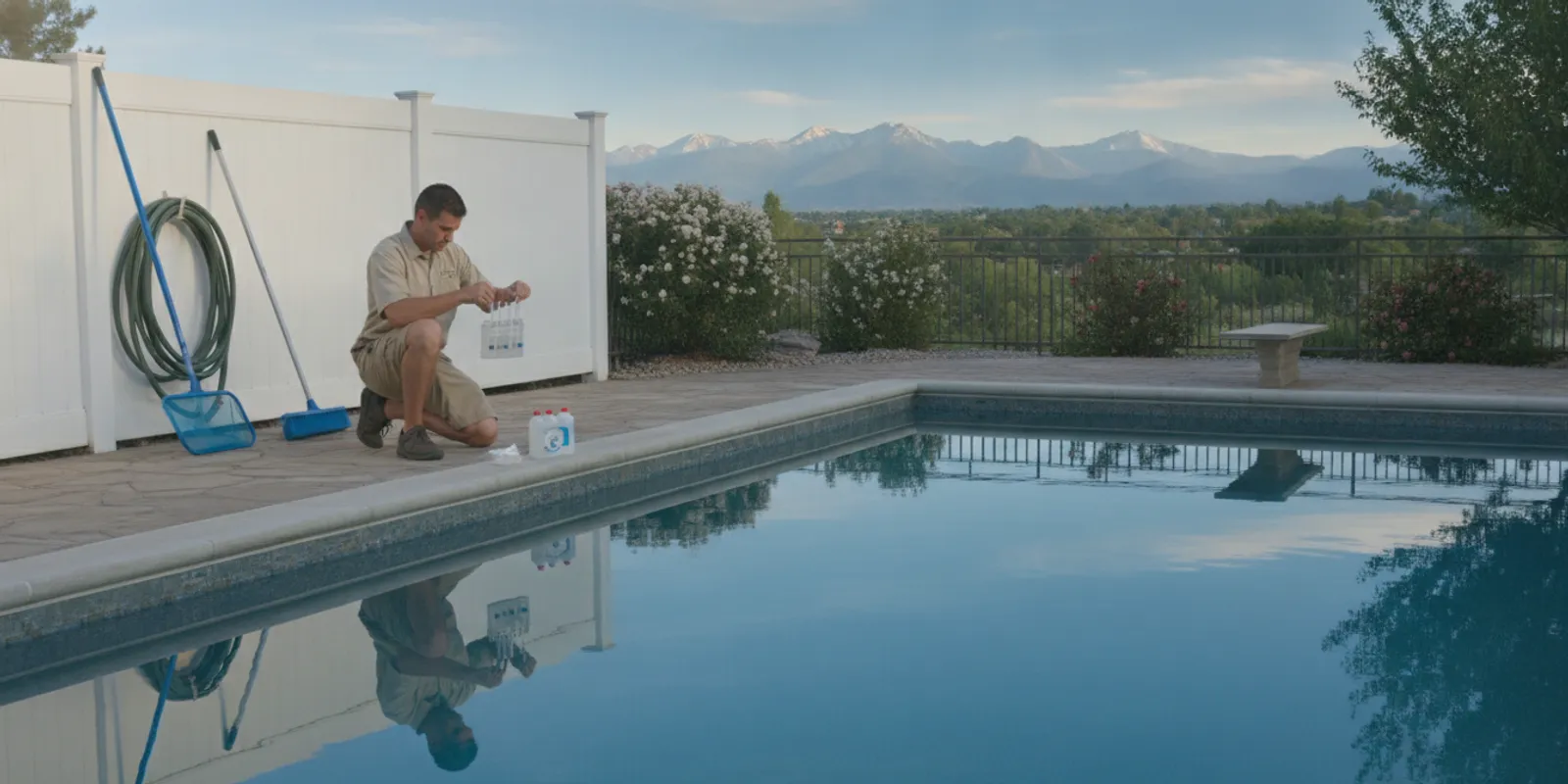
If you’ve cleaned your filter and the water is still cloudy, the filter might not be the only issue. Crystal clear water depends on a balance of filtration, circulation, and proper water chemistry. First, test your water to make sure your chlorine and pH levels are where they should be. You can get accurate readings with a good test kit or by bringing a water sample to a pool store. Also, ensure your pump is running long enough each day (typically 8-12 hours) to turn over all the water in your pool. If everything checks out, you may need stronger supplies and chemicals to clear up the cloudiness.
Your Year-Round Pool Filter Maintenance Checklist
Keeping your pool filter in top shape is one of the most important jobs of a pool owner. Think of it as the kidneys of your pool, constantly working to remove impurities and keep the water clean and safe. Consistent care not only leads to sparkling water but also extends the life of your equipment, saving you from surprise repair bills. The right maintenance routine depends entirely on the type of filter you have. Below is a simple checklist for each of the three main filter types, plus essential tips for getting your filter ready for a Colorado winter. Following these steps will help you feel confident in your pool care routine and ensure your filter is always ready to do its job.
Caring for a Sand Filter
Sand filters are the trusty workhorses of the pool world. Your main job is to backwash the filter whenever the pressure gauge reads 8–10 psi above its normal "clean" level. This process reverses the water flow to flush out trapped debris. For even better performance, you can use additives that help the sand catch smaller particles. The sand itself doesn't last forever; you’ll need to replace it every 3 to 5 years to keep your filter working effectively. While it’s a durable system, this periodic sand replacement is crucial for long-term cleaning and maintenance.
Caring for a Cartridge Filter
If you have a cartridge filter, you can skip the backwashing. Instead, your maintenance involves removing and cleaning the large, pleated cartridges inside. Just like with other filters, you’ll know it’s time for a cleaning when the pressure gauge is 8–10 psi higher than normal. Simply take the cartridges out and hose them down thoroughly to remove dirt and debris. This method is very water-efficient. The cartridges will need to be replaced every 2 to 3 years, depending on use. You can find replacement cartridges and other supplies and chemicals to keep your system running smoothly.
Caring for a D.E. Filter
Diatomaceous earth (D.E.) filters provide the absolute best filtration, leaving you with crystal-clear water. Maintenance is a bit more involved but manageable. When the pressure rises 8–10 psi, you’ll backwash the filter and then add a new coating of D.E. powder through the skimmer. The most important task, however, is the annual deep clean. Once a year, the filter needs to be taken apart so the internal grids can be thoroughly cleaned and inspected for any damage. This is a perfect time to schedule professional equipment repairs and servicing to ensure everything is in perfect working order.
How to Winterize Your Filter in Colorado
Winterizing your filter is non-negotiable in Colorado. Freezing temperatures can cause water left in the system to expand, leading to cracked filters and costly damage. Before closing your pool, make sure all water is completely drained from the filter tank, pump, and pipes. Start by clearing any blockages from skimmers or valves. Then, open the drain plug on your filter to let all the water out. Using a shop vac can help remove any remaining water from the lines. This simple but critical step is a core part of our cleaning and maintenance service and protects your investment through the cold months.
Which Pool Filter Is Right for You?
Choosing the right pool filter feels like a big decision, but it really comes down to what you value most for your pool. Are you looking for the absolute clearest water possible, a low-maintenance setup, or the most budget-friendly option? Each of the three main filter types (sand, cartridge, and D.E.) has its own strengths, and the best one for you depends on your personal priorities, your pool’s specific needs, and even our local Colorado environment.
Think of it this way: you’re balancing filtration power, the amount of hands-on work you’re willing to do, and both the upfront and long-term costs. A family with young kids who are in the pool constantly might prioritize pristine, debris-free water, while a busy professional might prefer a filter that requires less frequent attention. This guide will walk you through the best options based on these different needs, so you can feel confident you’re making the right choice for your backyard oasis. If you ever feel stuck, our team is always ready to provide equipment repairs and servicing advice tailored to your exact setup.
The Best Option for Easy Maintenance
If your goal is to spend more time swimming and less time on upkeep, a cartridge filter is your best friend. These filters are champions of low-maintenance living. Instead of the frequent backwashing required by sand or D.E. filters, you simply remove the pleated internal cartridge and hose it down. This process is typically only needed a few times per season, depending on your pool’s usage.
This design not only simplifies your to-do list but also conserves a significant amount of water since you aren't backwashing gallons away. Cartridge filters are also great at trapping small particles, giving you clear water without the fuss. For homeowners who want a truly hands-off experience, our cleaning and maintenance plans can handle the filter cleaning for you.
The Best Option for the Cleanest Water
For those who want nothing less than sparkling, crystal-clear water, a Diatomaceous Earth (D.E.) filter is the undisputed winner. These filters provide the highest level of filtration available, trapping microscopic particles as small as 1 to 3 microns (for context, a human hair is about 70 microns thick). They achieve this by using a fine powder made from fossilized aquatic organisms called diatoms.
This superior performance does require a bit more maintenance. D.E. filters need to be backwashed when the pressure gets too high, and you'll have to add new D.E. powder afterward. While it’s more work, many pool owners find the incredibly clear water is well worth the effort. We can help you find the right supplies and chemicals, including D.E. powder, to keep your filter running perfectly.
The Best Option for a Tight Budget
When upfront cost is your main concern, a sand filter is the most economical choice. These filters have been around for a long time because they are simple, reliable, and have the lowest initial price tag. While they don't catch particles as fine as cartridge or D.E. filters do, they are perfectly capable of keeping a pool clean and safe for swimming.
The long-term costs are also minimal. The sand inside the filter only needs to be replaced every five to seven years, making it a very sustainable option. Maintenance involves a straightforward process called backwashing to flush out trapped debris. If you're looking for a dependable workhorse that won't break the bank, a sand filter is an excellent starting point for your pool equipment repairs and servicing needs.
The Best Option for Colorado's Climate
Here in the Denver area, our pools face unique challenges. High winds can blow fine dust and dirt into the water, and our spring and fall seasons bring a heavy dose of pollen. Because of this, a filter’s ability to catch fine particles is especially important. While a sand filter can work, it may struggle to keep up during a pollen storm or after a dusty day, leading to cloudy water.
For Colorado pools, cartridge and D.E. filters often have the edge. Their superior filtration power is better suited to trapping the fine debris common in our climate, keeping your water clearer with less effort. Choosing the right filter is a key part of any pool setup, and it's something we always consider during our remodels and rehabs to ensure your pool is ready for a Colorado summer.
When to Call a Professional for Filter Help
Being a hands-on pool owner is fantastic, and handling routine filter maintenance can be really satisfying. But let's be real, some problems are bigger than a simple backwash or cartridge rinse. Knowing when to step back and call for backup can save you a lot of time, money, and a massive headache. It’s not about giving up; it’s about making a smart call to protect your pool equipment.
So, when should you pick up the phone? If your filter’s pressure gauge is consistently reading high despite your cleaning efforts, it’s a major red flag. This could signal a serious internal clog or even broken parts inside the filter. High pressure can be dangerous, so it’s best to have a certified technician take a look. Similarly, if you’ve tried all the common fixes for cloudy water or low pressure and nothing is working, the issue might not even be your filter. A professional can diagnose the entire system, from the pump to the plumbing, to find the real source of the problem. Persistent air bubbles returning to your pool or a filter that just won’t stop leaking are also signs that you need expert equipment repairs. A small leak can strain your pump and lead to bigger, more expensive damage down the road. And for big jobs like replacing the sand or D.E. media, it’s always wise to let a pro handle it to ensure it’s done right.
Related Articles
- Best Pool Filter Type: DE, Sand or Cartridge?
- Pool Filter Sizing 101: What Size Filter Do I Need?
- Pool Filter Troubleshooting Guide
Ready for a cleaner pool?
Denver's trusted pool care professionals since 1982. Get started today.
Schedule ServiceFrequently Asked Questions
How often should I actually clean my pool filter? The best way to know when to clean your filter is by watching its pressure gauge. After you clean your filter, take note of the pressure reading; this is your "clean" baseline. When the gauge reads 8 to 10 PSI higher than that baseline, it's telling you it's full of debris and ready for a cleaning. For some, this might be every month, while for others it could be several months, depending on your filter type and how much use your pool gets.
My water is still cloudy even after cleaning the filter. What else could be the problem? This is a common frustration, and it often means the filter isn't the only thing at play. Clear water relies on a team effort between filtration, circulation, and water chemistry. Before assuming your filter is broken, test your water to make sure your pH and chlorine levels are balanced. Also, check that your pump is running long enough each day, typically 8 to 10 hours, to circulate all the water in your pool. If those two things are in order, the issue might be microscopic particles that need a water clarifier to help them clump together so your filter can grab them.
Is it difficult to switch from a sand filter to a cartridge or D.E. filter? Switching filter types is a very common upgrade and is absolutely possible. It does involve some plumbing work to make sure the new filter fits correctly with your existing pipes and, most importantly, your pump. The new filter must be properly sized for your pump's flow rate to work efficiently. While it's a manageable project, having a professional handle the installation ensures a leak-free setup and a system that works perfectly from day one.
What's the difference between cleaning my filter and replacing the filter media? Think of it like cleaning your floors versus replacing them. Cleaning your filter is the regular maintenance you do to remove trapped dirt, such as backwashing a sand filter or hosing off a cartridge. Replacing the media is a much less frequent task where you swap out the actual filtering material itself. This means replacing the old sand every 3 to 5 years, installing new fabric cartridges every 2 to 3 years, or having the internal grids of a D.E. filter replaced when they wear out.
Why is my filter's pressure gauge so important? Your pressure gauge is the main communication tool for your filter; it tells you exactly what's going on inside the tank. A rising pressure reading lets you know that the filter is successfully trapping debris and is getting full. When the pressure is too high, it's a clear signal that it's time to clean it. On the other hand, if the pressure is unusually low, it can point to a problem like a clog in the skimmer basket that is preventing water from reaching the filter in the first place.
Related Blogs