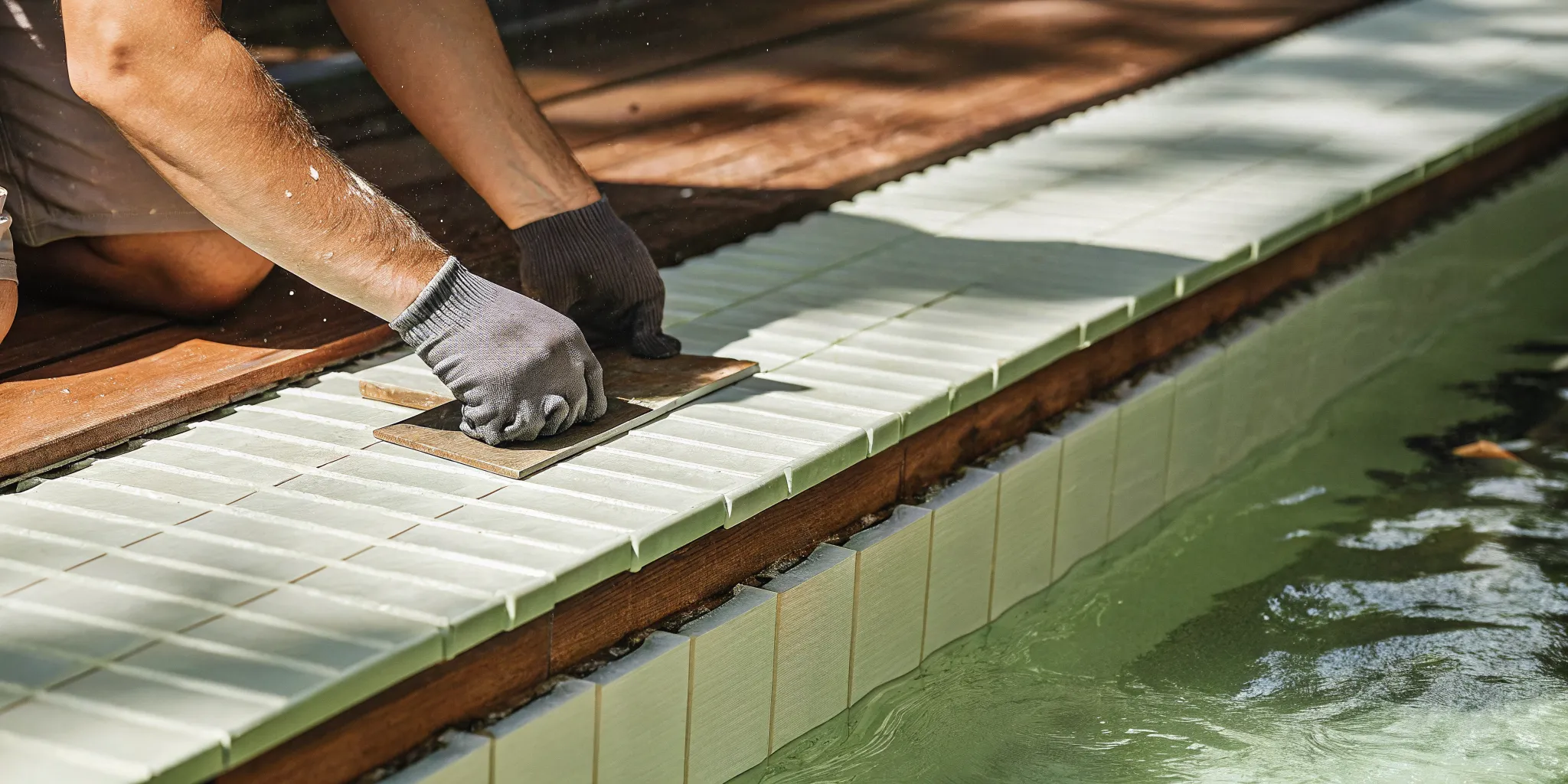
Your Guide to the Real Pool Maintenance Cost
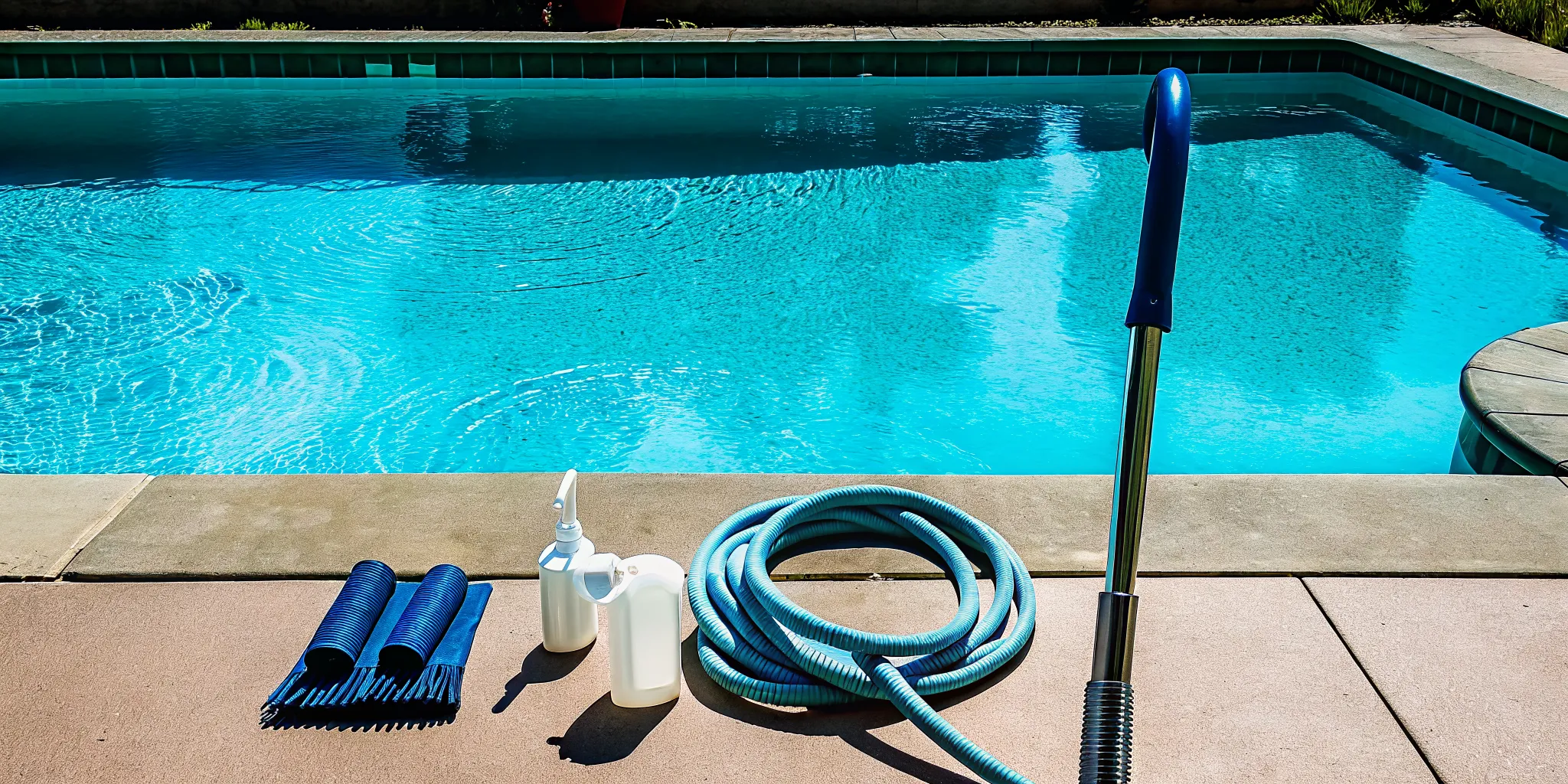
Owning a pool in the Denver area is a unique experience. We get those perfect, sun-drenched summer days, but our climate also brings intense sun, dry air, and dramatic temperature swings that can wreak havoc on a pool. These local factors play a huge role in your overall pool maintenance cost, often in ways new owners don't expect. It’s not just about skimming leaves; it’s about battling evaporation, managing chemical balance under intense UV rays, and properly winterizing for our cold winters. This guide is written specifically for Colorado pool owners. We’ll explore how our local environment impacts your budget and provide actionable tips for keeping your costs in check, season after season.
Ready for a cleaner pool?
Denver's trusted pool care professionals since 1982. Get started today.
Schedule ServiceKey Takeaways
- Plan your budget beyond the monthly fee: Your total cost of ownership includes seasonal opening and closing services, fluctuating utility bills, and saving for eventual large repairs like a new pump or liner.
- Prioritize preventative maintenance to save money: Skipping weekly cleanings or ignoring chemical balancing leads to bigger, more expensive problems. Consistent care is the most effective way to avoid costly repairs and keep your pool healthy.
- Invest in efficiency to reduce operating costs: Upfront costs for items like a variable-speed pump or a pool cover can feel high, but they pay for themselves over time by significantly lowering your monthly spending on energy and chemicals.
How Much Does Pool Maintenance Really Cost?
Figuring out the budget for your swimming pool can feel a bit like trying to guess the weather, especially here in Colorado. The truth is, there isn't a single magic number that fits every pool owner. While national averages suggest the annual cost to maintain a pool can range anywhere from $3,000 to $6,000, that’s a pretty big window. It’s a wide range because the final price tag depends on several key factors: the size of your pool, how often you use it, the type of pool you have, and what kind of equipment is keeping it running.
Think of these numbers as a starting point, not a final quote. Your actual costs will be unique to your backyard oasis. The key is to understand what goes into that number so you can plan effectively and avoid surprises down the road. A consistent cleaning and maintenance schedule is the foundation of a healthy pool and a predictable budget, preventing small issues from becoming costly headaches. By breaking down the expenses into monthly, annual, and long-term costs, you can get a much clearer picture of what to expect. This helps you create a realistic budget and ensures your pool remains a source of joy, not financial stress.
What's the monthly cost?
On a monthly basis, you can expect to spend between $250 and $500 for routine pool care. This is the cost for the ongoing work that keeps your pool water sparkling and safe for swimming. This fee typically covers weekly or bi-weekly visits from a technician who will handle tasks like skimming debris, brushing the walls, vacuuming the floor, and balancing the water chemistry. It’s the essential, non-negotiable work that prevents small issues from turning into big, expensive problems down the road. Think of it as the baseline investment for a healthy, swim-ready pool all season long.
What's the annual cost?
Looking at the bigger picture, a typical home pool costs between $1,500 and $5,000 per year to maintain. Why the different range from the monthly breakdown? The annual cost accounts for more than just weekly cleanings. It includes seasonal necessities that are crucial in Denver, like the cost to properly open your pool in the spring and close it down for the winter. This yearly budget should also factor in minor repairs, replacement chemicals, and other periodic expenses that pop up. Planning annually gives you a more realistic financial forecast and helps you budget for those larger, less frequent costs beyond the monthly service fee.
How pool type and size affect your budget
It’s a simple rule: bigger pools cost more to maintain. A larger volume of water requires more chemicals to stay balanced and more time and energy to heat and filter. But size isn't the only factor; the type of pool you have also plays a significant role in your long-term budget. A vinyl liner pool, for example, is less expensive upfront but will require a liner replacement every several years. Concrete (or gunite) pools are incredibly durable but will eventually need expensive remodels and rehabs like resurfacing. Understanding the lifecycle costs of your specific pool type helps you plan for those big-ticket items from day one.
What Increases Your Pool Maintenance Costs?
When you’re planning your pool budget, it helps to know what factors can cause your costs to creep up. It’s not just about a single monthly fee; several variables play a role in what you’ll actually spend. From the size of your pool to our unpredictable Colorado weather, these elements can shift your maintenance expenses throughout the year. Understanding what moves the needle on your budget helps you plan better and avoid surprise bills. Think of it as getting to know your pool’s specific personality. Once you know its quirks, you can anticipate its needs and keep your budget on track.
Your pool's size and volume
It’s a simple rule: the bigger the pool, the more it costs to maintain. A larger pool holds a greater volume of water, which means you’ll need more chemicals to keep the chemistry balanced and more electricity to run the pump and filter. Cleaning also takes more time and effort, whether you’re doing it yourself or hiring a professional. Think of it like mopping a floor; a small bathroom is a quick job, but a sprawling open-plan living area requires more time and supplies. The same principle applies to your pool, impacting everything from chemical costs to the time needed for a thorough cleaning and maintenance visit.
Colorado's unique climate and seasons
Living in the Denver area means we get to enjoy beautiful, sunny days, but our climate also brings some unique challenges for pool owners. The intense sun and dry air can cause water to evaporate more quickly, requiring you to top off your pool more often. Dramatic temperature swings, especially in the spring and fall, can make it harder to maintain a consistent water temperature, potentially increasing your heating costs. Sudden hailstorms or high winds can also dump a surprising amount of debris into your pool, demanding extra cleaning to prevent clogs and keep your water clear. Managing these local factors is a key part of your overall maintenance plan.
How often you use your pool
A pool that’s the star of every weekend party will need more attention than one that’s only used for occasional dips. The more people who swim in your pool, the more contaminants like sunscreen, body oils, and hair products are introduced into the water. This means your filter works harder and you’ll go through chemicals more quickly to keep the water sanitized and balanced. Frequent use can also lead to more wear and tear on pool surfaces, ladders, and equipment. While a busy pool is a sign of good times, it’s important to budget for the extra supplies and chemicals needed to keep it clean and safe for everyone.
The price of neglecting regular maintenance
Trying to save a few dollars by skipping a week of maintenance might seem tempting, but it almost always costs more in the long run. When you neglect routine cleaning, debris builds up, algae starts to bloom, and your water chemistry can get seriously out of balance. This not only makes your pool uninviting but also puts a major strain on your equipment. A clogged filter or a pump working overtime is much more likely to fail, leading to expensive repairs. Catching small issues early is the best way to prevent them from turning into costly emergencies. Consistent care is an investment that protects your pool and prevents the need for major equipment repairs and servicing.
Your 3 Biggest Ongoing Pool Expenses
Owning a pool is amazing, but it's smart to go in with your eyes open about the ongoing costs. Budgeting for your pool doesn't have to be a guessing game. Once you understand where your money is going, you can plan ahead and avoid any surprise bills. Most of your recurring pool expenses will fall into three main buckets: the chemicals to keep it clean, the energy to run it, and the service to keep everything in working order. Knowing what to expect in these categories is the first step to a stress-free pool season.
Chemicals
Think of pool chemicals as the invisible guardians of your backyard oasis. Keeping your water balanced is non-negotiable for a safe, clean, and algae-free swimming experience. Your main chemical costs will come from sanitizers like chlorine, along with pH balancers and algaecides. For most pool owners, this adds up to about $80 to $150 per month during the swim season. Getting the balance right can be tricky, which is why we always keep a full stock of professional-grade supplies and chemicals to make sure your pool has exactly what it needs to stay sparkling and safe for your family.
Electricity and heating
Your utility bill is another area where you'll see the impact of pool ownership. Your pool pump is the heart of the circulation system, and running it can cost between $30 and $100 per month. The real variable is your heater. If you love a warm swim, especially during those cooler Colorado evenings or at the edges of the season, a gas heater can add anywhere from $100 to $500 to your monthly bill. While it's a significant expense, many owners find the comfort and extended swim season are well worth it. Planning for these costs helps you enjoy that warm water without any financial surprises.
Repairs and equipment service
Even the best-maintained pools need a little TLC now and then. Parts wear out, and equipment needs professional attention. While routine cleaning prevents many issues, you should still budget for eventual repairs. Small problems can become big, expensive ones if they aren't addressed quickly. Proactive maintenance is key. Instead of waiting for a breakdown, having a plan for regular equipment repairs and servicing can save you thousands in the long run. On average, homeowners might spend between $3,000 and $6,000 annually on total pool care, which includes both routine upkeep and those occasional, unexpected repairs.
Plan for Seasonal Pool Maintenance Costs
Your pool budget isn’t a flat monthly fee. Costs naturally rise and fall with the seasons as your pool’s needs change, especially here in Colorado. Understanding this cycle is the key to smart budgeting and avoiding any surprise expenses. Instead of a single monthly cost, it’s more helpful to think of your pool care in three main phases: the spring opening, summer upkeep, and fall closing. Each phase has its own set of tasks and associated costs that reflect what your pool needs to thrive in our unique climate.
By planning for these seasonal shifts, you can ensure your pool is always ready for fun when the weather is warm and protected when it’s cold, all while keeping your finances in check. This approach helps you stay ahead of maintenance and enjoy your pool with total peace of mind. It means you won't be caught off guard by the cost of getting your pool swim-ready in May or properly secured for a snowstorm in October. Breaking down your annual expenses this way makes the total cost of ownership feel much more manageable and predictable, letting you focus on the fun parts of having a pool.
Spring opening
After a long Colorado winter, opening your pool is the official start of the season. This is more than just taking off the cover. A proper spring opening involves cleaning out debris, reconnecting and inspecting all your equipment, and getting the water chemistry just right for swimming. For a professional service, you can expect to budget between $150 and $300. While it’s a task you can try yourself, having a pro handle the opening ensures everything is running correctly from day one. A professional cleaning and maintenance service can spot potential issues with your pump or filter early, saving you from a bigger headache mid-July.
Summer upkeep
Summer is when your pool gets the most love, and it’s also when your maintenance costs will be at their peak. This is when you’ll be running your pump regularly and keeping your water chemistry balanced against the sun and heavy use. Plan for monthly chemical costs to be around $80 to $150, depending on your pool size and type. Your electricity bill will also see a bump, typically between $30 and $100 per month, to run the pump. Staying on top of weekly cleaning and chemical checks is your best defense against algae blooms and cloudy water, which can be costly to fix. We can help you find the right supplies and chemicals to keep your water sparkling all summer long.
Fall closing and winterization
Properly closing your pool is one of the most important things you can do as a Denver pool owner. An incorrect winterization can lead to frozen pipes and serious damage to your equipment. The process involves a deep clean, adding special winterizing chemicals, lowering the water level, and securely covering the pool. Professional closing services typically cost between $150 and $300. This investment is critical for protecting your pool from freeze-thaw cycles. It also makes your spring opening much smoother. Ensuring your equipment is properly shut down is a key part of our equipment repairs and servicing checklist, preventing costly damage over the winter.
How Much Do Common Pool Repairs Cost?
Even with perfect maintenance, pool parts eventually wear out. Think of it like owning a car; sooner or later, you’ll need to replace the tires or fix the air conditioning. The same is true for your pool. Being prepared for these costs is the best way to avoid a stressful, budget-breaking surprise. While repair costs can vary dramatically depending on the problem, understanding the most common issues and their typical price tags can help you plan ahead.
The key is catching problems early. A small leak or a strange noise from your pump might seem minor, but these are often warning signs of a bigger issue on the horizon. Addressing them quickly with professional equipment repairs and servicing almost always costs less than waiting for a complete system failure. Below, we’ll break down the costs for some of the most frequent repairs so you can create a realistic budget and keep your pool in great shape for years to come.
Pump and filter repairs
Your pump and filter are the heart and lungs of your pool, working tirelessly to circulate and clean the water. Because they run so often, they are among the most common items to need repairs. Small problems, like a worn-out seal or a clogged impeller, can quickly escalate if ignored, leading to motor burnout or a cracked filter housing. Promptly addressing these common pool maintenance mistakes can save you from a much larger bill. A minor repair might cost a few hundred dollars, while a full pump or filter replacement can run from $800 to over $2,500, depending on the model.
Liner and surface repairs
The surface of your pool is constantly exposed to chemicals and the elements, so it will eventually need attention. For vinyl liner pools, you can expect the liner to last about 7 to 10 years before it needs replacement, which typically costs between $3,000 and $5,000. If you have a concrete or fiberglass pool, you’ll need to plan for resurfacing every 10 to 15 years. This is a more involved process and can range from $5,000 to over $30,000, depending on your pool’s size and the finish you choose. These are significant expenses, so it’s wise to treat them as long-term savings goals. When the time comes, a professional remodel or rehab can make your pool look brand new again.
Heating system repairs
A pool heater is a fantastic feature, especially in Colorado where it can significantly extend your swimming season. Like any complex appliance, heaters have a finite lifespan, usually around 8 to 10 years. When it’s time for a replacement, you can expect to pay between $1,500 and $5,000 for a new unit, plus installation. Repairing a heater can also be costly, as the internal components are specialized. If your heater starts making strange noises, fails to ignite, or can’t maintain temperature, it’s best to have a professional diagnose the issue right away to determine if a repair or replacement is the more cost-effective option.
Prepare for unexpected expenses
Even with a solid maintenance plan, unexpected repairs can and do happen. A rogue storm could damage your pool cover, or an underground pipe could spring a leak. That’s why it’s so important to have an emergency fund set aside for your pool. Many experts suggest that the average annual cost to maintain a pool is between $3,000 and $6,000, a figure that often includes a buffer for minor, unplanned repairs. Setting aside a little extra each month ensures you’re not caught off guard. The best defense is a good offense, and regular professional cleaning and maintenance is the most effective way to spot potential problems before they become emergencies.
DIY vs. Hiring a Pro: What's the Difference?
Deciding between maintaining your pool yourself and hiring a professional is one of the biggest choices you'll make as a pool owner. It’s not just about money; it’s about your time, your stress levels, and the health of your pool. While the DIY route can seem like a great way to save, it’s important to understand the full picture. Let’s break down what each option really involves so you can make the best choice for your lifestyle and your budget.
The true cost of DIY maintenance
Going the DIY route means you become your own pool technician. While you save on labor costs, you’ll be investing your time, typically two to four hours every week. You'll also need an initial investment in tools like brushes, skimmers, and a vacuum, which can cost a few hundred dollars upfront. The biggest cost, however, is knowledge. You’ll need to learn how to test and balance your water chemistry perfectly. Getting it wrong doesn't just mean cloudy water; it can lead to skin irritation, damage your pool surfaces, and create an unsafe swimming environment. You'll also be responsible for purchasing and storing all the necessary supplies and chemicals.
What professional service includes
Hiring a professional service is about buying back your time and gaining peace of mind. Instead of spending your weekends testing water and scrubbing walls, you can simply enjoy your pool. A professional cleaning and maintenance plan ensures your pool is always swim-ready, with perfectly balanced chemicals and clean surfaces. For a monthly fee, certified technicians handle everything from skimming debris to inspecting your equipment for potential issues. This consistent, expert care not only keeps your pool looking great but also helps prevent costly repairs by catching problems early. It’s an investment in worry-free pool ownership.
Common DIY mistakes that cost you more
We’ve all been there: you get busy and decide to skip a weekly cleaning. Unfortunately, with pools, small neglects can quickly turn into big, expensive problems. One of the most costly mistakes is inconsistent maintenance. When debris sits in your pool, it can lead to cloudy water and algae blooms that are tough to get rid of. Improper chemical balancing can corrode your equipment, and ignoring small leaks or strange noises from your pump can result in a complete system failure. These issues often require extensive repairs that could have been avoided with a regular upkeep schedule.
What makes sense for Denver pool owners?
Here in Denver, our unique climate adds another layer to pool care. The intense sun, dry air, and fluctuating temperatures all affect your pool's water chemistry and evaporation rates. While the average monthly maintenance cost in our area is around $236, this can vary based on your pool's size and how often you use it. For many Denver homeowners, partnering with a local pro who understands these specific challenges is the most effective approach. A professional service can tailor a maintenance plan that accounts for Colorado’s weather, ensuring your pool stays healthy and efficient all season long, which is often the most sensible financial decision.
Are You Making These Pool Budgeting Mistakes?
A swimming pool is a fantastic investment in your home and lifestyle, but it comes with its own set of financial responsibilities. It’s easy to miscalculate the true cost of ownership, leading to stress and deferred maintenance that only makes things more expensive later. Let’s walk through some of the most common budgeting blunders so you can plan accurately and enjoy your pool without financial surprises.
Assuming DIY is always cheaper
Many pool owners think they’ll save a fortune by handling everything themselves. While the DIY spirit is admirable, it can backfire if you’re not an expert. Improperly balanced chemicals can damage your pool’s surfaces and equipment, and missing the early signs of a small leak or a struggling pump can lead to major, costly repairs. Many people find that skipping routine cleaning and maintenance puts unnecessary strain on their pool equipment. The truth is, small mistakes in pool care often lead to much larger costs down the road, quickly erasing any savings you thought you were getting.
Underestimating chemical and utility bills
Your pool’s operational costs are more than just a splash of chlorine now and then. The monthly expenses for chemicals and electricity can catch new owners by surprise. Depending on your pool's size and how often you use it, you could spend $80 to $150 on chemicals and another $30 to $100 on electricity each month. These costs fluctuate with the seasons and usage, but they are a constant. Factoring these variable expenses into your monthly household budget is key to avoiding an end-of-month shock. We can help you find the right supplies and chemicals to keep your costs predictable.
Forgetting to budget for opening and closing
Here in the Denver area, opening your pool for the summer and closing it for the winter are non-negotiable tasks. Forgetting to budget for them is a classic mistake. Professional opening and closing services can range from $250 to $500 for each service, meaning you should plan for this expense twice a year. Trying to cut corners here can lead to freeze damage, a cracked foundation, or a green, swampy mess to deal with in the spring. Treating this as a predictable, essential part of your annual pool budget will save you from costly headaches when the seasons change.
Not having an emergency repair fund
Even the most well-maintained pools can have unexpected issues. A pump can suddenly fail, a heater can go on the fritz, or an underground pipe can spring a leak. These aren’t "if" scenarios; they are "when" scenarios. Without an emergency fund, a sudden repair can throw your entire budget into chaos. We recommend setting aside a separate savings fund specifically for these surprise events. That way, when you need an urgent equipment repair, you can handle it without financial stress and get back to enjoying your pool as quickly as possible.
Overlooking savings from energy-efficient equipment
It’s easy to focus only on the upfront cost of pool equipment, but that’s a short-sighted approach. Investing in energy-efficient upgrades can dramatically lower your long-term operating costs. A variable-speed pump, for example, uses significantly less electricity than a traditional single-speed model. The same goes for modern, high-efficiency heaters and LED lighting. While the initial purchase price is higher, the monthly savings on your utility bills add up quickly, often paying for the upgrade over its lifespan. When considering a pool remodel or rehab, always ask about energy-efficient options.
5 Ways to Lower Your Pool Maintenance Costs
While owning a pool comes with ongoing expenses, you have more control over your budget than you might think. Making a few strategic choices can significantly reduce what you spend on chemicals, energy, and repairs each year. It’s all about working smarter, not harder, to keep your pool in top shape without draining your wallet. These five tips are some of the most effective ways to get ahead of high maintenance costs and protect your investment for the long run. By focusing on prevention and efficiency, you can spend less time worrying about bills and more time enjoying your backyard oasis.
Invest in a quality pool cover
A good pool cover is one of the best investments you can make for your wallet and your pool. It acts as a barrier, drastically reducing water evaporation, which is a major issue here in Colorado’s dry climate. This means you’ll spend less money on refilling your pool. A cover also helps your water retain heat, cutting down on your heating bills. By preventing leaves, dirt, and other debris from getting into the water, it lessens the strain on your filter and reduces the amount of time you spend cleaning. This simple addition saves you money on water, heat, and chemicals while also making your routine maintenance much easier.
Switch to a salt chlorine generator
If you’re tired of constantly buying, storing, and handling chlorine, a salt chlorine generator might be the perfect upgrade for you. This system uses common salt to produce its own chlorine, providing a steady, consistent level of sanitization. This not only saves you money on chemical purchases over time but also creates a more comfortable swimming experience with softer-feeling water that’s gentler on skin and eyes. While there's an upfront installation cost, the long-term savings and convenience make it a popular choice for Denver pool owners looking to simplify their pool care routine.
Upgrade to energy-efficient equipment
Your pool equipment, especially the pump, can be one of the biggest energy consumers in your home. Upgrading to modern, energy-efficient models is a powerful way to lower your monthly utility bills. A variable-speed pump, for example, can use significantly less electricity than an older single-speed model because it can run at lower speeds for longer periods. The same goes for energy-efficient heaters and LED lighting. While these upgrades require an initial investment, the savings on your energy bills can be substantial, often paying for the new equipment over its lifespan.
Keep up with cleaning and chemical balancing
Skipping a week of cleaning or letting your chemical levels drift might seem harmless, but it’s one of the most expensive mistakes a pool owner can make. Neglecting regular maintenance allows small issues to snowball into big problems. Unbalanced water can damage your pool’s surfaces and equipment, leading to costly repairs. Algae blooms can take a lot of time, effort, and expensive chemicals to clear up. Consistent cleaning and maintenance is the most effective form of preventative care. It keeps your pool looking great and helps you avoid the high cost of fixing problems that could have been easily prevented.
Partner with a local pro to catch problems early
Even the most diligent DIY pool owner can miss the subtle signs of trouble. That’s where partnering with a professional comes in. A trained technician has the expertise to spot small issues, like a minor leak or an unusual noise from your pump, before they escalate into major, expensive failures. With regular professional service, you get peace of mind knowing an expert is keeping an eye on your pool’s health. A local pro also understands the specific challenges of our Colorado climate. Catching problems early is the key to avoiding unexpected breakdowns and keeping your repair costs to a minimum.
Ready for a cleaner pool?
Denver's trusted pool care professionals since 1982. Get started today.
Schedule ServiceFrequently Asked Questions
Why is there such a big difference in the cost estimates, like $3,000 to $6,000 a year? That wide range exists because no two pools are exactly alike. Your final cost depends entirely on your specific situation. A large, heated pool that hosts parties every weekend will naturally be on the higher end of that scale because it uses more chemicals, electricity, and requires more cleaning time. A smaller, unheated pool that’s only used for occasional dips will cost much less. The type of equipment you have and even the amount of sun and wind your backyard gets can also influence the final number.
If I have to choose just one thing to lower my pool costs, what should it be? Without a doubt, invest in a high-quality pool cover. It’s the single most effective tool for saving money. A good cover dramatically reduces water evaporation, which is a big deal in our dry Colorado climate, so you’ll spend less on water bills. It also traps heat, slashing your heating costs, and keeps debris out. This means your filter runs less, you use fewer chemicals, and you spend less time skimming leaves.
Is hiring a professional service actually cheaper in the long run than doing it myself? It often is, especially when you factor in the cost of potential mistakes. While you save on the weekly service fee with DIY, you take on the risk of improperly balancing chemicals, which can damage your pool’s surface and equipment over time. A professional technician is trained to spot the early warning signs of equipment failure, allowing you to fix a small problem before it becomes a multi-thousand dollar replacement. Think of it as an investment in preventative care that protects your biggest asset.
How much should I realistically set aside for unexpected pool repairs? A good rule of thumb is to budget for at least $500 to $1,000 per year specifically for unplanned repairs. Things like pumps, heaters, and filters have a finite lifespan, and they never seem to break at a convenient time. Having a dedicated repair fund means a sudden equipment failure won't cause a financial panic. You can simply address the issue and get your pool back up and running without the stress.
Do I really need to pay for a professional to open and close my pool in Denver? While you can do it yourself, this is one area where hiring a professional is a very smart investment for Denver-area owners. Our cold winters mean that an improper closing can lead to frozen, cracked pipes and severe equipment damage, which can cost thousands to fix. A professional ensures everything is correctly winterized to withstand the freeze-thaw cycles. This small seasonal expense is essentially an insurance policy against catastrophic winter damage.
Related Blogs