Pool Opening Checklist Colorado: Spring Guide
The pool opening checklist colorado homeowners need focuses on three main parts: a full equipment check, debris removal, and high-altitude water chemistry. Start by removing the winter cover and checking for damage before cleaning it for storage. Next, check the pump, filter, and lines for leaks caused by winter freeze cycles. It is vital to restore water levels and let the pump run for at least four to six hours before adding chemicals. According to Colorado rules, pool pH levels should be kept between 7.2 and 8.0. Keeping levels right upon opening protects your equipment. This also ensures the water is safe for people throughout the seven-month service season. Often testing is key to keeping your pool in top shape.
Request a professional Colorado pool opening inspection from Neptune Pools.
When should you open a pool in Colorado?
Timing your pool opening in Colorado can be tricky. Our state is known for its wide swings in weather. You may see a warm day in March and feel ready to swim, but cold snaps can return in May. Most local owners plan to open their pools between late April and early May. This window matches the start of the seasonal pool maintenance in Colorado that keeps your water clear.
Watch the local weather
Stable weather is the best guide for your pool opening. You should wait until the risk of a hard freeze has mostly passed. Freezing water can crack pipes and damage expensive pumps. It is a good rule to start your pool opening checklist colorado at least one month before you want to swim. This gives you time to fix any leaks or parts that broke over the winter.
You do not have to wait for hot summer days to start. In fact, opening when the air stays above 50 degrees helps stop algae growth. Algae loves warm, still water. By starting your pump early, you keep the water moving and make it harder for blooms to form. You can find more help with this from our professional pool cleaning and maintenance team.
Check the water temperature
While air temperature matters, the water temperature is also a key factor. Colorado rules suggest a target range of 82 to 84 degrees for general pool use. You likely will not hit these numbers in early spring without a heater. But you should aim to open the pool before the water naturally warms up too much.
Once the water stays above 60 degrees, bacteria and algae grow much faster. Opening early lets you balance the water while it is still cold. This saves money on chemicals later in the year. If you have an automatic timer, set it to run for 8 to 10 hours a day to keep the water clean. Starting early ensures your pool is safe and ready for the first hot weekend of the year.
Gather supplies before removing the cover
A smooth start to the season begins with the right gear. Most people wait until the cover is off to check their stock, but that can lead to delays. A solid pool opening checklist colorado owners use starts weeks before the first swim. You should have all your tools and cleaners ready to go. Preparing early helps you spot missing items when stores are still quiet.
Planning for your pool opening also means checking your power and water sources. Ensure your garden hoses reach the pool area and have no cracks from the winter freeze. Check your outdoor outlets and timers to be sure they have power. This small step prevents simple issues from stopping your progress once you start the heavy work.
Check your chemical stock
Colorado pool owners need a specific mix of chemicals to handle high altitude water. Check your storage for chlorine tablets, pool shock, and water stabilizer. You will also need muriatic acid to keep your pH in the right range. Most of these products stay good for about 24 to 36 months if you store them in a dry spot. Toss any bottles that show leaks or have faded labels.
Local rules in Colorado say you must keep your pool pH between 7.2 and 8.0. The ideal pH range for most pools is 7.4 to 7.6. Having these items on hand helps you balance the water quickly once the pump starts. If you are low on any items, you can buy more supplies and chemicals before you begin the work. Buying in bulk now can save you trips to the store later in the summer.
Inspect your cleaning tools
You need to clean the pool cover well before you take it off. This keeps leaves and dirt from falling into the clean water. Look at your brushes, nets, and poles to see if they are in good shape. Check your pump and filter lines for any leaks or blocks too. Making sure everything is secure helps you avoid big messes during the startup phase. Checking the pump basket and O-rings now will save you from air leaks later.
Use a net to pull large debris off the top of the cover. A shop vac can help remove small bits of sand or grit that the wind blew in over the winter. If you find small tears in your nets, buy new ones now. This part of the pool opening checklist colorado pros follow ensures you do not waste time on broken tools. Durable gear makes the scrubbing and skimming much easier on your back and arms.
Check safety and gear
Handling pool chemicals requires care and the right gear. Always wear gloves and eye protection when you pour shock or acid. Make sure your test kit has fresh strips or drops. Old testing gear can give wrong results, which makes it hard to fix the water. Professional pool cleaning and maintenance teams always use fresh tools to stay safe and get the best readings.
Test your gate locks and pool alarms to make sure they work. Safety is just as vital as clean water for any home pool. Check that your life rings and safety ropes are easy to reach and not worn out. A safe pool area gives you peace of mind while you work on the rest of the opening steps. Taking these steps protects your family and your guests throughout the entire swimming season.
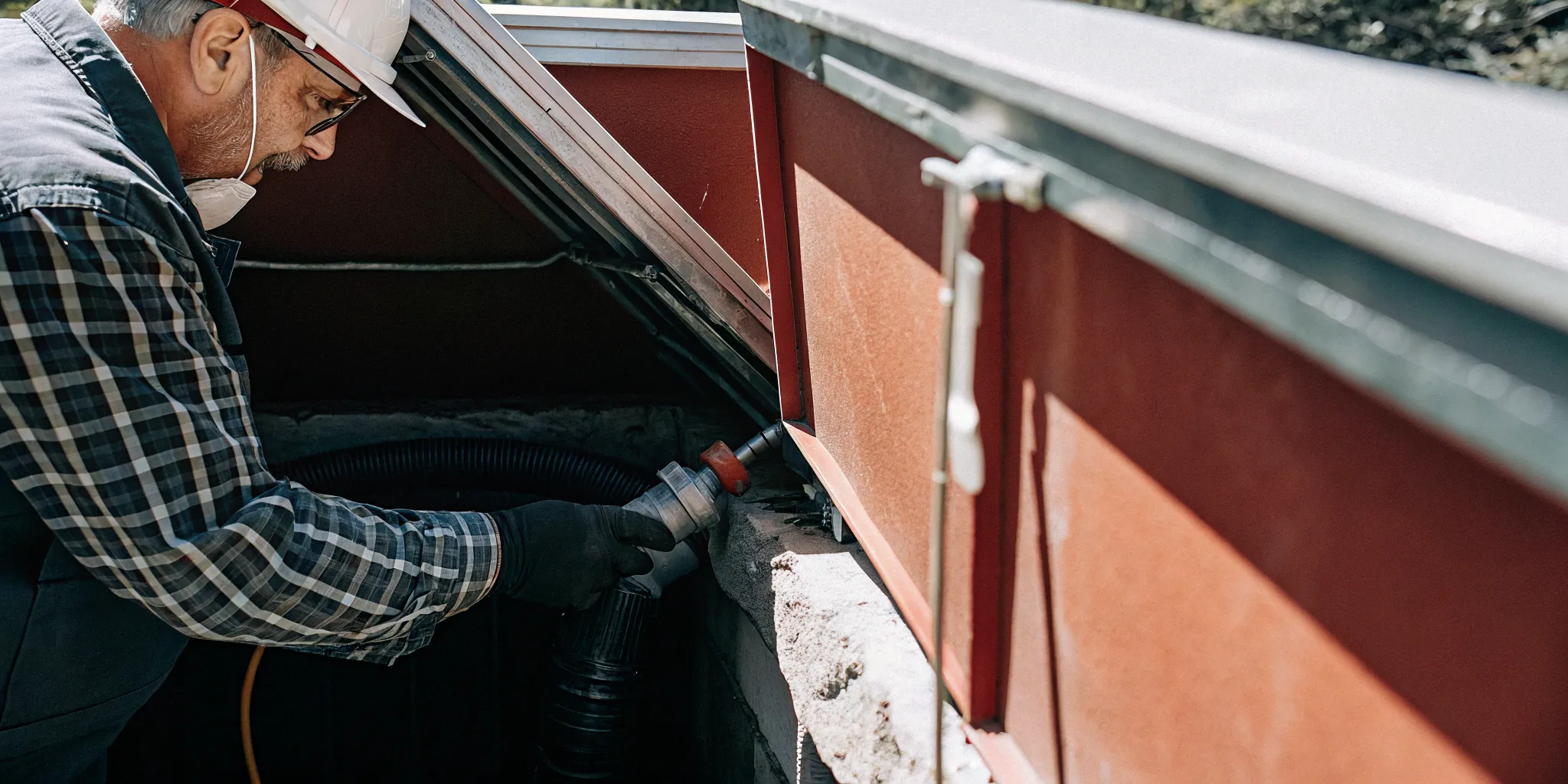
Pool opening checklist Colorado owners can follow
Getting your pool ready for the season takes careful planning and the right tools. Because of our local climate, you should start your prep work about one month before you plan to swim. This gives you time to find any parts that need a fix before the warm days arrive. A solid monthly pool maintenance checklist can help you stay on track all year, but the first steps in spring are the most vital.
Clean and remove the cover
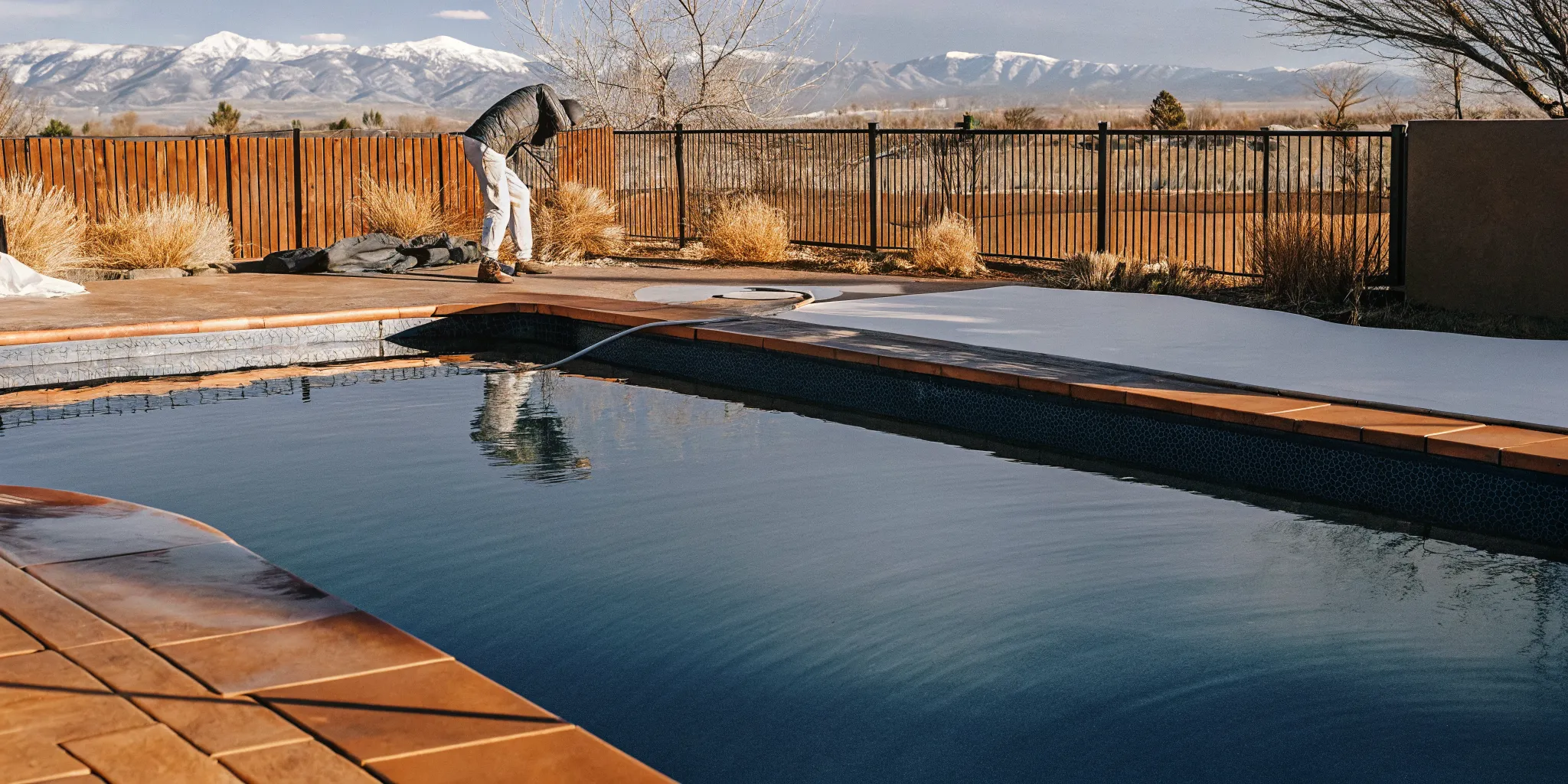
Start by clearing any dirt or water from the top of your cover. Doing this prevents old leaves and debris from falling into your clean water. Use a pump to remove standing water and a soft brush for solid waste. Once the cover is clean and dry, take it off and look for any holes or tears. Store the cover in a dry spot to keep it safe for next winter.
Check your pool equipment
Before you turn on any power, you must look at every part of your system. Check the pump, filter, and all water lines for signs of cracks or leaks. Ensure all pipes and plugs are tight and in the right place. If you find any damage from the freeze, it is best to stop and call for pool repair services before you start the pump. This step helps prevent big breaks and keeps your system safe.
- Fill the water to the right level. Use a hose to bring the water up to the middle of the skimmer opening. This allows the pump to pull enough water to work well.
- Restore the drain plugs. Put all drain plugs back into the pump, filter, and heater. You likely removed these for freeze protection in the fall.
- Prime the pump. Fill the pump basket with water to help the system start without air. Turn the valve to the filter setting and start the motor.
- Circulate the water. Let the pump run for 4 to 6 hours before you add any chemicals. This time allows the old and new water to mix fully.
- Test the water. Use a kit to check your levels. Colorado rules state that your pH should stay between 7.2 and 8.0 (5 CCR 1003-5).
- Balance the chemistry. Add the needed items to hit your goals. This includes free chlorine, which should stay between 1.0 and 3.0 ppm in Colorado swimming pools.
- Set the timer. Once everything is clear, set your pump to run for 8 to 12 hours a day. This keeps the water clean and safe for everyone to use.
Balance for high altitude
Water chemistry in the Denver Metro area acts a bit differently due to our high altitude. You will need to check your calcium hardness to protect your pool walls. State rules suggest keeping calcium levels between 150 and 600 ppm (5 CCR 1003-5). Proper balance at the start of the year helps your surfaces last much longer.
If you feel unsure about any of these steps, you can hire professional pool cleaning and maintenance experts. Local pros know how to handle Colorado's unique weather and water needs. Taking the time to do it right now means more time to enjoy your pool all summer long.
How do you inspect pool equipment after winter?
A Colorado winter is hard on pool gear. The freeze and thaw cycles in the Denver area can strain even the best systems. Before you start your spring pool opening, you must check every part.
This helps you find leaks or cracks caused by ice. A full check keeps your pool safe and protects your home from water damage. Taking the time to look now will save you stress when the heat of summer arrives.
Check the pump and filter system
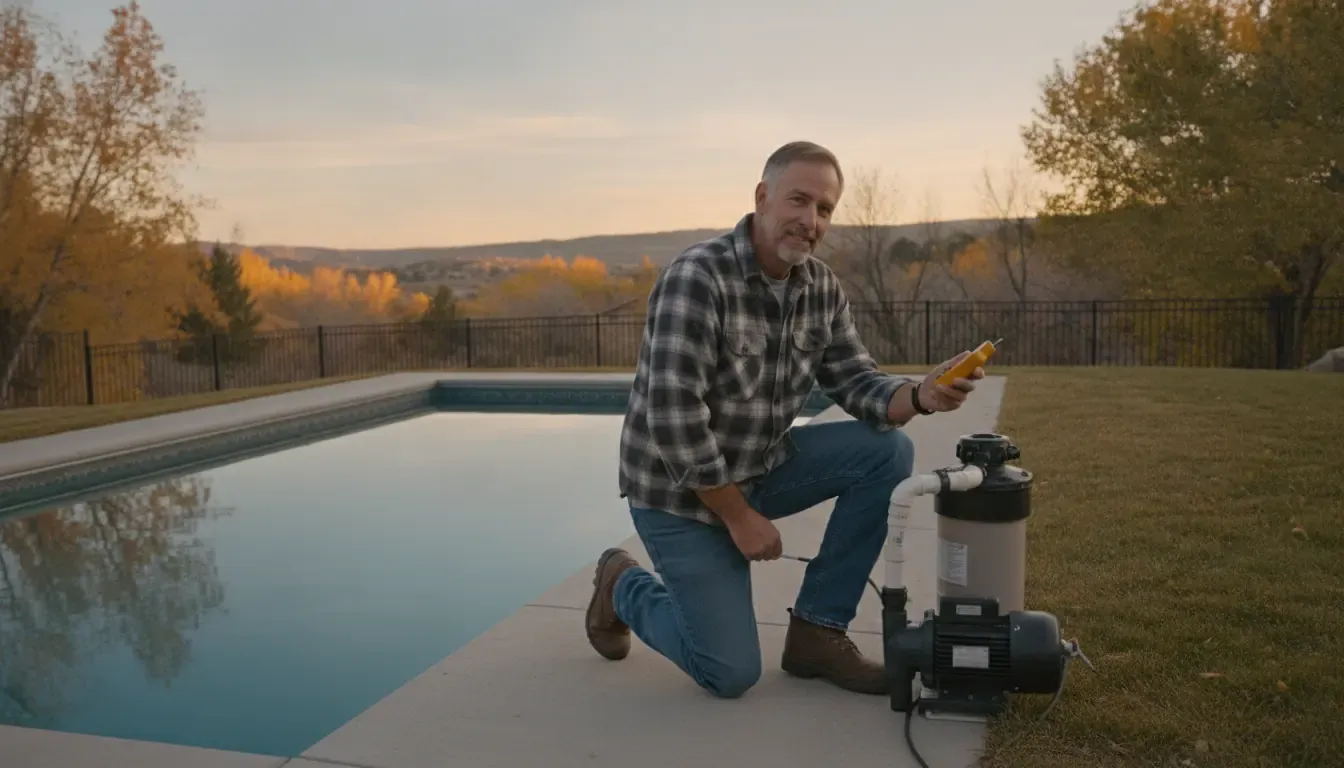
The pump is the heart of your pool. Look for any signs of wear on the pump body. Check the lid for small cracks and inspect the O-ring seal. If the O-ring is dry or flat, use a silicone lube or buy a new one.
A bad seal will let air in, which stops the pump from moving water. Make sure all drain plugs are back in place. You should also look at the filter tank. Ice can expand and crack the tank if it was not drained well in the fall.
Check the pressure gauge on the filter. If the needle is not at zero when the pump is off, you need a new gauge. These parts are cheap but vital for safety. Before you turn the power on, make sure all joints are tight.
This protects the health of your pool and helps you meet Colorado pool safety rules for water flow. Finding small leaks now stops big repairs during the peak swimming season. Our team can help with professional pool cleaning and maintenance if your system needs a deep check.
Look for freeze damage in pipes
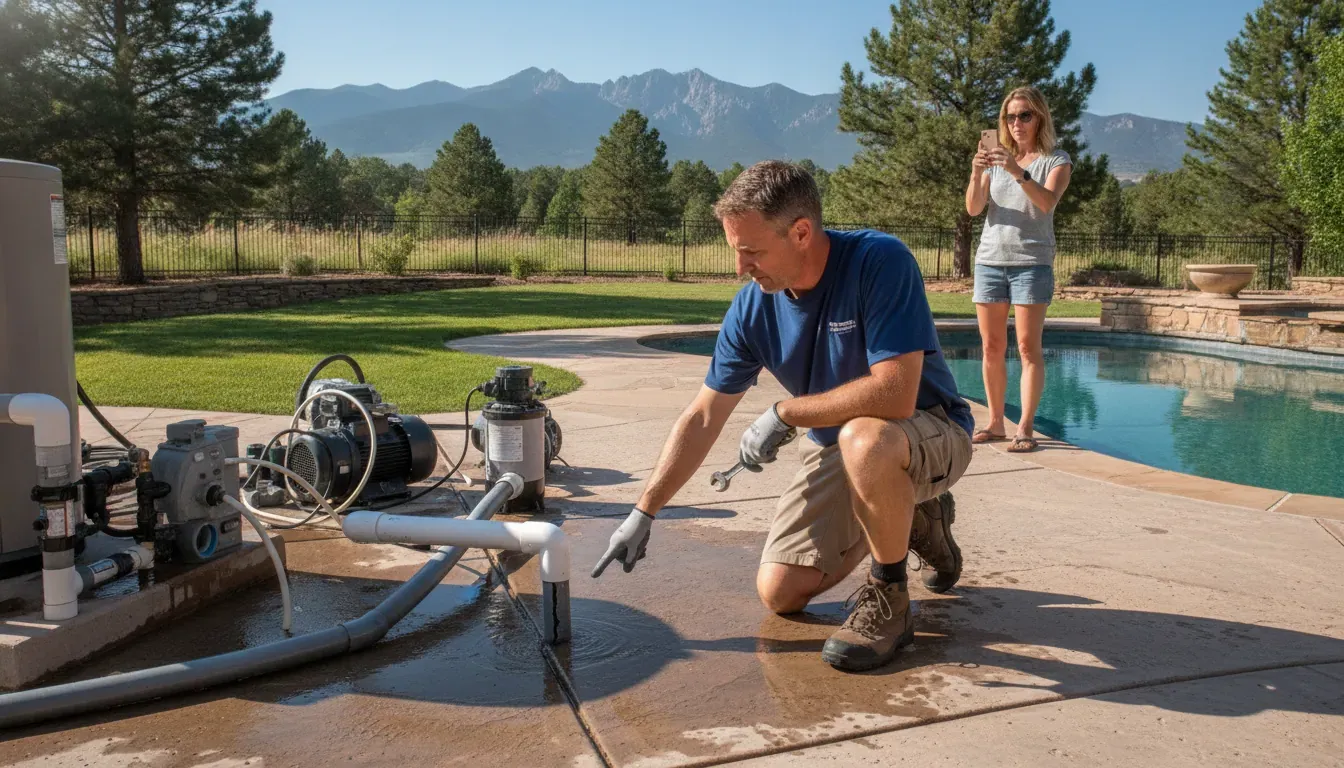
Colorado's cold climate is a major risk for pool plumbing. Walk around the gear pad and look at all the pipes. Search for thin cracks or white stress marks. These marks show where ice may have pushed against the plastic pipes.
Take care to check the unions where pipes join. If a union is loose, it might leak once the water starts to flow. Check the valves to see if they turn easily. If a valve is stuck, do not force it. You might snap the handle or break the part inside.
If you see any pipes that look bent, they may have shifted during a freeze. Frozen water has a lot of power and can move heavy gear. You can request pool repair services if you find a burst pipe.
It is much better to fix a pipe now than to deal with a flood later. Check your ground wires too. Make sure the copper wire is still fixed to the pump and the heater. This keeps the water safe from stray power.
Test the heater and other parts
Your pool heater is a complex machine. Check the burner tray for dirt or pest nests. Mice often hide in heaters during the winter. They can chew on wires or block the gas flow.
If you see chewed wires, do not turn the heater on. This is a fire risk and needs a pro to fix. Check the heat exchanger for leaks. Water dripping from the bottom of the heater is a common sign of a freeze crack. These leaks can be hard to fix if they are inside the core.
Check other items like the salt cell or the chlorinator. Look for scale or cracks in the clear plastic parts. If you have a salt system, the plates should be clean and white. Also, look at the pool lights.
Make sure the area behind the light is dry. If you see water inside the light lens, the seal has failed. You must fix this to keep the pool safe for your family. A full check of your gear makes your opening day much smoother. It ensures your pool is ready for the first warm day in April.
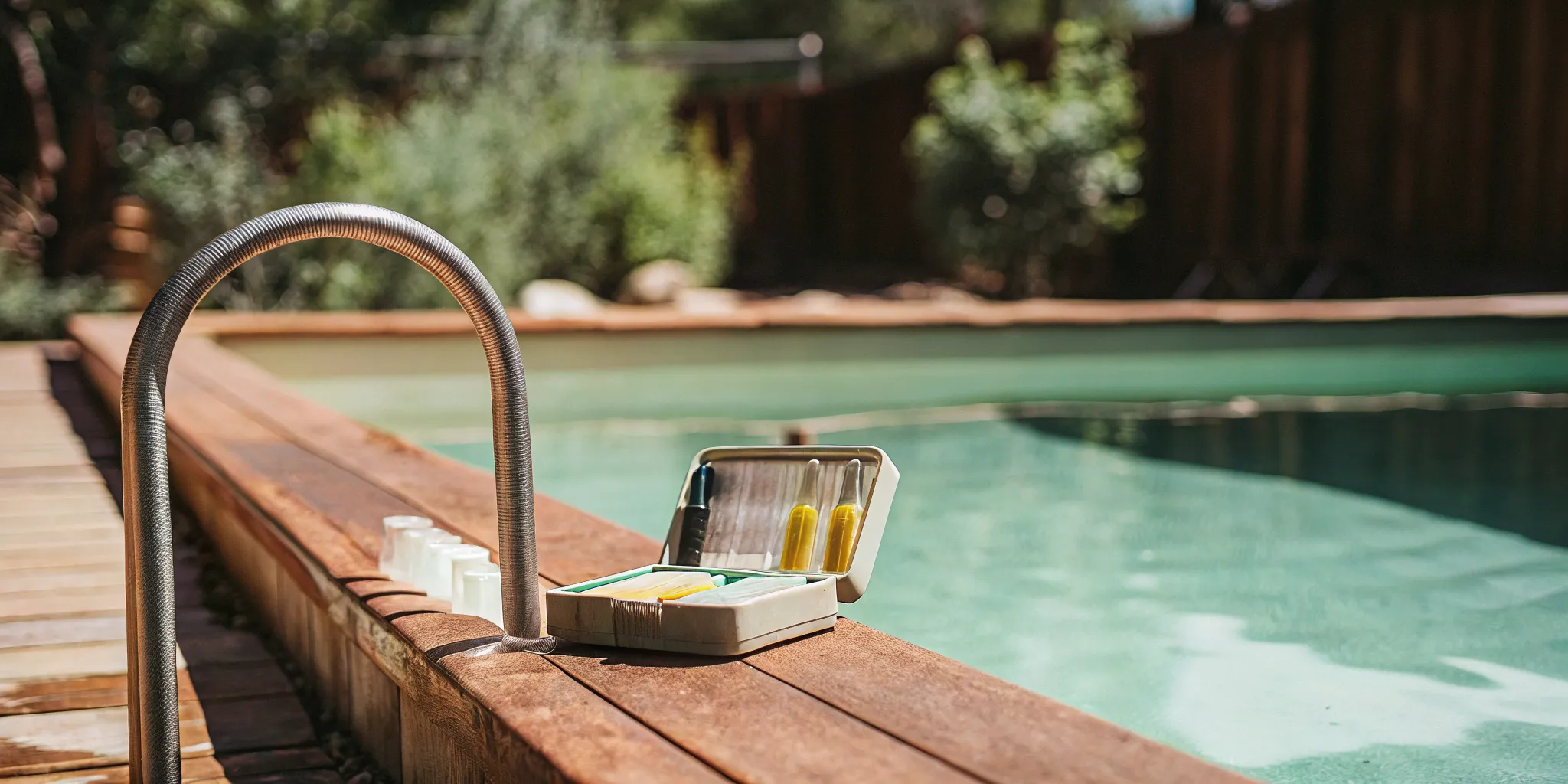
How do you balance pool water for Colorado conditions?
Getting your pool water right is a key goal for any pool opening checklist colorado. Proper chemical balance keeps swimmers safe. It also helps your pool surfaces and equipment stay in good shape.
When you open your pool in the spring, you must test the water before anyone jumps in. Starting with a clean slate makes it easier to keep the water clear all summer long.
Test your water in the right order
In Colorado, the law sets clear rules for pool safety. The Colorado state rules say you must keep your pH between 7.2 and 8.0. For the best results, aim for a pH between 7.4 and 7.6.
You also need to check your free chlorine levels. The state says a range of 1.0 to 3.0 ppm is ideal for most pools. Keeping these levels right protects the pool liner and helps your pump run well.
Before you add any products, check the dates on your bottles. Most pool chemicals only stay good for 24 to 36 months. Using old chemicals can make it hard to reach the right balance.
Start by testing total alkalinity first. This helps keep your pH from jumping up and down. Once alkalinity is in the right spot, you can adjust the pH and then add chlorine. This steps-based path saves you time and money on extra supplies.
Let the water circulate and retest
Do not add chemicals as soon as you fill the pool or pull the cover off. It is best to let the water circulate for 4 to 6 hours first. This move ensures the old and new water are well mixed.
It also helps you get a more exact test result so you don't over-treat the pool. If you add chemicals too soon, you might end up with the wrong levels. This can lead to cloudy water or itchy skin for swimmers.
For seasonal pool maintenance in Colorado, your pump needs to run often to keep things clean. During the warmer months, set your timer for at least 8 to 10 hours a day. Running it for 12 hours is even better if the sun is hot.
Good water flow keeps the chemicals active and prevents green algae from growing in the corners. Always retest the water a few hours after you add any products to make sure you hit your goals.
Manage high-altitude sun and evaporation
The thin air in the Denver area brings unique problems to pool care. High altitude means the sun's rays are strong at all times. This intense UV light can break down chlorine in just a few hours.
You may need to use a stabilizer to help your chlorine last longer through the day. Always follow the labels on your products to keep the water safe for your family. If you find the balance hard to maintain on your own, professional pool cleaning and maintenance can help you stay on track.
Loss of water through evaporation is another big issue in our dry mountain climate. When water leaves the pool, the minerals and salts stay behind in the water. This can make the water "hard" over time and cause scale on your tiles.
Check your water levels and chemistry at least once a week to stay ahead of the heat. This is a vital part of any monthly pool maintenance checklist. Keeping the water level right helps your pump work well and stops air from getting into the pipes.
What should you monitor after startup?
Opening your pool in Colorado takes more than just turning on the pump. The first 48 hours are vital for your system. You must watch your gear and water closely to make sure everything runs well. Careful watching helps you find small issues before they turn into big costs.
Equipment checks and filter pressure
Once you start your pump, watch the gauge on your filter. Most filters have a set start pressure. If the pressure rises more than 8 to 10 PSI above that mark, you may need to clean the filter. Keep an eye on the pump basket too. In spring, Colorado winds can blow dirt into your pool fast. Clear the baskets often to keep water moving through your system.
You should also look for drips near your pump, heater, and filter. Small leaks can waste water and hurt your gear over time. Check the ground for wet spots near the pipes. Making sure all joints are tight will stop air from getting in the lines. If you see bubbles in the pool, you might have a leak that needs professional pool cleaning and maintenance help.
Water clarity and flow
Clear water is a sign of a healthy pool. After you take off the cover, the water may look dull or green. Let the water run for at least 4 to 6 hours before you add any chemicals. This helps mix the old and new water. In high areas like Denver, the sun is very strong. You may need to run your pump for 10 to 12 hours a day during the summer to keep the water clear.
Check your water level every day for the first two days. A quick drop in level could mean you have a leak in the pool wall or the pipes. The water should stay at the middle of the skimmer hole. Keeping the right level makes sure the pump does not pull in air. Air in the pipes can cause the pump to fail and burn out the motor.
Chemical balance and testing
Colorado has strict rules for pool water health. You must keep your pH level between 7.2 and 8.0 to protect your pool. The state says the best pH range is 7.4 to 7.6 for top comfort. Test your water twice a day during the first 48 hours. This helps you see how the chemicals react with your local water.
Chlorine is also vital for killing germs. You should keep your free chlorine level between 1.0 ppm and 3.0 ppm. If the levels are too low, green film can grow fast in the bright sun. Balancing your water is a key part of a monthly pool maintenance checklist. If you feel unsure about your water, get help from a local pro who knows Colorado pool care.
DIY pool opening vs. professional service
Deciding between a DIY path and hiring a team depends on your tools, time, and comfort with gear. Many people use a monthly pool maintenance checklist for basic care, but a spring opening is a bigger task. You must check the pump, filter, and heater after months of sitting idle in the Colorado cold.
Equipment and safety checks
Opening a pool needs tools like a cover pump, a shop vac, and a water test kit. Professional teams bring this gear and know how to find small leaks or cracks in the pipes. Experts also check for freeze damage, which is a common risk for seasonal pool maintenance in Colorado. Finding these issues early helps you avoid more costly pool repair services later in the year.
Water chemistry and balance
Getting the water right is one of the hardest parts of a DIY start. Per Colorado state rules, pool pH must stay between 7.2 and 8.0 for safety. Pros use high-grade tests to check free chlorine, total alkalinity, and calcium hardness. They know how high-altitude air affects chemical levels and can balance the water fast. This protects both the swimmers and the pool surfaces from harm.
| Factor | DIY Opening | Professional Service |
|---|---|---|
| Time needed. | One to two full days. | Two to four hours. |
| Tools needed. | User must buy or rent gear. | Included with service. |
| Chemical math. | User runs basic home tests. | Expert high-altitude balance. |
| Risk of damage. | Risk of missed leaks. | Full gear inspection. |
| Labor level. | High (heavy lifting). | Low (client does nothing). |
Choosing the right path
If you have the time and tools, a DIY opening can be a good way to learn about your system. But you should plan to start your opening steps one month before you want to swim. This gives you time to get parts if you find a problem. For those who want a fast, sure start to the season, a professional service is the best choice for peace of mind.
Frequently Asked Questions
What is the best time to open a pool in Colorado?
In Colorado, the best time to open your pool is most often in April. Starting early helps you beat the late spring rush and ensures your water is clear for the first warm days. Since our local swim season runs from April to October, an early start gives you more time to enjoy your pool. This timing also allows you to find and fix any winter damage before the summer heat arrives.
When should I start my pool opening steps?
Experts suggest you start your pool opening steps at least one month before you want to swim. Starting early gives you enough time to clean the cover and check your gear. It also allows your pump to move the water well. Starting four weeks ahead ensures you have plenty of time to balance the water chemistry and reach the right temperature for safe swimming.
Which chemicals are needed for a pool startup?
To get your pool ready, you will need a few key items. These include chlorine tablets, pool shock, and a water stabilizer. You may also need muriatic acid to help balance the pH levels. Using these startup chemicals as directed helps clear the water and maintain sanitizer levels. You must let your water move for at least four to six hours after adding these items to ensure they mix well.
What are the required pH and chlorine levels for Colorado pools?
Colorado state rules have strict goals for pool water safety. Based on the Code of Colorado Regulations, you must keep your pH levels between 7.2 and 8.0. For chlorine, the ideal range is between 1.0 and 3.0 ppm. Keeping your water in these ranges protects your skin and eyes. It also stops damage to your pool pump and parts, which saves you money on repairs over time.
Ready to book your expert Colorado pool opening service today?
Waiting to open your pool can lead to green algae and broken pumps as the hot Colorado sun heats the still water in your pipes. By setting up your work early in the spring, you beat the busy yearly rush and make sure your pool is safe for your family. A quick check prevents the stress of late repairs and keeps your water clear, which is easy with our pool cleaning and maintenance work.
Ready to book your pool opening service? Request a free pool inspection to start planning with Neptune Pools today. Our expert team will get your home pool water clear and safe for the hot Colorado summer season right now.
Related Blogs